
Filtres d'astrophotographie
Not every imaging filter is narrowband or LRGB. Ultraviolet and infrared cut filters, luminance filters, methane band filters for planetary work and dedicated infrared pass filters each solve a specific problem, and several of them are more useful than their obscurity suggests. David Astro carries imaging filters in Canada, in Canadian inventory and shipped domestically.
These filters address particular situations rather than general imaging. Tell us what problem you are seeing and we will say whether one of them fixes it.


Prix d'origine
$22.07
-
Prix d'origine
$52.55
Prix d'origine
$22.07
-
$52.55
$22.07
-
$52.55
Prix actuel
$22.07
SVBONY CLS Light Pollution Broadband Filter
Options available
Broadband Light Pollution Suppression Effectively Blocks Sodium and Mercury Vapor Streetlights High Transmission on Key Nebula Emission Lines Opti...
Afficher tous les détails
Prix d'origine
$22.07
-
Prix d'origine
$52.55
Prix d'origine
$22.07
-
$52.55
$22.07
-
$52.55
Prix actuel
$22.07


Prix d'origine
$11.19
-
Prix d'origine
$13.43
Prix d'origine
$11.19
-
$13.43
$11.19
-
$13.43
Prix actuel
$11.19
SVBONY SV164 Dark Filter for CCD and CMOS Cameras
Options available
10 variants in stock
2-inch Filter Size Standard M48x0.75 Threads Enables Automated Dark Frame Capture 1mm Filter Thickness Durable Anodized Aluminum Cell Descripti...
Afficher tous les détails
Prix d'origine
$11.19
-
Prix d'origine
$13.43
Prix d'origine
$11.19
-
$13.43
$11.19
-
$13.43
Prix actuel
$11.19


Prix d'origine
$18.35
-
Prix d'origine
$28.79
Prix d'origine
$18.35
-
$28.79
$18.35
-
$28.79
Prix actuel
$18.35
SVBONY SV183 685nm IR Pass Filter
Options available
685nm Infrared (IR) Pass Filter Standard 1.25" Threaded Barrel Transmits >95% of light from 673nm to 1100nm Blocks Visible Light with OD2 Block...
Afficher tous les détails
Prix d'origine
$18.35
-
Prix d'origine
$28.79
Prix d'origine
$18.35
-
$28.79
$18.35
-
$28.79
Prix actuel
$18.35


Prix d'origine
$119.99
-
Prix d'origine
$249.99
Prix d'origine
$119.99
-
$249.99
$119.99
-
$249.99
Prix actuel
$119.99
SVBONY SV220 3nm H-Alpha & OIII Dual Narrowband Filter
Options available
2 variants in stock
3nm Dual-Bandpass: Isolates H-Alpha (656.3 nm) and OIII (500.7 nm) emission lines with extreme prejudice against light pollution. ≥85% Peak Tran...
Afficher tous les détails
Prix d'origine
$119.99
-
Prix d'origine
$249.99
Prix d'origine
$119.99
-
$249.99
$119.99
-
$249.99
Prix actuel
$119.99

Prix d'origine
$73.56
-
Prix d'origine
$120.24
Prix d'origine
$73.56
-
$120.24
$73.56
-
$120.24
Prix actuel
$73.56
SVBONY SV220 7nm Ha/OIII Dual-Band Filter
Options available
6 variants in stock
Prix d'origine
$73.56
-
Prix d'origine
$120.24
Prix d'origine
$73.56
-
$120.24
$73.56
-
$120.24
Prix actuel
$73.56


Prix d'origine
$93.33
-
Prix d'origine
$93.33
Prix d'origine
$93.33
$93.33
-
$93.33
Prix actuel
$93.33
SVBONY SV227 H-Alpha 5nm Narrowband Filter - 2"
SV-W9187DB
Isolates the 656.3nm H-Alpha wavelength Aggressive 5nm Full Width at Half Maximum (FWHM) bandpass Peak transmittance of ≥90% for high signal throu...
Afficher tous les détails
Prix d'origine
$93.33
-
Prix d'origine
$93.33
Prix d'origine
$93.33
$93.33
-
$93.33
Prix actuel
$93.33


Prix d'origine
$93.33
-
Prix d'origine
$93.33
Prix d'origine
$93.33
$93.33
-
$93.33
Prix actuel
$93.33
SVBONY SV227 OIII 5nm Narrowband Filter - 2"
SV-W9187DC
Isolates the Oxygen III emission line at 500.7nm Extremely narrow 5nm Full Width at Half Maximum (FWHM) bandpass Achieves ≥90% peak light transmit...
Afficher tous les détails
Prix d'origine
$93.33
-
Prix d'origine
$93.33
Prix d'origine
$93.33
$93.33
-
$93.33
Prix actuel
$93.33


Prix d'origine
$167.99
-
Prix d'origine
$167.99
Prix d'origine
$167.99
$167.99
-
$167.99
Prix actuel
$167.99
SVBONY SV227 SHO 5nm H-Alpha OIII SII Narrowband Filter Set - 1.25"
SV-W9187A
Complete 1.25-inch SHO (SII, H-Alpha, OIII) filter set Tight 5nm bandpass for high-contrast imaging Peak transmission rate of ≥90% at key waveleng...
Afficher tous les détails
Prix d'origine
$167.99
-
Prix d'origine
$167.99
Prix d'origine
$167.99
$167.99
-
$167.99
Prix actuel
$167.99


Prix d'origine
$93.33
-
Prix d'origine
$93.33
Prix d'origine
$93.33
$93.33
-
$93.33
Prix actuel
$93.33
SVBONY SV227 SII 5nm Narrowband Filter - 2"
SV-W9187DA
Captures Sulfur-II (SII) emission at a 672nm center wavelength Extremely narrow 5nm bandpass for maximum contrast Peak light transmission of ≥90% ...
Afficher tous les détails
Prix d'origine
$93.33
-
Prix d'origine
$93.33
Prix d'origine
$93.33
$93.33
-
$93.33
Prix actuel
$93.33


Prix d'origine
$30.95
-
Prix d'origine
$40.31
Prix d'origine
$30.95
-
$40.31
$30.95
-
$40.31
Prix actuel
$30.95
SVBONY SV231 Fringe Killer Color Correction Filter
Options available
Reduces violet fringing (chromatic aberration) in achromatic refractors Standard 1.25" filter threads for universal compatibility Blocks IR wavele...
Afficher tous les détails
Prix d'origine
$30.95
-
Prix d'origine
$40.31
Prix d'origine
$30.95
-
$40.31
$30.95
-
$40.31
Prix actuel
$30.95


Prix d'origine
$89.99
-
Prix d'origine
$119.99
Prix d'origine
$89.99
-
$119.99
$89.99
-
$119.99
Prix actuel
$89.99
SVBONY SV240 Near-Infrared Multi-Narrowband Light Pollution Filter
Options available
Designed for urban astrophotography with one-shot color cameras Passes H-Alpha, OIII, H-Beta, and Near-Infrared (NIR) wavelengths Peak transmittan...
Afficher tous les détails
Prix d'origine
$89.99
-
Prix d'origine
$119.99
Prix d'origine
$89.99
-
$119.99
$89.99
-
$119.99
Prix actuel
$89.99


Prix d'origine
$124.99
-
Prix d'origine
$124.99
Prix d'origine
$124.99
$124.99
-
$124.99
Prix actuel
$124.99
SVBONY SV260 5-Bandpass Light Pollution Filter - 2"
SV-W9194A
2 en stock
5-Bandpass broadband light pollution filter 2-inch size with M48x0.75 thread Over 90% peak transmittance for high signal OD4 blocking of key light...
Afficher tous les détails
Prix d'origine
$124.99
-
Prix d'origine
$124.99
Prix d'origine
$124.99
$124.99
-
$124.99
Prix actuel
$124.99


Prix d'origine
$24.00
-
Prix d'origine
$50.31
Prix d'origine
$24.00
-
$50.31
$24.00
-
$50.31
Prix actuel
$24.00
SVBONY UHC Ultra High Contrast Light Pollution Filter
Options available
Reduces light pollution from artificial lighting Enhances contrast for emission nebulae Available in 1.25", 2", and Canon EOS-C formats Durable al...
Afficher tous les détails
Prix d'origine
$24.00
-
Prix d'origine
$50.31
Prix d'origine
$24.00
-
$50.31
$24.00
-
$50.31
Prix actuel
$24.00


Prix d'origine
$15.99
-
Prix d'origine
$17.99
Prix d'origine
$15.99
-
$17.99
$15.99
-
$17.99
Prix actuel
$15.99
SVBONY UV IR-Cut Filter
Options available
7 variants in stock
Blocks unwanted Ultraviolet (UV) and Infrared (IR) wavelengths Standard 2-inch filter threads for wide compatibility Improves image contrast and c...
Afficher tous les détails
Prix d'origine
$15.99
-
Prix d'origine
$17.99
Prix d'origine
$15.99
-
$17.99
$15.99
-
$17.99
Prix actuel
$15.99


Prix d'origine
$229.00
-
Prix d'origine
$229.00
Prix d'origine
$229.00
$229.00
-
$229.00
Prix actuel
$229.00
Vaonis Filtre CLS pour Vespera
VAO-AC023
Filtre antipollution lumineuse CLS (City Light Suppression) Bloque les longueurs d'onde du sodium (Na) et du mercure (Hg) Améliore le contraste de...
Afficher tous les détails
Prix d'origine
$229.00
-
Prix d'origine
$229.00
Prix d'origine
$229.00
$229.00
-
$229.00
Prix actuel
$229.00


Prix d'origine
$399.00
-
Prix d'origine
$399.00
Prix d'origine
$399.00
$399.00
-
$399.00
Prix actuel
$399.00
Vaonis Filtre Dual Band pour Vespera
VAO-AC022
Filtre double bande isolant les longueurs d'onde hydrogène alpha (656.3nm) et oxygène III (500.7nm) Bande passante étroite de 12nm qui augmente ne...
Afficher tous les détails
Prix d'origine
$399.00
-
Prix d'origine
$399.00
Prix d'origine
$399.00
$399.00
-
$399.00
Prix actuel
$399.00


Prix d'origine
$478.00
-
Prix d'origine
$478.00
Prix d'origine
$478.00
$478.00
-
$478.00
Prix actuel
$478.00
William Optics Filtre Bande Étroite STC Astro Duo
WO-YF-STC-ADN
Filtre passe-bande double pour l'astrophotographie Optimisé pour les raies d'émission H-alpha et OIII Description ...
Afficher tous les détails
Prix d'origine
$478.00
-
Prix d'origine
$478.00
Prix d'origine
$478.00
$478.00
-
$478.00
Prix actuel
$478.00


Prix d'origine
$238.00
-
Prix d'origine
$238.00
Prix d'origine
$238.00
$238.00
-
$238.00
Prix actuel
$238.00
William Optics Filtre Multispectre STC Ultra Layer Astro - 48mm
WO-YF-STC-M48
Filtre passe-bande multi pour l'astrophotographie Conception filetée de 48 mm pour une fixation facile Description ...
Afficher tous les détails
Prix d'origine
$238.00
-
Prix d'origine
$238.00
Prix d'origine
$238.00
$238.00
-
$238.00
Prix actuel
$238.00
Prix d'origine
$19.00
-
Prix d'origine
$49.00
Prix d'origine
$19.00
-
$49.00
$19.00
-
$49.00
Prix actuel
$19.00
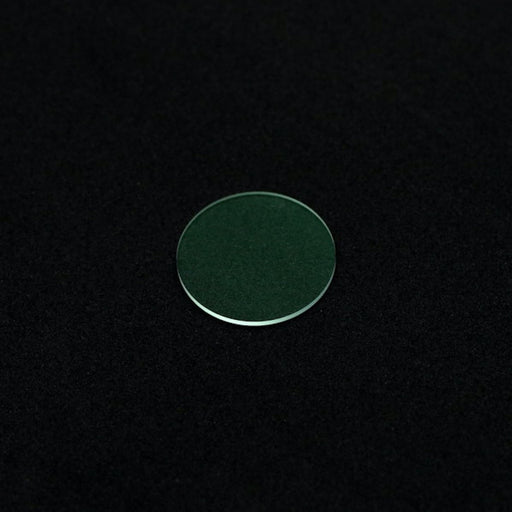
ZWO Fenêtre de protection AR
Options available
5 variants in stock
Protège le capteur de la caméra de la poussière et de l'humidité Diamètre de 21mm pour certains modèles de caméras ZWO Traitements antireflet (AR)...
Afficher tous les détails
Prix d'origine
$19.00
-
Prix d'origine
$49.00
Prix d'origine
$19.00
-
$49.00
$19.00
-
$49.00
Prix actuel
$19.00
Prix d'origine
$99.00
-
Prix d'origine
$169.00
Prix d'origine
$99.00
-
$169.00
$99.00
-
$169.00
Prix actuel
$99.00
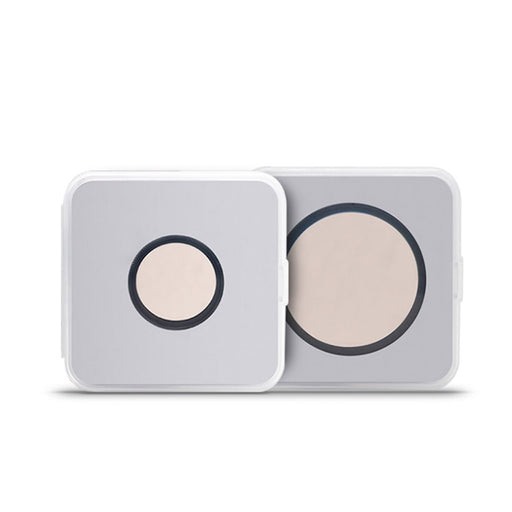
ZWO Filtre bi-bande
Options available
7 variants in stock
Laisse passer les longueurs d'onde H-alpha (15nm) et OIII (35nm) Conçu pour les caméras couleur (OSC) Monture filetée 1.25" Transmission supérieur...
Afficher tous les détails
Prix d'origine
$99.00
-
Prix d'origine
$169.00
Prix d'origine
$99.00
-
$169.00
$99.00
-
$169.00
Prix actuel
$99.00
Prix d'origine
$29.00
-
Prix d'origine
$29.00
Prix d'origine
$29.00
$29.00
-
$29.00
Prix actuel
$29.00
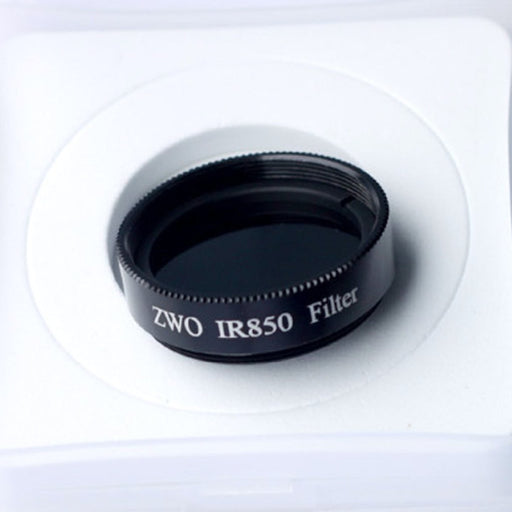
ZWO Filtre passe IR 850nm - 1.25"
ZWO-850IR1-25
2 en stock
Laisse passer la lumière infrarouge > 850nm Stabilise nettement les images planétaires par forte turbulence Permet l'imagerie planétaire et lun...
Afficher tous les détails
Prix d'origine
$29.00
-
Prix d'origine
$29.00
Prix d'origine
$29.00
$29.00
-
$29.00
Prix actuel
$29.00
Prix d'origine
$19.00
-
Prix d'origine
$19.00
Prix d'origine
$19.00
$19.00
-
$19.00
Prix actuel
$19.00
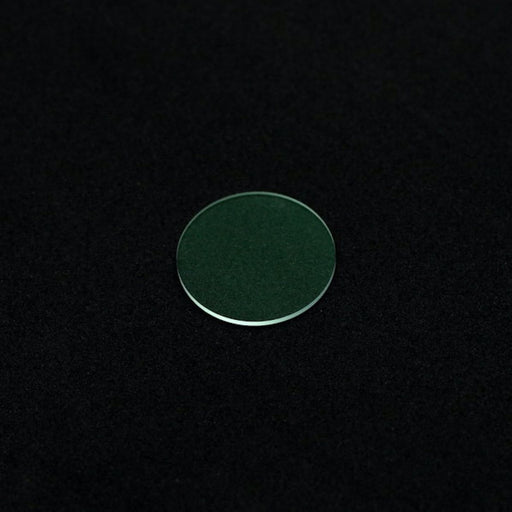
ZWO Fenêtre de protection IR-cut
Options available
Fenêtre de protection de 21 mm de diamètre pour certaines caméras ZWO Le filtre UV/IR-cut intégré préserve un équilibre des couleurs naturel Plané...
Afficher tous les détails
Prix d'origine
$19.00
-
Prix d'origine
$19.00
Prix d'origine
$19.00
$19.00
-
$19.00
Prix actuel
$19.00
Prix d'origine
$148.00
-
Prix d'origine
$299.00
Prix d'origine
$148.00
-
$299.00
$148.00
-
$299.00
Prix actuel
$148.00
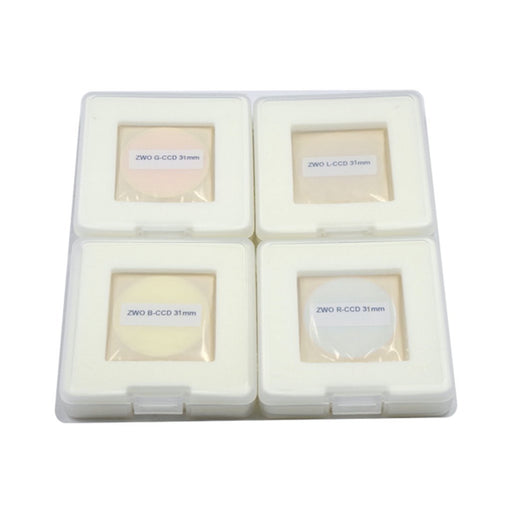
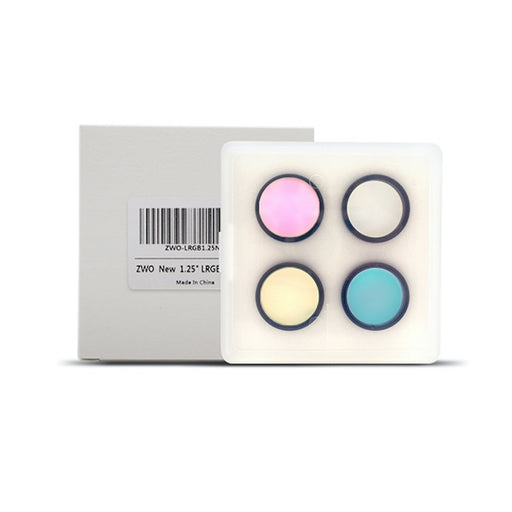
ZWO Filtres LRGB optimisés
Options available
3 variants in stock
Jeu de filtres filetés 1.25" (31.75mm) Transmission supérieure à 92% dans la bande passante Pondération des poses RGB équilibrée 1:1:1 Verre optiq...
Afficher tous les détails
Prix d'origine
$148.00
-
Prix d'origine
$299.00
Prix d'origine
$148.00
-
$299.00
$148.00
-
$299.00
Prix actuel
$148.00
Prix d'origine
$369.00
-
Prix d'origine
$699.00
Prix d'origine
$369.00
-
$699.00
$369.00
-
$699.00
Prix actuel
$369.00
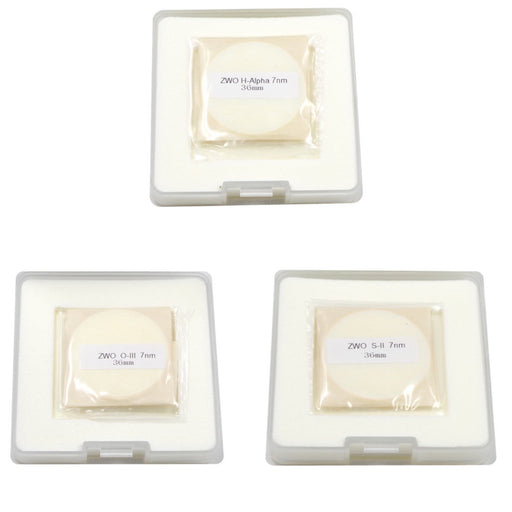
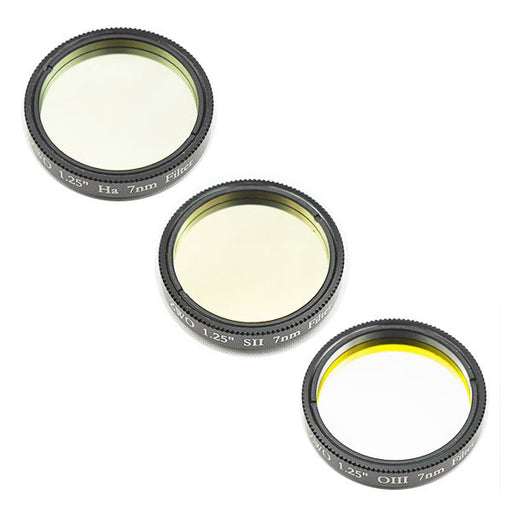
ZWO Jeu de filtres à bande étroite - 7nm H-alpha, OIII et SII
Options available
1 variants in stock
Comprend des filtres H-alpha, OIII et SII 1.25" Bande passante de 7nm pour une imagerie à fort contraste Idéal pour créer des images en « palette ...
Afficher tous les détails
Prix d'origine
$369.00
-
Prix d'origine
$699.00
Prix d'origine
$369.00
-
$699.00
$369.00
-
$699.00
Prix actuel
$369.00