
Traqueurs d'étoiles
A star tracker is the cheapest way to find out whether you actually enjoy astrophotography. A camera, a lens you already own and a small tracking head produce Milky Way images and wide-field nebulae that would be impossible on a fixed tripod, and the whole setup fits in a backpack. David Astro carries star trackers in Canada, held in Canadian stock.
Payload limits are real and easily exceeded once a longer lens is involved. Tell us your camera and the lenses you intend to use and we will confirm what a given tracker will hold.


Prix d'origine
$443.68 USD
-
Prix d'origine
$443.68 USD
Prix d'origine
$443.68 USD
$443.68 USD
-
$443.68 USD
Prix actuel
$443.68 USD
iOptron HST MiniTracker
Charge utile : 4kg (8.8 lbs) sans contrepoids Poids de la monture : 790 g (1.75 lbs) avec batterie Système d'engrenage : réducteur harmonique (SWG...
Afficher tous les détails
Prix d'origine
$443.68 USD
-
Prix d'origine
$443.68 USD
Prix d'origine
$443.68 USD
$443.68 USD
-
$443.68 USD
Prix actuel
$443.68 USD

Prix d'origine
$229.00 USD
-
Prix d'origine
$229.00 USD
Prix d'origine
$229.00 USD
$229.00 USD
-
$229.00 USD
Prix actuel
$229.00 USD
iOptron PST Micro Tracker
Charge utile : 3 kg (6.6 lbs) Poids de la monture : 390 g (0.86 lbs) avec batterie Vitesses de suivi : solaire, lunaire, céleste 1X, céleste 1/2X ...
Afficher tous les détails
Prix d'origine
$229.00 USD
-
Prix d'origine
$229.00 USD
Prix d'origine
$229.00 USD
$229.00 USD
-
$229.00 USD
Prix actuel
$229.00 USD

Prix d'origine
$359.00 USD
-
Prix d'origine
$539.00 USD
Prix d'origine
$359.00 USD
-
$539.00 USD
$359.00 USD
-
$539.00 USD
Prix actuel
$359.00 USD
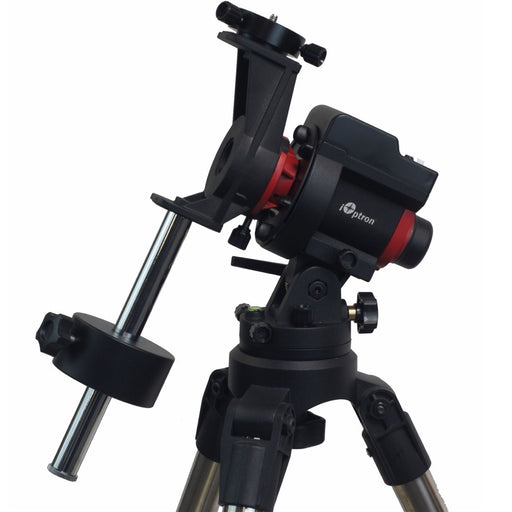
iOptron SkyGuider Pro Suiveur d'étoiles
Supporte une charge utile maximale de 11 lbs (5kg), équilibrée, sur une tête de monture de 2.2 lb (1kg) Roue à vis sans fin en alliage d'aluminium...
Afficher tous les détails
Prix d'origine
$359.00 USD
-
Prix d'origine
$539.00 USD
Prix d'origine
$359.00 USD
-
$539.00 USD
$359.00 USD
-
$539.00 USD
Prix actuel
$359.00 USD

Prix d'origine
$225.00 USD
-
Prix d'origine
$369.00 USD
Prix d'origine
$225.00 USD
-
$369.00 USD
$225.00 USD
-
$369.00 USD
Prix actuel
$225.00 USD
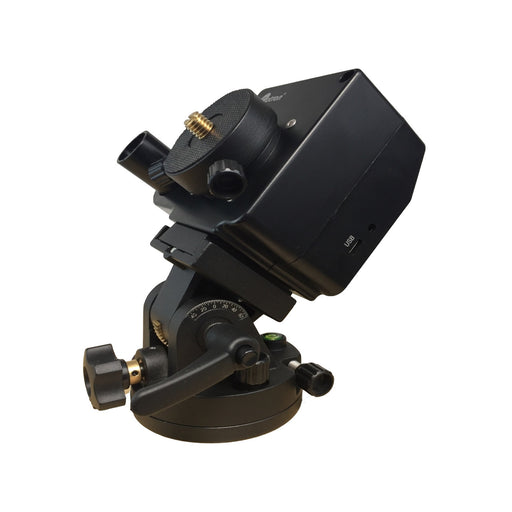
iOptron SkyTracker Pro Monture photo
Supporte des combinaisons appareil photo et objectif jusqu'à 6.6 lbs (3kg) Boîtier ultra-portable de seulement 1150 g (2.53 lbs) avec base et batt...
Afficher tous les détails
Prix d'origine
$225.00 USD
-
Prix d'origine
$369.00 USD
Prix d'origine
$225.00 USD
-
$369.00 USD
$225.00 USD
-
$369.00 USD
Prix actuel
$225.00 USD
Prix d'origine
$395.00 USD
Prix d'origine
$395.00 USD
-
Prix d'origine
$395.00 USD
Prix d'origine
$395.00 USD
Prix actuel
$329.00 USD
$329.00 USD
-
$329.00 USD
Prix actuel
$329.00 USD
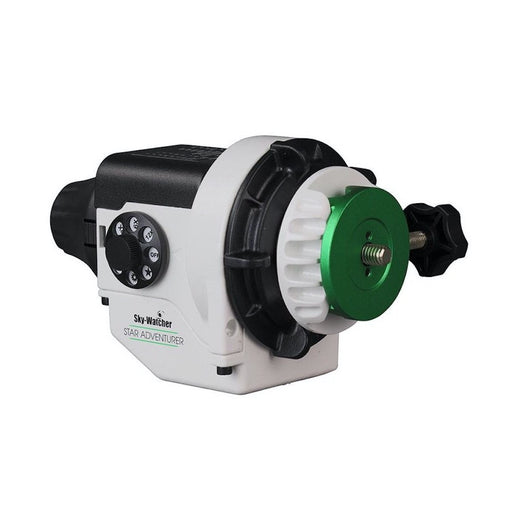
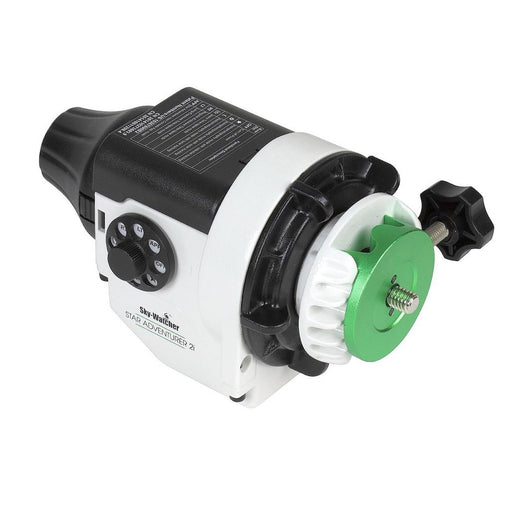
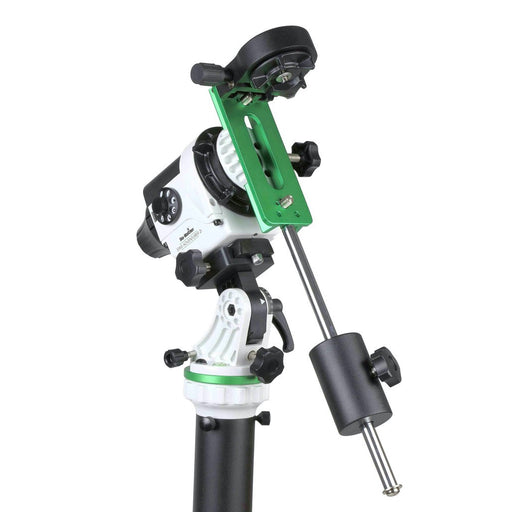
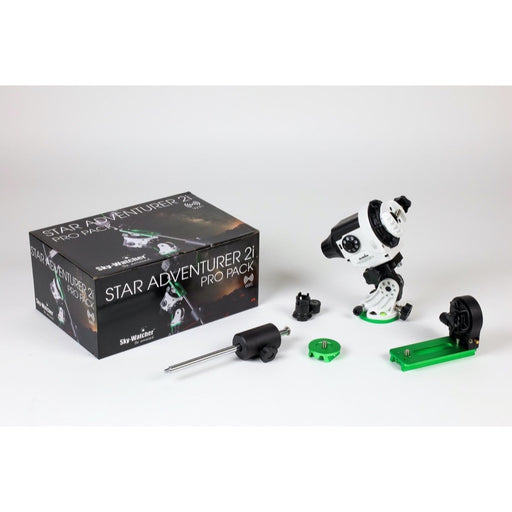
Sky-Watcher Kit photo Star Adventurer 2i
Capacité de charge : 5 kg (11 lb) Poids de la tête : 1 kg (2.2 lb) Contrôle : Wi-Fi intégré avec application gratuite pour Android & iOS S...
Afficher tous les détails
Prix d'origine
$395.00 USD
Prix d'origine
$395.00 USD
-
Prix d'origine
$395.00 USD
Prix d'origine
$395.00 USD
Prix actuel
$329.00 USD
$329.00 USD
-
$329.00 USD
Prix actuel
$329.00 USD
Économisez 17%
Prix d'origine
$585.00 USD
Prix d'origine
$585.00 USD
-
Prix d'origine
$585.00 USD
Prix d'origine
$585.00 USD
Prix actuel
$469.00 USD
$469.00 USD
-
$469.00 USD
Prix actuel
$469.00 USD
Sky-Watcher Pro Pack Star Adventurer 2i
Plateforme de suivi équatoriale avec une capacité de charge de 5 kg (11 lb) Wi-Fi intégré pour un contrôle complet via l'application gratuite Star...
Afficher tous les détails
Prix d'origine
$585.00 USD
Prix d'origine
$585.00 USD
-
Prix d'origine
$585.00 USD
Prix d'origine
$585.00 USD
Prix actuel
$469.00 USD
$469.00 USD
-
$469.00 USD
Prix actuel
$469.00 USD
Économisez 20%
Prix d'origine
$720.00 USD
-
Prix d'origine
$830.00 USD
Prix d'origine
$720.00 USD
$579.00 USD
-
$679.00 USD
$579.00 USD
-
$679.00 USD
Prix actuel
$579.00 USD
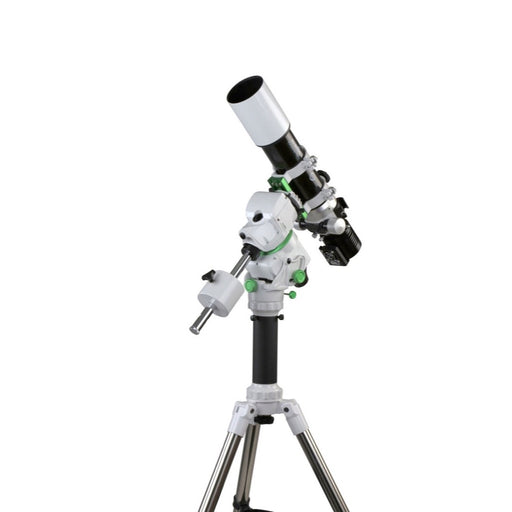
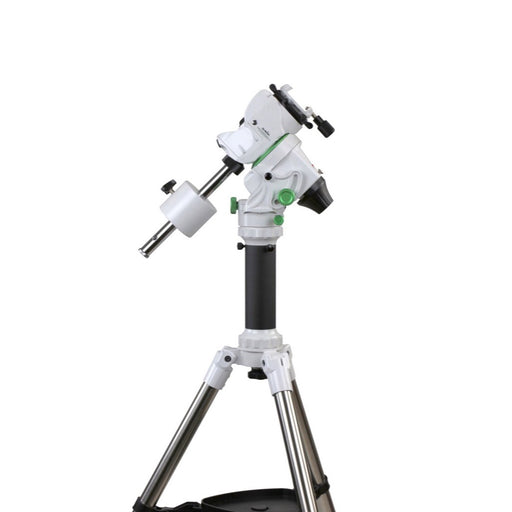
Sky-Watcher Monture équatoriale GoTo Star Adventurer GTi
Monture équatoriale GoTo complète Capacité de charge de 5 kg (11 lb) Tête de monture de 2.6 kg (5.7 lb) Contrôle via l'application SynScan Pro par...
Afficher tous les détails
Prix d'origine
$720.00 USD
-
Prix d'origine
$830.00 USD
Prix d'origine
$720.00 USD
$579.00 USD
-
$679.00 USD
$579.00 USD
-
$679.00 USD
Prix actuel
$579.00 USD
Économisez jusqu'à 18%