
Réflecteurs
No design delivers more aperture for the money than a Newtonian reflector. A mirror is cheaper to make well than a lens, has no chromatic aberration whatsoever, and scales to sizes that would be impossible in glass — which is why almost every large amateur telescope is a reflector. David Astro carries reflectors in Canada, from fast imaging astrographs to large visual Newtonians, stocked in Canada and shipped worldwide.
The trade is collimation and a coma corrector. Both are manageable, and we will be straightforward about what each telescope actually needs.


Prix d'origine
$479.95 USD
-
Prix d'origine
$479.95 USD
Prix d'origine
$479.95 USD
$479.95 USD
-
$479.95 USD
Prix actuel
$479.95 USD
Celestron Télescope informatisé 114LCM
Optique Newton à miroir de 114mm (4.49") Focale de 1000mm (f/8.77) Monture azimutale entièrement informatisée Base de données NexStar+ de 40,000 o...
Afficher tous les détails
Prix d'origine
$479.95 USD
-
Prix d'origine
$479.95 USD
Prix d'origine
$479.95 USD
$479.95 USD
-
$479.95 USD
Prix actuel
$479.95 USD
Prix d'origine
$1,299.00 USD
-
Prix d'origine
$1,299.00 USD
Prix d'origine
$1,299.00 USD
$1,299.00 USD
-
$1,299.00 USD
Prix actuel
$1,299.00 USD
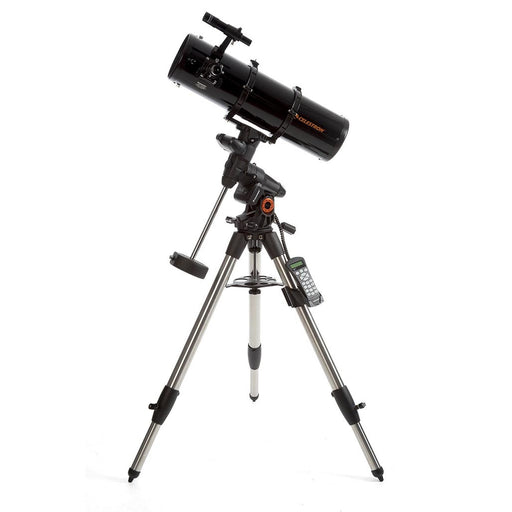
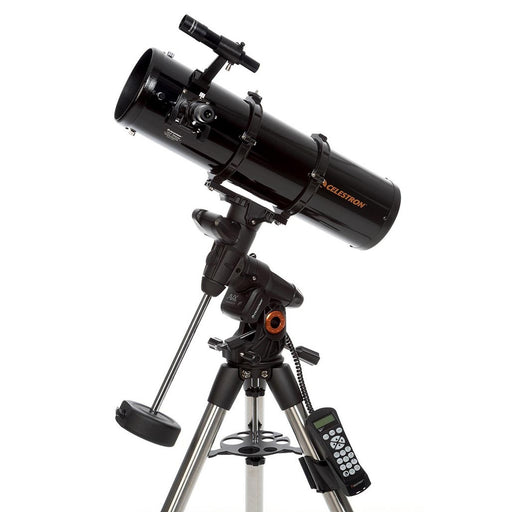
Celestron Télescope Newton Advanced VX 6"
Télescope Newton (réflecteur) de 150mm (6") Focale de 750mm (f/5) Monture équatoriale informatisée Advanced VX Capacité de charge de 30 lb (14 kg)...
Afficher tous les détails
Prix d'origine
$1,299.00 USD
-
Prix d'origine
$1,299.00 USD
Prix d'origine
$1,299.00 USD
$1,299.00 USD
-
$1,299.00 USD
Prix actuel
$1,299.00 USD
Prix d'origine
$1,599.00 USD
-
Prix d'origine
$1,599.00 USD
Prix d'origine
$1,599.00 USD
$1,599.00 USD
-
$1,599.00 USD
Prix actuel
$1,599.00 USD
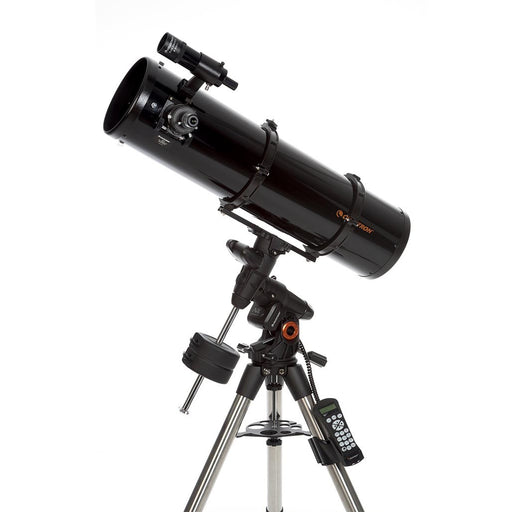
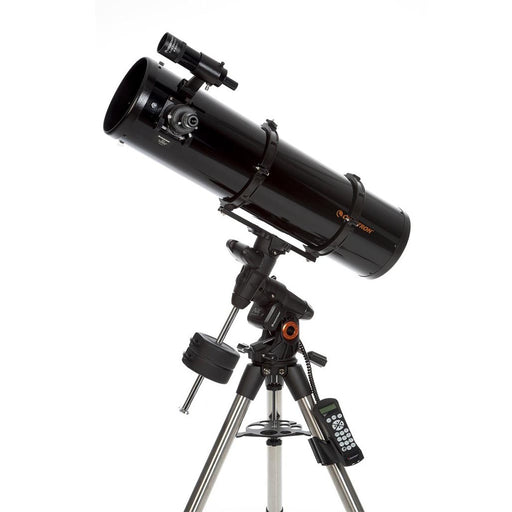
Celestron Télescope Newton Advanced VX 8"
Télescope Newton (réflecteur) de 200mm (7.87") Focale de 1000mm, rapport focal f/5 Monture équatoriale GoTo informatisée Advanced VX Capacité de c...
Afficher tous les détails
Prix d'origine
$1,599.00 USD
-
Prix d'origine
$1,599.00 USD
Prix d'origine
$1,599.00 USD
$1,599.00 USD
-
$1,599.00 USD
Prix actuel
$1,599.00 USD
Prix d'origine
$599.95 USD
-
Prix d'origine
$599.95 USD
Prix d'origine
$599.95 USD
$599.95 USD
-
$599.95 USD
Prix actuel
$599.95 USD
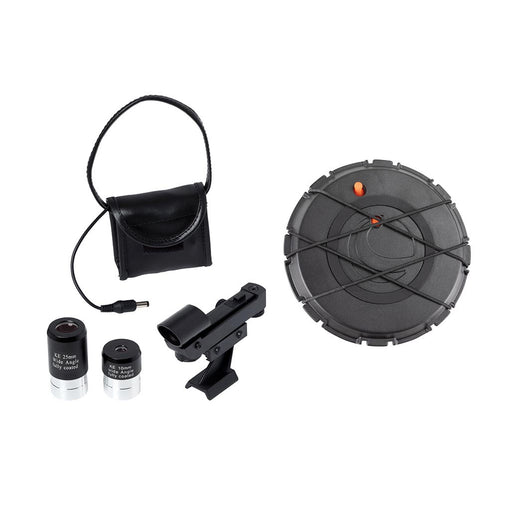
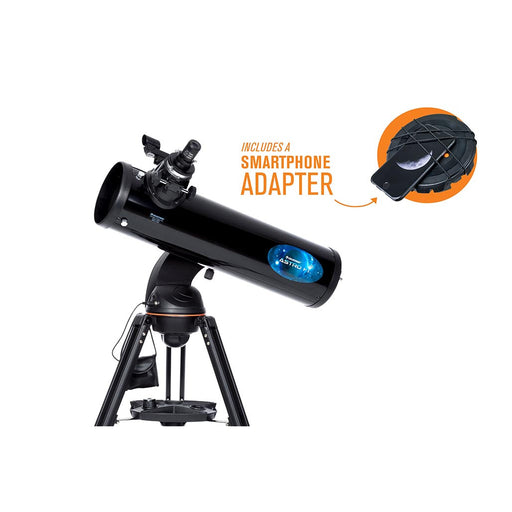
Celestron Télescope Newton Astro Fi 130mm
Télescope Newton de 130mm (5.19") Focale de 650mm, rapport focal f/5 WiFi intégré pour le contrôle depuis un smartphone ou une tablette Technologi...
Afficher tous les détails
Prix d'origine
$599.95 USD
-
Prix d'origine
$599.95 USD
Prix d'origine
$599.95 USD
$599.95 USD
-
$599.95 USD
Prix actuel
$599.95 USD
Prix d'origine
$329.95 USD
-
Prix d'origine
$329.95 USD
Prix d'origine
$329.95 USD
$329.95 USD
-
$329.95 USD
Prix actuel
$329.95 USD
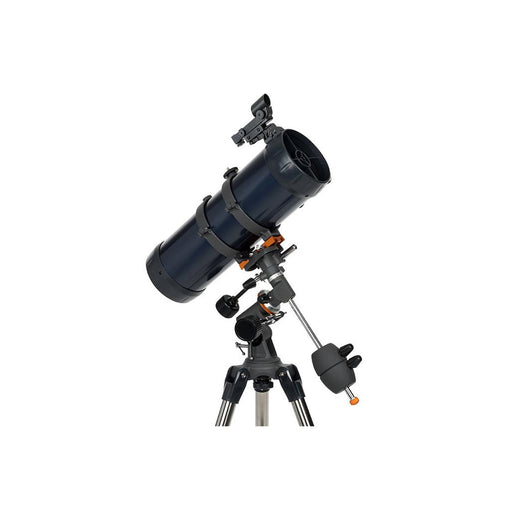
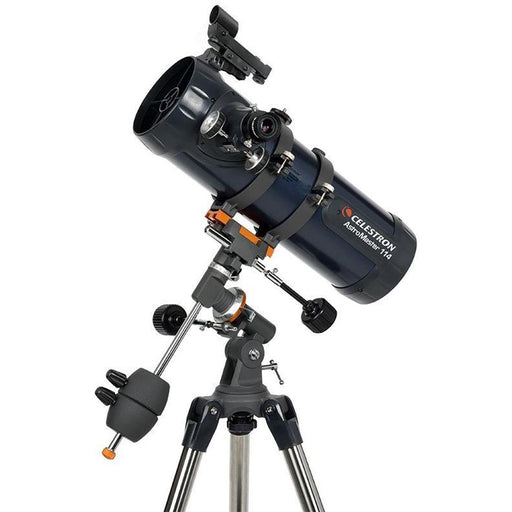
Celestron Télescope AstroMaster 114EQ
Télescope Newton de 114mm (4.48") Focale de 1000mm (f/8.77) Monture équatoriale manuelle CG-2 avec commandes de mouvements lents Oculaires de 20mm...
Afficher tous les détails
Prix d'origine
$329.95 USD
-
Prix d'origine
$329.95 USD
Prix d'origine
$329.95 USD
$329.95 USD
-
$329.95 USD
Prix actuel
$329.95 USD
Prix d'origine
$359.95 USD
-
Prix d'origine
$359.95 USD
Prix d'origine
$359.95 USD
$359.95 USD
-
$359.95 USD
Prix actuel
$359.95 USD
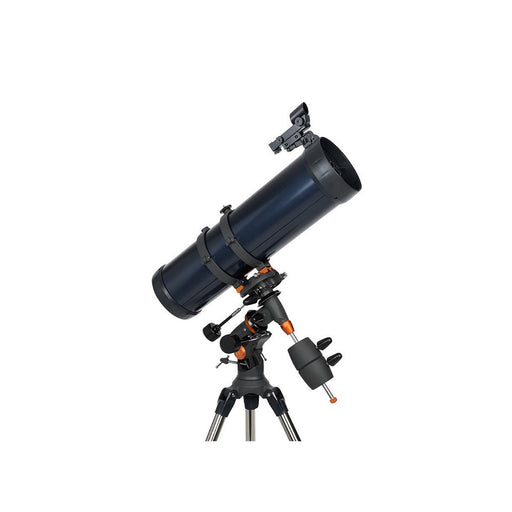
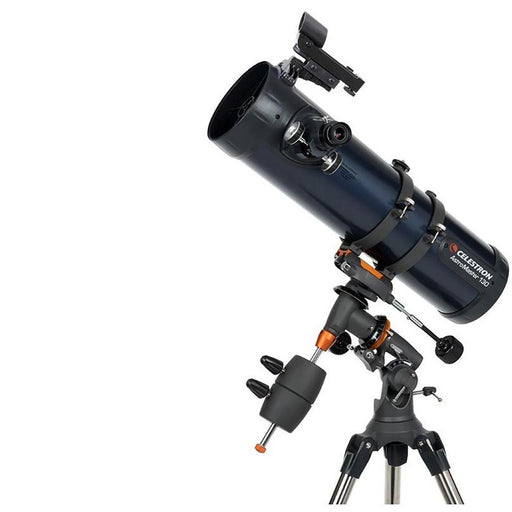
Celestron Télescope AstroMaster 130EQ
Optique de télescope Newton de 130mm (5.11") Focale de 650mm, rapport focal f/5 Monture équatoriale allemande manuelle CG-3 Pouvoir collecteur de ...
Afficher tous les détails
Prix d'origine
$359.95 USD
-
Prix d'origine
$359.95 USD
Prix d'origine
$359.95 USD
$359.95 USD
-
$359.95 USD
Prix actuel
$359.95 USD
Prix d'origine
$389.95 USD
-
Prix d'origine
$389.95 USD
Prix d'origine
$389.95 USD
$389.95 USD
-
$389.95 USD
Prix actuel
$389.95 USD
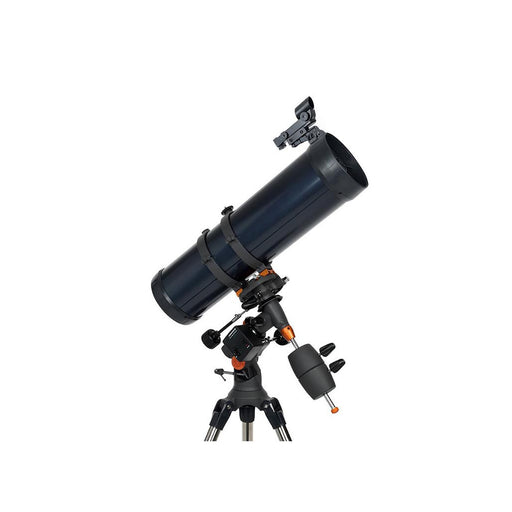
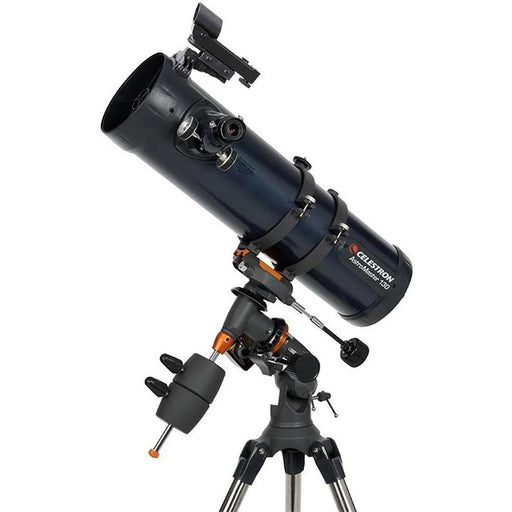
Celestron Télescope AstroMaster 130EQ-MD (entraînement motorisé)
Télescope Newton de 130mm (5.11") Focale de 650mm, rapport focal f/5 Monture équatoriale CG-3 avec commandes micrométriques Entraînement motorisé ...
Afficher tous les détails
Prix d'origine
$389.95 USD
-
Prix d'origine
$389.95 USD
Prix d'origine
$389.95 USD
$389.95 USD
-
$389.95 USD
Prix actuel
$389.95 USD
Prix d'origine
$209.95 USD
-
Prix d'origine
$209.95 USD
Prix d'origine
$209.95 USD
$209.95 USD
-
$209.95 USD
Prix actuel
$209.95 USD
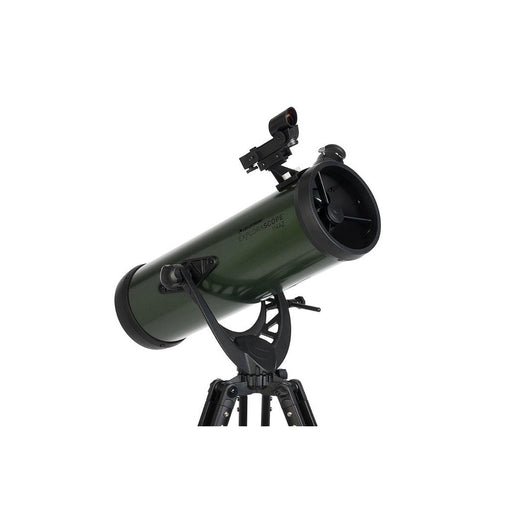
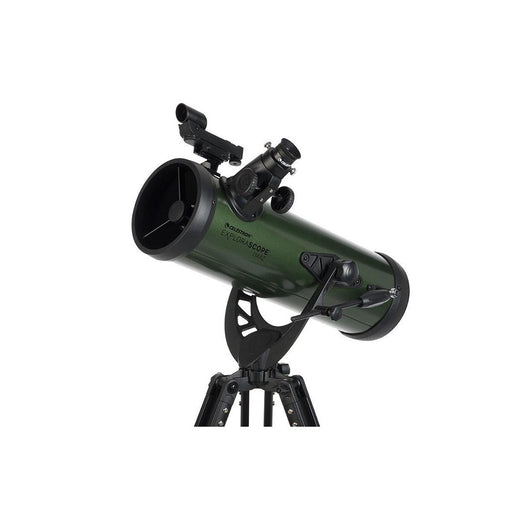
Celestron Télescope ExploraScope 114AZ
Télescope de Newton de 114mm (4.5") Focale de 1000mm (f/9) Pouvoir collecteur de 265x Monture azimutale manuelle avec blocage Poids total du kit d...
Afficher tous les détails
Prix d'origine
$209.95 USD
-
Prix d'origine
$209.95 USD
Prix d'origine
$209.95 USD
$209.95 USD
-
$209.95 USD
Prix actuel
$209.95 USD
Prix d'origine
$74.95 USD
-
Prix d'origine
$74.95 USD
Prix d'origine
$74.95 USD
$74.95 USD
-
$74.95 USD
Prix actuel
$74.95 USD
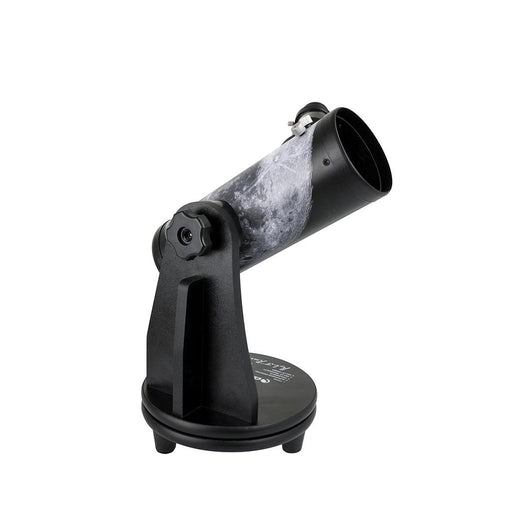
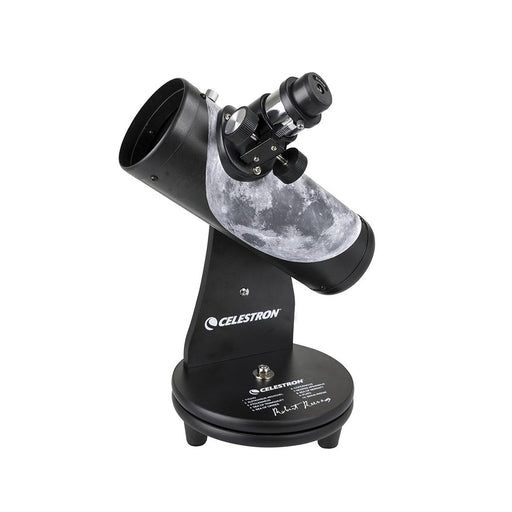
Celestron Télescope FirstScope Signature Series Moon par Robert Reeves
Télescope de Newton de 76mm (2.99") Rapport focal rapide de f/3.95 pour de larges vues Oculaires de 15x et 75x inclus Monture Dobson de table ultr...
Afficher tous les détails
Prix d'origine
$74.95 USD
-
Prix d'origine
$74.95 USD
Prix d'origine
$74.95 USD
$74.95 USD
-
$74.95 USD
Prix actuel
$74.95 USD
Prix d'origine
$699.95 USD
-
Prix d'origine
$699.95 USD
Prix d'origine
$699.95 USD
$699.95 USD
-
$699.95 USD
Prix actuel
$699.95 USD
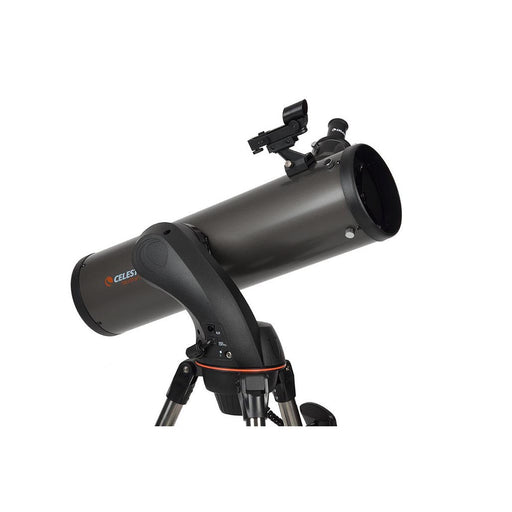
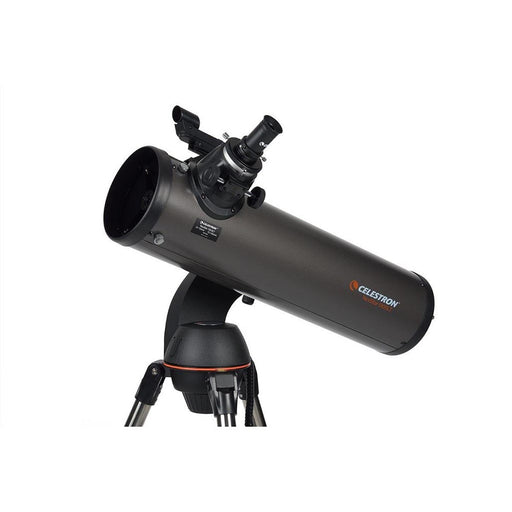
Celestron Télescope informatisé NexStar 130SLT
Réflecteur Newton de 130mm (5.12") avec miroir primaire parabolique Focale de 650mm, rapport focal f/5 Monture GoTo informatisée avec base de donn...
Afficher tous les détails
Prix d'origine
$699.95 USD
-
Prix d'origine
$699.95 USD
Prix d'origine
$699.95 USD
$699.95 USD
-
$699.95 USD
Prix actuel
$699.95 USD
Prix d'origine
$739.95 USD
-
Prix d'origine
$739.95 USD
Prix d'origine
$739.95 USD
$739.95 USD
-
$739.95 USD
Prix actuel
$739.95 USD
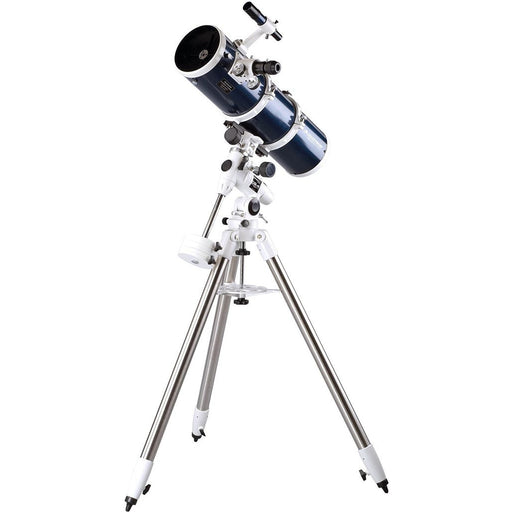
Celestron Télescope Omni XLT 150
Réflecteur Newton de 150mm (5.91") avec miroir primaire parabolique Focale de 750mm (f/5) Monture équatoriale allemande Omni CG-4 Traitements opti...
Afficher tous les détails
Prix d'origine
$739.95 USD
-
Prix d'origine
$739.95 USD
Prix d'origine
$739.95 USD
$739.95 USD
-
$739.95 USD
Prix actuel
$739.95 USD
Prix d'origine
$199.95 USD
-
Prix d'origine
$199.95 USD
Prix d'origine
$199.95 USD
$199.95 USD
-
$199.95 USD
Prix actuel
$199.95 USD
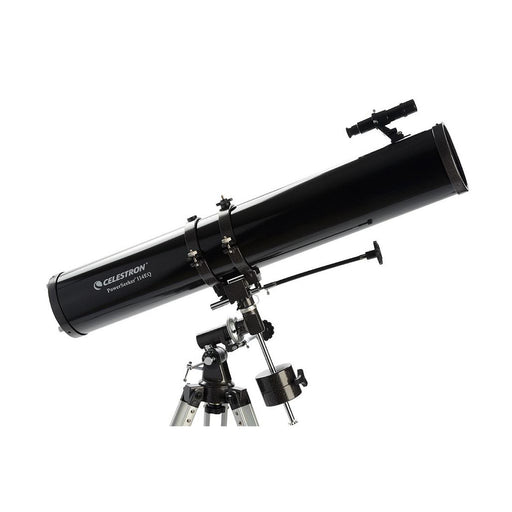
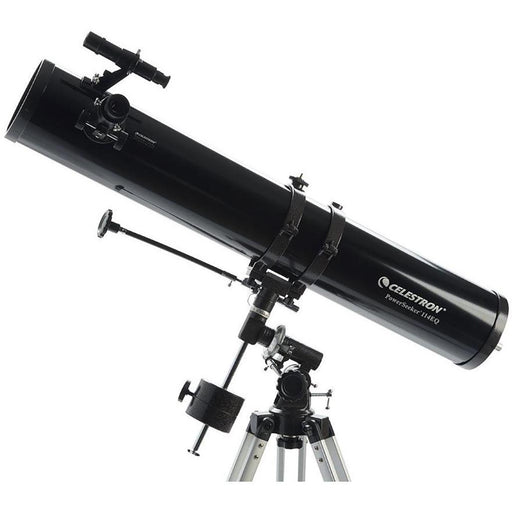
Celestron Télescope PowerSeeker 114EQ
Réflecteur Newton de 114mm (4.49") Focale de 900mm (f/7.89) Monture équatoriale allemande manuelle avec commandes à mouvement lent Recueille 265x ...
Afficher tous les détails
Prix d'origine
$199.95 USD
-
Prix d'origine
$199.95 USD
Prix d'origine
$199.95 USD
$199.95 USD
-
$199.95 USD
Prix actuel
$199.95 USD
Prix d'origine
$229.95 USD
-
Prix d'origine
$229.95 USD
Prix d'origine
$229.95 USD
$229.95 USD
-
$229.95 USD
Prix actuel
$229.95 USD
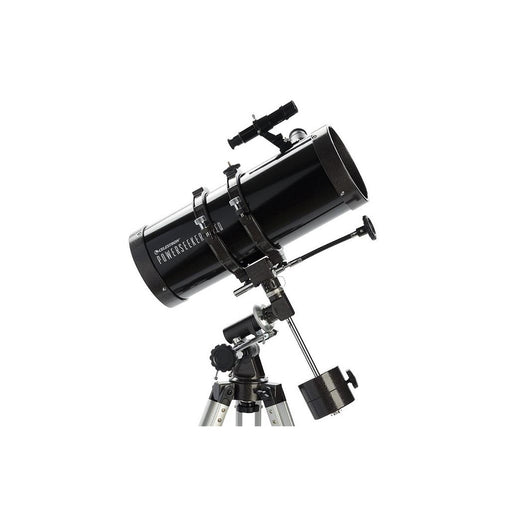
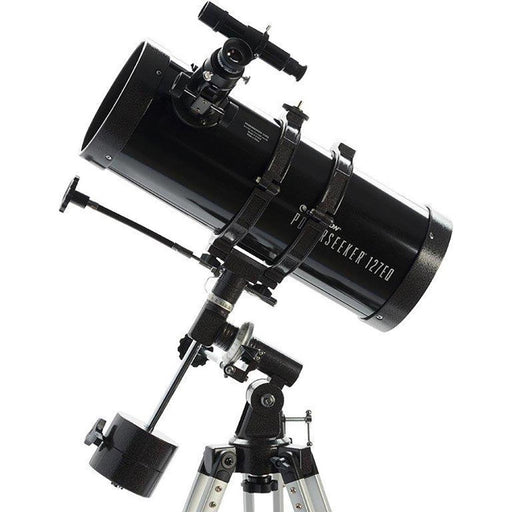
Celestron Télescope PowerSeeker 127EQ
Télescope Newton 127mm (5") Focale de 1000mm (f/7.87) Monture équatoriale allemande manuelle Pouvoir collecteur : 329x l'œil humain Grossissement ...
Afficher tous les détails
Prix d'origine
$229.95 USD
-
Prix d'origine
$229.95 USD
Prix d'origine
$229.95 USD
$229.95 USD
-
$229.95 USD
Prix actuel
$229.95 USD
Prix d'origine
$1,599.00 USD
-
Prix d'origine
$1,599.00 USD
Prix d'origine
$1,599.00 USD
$1,599.00 USD
-
$1,599.00 USD
Prix actuel
$1,599.00 USD
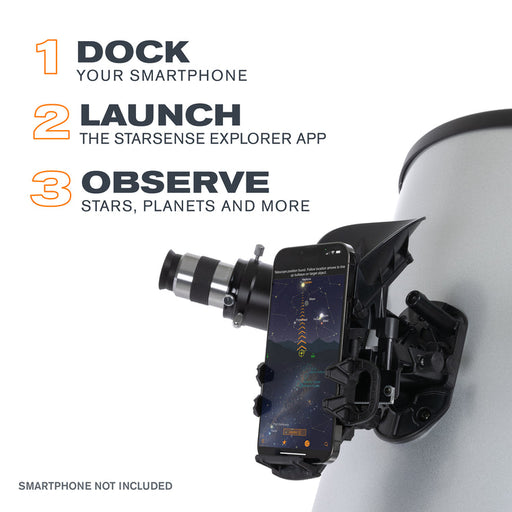
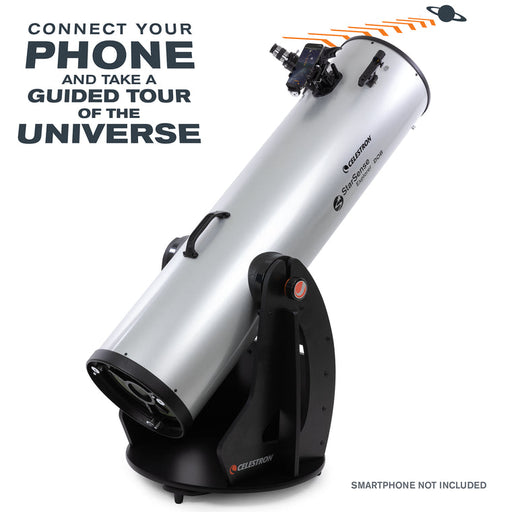
Celestron Télescope Dobson StarSense Explorer 12" assisté par application smartphone
Optique de télescope Newton de 305mm (12") Focale de 1500mm (f/4.9) Guidage du télescope par l'application StarSense Explorer Collecte 1895x plus ...
Afficher tous les détails
Prix d'origine
$1,599.00 USD
-
Prix d'origine
$1,599.00 USD
Prix d'origine
$1,599.00 USD
$1,599.00 USD
-
$1,599.00 USD
Prix actuel
$1,599.00 USD
Prix d'origine
$379.95 USD
-
Prix d'origine
$379.95 USD
Prix d'origine
$379.95 USD
$379.95 USD
-
$379.95 USD
Prix actuel
$379.95 USD
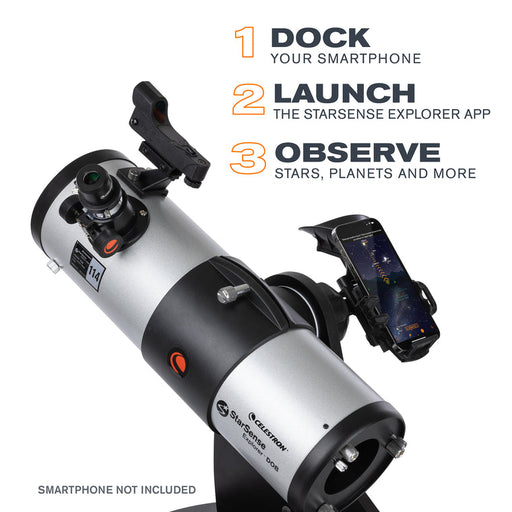
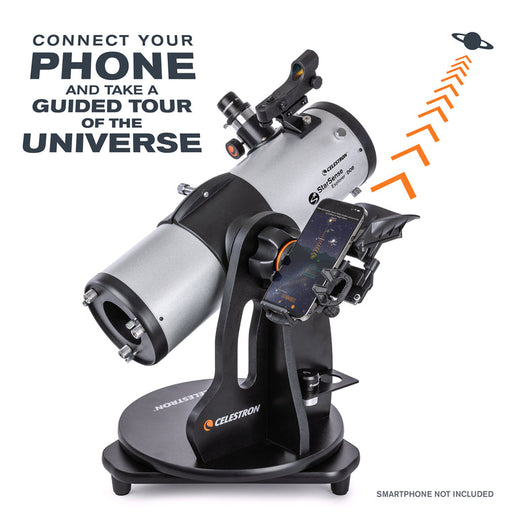
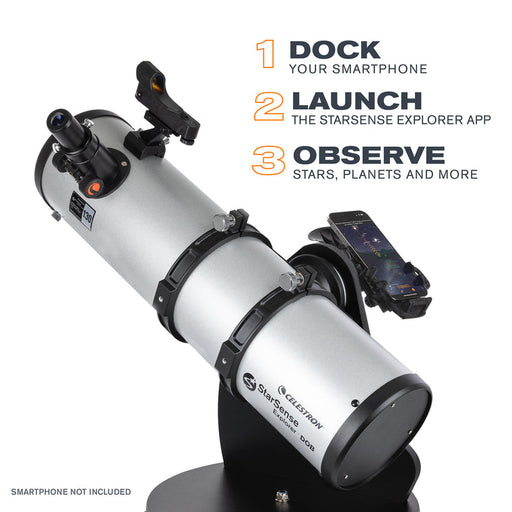
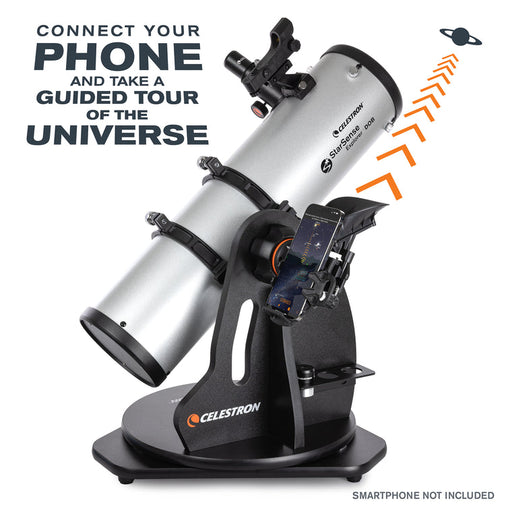
Celestron Télescope Dobson de table StarSense Explorer™ 114mm assisté par application smartphone
Télescope Newton de 114mm (4.48") avec miroir primaire parabolique Rapport focal rapide de f/4 pour des champs larges et lumineux Technologie brev...
Afficher tous les détails
Prix d'origine
$379.95 USD
-
Prix d'origine
$379.95 USD
Prix d'origine
$379.95 USD
$379.95 USD
-
$379.95 USD
Prix actuel
$379.95 USD
Prix d'origine
$479.95 USD
-
Prix d'origine
$479.95 USD
Prix d'origine
$479.95 USD
$479.95 USD
-
$479.95 USD
Prix actuel
$479.95 USD
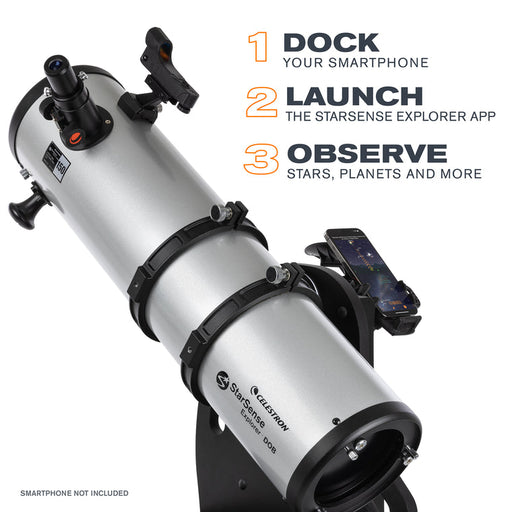
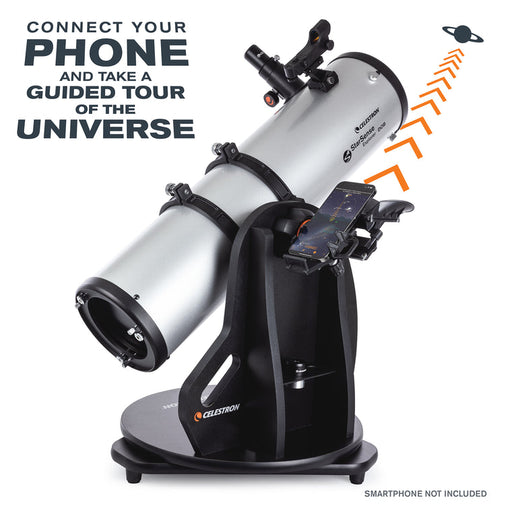
Celestron Télescope Dobson de table StarSense Explorer™ 130mm assisté par application smartphone
Télescope Newton de 130mm (5.12") avec miroir primaire parabolique L'application StarSense Explorer utilise votre smartphone pour localiser les ob...
Afficher tous les détails
Prix d'origine
$479.95 USD
-
Prix d'origine
$479.95 USD
Prix d'origine
$479.95 USD
$479.95 USD
-
$479.95 USD
Prix actuel
$479.95 USD
Prix d'origine
$599.95 USD
-
Prix d'origine
$599.95 USD
Prix d'origine
$599.95 USD
$599.95 USD
-
$599.95 USD
Prix actuel
$599.95 USD
Celestron Télescope Dobson de table StarSense Explorer™ 150mm assisté par application smartphone
Optique de télescope Newton de 150mm (5.9") Focale de 750mm (f/5) Navigation assistée par l'application StarSense Explorer Grossissements de 30x e...
Afficher tous les détails
Prix d'origine
$599.95 USD
-
Prix d'origine
$599.95 USD
Prix d'origine
$599.95 USD
$599.95 USD
-
$599.95 USD
Prix actuel
$599.95 USD
Prix d'origine
$499.95 USD
-
Prix d'origine
$499.95 USD
Prix d'origine
$499.95 USD
$499.95 USD
-
$499.95 USD
Prix actuel
$499.95 USD
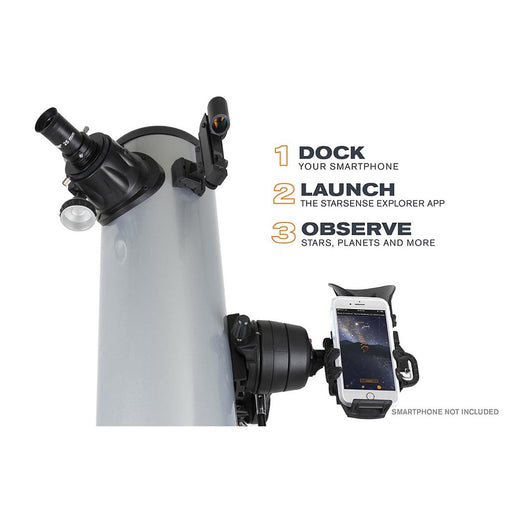
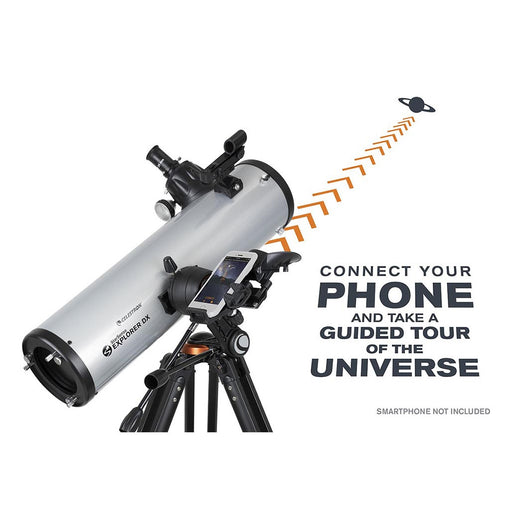
Celestron Télescope Newton StarSense Explorer™ DX 130AZ avec application pour smartphone
Newton de 130mm (5.11") à miroir primaire parabolique L'application StarSense Explorer utilise votre smartphone pour reconnaître le ciel en temps ...
Afficher tous les détails
Prix d'origine
$499.95 USD
-
Prix d'origine
$499.95 USD
Prix d'origine
$499.95 USD
$499.95 USD
-
$499.95 USD
Prix actuel
$499.95 USD
Prix d'origine
$259.95 USD
-
Prix d'origine
$259.95 USD
Prix d'origine
$259.95 USD
$259.95 USD
-
$259.95 USD
Prix actuel
$259.95 USD
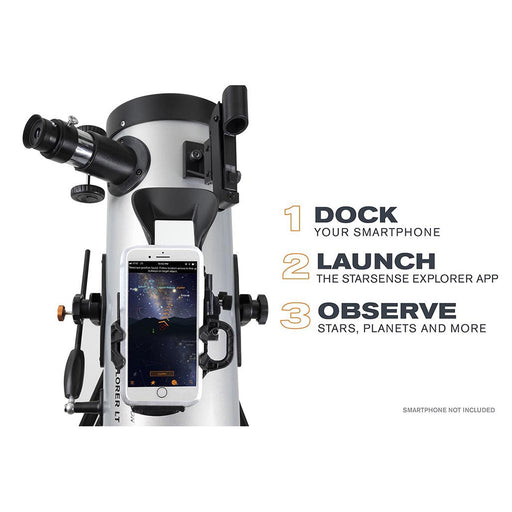
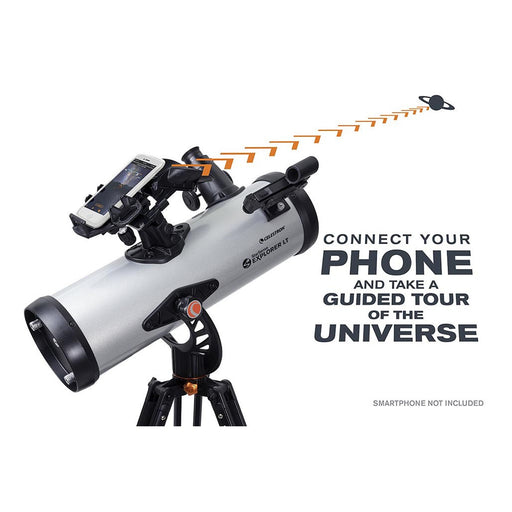
Celestron Télescope Newton StarSense Explorer™ LT 114AZ avec application pour smartphone
Optique Newton de 114mm (4.5") Focale de 1000mm (f/9) L'application brevetée StarSense Explorer vous guide vers les cibles Monture azimutale manue...
Afficher tous les détails
Prix d'origine
$259.95 USD
-
Prix d'origine
$259.95 USD
Prix d'origine
$259.95 USD
$259.95 USD
-
$259.95 USD
Prix actuel
$259.95 USD
Prix d'origine
$1,199.00 USD
-
Prix d'origine
$1,199.00 USD
Prix d'origine
$1,199.00 USD
$1,199.00 USD
-
$1,199.00 USD
Prix actuel
$1,199.00 USD
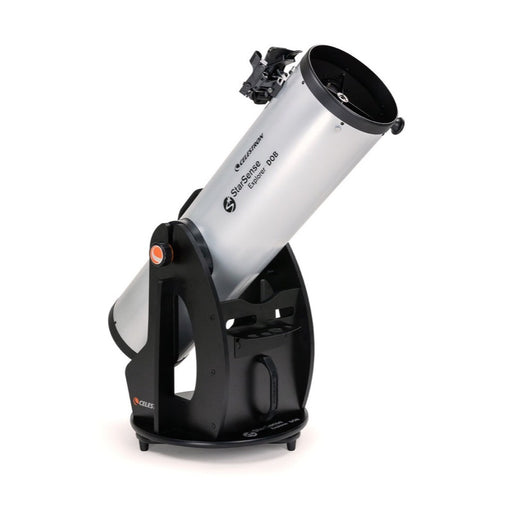
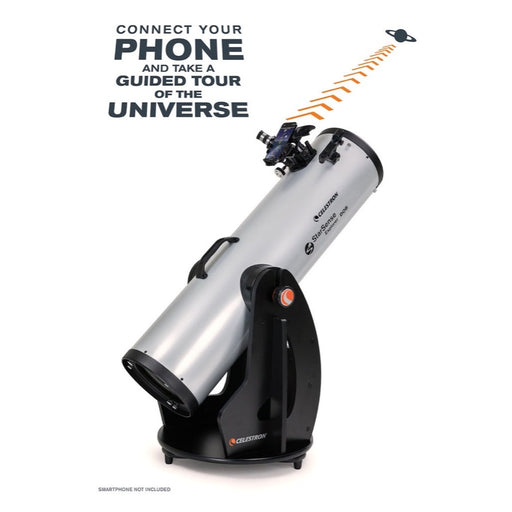
Celestron Télescope Dobson StarSense Explorer™ avec application pour smartphone - 10"
Optique Newton de 254mm (10") Focale de 1200mm (f/4.7) Navigation assistée par smartphone avec StarSense Explorer Base Dobson azimutale avec régla...
Afficher tous les détails
Prix d'origine
$1,199.00 USD
-
Prix d'origine
$1,199.00 USD
Prix d'origine
$1,199.00 USD
$1,199.00 USD
-
$1,199.00 USD
Prix actuel
$1,199.00 USD
Prix d'origine
$879.00 USD
-
Prix d'origine
$879.00 USD
Prix d'origine
$879.00 USD
$879.00 USD
-
$879.00 USD
Prix actuel
$879.00 USD
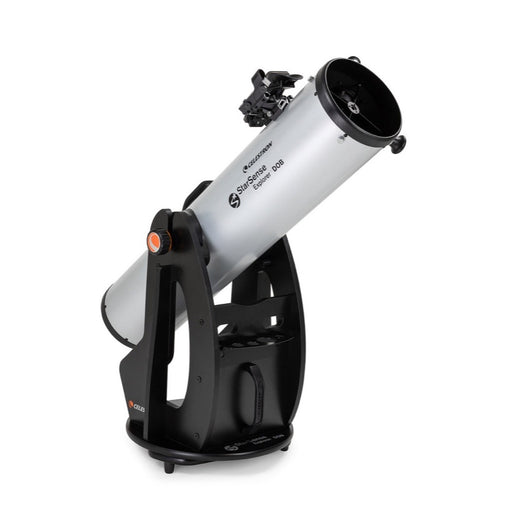
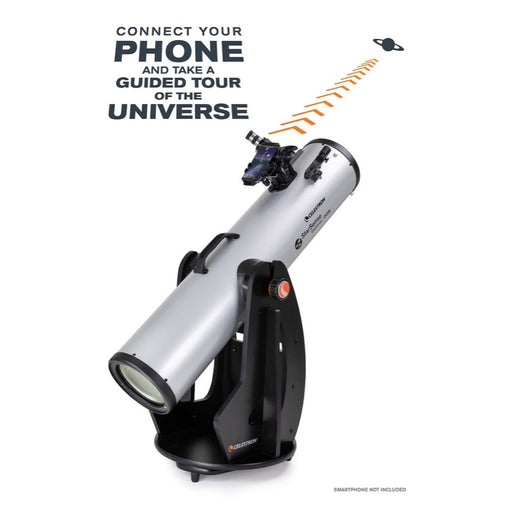
Celestron Télescope Dobson StarSense Explorer™ avec application pour smartphone - 8"
Optique Newton de 203mm (8") Focale de 1200mm (f/5.9) Technologie brevetée de reconnaissance du ciel StarSense Explorer Pouvoir collecteur de 841x...
Afficher tous les détails
Prix d'origine
$879.00 USD
-
Prix d'origine
$879.00 USD
Prix d'origine
$879.00 USD
$879.00 USD
-
$879.00 USD
Prix actuel
$879.00 USD