
Réflecteurs
No design delivers more aperture for the money than a Newtonian reflector. A mirror is cheaper to make well than a lens, has no chromatic aberration whatsoever, and scales to sizes that would be impossible in glass — which is why almost every large amateur telescope is a reflector. David Astro carries reflectors in Canada, from fast imaging astrographs to large visual Newtonians, stocked in Canada and shipped worldwide.
The trade is collimation and a coma corrector. Both are manageable, and we will be straightforward about what each telescope actually needs.
Prix d'origine
$458.00 USD
-
Prix d'origine
$458.00 USD
Prix d'origine
$458.00 USD
$458.00 USD
-
$458.00 USD
Prix actuel
$458.00 USD
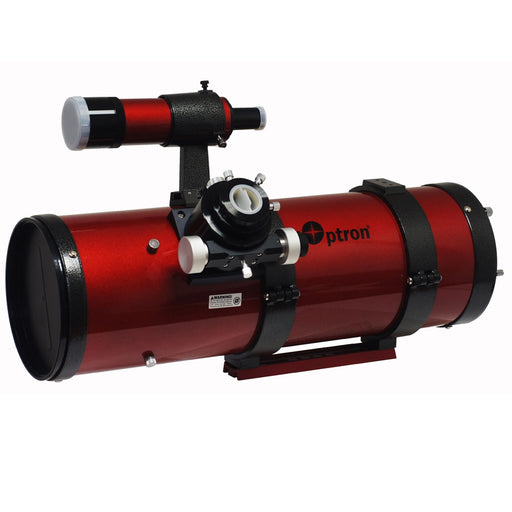
iOptron Newton d'imagerie 150mm f/4
Réflecteur Newton de 150mm (6") Focale de 600mm Rapport focal rapide f/4 Porte-oculaire Crayford à double vitesse 10:1 Poids du tube optique : 9 l...
Afficher tous les détails
Prix d'origine
$458.00 USD
-
Prix d'origine
$458.00 USD
Prix d'origine
$458.00 USD
$458.00 USD
-
$458.00 USD
Prix actuel
$458.00 USD
Prix d'origine
$628.00 USD
-
Prix d'origine
$628.00 USD
Prix d'origine
$628.00 USD
$628.00 USD
-
$628.00 USD
Prix actuel
$628.00 USD
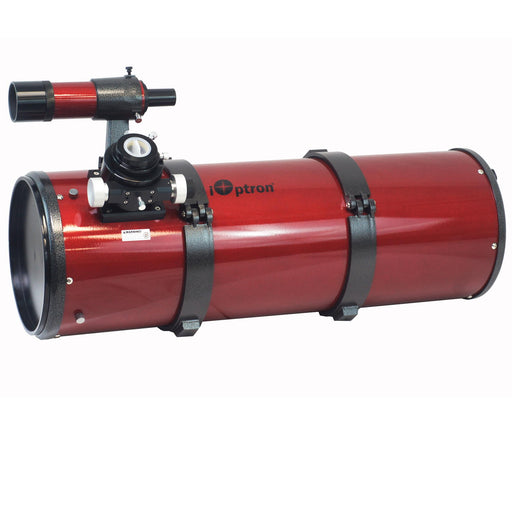
iOptron Newton d'imagerie 200mm f/4
Réflecteur Newton de 200mm (8") Focale de 800mm Rapport focal rapide f/4 Porte-oculaire Crayford à double vitesse 10:1 Poids du tube optique : 20 ...
Afficher tous les détails
Prix d'origine
$628.00 USD
-
Prix d'origine
$628.00 USD
Prix d'origine
$628.00 USD
$628.00 USD
-
$628.00 USD
Prix actuel
$628.00 USD
Prix d'origine
$799.00 USD
-
Prix d'origine
$799.00 USD
Prix d'origine
$799.00 USD
$799.00 USD
-
$799.00 USD
Prix actuel
$799.00 USD
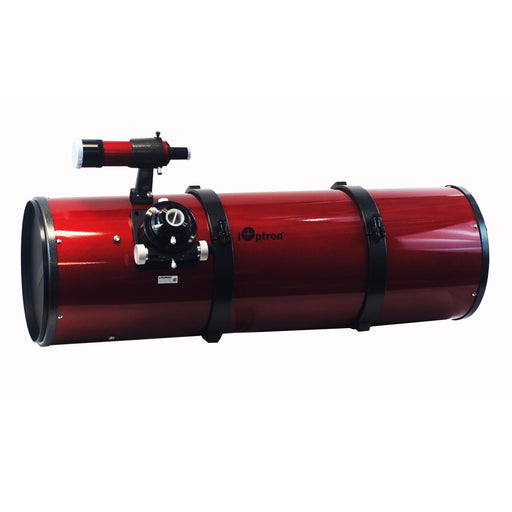
iOptron Newton d'imagerie 250mm f/4
Miroir primaire parabolique de 250mm (10") Focale de 1000mm Rapport focal rapide f/4 Porte-oculaire à double vitesse 10:1 Poids du tube optique : ...
Afficher tous les détails
Prix d'origine
$799.00 USD
-
Prix d'origine
$799.00 USD
Prix d'origine
$799.00 USD
$799.00 USD
-
$799.00 USD
Prix actuel
$799.00 USD
Prix d'origine
$1,099.00 USD
-
Prix d'origine
$1,099.00 USD
Prix d'origine
$1,099.00 USD
$1,099.00 USD
-
$1,099.00 USD
Prix actuel
$1,099.00 USD
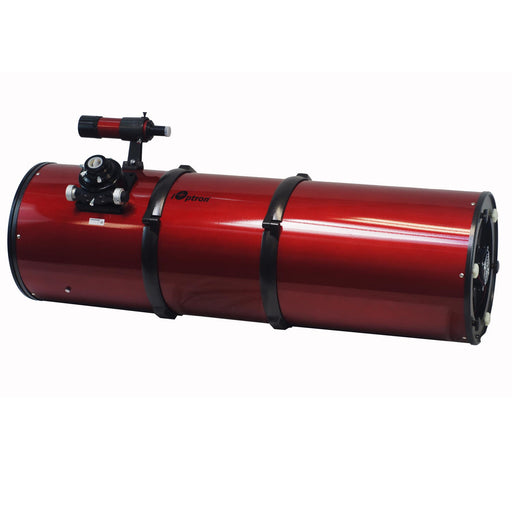
iOptron Newton d'imagerie 300mm f/4
Ouverture libre : 300mm (11.8") Rapport focal : f/4 Focale : 1200mm Poids du tube optique : 48 lbs (22 kg) Porte-oculaire : double vitesse 10...
Afficher tous les détails
Prix d'origine
$1,099.00 USD
-
Prix d'origine
$1,099.00 USD
Prix d'origine
$1,099.00 USD
$1,099.00 USD
-
$1,099.00 USD
Prix actuel
$1,099.00 USD
Prix d'origine
$3,198.00 USD
-
Prix d'origine
$3,198.00 USD
Prix d'origine
$3,198.00 USD
$3,198.00 USD
-
$3,198.00 USD
Prix actuel
$3,198.00 USD
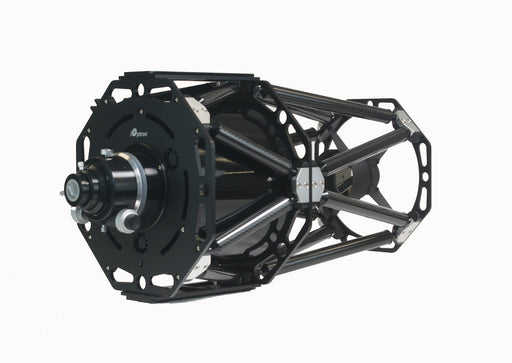
iOptron Photron Ritchey-Chrétien 10"
Conception optique Ritchey-Chrétien de 10" (254mm) Focale de 2032mm Rapport focal f/8 Tube en treillis de fibre de carbone pour la stabilité therm...
Afficher tous les détails
Prix d'origine
$3,198.00 USD
-
Prix d'origine
$3,198.00 USD
Prix d'origine
$3,198.00 USD
$3,198.00 USD
-
$3,198.00 USD
Prix actuel
$3,198.00 USD
Prix d'origine
$4,158.00 USD
-
Prix d'origine
$4,158.00 USD
Prix d'origine
$4,158.00 USD
$4,158.00 USD
-
$4,158.00 USD
Prix actuel
$4,158.00 USD
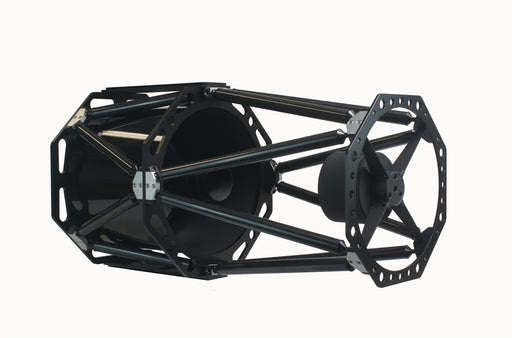
iOptron Photron Ritchey-Chrétien 12"
Optique Ritchey-Chrétien de 12" (304mm) Focale de 2432mm Rapport focal f/8 Conception à tube en treillis de fibre de carbone Porte-oculaire Crayfo...
Afficher tous les détails
Prix d'origine
$4,158.00 USD
-
Prix d'origine
$4,158.00 USD
Prix d'origine
$4,158.00 USD
$4,158.00 USD
-
$4,158.00 USD
Prix actuel
$4,158.00 USD
Prix d'origine
$6,699.00 USD
-
Prix d'origine
$6,699.00 USD
Prix d'origine
$6,699.00 USD
$6,699.00 USD
-
$6,699.00 USD
Prix actuel
$6,699.00 USD
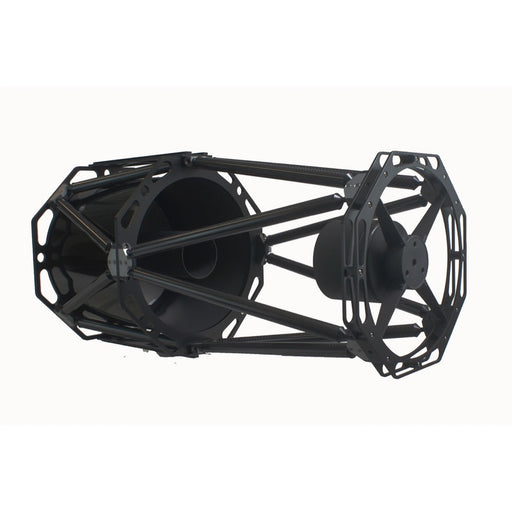
iOptron Photron Ritchey-Chrétien 14"
Conception optique Ritchey-Chrétien de 14" (355mm) Focale de 2848mm à f/8 Tube en treillis de fibre de carbone pour la stabilité thermique Porte-o...
Afficher tous les détails
Prix d'origine
$6,699.00 USD
-
Prix d'origine
$6,699.00 USD
Prix d'origine
$6,699.00 USD
$6,699.00 USD
-
$6,699.00 USD
Prix actuel
$6,699.00 USD
Prix d'origine
$8,799.00 USD
-
Prix d'origine
$8,799.00 USD
Prix d'origine
$8,799.00 USD
$8,799.00 USD
-
$8,799.00 USD
Prix actuel
$8,799.00 USD
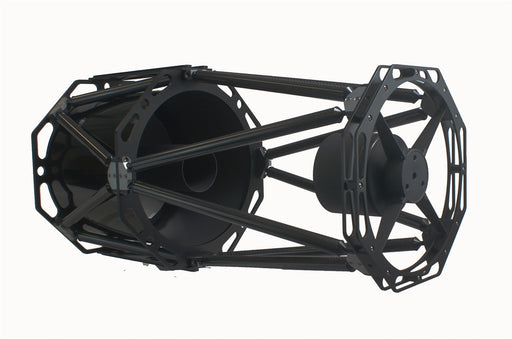
iOptron Photron Ritchey-Chrétien 16"
Ouverture de 16" (406mm) Focale de 3248mm Rapport focal f/8 Conception optique Ritchey-Chrétien Tube en treillis de fibre de carbone Porte-oculair...
Afficher tous les détails
Prix d'origine
$8,799.00 USD
-
Prix d'origine
$8,799.00 USD
Prix d'origine
$8,799.00 USD
$8,799.00 USD
-
$8,799.00 USD
Prix actuel
$8,799.00 USD
Prix d'origine
$558.00 USD
-
Prix d'origine
$558.00 USD
Prix d'origine
$558.00 USD
$558.00 USD
-
$558.00 USD
Prix actuel
$558.00 USD
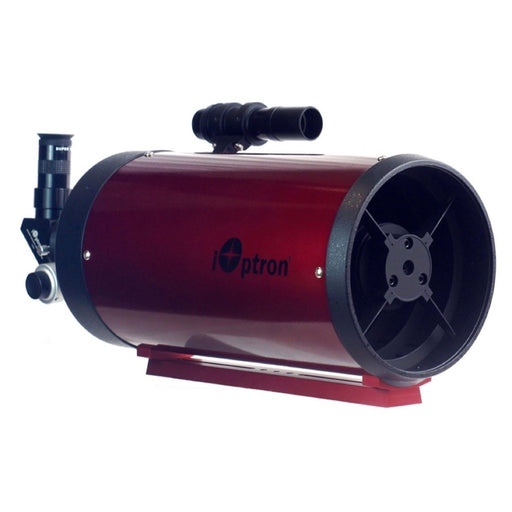
iOptron Photron Ritchey-Chrétien 6"
Conception optique Ritchey-Chrétien de 150mm (6") Focale de 1370mm Rapport focal f/9 Porte-oculaire Crayford 2" à double vitesse 10:1 Tube de 12 l...
Afficher tous les détails
Prix d'origine
$558.00 USD
-
Prix d'origine
$558.00 USD
Prix d'origine
$558.00 USD
$558.00 USD
-
$558.00 USD
Prix actuel
$558.00 USD
Prix d'origine
$1,178.00 USD
-
Prix d'origine
$1,178.00 USD
Prix d'origine
$1,178.00 USD
$1,178.00 USD
-
$1,178.00 USD
Prix actuel
$1,178.00 USD
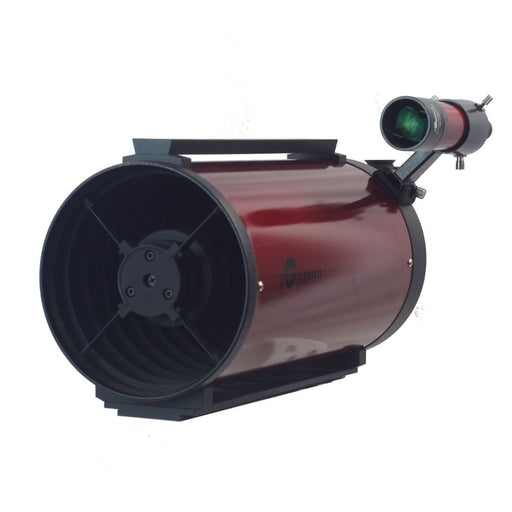
iOptron Photron Ritchey-Chrétien 8"
Conception optique Ritchey-Chrétien de 200mm (8") Focale de 1624mm à f/8 Optique Ritchey-Chrétien sans coma Porte-oculaire Crayford 2" à double vi...
Afficher tous les détails
Prix d'origine
$1,178.00 USD
-
Prix d'origine
$1,178.00 USD
Prix d'origine
$1,178.00 USD
$1,178.00 USD
-
$1,178.00 USD
Prix actuel
$1,178.00 USD

Prix d'origine
$2,888.00 USD
-
Prix d'origine
$2,888.00 USD
Prix d'origine
$2,888.00 USD
$2,888.00 USD
-
$2,888.00 USD
Prix actuel
$2,888.00 USD
iOptron Photron™ Télescope Ritchey-Chrétien 10" (RC10) avec porte-oculaire 3''
Conception optique Ritchey-Chrétien de 250mm (10") Focale de 2000mm à f/8 Pouvoir séparateur de 0.46 seconde d'arc Porte-oculaire 3" à double vite...
Afficher tous les détails
Prix d'origine
$2,888.00 USD
-
Prix d'origine
$2,888.00 USD
Prix d'origine
$2,888.00 USD
$2,888.00 USD
-
$2,888.00 USD
Prix actuel
$2,888.00 USD