
Réflecteurs
No design delivers more aperture for the money than a Newtonian reflector. A mirror is cheaper to make well than a lens, has no chromatic aberration whatsoever, and scales to sizes that would be impossible in glass — which is why almost every large amateur telescope is a reflector. David Astro carries reflectors in Canada, from fast imaging astrographs to large visual Newtonians, stocked in Canada and shipped worldwide.
The trade is collimation and a coma corrector. Both are manageable, and we will be straightforward about what each telescope actually needs.


Prix d'origine
$199.99 USD
-
Prix d'origine
$199.99 USD
Prix d'origine
$199.99 USD
$199.99 USD
-
$199.99 USD
Prix actuel
$199.99 USD
Explore Scientific Télescope Newton 114mm avec monture équatoriale
Miroir primaire de 114mm (4.5") qui collecte beaucoup de lumière pour les planètes et les objets brillants du ciel profond Rapport focal rapide f/...
Afficher tous les détails
Prix d'origine
$199.99 USD
-
Prix d'origine
$199.99 USD
Prix d'origine
$199.99 USD
$199.99 USD
-
$199.99 USD
Prix actuel
$199.99 USD


Prix d'origine
$499.99 USD
-
Prix d'origine
$499.99 USD
Prix d'origine
$499.99 USD
$499.99 USD
-
$499.99 USD
Prix actuel
$499.99 USD
Explore Scientific Télescope réflecteur Dobson 6"
Miroir primaire de 154mm (6") Focale de 1170mm (f/7.6) Monture Dobson avec système de tension à ressorts Porte-oculaire Crayford de 2" avec adapta...
Afficher tous les détails
Prix d'origine
$499.99 USD
-
Prix d'origine
$499.99 USD
Prix d'origine
$499.99 USD
$499.99 USD
-
$499.99 USD
Prix actuel
$499.99 USD


Prix d'origine
$499.99 USD
-
Prix d'origine
$499.99 USD
Prix d'origine
$499.99 USD
$499.99 USD
-
$499.99 USD
Prix actuel
$499.99 USD
Explore Scientific Télescope réflecteur Dobson de table 6"
Miroir primaire paraboloïde de 152mm (6") Focale de 760mm à f/5 Base Dobson de table avec molette de tension d'altitude Poids du tube optique : 22...
Afficher tous les détails
Prix d'origine
$499.99 USD
-
Prix d'origine
$499.99 USD
Prix d'origine
$499.99 USD
$499.99 USD
-
$499.99 USD
Prix actuel
$499.99 USD


Prix d'origine
$699.99 USD
-
Prix d'origine
$699.99 USD
Prix d'origine
$699.99 USD
$699.99 USD
-
$699.99 USD
Prix actuel
$699.99 USD
Explore Scientific Télescope réflecteur Dobson 8" (Rouge)
Miroir primaire de 208mm (8") Focale de 1219mm Rapport focal de f/5.9 Monture de type Dobson Porte-oculaire Crayford de 2" avec adaptateur de 1.25...
Afficher tous les détails
Prix d'origine
$699.99 USD
-
Prix d'origine
$699.99 USD
Prix d'origine
$699.99 USD
$699.99 USD
-
$699.99 USD
Prix actuel
$699.99 USD
Prix d'origine
$299.99 USD
-
Prix d'origine
$299.99 USD
Prix d'origine
$299.99 USD
$299.99 USD
-
$299.99 USD
Prix actuel
$299.99 USD
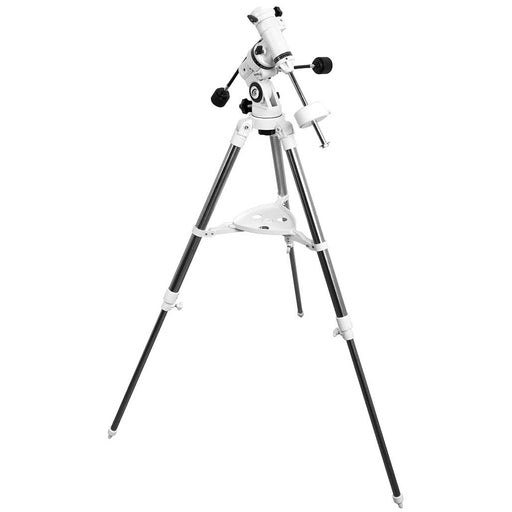
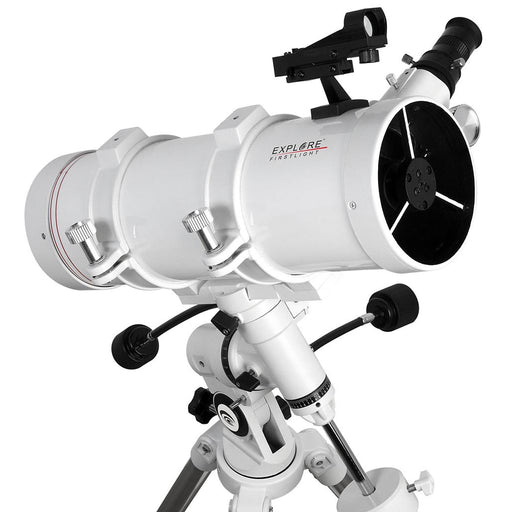
Explore Scientific Télescope Newton FirstLight 114mm avec monture EQ3
Optique Newton à miroir de 114mm (4.5") Monture équatoriale allemande stable de classe EQ3 Trépied pleine taille avec plateau à accessoires Oculai...
Afficher tous les détails
Prix d'origine
$299.99 USD
-
Prix d'origine
$299.99 USD
Prix d'origine
$299.99 USD
$299.99 USD
-
$299.99 USD
Prix actuel
$299.99 USD


Prix d'origine
$399.99 USD
-
Prix d'origine
$399.99 USD
Prix d'origine
$399.99 USD
$399.99 USD
-
$399.99 USD
Prix actuel
$399.99 USD
Explore Scientific Télescope Sidara Essential 130
Optique Newton à miroir de 130mm (5.1") Focale de 650mm (f/5) Monture azimutale Essential Commandes micrométriques sur deux axes Aide à la navigat...
Afficher tous les détails
Prix d'origine
$399.99 USD
-
Prix d'origine
$399.99 USD
Prix d'origine
$399.99 USD
$399.99 USD
-
$399.99 USD
Prix actuel
$399.99 USD

Prix d'origine
$199.99 USD
-
Prix d'origine
$199.99 USD
Prix d'origine
$199.99 USD
$199.99 USD
-
$199.99 USD
Prix actuel
$199.99 USD
Explore Scientific Télescope Sidara Nano 114
Optique Newton à miroir de 114mm Monture azimutale Nano légère Commandes micrométriques pour un suivi précis Aide à la navigation SkyAssist intégr...
Afficher tous les détails
Prix d'origine
$199.99 USD
-
Prix d'origine
$199.99 USD
Prix d'origine
$199.99 USD
$199.99 USD
-
$199.99 USD
Prix actuel
$199.99 USD

Prix d'origine
$699.99 USD
-
Prix d'origine
$699.99 USD
Prix d'origine
$699.99 USD
$699.99 USD
-
$699.99 USD
Prix actuel
$699.99 USD
Explore Scientific Télescope Newton Sidara Plus 150
Télescope Newton de 150mm Focale de 750mm (f/5) Monture azimutale Sidara Plus Commandes micrométriques fluides Aide à la navigation SkyAssist D...
Afficher tous les détails
Prix d'origine
$699.99 USD
-
Prix d'origine
$699.99 USD
Prix d'origine
$699.99 USD
$699.99 USD
-
$699.99 USD
Prix actuel
$699.99 USD
Prix d'origine
$458.00 USD
-
Prix d'origine
$458.00 USD
Prix d'origine
$458.00 USD
$458.00 USD
-
$458.00 USD
Prix actuel
$458.00 USD
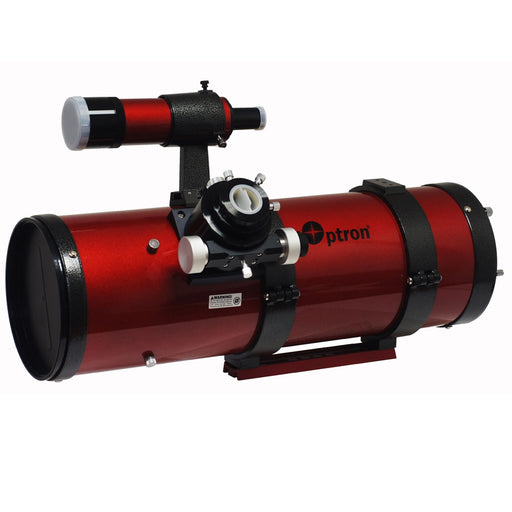
iOptron Newton d'imagerie 150mm f/4
Réflecteur Newton de 150mm (6") Focale de 600mm Rapport focal rapide f/4 Porte-oculaire Crayford à double vitesse 10:1 Poids du tube optique : 9 l...
Afficher tous les détails
Prix d'origine
$458.00 USD
-
Prix d'origine
$458.00 USD
Prix d'origine
$458.00 USD
$458.00 USD
-
$458.00 USD
Prix actuel
$458.00 USD
Prix d'origine
$628.00 USD
-
Prix d'origine
$628.00 USD
Prix d'origine
$628.00 USD
$628.00 USD
-
$628.00 USD
Prix actuel
$628.00 USD
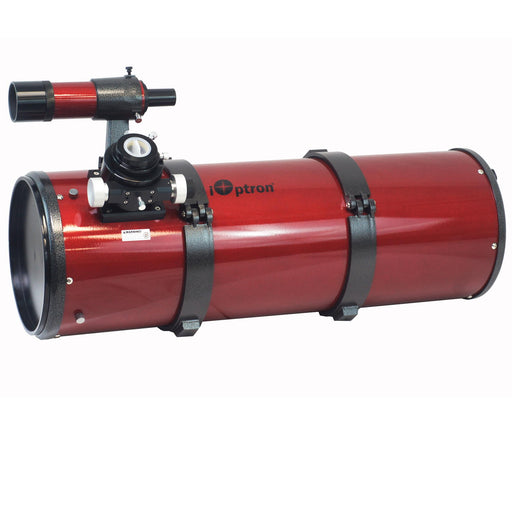
iOptron Newton d'imagerie 200mm f/4
Réflecteur Newton de 200mm (8") Focale de 800mm Rapport focal rapide f/4 Porte-oculaire Crayford à double vitesse 10:1 Poids du tube optique : 20 ...
Afficher tous les détails
Prix d'origine
$628.00 USD
-
Prix d'origine
$628.00 USD
Prix d'origine
$628.00 USD
$628.00 USD
-
$628.00 USD
Prix actuel
$628.00 USD
Prix d'origine
$799.00 USD
-
Prix d'origine
$799.00 USD
Prix d'origine
$799.00 USD
$799.00 USD
-
$799.00 USD
Prix actuel
$799.00 USD
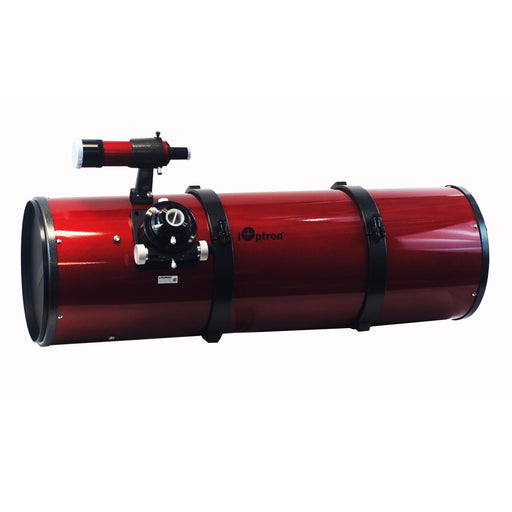
iOptron Newton d'imagerie 250mm f/4
Miroir primaire parabolique de 250mm (10") Focale de 1000mm Rapport focal rapide f/4 Porte-oculaire à double vitesse 10:1 Poids du tube optique : ...
Afficher tous les détails
Prix d'origine
$799.00 USD
-
Prix d'origine
$799.00 USD
Prix d'origine
$799.00 USD
$799.00 USD
-
$799.00 USD
Prix actuel
$799.00 USD
Prix d'origine
$1,099.00 USD
-
Prix d'origine
$1,099.00 USD
Prix d'origine
$1,099.00 USD
$1,099.00 USD
-
$1,099.00 USD
Prix actuel
$1,099.00 USD
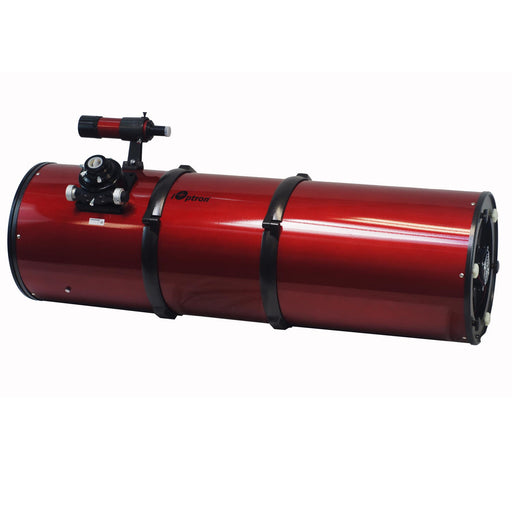
iOptron Newton d'imagerie 300mm f/4
Ouverture libre : 300mm (11.8") Rapport focal : f/4 Focale : 1200mm Poids du tube optique : 48 lbs (22 kg) Porte-oculaire : double vitesse 10...
Afficher tous les détails
Prix d'origine
$1,099.00 USD
-
Prix d'origine
$1,099.00 USD
Prix d'origine
$1,099.00 USD
$1,099.00 USD
-
$1,099.00 USD
Prix actuel
$1,099.00 USD
Prix d'origine
$3,198.00 USD
-
Prix d'origine
$3,198.00 USD
Prix d'origine
$3,198.00 USD
$3,198.00 USD
-
$3,198.00 USD
Prix actuel
$3,198.00 USD
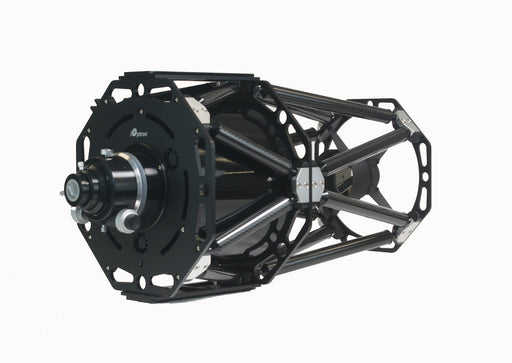
iOptron Photron Ritchey-Chrétien 10"
Conception optique Ritchey-Chrétien de 10" (254mm) Focale de 2032mm Rapport focal f/8 Tube en treillis de fibre de carbone pour la stabilité therm...
Afficher tous les détails
Prix d'origine
$3,198.00 USD
-
Prix d'origine
$3,198.00 USD
Prix d'origine
$3,198.00 USD
$3,198.00 USD
-
$3,198.00 USD
Prix actuel
$3,198.00 USD
Prix d'origine
$4,158.00 USD
-
Prix d'origine
$4,158.00 USD
Prix d'origine
$4,158.00 USD
$4,158.00 USD
-
$4,158.00 USD
Prix actuel
$4,158.00 USD
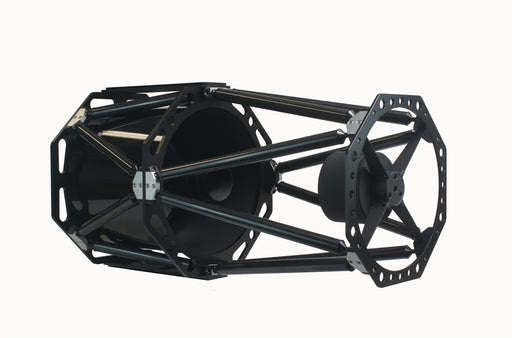
iOptron Photron Ritchey-Chrétien 12"
Optique Ritchey-Chrétien de 12" (304mm) Focale de 2432mm Rapport focal f/8 Conception à tube en treillis de fibre de carbone Porte-oculaire Crayfo...
Afficher tous les détails
Prix d'origine
$4,158.00 USD
-
Prix d'origine
$4,158.00 USD
Prix d'origine
$4,158.00 USD
$4,158.00 USD
-
$4,158.00 USD
Prix actuel
$4,158.00 USD
Prix d'origine
$6,699.00 USD
-
Prix d'origine
$6,699.00 USD
Prix d'origine
$6,699.00 USD
$6,699.00 USD
-
$6,699.00 USD
Prix actuel
$6,699.00 USD
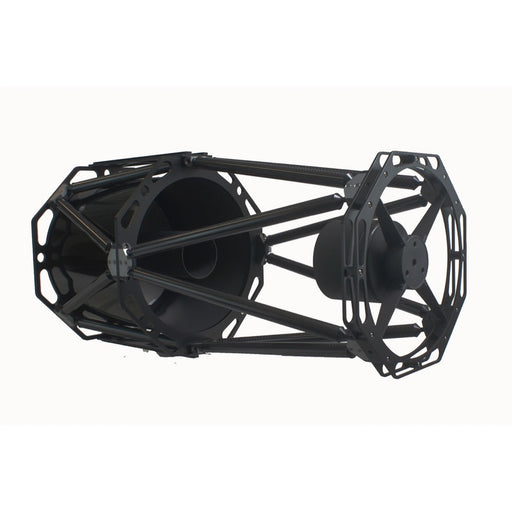
iOptron Photron Ritchey-Chrétien 14"
Conception optique Ritchey-Chrétien de 14" (355mm) Focale de 2848mm à f/8 Tube en treillis de fibre de carbone pour la stabilité thermique Porte-o...
Afficher tous les détails
Prix d'origine
$6,699.00 USD
-
Prix d'origine
$6,699.00 USD
Prix d'origine
$6,699.00 USD
$6,699.00 USD
-
$6,699.00 USD
Prix actuel
$6,699.00 USD
Prix d'origine
$8,799.00 USD
-
Prix d'origine
$8,799.00 USD
Prix d'origine
$8,799.00 USD
$8,799.00 USD
-
$8,799.00 USD
Prix actuel
$8,799.00 USD
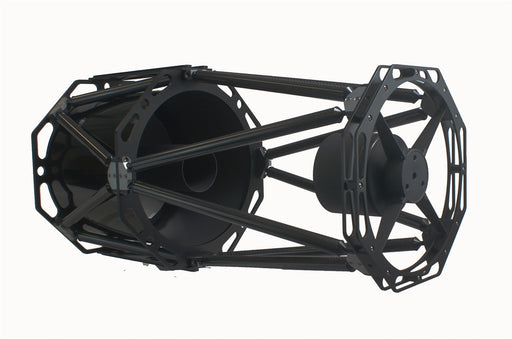
iOptron Photron Ritchey-Chrétien 16"
Ouverture de 16" (406mm) Focale de 3248mm Rapport focal f/8 Conception optique Ritchey-Chrétien Tube en treillis de fibre de carbone Porte-oculair...
Afficher tous les détails
Prix d'origine
$8,799.00 USD
-
Prix d'origine
$8,799.00 USD
Prix d'origine
$8,799.00 USD
$8,799.00 USD
-
$8,799.00 USD
Prix actuel
$8,799.00 USD
Prix d'origine
$558.00 USD
-
Prix d'origine
$558.00 USD
Prix d'origine
$558.00 USD
$558.00 USD
-
$558.00 USD
Prix actuel
$558.00 USD
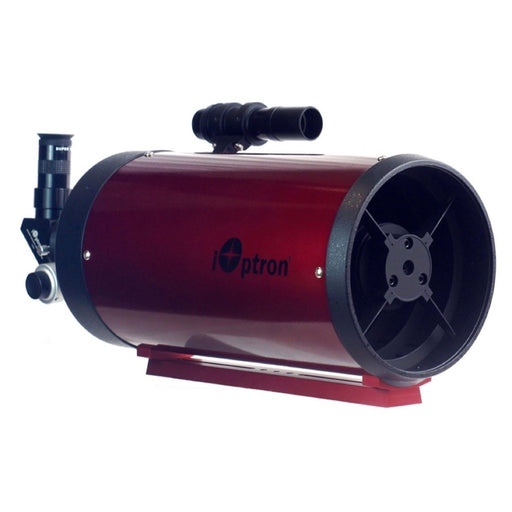
iOptron Photron Ritchey-Chrétien 6"
Conception optique Ritchey-Chrétien de 150mm (6") Focale de 1370mm Rapport focal f/9 Porte-oculaire Crayford 2" à double vitesse 10:1 Tube de 12 l...
Afficher tous les détails
Prix d'origine
$558.00 USD
-
Prix d'origine
$558.00 USD
Prix d'origine
$558.00 USD
$558.00 USD
-
$558.00 USD
Prix actuel
$558.00 USD
Prix d'origine
$1,178.00 USD
-
Prix d'origine
$1,178.00 USD
Prix d'origine
$1,178.00 USD
$1,178.00 USD
-
$1,178.00 USD
Prix actuel
$1,178.00 USD
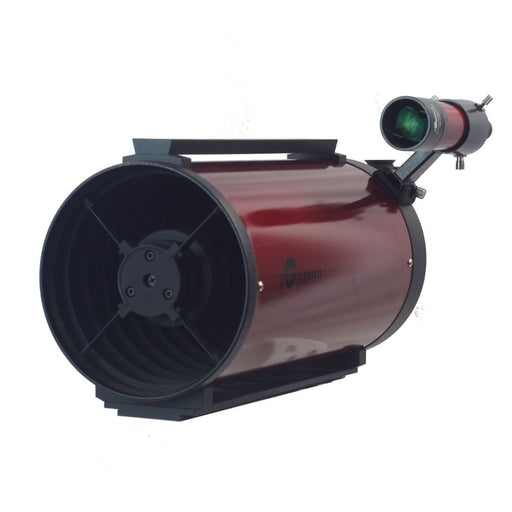
iOptron Photron Ritchey-Chrétien 8"
Conception optique Ritchey-Chrétien de 200mm (8") Focale de 1624mm à f/8 Optique Ritchey-Chrétien sans coma Porte-oculaire Crayford 2" à double vi...
Afficher tous les détails
Prix d'origine
$1,178.00 USD
-
Prix d'origine
$1,178.00 USD
Prix d'origine
$1,178.00 USD
$1,178.00 USD
-
$1,178.00 USD
Prix actuel
$1,178.00 USD

Prix d'origine
$2,888.00 USD
-
Prix d'origine
$2,888.00 USD
Prix d'origine
$2,888.00 USD
$2,888.00 USD
-
$2,888.00 USD
Prix actuel
$2,888.00 USD
iOptron Photron™ Télescope Ritchey-Chrétien 10" (RC10) avec porte-oculaire 3''
Conception optique Ritchey-Chrétien de 250mm (10") Focale de 2000mm à f/8 Pouvoir séparateur de 0.46 seconde d'arc Porte-oculaire 3" à double vite...
Afficher tous les détails
Prix d'origine
$2,888.00 USD
-
Prix d'origine
$2,888.00 USD
Prix d'origine
$2,888.00 USD
$2,888.00 USD
-
$2,888.00 USD
Prix actuel
$2,888.00 USD

Prix d'origine
$7,106.19 USD
-
Prix d'origine
$7,217.16 USD
Prix d'origine
$7,106.19 USD
-
$7,217.16 USD
$7,106.19 USD
-
$7,217.16 USD
Prix actuel
$7,106.19 USD
Orion Optics UK Tube optique AG10
Miroir primaire de 250mm (10 pouces) Focale de 950mm Rapport focal extrêmement rapide de f/3.8 Champ image plat entièrement corrigé de 50mm Tube s...
Afficher tous les détails
Prix d'origine
$7,106.19 USD
-
Prix d'origine
$7,217.16 USD
Prix d'origine
$7,106.19 USD
-
$7,217.16 USD
$7,106.19 USD
-
$7,217.16 USD
Prix actuel
$7,106.19 USD

Prix d'origine
$9,466.15 USD
-
Prix d'origine
$9,606.71 USD
Prix d'origine
$9,466.15 USD
-
$9,606.71 USD
$9,466.15 USD
-
$9,606.71 USD
Prix actuel
$9,466.15 USD
Orion Optics UK Tube optique AG12
Miroir primaire de 300mm (12") Focale de 1140mm Rapport focal rapide de f/3.8 Tube sandwich en fibre de carbone Champ plat corrigé de >50mm Por...
Afficher tous les détails
Prix d'origine
$9,466.15 USD
-
Prix d'origine
$9,606.71 USD
Prix d'origine
$9,466.15 USD
-
$9,606.71 USD
$9,466.15 USD
-
$9,606.71 USD
Prix actuel
$9,466.15 USD

Prix d'origine
$11,873.79 USD
-
Prix d'origine
$12,214.10 USD
Prix d'origine
$11,873.79 USD
-
$12,214.10 USD
$11,873.79 USD
-
$12,214.10 USD
Prix actuel
$11,873.79 USD
Orion Optics UK Tube optique AG14
Miroir primaire de 350mm de diamètre Focale de 1330mm (f/3.8) Champ plat corrigé de >50mm Tube sandwich en fibre de carbone Tache de 3.4µm sur ...
Afficher tous les détails
Prix d'origine
$11,873.79 USD
-
Prix d'origine
$12,214.10 USD
Prix d'origine
$11,873.79 USD
-
$12,214.10 USD
$11,873.79 USD
-
$12,214.10 USD
Prix actuel
$11,873.79 USD

Prix d'origine
$13,945.23 USD
-
Prix d'origine
$14,566.66 USD
Prix d'origine
$13,945.23 USD
-
$14,566.66 USD
$13,945.23 USD
-
$14,566.66 USD
Prix actuel
$13,945.23 USD
Orion Optics UK Tube optique AG16
Miroir primaire de 400mm (16") de diamètre Focale de 1520mm à un rapport focal rapide de f/3.8 Taille du champ plat corrigé >50mm Tube sandwich...
Afficher tous les détails
Prix d'origine
$13,945.23 USD
-
Prix d'origine
$14,566.66 USD
Prix d'origine
$13,945.23 USD
-
$14,566.66 USD
$13,945.23 USD
-
$14,566.66 USD
Prix actuel
$13,945.23 USD

Prix d'origine
$29,756.40 USD
-
Prix d'origine
$29,756.40 USD
Prix d'origine
$29,756.40 USD
$29,756.40 USD
-
$29,756.40 USD
Prix actuel
$29,756.40 USD
Orion Optics UK Tube optique AG20 - Tube seul
Plus grand modèle de la gamme d'astrographes AG Tube sandwich en fibre de carbone Porte-oculaire CERES 3" (76.2mm) de série Fabriqué sur commande ...
Afficher tous les détails
Prix d'origine
$29,756.40 USD
-
Prix d'origine
$29,756.40 USD
Prix d'origine
$29,756.40 USD
$29,756.40 USD
-
$29,756.40 USD
Prix actuel
$29,756.40 USD