
Anneaux
Tube rings do more than hold a telescope. They set how securely it is clamped, whether it can be rotated for framing without dismantling anything, and where accessories can be mounted close to the optical axis instead of hanging off a bracket. David Astro carries tube rings in Canada across a wide range of inner diameters, shipping from Canadian stock.
Sizing depends on measured outer tube diameter, which is rarely the same as the telescope's aperture. Tell us the exact model and we will confirm the ring size.

Prix d'origine
$225.00 USD
-
Prix d'origine
$225.00 USD
Prix d'origine
$225.00 USD
$225.00 USD
-
$225.00 USD
Prix actuel
$225.00 USD
PrimaLuceLab Anneaux de support PLUS 100mm
Conçus pour les tubes optiques de 100mm de diamètre Fait partie du système modulaire PrimaLuceLab PLUS Usinage CNC de précision dans un bloc d'alu...
Afficher tous les détails
Prix d'origine
$225.00 USD
-
Prix d'origine
$225.00 USD
Prix d'origine
$225.00 USD
$225.00 USD
-
$225.00 USD
Prix actuel
$225.00 USD

Prix d'origine
$235.00 USD
-
Prix d'origine
$235.00 USD
Prix d'origine
$235.00 USD
$235.00 USD
-
$235.00 USD
Prix actuel
$235.00 USD
PrimaLuceLab Anneaux de support PLUS 105mm
Diamètre interne de 105mm Compatible avec le Prima Luce Universal System (PLUS) Construction en aluminium usiné CNC de haute précision Finition an...
Afficher tous les détails
Prix d'origine
$235.00 USD
-
Prix d'origine
$235.00 USD
Prix d'origine
$235.00 USD
$235.00 USD
-
$235.00 USD
Prix actuel
$235.00 USD

Prix d'origine
$245.00 USD
-
Prix d'origine
$245.00 USD
Prix d'origine
$245.00 USD
$245.00 USD
-
$245.00 USD
Prix actuel
$245.00 USD
PrimaLuceLab Anneaux de support PLUS 115mm
Conçus pour les tubes optiques de 115mm de diamètre Fait partie du système modulaire PrimaLuceLab PLUS Usinage CNC dans un bloc d'aluminium unique...
Afficher tous les détails
Prix d'origine
$245.00 USD
-
Prix d'origine
$245.00 USD
Prix d'origine
$245.00 USD
$245.00 USD
-
$245.00 USD
Prix actuel
$245.00 USD

Prix d'origine
$255.00 USD
-
Prix d'origine
$255.00 USD
Prix d'origine
$255.00 USD
$255.00 USD
-
$255.00 USD
Prix actuel
$255.00 USD
PrimaLuceLab Anneaux de support PLUS 125mm
Diamètre interne de 125mm Intégration au système PrimaLuceLab PLUS Construction en aluminium usiné CNC Finition anodisée dure Optimisés pour les T...
Afficher tous les détails
Prix d'origine
$255.00 USD
-
Prix d'origine
$255.00 USD
Prix d'origine
$255.00 USD
$255.00 USD
-
$255.00 USD
Prix actuel
$255.00 USD

Prix d'origine
$285.00 USD
-
Prix d'origine
$285.00 USD
Prix d'origine
$285.00 USD
$285.00 USD
-
$285.00 USD
Prix actuel
$285.00 USD
PrimaLuceLab Anneaux de support PLUS 131mm
Diamètre interne : 131mm Matériau : usinage CNC dans un bloc d'aluminium unique Compatibilité système : fait partie du système modulaire PrimaLuce...
Afficher tous les détails
Prix d'origine
$285.00 USD
-
Prix d'origine
$285.00 USD
Prix d'origine
$285.00 USD
$285.00 USD
-
$285.00 USD
Prix actuel
$285.00 USD

Prix d'origine
$295.00 USD
-
Prix d'origine
$295.00 USD
Prix d'origine
$295.00 USD
$295.00 USD
-
$295.00 USD
Prix actuel
$295.00 USD
PrimaLuceLab Anneaux de support PLUS 134mm
Conçus pour les tubes optiques de 134mm de diamètre Fait partie du système modulaire PrimaLuceLab PLUS Usinage CNC dans un bloc d'aluminium plein ...
Afficher tous les détails
Prix d'origine
$295.00 USD
-
Prix d'origine
$295.00 USD
Prix d'origine
$295.00 USD
$295.00 USD
-
$295.00 USD
Prix actuel
$295.00 USD
Prix d'origine
$305.00 USD
-
Prix d'origine
$305.00 USD
Prix d'origine
$305.00 USD
$305.00 USD
-
$305.00 USD
Prix actuel
$305.00 USD
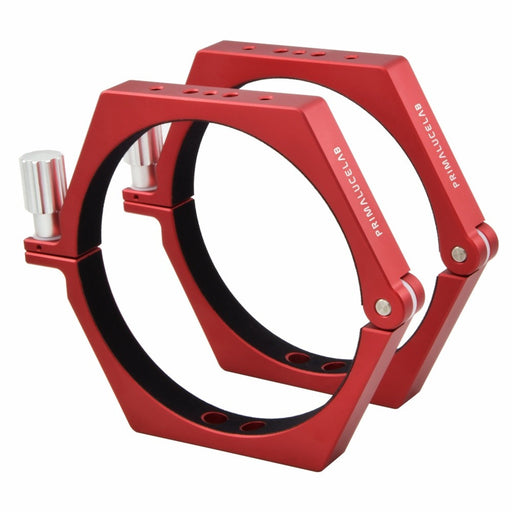
PrimaLuceLab Anneaux de support PLUS 140mm
Maintient solidement les tubes optiques de 140mm de diamètre Usinage CNC dans un bloc d'aluminium plein pour une rigidité maximale Fait part...
Afficher tous les détails
Prix d'origine
$305.00 USD
-
Prix d'origine
$305.00 USD
Prix d'origine
$305.00 USD
$305.00 USD
-
$305.00 USD
Prix actuel
$305.00 USD

Prix d'origine
$315.00 USD
-
Prix d'origine
$315.00 USD
Prix d'origine
$315.00 USD
$315.00 USD
-
$315.00 USD
Prix actuel
$315.00 USD
PrimaLuceLab Anneaux de support PLUS 145mm
Diamètre interne de 145mm Intégration au système PrimaLuceLab PLUS Construction en aluminium usiné CNC Finition anodisée dure Réseau universel de ...
Afficher tous les détails
Prix d'origine
$315.00 USD
-
Prix d'origine
$315.00 USD
Prix d'origine
$315.00 USD
$315.00 USD
-
$315.00 USD
Prix actuel
$315.00 USD
Prix d'origine
$325.00 USD
-
Prix d'origine
$325.00 USD
Prix d'origine
$325.00 USD
$325.00 USD
-
$325.00 USD
Prix actuel
$325.00 USD
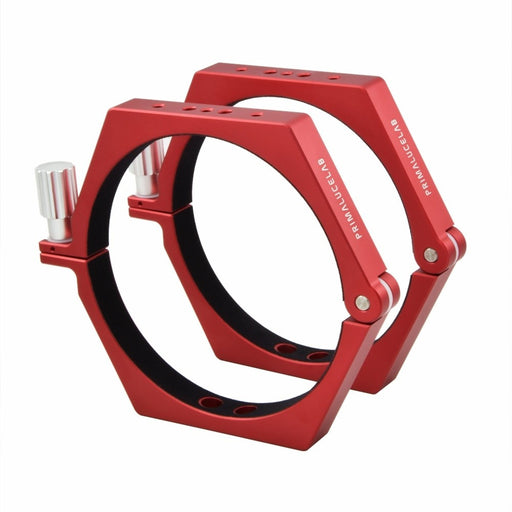
PrimaLuceLab Anneaux de support PLUS 150mm
S'adaptent aux tubes optiques de 150mm de diamètre Construction en aluminium usiné CNC de précision Fait partie du système modulaire PrimaLuceLab ...
Afficher tous les détails
Prix d'origine
$325.00 USD
-
Prix d'origine
$325.00 USD
Prix d'origine
$325.00 USD
$325.00 USD
-
$325.00 USD
Prix actuel
$325.00 USD

Prix d'origine
$335.00 USD
-
Prix d'origine
$335.00 USD
Prix d'origine
$335.00 USD
$335.00 USD
-
$335.00 USD
Prix actuel
$335.00 USD
PrimaLuceLab Anneaux de support PLUS 155mm
Diamètre interne : 155mm Compatibles avec les lunettes Takahashi FS-152 et TOA-130 Fait partie du système modulaire PrimaLuceLab PLUS Usinage CNC ...
Afficher tous les détails
Prix d'origine
$335.00 USD
-
Prix d'origine
$335.00 USD
Prix d'origine
$335.00 USD
$335.00 USD
-
$335.00 USD
Prix actuel
$335.00 USD

Prix d'origine
$345.00 USD
-
Prix d'origine
$345.00 USD
Prix d'origine
$345.00 USD
$345.00 USD
-
$345.00 USD
Prix actuel
$345.00 USD
PrimaLuceLab Anneaux de support PLUS 168mm
Conçus pour les tubes optiques de 168mm de diamètre Fait partie du système de montage modulaire PrimaLuceLab PLUS Usinage CNC de précision dans un...
Afficher tous les détails
Prix d'origine
$345.00 USD
-
Prix d'origine
$345.00 USD
Prix d'origine
$345.00 USD
$345.00 USD
-
$345.00 USD
Prix actuel
$345.00 USD
Prix d'origine
$355.00 USD
-
Prix d'origine
$355.00 USD
Prix d'origine
$355.00 USD
$355.00 USD
-
$355.00 USD
Prix actuel
$355.00 USD
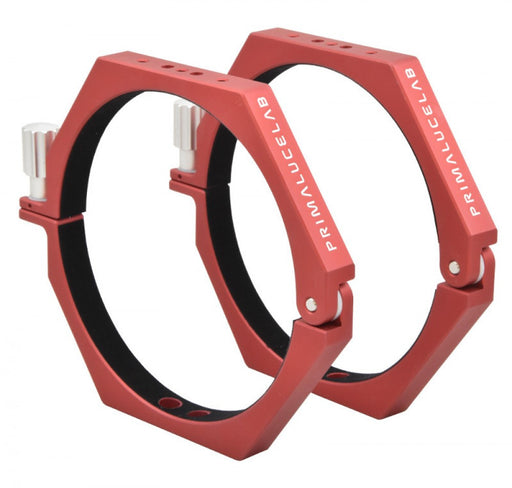
PrimaLuceLab Anneaux de support PLUS 180mm
Diamètre interne de 180mm Compatibles avec la Takahashi TOA150 et les tubes optiques similaires Intégration au système PrimaLuceLab PLUS Usinage C...
Afficher tous les détails
Prix d'origine
$355.00 USD
-
Prix d'origine
$355.00 USD
Prix d'origine
$355.00 USD
$355.00 USD
-
$355.00 USD
Prix actuel
$355.00 USD

Prix d'origine
$475.00 USD
-
Prix d'origine
$475.00 USD
Prix d'origine
$475.00 USD
$475.00 USD
-
$475.00 USD
Prix actuel
$475.00 USD
PrimaLuceLab Anneaux de support PLUS 235mm
Diamètre interne de 235mm Construction en aluminium usiné CNC Anodisation dure pour la durabilité Fait partie du système modulaire PLUS Réseau uni...
Afficher tous les détails
Prix d'origine
$475.00 USD
-
Prix d'origine
$475.00 USD
Prix d'origine
$475.00 USD
$475.00 USD
-
$475.00 USD
Prix actuel
$475.00 USD
Prix d'origine
$149.00 USD
-
Prix d'origine
$149.00 USD
Prix d'origine
$149.00 USD
$149.00 USD
-
$149.00 USD
Prix actuel
$149.00 USD
PrimaLuceLab Anneaux de support PLUS 80mm
Diamètre interne de 80mm pour lunettes et télescopes compacts Usinage CNC dans un bloc d'aluminium plein pour une rigidité maximale Fait partie de...
Afficher tous les détails
Prix d'origine
$149.00 USD
-
Prix d'origine
$149.00 USD
Prix d'origine
$149.00 USD
$149.00 USD
-
$149.00 USD
Prix actuel
$149.00 USD

Prix d'origine
$195.00 USD
-
Prix d'origine
$195.00 USD
Prix d'origine
$195.00 USD
$195.00 USD
-
$195.00 USD
Prix actuel
$195.00 USD
PrimaLuceLab Anneaux de support PLUS 85mm
Conçus pour les tubes de télescope de 85mm de diamètre Construction en aluminium usiné CNC de haute précision Anodisation dure pour la durabilité ...
Afficher tous les détails
Prix d'origine
$195.00 USD
-
Prix d'origine
$195.00 USD
Prix d'origine
$195.00 USD
$195.00 USD
-
$195.00 USD
Prix actuel
$195.00 USD

Prix d'origine
$205.00 USD
-
Prix d'origine
$205.00 USD
Prix d'origine
$205.00 USD
$205.00 USD
-
$205.00 USD
Prix actuel
$205.00 USD
PrimaLuceLab Anneaux de support PLUS 90mm
S'adaptent aux tubes optiques de 90mm de diamètre Fait partie du système modulaire PLUS Construction en aluminium usiné CNC Poids : 0.5 kg Nombreu...
Afficher tous les détails
Prix d'origine
$205.00 USD
-
Prix d'origine
$205.00 USD
Prix d'origine
$205.00 USD
$205.00 USD
-
$205.00 USD
Prix actuel
$205.00 USD

Prix d'origine
$215.00 USD
-
Prix d'origine
$215.00 USD
Prix d'origine
$215.00 USD
$215.00 USD
-
$215.00 USD
Prix actuel
$215.00 USD
PrimaLuceLab Anneaux de support PLUS 95mm
Diamètre interne : 95mm Matériau : aluminium usiné CNC Finition : sablée et anodisée dur Système de montage : PrimaLuceLab PLUS Télescopes compati...
Afficher tous les détails
Prix d'origine
$215.00 USD
-
Prix d'origine
$215.00 USD
Prix d'origine
$215.00 USD
$215.00 USD
-
$215.00 USD
Prix actuel
$215.00 USD