
Guiding Equipment
No mount tracks perfectly. Autoguiding measures the drift against a real star many times a minute and sends corrections, turning a mount that holds thirty seconds into one that holds ten minutes. It is the single change that most often takes an imager from discarding half their subs to keeping nearly all of them. David Astro carries autoguiding products in Canada — guide cameras, guide scopes and off-axis guiders — stocked in Canada and shipped worldwide.
Whether you should guide through a separate scope or off the main optic depends almost entirely on focal length. Tell us yours and we will give you a direct answer.
Original price
$65.00
-
Original price
$65.00
Original price
$65.00
$65.00
-
$65.00
Current price
$65.00
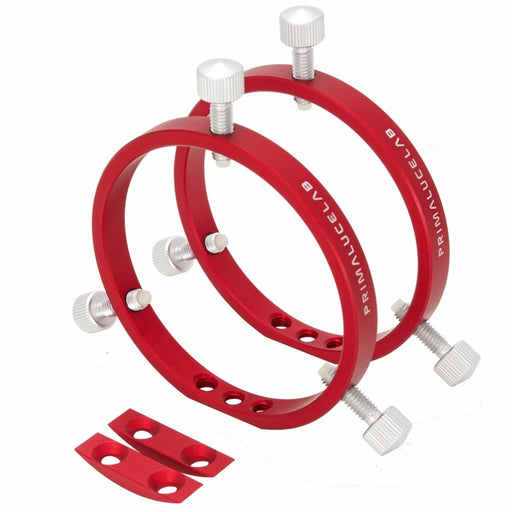
PrimaLuceLab Guide Rings PLUS 80mm
PLL-PLLANGU80P
80mm Internal Diameter PrimaLuceLab PLUS System Compatible CNC-Machined Aluminum Construction Hard-Anodized Finish Three-Point Adjustment Screws w...
View full details
Original price
$65.00
-
Original price
$65.00
Original price
$65.00
$65.00
-
$65.00
Current price
$65.00

Original price
$23.00
-
Original price
$23.00
Original price
$23.00
$23.00
-
$23.00
Current price
$23.00
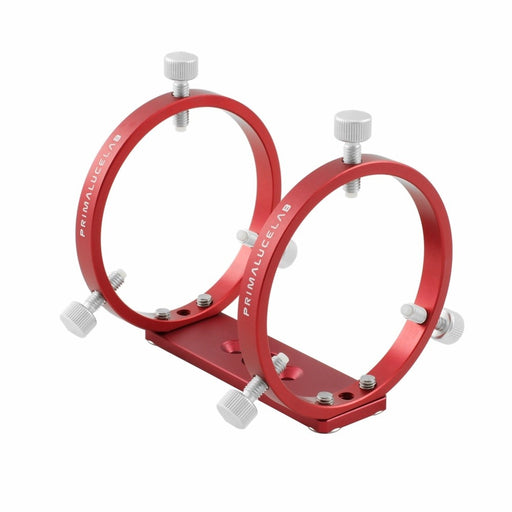
PrimaLuceLab Guide Rings Support Plate for ECCO
PLL-ECCOSUP-PL
Mounts PrimaLuceLab PLUS guide rings directly to the ECCO controller Enables use of a guide scope or a separate finder scope Creates a rigid, inte...
View full details
Original price
$23.00
-
Original price
$23.00
Original price
$23.00
$23.00
-
$23.00
Current price
$23.00
Original price
$79.00
-
Original price
$79.00
Original price
$79.00
$79.00
-
$79.00
Current price
$79.00
PrimaLuceLab Guide Scope Support for ECCO
PLL-ECCOSUP
Adds a finder or guide scope support to the PrimaLuceLab ECCO Replaces the need for separate guide rings Ideal for small, portable apochromatic re...
View full details
Original price
$79.00
-
Original price
$79.00
Original price
$79.00
$79.00
-
$79.00
Current price
$79.00
Original price
$25.00
-
Original price
$25.00
Original price
$25.00
$25.00
-
$25.00
Current price
$25.00
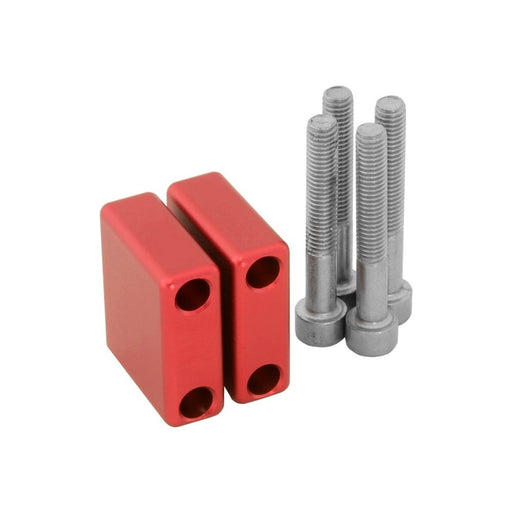
PrimaLuceLab PLUS Raisers for EAGLE CORE
PLL-EAGLECORE-DI
PLUS raisers for EAGLE CORE allow you to install, on the side of its body, the 80mm PLUS guide rings without them to touch the EAGLE CORE body. Thi...
View full details
Original price
$25.00
-
Original price
$25.00
Original price
$25.00
$25.00
-
$25.00
Current price
$25.00
Original price
$180.00
-
Original price
$280.00
Original price
$180.00
-
$280.00
$180.00
-
$280.00
Current price
$180.00
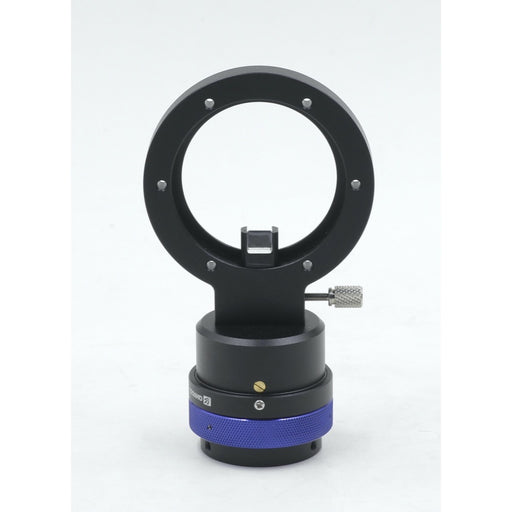
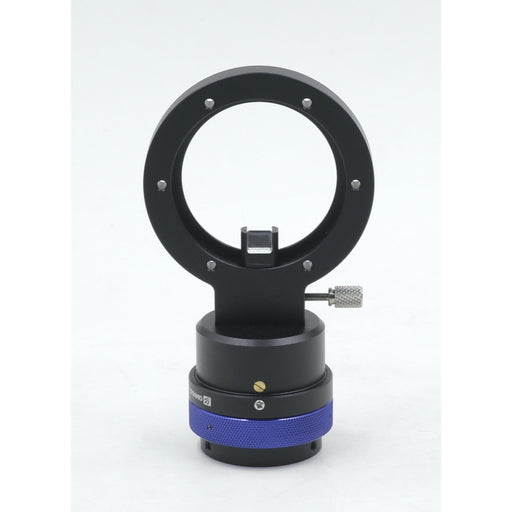
QHYCCD OAG
Options available
2 variants in stock
Integrated helical focuser for precise guide camera adjustment Rigid, single-path design eliminates flexure from a separate guidescope Locking thu...
View full details
Original price
$180.00
-
Original price
$280.00
Original price
$180.00
-
$280.00
$180.00
-
$280.00
Current price
$180.00
Original price
$1,019.00
-
Original price
$1,019.00
Original price
$1,019.00
$1,019.00
-
$1,019.00
Current price
$1,019.00
SBIG AO-8 Adaptative Optics
Options available
Adaptive Optics unit for Aluma and STF camerasThe AO-8A works with the STF and Aluma series cameras. The AO-8A requires an off-axis guide camera be...
View full details
Original price
$1,019.00
-
Original price
$1,019.00
Original price
$1,019.00
$1,019.00
-
$1,019.00
Current price
$1,019.00
Original price
$189.00
-
Original price
$189.00
Original price
$189.00
$189.00
-
$189.00
Current price
$189.00
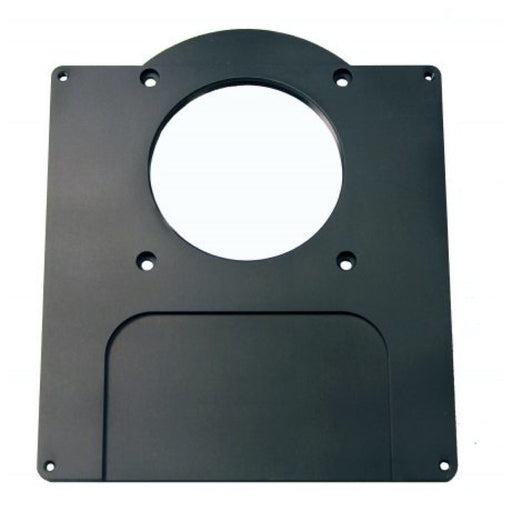
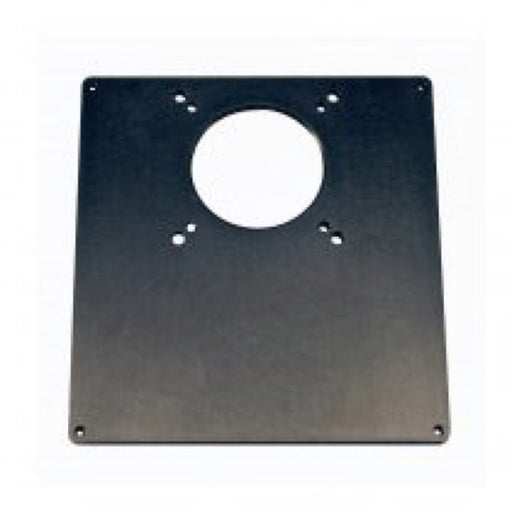
SBIG AO-8 Conversion Plate
Options available
Conversion plates can be used to adapt AO-8 / AO-8T / AO-8A adaptive optics units to different camera models.
Original price
$189.00
-
Original price
$189.00
Original price
$189.00
$189.00
-
$189.00
Current price
$189.00
Original price
$2,319.00
-
Original price
$2,319.00
Original price
$2,319.00
$2,319.00
-
$2,319.00
Current price
$2,319.00
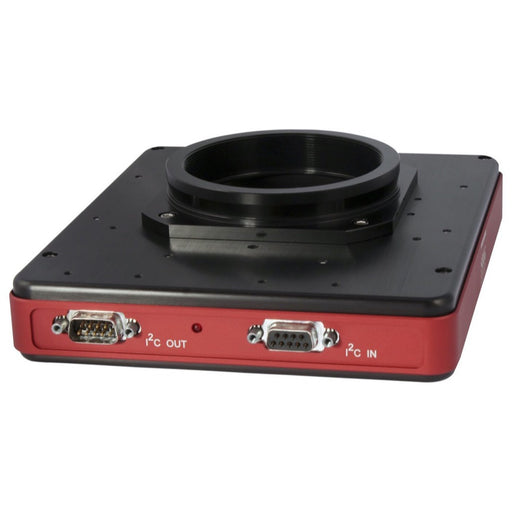
SBIG AO-X Adaptive Optics
DL-AO-X
The next-generation of adaptive optics for our SBIG large-format cameras.The SBIG AO-X is a large aperture AO designed to be compatible with all la...
View full details
Original price
$2,319.00
-
Original price
$2,319.00
Original price
$2,319.00
$2,319.00
-
$2,319.00
Current price
$2,319.00
Original price
$615.00
-
Original price
$615.00
Original price
$615.00
$615.00
-
$615.00
Current price
$615.00
SBIG OAG-8300 Off Axis Guider
DL-OAG-8300
#N/A
Original price
$615.00
-
Original price
$615.00
Original price
$615.00
$615.00
-
$615.00
Current price
$615.00
Original price
$2,418.00
-
Original price
$2,418.00
Original price
$2,418.00
$2,418.00
-
$2,418.00
Current price
$2,418.00
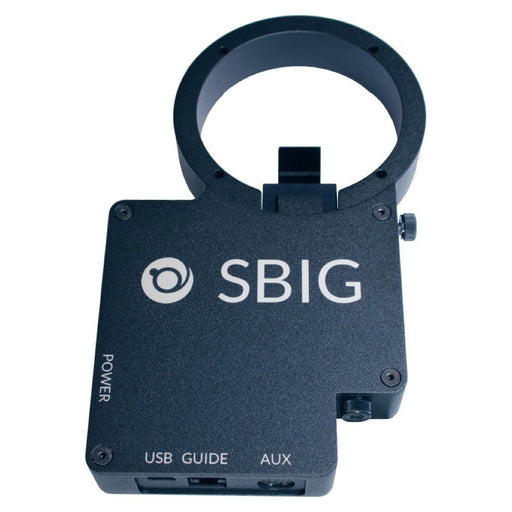
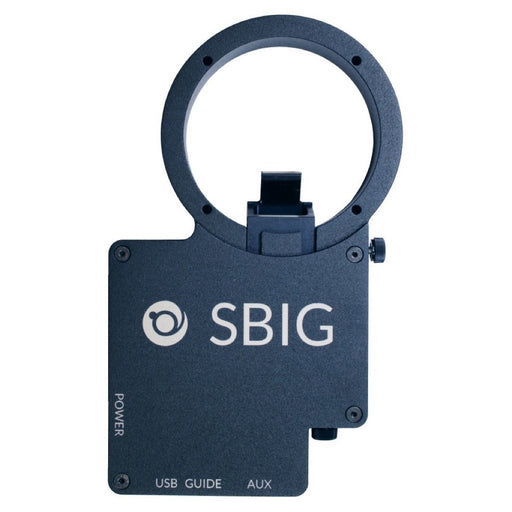
SBIG StarChaser SC-2 / AO-8A Bundle
DL-SC2-AO8-PACK
#N/A
Original price
$2,418.00
-
Original price
$2,418.00
Original price
$2,418.00
$2,418.00
-
$2,418.00
Current price
$2,418.00
Original price
$1,019.00
-
Original price
$1,019.00
Original price
$1,019.00
$1,019.00
-
$1,019.00
Current price
$1,019.00
SBIG StarChaser SC-2 Off Axis Guider Camera - STF, Aluma and STC series
DL-SC-2
The SBIG StarChaser is the world’s first all-in-one off-axis guider with built-in camera and integrated AO support. Comes complete with MaxIm LT so...
View full details
Original price
$1,019.00
-
Original price
$1,019.00
Original price
$1,019.00
$1,019.00
-
$1,019.00
Current price
$1,019.00
Original price
$3,718.00
-
Original price
$3,718.00
Original price
$3,718.00
$3,718.00
-
$3,718.00
Current price
$3,718.00
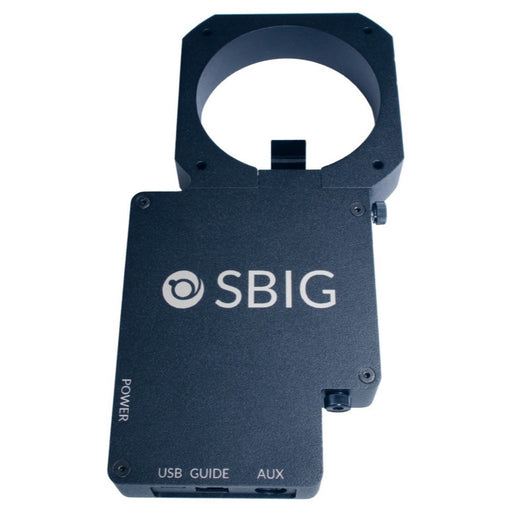
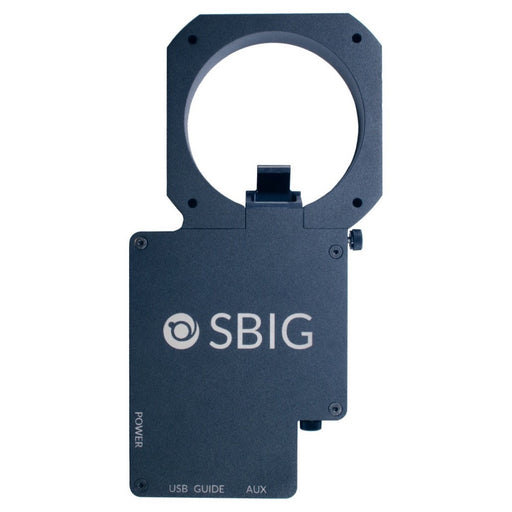
SBIG StarChaser SC-3 / AO-X Bundle
DL-SC3-AOX-PACK
#N/A
Original price
$3,718.00
-
Original price
$3,718.00
Original price
$3,718.00
$3,718.00
-
$3,718.00
Current price
$3,718.00
Original price
$1,319.00
-
Original price
$1,319.00
Original price
$1,319.00
$1,319.00
-
$1,319.00
Current price
$1,319.00
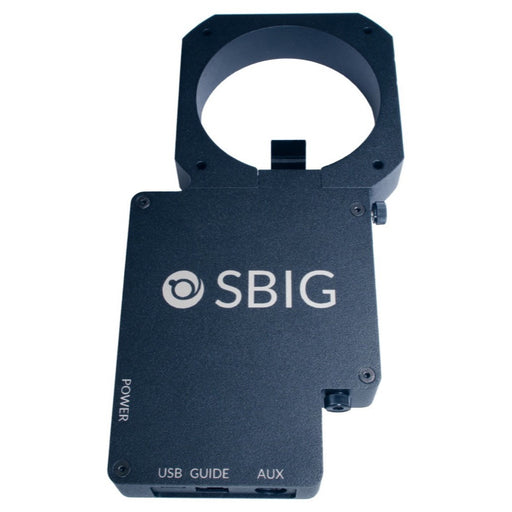
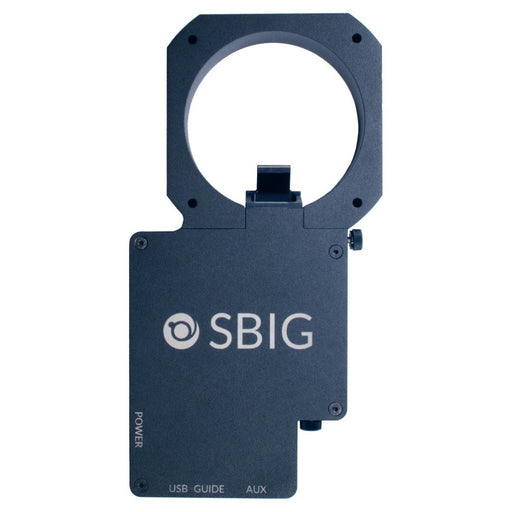
SBIG StarChaser SC-3 Off Axis Guider Camera - STX series
DL-SC-3
The SBIG StarChaser is the world’s first all-in-one off-axis guider with built-in camera and integrated AO support. Comes complete with MaxIm LT so...
View full details
Original price
$1,319.00
-
Original price
$1,319.00
Original price
$1,319.00
$1,319.00
-
$1,319.00
Current price
$1,319.00
Original price
$1,319.00
-
Original price
$1,319.00
Original price
$1,319.00
$1,319.00
-
$1,319.00
Current price
$1,319.00
SBIG StarChaser SC-4 Off Axis Guider Camera - STXL and Aluma AC series
DL-SC-4
The SBIG StarChaser is the world’s first all-in-one off-axis guider with built-in camera and integrated AO support. Comes complete with MaxIm LT so...
View full details
Original price
$1,319.00
-
Original price
$1,319.00
Original price
$1,319.00
$1,319.00
-
$1,319.00
Current price
$1,319.00
Original price
$3,383.00
-
Original price
$3,383.00
Original price
$3,383.00
$3,383.00
-
$3,383.00
Current price
$3,383.00
SBIG StarChaser SC-4/ AO-X Bundle
DL-SC4-AOX-PACK
#N/A
Original price
$3,383.00
-
Original price
$3,383.00
Original price
$3,383.00
$3,383.00
-
$3,383.00
Current price
$3,383.00
Original price
$119.00
-
Original price
$119.00
Original price
$119.00
$119.00
-
$119.00
Current price
$119.00
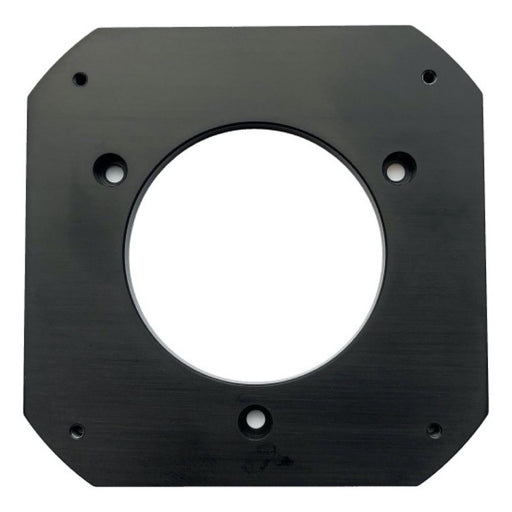
SBIG STL to StarChaser Adapter
Options available
Attach a modern StarChaser SC-2 or SBIG StarChaser SC-3 off-axis guide camera to your trusty SBIG STL Research Series camera.
Original price
$119.00
-
Original price
$119.00
Original price
$119.00
$119.00
-
$119.00
Current price
$119.00
Original price
$375.00
-
Original price
$375.00
Original price
$375.00
$375.00
-
$375.00
Current price
$375.00
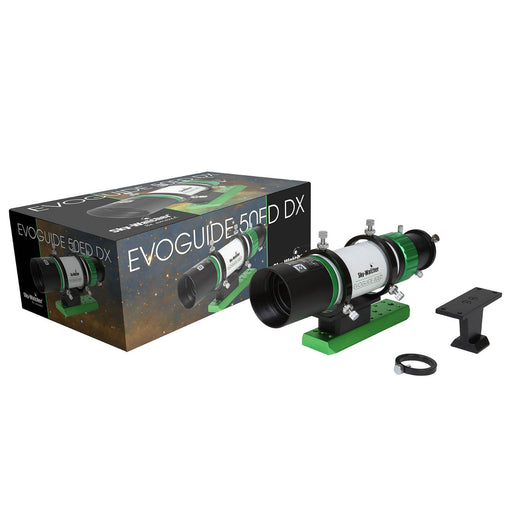
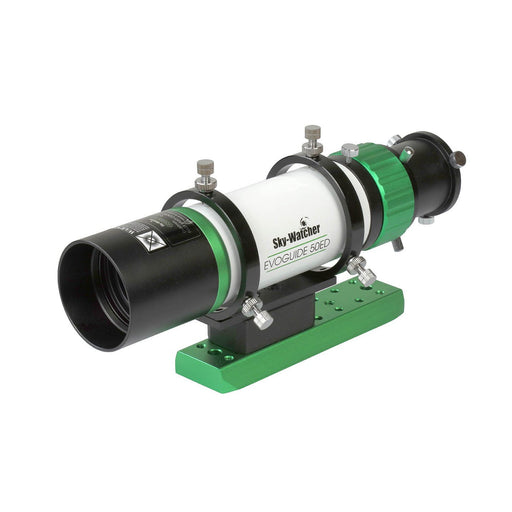
Sky-Watcher Evoguide 50DX APO Refractor
SW-S11174
2 in stock
50mm Apochromatic Doublet optics with ED glass 242mm focal length at a fast f/4.8 focal ratio Precision 1.25" helical focuser with prime focus rin...
View full details
Original price
$375.00
-
Original price
$375.00
Original price
$375.00
$375.00
-
$375.00
Current price
$375.00


Original price
$57.59
-
Original price
$57.59
Original price
$57.59
$57.59
-
$57.59
Current price
$57.59
SVBONY SV106 50mm Guide Scope with Helical Focuser
SV-F9177A
3 in stock
50mm Aperture 190mm Focal Length (F3.8) Zero-Flexure Helical Focuser 8mm Focuser Travel Includes Mounting Rings and Dovetail Description FAQ Sp...
View full details
Original price
$57.59
-
Original price
$57.59
Original price
$57.59
$57.59
-
$57.59
Current price
$57.59


Original price
$75.00
-
Original price
$75.00
Original price
$75.00
$75.00
-
$75.00
Current price
$75.00
SVBONY SV106 60mm f/4 Guide Scope
SV-F9177B
2 in stock
60mm Aperture 240mm Focal Length (f/4) Precise Helical Focuser 1.25" Camera and Eyepiece Connection Includes Mounting Rings and Dovetail Descri...
View full details
Original price
$75.00
-
Original price
$75.00
Original price
$75.00
$75.00
-
$75.00
Current price
$75.00


Original price
$19.99
-
Original price
$19.99
Original price
$19.99
$19.99
-
$19.99
Current price
$19.99
SVBONY SV116 Adjustable Guide Scope Ring Kit 43mm-70mm
SV-F9187A
1 in stock
Accommodates telescopes with 43mm to 70mm tube diameters Large 12mm knurled metal adjustment screws Solid metal construction weighing 168.4g / 5.9...
View full details
Original price
$19.99
-
Original price
$19.99
Original price
$19.99
$19.99
-
$19.99
Current price
$19.99


Original price
$45.00
-
Original price
$45.00
Original price
$45.00
$45.00
-
$45.00
Current price
$45.00
SVBONY SV165 30mm f/4 Mini Guide Scope
SV-W9125A
2 in stock
30mm Aperture 120mm Focal Length (f/4) 45mm Focuser Tube Travel 26mm Back Focus Includes Mounting Bracket with Dovetail Description FAQ Specifi...
View full details
Original price
$45.00
-
Original price
$45.00
Original price
$45.00
$45.00
-
$45.00
Current price
$45.00


Original price
$59.00
-
Original price
$59.00
Original price
$59.00
$59.00
-
$59.00
Current price
$59.00
SVBONY SV165 40mm Mini Guide Scope
SV-W9125B
2 in stock
40mm Aperture 160mm Focal Length (f/4) Accepts 1.25" and T2-Threaded Cameras 12.5mm Back Focus Weighs 449.8g (15.87oz) Description FAQ Specific...
View full details
Original price
$59.00
-
Original price
$59.00
Original price
$59.00
$59.00
-
$59.00
Current price
$59.00


Original price
$106.99
-
Original price
$106.99
Original price
$106.99
$106.99
-
$106.99
Current price
$106.99
SVBONY SV198 50mm Mini Guide Scope
SV-W9155A
1 in stock
50mm Aperture 206.6mm Focal Length (f/4.1) Dual Helical Focuser with 12mm Travel 1.25" and T2 Thread Connections Includes 45mm T2 Extension Tube V...
View full details
Original price
$106.99
-
Original price
$106.99
Original price
$106.99
$106.99
-
$106.99
Current price
$106.99


Original price
$99.00
-
Original price
$99.00
Original price
$99.00
$99.00
-
$99.00
Current price
$99.00
SVBONY SV238 Off-Axis Guider (OAG)
SV-W9196A
1 in stock
Corrects tracking errors and opto-mechanical flexure Large 8 × 14 mm prism for bright guide stars Slim 12.5 mm body thickness preserves back focus...
View full details
Original price
$99.00
-
Original price
$99.00
Original price
$99.00
$99.00
-
$99.00
Current price
$99.00