
Cameras
Camera choice in astrophotography is less about megapixels than about matching pixel size to your telescope and your sky. A camera that resolves beautifully at 400 mm focal length will oversample badly at 2000 mm, and a sensor that suits pristine mountain seeing will simply record blur under an average Canadian night. David Astro stocks astronomy cameras in Canada — cooled and uncooled CMOS, monochrome and colour, deep-sky, planetary and guiding — in stock and shipped from our Canadian warehouse.
We match cameras to telescopes for customers constantly. Send us your focal length, your typical seeing and what you want to photograph, and we will calculate the pixel scale before recommending anything.

Original price
$279.00
-
Original price
$279.00
Original price
$279.00
$279.00
-
$279.00
Current price
$279.00
Player One Neptune 664C Color Planetary Camera
POA-Neptune-664C
1 in stock
Adopts the 4.2MP Sony IMX664 color CMOS sensor High-speed capture at 93 FPS at full 2704x1540 resolution Extremely low read noise, down to 0.67e L...
View full details
Original price
$279.00
-
Original price
$279.00
Original price
$279.00
$279.00
-
$279.00
Current price
$279.00

Original price
$199.00
-
Original price
$199.00
Original price
$199.00
$199.00
-
$199.00
Current price
$199.00
Player One Neptune-C II IMX464 Color Planetary Camera
POA-Neptune-C-II
4.2 Megapixel Sony IMX464 Color Sensor 9mm Sensor Diagonal (1/1.8" Format) 2.9µm Pixel Size 93 FPS at Full 2712x1538 Resolution Read Noise as low ...
View full details
Original price
$199.00
-
Original price
$199.00
Original price
$199.00
$199.00
-
$199.00
Current price
$199.00

Original price
$179.00
-
Original price
$179.00
Original price
$179.00
$179.00
-
$179.00
Current price
$179.00
Player One Neptune-C IMX178 Color Planetary Camera
POA-Neptune-C
Sensor: Sony IMX178 1/1.8" Color CMOS Resolution: 6.4 MP (3096x2078) Pixel Size: 2.4µm Max Frame Rate: 60 FPS (at full resolution) Read Noise: 1.3...
View full details
Original price
$179.00
-
Original price
$179.00
Original price
$179.00
$179.00
-
$179.00
Current price
$179.00

Original price
$269.00
-
Original price
$269.00
Original price
$269.00
$269.00
-
$269.00
Current price
$269.00
Player One Neptune-M IMX178 Mono Planetary Camera
POA-Neptune-M
1 in stock
6.4 Megapixel Resolution (3096 x 2078) 2.4µm Pixel Size 60 FPS at Full Resolution (10-bit) 15,000e- Full Well Capacity 1.3e Minimum Read Noise ...
View full details
Original price
$269.00
-
Original price
$269.00
Original price
$269.00
$269.00
-
$269.00
Current price
$269.00

Original price
$1,399.00
-
Original price
$1,399.00
Original price
$1,399.00
$1,399.00
-
$1,399.00
Current price
$1,399.00
Player One Poseidon-C Pro Color Cooled Astrophotography Camera
POA-Poseidon-C-Pro
2 in stock
26 Megapixel APS-C Sony IMX571 Color Sensor Massive 71.7k e- Full Well Capacity 16-bit Analog-to-Digital Converter (ADC) 2-Stage TEC Cooling with ...
View full details
Original price
$1,399.00
-
Original price
$1,399.00
Original price
$1,399.00
$1,399.00
-
$1,399.00
Current price
$1,399.00

Original price
$1,899.00
-
Original price
$1,899.00
Original price
$1,899.00
$1,899.00
-
$1,899.00
Current price
$1,899.00
Player One Poseidon-M Pro Mono IMX571 Cooled Astrophotography Camera
POA-Poseidon-M-Pro
1 in stock
Sensor: Sony IMX571 APS-C Mono Resolution: 6252×4176 (26MP) Pixel Size: 3.76μm Full Well Capacity: 71.7k e- Cooling: 40°C Delta-T below ambient ...
View full details
Original price
$1,899.00
-
Original price
$1,899.00
Original price
$1,899.00
$1,899.00
-
$1,899.00
Current price
$1,899.00

Original price
$569.00
-
Original price
$569.00
Original price
$569.00
$569.00
-
$569.00
Current price
$569.00
Player One Saturn-C SQR IMX533 Color Planetary Camera
POA-Saturn-C-SQR
1 in stock
9 Mega Pixel 1-inch Square Color Sensor (IMX533) 3.76µm Pixels and 73k e- Full Well Capacity 43 FPS at Full 3008x3008 Resolution 1.0e Minimum Read...
View full details
Original price
$569.00
-
Original price
$569.00
Original price
$569.00
$569.00
-
$569.00
Current price
$569.00

Original price
$749.00
-
Original price
$749.00
Original price
$749.00
$749.00
-
$749.00
Current price
$749.00
Player One Saturn-M SQR IMX533 Mono Planetary Camera
POA-Saturn-M-SQR
2 in stock
9 Megapixel Sony IMX533 monochrome sensor 1-inch square format (11.31mm x 11.31mm) 3.76μm pixel size High full well capacity of 73k e- Up to 43 FP...
View full details
Original price
$749.00
-
Original price
$749.00
Original price
$749.00
$749.00
-
$749.00
Current price
$749.00

Original price
$249.00
-
Original price
$249.00
Original price
$249.00
$249.00
-
$249.00
Current price
$249.00
Player One Sedna-M IMX178 Mono Guide Camera
POA-Sedna-M
1 in stock
6.4 Megapixel Sony IMX178 monochrome sensor 2.4μm pixel size for high-resolution guiding Up to 60 FPS at full 3096x2078 resolution Ultra-low read ...
View full details
Original price
$249.00
-
Original price
$249.00
Original price
$249.00
$249.00
-
$249.00
Current price
$249.00

Original price
$369.00
-
Original price
$369.00
Original price
$369.00
$369.00
-
$369.00
Current price
$369.00
Player One Uranus-C IMX585 Color Planetary Camera
POA-Uranus-C
8.3 Megapixel Sony IMX585 Color CMOS Sensor 1/1.2" Format with 12.85mm Diagonal 2.9μm Pixel Size 46 FPS (RAW8) at Full 3856x2180 Resolution Extrem...
View full details
Original price
$369.00
-
Original price
$369.00
Original price
$369.00
$369.00
-
$369.00
Current price
$369.00

Original price
$569.00
-
Original price
$569.00
Original price
$569.00
$569.00
-
$569.00
Current price
$569.00
Player One Uranus-C Pro Color IMX585 Cooled Astrophotography Camera
POA-Uranus-C-Pro
3 in stock
Features Sony's IMX585 1/1.2" color CMOS sensor 8.3 Megapixel resolution (3856x2180) with 2.9μm pixels High full well capacity of 47k e- for excel...
View full details
Original price
$569.00
-
Original price
$569.00
Original price
$569.00
$569.00
-
$569.00
Current price
$569.00

Original price
$439.00
-
Original price
$439.00
Original price
$439.00
$439.00
-
$439.00
Current price
$439.00
Player One Uranus-M IMX585 Mono Planetary Camera
POA-Uranus-M
8.3 MP Monochrome IMX585 Sensor 3856 x 2180 Resolution 1/1.2" Sensor Format 46 FPS (RAW8) at Full Resolution 12-bit ADC USB 3.0 and ST-4 Ports ...
View full details
Original price
$439.00
-
Original price
$439.00
Original price
$439.00
$439.00
-
$439.00
Current price
$439.00

Original price
$649.00
-
Original price
$649.00
Original price
$649.00
$649.00
-
$649.00
Current price
$649.00
Player One Uranus-M Pro Mono IMX585 Cooled Astrophotography Camera
POA-Uranus-M-Pro
1 in stock
Sony IMX585 Monochrome CMOS Sensor 8.3 Megapixel Resolution (3856 x 2180) High-Speed Capture up to 46 FPS (RAW8) at Full Resolution 12-bit ADC Dep...
View full details
Original price
$649.00
-
Original price
$649.00
Original price
$649.00
$649.00
-
$649.00
Current price
$649.00

Original price
$359.00
-
Original price
$359.00
Original price
$359.00
$359.00
-
$359.00
Current price
$359.00
Player One Xena 585M Mono Guide Camera
POA-Xena-585M
1 in stock
8.3 Megapixel Sony IMX585 monochrome sensor 1/1.2" format with 12.85mm diagonal 2.9μm pixel size Peak Quantum Efficiency (QE) of ≈91% Extremely lo...
View full details
Original price
$359.00
-
Original price
$359.00
Original price
$359.00
$359.00
-
$359.00
Current price
$359.00

Original price
$3,599.00
-
Original price
$3,599.00
Original price
$3,599.00
$3,599.00
-
$3,599.00
Current price
$3,599.00
Player One ZEUS 455C Pro Color Cooled Astrophotography Camera
POA-ZEUS-455C-Pro
61 Megapixel full-frame (36mm x 24mm) color CMOS sensor 3.76μm pixel size for high-resolution deep-sky imaging 16-bit ADC delivers exceptional dyn...
View full details
Original price
$3,599.00
-
Original price
$3,599.00
Original price
$3,599.00
$3,599.00
-
$3,599.00
Current price
$3,599.00

Original price
$3,699.00
-
Original price
$3,699.00
Original price
$3,699.00
$3,699.00
-
$3,699.00
Current price
$3,699.00
Player One ZEUS 455M Pro Mono Cooled Astrophotography Camera
POA-ZEUS-455M-Pro
61 Megapixel Full-Frame Sony IMX455 mono sensor 3.76µm pixel size and 71.6k e- full well capacity 16-bit ADC for exceptional dynamic range 2-stage...
View full details
Original price
$3,699.00
-
Original price
$3,699.00
Original price
$3,699.00
$3,699.00
-
$3,699.00
Current price
$3,699.00

Original price
$728.22
-
Original price
$728.22
Original price
$728.22
$728.22
-
$728.22
Current price
$728.22
QHYCCD miniCAM8 Color Camera
QHY-110197
1 in stock
At just over 4 inches in diameter and a few inches thick (IMX585), the new miniCAM8 is a compact, high-resolution, high-performance, cooled imagin...
View full details
Original price
$728.22
-
Original price
$728.22
Original price
$728.22
$728.22
-
$728.22
Current price
$728.22
Original price
$599.00
-
Original price
$899.00
Original price
$599.00
-
$899.00
$599.00
-
$899.00
Current price
$599.00
QHYCCD miniCAM8 Mono Camera
Options available
At just over 4 inches in diameter and a few inches thick (IMX585), the new miniCAM8 is a compact, high-resolution, high-performance, cooled imagin...
View full details
Original price
$599.00
-
Original price
$899.00
Original price
$599.00
-
$899.00
$599.00
-
$899.00
Current price
$599.00

Original price
$7,800.00
-
Original price
$7,800.00
Original price
$7,800.00
$7,800.00
-
$7,800.00
Current price
$7,800.00
QHYCCD QHY1253P Polarized Camera
QHY-110094
12 Megapixel Sony IMX253 Polarized Sensor 3.45μm Pixel Size Electronic Global Shutter -35°C Below Ambient Two-Stage TEC Cooling 27.2 FPS at Full R...
View full details
Original price
$7,800.00
-
Original price
$7,800.00
Original price
$7,800.00
$7,800.00
-
$7,800.00
Current price
$7,800.00
Original price
$2,695.00
-
Original price
$2,695.00
Original price
$2,695.00
$2,695.00
-
$2,695.00
Current price
$2,695.00
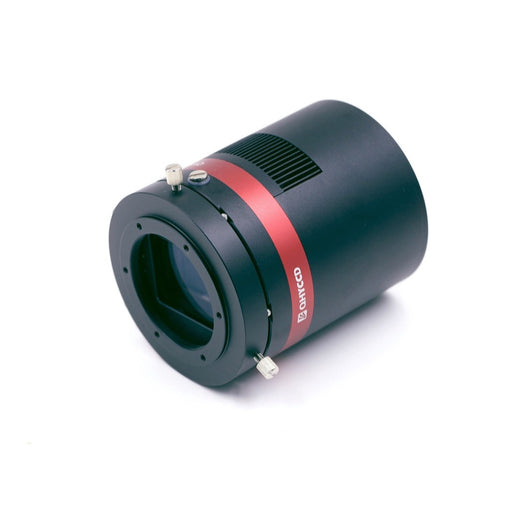
QHYCCD QHY128PRO-C Color
QHY-QHY128PRO-C
QHYCCD is proud to announce the release of two exciting new 35mm format color cameras.The QHY128C uses a 24 Megapixel sensor with 5.96u pixels and ...
View full details
Original price
$2,695.00
-
Original price
$2,695.00
Original price
$2,695.00
$2,695.00
-
$2,695.00
Current price
$2,695.00
Original price
$4,399.00
-
Original price
$4,839.00
Original price
$4,399.00
-
$4,839.00
$4,399.00
-
$4,839.00
Current price
$4,399.00
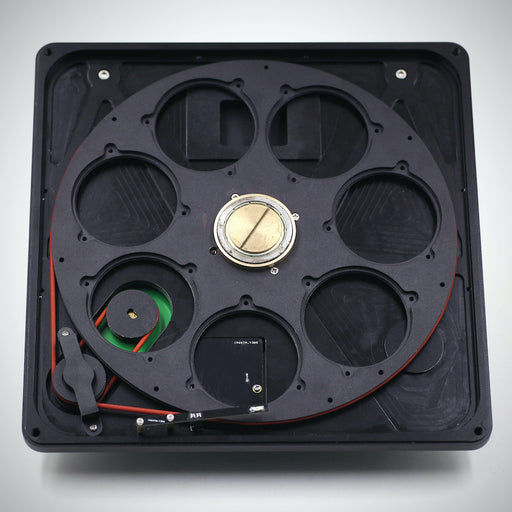
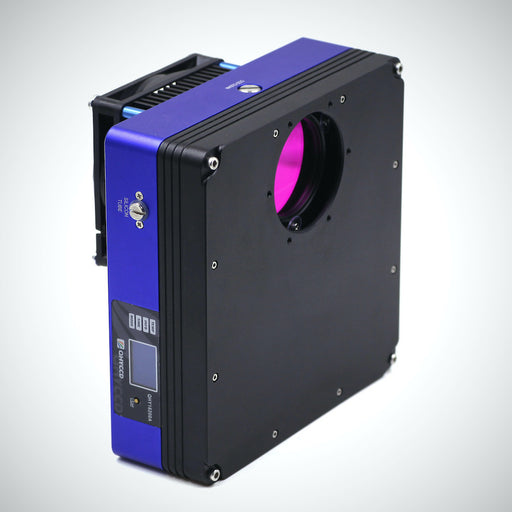
QHYCCD QHY16200A Mono
Options available
The QHY16200A uses a unique APS-H size CCD sensor, a product of close collaboration between QHYCCD and the sensor supplier.This sensor is specially...
View full details
Original price
$4,399.00
-
Original price
$4,839.00
Original price
$4,399.00
-
$4,839.00
$4,399.00
-
$4,839.00
Current price
$4,399.00
Original price
$1,199.00
-
Original price
$1,199.00
Original price
$1,199.00
$1,199.00
-
$1,199.00
Current price
$1,199.00
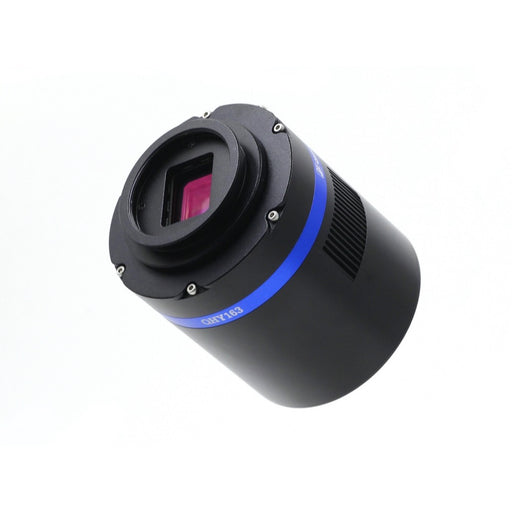
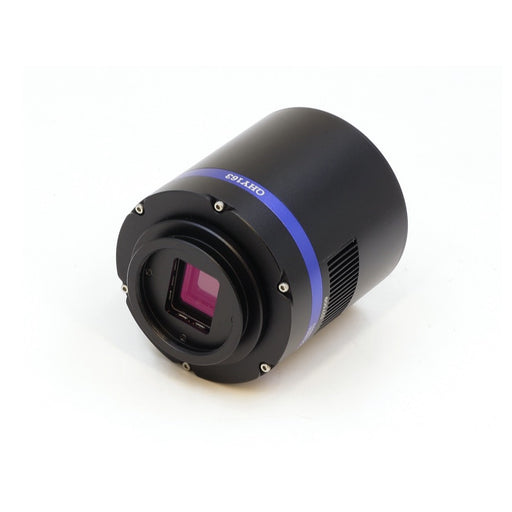
QHYCCD QHY163M Mono
QHY-QHY163M
The QHYCCD medium size COLDMOS camera series includes all of our cooled cameras with CMOS sensor sizes from 1 inch to Full Frame (35mm Format) and ...
View full details
Original price
$1,199.00
-
Original price
$1,199.00
Original price
$1,199.00
$1,199.00
-
$1,199.00
Current price
$1,199.00
Original price
$10,890.00
-
Original price
$10,890.00
Original price
$10,890.00
$10,890.00
-
$10,890.00
Current price
$10,890.00
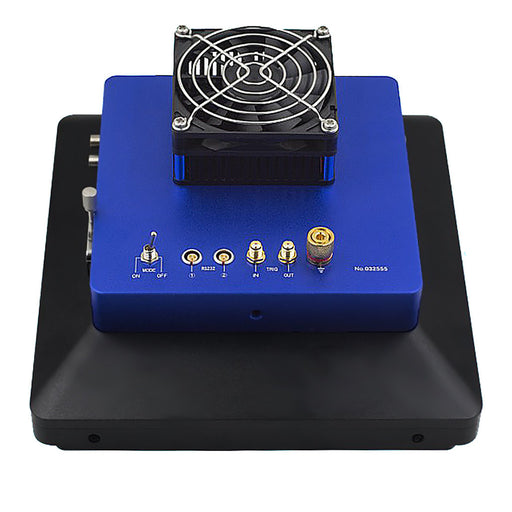
QHYCCD QHY16803A Mono
QHY-QHY16803A
The QHY16803A camera is a large format astronomical CCD camera using the well-known 16 Megapixel KAF-16803 CCD, popular with both advanced amateurs...
View full details
Original price
$10,890.00
-
Original price
$10,890.00
Original price
$10,890.00
$10,890.00
-
$10,890.00
Current price
$10,890.00

Original price
$1,239.00
-
Original price
$1,239.00
Original price
$1,239.00
$1,239.00
-
$1,239.00
Current price
$1,239.00
QHYCCD QHY174GPS Scientific CMOS Camera
QHY-100118
Onboard GPS module with 1 micro-second UTC time-stamping precision Sony IMX174 2 Megapixel monochrome sensor High-speed Electronic Global Shutter ...
View full details
Original price
$1,239.00
-
Original price
$1,239.00
Original price
$1,239.00
$1,239.00
-
$1,239.00
Current price
$1,239.00