
Cameras
Camera choice in astrophotography is less about megapixels than about matching pixel size to your telescope and your sky. A camera that resolves beautifully at 400 mm focal length will oversample badly at 2000 mm, and a sensor that suits pristine mountain seeing will simply record blur under an average Canadian night. David Astro stocks astronomy cameras in Canada — cooled and uncooled CMOS, monochrome and colour, deep-sky, planetary and guiding — in stock and shipped from our Canadian warehouse.
We match cameras to telescopes for customers constantly. Send us your focal length, your typical seeing and what you want to photograph, and we will calculate the pixel scale before recommending anything.
Original price
$1,239.00
-
Original price
$1,239.00
Original price
$1,239.00
$1,239.00
-
$1,239.00
Current price
$1,239.00
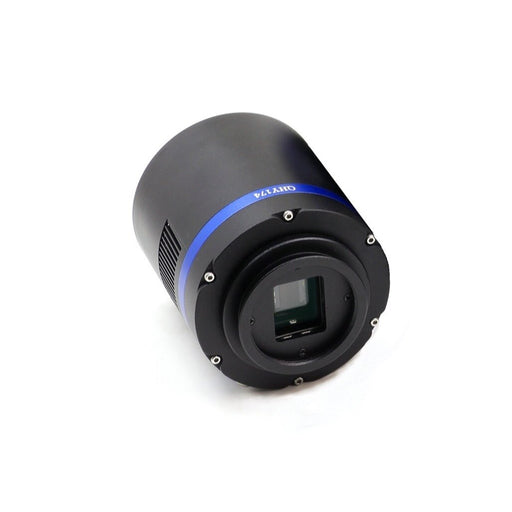
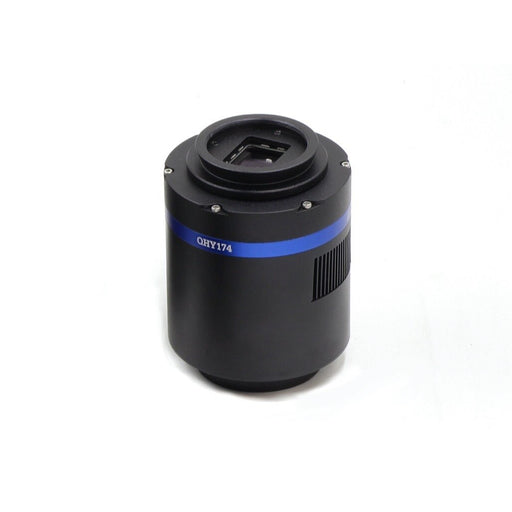
QHYCCD QHY174M-GPS
QHY-100117
2 Megapixel Sony IMX174 Mono Sensor Electronic Global Shutter Eliminates Motion Artifacts Integrated GPS Module with 1 Microsecond UTC Time-Stamp ...
View full details
Original price
$1,239.00
-
Original price
$1,239.00
Original price
$1,239.00
$1,239.00
-
$1,239.00
Current price
$1,239.00
Original price
$699.00
-
Original price
$699.00
Original price
$699.00
$699.00
-
$699.00
Current price
$699.00
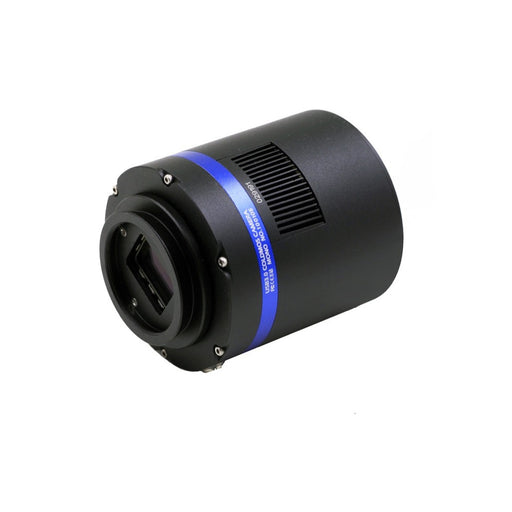
QHYCCD QHY183C Color
QHY-100090
20 Megapixel back-illuminated Sony IMX183 color sensor 2.4μm pixels for high-resolution imaging Dual-stage TEC cooling to -40°C below ambient 1.0e...
View full details
Original price
$699.00
-
Original price
$699.00
Original price
$699.00
$699.00
-
$699.00
Current price
$699.00
Original price
$999.00
-
Original price
$999.00
Original price
$999.00
$999.00
-
$999.00
Current price
$999.00
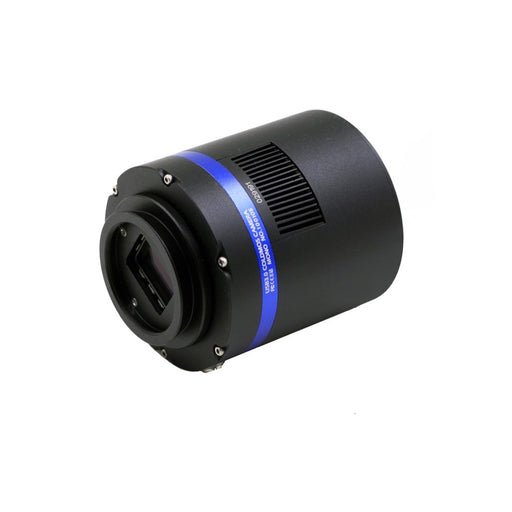
QHYCCD QHY183M Mono
QHY-100105
20 Megapixel back-illuminated Sony IMX183 mono sensor 2.4µm pixels for high-resolution imaging Dual-stage TEC cooling to -40°C below ambient Extre...
View full details
Original price
$999.00
-
Original price
$999.00
Original price
$999.00
$999.00
-
$999.00
Current price
$999.00

Original price
$9,800.00
-
Original price
$9,800.00
Original price
$9,800.00
$9,800.00
-
$9,800.00
Current price
$9,800.00
QHYCCD QHY1920 Cooled BSI Scientific Camera
QHY-110129
2.3 Megapixel Back-Side Illuminated (BSI) Sensor Large 12µm x 12µm Pixels 58 FPS at Full 1920x1200 Resolution 0.74e- Minimum Read Noise Dual-Stage...
View full details
Original price
$9,800.00
-
Original price
$9,800.00
Original price
$9,800.00
$9,800.00
-
$9,800.00
Current price
$9,800.00
Original price
$6,000.00
-
Original price
$8,000.00
Original price
$6,000.00
-
$8,000.00
$6,000.00
-
$8,000.00
Current price
$6,000.00
QHYCCD QHY2020 BSI Scientific CMOS Camera
Options available
4 Megapixel (2048x2048) BSI Monochrome CMOS Sensor 6.5μm pixels and 56ke- full well capacity Ultra-low 1.7e- read noise in High Gain Mode Dual 12-...
View full details
Original price
$6,000.00
-
Original price
$8,000.00
Original price
$6,000.00
-
$8,000.00
$6,000.00
-
$8,000.00
Current price
$6,000.00
Original price
$1,699.00
-
Original price
$1,699.00
Original price
$1,699.00
$1,699.00
-
$1,699.00
Current price
$1,699.00
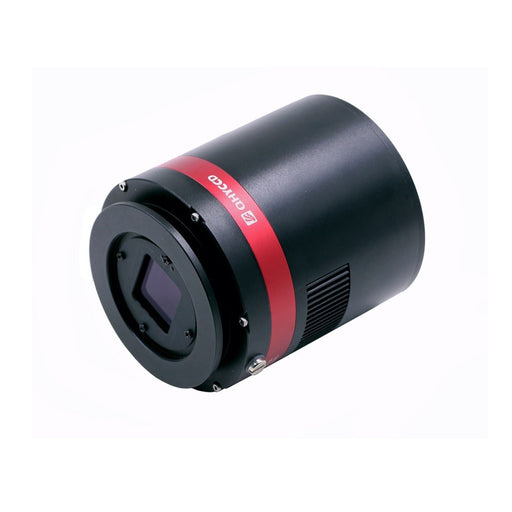
QHYCCD QHY247C Color
QHY-QHY247C
QHYCCD is proud to announce the release of an exciting new APS-C format color camera.The QHY247C uses a 24 Megapixel sensor with 3.91um pixels and ...
View full details
Original price
$1,699.00
-
Original price
$1,699.00
Original price
$1,699.00
$1,699.00
-
$1,699.00
Current price
$1,699.00
Original price
$2,099.00
-
Original price
$2,099.00
Original price
$2,099.00
$2,099.00
-
$2,099.00
Current price
$2,099.00
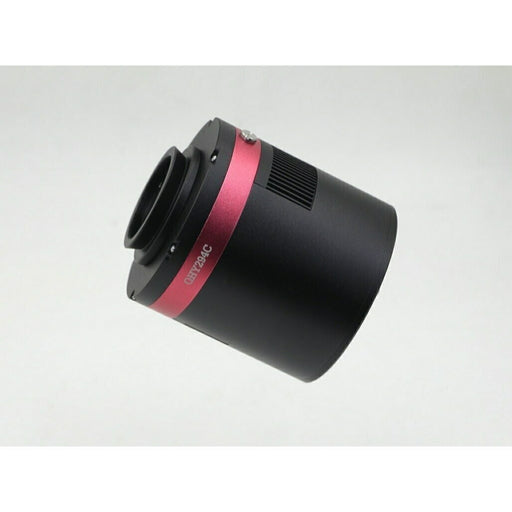
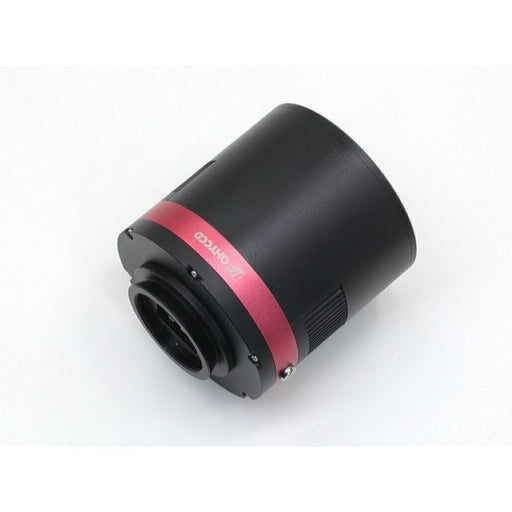
QHYCCD QHY268C Color
QHY-110058
1 in stock
26 Megapixel Sony IMX571 APS-C BSI Sensor Native 16-bit A/D Converter (0-65535 levels) Ultra-low 1.1e- Read Noise in High Gain Mode Dual-Stage TEC...
View full details
Original price
$2,099.00
-
Original price
$2,099.00
Original price
$2,099.00
$2,099.00
-
$2,099.00
Current price
$2,099.00
Original price
$2,399.00
-
Original price
$2,910.00
Original price
$2,399.00
-
$2,910.00
$2,399.00
-
$2,910.00
Current price
$2,399.00
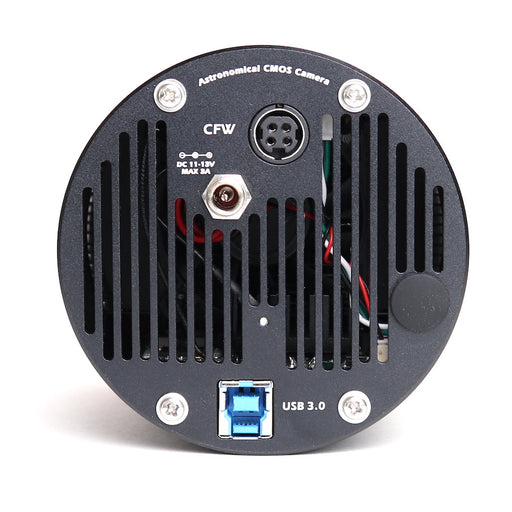
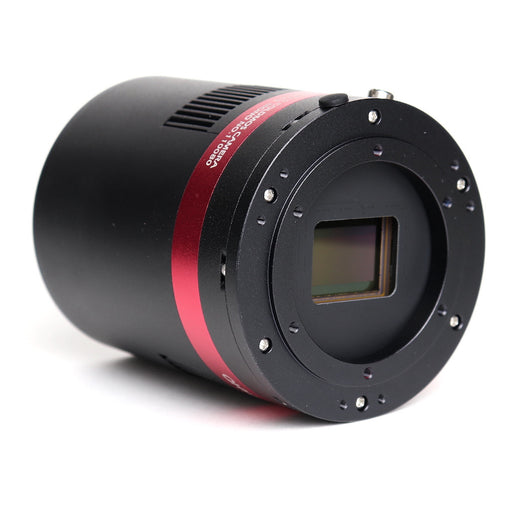
QHYCCD QHY268M Mono
Options available
26 Megapixel Sony IMX571 BSI CMOS Sensor APS-C Sensor Size with 3.76μm Pixels Native 16-bit A/D Conversion (65,535 Levels) Selectable Full Well: 5...
View full details
Original price
$2,399.00
-
Original price
$2,910.00
Original price
$2,399.00
-
$2,910.00
$2,399.00
-
$2,910.00
Current price
$2,399.00

Original price
$3,399.00
-
Original price
$3,399.00
Original price
$3,399.00
$3,399.00
-
$3,399.00
Current price
$3,399.00
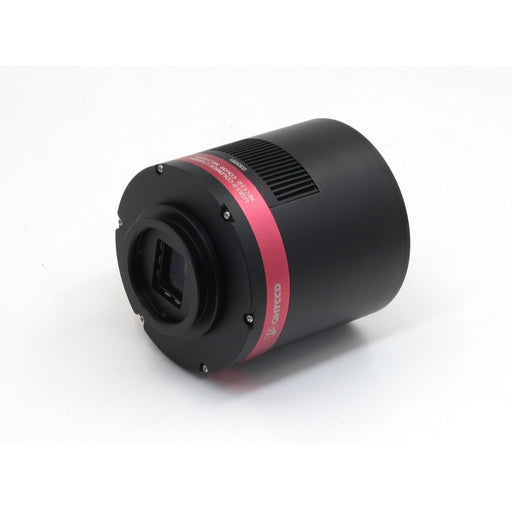
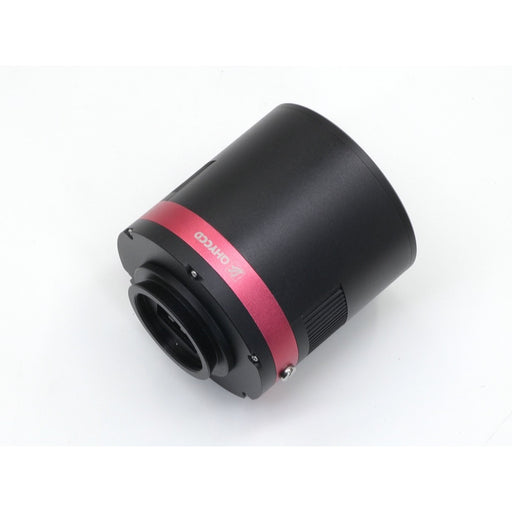
QHYCCD QHY268M Pro I Monochrome CMOS Camera
QHY-110089
26 Megapixel Sony IMX571 APS-C BSI CMOS Sensor Native 16-bit A/D Conversion for 65,535 Gray Levels 1.1e- Minimum Read Noise Dual Full Well Modes: ...
View full details
Original price
$3,399.00
-
Original price
$3,399.00
Original price
$3,399.00
$3,399.00
-
$3,399.00
Current price
$3,399.00
Original price
$999.00
-
Original price
$999.00
Original price
$999.00
$999.00
-
$999.00
Current price
$999.00
QHYCCD QHY294C-Pro Color
QHY-QHY294C
The Sony Starvis IMX294CJK Exmor R is a 21.63 mm diagonal (Type 4/3), 10.7 megapixel, back-illuminated color CMOS sensor.Sony has commercialized th...
View full details
Original price
$999.00
-
Original price
$999.00
Original price
$999.00
$999.00
-
$999.00
Current price
$999.00
Original price
$1,299.00
-
Original price
$1,650.00
Original price
$1,299.00
-
$1,650.00
$1,299.00
-
$1,650.00
Current price
$1,299.00
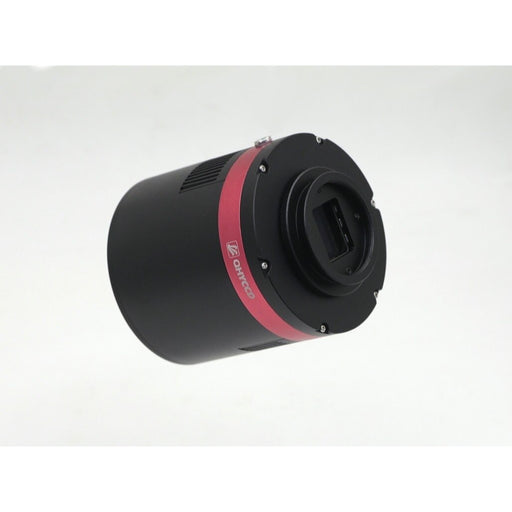
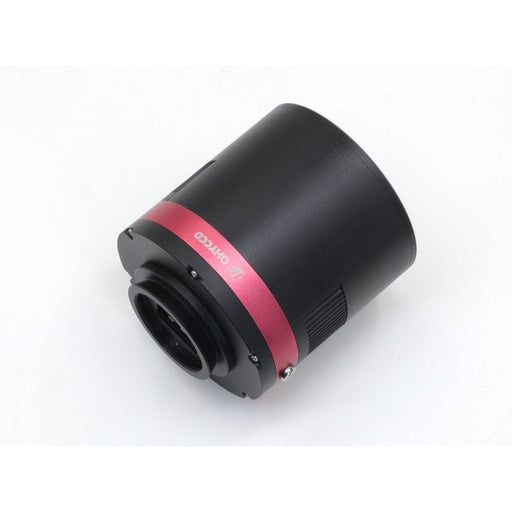
QHYCCD QHY294M-Pro Mono
Options available
4/3-inch Sony IMX492 BSI CMOS Sensor Switchable 11.7 MP and 46.8 MP resolution modes 4.63µm pixels and 65ke- full well capacity in standard mode U...
View full details
Original price
$1,299.00
-
Original price
$1,650.00
Original price
$1,299.00
-
$1,650.00
$1,299.00
-
$1,650.00
Current price
$1,299.00
Original price
$4,399.00
-
Original price
$4,399.00
Original price
$4,399.00
$4,399.00
-
$4,399.00
Current price
$4,399.00
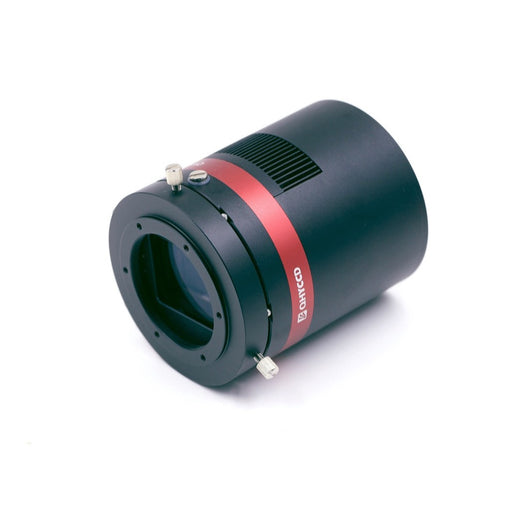
QHYCCD QHY367CPRO-C Color
QHY-110059
Effective Pixels: 36MP Sensor Size: Full Frame (36mm x 24mm) Readout Noise: 2.4e- to 3.2e- Cooling System: -45℃ below ambient Built-in Image ...
View full details
Original price
$4,399.00
-
Original price
$4,399.00
Original price
$4,399.00
$4,399.00
-
$4,399.00
Current price
$4,399.00
Original price
$12,780.00
-
Original price
$13,800.00
Original price
$12,780.00
-
$13,800.00
$12,780.00
-
$13,800.00
Current price
$12,780.00
QHYCCD QHY4040 FSI Scientific CMOS Camera
Options available
16.8 Megapixel Gpixel GSENSE4040 FSI CMOS Sensor 4096 x 4096 resolution with 9.0μm pixels Dual 12-bit ADC with 16-bit combined output mode High Ga...
View full details
Original price
$12,780.00
-
Original price
$13,800.00
Original price
$12,780.00
-
$13,800.00
$12,780.00
-
$13,800.00
Current price
$12,780.00

Original price
$45,000.00
-
Original price
$45,000.00
Original price
$45,000.00
$45,000.00
-
$45,000.00
Current price
$45,000.00
QHYCCD QHY4040 Pro I BSI Scientific CMOS Camera
QHY-110172
16.8 Megapixel Gpixel GSENSE4040 BSI CMOS Sensor 4096 x 4096 Resolution with 9.0µm Pixels 36.9mm x 36.9mm Square Image Area Dual 10-Gigabit Fiber ...
View full details
Original price
$45,000.00
-
Original price
$45,000.00
Original price
$45,000.00
$45,000.00
-
$45,000.00
Current price
$45,000.00

Original price
$14,809.00
-
Original price
$14,809.00
Original price
$14,809.00
$14,809.00
-
$14,809.00
Current price
$14,809.00
QHYCCD QHY4040 Pro Series Scientific Camera (FSI)
QHY-110182
16.8 Megapixel Gpixel GSENSE4040 FSI Sensor Large 36.9mm x 36.9mm Imaging Area 9.0μm Pixel Size Dual 12-bit ADC with High/Low Gain Channels 2x 10G...
View full details
Original price
$14,809.00
-
Original price
$14,809.00
Original price
$14,809.00
$14,809.00
-
$14,809.00
Current price
$14,809.00
Original price
$3,695.00
-
Original price
$3,695.00
Original price
$3,695.00
$3,695.00
-
$3,695.00
Current price
$3,695.00
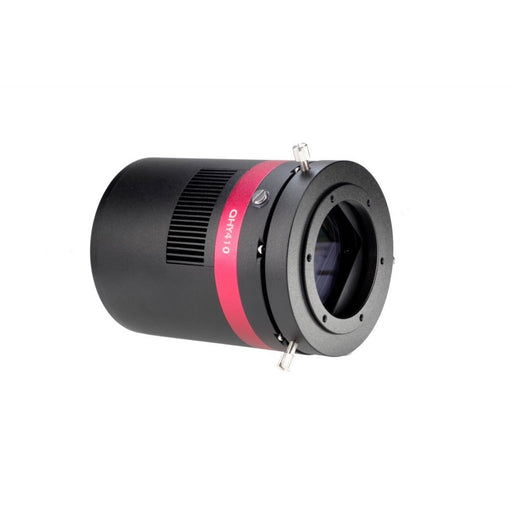
QHYCCD QHY410C Color
QHY-QHY410C
14bit 24mpixel BSI FFThe new QHY410C uses Sony's latest back-illuminated, full frame color sensor. The IMX410 is essentially a back-illuminated ver...
View full details
Original price
$3,695.00
-
Original price
$3,695.00
Original price
$3,695.00
$3,695.00
-
$3,695.00
Current price
$3,695.00

Original price
$50,000.00
-
Original price
$50,000.00
Original price
$50,000.00
$50,000.00
-
$50,000.00
Current price
$50,000.00
QHYCCD QHY411C PRO Color BSI Cooled Camera
QHY-110112
Scientific-Grade Class 1 BSI CMOS Sensor Medium-Format Color Imaging Dual 10 Gigabit Ethernet (2 x 10GB) Interface Hybrid Air and Liquid Cooling S...
View full details
Original price
$50,000.00
-
Original price
$50,000.00
Original price
$50,000.00
$50,000.00
-
$50,000.00
Current price
$50,000.00

Original price
$50,000.00
-
Original price
$50,000.00
Original price
$50,000.00
$50,000.00
-
$50,000.00
Current price
$50,000.00
QHYCCD QHY411M PRO Monochrome Medium Format Camera
QHY-110052
150 Megapixel Monochrome BSI Sensor 54mm x 40mm Medium Format Sensor Size Native 16-bit A/D Conversion 80,000e- Full Well Capacity Dual 10 Gigabit...
View full details
Original price
$50,000.00
-
Original price
$50,000.00
Original price
$50,000.00
$50,000.00
-
$50,000.00
Current price
$50,000.00
Original price
$5,460.00
-
Original price
$13,850.00
Original price
$5,460.00
-
$13,850.00
$5,460.00
-
$13,850.00
Current price
$5,460.00
QHYCCD QHY42 BSI/FSI/UV Scientific CMOS Camera
Options available
4 Megapixel Gpixel GSENSE400 monochrome sensor Large 11μm pixels for high sensitivity Dual 12-bit ADCs for High Dynamic Range (HDR) capture 24 FPS...
View full details
Original price
$5,460.00
-
Original price
$13,850.00
Original price
$5,460.00
-
$13,850.00
$5,460.00
-
$13,850.00
Current price
$5,460.00

Original price
$26,000.00
-
Original price
$26,000.00
Original price
$26,000.00
$26,000.00
-
$26,000.00
Current price
$26,000.00
QHYCCD QHY461C PRO Color CMOS Camera
QHY-110113
100 Megapixel Medium Format Sensor 44mm x 33mm Sensor Size Native 16-bit A/D Conversion Back-Side Illuminated (BSI) CMOS Architecture Dual 10 Giga...
View full details
Original price
$26,000.00
-
Original price
$26,000.00
Original price
$26,000.00
$26,000.00
-
$26,000.00
Current price
$26,000.00

Original price
$26,000.00
-
Original price
$26,000.00
Original price
$26,000.00
$26,000.00
-
$26,000.00
Current price
$26,000.00
QHYCCD QHY461M PRO Scientific Medium Format Monochrome Camera
QHY-110053
Class 1 Scientific-Grade BSI Sensor Monochrome Medium Format Dual Air and Liquid Cooling System 2 x 10 Gigabit Ethernet Interface Native 16-bit A/...
View full details
Original price
$26,000.00
-
Original price
$26,000.00
Original price
$26,000.00
$26,000.00
-
$26,000.00
Current price
$26,000.00

Original price
$8,300.00
-
Original price
$8,300.00
Original price
$8,300.00
$8,300.00
-
$8,300.00
Current price
$8,300.00
QHYCCD QHY530 Pro II Mono Camera
QHY-110124
24.55 Megapixel Sony IMX530 BSI Monochrome Sensor Electronic Global Shutter for distortion-free imaging 2.74μm Pixel Size Dual-Stage TEC Cooling (...
View full details
Original price
$8,300.00
-
Original price
$8,300.00
Original price
$8,300.00
$8,300.00
-
$8,300.00
Current price
$8,300.00
Original price
$959.00
-
Original price
$959.00
Original price
$959.00
$959.00
-
$959.00
Current price
$959.00
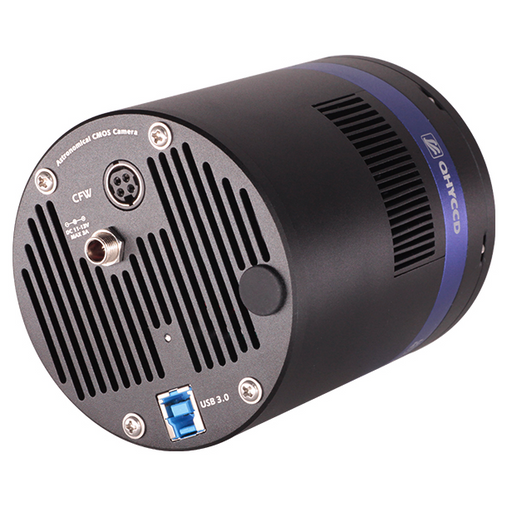
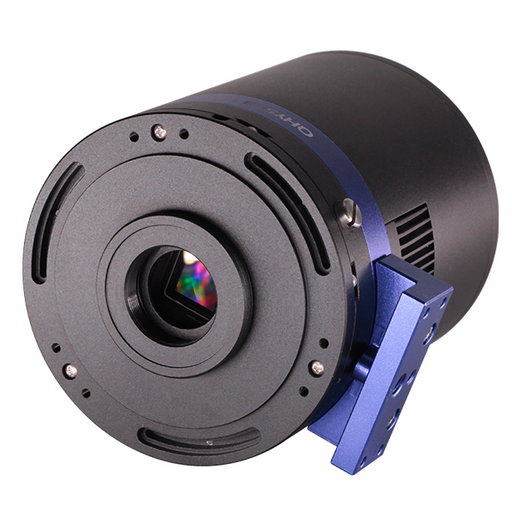
QHYCCD QHY533C Color
QHY-110101
9 Megapixel Sony IMX533 Back-Side Illuminated (BSI) Color Sensor 1-inch square format with 3.76µm pixels 14-bit A/D conversion for deep dynamic ra...
View full details
Original price
$959.00
-
Original price
$959.00
Original price
$959.00
$959.00
-
$959.00
Current price
$959.00


Original price
$1,099.00
-
Original price
$1,440.00
Original price
$1,099.00
-
$1,440.00
$1,099.00
-
$1,440.00
Current price
$1,099.00
QHYCCD QHY533M Mono
Options available
1 variants in stock
9 Megapixel, 1-inch square monochrome sensor (Sony IMX533) 3.76μm pixels and 58ke- full well capacity 14-bit A/D conversion and 1.3e- minimum read...
View full details
Original price
$1,099.00
-
Original price
$1,440.00
Original price
$1,099.00
-
$1,440.00
$1,099.00
-
$1,440.00
Current price
$1,099.00