
Planetary & Solar Cameras
Planetary imaging works differently from deep-sky imaging. Instead of long exposures, you record thousands of very short frames as video, then software picks the sharpest moments when the atmosphere was steady and stacks them. A fast, sensitive camera with small pixels is what makes this technique work.
We carry planetary and solar cameras from ZWO, Player One (Mars, Neptune, Uranus, Saturn and Apollo), QHYCCD QHY5III, SVBONY, iOptron iCAM and Celestron NexImage. Many also serve as excellent guide cameras.


Original price
$199.00 USD
Original price
$199.00 USD
-
Original price
$199.00 USD
Original price
$199.00 USD
Current price
$179.00 USD
$179.00 USD
-
$179.00 USD
Current price
$179.00 USD
ZWO ASI662MC Color
2.1 Megapixel Sony IMX662 BSI Sensor 1920 x 1080 Resolution with 2.9µm Pixels 91% Peak Quantum Efficiency Ultra-Low 0.8e Read Noise 107.6 FPS at F...
View full details
Original price
$199.00 USD
Original price
$199.00 USD
-
Original price
$199.00 USD
Original price
$199.00 USD
Current price
$179.00 USD
$179.00 USD
-
$179.00 USD
Current price
$179.00 USD
Save 10%


Original price
$299.00 USD
Original price
$299.00 USD
-
Original price
$299.00 USD
Original price
$299.00 USD
Current price
$269.00 USD
$269.00 USD
-
$269.00 USD
Current price
$269.00 USD
ZWO ASI678MC Color
8.29 Megapixel Sony IMX678 Color Sensor 2.0µm pixels for high-resolution planetary imaging 47.5 FPS at full 3840x2160 resolution Zero amp glow for...
View full details
Original price
$299.00 USD
Original price
$299.00 USD
-
Original price
$299.00 USD
Original price
$299.00 USD
Current price
$269.00 USD
$269.00 USD
-
$269.00 USD
Current price
$269.00 USD
Save 10%


Original price
$399.00 USD
Original price
$399.00 USD
-
Original price
$399.00 USD
Original price
$399.00 USD
Current price
$359.00 USD
$359.00 USD
-
$359.00 USD
Current price
$359.00 USD
ZWO ASI585MC Color
8.29 Megapixel 4K Resolution (3840 x 2160) 2.9µm Square Pixels 91% Peak Quantum Efficiency 46.9 FPS at Full Resolution Zero Amplifier Glow Circuit...
View full details
Original price
$399.00 USD
Original price
$399.00 USD
-
Original price
$399.00 USD
Original price
$399.00 USD
Current price
$359.00 USD
$359.00 USD
-
$359.00 USD
Current price
$359.00 USD
Save 10%

Original price
$499.00 USD
Original price
$499.00 USD
-
Original price
$499.00 USD
Original price
$499.00 USD
Current price
$449.00 USD
$449.00 USD
-
$449.00 USD
Current price
$449.00 USD
ZWO ASI174MM Mono
IMX174 Sensor Pixel Size of 5.86 microns QE of 77% USB 3.0 ...
View full details
Original price
$499.00 USD
Original price
$499.00 USD
-
Original price
$499.00 USD
Original price
$499.00 USD
Current price
$449.00 USD
$449.00 USD
-
$449.00 USD
Current price
$449.00 USD
Save 10%


Original price
$349.00 USD
Original price
$349.00 USD
-
Original price
$349.00 USD
Original price
$349.00 USD
Current price
$314.00 USD
$314.00 USD
-
$314.00 USD
Current price
$314.00 USD
ZWO ASI678MM Mono
8.29 Megapixel Resolution (3840 x 2160) 2.0µm Square Pixels 83% Peak Quantum Efficiency (Monochrome) 0.6e Minimum Read Noise 47.5 Frames Per Secon...
View full details
Original price
$349.00 USD
Original price
$349.00 USD
-
Original price
$349.00 USD
Original price
$349.00 USD
Current price
$314.00 USD
$314.00 USD
-
$314.00 USD
Current price
$314.00 USD
Save 10%
Original price
$299.00 USD
-
Original price
$299.00 USD
Original price
$299.00 USD
$299.00 USD
-
$299.00 USD
Current price
$299.00 USD
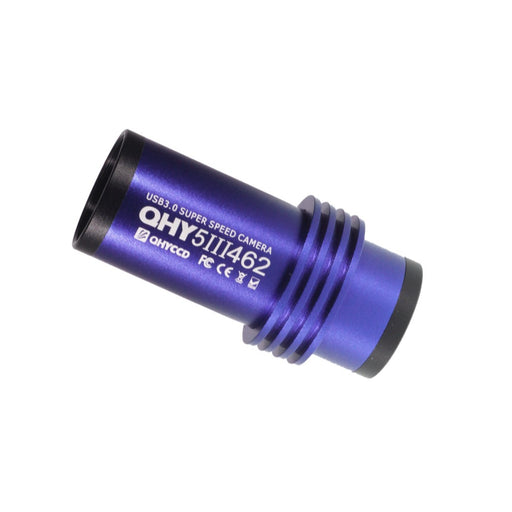
QHYCCD QHY5III462C Color
2 Megapixel Sony IMX462 BSI CMOS Sensor 1920x1080 Resolution with 2.9µm Pixels Strong Near-Infrared (NIR) Sensitivity 0.5e- Ultra-Low Read Noise w...
View full details
Original price
$299.00 USD
-
Original price
$299.00 USD
Original price
$299.00 USD
$299.00 USD
-
$299.00 USD
Current price
$299.00 USD

Original price
$199.00 USD
Original price
$199.00 USD
-
Original price
$199.00 USD
Original price
$199.00 USD
Current price
$179.00 USD
$179.00 USD
-
$179.00 USD
Current price
$179.00 USD
ZWO ASI715MC Color
3864x2192 Resolution Sony STARVIS Sensor 1.45µm Pixel Size for High-Resolution Planetary Imaging 45.1 FPS at Full Resolution over USB 3.0 Peak Qua...
View full details
Original price
$199.00 USD
Original price
$199.00 USD
-
Original price
$199.00 USD
Original price
$199.00 USD
Current price
$179.00 USD
$179.00 USD
-
$179.00 USD
Current price
$179.00 USD
Save 10%

Original price
$399.00 USD
Original price
$399.00 USD
-
Original price
$399.00 USD
Original price
$399.00 USD
Current price
$359.00 USD
$359.00 USD
-
$359.00 USD
Current price
$359.00 USD
QHYCCD QHY5III485C Color
8.4 Megapixel Sony IMX485 Color BSI Sensor Large 1/1.2-inch Sensor Format 2.9μm Pixel Size 44 FPS at Full 3864x2180 Resolution 128MB DDR II Image ...
View full details
Original price
$399.00 USD
Original price
$399.00 USD
-
Original price
$399.00 USD
Original price
$399.00 USD
Current price
$359.00 USD
$359.00 USD
-
$359.00 USD
Current price
$359.00 USD
Save 10%

Original price
$299.00 USD
Original price
$299.00 USD
-
Original price
$299.00 USD
Original price
$299.00 USD
Current price
$269.00 USD
$269.00 USD
-
$269.00 USD
Current price
$269.00 USD
ZWO ASI664MC Color
4.15 Megapixel Sony IMX664 Color CMOS Sensor 2.9µm Pixel Size 91% Peak Quantum Efficiency 95 FPS at Full Resolution 256MB DDR3 Internal Buffer Zer...
View full details
Original price
$299.00 USD
Original price
$299.00 USD
-
Original price
$299.00 USD
Original price
$299.00 USD
Current price
$269.00 USD
$269.00 USD
-
$269.00 USD
Current price
$269.00 USD
Save 10%
Original price
$309.00 USD
-
Original price
$309.00 USD
Original price
$309.00 USD
$309.00 USD
-
$309.00 USD
Current price
$309.00 USD
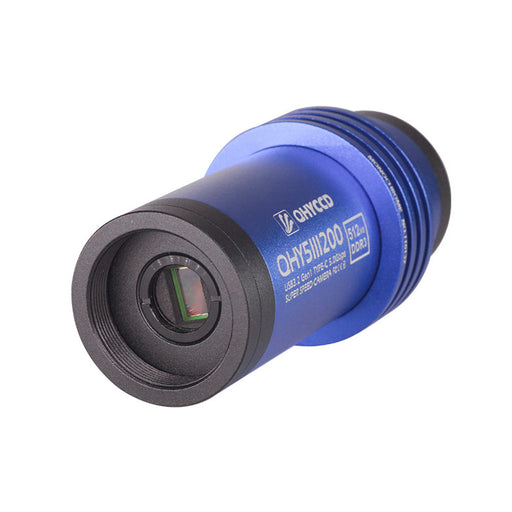
QHYCCD QHY5III200M Mono
1/1.8-inch SC2210 BSI Monochrome Sensor 4.0µm x 4.0µm Pixel Size 1920 x 1080 (2 Megapixel) Resolution Up to 96.5 FPS at Full Resolution (8-bit) Ul...
View full details
Original price
$309.00 USD
-
Original price
$309.00 USD
Original price
$309.00 USD
$309.00 USD
-
$309.00 USD
Current price
$309.00 USD

Original price
$299.00 USD
-
Original price
$299.00 USD
Original price
$299.00 USD
$299.00 USD
-
$299.00 USD
Current price
$299.00 USD
ZWO ASI482MC Color
Sony IMX482 1/1.2” CMOS Color Sensor 1920x1080 Resolution at up to 82.5 FPS Large 5.8µm Pixels for High Sensitivity 51,500e Full Well Capacity Ult...
View full details
Original price
$299.00 USD
-
Original price
$299.00 USD
Original price
$299.00 USD
$299.00 USD
-
$299.00 USD
Current price
$299.00 USD
Original price
$329.00 USD
-
Original price
$329.00 USD
Original price
$329.00 USD
$329.00 USD
-
$329.00 USD
Current price
$329.00 USD
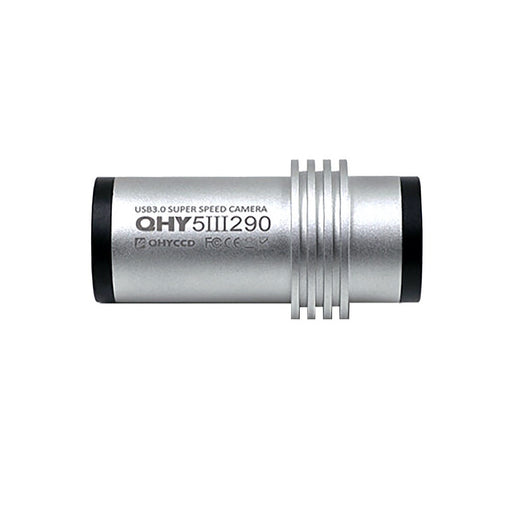
QHYCCD QHY5III290M Mono
Full HD Back-illuminated, Ultra-low Read Noise CMOS CameraThe QHY5-III series cameras are USB3 super-speed cameras and guiders. They can be used i...
View full details
Original price
$329.00 USD
-
Original price
$329.00 USD
Original price
$329.00 USD
$329.00 USD
-
$329.00 USD
Current price
$329.00 USD


Original price
$599.00 USD
Original price
$599.00 USD
-
Original price
$599.00 USD
Original price
$599.00 USD
Current price
$539.00 USD
$539.00 USD
-
$539.00 USD
Current price
$539.00 USD
ZWO ASI432MM Mono
1.1" Sony IMX432 Monochrome Sensor Large 9µm Pixels Massive 97ke- Full Well Capacity 120 FPS at Full 1.7 MP Resolution Electronic Global Shutter ...
View full details
Original price
$599.00 USD
Original price
$599.00 USD
-
Original price
$599.00 USD
Original price
$599.00 USD
Current price
$539.00 USD
$539.00 USD
-
$539.00 USD
Current price
$539.00 USD
Save 10%

Original price
$199.00 USD
-
Original price
$199.00 USD
Original price
$199.00 USD
$199.00 USD
-
$199.00 USD
Current price
$199.00 USD
Player One Mars-C II IMX662 Color Planetary Camera
Sensor: Sony IMX662 1/2.8" Color CMOS Resolution: 2.1 Megapixels (1936x1100) Max Frame Rate: 108 FPS at full resolution Full Well Capacity: 54,000...
View full details
Original price
$199.00 USD
-
Original price
$199.00 USD
Original price
$199.00 USD
$199.00 USD
-
$199.00 USD
Current price
$199.00 USD

Original price
$139.00 USD
-
Original price
$139.00 USD
Original price
$139.00 USD
$139.00 USD
-
$139.00 USD
Current price
$139.00 USD
Player One Mars-C IMX462 Color Planetary Camera
Features a 2.1 Megapixel Sony IMX462 color sensor Achieves a maximum frame rate of 136 FPS at full 1944x1096 resolution 2.9μm pixels and 12k e- fu...
View full details
Original price
$139.00 USD
-
Original price
$139.00 USD
Original price
$139.00 USD
$139.00 USD
-
$139.00 USD
Current price
$139.00 USD


Original price
$299.00 USD
Original price
$299.00 USD
-
Original price
$299.00 USD
Original price
$299.00 USD
Current price
$269.00 USD
$269.00 USD
-
$269.00 USD
Current price
$269.00 USD
ZWO ASI662MM Mono
2.1 Megapixel Sony IMX662 Monochrome Sensor 2.9µm Pixel Size 91% Peak Quantum Efficiency 107.6 FPS at Full 1920x1080 Resolution Zero Amplifier Glo...
View full details
Original price
$299.00 USD
Original price
$299.00 USD
-
Original price
$299.00 USD
Original price
$299.00 USD
Current price
$269.00 USD
$269.00 USD
-
$269.00 USD
Current price
$269.00 USD
Save 10%

Original price
$356.46 USD
-
Original price
$356.46 USD
Original price
$356.46 USD
$356.46 USD
-
$356.46 USD
Current price
$356.46 USD
QHYCCD QHY5III678M Mono
8.4 Megapixel Sony IMX678 BSI Monochrome Sensor 2.0µm Pixel Size 43 FPS at 8-bit Full Resolution 512MB DDR3 Image Buffer 0.57e- to 3.3e- Read Nois...
View full details
Original price
$356.46 USD
-
Original price
$356.46 USD
Original price
$356.46 USD
$356.46 USD
-
$356.46 USD
Current price
$356.46 USD

Original price
$399.00 USD
Original price
$399.00 USD
-
Original price
$399.00 USD
Original price
$399.00 USD
Current price
$359.00 USD
$359.00 USD
-
$359.00 USD
Current price
$359.00 USD
ZWO ASI676MC Color
12.6 Megapixel 3552 x 3552 Square Sensor 2.0µm Pixel Size 83% Peak Quantum Efficiency Zero Amplifier Glow Circuitry 256MB DDR3 Internal Buffer ...
View full details
Original price
$399.00 USD
Original price
$399.00 USD
-
Original price
$399.00 USD
Original price
$399.00 USD
Current price
$359.00 USD
$359.00 USD
-
$359.00 USD
Current price
$359.00 USD
Save 10%

Original price
$69.00 USD
-
Original price
$69.00 USD
Original price
$69.00 USD
$69.00 USD
-
$69.00 USD
Current price
$69.00 USD
Player One Active Cooling System (ACS) for Uncooled Cameras
External air-cooling system for select Player One cameras Dramatically reduces sensor temperature during operation Ideal for solar, planetary, and...
View full details
Original price
$69.00 USD
-
Original price
$69.00 USD
Original price
$69.00 USD
$69.00 USD
-
$69.00 USD
Current price
$69.00 USD

Original price
$999.00 USD
Original price
$999.00 USD
-
Original price
$999.00 USD
Original price
$999.00 USD
Current price
$899.00 USD
$899.00 USD
-
$899.00 USD
Current price
$899.00 USD
ZWO ASI294MM Mono
11.7 Megapixel 4/3" Monochrome Sony IMX492 Sensor 4.63µm Pixels with 66ke- Full Well Capacity Peak Quantum Efficiency of ~90% Extremely Low Read N...
View full details
Original price
$999.00 USD
Original price
$999.00 USD
-
Original price
$999.00 USD
Original price
$999.00 USD
Current price
$899.00 USD
$899.00 USD
-
$899.00 USD
Current price
$899.00 USD
Save 10%

Original price
$699.00 USD
Original price
$699.00 USD
-
Original price
$699.00 USD
Original price
$699.00 USD
Current price
$629.00 USD
$629.00 USD
-
$629.00 USD
Current price
$629.00 USD
ZWO ASI294MC Color
11.7 Megapixel 4/3" Sony IMX294 Color CMOS Sensor 4.63µm Pixels and 63,700e Full Well Capacity 19 FPS at Full 4144 x 2822 Resolution Ultra-Low 1.2...
View full details
Original price
$699.00 USD
Original price
$699.00 USD
-
Original price
$699.00 USD
Original price
$699.00 USD
Current price
$629.00 USD
$629.00 USD
-
$629.00 USD
Current price
$629.00 USD
Save 10%

Original price
$499.00 USD
Original price
$499.00 USD
-
Original price
$499.00 USD
Original price
$499.00 USD
Current price
$449.00 USD
$449.00 USD
-
$449.00 USD
Current price
$449.00 USD
ZWO ASI183MC Color
20.2 Megapixel 1" Sony IMX183 BSI CMOS Sensor 2.4µm pixels for high-resolution planetary and solar system imaging 19 FPS at full 5496 x 3672 resol...
View full details
Original price
$499.00 USD
Original price
$499.00 USD
-
Original price
$499.00 USD
Original price
$499.00 USD
Current price
$449.00 USD
$449.00 USD
-
$449.00 USD
Current price
$449.00 USD
Save 10%


Original price
$260.00 USD
-
Original price
$260.00 USD
Original price
$260.00 USD
$260.00 USD
-
$260.00 USD
Current price
$260.00 USD
SVBONY SV705C Planetary Camera IMX585 USB3.0
8.3 Megapixel Sony IMX585 Color CMOS Sensor 3856 x 2180 Maximum Resolution 2.9µm Pixel Size 45 FPS at Full Resolution Peak Quantum Efficiency (QE)...
View full details
Original price
$260.00 USD
-
Original price
$260.00 USD
Original price
$260.00 USD
$260.00 USD
-
$260.00 USD
Current price
$260.00 USD

Original price
$799.00 USD
-
Original price
$799.00 USD
Original price
$799.00 USD
$799.00 USD
-
$799.00 USD
Current price
$799.00 USD
Player One Apollo 428M MAX Mono Solar Camera
Features a Sony IMX428 1.1-inch monochrome CMOS sensor Delivers 7.1 Megapixel resolution (3216×2208) for detailed solar imaging 4.5μm pixels provi...
View full details
Original price
$799.00 USD
-
Original price
$799.00 USD
Original price
$799.00 USD
$799.00 USD
-
$799.00 USD
Current price
$799.00 USD