
Planetary & Solar Cameras
Planetary imaging works differently from deep-sky imaging. Instead of long exposures, you record thousands of very short frames as video, then software picks the sharpest moments when the atmosphere was steady and stacks them. A fast, sensitive camera with small pixels is what makes this technique work.
We carry planetary and solar cameras from ZWO, Player One (Mars, Neptune, Uranus, Saturn and Apollo), QHYCCD QHY5III, SVBONY, iOptron iCAM and Celestron NexImage. Many also serve as excellent guide cameras.

Original price
$199.00 USD
-
Original price
$199.00 USD
Original price
$199.00 USD
$199.00 USD
-
$199.00 USD
Current price
$199.00 USD
Player One Neptune-C II IMX464 Color Planetary Camera
4.2 Megapixel Sony IMX464 Color Sensor 9mm Sensor Diagonal (1/1.8" Format) 2.9µm Pixel Size 93 FPS at Full 2712x1538 Resolution Read Noise as low ...
View full details
Original price
$199.00 USD
-
Original price
$199.00 USD
Original price
$199.00 USD
$199.00 USD
-
$199.00 USD
Current price
$199.00 USD

Original price
$439.00 USD
-
Original price
$439.00 USD
Original price
$439.00 USD
$439.00 USD
-
$439.00 USD
Current price
$439.00 USD
Player One Uranus-M IMX585 Mono Planetary Camera
8.3 MP Monochrome Sony IMX585 Sensor 3856 x 2180 Resolution 1/1.2" Sensor Format (12.85mm Diagonal) 46 FPS at Full Resolution (RAW8) 12-bit ADC 25...
View full details
Original price
$439.00 USD
-
Original price
$439.00 USD
Original price
$439.00 USD
$439.00 USD
-
$439.00 USD
Current price
$439.00 USD

Original price
$749.00 USD
-
Original price
$749.00 USD
Original price
$749.00 USD
$749.00 USD
-
$749.00 USD
Current price
$749.00 USD
Player One Saturn-M SQR IMX533 Mono Planetary Camera
9 Megapixel Sony IMX533 monochrome sensor 1-inch square format (11.31mm x 11.31mm) 3.76μm pixel size Full well extended to 73k e- Up to 43 FPS at ...
View full details
Original price
$749.00 USD
-
Original price
$749.00 USD
Original price
$749.00 USD
$749.00 USD
-
$749.00 USD
Current price
$749.00 USD


Original price
$449.00 USD
Original price
$449.00 USD
-
Original price
$449.00 USD
Original price
$449.00 USD
Current price
$404.00 USD
$404.00 USD
-
$404.00 USD
Current price
$404.00 USD
ZWO ASI676MM Mono Camera
12.6 MP Square Sensor (3552 x 3552) 2µm Pixel Size 83% Peak Quantum Efficiency 0.56e Ultra-Low Read Noise Zero Amplifier Glow Description FAQ S...
View full details
Original price
$449.00 USD
Original price
$449.00 USD
-
Original price
$449.00 USD
Original price
$449.00 USD
Current price
$404.00 USD
$404.00 USD
-
$404.00 USD
Current price
$404.00 USD
Save 10%


Original price
$499.00 USD
Original price
$499.00 USD
-
Original price
$499.00 USD
Original price
$499.00 USD
Current price
$449.00 USD
$449.00 USD
-
$449.00 USD
Current price
$449.00 USD
ZWO ASI585MM Mono
8.29 Megapixel (3840 x 2160) Monochrome Sensor 2.9µm Pixel Size 91% Peak Quantum Efficiency 46.9 FPS at Full Resolution Description FAQ Specifi...
View full details
Original price
$499.00 USD
Original price
$499.00 USD
-
Original price
$499.00 USD
Original price
$499.00 USD
Current price
$449.00 USD
$449.00 USD
-
$449.00 USD
Current price
$449.00 USD
Save 10%
Original price
$249.00 USD
-
Original price
$249.00 USD
Original price
$249.00 USD
$249.00 USD
-
$249.00 USD
Current price
$249.00 USD
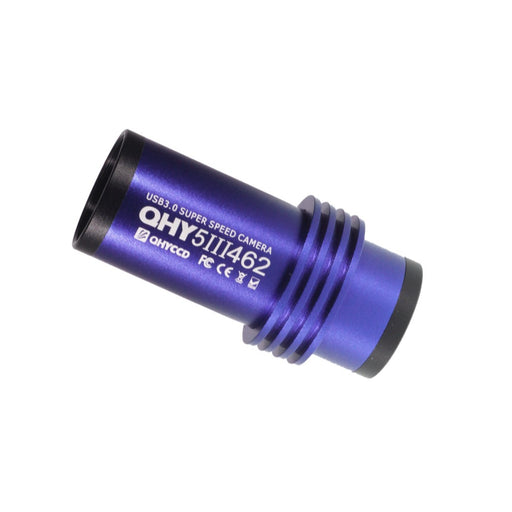
QHYCCD QHY5III462M Mono
2.0 Megapixel Sony IMX462 BSI CMOS Sensor 2.9µm pixels and 1920x1080 resolution Exceptional Near-Infrared (NIR) sensitivity Ultra-low 0.5e- read n...
View full details
Original price
$249.00 USD
-
Original price
$249.00 USD
Original price
$249.00 USD
$249.00 USD
-
$249.00 USD
Current price
$249.00 USD

Original price
$399.00 USD
-
Original price
$399.00 USD
Original price
$399.00 USD
$399.00 USD
-
$399.00 USD
Current price
$399.00 USD
QHYCCD QHY5III568C Color
Color CMOS Sensor Planetary Imaging Camera Autoguiding Camera USB 3.0 Interface ST-4 Guide Port Description FAQ Specifications In the Box Downl...
View full details
Original price
$399.00 USD
-
Original price
$399.00 USD
Original price
$399.00 USD
$399.00 USD
-
$399.00 USD
Current price
$399.00 USD
Original price
$399.00 USD
-
Original price
$399.00 USD
Original price
$399.00 USD
$399.00 USD
-
$399.00 USD
Current price
$399.00 USD
QHYCCD QHY5III568M Mono
Monochrome Planetary & Guide Camera High-Sensitivity for Short Exposures Compact 1.25" Form Factor Ideal for "Lucky Imaging" and Autoguiding ...
View full details
Original price
$399.00 USD
-
Original price
$399.00 USD
Original price
$399.00 USD
$399.00 USD
-
$399.00 USD
Current price
$399.00 USD

Original price
$349.00 USD
-
Original price
$349.00 USD
Original price
$349.00 USD
$349.00 USD
-
$349.00 USD
Current price
$349.00 USD
QHYCCD QHY5III585M Mono
Monochrome Sony IMX585 BSI CMOS Sensor 3856 x 2180 (8.4 MP) Resolution 2.9 µm Pixel Size 41.5 FPS at 8-bit Full Resolution 512 MB DDR3 Image Buffe...
View full details
Original price
$349.00 USD
-
Original price
$349.00 USD
Original price
$349.00 USD
$349.00 USD
-
$349.00 USD
Current price
$349.00 USD

Original price
$299.00 USD
-
Original price
$299.00 USD
Original price
$299.00 USD
$299.00 USD
-
$299.00 USD
Current price
$299.00 USD
ZWO ASI462MM Mono
2.1MP Sony IMX462 Monochrome Sensor Exceptional Near-Infrared (NIR) Sensitivity 136.1 FPS at Full 1936x1096 Resolution Ultra-Low Read Noise as low...
View full details
Original price
$299.00 USD
-
Original price
$299.00 USD
Original price
$299.00 USD
$299.00 USD
-
$299.00 USD
Current price
$299.00 USD

Original price
$399.00 USD
-
Original price
$399.00 USD
Original price
$399.00 USD
$399.00 USD
-
$399.00 USD
Current price
$399.00 USD
QHYCCD QHY5III585C Color
8.4 Megapixel Sony IMX585 BSI Color Sensor Large 1/1.2-inch sensor format with 2.9µm pixels 512MB DDR3 image buffer for stable, high-speed capture...
View full details
Original price
$399.00 USD
-
Original price
$399.00 USD
Original price
$399.00 USD
$399.00 USD
-
$399.00 USD
Current price
$399.00 USD
Original price
$629.00 USD
-
Original price
$629.00 USD
Original price
$629.00 USD
$629.00 USD
-
$629.00 USD
Current price
$629.00 USD
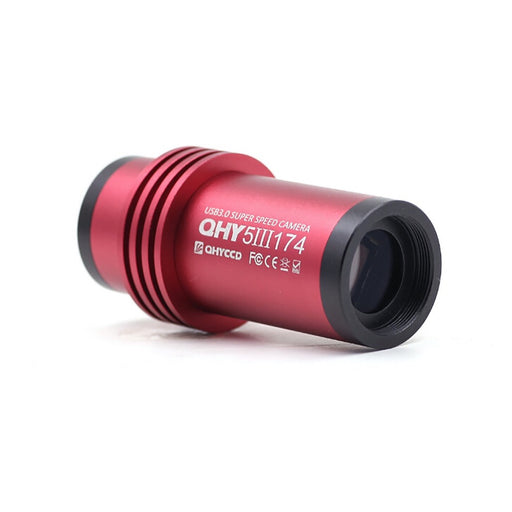
QHYCCD QHY5III174M Mono
1/1.2-inch Sony IMX174 monochrome sensor Electronic Global Shutter eliminates motion artifacts 2.3 Megapixel resolution (1920x1200) with 5.86μm pi...
View full details
Original price
$629.00 USD
-
Original price
$629.00 USD
Original price
$629.00 USD
$629.00 USD
-
$629.00 USD
Current price
$629.00 USD


Original price
$194.00 USD
-
Original price
$194.00 USD
Original price
$194.00 USD
$194.00 USD
-
$194.00 USD
Current price
$194.00 USD
SVBONY SC311 Pro WiFi Astronomy Camera IMX662 for EAA
2.1 Megapixel Sony IMX662 Color Sensor 30-Second Maximum Exposure Time 2.4G WiFi Control via Phone/Tablet App 4-Hour Internal 2500 mAh Battery 12-...
View full details
Original price
$194.00 USD
-
Original price
$194.00 USD
Original price
$194.00 USD
$194.00 USD
-
$194.00 USD
Current price
$194.00 USD

Original price
$168.00 USD
-
Original price
$168.00 USD
Original price
$168.00 USD
$168.00 USD
-
$168.00 USD
Current price
$168.00 USD
iOptron iE5100 Planetarium Imager
Description FAQ Specifications In the Box Warranty iOptron iE5100 Planetarium Imager The iOptron iE5100 Planetarium Imager is a digital c...
View full details
Original price
$168.00 USD
-
Original price
$168.00 USD
Original price
$168.00 USD
$168.00 USD
-
$168.00 USD
Current price
$168.00 USD


Original price
$84.79 USD
-
Original price
$84.79 USD
Original price
$84.79 USD
$84.79 USD
-
$84.79 USD
Current price
$84.79 USD
SVBONY SC001 WiFi Camera for Spotting Scopes and Telescopes
Captures 1920x1080 resolution photos and video Built-in 2.4G WiFi hotspot for wireless control via a free app Features a 2M pixel sensor with 2.8μ...
View full details
Original price
$84.79 USD
-
Original price
$84.79 USD
Original price
$84.79 USD
$84.79 USD
-
$84.79 USD
Current price
$84.79 USD


Original price
$59.99 USD
-
Original price
$59.99 USD
Original price
$59.99 USD
$59.99 USD
-
$59.99 USD
Current price
$59.99 USD
SVBONY SC002 WiFi Electronic Eyepiece Camera
Full HD 1920x1080 Resolution 2.4G WiFi with 10-Meter Range Includes 32GB TF Storage Card 1500 mAh Internal Battery 3µm x 3µm Pixel Size Descrip...
View full details
Original price
$59.99 USD
-
Original price
$59.99 USD
Original price
$59.99 USD
$59.99 USD
-
$59.99 USD
Current price
$59.99 USD


Original price
$76.00 USD
-
Original price
$76.00 USD
Original price
$76.00 USD
$76.00 USD
-
$76.00 USD
Current price
$76.00 USD
SVBONY SV205 Electronic Eyepiece Camera IMX415
7.05 Megapixel resolution (3264x2160) for detailed planetary images 1/2.8" Sony IMX415 CMOS sensor for high sensitivity Small 1.45µm pixels are id...
View full details
Original price
$76.00 USD
-
Original price
$76.00 USD
Original price
$76.00 USD
$76.00 USD
-
$76.00 USD
Current price
$76.00 USD

Original price
$1,850.00 USD
-
Original price
$1,850.00 USD
Original price
$1,850.00 USD
$1,850.00 USD
-
$1,850.00 USD
Current price
$1,850.00 USD
Pegasus SmartEye Electronic Eyepiece
9MP Sony IMX533 Color CMOS Sensor (3008x3008) Ultra HD 2560x2560 Display 90° Apparent Field of View 2-Stage TEC Cooling up to 30°C Below Ambient D...
View full details
Original price
$1,850.00 USD
-
Original price
$1,850.00 USD
Original price
$1,850.00 USD
$1,850.00 USD
-
$1,850.00 USD
Current price
$1,850.00 USD

Original price
$699.00 USD
Original price
$699.00 USD
-
Original price
$699.00 USD
Original price
$699.00 USD
Current price
$629.00 USD
$629.00 USD
-
$629.00 USD
Current price
$629.00 USD
ZWO ASI183MM Mono
20.2 Megapixel (5496 x 3672) 1" Monochrome CMOS Sensor 2.4µm Pixel Size for High-Resolution Sampling 84% Peak Quantum Efficiency (BSI Sensor) 1.6e...
View full details
Original price
$699.00 USD
Original price
$699.00 USD
-
Original price
$699.00 USD
Original price
$699.00 USD
Current price
$629.00 USD
$629.00 USD
-
$629.00 USD
Current price
$629.00 USD
Save 10%

Original price
$199.00 USD
-
Original price
$199.00 USD
Original price
$199.00 USD
$199.00 USD
-
$199.00 USD
Current price
$199.00 USD
iOptron iCAM464C Planetary Camera
Sony IMX464 4.2MP Color CMOS Sensor 93 FPS at Full 2712 x 1538 Resolution 2.9 µm Pixel Size for High-Resolution Sampling Ultra-Low Read Noise Down...
View full details
Original price
$199.00 USD
-
Original price
$199.00 USD
Original price
$199.00 USD
$199.00 USD
-
$199.00 USD
Current price
$199.00 USD

Original price
$269.00 USD
-
Original price
$269.00 USD
Original price
$269.00 USD
$269.00 USD
-
$269.00 USD
Current price
$269.00 USD
iOptron iCAM178M Mono Camera
6.4 Megapixel Sony IMX178 Mono Sensor 2.4µm Pixel Size for High-Resolution Sampling 60 Frames Per Second at Full Resolution Low Read Noise of 1.3e...
View full details
Original price
$269.00 USD
-
Original price
$269.00 USD
Original price
$269.00 USD
$269.00 USD
-
$269.00 USD
Current price
$269.00 USD


Original price
$130.00 USD
-
Original price
$130.00 USD
Original price
$130.00 USD
$130.00 USD
-
$130.00 USD
Current price
$130.00 USD
SVBONY SV305C Color Telescope Camera IMX662
2.1 Megapixel SONY IMX662 Sensor 1920x1080 Max Resolution 2.9μm Pixel Size Up to 91% Peak Quantum Efficiency 128MB DDR Image Buffer USB 2.0 Data P...
View full details
Original price
$130.00 USD
-
Original price
$130.00 USD
Original price
$130.00 USD
$130.00 USD
-
$130.00 USD
Current price
$130.00 USD


Original price
$50.00 USD
-
Original price
$50.00 USD
Original price
$50.00 USD
$50.00 USD
-
$50.00 USD
Current price
$50.00 USD
SVBONY SV105 Planetary Camera IMX307
2.07 Megapixel (1920x1080) SONY IMX307 Sensor Captures video at up to 30 FPS for planetary imaging 2.9µm pixels offer a good balance of resolution...
View full details
Original price
$50.00 USD
-
Original price
$50.00 USD
Original price
$50.00 USD
$50.00 USD
-
$50.00 USD
Current price
$50.00 USD

Original price
$499.00 USD
-
Original price
$499.00 USD
Original price
$499.00 USD
$499.00 USD
-
$499.00 USD
Current price
$499.00 USD
Player One Apollo-C IMX174 Color Solar Camera
2.3 Megapixel Sony IMX174 color CMOS sensor Global shutter design eliminates motion artifacts from atmospheric turbulence Captures up to 164 FPS a...
View full details
Original price
$499.00 USD
-
Original price
$499.00 USD
Original price
$499.00 USD
$499.00 USD
-
$499.00 USD
Current price
$499.00 USD