
Solar Astronomy
The Sun is the only object in astronomy that changes visibly within an hour, and the only one that can permanently damage your eyes in a fraction of a second. Done with proper equipment, solar observing is the most accessible branch of the hobby, no dark sky, no late night, no travel. David Astro carries solar astronomy products in Canada: hydrogen-alpha telescopes, white-light filters, Calcium-K modules, wedges and dedicated solar accessories, in Canadian inventory and shipped domestically.
Safety here is absolute, and we will not sell an unsafe combination. If you are unsure whether a filter or setup is appropriate, ask us before you point anything at the Sun.


Original price
$139.00 USD
-
Original price
$492.00 USD
Original price
$139.00 USD
-
$492.00 USD
$139.00 USD
-
$492.00 USD
Current price
$139.00 USD
Baader Planetarium AstroSolar® ClearWhite Safety Film OD 5.1
Certified AstroSolar® Safety Film Optical Density 5.1 for Visual Use Available as 100x50cm or Giant-size 117x117cm Sheet "ClearWhite" Neutral Colo...
View full details
Original price
$139.00 USD
-
Original price
$492.00 USD
Original price
$139.00 USD
-
$492.00 USD
$139.00 USD
-
$492.00 USD
Current price
$139.00 USD


Original price
$8,290.00 USD
-
Original price
$8,290.00 USD
Original price
$8,290.00 USD
$8,290.00 USD
-
$8,290.00 USD
Current price
$8,290.00 USD
Baader Planetarium D-ERF Energy Rejection Filter - 290mm Aperture, 20mm Thickness
290mm Clear Aperture 20mm Thick Glass Substrate IR-Cut Dielectric Coating Pre-Filter for H-Alpha Solar Systems Description FAQ Specifications I...
View full details
Original price
$8,290.00 USD
-
Original price
$8,290.00 USD
Original price
$8,290.00 USD
$8,290.00 USD
-
$8,290.00 USD
Current price
$8,290.00 USD


Original price
$3.51 USD
-
Original price
$286.23 USD
Original price
$3.51 USD
-
$286.23 USD
$3.51 USD
-
$286.23 USD
Current price
$3.51 USD
Baader Planetarium Solar / Eclipse Viewer AstroSolar® Silver/Gold
Safe for direct, naked-eye solar viewing Ideal for observing the partial phases of a solar eclipse and large sunspot groups Available as a single ...
View full details
Original price
$3.51 USD
-
Original price
$286.23 USD
Original price
$3.51 USD
-
$286.23 USD
$3.51 USD
-
$286.23 USD
Current price
$3.51 USD


Original price
$445.00 USD
-
Original price
$445.00 USD
Original price
$445.00 USD
$445.00 USD
-
$445.00 USD
Current price
$445.00 USD
Baader Planetarium Solar Diaphragm 13mm - 113mm, stepless adjustable
Steplessly Adjustable Aperture: 13mm to 113mm Ideal for Optimizing Solar Views in Refractors DIY Mounting Pattern: Four M3 threads Standard Pitch ...
View full details
Original price
$445.00 USD
-
Original price
$445.00 USD
Original price
$445.00 USD
$445.00 USD
-
$445.00 USD
Current price
$445.00 USD


Original price
$59.00 USD
-
Original price
$59.00 USD
Original price
$59.00 USD
$59.00 USD
-
$59.00 USD
Current price
$59.00 USD
Baader Planetarium Solar Projection Screen (BSPS)
Safe, Enclosed Solar Projection Ideal for Group Viewing and Public Outreach Observe Sunspots, Limb Darkening, and Eclipses Compatible with T-2 Eye...
View full details
Original price
$59.00 USD
-
Original price
$59.00 USD
Original price
$59.00 USD
$59.00 USD
-
$59.00 USD
Current price
$59.00 USD


Original price
$71.00 USD
-
Original price
$71.00 USD
Original price
$71.00 USD
$71.00 USD
-
$71.00 USD
Current price
$71.00 USD
Baader Planetarium Solar Shade with 2" drilled hole
Blocks stray sunlight to improve contrast Reduces heat buildup around the eyepiece Installs between any 2-inch threaded accessories Features a 2-i...
View full details
Original price
$71.00 USD
-
Original price
$71.00 USD
Original price
$71.00 USD
$71.00 USD
-
$71.00 USD
Current price
$71.00 USD


Original price
$73.00 USD
-
Original price
$73.00 USD
Original price
$73.00 USD
$73.00 USD
-
$73.00 USD
Current price
$73.00 USD
Baader Planetarium Solar Shade with M68 drilled hole
Protects Imaging Equipment from Solar Heating Clamps Securely Between Any M68 Threads Reduces Tube Currents and Thermal Instability Lightweight an...
View full details
Original price
$73.00 USD
-
Original price
$73.00 USD
Original price
$73.00 USD
$73.00 USD
-
$73.00 USD
Current price
$73.00 USD


Original price
$70.00 USD
-
Original price
$70.00 USD
Original price
$70.00 USD
$70.00 USD
-
$70.00 USD
Current price
$70.00 USD
Baader Planetarium Solar Shade with T-2 Drilled Hole
T-2 Thread-Through Design Installs Between Any T-2 System Components Shields Equipment from Direct Solar Radiation Reduces Internal Reflections an...
View full details
Original price
$70.00 USD
-
Original price
$70.00 USD
Original price
$70.00 USD
$70.00 USD
-
$70.00 USD
Current price
$70.00 USD


Original price
$459.00 USD
-
Original price
$459.00 USD
Original price
$459.00 USD
$459.00 USD
-
$459.00 USD
Current price
$459.00 USD
Baader Planetarium TZ-3S Telecentric System T-2 for SunDancer II and more
3x Achromatic Telecentric System Parallel beam; f/30 on f/10 telescopes Illuminates a 27.5mm Image Circle 96mm Working Distance from T-2 Thread Ba...
View full details
Original price
$459.00 USD
-
Original price
$459.00 USD
Original price
$459.00 USD
$459.00 USD
-
$459.00 USD
Current price
$459.00 USD


Original price
$481.00 USD
-
Original price
$481.00 USD
Original price
$481.00 USD
$481.00 USD
-
$481.00 USD
Current price
$481.00 USD
Baader Planetarium TZ-4S Telecentric System T-2 for SunDancer II and more
4x Focal Length Extension 36mm Clear Aperture and Image Field Parallel beam; f/30 on f/7.5 telescopes Achromatic Design for Visual and Imaging Use...
View full details
Original price
$481.00 USD
-
Original price
$481.00 USD
Original price
$481.00 USD
$481.00 USD
-
$481.00 USD
Current price
$481.00 USD


Original price
$134.00 USD
-
Original price
$223.00 USD
Original price
$134.00 USD
-
$223.00 USD
$134.00 USD
-
$223.00 USD
Current price
$134.00 USD
Baader Solar Continuum Filter
Maximizes contrast on solar granulation, faculae, and sunspot details Dramatically reduces chromatic aberration in achromatic refractors Functions...
View full details
Original price
$134.00 USD
-
Original price
$223.00 USD
Original price
$134.00 USD
-
$223.00 USD
$134.00 USD
-
$223.00 USD
Current price
$134.00 USD


Original price
$384.00 USD
-
Original price
$384.00 USD
Original price
$384.00 USD
$384.00 USD
-
$384.00 USD
Current price
$384.00 USD
Baader SolarSpectrum 0.7x Telecompressor - 2"
0.7x Focal Reduction Factor Designed for SolarSpectrum H-alpha Filters Corrects for f/30 Telecentric Systems 2" Barrel and Threading Enables Full-...
View full details
Original price
$384.00 USD
-
Original price
$384.00 USD
Original price
$384.00 USD
$384.00 USD
-
$384.00 USD
Current price
$384.00 USD


Original price
$550.00 USD
-
Original price
$550.00 USD
Original price
$550.00 USD
$550.00 USD
-
$550.00 USD
Current price
$550.00 USD
Baader SolarSpectrum Research Grade 0.4x Telecompressor - 2"
Reduces effective focal ratio by a factor of 0.4x Designed for Baader Solar Spectrum filters requiring an f/30 light path Enables viewing of the f...
View full details
Original price
$550.00 USD
-
Original price
$550.00 USD
Original price
$550.00 USD
$550.00 USD
-
$550.00 USD
Current price
$550.00 USD


Original price
$47.95 USD
-
Original price
$47.95 USD
Original price
$47.95 USD
$47.95 USD
-
$47.95 USD
Current price
$47.95 USD
Celestron EclipSmart 10X25 Solar Binoculars
10x Magnification for detailed views of sunspots Permanently attached ISO 12312-2:2015(E) compliant solar filters Wide 5.7° angular field of view ...
View full details
Original price
$47.95 USD
-
Original price
$47.95 USD
Original price
$47.95 USD
$47.95 USD
-
$47.95 USD
Current price
$47.95 USD


Original price
$89.95 USD
-
Original price
$89.95 USD
Original price
$89.95 USD
$89.95 USD
-
$89.95 USD
Current price
$89.95 USD
Celestron EclipSmart 10X42 Solar Binoculars
10x magnification for detailed views of sunspots and solar phenomena 42mm objective lenses with permanently integrated Solar Safe filters ISO 1231...
View full details
Original price
$89.95 USD
-
Original price
$89.95 USD
Original price
$89.95 USD
$89.95 USD
-
$89.95 USD
Current price
$89.95 USD


Original price
$59.95 USD
-
Original price
$59.95 USD
Original price
$59.95 USD
$59.95 USD
-
$59.95 USD
Current price
$59.95 USD
Celestron EclipSmart Solar Filter - 6” SCT
Designed for Celestron 6" Schmidt-Cassegrain Telescopes Provides a 128.5mm (5.06") clear aperture for safe solar viewing ISO 12312-2:2015(E) compl...
View full details
Original price
$59.95 USD
-
Original price
$59.95 USD
Original price
$59.95 USD
$59.95 USD
-
$59.95 USD
Current price
$59.95 USD


Original price
$74.95 USD
-
Original price
$74.95 USD
Original price
$74.95 USD
$74.95 USD
-
$74.95 USD
Current price
$74.95 USD
Celestron EclipSmart Solar Filter - 8” SCT and EdgeHD
Instantly adapts your Celestron 8” Schmidt-Cassegrain or EdgeHD telescope for solar viewing Conforms to the ISO 12312-2:2015(E) international safe...
View full details
Original price
$74.95 USD
-
Original price
$74.95 USD
Original price
$74.95 USD
$74.95 USD
-
$74.95 USD
Current price
$74.95 USD


Original price
$349.00 USD
-
Original price
$349.00 USD
Original price
$349.00 USD
$349.00 USD
-
$349.00 USD
Current price
$349.00 USD
Daystar 0.33X Tilt Reducer
0.33X Focal Reduction Factor Designed for the Daystar Combo Quark Filter Full-Disk Imaging Possible with Small Sensors, Depending on Focal Length ...
View full details
Original price
$349.00 USD
-
Original price
$349.00 USD
Original price
$349.00 USD
$349.00 USD
-
$349.00 USD
Current price
$349.00 USD


Original price
$299.00 USD
-
Original price
$299.00 USD
Original price
$299.00 USD
$299.00 USD
-
$299.00 USD
Current price
$299.00 USD
Daystar 0.60X Tilt Reducer
Reduces focal length by a factor of 0.6x for wider solar views Brightens the image for significantly shorter exposure times Integrated tilt mechan...
View full details
Original price
$299.00 USD
-
Original price
$299.00 USD
Original price
$299.00 USD
$299.00 USD
-
$299.00 USD
Current price
$299.00 USD

Original price
$52.00 USD
-
Original price
$52.00 USD
Original price
$52.00 USD
$52.00 USD
-
$52.00 USD
Current price
$52.00 USD
Daystar 2" Female Adapter for Quantum
Adapts Daystar Quantum filters to a 2" female connection Features a 3" diameter mounting plate Description FAQ Specifications In the Box Warr...
View full details
Original price
$52.00 USD
-
Original price
$52.00 USD
Original price
$52.00 USD
$52.00 USD
-
$52.00 USD
Current price
$52.00 USD
Original price
$1,295.00 USD
-
Original price
$1,295.00 USD
Original price
$1,295.00 USD
$1,295.00 USD
-
$1,295.00 USD
Current price
$1,295.00 USD
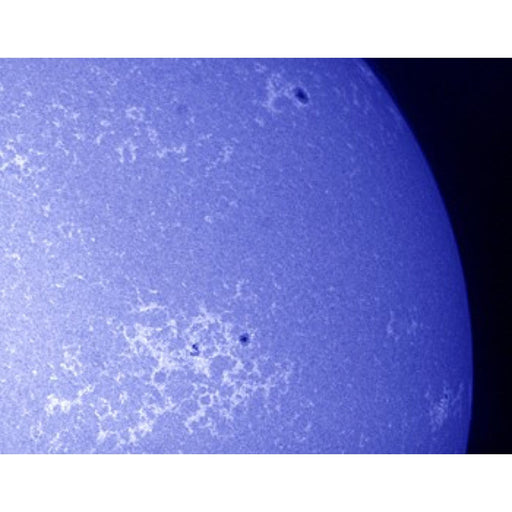
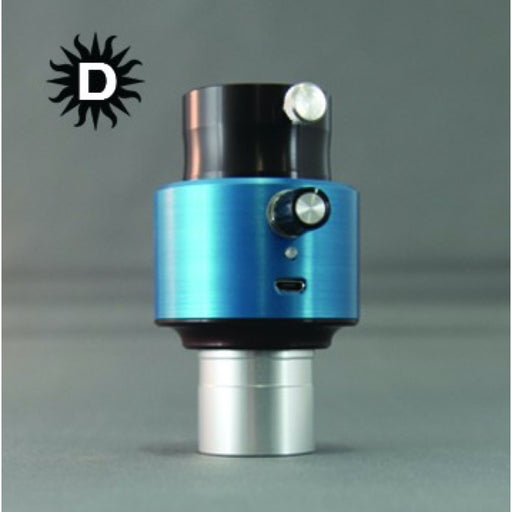
Daystar Calcium Quark Solar Filter
Targets the 3968.5Å Calcium H-line Wavelength All-in-One Eyepiece-Style Solar Filter Optimized for F/7 to F/30 Refractor Telescopes Integrated 25m...
View full details
Original price
$1,295.00 USD
-
Original price
$1,295.00 USD
Original price
$1,295.00 USD
$1,295.00 USD
-
$1,295.00 USD
Current price
$1,295.00 USD
Original price
$1,495.00 USD
-
Original price
$1,495.00 USD
Original price
$1,495.00 USD
$1,495.00 USD
-
$1,495.00 USD
Current price
$1,495.00 USD
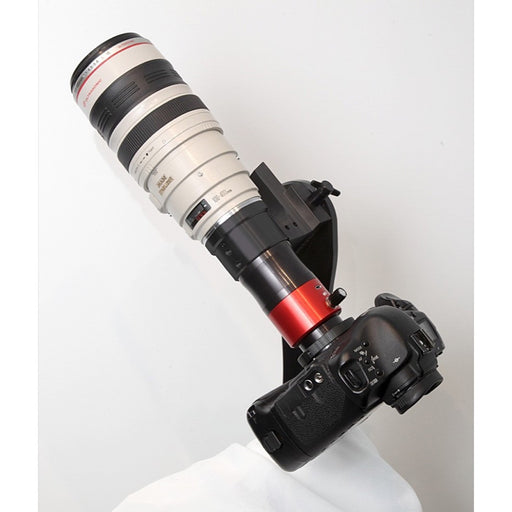
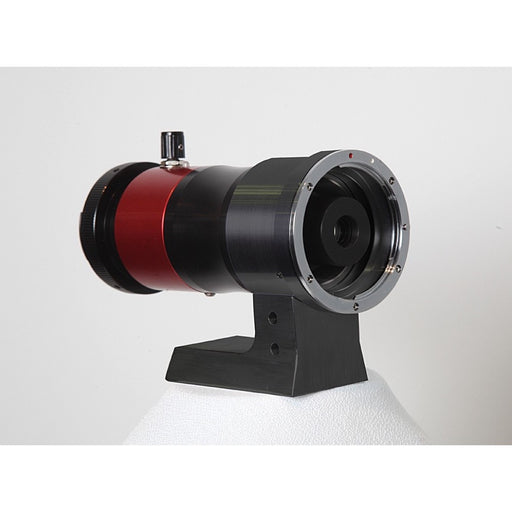
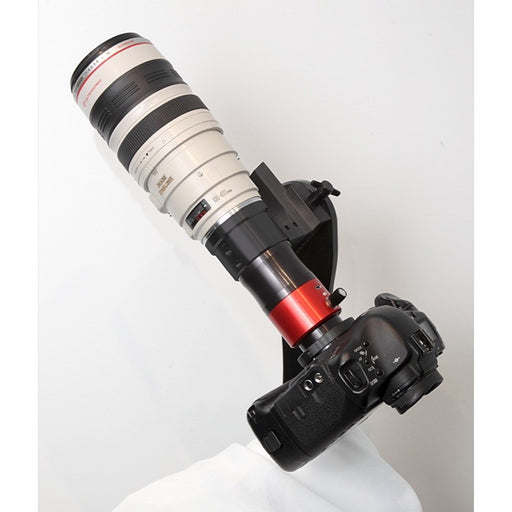
Daystar Camera Quark Chromosphere Solar Filter
Transforms Canon or Nikon SLR lenses into a Hydrogen-Alpha solar telescope Integrated, H-Alpha optimized telecentric Barlow lens USB-powered, heat...
View full details
Original price
$1,495.00 USD
-
Original price
$1,495.00 USD
Original price
$1,495.00 USD
$1,495.00 USD
-
$1,495.00 USD
Current price
$1,495.00 USD
Original price
$1,495.00 USD
-
Original price
$1,495.00 USD
Original price
$1,495.00 USD
$1,495.00 USD
-
$1,495.00 USD
Current price
$1,495.00 USD
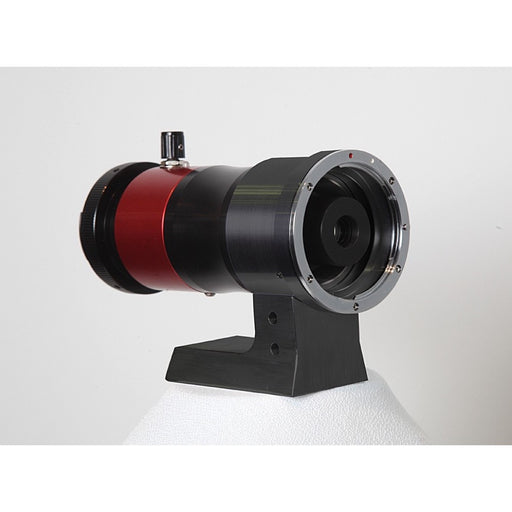
Daystar Camera Quark Prominence Solar Filter
Transforms Canon or Nikon SLR lenses into a Hydrogen-Alpha solar telescope Optimized for high-contrast views of solar prominences Internal Fabry-P...
View full details
Original price
$1,495.00 USD
-
Original price
$1,495.00 USD
Original price
$1,495.00 USD
$1,495.00 USD
-
$1,495.00 USD
Current price
$1,495.00 USD

Original price
$399.00 USD
-
Original price
$399.00 USD
Original price
$399.00 USD
$399.00 USD
-
$399.00 USD
Current price
$399.00 USD
Daystar Canon Lens to Quark Adapter
Adapts Canon EF-mount lenses for use with Daystar Quark solar filters Turns a telephoto lens into a portable Hydrogen-alpha solar telescope Allows...
View full details
Original price
$399.00 USD
-
Original price
$399.00 USD
Original price
$399.00 USD
$399.00 USD
-
$399.00 USD
Current price
$399.00 USD