
Solar Astronomy
The Sun is the only object in astronomy that changes visibly within an hour, and the only one that can permanently damage your eyes in a fraction of a second. Done with proper equipment, solar observing is the most accessible branch of the hobby, no dark sky, no late night, no travel. David Astro carries solar astronomy products in Canada: hydrogen-alpha telescopes, white-light filters, Calcium-K modules, wedges and dedicated solar accessories, in Canadian inventory and shipped domestically.
Safety here is absolute, and we will not sell an unsafe combination. If you are unsure whether a filter or setup is appropriate, ask us before you point anything at the Sun.


Original price
$499.00 USD
-
Original price
$2,495.00 USD
Original price
$499.00 USD
-
$2,495.00 USD
$499.00 USD
-
$2,495.00 USD
Current price
$499.00 USD
Daystar Combo Combo Kit
Modular Combo Quark accessory system — choose the kit that fits your setup Two telecentric barlows (2.8X and 4.3X) with 13 internal baffles each T...
View full details
Original price
$499.00 USD
-
Original price
$2,495.00 USD
Original price
$499.00 USD
-
$2,495.00 USD
$499.00 USD
-
$2,495.00 USD
Current price
$499.00 USD


Original price
$299.00 USD
-
Original price
$299.00 USD
Original price
$299.00 USD
$299.00 USD
-
$299.00 USD
Current price
$299.00 USD
Daystar Combo QUARK 4.3X Telecentric Barlow
4.3X Telecentric Barlow Optimized for Daystar Combo Quark H-alpha Filters Designed for F/5 to F/9 Refractors Maximizes Surface Contrast Enables Fu...
View full details
Original price
$299.00 USD
-
Original price
$299.00 USD
Original price
$299.00 USD
$299.00 USD
-
$299.00 USD
Current price
$299.00 USD
Original price
$1,295.00 USD
-
Original price
$1,295.00 USD
Original price
$1,295.00 USD
$1,295.00 USD
-
$1,295.00 USD
Current price
$1,295.00 USD
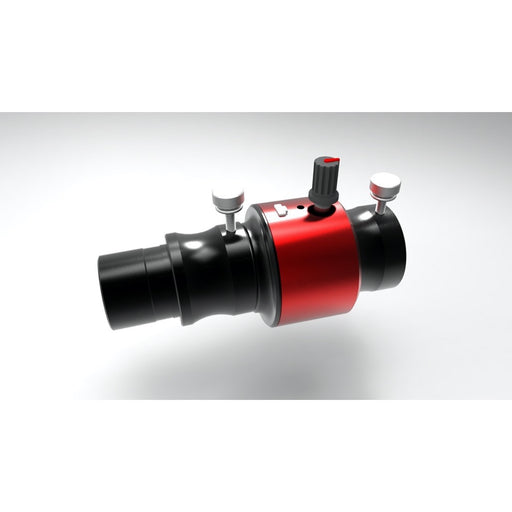
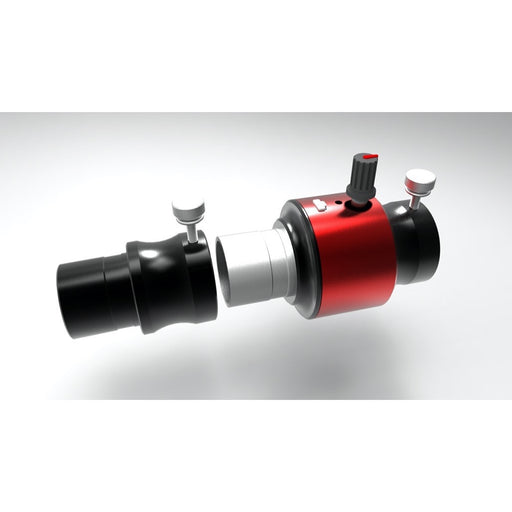
Daystar Combo Quark Chromosphere Solar Filter
All-in-one Hydrogen-Alpha solar filter for chromosphere viewing Optimized for F/15 to F/30 refractors, SCTs, and Maksutovs Bandpass generally 0.5Å...
View full details
Original price
$1,295.00 USD
-
Original price
$1,295.00 USD
Original price
$1,295.00 USD
$1,295.00 USD
-
$1,295.00 USD
Current price
$1,295.00 USD
Original price
$1,295.00 USD
-
Original price
$1,295.00 USD
Original price
$1,295.00 USD
$1,295.00 USD
-
$1,295.00 USD
Current price
$1,295.00 USD
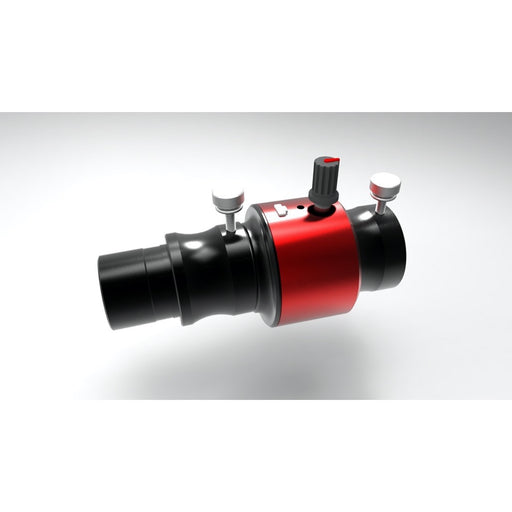
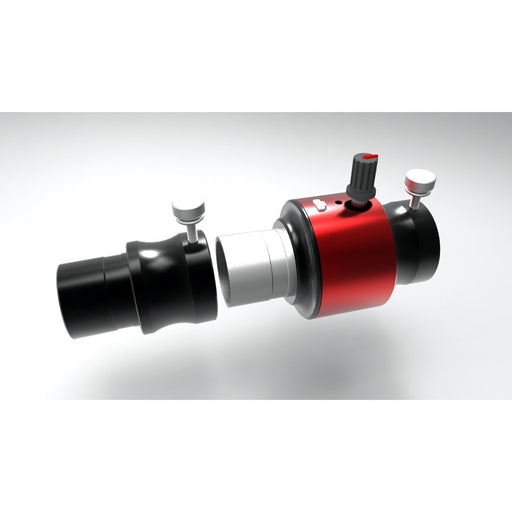
Daystar Combo Quark Prominence Solar Filter
All-in-one Hydrogen-Alpha solar filter Prominence Model optimized for limb detail Compatible with F/15 to F/30 refractors and off-axis SCTs/Maks R...
View full details
Original price
$1,295.00 USD
-
Original price
$1,295.00 USD
Original price
$1,295.00 USD
$1,295.00 USD
-
$1,295.00 USD
Current price
$1,295.00 USD
Original price
$550.00 USD
-
Original price
$1,645.00 USD
Original price
$550.00 USD
-
$1,645.00 USD
$550.00 USD
-
$1,645.00 USD
Current price
$550.00 USD
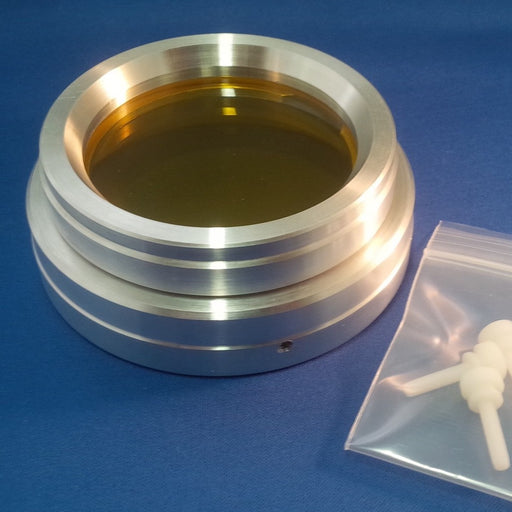
Daystar Energy Rejection Filter for Refractor - 80-150mm ERF Glass
Full-aperture solar energy rejection filter for refractors Available in 80mm, 100mm, 130mm, and 150mm clear apertures Rejects harmful UV and IR ra...
View full details
Original price
$550.00 USD
-
Original price
$1,645.00 USD
Original price
$550.00 USD
-
$1,645.00 USD
$550.00 USD
-
$1,645.00 USD
Current price
$550.00 USD
Original price
$550.00 USD
-
Original price
$1,195.00 USD
Original price
$550.00 USD
-
$1,195.00 USD
$550.00 USD
-
$1,195.00 USD
Current price
$550.00 USD
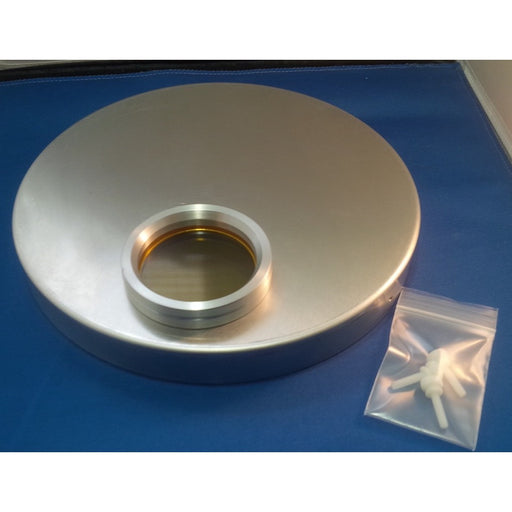
Daystar Energy Rejection Filter for SCT - 63-125mm Off-Axis ERF Glass
Off-axis energy rejection filter (ERF) for Schmidt-Cassegrain Telescopes Safely isolates a smaller aperture for high-contrast solar viewing Availa...
View full details
Original price
$550.00 USD
-
Original price
$1,195.00 USD
Original price
$550.00 USD
-
$1,195.00 USD
$550.00 USD
-
$1,195.00 USD
Current price
$550.00 USD

Original price
$65.00 USD
-
Original price
$65.00 USD
Original price
$65.00 USD
$65.00 USD
-
$65.00 USD
Current price
$65.00 USD
Daystar Eyepiece Holder for Quark - 2"
Adapts Daystar Quark filters for use with 2" eyepieces Maximizes the field of view for full-disk solar observation Features a non-marring brass co...
View full details
Original price
$65.00 USD
-
Original price
$65.00 USD
Original price
$65.00 USD
$65.00 USD
-
$65.00 USD
Current price
$65.00 USD

Original price
$85.00 USD
-
Original price
$99.00 USD
Original price
$85.00 USD
-
$99.00 USD
$85.00 USD
-
$99.00 USD
Current price
$85.00 USD
Daystar Flat Cap Diffuser for Solar Imaging
Creates Uniform Flat Fields for Solar Imaging Spun Aluminum Mounting Ring for Durability High-Quality Polymer Diffuser Available for Telescope Tub...
View full details
Original price
$85.00 USD
-
Original price
$99.00 USD
Original price
$85.00 USD
-
$99.00 USD
$85.00 USD
-
$99.00 USD
Current price
$85.00 USD
Original price
$59.00 USD
-
Original price
$59.00 USD
Original price
$59.00 USD
$59.00 USD
-
$59.00 USD
Current price
$59.00 USD
Daystar Front Gold Side 1.25" Drawtube Snout
Genuine Daystar OEM Replacement Part 1.25" Drawtube Snout Designed for Front, Gold Side Applications Part Number: GM1D1 Description FAQ Specifi...
View full details
Original price
$59.00 USD
-
Original price
$59.00 USD
Original price
$59.00 USD
$59.00 USD
-
$59.00 USD
Current price
$59.00 USD

Original price
$69.00 USD
-
Original price
$69.00 USD
Original price
$69.00 USD
$69.00 USD
-
$69.00 USD
Current price
$69.00 USD
Daystar Front Gold Side 2" Drawtube Snout - T-Thread
Fits standard 2-inch focusers and visual backs Provides a male T-thread (M42x0.75) output Designed for front-mounting on Daystar filter systems En...
View full details
Original price
$69.00 USD
-
Original price
$69.00 USD
Original price
$69.00 USD
$69.00 USD
-
$69.00 USD
Current price
$69.00 USD

Original price
$69.00 USD
-
Original price
$69.00 USD
Original price
$69.00 USD
$69.00 USD
-
$69.00 USD
Current price
$69.00 USD
Daystar Front Gold Side SCT to T Snout - Jingly Ring
Connects SCT-threaded components to T-threaded accessories Designed for Daystar solar filter systems Fits the Q3GWTF Quantum Front Wedge Plate Mac...
View full details
Original price
$69.00 USD
-
Original price
$69.00 USD
Original price
$69.00 USD
$69.00 USD
-
$69.00 USD
Current price
$69.00 USD


Original price
$69.00 USD
-
Original price
$69.00 USD
Original price
$69.00 USD
$69.00 USD
-
$69.00 USD
Current price
$69.00 USD
Daystar Gold Side Plate for Mounting 4X Powermate
Directly Mounts TeleVue 4X Powermate to Daystar Quantum or ION Filters Replaces the Standard 2-inch Powermate Drawtube Significantly Shortens the ...
View full details
Original price
$69.00 USD
-
Original price
$69.00 USD
Original price
$69.00 USD
$69.00 USD
-
$69.00 USD
Current price
$69.00 USD

Original price
$285.00 USD
-
Original price
$285.00 USD
Original price
$285.00 USD
$285.00 USD
-
$285.00 USD
Current price
$285.00 USD
Daystar Imaging 0.5x/0.33X Focal Reducer - 2" to T-2(M)
Dual focal reduction: 0.5x native and 0.33x with included extension Adapts 2" focusers to T-mount (M42x0.75) cameras Includes a 20mm T-threaded ex...
View full details
Original price
$285.00 USD
-
Original price
$285.00 USD
Original price
$285.00 USD
$285.00 USD
-
$285.00 USD
Current price
$285.00 USD
Original price
$1,495.00 USD
-
Original price
$1,495.00 USD
Original price
$1,495.00 USD
$1,495.00 USD
-
$1,495.00 USD
Current price
$1,495.00 USD
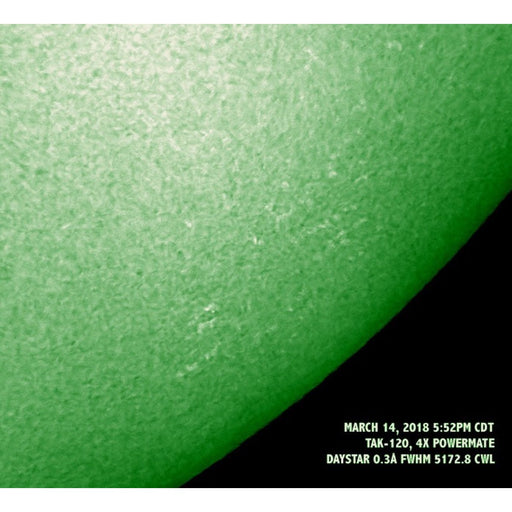
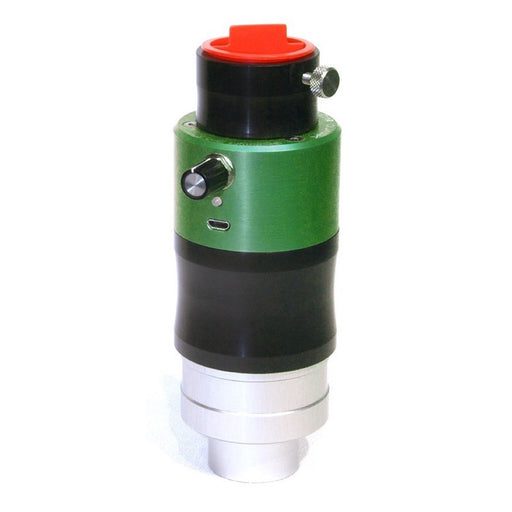
Daystar Magnesium Quark Solar Filter
Observe the unique Magnesium I (Mg I) solar spectral line All-in-one design fits standard 1.25" and 2" diagonals Integrated 4.2X telecentric Barlo...
View full details
Original price
$1,495.00 USD
-
Original price
$1,495.00 USD
Original price
$1,495.00 USD
$1,495.00 USD
-
$1,495.00 USD
Current price
$1,495.00 USD

Original price
$399.00 USD
-
Original price
$399.00 USD
Original price
$399.00 USD
$399.00 USD
-
$399.00 USD
Current price
$399.00 USD
Daystar Nikon Lens to Quark Adapter
Adapts Nikon-mount lenses to Daystar Quark Solar Filters Enables H-alpha solar viewing and imaging with telephoto lenses Allows lens's zoom featur...
View full details
Original price
$399.00 USD
-
Original price
$399.00 USD
Original price
$399.00 USD
$399.00 USD
-
$399.00 USD
Current price
$399.00 USD

Original price
$128.00 USD
-
Original price
$128.00 USD
Original price
$128.00 USD
$128.00 USD
-
$128.00 USD
Current price
$128.00 USD
Daystar Q34XGF and Q34XRD2 Plate Set
Directly connects a TeleVue 4x Powermate to Daystar Quantum or ION filters Creates a shorter, more rigid optical train for solar imaging Replaces ...
View full details
Original price
$128.00 USD
-
Original price
$128.00 USD
Original price
$128.00 USD
$128.00 USD
-
$128.00 USD
Current price
$128.00 USD
Original price
$13,990.00 USD
-
Original price
$13,990.00 USD
Original price
$13,990.00 USD
$13,990.00 USD
-
$13,990.00 USD
Current price
$13,990.00 USD
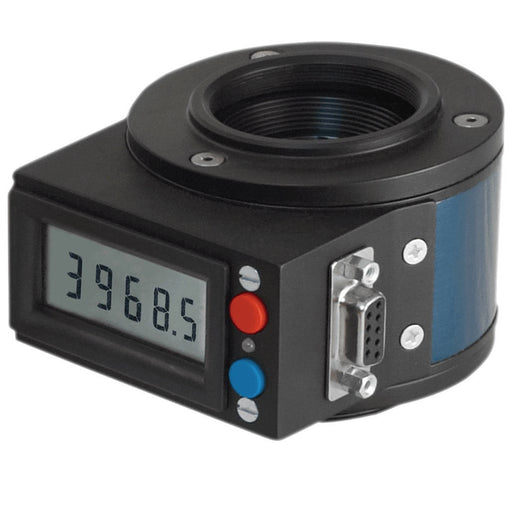
Daystar Quantum Calcium II H-Line Solar Filter - 5Å PE Grade
Targets the Calcium II H-Line Emission Optimized for Visual and Imaging Use Reveals Lower Chromospheric Detail Produces a High-Contrast Violet Ima...
View full details
Original price
$13,990.00 USD
-
Original price
$13,990.00 USD
Original price
$13,990.00 USD
$13,990.00 USD
-
$13,990.00 USD
Current price
$13,990.00 USD
Original price
$17,990.00 USD
-
Original price
$17,990.00 USD
Original price
$17,990.00 USD
$17,990.00 USD
-
$17,990.00 USD
Current price
$17,990.00 USD
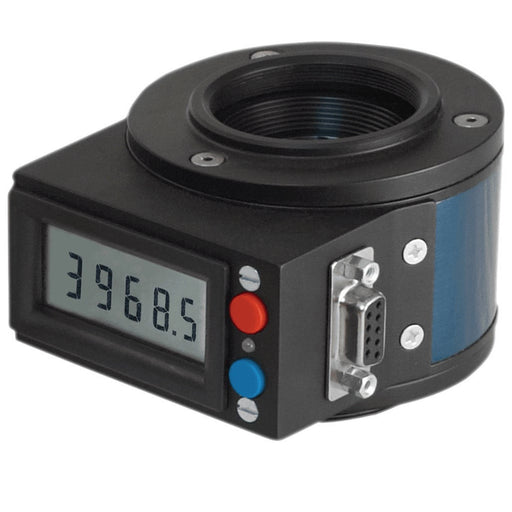
Daystar Quantum Calcium II K Solar Filter - 2Å PE Grade
Targets the Calcium II K-line at 393.3nm 2Å Bandpass for high-contrast chromospheric detail PE (Professional Edition) Grade for research applicati...
View full details
Original price
$17,990.00 USD
-
Original price
$17,990.00 USD
Original price
$17,990.00 USD
$17,990.00 USD
-
$17,990.00 USD
Current price
$17,990.00 USD


Original price
$59.00 USD
-
Original price
$59.00 USD
Original price
$59.00 USD
$59.00 USD
-
$59.00 USD
Current price
$59.00 USD
Daystar Quantum Front Flat Plate - 1.375"x24TPI (F)
Features 1.375"x24TPI female threads Designed for Daystar Quantum series solar filters Precision-machined for a secure, light-tight fit Descri...
View full details
Original price
$59.00 USD
-
Original price
$59.00 USD
Original price
$59.00 USD
$59.00 USD
-
$59.00 USD
Current price
$59.00 USD


Original price
$59.00 USD
-
Original price
$59.00 USD
Original price
$59.00 USD
$59.00 USD
-
$59.00 USD
Current price
$59.00 USD
Daystar Quantum Front Flat T Plate
Description FAQ Specifications In the Box Warranty Daystar Quantum Front Flat T Plate The Daystar Quantum Front Flat T Plate (Q3GFTF) is ...
View full details
Original price
$59.00 USD
-
Original price
$59.00 USD
Original price
$59.00 USD
$59.00 USD
-
$59.00 USD
Current price
$59.00 USD


Original price
$59.00 USD
-
Original price
$59.00 USD
Original price
$59.00 USD
$59.00 USD
-
$59.00 USD
Current price
$59.00 USD
Daystar Quantum Front Wedge Plate - T-Thread
Enables off-axis solar imaging with Daystar Quantum filters on SCTs Features a standard female T-thread (M42x0.75mm) connection Precision-wedged t...
View full details
Original price
$59.00 USD
-
Original price
$59.00 USD
Original price
$59.00 USD
$59.00 USD
-
$59.00 USD
Current price
$59.00 USD
Original price
$11,990.00 USD
-
Original price
$35,990.00 USD
Original price
$11,990.00 USD
-
$35,990.00 USD
$11,990.00 USD
-
$35,990.00 USD
Current price
$11,990.00 USD
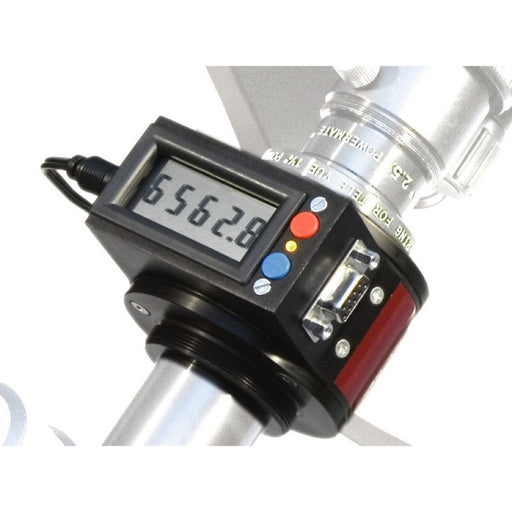
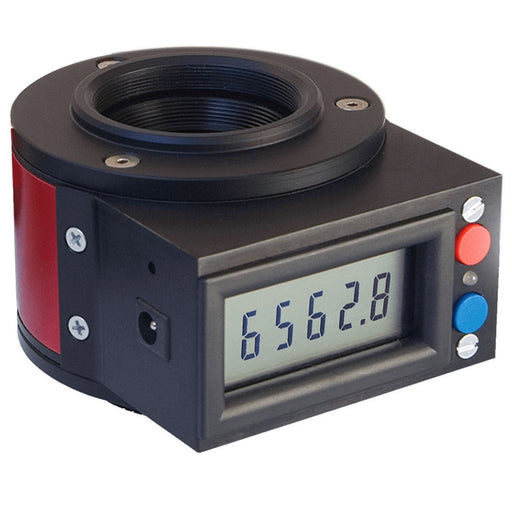
Daystar Quantum H-alpha Solar Filter
Bandpass options from 0.8Å down to 0.3Å for specific solar targets Live LCD readout of the precise wavelength output, accurate to 0.1Å Red/blue pu...
View full details
Original price
$11,990.00 USD
-
Original price
$35,990.00 USD
Original price
$11,990.00 USD
-
$35,990.00 USD
$11,990.00 USD
-
$35,990.00 USD
Current price
$11,990.00 USD


Original price
$5,195.00 USD
-
Original price
$8,995.00 USD
Original price
$5,195.00 USD
-
$8,995.00 USD
$5,195.00 USD
-
$8,995.00 USD
Current price
$5,195.00 USD
Daystar Quantum H-alpha Solar Filter - SE Grade
Choice of 0.7-0.9Å (Prominence) or 0.3-0.5Å (Chromosphere) H-alpha Bandpass SE (Standard Edition) Grade for most amateur and some academic applica...
View full details
Original price
$5,195.00 USD
-
Original price
$8,995.00 USD
Original price
$5,195.00 USD
-
$8,995.00 USD
$5,195.00 USD
-
$8,995.00 USD
Current price
$5,195.00 USD
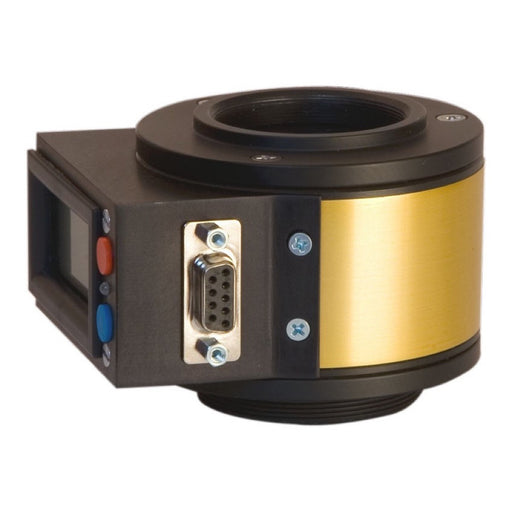
Original price
$17,995.00 USD
-
Original price
$17,995.00 USD
Original price
$17,995.00 USD
$17,995.00 USD
-
$17,995.00 USD
Current price
$17,995.00 USD
Daystar Quantum Helium D3 Solar Filter - 0.3Å PE Grade
Observes in the rare Helium D3 line at 5875.61Å Ultra-narrow 0.3Å bandpass for maximizing contrast Professional Edition (PE) grade for research-le...
View full details
Original price
$17,995.00 USD
-
Original price
$17,995.00 USD
Original price
$17,995.00 USD
$17,995.00 USD
-
$17,995.00 USD
Current price
$17,995.00 USD