
Filtres
A filter decides what light reaches your sensor or your eye, and under Canadian suburban skies that decision often matters more than aperture. The right narrowband filter can make a nebula imageable from a driveway that visually shows almost nothing. David Astro carries filters in Canada — narrowband, LRGB, light pollution, planetary, solar and scientific — in 1.25", 2", 31 mm, 36 mm and unmounted formats, shipped from Canadian stock.
Filter selection is where our team spends a lot of time, because bandwidth, f-ratio and sensor size interact in ways that are not obvious from a product page. Tell us your telescope and camera and we will recommend a set that works together.

Prix d'origine
$255.00
-
Prix d'origine
$490.00
Prix d'origine
$255.00
-
$490.00
$255.00
-
$490.00
Prix actuel
$255.00
Antlia Filtre à bande étroite H-alpha Pro de 3nm
Options available
9 variants in stock
Longueur d'onde centrale H-alpha de 656,3 nm Petit FHWM de 3 nm Transmission de crête élevée > 88 % Halos minimisés sur les étoiles b...
Afficher tous les détails
Prix d'origine
$255.00
-
Prix d'origine
$490.00
Prix d'origine
$255.00
-
$490.00
$255.00
-
$490.00
Prix actuel
$255.00
Prix d'origine
$268.00
-
Prix d'origine
$515.00
Prix d'origine
$268.00
-
$515.00
$268.00
-
$515.00
Prix actuel
$268.00
Antlia 3nm Narrowband H-alpha Pro Highspeed Filter - f/2.6 to f/3.6
Options available
1 variants in stock
Pre-shifted 656.3nm H-alpha Central Wavelength for High-Speed Systems Optimized 3nm FHWM for f/2.6–f/3.6 High >90% Peak Transmission Enhanced S...
Afficher tous les détails
Prix d'origine
$268.00
-
Prix d'origine
$515.00
Prix d'origine
$268.00
-
$515.00
$268.00
-
$515.00
Prix actuel
$268.00
Prix d'origine
$255.00
-
Prix d'origine
$490.00
Prix d'origine
$255.00
-
$490.00
$255.00
-
$490.00
Prix actuel
$255.00
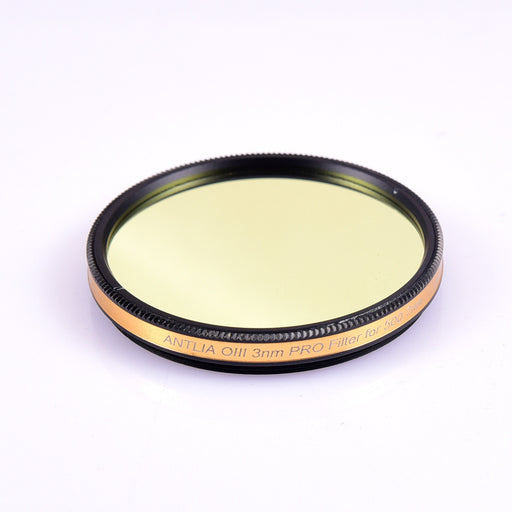
Antlia Filtre à bande étroite OIII Pro de 3nm
Options available
9 variants in stock
Le filtre à bande étroite Antlia OIII Pro optimise le FWHM (pleine largeur moitié maximum) à 3 nm passe-bande . Au fur et à mesure que la bande pa...
Afficher tous les détails
Prix d'origine
$255.00
-
Prix d'origine
$490.00
Prix d'origine
$255.00
-
$490.00
$255.00
-
$490.00
Prix actuel
$255.00

Prix d'origine
$268.00
-
Prix d'origine
$515.00
Prix d'origine
$268.00
-
$515.00
$268.00
-
$515.00
Prix actuel
$268.00
Antlia 3nm Narrowband OIII Pro Highspeed Filter - f/2.6 to f/3.6
Options available
1 variants in stock
Pre-shifted 500.7nm OIII Central Wavelength for High-Speed Systems Optimized 3nm FHWM for f/2.6–f/3.6 High >90% Peak Transmission Enhan...
Afficher tous les détails
Prix d'origine
$268.00
-
Prix d'origine
$515.00
Prix d'origine
$268.00
-
$515.00
$268.00
-
$515.00
Prix actuel
$268.00
Prix d'origine
$255.00
-
Prix d'origine
$490.00
Prix d'origine
$255.00
-
$490.00
$255.00
-
$490.00
Prix actuel
$255.00
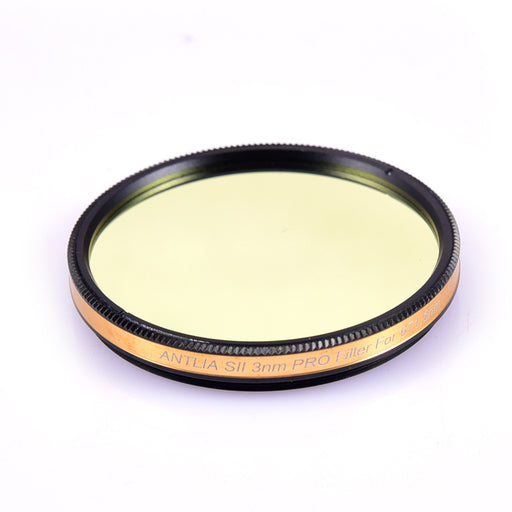
Antlia Filtre à bande étroite SII Pro de 3nm
Options available
7 variants in stock
Le filtre à bande étroite Antlia SII Pro optimise le FWHM (pleine largeur moitié maximum) à une bande passante de 3 nm. Au fur et à mesure que la ...
Afficher tous les détails
Prix d'origine
$255.00
-
Prix d'origine
$490.00
Prix d'origine
$255.00
-
$490.00
$255.00
-
$490.00
Prix actuel
$255.00
Prix d'origine
$271.64
-
Prix d'origine
$522.28
Prix d'origine
$271.64
-
$522.28
$271.64
-
$522.28
Prix actuel
$271.64
Antlia 3nm Narrowband SII Pro Highspeed Filter - f/2.6 to f/3.6
Options available
1 variants in stock
Pre-shifted 500.7nm OIII Central Wavelength for High-Speed Systems Optimized 3nm FHWM for f/2.6–f/3.6 High >90% Peak Transmission Enhan...
Afficher tous les détails
Prix d'origine
$271.64
-
Prix d'origine
$522.28
Prix d'origine
$271.64
-
$522.28
$271.64
-
$522.28
Prix actuel
$271.64
Prix d'origine
$185.00
-
Prix d'origine
$350.00
Prix d'origine
$185.00
-
$350.00
$185.00
-
$350.00
Prix actuel
$185.00
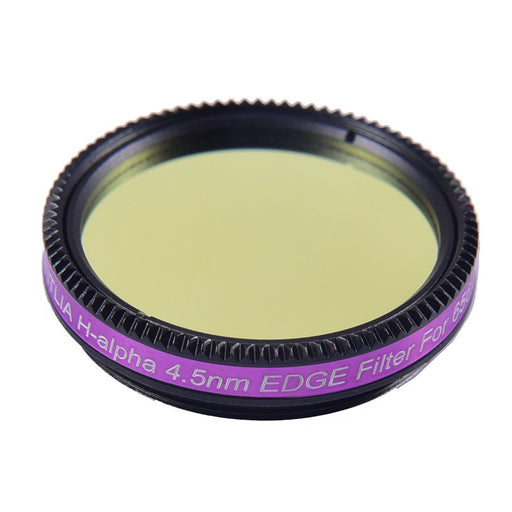
Antlia Filtre à bande étroite H-alpha Edge de 4.5nm
Options available
8 variants in stock
Le filtre à bande étroite Antlia H-alpha EDGE optimise le FWHM (pleine largeur demi-maximum) à une bande passante de 4,5 nm. La suppression de la...
Afficher tous les détails
Prix d'origine
$185.00
-
Prix d'origine
$350.00
Prix d'origine
$185.00
-
$350.00
$185.00
-
$350.00
Prix actuel
$185.00
Prix d'origine
$185.00
-
Prix d'origine
$350.00
Prix d'origine
$185.00
-
$350.00
$185.00
-
$350.00
Prix actuel
$185.00
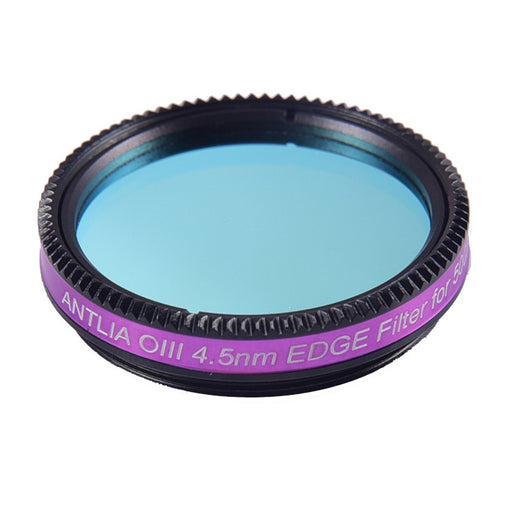
Antlia Filtre à bande étroite OIII Edge de 4.5nm
Options available
8 variants in stock
Le filtre à bande étroite Antlia OIII EDGE optimise le FWHM (pleine largeur demi-maximum) à une bande passante de 4,5 nm. La suppression de la de...
Afficher tous les détails
Prix d'origine
$185.00
-
Prix d'origine
$350.00
Prix d'origine
$185.00
-
$350.00
$185.00
-
$350.00
Prix actuel
$185.00
Prix d'origine
$185.00
-
Prix d'origine
$350.00
Prix d'origine
$185.00
-
$350.00
$185.00
-
$350.00
Prix actuel
$185.00
Antlia Filtre à bande étroite SII Edge de 4.5nm
Options available
7 variants in stock
Le filtre à bande étroite Antlia SII EDGE optimise le FWHM (pleine largeur demi-maximum) à une bande passante de 4,5 nm. La suppression de la den...
Afficher tous les détails
Prix d'origine
$185.00
-
Prix d'origine
$350.00
Prix d'origine
$185.00
-
$350.00
$185.00
-
$350.00
Prix actuel
$185.00
Prix d'origine
$390.00
-
Prix d'origine
$390.00
Prix d'origine
$390.00
$390.00
-
$390.00
Prix actuel
$390.00
Antlia ALP-T Dual Band Ha&OIII 3nm
ANT-ALP-T-3NM-HAOIII
5 en stock
Precise Narrowband Filtering for Exceptional Contrast Enhanced Transmission for Superior Signal-to-Noise Ratio ...
Afficher tous les détails
Prix d'origine
$390.00
-
Prix d'origine
$390.00
Prix d'origine
$390.00
$390.00
-
$390.00
Prix actuel
$390.00

Prix d'origine
$710.00
-
Prix d'origine
$710.00
Prix d'origine
$710.00
$710.00
-
$710.00
Prix actuel
$710.00
Antlia ALP-T Dual Band Ha&OIII 3nm + SII&Hb 3.5nm 2" Filter Set
ANT-ALP-T-3NM-KIT
Precise Narrowband Filtering for Exceptional Contrast Enhanced Transmission for Superior Signal-to-Noise Ratio ...
Afficher tous les détails
Prix d'origine
$710.00
-
Prix d'origine
$710.00
Prix d'origine
$710.00
$710.00
-
$710.00
Prix actuel
$710.00
Prix d'origine
$360.00
-
Prix d'origine
$360.00
Prix d'origine
$360.00
$360.00
-
$360.00
Prix actuel
$360.00
Antlia ALP-T Dual Band SII&Hβ 3.5nm
ANT-ALP-T-3NM-SIIHB
2 en stock
Precise Narrowband Filtering for Exceptional Contrast Enhanced Transmission for Superior Signal-to-Noise Ratio Anti-Reflection Coating to Reduce H...
Afficher tous les détails
Prix d'origine
$360.00
-
Prix d'origine
$360.00
Prix d'origine
$360.00
$360.00
-
$360.00
Prix actuel
$360.00
Prix d'origine
$690.00
-
Prix d'origine
$690.00
Prix d'origine
$690.00
$690.00
-
$690.00
Prix actuel
$690.00
Antlia Kit de filtres duoband ALP-T 5nm Ha/OIII et SII/Hb - 2"
ANT-ALP-T-SET
Prix d'origine
$690.00
-
Prix d'origine
$690.00
Prix d'origine
$690.00
$690.00
-
$690.00
Prix actuel
$690.00
Prix d'origine
$380.00
-
Prix d'origine
$380.00
Prix d'origine
$380.00
$380.00
-
$380.00
Prix actuel
$380.00
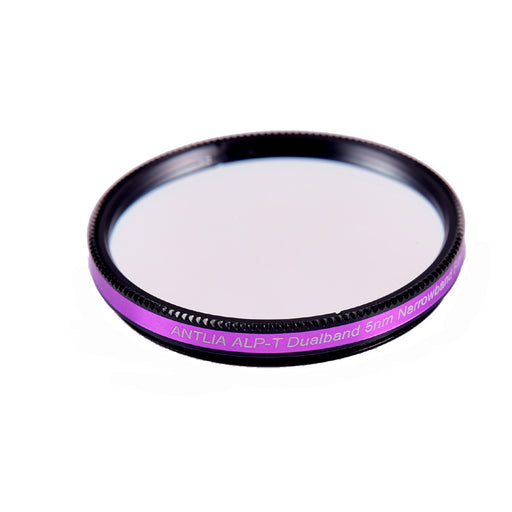
Antlia Filtre duoband ALP-T Ha/OIII de 5nm
ANT-ALP-T-2
L' Antlia ALP-T double bande 5 nm Le filtre Ha&OIII est un filtre passe-ligne double conçu pour être utilisé principalement avec les appareil...
Afficher tous les détails
Prix d'origine
$380.00
-
Prix d'origine
$380.00
Prix d'origine
$380.00
$380.00
-
$380.00
Prix actuel
$380.00
Prix d'origine
$380.00
-
Prix d'origine
$380.00
Prix d'origine
$380.00
$380.00
-
$380.00
Prix actuel
$380.00
Antlia Filtre duoband ALP-T haute vitesse Ha/OIII de 5nm
ANT-ALP-T-HS-2
Les filtres haute vitesse ALP-T double bande 5 nm sont encore optimisés pour fonctionner avec des systèmes d'imagerie à haute vitesse en décalant...
Afficher tous les détails
Prix d'origine
$380.00
-
Prix d'origine
$380.00
Prix d'origine
$380.00
$380.00
-
$380.00
Prix actuel
$380.00
Prix d'origine
$350.00
-
Prix d'origine
$350.00
Prix d'origine
$350.00
$350.00
-
$350.00
Prix actuel
$350.00
Antlia Filtre duoband ALP-T SII/Hb de 5nm
ANT-ALP-T-SII-HB-2
Le filtre SII&Hb double bande 5 nm ALP-T est un filtre passe-ligne double, qui laisse passer la ligne rouge foncé Sulphur-II et la ligne bleu...
Afficher tous les détails
Prix d'origine
$350.00
-
Prix d'origine
$350.00
Prix d'origine
$350.00
$350.00
-
$350.00
Prix actuel
$350.00

Prix d'origine
$169.00
-
Prix d'origine
$169.00
Prix d'origine
$169.00
$169.00
-
$169.00
Prix actuel
$169.00
Antlia CH4 Methane Filter - 1.25"
ANT-CH4
1 en stock
Antlia methane (CH4) filter is a specialized filter that allows light in the near infrared portion of the spectrum centered at 889nm to pass throug...
Afficher tous les détails
Prix d'origine
$169.00
-
Prix d'origine
$169.00
Prix d'origine
$169.00
$169.00
-
$169.00
Prix actuel
$169.00
Prix d'origine
$99.00
-
Prix d'origine
$99.00
Prix d'origine
$99.00
$99.00
-
$99.00
Prix actuel
$99.00
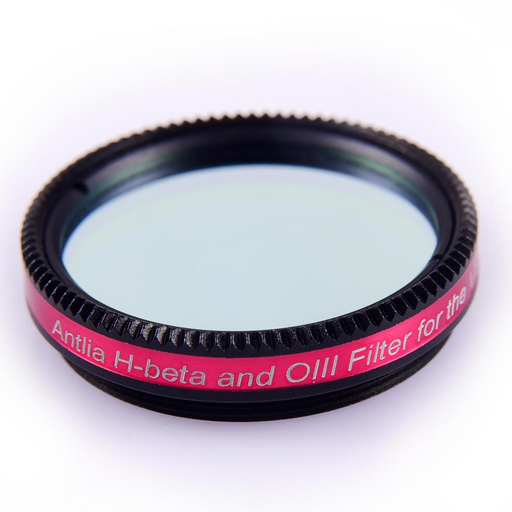
Antlia Filtre visuel H-beta et OIII - 1.25"
ANT-HB-OIII-1.25
3 en stock
Le filtre Antlia HB-OIII est conçu spécifiquement pour l'observation visuelle nocturne des nébuleuses à contraste élevé et l'astrophotographie du...
Afficher tous les détails
Prix d'origine
$99.00
-
Prix d'origine
$99.00
Prix d'origine
$99.00
$99.00
-
$99.00
Prix actuel
$99.00
Prix d'origine
$39.00
-
Prix d'origine
$39.00
Prix d'origine
$39.00
$39.00
-
$39.00
Prix actuel
$39.00
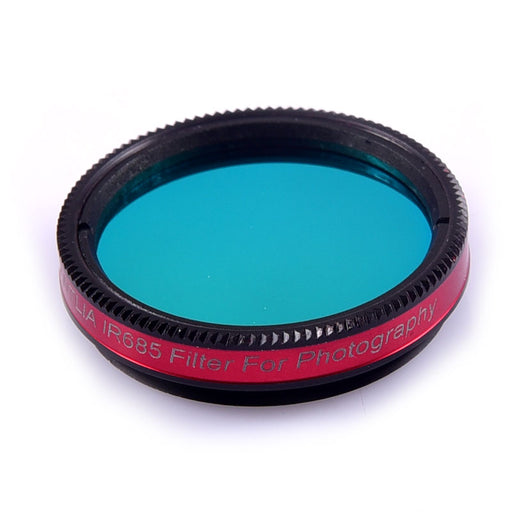
Antlia Filtre IR-Pass 685nm - 1.25"
ANT-IR685
3 en stock
Le filtre Antlia IR Pass 685 nm est un filtre absorbant qui laisse passer la lumière infrarouge avec des longueurs d'onde supérieures à 685 nm. À...
Afficher tous les détails
Prix d'origine
$39.00
-
Prix d'origine
$39.00
Prix d'origine
$39.00
$39.00
-
$39.00
Prix actuel
$39.00
Prix d'origine
$39.00
-
Prix d'origine
$39.00
Prix d'origine
$39.00
$39.00
-
$39.00
Prix actuel
$39.00
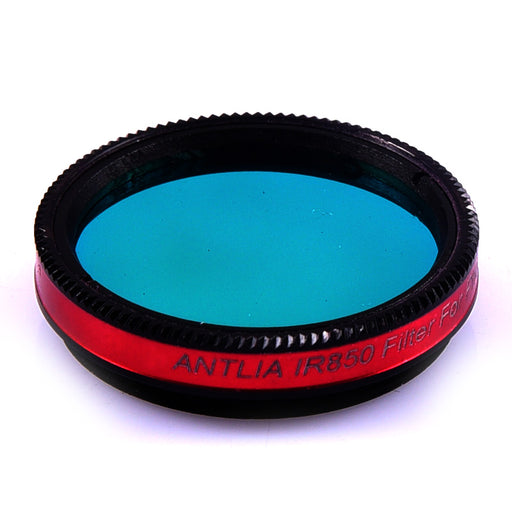
Antlia Filtre IR-Pass 850nm - 1.25"
ANT-IR850
3 en stock
Le filtre Antlia IR Pass 850 nm est un filtre absorbant qui laisse passer la lumière infrarouge avec des longueurs d'onde supérieures à 850 nm. I...
Afficher tous les détails
Prix d'origine
$39.00
-
Prix d'origine
$39.00
Prix d'origine
$39.00
$39.00
-
$39.00
Prix actuel
$39.00

Prix d'origine
$300.00
-
Prix d'origine
$600.00
Prix d'origine
$300.00
-
$600.00
$300.00
-
$600.00
Prix actuel
$300.00
Antlia Kit de filtres LRGB-V Pro
Options available
9 variants in stock
Les filtres de la série Antlia LRGB-V Pro sont conçus pour les caméras monochromes qui utilisent à la fois des capteurs CCD et CMOS. Les capteurs ...
Afficher tous les détails
Prix d'origine
$300.00
-
Prix d'origine
$600.00
Prix d'origine
$300.00
-
$600.00
$300.00
-
$600.00
Prix actuel
$300.00
Prix d'origine
$198.00
-
Prix d'origine
$198.00
Prix d'origine
$198.00
$198.00
-
$198.00
Prix actuel
$198.00
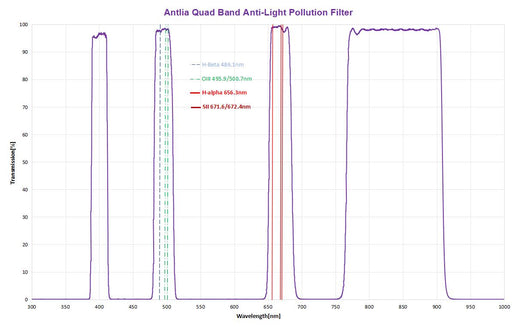
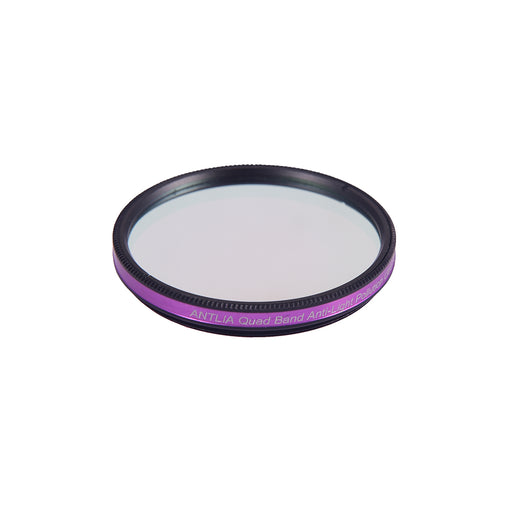
Antlia Filtre Quad Band anti-pollution lumineuse - 2"
ANT-QUAD-2
5 en stock
Le filtre anti-pollution lumineuse Antlia Quad Band est un filtre de suppression de lumière pour les caméras couleur et monochromes. Il est capabl...
Afficher tous les détails
Prix d'origine
$198.00
-
Prix d'origine
$198.00
Prix d'origine
$198.00
$198.00
-
$198.00
Prix actuel
$198.00
Prix d'origine
$179.00
-
Prix d'origine
$179.00
Prix d'origine
$179.00
$179.00
-
$179.00
Prix actuel
$179.00
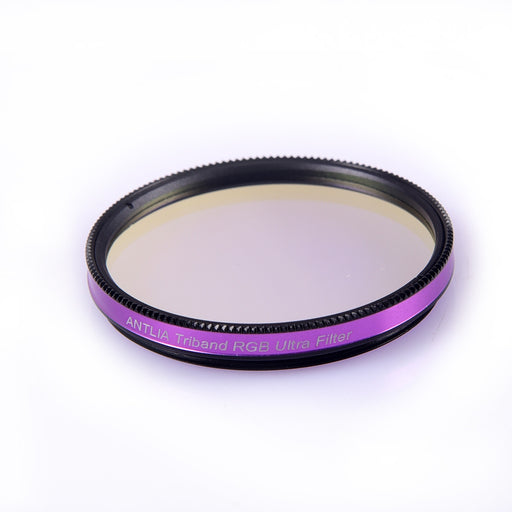
Antlia Filtre Triband RGB Ultra
ANT-TRIBAND-V2
4 en stock
Il est conçu pour la suppression de la pollution lumineuse pour les caméras OSC et Mono. La conception spectrale a sélectionné les informations le...
Afficher tous les détails
Prix d'origine
$179.00
-
Prix d'origine
$179.00
Prix d'origine
$179.00
$179.00
-
$179.00
Prix actuel
$179.00
Prix d'origine
$199.00
-
Prix d'origine
$199.00
Prix d'origine
$199.00
$199.00
-
$199.00
Prix actuel
$199.00
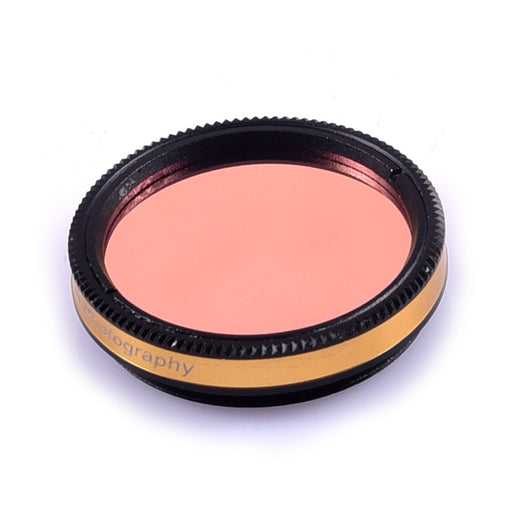
Antlia Filtre U-Venus - 1.25"
ANT-UVENUS
2 en stock
Le filtre Antlia Venus-U est conçu pour imager la structure nuageuse de Vénus et Jupiter avec des caméras CCD sur un télescope. Les détails des n...
Afficher tous les détails
Prix d'origine
$199.00
-
Prix d'origine
$199.00
Prix d'origine
$199.00
$199.00
-
$199.00
Prix actuel
$199.00