
Caméras
Camera choice in astrophotography is less about megapixels than about matching pixel size to your telescope and your sky. A camera that resolves beautifully at 400 mm focal length will oversample badly at 2000 mm, and a sensor that suits pristine mountain seeing will simply record blur under an average Canadian night. David Astro stocks astronomy cameras in Canada — cooled and uncooled CMOS, monochrome and colour, deep-sky, planetary and guiding — in stock and shipped from our Canadian warehouse.
We match cameras to telescopes for customers constantly. Send us your focal length, your typical seeing and what you want to photograph, and we will calculate the pixel scale before recommending anything.

Prix d'origine
$4,599.00
-
Prix d'origine
$4,599.00
Prix d'origine
$4,599.00
$4,599.00
-
$4,599.00
Prix actuel
$4,599.00
QHYCCD QHY9701 Cooled Scientific BSI CMOS Camera
QHY-110105
1.3MP Gsense9701 BSI Sensor 9.76µm Large Pixel Size 0.85e- Ultra-Low Read Noise Mode 89% Peak Quantum Efficiency Broad 200nm-1000nm Spectral Respo...
Afficher tous les détails
Prix d'origine
$4,599.00
-
Prix d'origine
$4,599.00
Prix d'origine
$4,599.00
$4,599.00
-
$4,599.00
Prix actuel
$4,599.00

Prix d'origine
$25,000.00
-
Prix d'origine
$25,000.00
Prix d'origine
$25,000.00
$25,000.00
-
$25,000.00
Prix actuel
$25,000.00
QHYCCD QHY990 PRO II SWIR InGaAs Scientific Camera
QHY-110110
Broad 400-1700 nm Spectral Response 77% Peak Quantum Efficiency at 1200 nm Hybrid Air and Liquid Cooling System Cools up to 80°C Below Ambient Dua...
Afficher tous les détails
Prix d'origine
$25,000.00
-
Prix d'origine
$25,000.00
Prix d'origine
$25,000.00
$25,000.00
-
$25,000.00
Prix actuel
$25,000.00

Prix d'origine
$14,980.00
-
Prix d'origine
$14,980.00
Prix d'origine
$14,980.00
$14,980.00
-
$14,980.00
Prix actuel
$14,980.00
QHYCCD QHY990 Series SWIR Camera
QHY-110090
Sony InGaAs Sensor for Short-Wave Infrared (SWIR) Imaging Broad Spectral Response from 400 nm to 1700 nm High 77% Quantum Efficiency at 1200 nm Re...
Afficher tous les détails
Prix d'origine
$14,980.00
-
Prix d'origine
$14,980.00
Prix d'origine
$14,980.00
$14,980.00
-
$14,980.00
Prix actuel
$14,980.00

Prix d'origine
$11,800.00
-
Prix d'origine
$11,800.00
Prix d'origine
$11,800.00
$11,800.00
-
$11,800.00
Prix actuel
$11,800.00
QHYCCD QHY991 Class 1 SWIR Camera
QHY-110092
Class 1 Scientific SWIR Camera Sony InGaAs Sensor Technology Broad Spectral Response (400-1700 nm) Active Air and Liquid Cooling Support Standard ...
Afficher tous les détails
Prix d'origine
$11,800.00
-
Prix d'origine
$11,800.00
Prix d'origine
$11,800.00
$11,800.00
-
$11,800.00
Prix actuel
$11,800.00
Prix d'origine
$13,019.00
-
Prix d'origine
$39,169.00
Prix d'origine
$13,019.00
-
$39,169.00
$13,019.00
-
$39,169.00
Prix actuel
$13,019.00
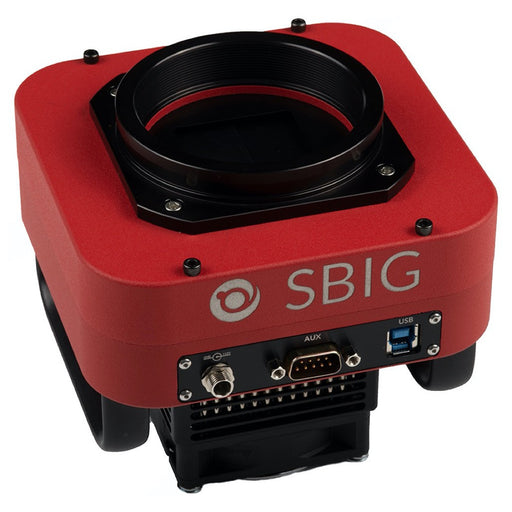
SBIG Aluma AC4040 Mono
Options available
Notre toute nouvelle caméra grand format Scientific CMOS. Capteur 16,8 mégapixels avec pixels de 9 microns, compatible optique adaptative, compatib...
Afficher tous les détails
Prix d'origine
$13,019.00
-
Prix d'origine
$39,169.00
Prix d'origine
$13,019.00
-
$39,169.00
$13,019.00
-
$39,169.00
Prix actuel
$13,019.00
Prix d'origine
$15,019.00
-
Prix d'origine
$19,917.00
Prix d'origine
$15,019.00
-
$19,917.00
$15,019.00
-
$19,917.00
Prix actuel
$15,019.00
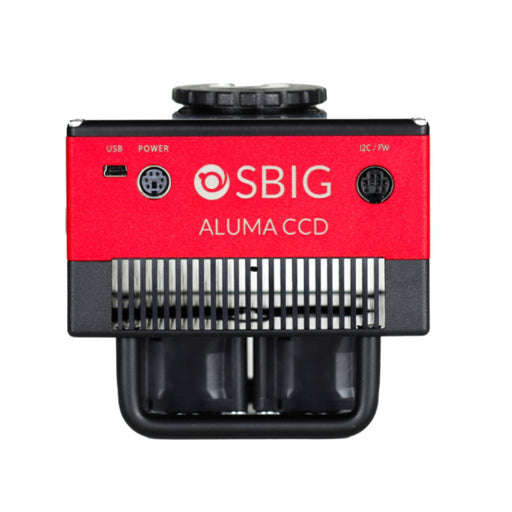
SBIG Aluma CCD47-10 Mono
Options available
Nos nouvelles caméras hautes performances de la série Aluma ® CCD offrent des capacités et des fonctionnalités qui ne sont disponibles dans aucu...
Afficher tous les détails
Prix d'origine
$15,019.00
-
Prix d'origine
$19,917.00
Prix d'origine
$15,019.00
-
$19,917.00
$15,019.00
-
$19,917.00
Prix actuel
$15,019.00
Prix d'origine
$4,519.00
-
Prix d'origine
$8,985.00
Prix d'origine
$4,519.00
-
$8,985.00
$4,519.00
-
$8,985.00
Prix actuel
$4,519.00
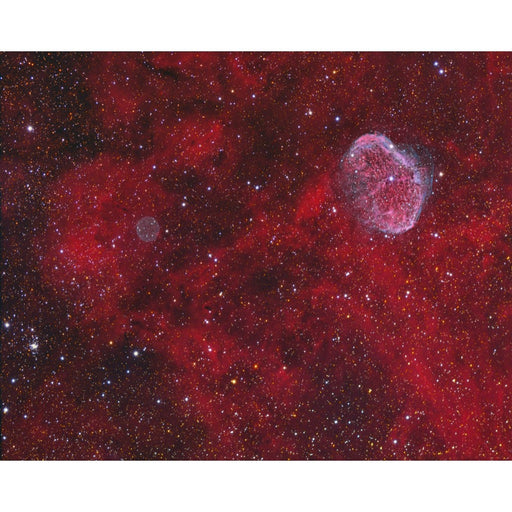
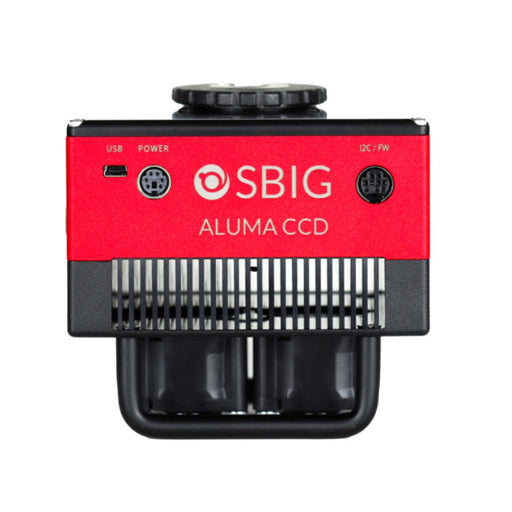
SBIG Aluma CCD694 Mono
Options available
Nos nouvelles caméras hautes performances de la série Aluma ® CCD offrent des capacités et des fonctionnalités qui ne sont disponibles dans aucun...
Afficher tous les détails
Prix d'origine
$4,519.00
-
Prix d'origine
$8,985.00
Prix d'origine
$4,519.00
-
$8,985.00
$4,519.00
-
$8,985.00
Prix actuel
$4,519.00
Prix d'origine
$15,019.00
-
Prix d'origine
$15,019.00
Prix d'origine
$15,019.00
$15,019.00
-
$15,019.00
Prix actuel
$15,019.00
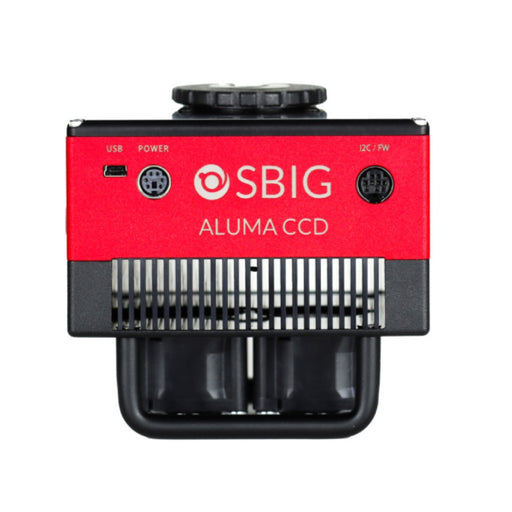
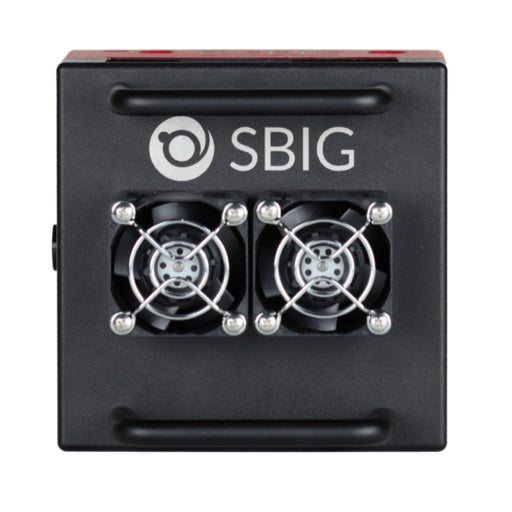
SBIG Aluma CCD77-00 Mono
DL-ALUMA-CCD77-00
Nos nouvelles caméras hautes performances de la série Aluma ® CCD offrent des capacités et des fonctionnalités qui ne sont disponibles dans aucune...
Afficher tous les détails
Prix d'origine
$15,019.00
-
Prix d'origine
$15,019.00
Prix d'origine
$15,019.00
$15,019.00
-
$15,019.00
Prix actuel
$15,019.00
Prix d'origine
$4,719.00
-
Prix d'origine
$9,185.00
Prix d'origine
$4,719.00
-
$9,185.00
$4,719.00
-
$9,185.00
Prix actuel
$4,719.00
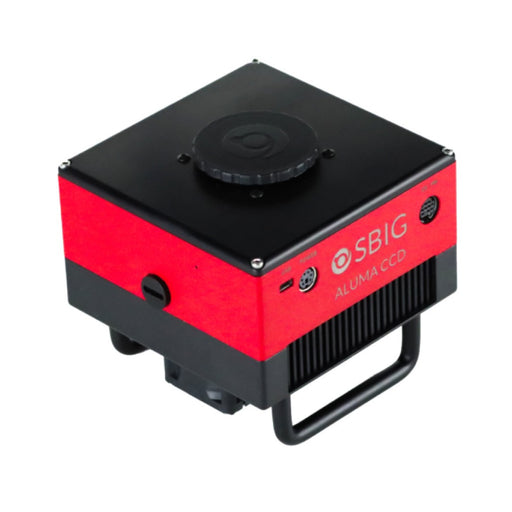
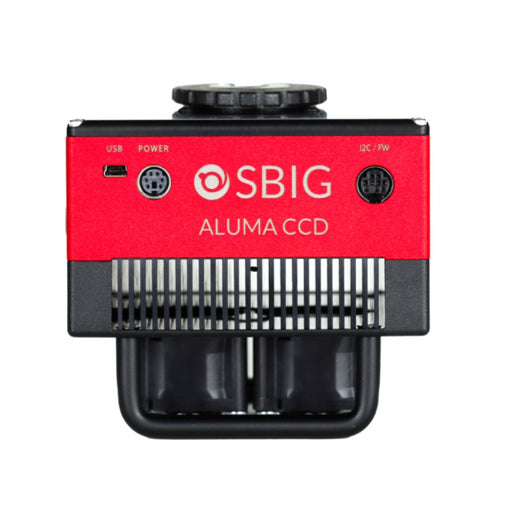
SBIG Aluma CCD814 Mono
Options available
Nos nouvelles caméras haute performance de la série Aluma® CCD offrent des capacités et des fonctions qu'aucune autre caméra d'imagerie de qualité...
Afficher tous les détails
Prix d'origine
$4,719.00
-
Prix d'origine
$9,185.00
Prix d'origine
$4,719.00
-
$9,185.00
$4,719.00
-
$9,185.00
Prix actuel
$4,719.00
Prix d'origine
$3,519.00
-
Prix d'origine
$4,519.00
Prix d'origine
$3,519.00
-
$4,519.00
$3,519.00
-
$4,519.00
Prix actuel
$3,519.00
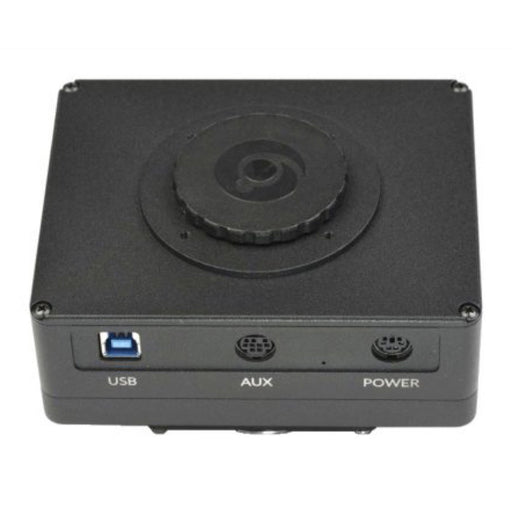
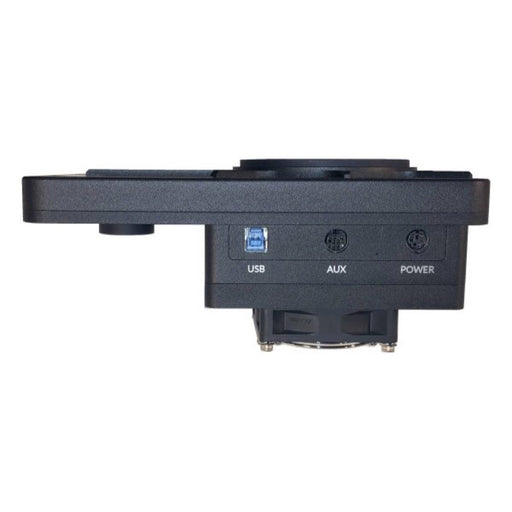
SBIG STC-428-P - Système d'Imagerie Photométrique CMOS
Options available
Ensemble SBIG® OEM STC-428 Problème : Nous devons intégrer une caméra d'imagerie compacte, peu coûteuse mais hautes performances pour notre app...
Afficher tous les détails
Prix d'origine
$3,519.00
-
Prix d'origine
$4,519.00
Prix d'origine
$3,519.00
-
$4,519.00
$3,519.00
-
$4,519.00
Prix actuel
$3,519.00
Prix d'origine
$4,019.00
-
Prix d'origine
$4,019.00
Prix d'origine
$4,019.00
$4,019.00
-
$4,019.00
Prix actuel
$4,019.00
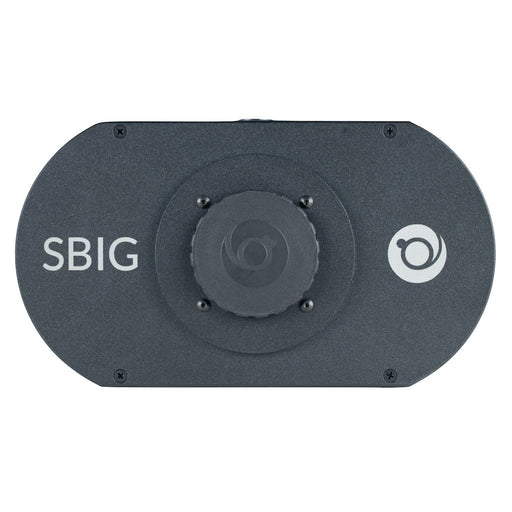
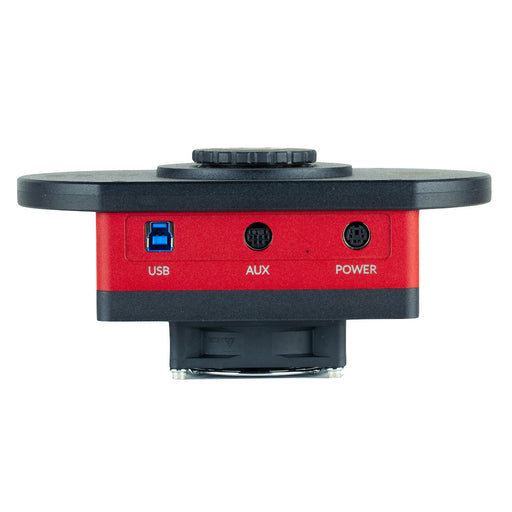
Caméra CMOS scientifique complète mono SBIG STC-7
DL-STC-7
Caméra d'imagerie scientifique CMOS SBIG STC-7 avec roue à filtres intégrée. Il s'agit d'un package d'imagerie complet - ajoutez simplement un téle...
Afficher tous les détails
Prix d'origine
$4,019.00
-
Prix d'origine
$4,019.00
Prix d'origine
$4,019.00
$4,019.00
-
$4,019.00
Prix actuel
$4,019.00


Prix d'origine
$84.79
-
Prix d'origine
$84.79
Prix d'origine
$84.79
$84.79
-
$84.79
Prix actuel
$84.79
SVBONY SC001 WiFi Camera for Spotting Scopes and Telescopes
SV-F9373A
Captures 1920x1080 resolution photos and video Built-in 2.4G WiFi hotspot for wireless control via a free app Features a 2M pixel sensor with 2.8μ...
Afficher tous les détails
Prix d'origine
$84.79
-
Prix d'origine
$84.79
Prix d'origine
$84.79
$84.79
-
$84.79
Prix actuel
$84.79


Prix d'origine
$59.99
-
Prix d'origine
$59.99
Prix d'origine
$59.99
$59.99
-
$59.99
Prix actuel
$59.99
SVBONY SC002 WiFi Electronic Eyepiece Camera
SV-F9396A
Full HD 1920x1080 Resolution 2.4G WiFi with 10-Meter Range Includes 32GB TF Storage Card 1500 mAh Internal Battery 3µm x 3µm Pixel Size Descrip...
Afficher tous les détails
Prix d'origine
$59.99
-
Prix d'origine
$59.99
Prix d'origine
$59.99
$59.99
-
$59.99
Prix actuel
$59.99
Prix d'origine
$175.00
-
Prix d'origine
$175.00
Prix d'origine
$175.00
$175.00
-
$175.00
Prix actuel
$175.00
SVBONY SC311 WiFi Astronomy Camera IMX662 for EAA
SV-F9384A
2.1 Megapixel SONY IMX662 Sensor 1920x1080 Max Resolution 2.9µm Pixels for High-Resolution Planetary and EAA Integrated 2.4G WiFi and 2500 mAh Bat...
Afficher tous les détails
Prix d'origine
$175.00
-
Prix d'origine
$175.00
Prix d'origine
$175.00
$175.00
-
$175.00
Prix actuel
$175.00


Prix d'origine
$999.99
-
Prix d'origine
$999.99
Prix d'origine
$999.99
$999.99
-
$999.99
Prix actuel
$999.99
SVBONY SC571CC APS-C Color Cooled Astronomy Camera
SV-W9328A
26MP APS-C SONY IMX571 Sensor 3.76µm Pixel Size Dual-Stage TEC Cooling (35°C below ambient) 16-bit Analog-to-Digital Converter Peak Quantum Effici...
Afficher tous les détails
Prix d'origine
$999.99
-
Prix d'origine
$999.99
Prix d'origine
$999.99
$999.99
-
$999.99
Prix actuel
$999.99


Prix d'origine
$50.00
-
Prix d'origine
$50.00
Prix d'origine
$50.00
$50.00
-
$50.00
Prix actuel
$50.00
SVBONY SV105 Planetary Camera IMX307
SV-F9159B
2.07 Megapixel (1920x1080) SONY IMX307 Sensor Captures video at up to 30 FPS for planetary imaging 2.9µm pixels offer a good balance of resolution...
Afficher tous les détails
Prix d'origine
$50.00
-
Prix d'origine
$50.00
Prix d'origine
$50.00
$50.00
-
$50.00
Prix actuel
$50.00


Prix d'origine
$76.00
-
Prix d'origine
$76.00
Prix d'origine
$76.00
$76.00
-
$76.00
Prix actuel
$76.00
SVBONY SV205 Electronic Eyepiece Camera IMX415
SV-F9159C
7.05 Megapixel resolution (3264x2160) for detailed planetary images 1/2.8" Sony IMX415 CMOS sensor for high sensitivity Small 1.45µm pixels are id...
Afficher tous les détails
Prix d'origine
$76.00
-
Prix d'origine
$76.00
Prix d'origine
$76.00
$76.00
-
$76.00
Prix actuel
$76.00


Prix d'origine
$130.00
-
Prix d'origine
$130.00
Prix d'origine
$130.00
$130.00
-
$130.00
Prix actuel
$130.00
SVBONY SV305C Color Telescope Camera IMX662
SV-F9198L
2.1 Megapixel SONY IMX662 Sensor 1920x1080 Max Resolution 2.9μm Pixel Size Up to 91% Peak Quantum Efficiency 128MB DDR Image Buffer USB 2.0 Data P...
Afficher tous les détails
Prix d'origine
$130.00
-
Prix d'origine
$130.00
Prix d'origine
$130.00
$130.00
-
$130.00
Prix actuel
$130.00


Prix d'origine
$585.00
-
Prix d'origine
$585.00
Prix d'origine
$585.00
$585.00
-
$585.00
Prix actuel
$585.00
SVBONY SV405CC Cooled Color OSC Camera
SV-F9198F
11.7 Megapixel 4/3" IMX294 CMOS Sensor 4.63µm Pixel Size Two-Stage TEC Cooling System 1.2e Ultra-Low Readout Noise 256MB DDR3 Image Buffer 19 FPS ...
Afficher tous les détails
Prix d'origine
$585.00
-
Prix d'origine
$585.00
Prix d'origine
$585.00
$585.00
-
$585.00
Prix actuel
$585.00


Prix d'origine
$471.03
-
Prix d'origine
$471.03
Prix d'origine
$471.03
$471.03
-
$471.03
Prix actuel
$471.03
SVBONY SV605CC Cooled Color OSC Camera IMX533
SV-F9198K
Features a 9.0 Megapixel, 1-inch square format IMX533 color CMOS sensor High-sensitivity 3.76μm pixels with a peak Quantum Efficiency of 91% 2-sta...
Afficher tous les détails
Prix d'origine
$471.03
-
Prix d'origine
$471.03
Prix d'origine
$471.03
$471.03
-
$471.03
Prix actuel
$471.03


Prix d'origine
$629.99
-
Prix d'origine
$629.99
Prix d'origine
$629.99
$629.99
-
$629.99
Prix actuel
$629.99
SVBONY SV605MC Mono Cooled Camera IMX533
SV-F9198E
9MP Resolution (3008 x 3008) 3.76µm Pixel Size 15.968mm Sensor Diagonal 14-bit ADC 50Ke- Full Well Capacity 1.0e- Minimum Read Noise Descriptio...
Afficher tous les détails
Prix d'origine
$629.99
-
Prix d'origine
$629.99
Prix d'origine
$629.99
$629.99
-
$629.99
Prix actuel
$629.99


Prix d'origine
$260.00
-
Prix d'origine
$260.00
Prix d'origine
$260.00
$260.00
-
$260.00
Prix actuel
$260.00
SVBONY SV705C Planetary Camera IMX585 USB3.0
SV-F9198J
8.3 Megapixel Sony IMX585 Color Sensor 2.9μm Pixel Size 45 FPS at Full 3856x2180 Resolution Peak Quantum Efficiency (QE) of ≈90% 38,000e- Full Wel...
Afficher tous les détails
Prix d'origine
$260.00
-
Prix d'origine
$260.00
Prix d'origine
$260.00
$260.00
-
$260.00
Prix actuel
$260.00


Prix d'origine
$109.99
-
Prix d'origine
$109.99
Prix d'origine
$109.99
$109.99
-
$109.99
Prix actuel
$109.99
SVBONY SV905C 1.23MP Type-C Guide Camera - 1.25"
SV-F9198N
1.2MP IMX225 CMOS Sensor 3.75µm Pixel Size Peak Quantum Efficiency: 80% Read Noise: 4.0e Maximum Frame Rate: 39 FPS Back Intercept: 8.5mm / 12.5mm...
Afficher tous les détails
Prix d'origine
$109.99
-
Prix d'origine
$109.99
Prix d'origine
$109.99
$109.99
-
$109.99
Prix actuel
$109.99
Prix d'origine
$199.00
-
Prix d'origine
$199.00
Prix d'origine
$199.00
$199.00
-
$199.00
Prix actuel
$199.00
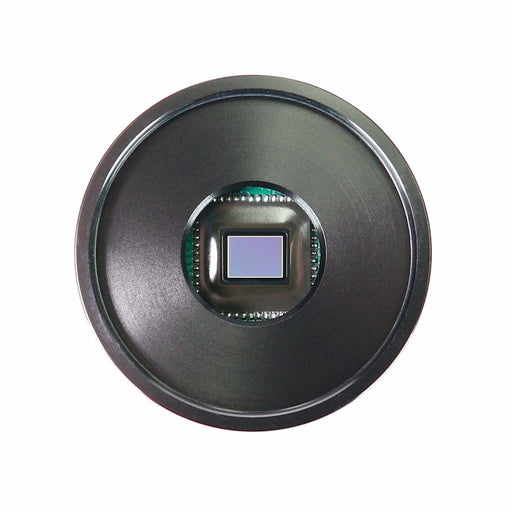
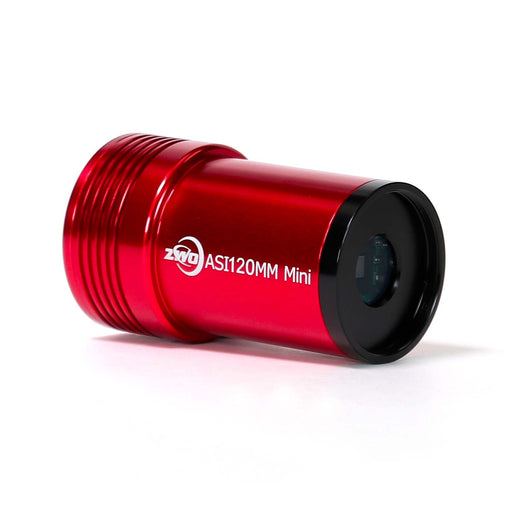
ZWO ASI120MM Mini Caméra de guidage monochrome
ZWO-ASI120MINI
33 en stock
Capteur CMOS monochrome de 1.2 mégapixel (1280 x 960) Taille des pixels de 3.75µm pour un guidage précis et des détails planétaires Efficacité qua...
Afficher tous les détails
Prix d'origine
$199.00
-
Prix d'origine
$199.00
Prix d'origine
$199.00
$199.00
-
$199.00
Prix actuel
$199.00