
Filtres d'astrophotographie
Not every imaging filter is narrowband or LRGB. Ultraviolet and infrared cut filters, luminance filters, methane band filters for planetary work and dedicated infrared pass filters each solve a specific problem, and several of them are more useful than their obscurity suggests. David Astro carries imaging filters in Canada, in Canadian inventory and shipped domestically.
These filters address particular situations rather than general imaging. Tell us what problem you are seeing and we will say whether one of them fixes it.

Prix d'origine
$255.00
-
Prix d'origine
$490.00
Prix d'origine
$255.00
-
$490.00
$255.00
-
$490.00
Prix actuel
$255.00
Antlia Filtre à bande étroite H-alpha Pro de 3nm
Options available
8 variants in stock
Longueur d'onde centrale H-alpha de 656,3 nm Petit FHWM de 3 nm Transmission de crête élevée > 88 % Halos minimisés sur les étoiles b...
Afficher tous les détails
Prix d'origine
$255.00
-
Prix d'origine
$490.00
Prix d'origine
$255.00
-
$490.00
$255.00
-
$490.00
Prix actuel
$255.00
Prix d'origine
$268.00
-
Prix d'origine
$515.00
Prix d'origine
$268.00
-
$515.00
$268.00
-
$515.00
Prix actuel
$268.00
Antlia 3nm Narrowband H-alpha Pro Highspeed Filter - f/2.6 to f/3.6
Options available
1 variants in stock
Pre-shifted 656.3nm H-alpha Central Wavelength for High-Speed Systems Optimized 3nm FHWM for f/2.6–f/3.6 High >90% Peak Transmission Enhanced S...
Afficher tous les détails
Prix d'origine
$268.00
-
Prix d'origine
$515.00
Prix d'origine
$268.00
-
$515.00
$268.00
-
$515.00
Prix actuel
$268.00
Prix d'origine
$255.00
-
Prix d'origine
$490.00
Prix d'origine
$255.00
-
$490.00
$255.00
-
$490.00
Prix actuel
$255.00
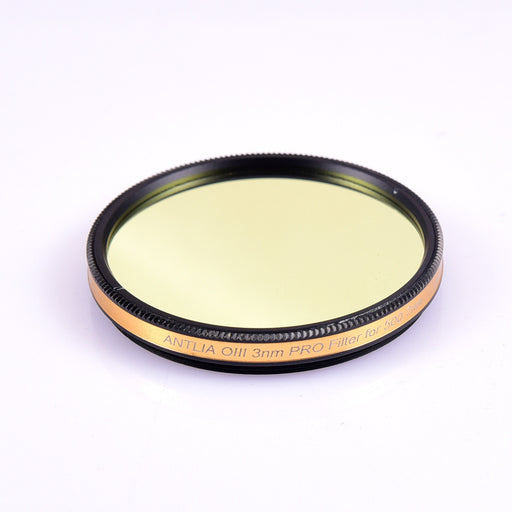
Antlia Filtre à bande étroite OIII Pro de 3nm
Options available
8 variants in stock
Le filtre à bande étroite Antlia OIII Pro optimise le FWHM (pleine largeur moitié maximum) à 3 nm passe-bande . Au fur et à mesure que la bande pa...
Afficher tous les détails
Prix d'origine
$255.00
-
Prix d'origine
$490.00
Prix d'origine
$255.00
-
$490.00
$255.00
-
$490.00
Prix actuel
$255.00

Prix d'origine
$268.00
-
Prix d'origine
$515.00
Prix d'origine
$268.00
-
$515.00
$268.00
-
$515.00
Prix actuel
$268.00
Antlia 3nm Narrowband OIII Pro Highspeed Filter - f/2.6 to f/3.6
Options available
1 variants in stock
Pre-shifted 500.7nm OIII Central Wavelength for High-Speed Systems Optimized 3nm FHWM for f/2.6–f/3.6 High >90% Peak Transmission Enhan...
Afficher tous les détails
Prix d'origine
$268.00
-
Prix d'origine
$515.00
Prix d'origine
$268.00
-
$515.00
$268.00
-
$515.00
Prix actuel
$268.00
Prix d'origine
$255.00
-
Prix d'origine
$490.00
Prix d'origine
$255.00
-
$490.00
$255.00
-
$490.00
Prix actuel
$255.00
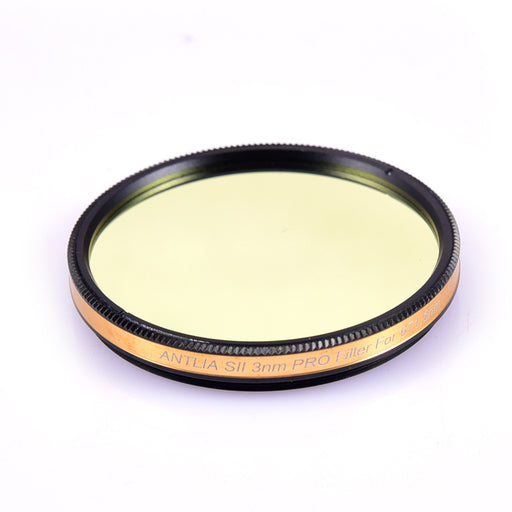
Antlia Filtre à bande étroite SII Pro de 3nm
Options available
7 variants in stock
Le filtre à bande étroite Antlia SII Pro optimise le FWHM (pleine largeur moitié maximum) à une bande passante de 3 nm. Au fur et à mesure que la ...
Afficher tous les détails
Prix d'origine
$255.00
-
Prix d'origine
$490.00
Prix d'origine
$255.00
-
$490.00
$255.00
-
$490.00
Prix actuel
$255.00
Prix d'origine
$265.20
-
Prix d'origine
$509.90
Prix d'origine
$265.20
-
$509.90
$265.20
-
$509.90
Prix actuel
$265.20
Antlia 3nm Narrowband SII Pro Highspeed Filter - f/2.6 to f/3.6
Options available
1 variants in stock
Longueur d'onde centrale SII pré-décalée à 673.6nm pour les systèmes rapides FWHM de 3nm optimisée pour f/2.6–f/3.6 Transmission maximale él...
Afficher tous les détails
Prix d'origine
$265.20
-
Prix d'origine
$509.90
Prix d'origine
$265.20
-
$509.90
$265.20
-
$509.90
Prix actuel
$265.20
Prix d'origine
$185.00
-
Prix d'origine
$350.00
Prix d'origine
$185.00
-
$350.00
$185.00
-
$350.00
Prix actuel
$185.00
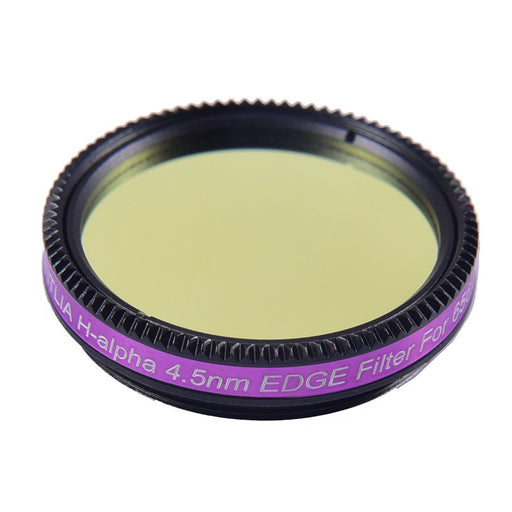
Antlia Filtre à bande étroite H-alpha Edge de 4.5nm
Options available
8 variants in stock
Le filtre à bande étroite Antlia H-alpha EDGE optimise le FWHM (pleine largeur demi-maximum) à une bande passante de 4,5 nm. La suppression de la...
Afficher tous les détails
Prix d'origine
$185.00
-
Prix d'origine
$350.00
Prix d'origine
$185.00
-
$350.00
$185.00
-
$350.00
Prix actuel
$185.00
Prix d'origine
$185.00
-
Prix d'origine
$350.00
Prix d'origine
$185.00
-
$350.00
$185.00
-
$350.00
Prix actuel
$185.00
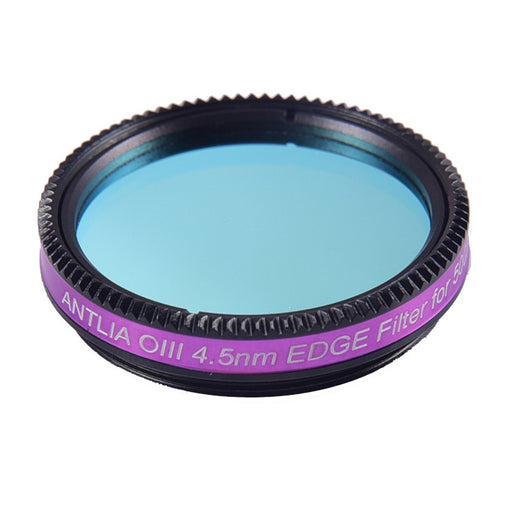
Antlia Filtre à bande étroite OIII Edge de 4.5nm
Options available
8 variants in stock
Le filtre à bande étroite Antlia OIII EDGE optimise le FWHM (pleine largeur demi-maximum) à une bande passante de 4,5 nm. La suppression de la de...
Afficher tous les détails
Prix d'origine
$185.00
-
Prix d'origine
$350.00
Prix d'origine
$185.00
-
$350.00
$185.00
-
$350.00
Prix actuel
$185.00
Prix d'origine
$185.00
-
Prix d'origine
$350.00
Prix d'origine
$185.00
-
$350.00
$185.00
-
$350.00
Prix actuel
$185.00
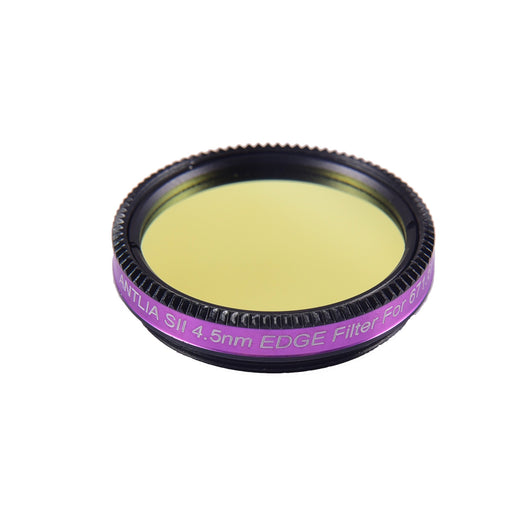
Antlia Filtre à bande étroite SII Edge de 4.5nm
Options available
7 variants in stock
Le filtre à bande étroite Antlia SII EDGE optimise le FWHM (pleine largeur demi-maximum) à une bande passante de 4,5 nm. La suppression de la den...
Afficher tous les détails
Prix d'origine
$185.00
-
Prix d'origine
$350.00
Prix d'origine
$185.00
-
$350.00
$185.00
-
$350.00
Prix actuel
$185.00
Prix d'origine
$390.00
-
Prix d'origine
$390.00
Prix d'origine
$390.00
$390.00
-
$390.00
Prix actuel
$390.00
Antlia ALP-T Dual Band Ha&OIII 3nm
ANT-ALP-T-3NM-HAOIII
4 en stock
Precise Narrowband Filtering for Exceptional Contrast Enhanced Transmission for Superior Signal-to-Noise Ratio ...
Afficher tous les détails
Prix d'origine
$390.00
-
Prix d'origine
$390.00
Prix d'origine
$390.00
$390.00
-
$390.00
Prix actuel
$390.00

Prix d'origine
$710.00
-
Prix d'origine
$710.00
Prix d'origine
$710.00
$710.00
-
$710.00
Prix actuel
$710.00
Antlia ALP-T Dual Band Ha&OIII 3nm + SII&Hb 3.5nm 2" Filter Set
ANT-ALP-T-3NM-KIT
Precise Narrowband Filtering for Exceptional Contrast Enhanced Transmission for Superior Signal-to-Noise Ratio ...
Afficher tous les détails
Prix d'origine
$710.00
-
Prix d'origine
$710.00
Prix d'origine
$710.00
$710.00
-
$710.00
Prix actuel
$710.00
Prix d'origine
$360.00
-
Prix d'origine
$360.00
Prix d'origine
$360.00
$360.00
-
$360.00
Prix actuel
$360.00
Antlia ALP-T Dual Band SII&Hβ 3.5nm
ANT-ALP-T-3NM-SIIHB
2 en stock
Precise Narrowband Filtering for Exceptional Contrast Enhanced Transmission for Superior Signal-to-Noise Ratio Anti-Reflection Coating to Reduce H...
Afficher tous les détails
Prix d'origine
$360.00
-
Prix d'origine
$360.00
Prix d'origine
$360.00
$360.00
-
$360.00
Prix actuel
$360.00
Prix d'origine
$690.00
-
Prix d'origine
$690.00
Prix d'origine
$690.00
$690.00
-
$690.00
Prix actuel
$690.00
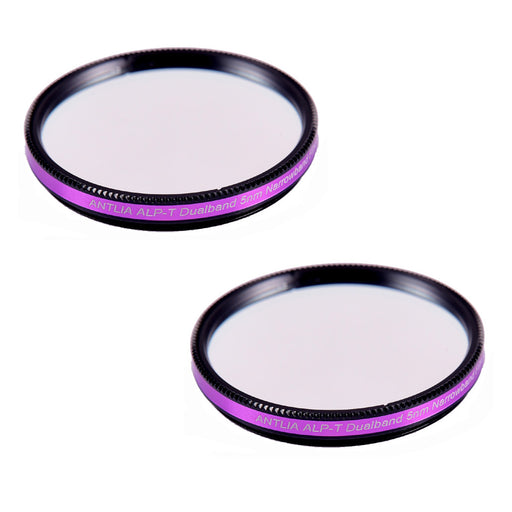
Antlia Kit de filtres duoband ALP-T 5nm Ha/OIII et SII/Hb - 2"
ANT-ALP-T-SET
Prix d'origine
$690.00
-
Prix d'origine
$690.00
Prix d'origine
$690.00
$690.00
-
$690.00
Prix actuel
$690.00
Prix d'origine
$380.00
-
Prix d'origine
$380.00
Prix d'origine
$380.00
$380.00
-
$380.00
Prix actuel
$380.00
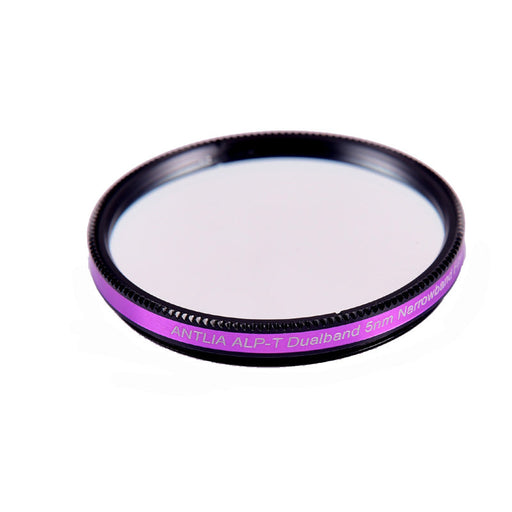
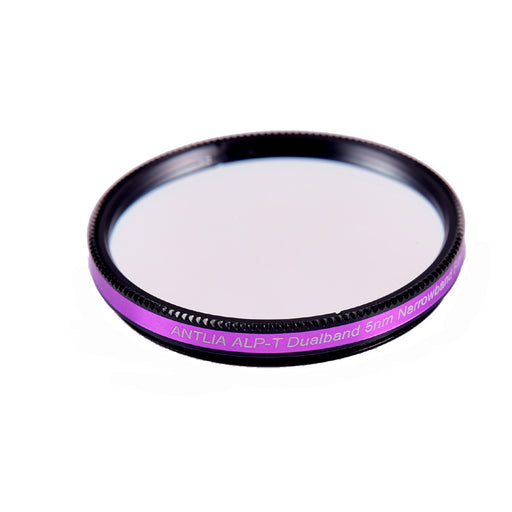
Antlia Filtre duoband ALP-T Ha/OIII de 5nm
ANT-ALP-T-2
L' Antlia ALP-T double bande 5 nm Le filtre Ha&OIII est un filtre passe-ligne double conçu pour être utilisé principalement avec les appareil...
Afficher tous les détails
Prix d'origine
$380.00
-
Prix d'origine
$380.00
Prix d'origine
$380.00
$380.00
-
$380.00
Prix actuel
$380.00
Prix d'origine
$380.00
-
Prix d'origine
$380.00
Prix d'origine
$380.00
$380.00
-
$380.00
Prix actuel
$380.00
Antlia Filtre duoband ALP-T haute vitesse Ha/OIII de 5nm
ANT-ALP-T-HS-2
Les filtres haute vitesse ALP-T double bande 5 nm sont encore optimisés pour fonctionner avec des systèmes d'imagerie à haute vitesse en décalant...
Afficher tous les détails
Prix d'origine
$380.00
-
Prix d'origine
$380.00
Prix d'origine
$380.00
$380.00
-
$380.00
Prix actuel
$380.00
Prix d'origine
$350.00
-
Prix d'origine
$350.00
Prix d'origine
$350.00
$350.00
-
$350.00
Prix actuel
$350.00
Antlia Filtre duoband ALP-T SII/Hb de 5nm
ANT-ALP-T-SII-HB-2
Le filtre SII&Hb double bande 5 nm ALP-T est un filtre passe-ligne double, qui laisse passer la ligne rouge foncé Sulphur-II et la ligne bleu...
Afficher tous les détails
Prix d'origine
$350.00
-
Prix d'origine
$350.00
Prix d'origine
$350.00
$350.00
-
$350.00
Prix actuel
$350.00
Prix d'origine
$39.00
-
Prix d'origine
$39.00
Prix d'origine
$39.00
$39.00
-
$39.00
Prix actuel
$39.00
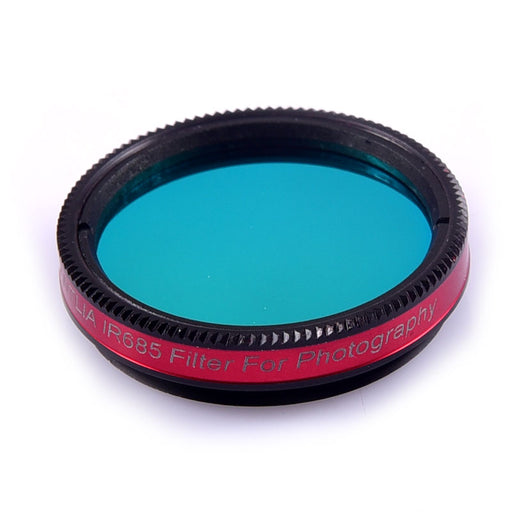
Antlia Filtre IR-Pass 685nm - 1.25"
ANT-IR685
3 en stock
Le filtre Antlia IR Pass 685 nm est un filtre absorbant qui laisse passer la lumière infrarouge avec des longueurs d'onde supérieures à 685 nm. À...
Afficher tous les détails
Prix d'origine
$39.00
-
Prix d'origine
$39.00
Prix d'origine
$39.00
$39.00
-
$39.00
Prix actuel
$39.00
Prix d'origine
$39.00
-
Prix d'origine
$39.00
Prix d'origine
$39.00
$39.00
-
$39.00
Prix actuel
$39.00
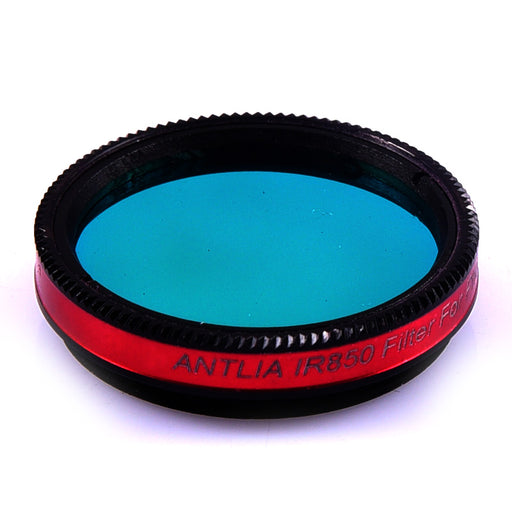
Antlia Filtre IR-Pass 850nm - 1.25"
ANT-IR850
3 en stock
Le filtre Antlia IR Pass 850 nm est un filtre absorbant qui laisse passer la lumière infrarouge avec des longueurs d'onde supérieures à 850 nm. I...
Afficher tous les détails
Prix d'origine
$39.00
-
Prix d'origine
$39.00
Prix d'origine
$39.00
$39.00
-
$39.00
Prix actuel
$39.00

Prix d'origine
$300.00
-
Prix d'origine
$600.00
Prix d'origine
$300.00
-
$600.00
$300.00
-
$600.00
Prix actuel
$300.00
Antlia Kit de filtres LRGB-V Pro
Options available
8 variants in stock
Les filtres de la série Antlia LRGB-V Pro sont conçus pour les caméras monochromes qui utilisent à la fois des capteurs CCD et CMOS. Les capteurs ...
Afficher tous les détails
Prix d'origine
$300.00
-
Prix d'origine
$600.00
Prix d'origine
$300.00
-
$600.00
$300.00
-
$600.00
Prix actuel
$300.00
Prix d'origine
$198.00
-
Prix d'origine
$198.00
Prix d'origine
$198.00
$198.00
-
$198.00
Prix actuel
$198.00
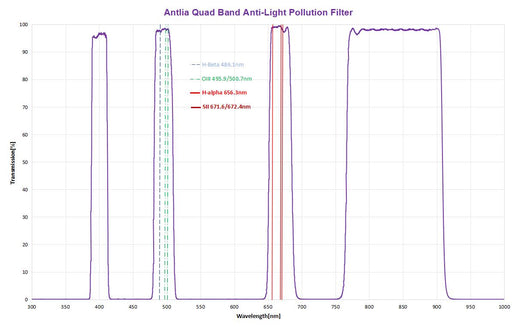
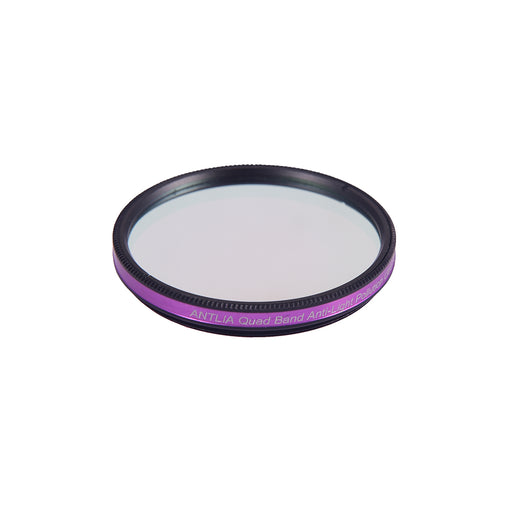
Antlia Filtre Quad Band anti-pollution lumineuse - 2"
ANT-QUAD-2
5 en stock
Le filtre anti-pollution lumineuse Antlia Quad Band est un filtre de suppression de lumière pour les caméras couleur et monochromes. Il est capabl...
Afficher tous les détails
Prix d'origine
$198.00
-
Prix d'origine
$198.00
Prix d'origine
$198.00
$198.00
-
$198.00
Prix actuel
$198.00
Prix d'origine
$179.00
-
Prix d'origine
$179.00
Prix d'origine
$179.00
$179.00
-
$179.00
Prix actuel
$179.00
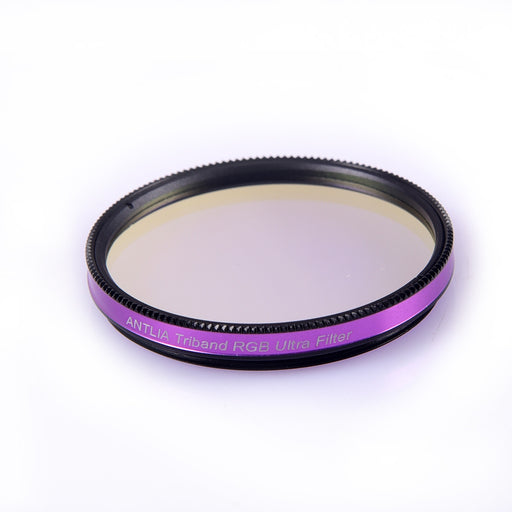
Antlia Filtre Triband RGB Ultra
ANT-TRIBAND-V2
4 en stock
Transmission améliorée pour un rapport signal sur bruit supérieur Traitement antireflet pour réduire les halos Optimisé pour les optiques rapides ...
Afficher tous les détails
Prix d'origine
$179.00
-
Prix d'origine
$179.00
Prix d'origine
$179.00
$179.00
-
$179.00
Prix actuel
$179.00

Prix d'origine
$1,186.70
-
Prix d'origine
$1,186.70
Prix d'origine
$1,186.70
$1,186.70
-
$1,186.70
Prix actuel
$1,186.70
Askar 3nm Colour Magic Ha/OIII & SII/OIII (E1+E2) Filter Package
ASK-CM-E1E2
1 en stock
Enables SHO "Hubble Palette" imaging with a one-shot-color (OSC) camera Includes two 3nm dual-bandpass filters: E1 (Hα+OIII) and E2 (SII+OIII) Iso...
Afficher tous les détails
Prix d'origine
$1,186.70
-
Prix d'origine
$1,186.70
Prix d'origine
$1,186.70
$1,186.70
-
$1,186.70
Prix actuel
$1,186.70

Prix d'origine
$605.00
-
Prix d'origine
$605.00
Prix d'origine
$605.00
$605.00
-
$605.00
Prix actuel
$605.00
Askar 3nm Colour Magic Ultra Ha/OIII E1 Filter - 2"
ASK-ASKAR2DBE1
1 en stock
Dual-bandpass for Hydrogen-alpha (656.6nm) and Oxygen-III (500.7nm) Ultra-narrow 3.7nm (Ha) and 4.0nm (OIII) FWHM bandwidths 85% peak transmittanc...
Afficher tous les détails
Prix d'origine
$605.00
-
Prix d'origine
$605.00
Prix d'origine
$605.00
$605.00
-
$605.00
Prix actuel
$605.00

Prix d'origine
$599.01
-
Prix d'origine
$599.01
Prix d'origine
$599.01
$599.01
-
$599.01
Prix actuel
$599.01
Askar 3nm Colour Magic Ultra OIII/SII E2 Filter - 2"
ASK-ASKAR2DBE2
1 en stock
Dual-bandpass design captures OIII (500.7nm) and SII (672nm) simultaneously Narrow 3.7nm (OIII) and 4.0nm (SII) FWHM for high-contrast imaging Pea...
Afficher tous les détails
Prix d'origine
$599.01
-
Prix d'origine
$599.01
Prix d'origine
$599.01
$599.01
-
$599.01
Prix actuel
$599.01