
Filtres
A filter decides what light reaches your sensor or your eye, and under Canadian suburban skies that decision often matters more than aperture. The right narrowband filter can make a nebula imageable from a driveway that visually shows almost nothing. David Astro carries filters in Canada — narrowband, LRGB, light pollution, planetary, solar and scientific — in 1.25", 2", 31 mm, 36 mm and unmounted formats, shipped from Canadian stock.
Filter selection is where our team spends a lot of time, because bandwidth, f-ratio and sensor size interact in ways that are not obvious from a product page. Tell us your telescope and camera and we will recommend a set that works together.
Prix d'origine
$55.00
-
Prix d'origine
$155.00
Prix d'origine
$55.00
-
$155.00
$55.00
-
$155.00
Prix actuel
$55.00
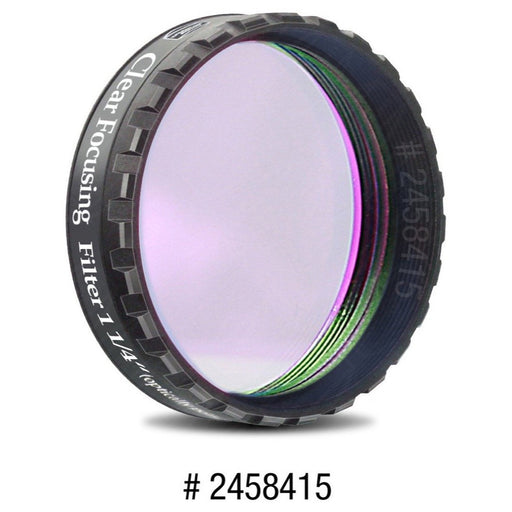
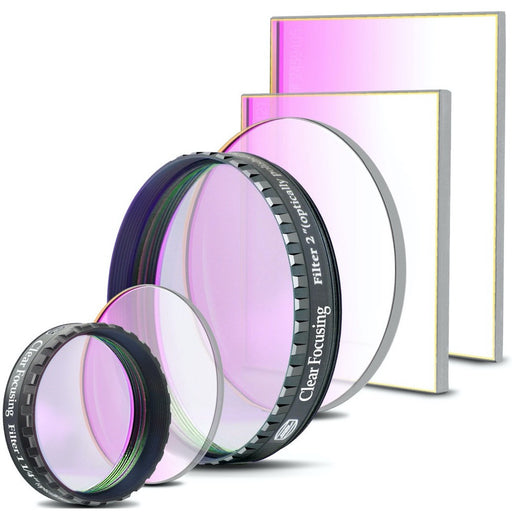
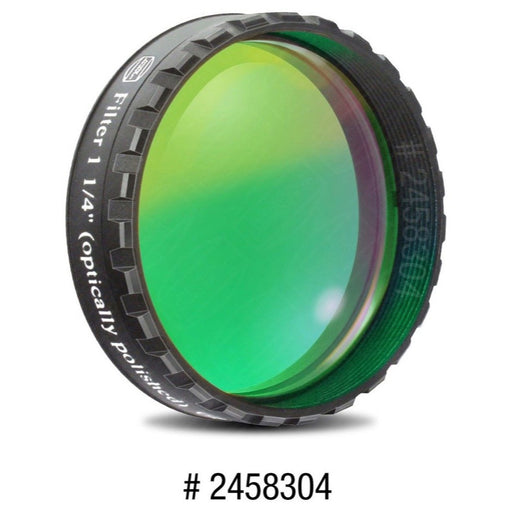
Baader Filtre Clair pour Mise au Point
Options available
1 variants in stock
Filtres en verre transparent RVB-C imperméables de qualité supérieure Baader. Les filtres en verre transparent Baader sont utilisés pour focalis...
Afficher tous les détails
Prix d'origine
$55.00
-
Prix d'origine
$155.00
Prix d'origine
$55.00
-
$155.00
$55.00
-
$155.00
Prix actuel
$55.00
Prix d'origine
$313.00
-
Prix d'origine
$447.00
Prix d'origine
$313.00
-
$447.00
$313.00
-
$447.00
Prix actuel
$313.00
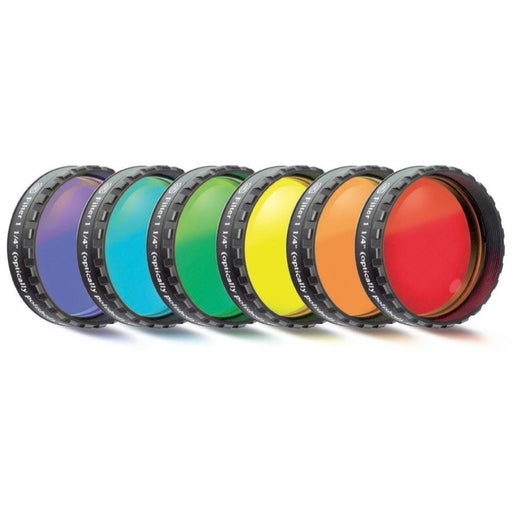
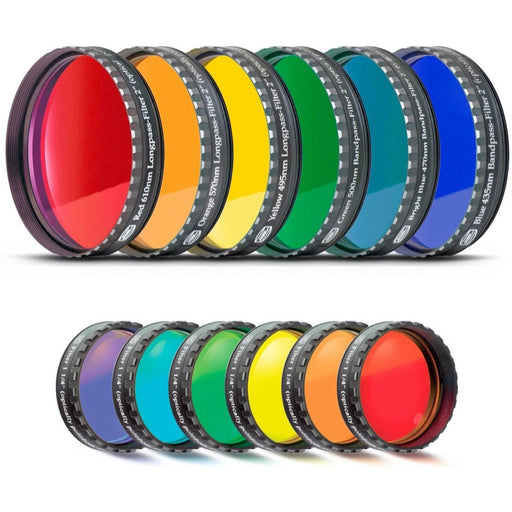
Baader Ensemble de Filtres de Couleur - 6 Couleurs
Options available
2 variants in stock
"Moins est plus!" Mieux vaut quelques filtres à hautes performances optiques produits pour les observations astronomiques que des montagnes entièr...
Afficher tous les détails
Prix d'origine
$313.00
-
Prix d'origine
$447.00
Prix d'origine
$313.00
-
$447.00
$313.00
-
$447.00
Prix actuel
$313.00
Prix d'origine
$104.00
-
Prix d'origine
$165.00
Prix d'origine
$104.00
-
$165.00
$104.00
-
$165.00
Prix actuel
$104.00
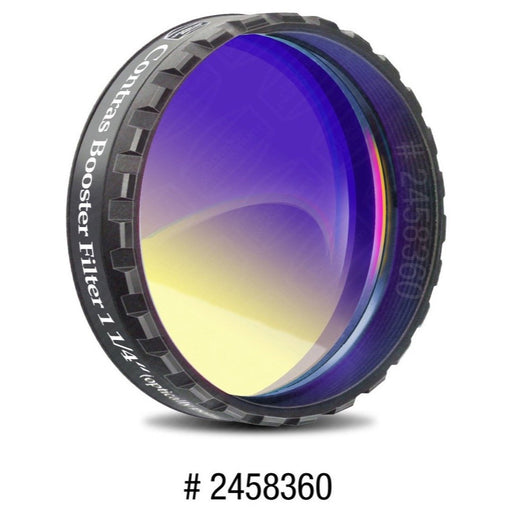
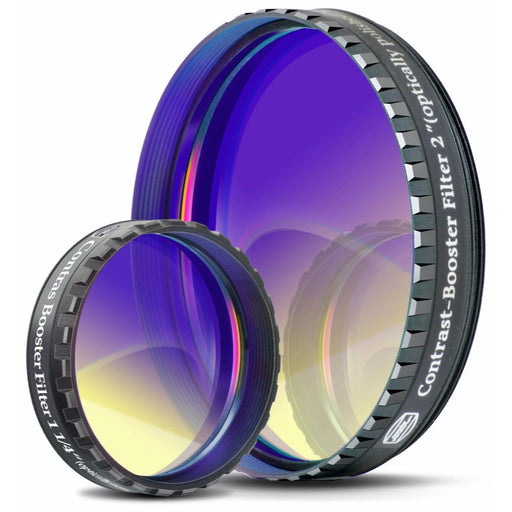
Baader Filtre Contrast-Booster
Options available
6 variants in stock
Pour l'observation solaire, utilisez uniquement en combinaison avec le film de sécurité Baader AstroSolar ! Élimine l'erreur de couleur des réf...
Afficher tous les détails
Prix d'origine
$104.00
-
Prix d'origine
$165.00
Prix d'origine
$104.00
-
$165.00
$104.00
-
$165.00
Prix actuel
$104.00

Prix d'origine
$58.00
-
Prix d'origine
$58.00
Prix d'origine
$58.00
$58.00
-
$58.00
Prix actuel
$58.00
Baader Double Support à Filtres T - 1.25"
BAA-1508030
Porte-filtre avec filetage T-2 et filetage intérieur M28,5. Un filetage externe continu T-2 avec un filetage de filtre interne de 1¼". Utilisé...
Afficher tous les détails
Prix d'origine
$58.00
-
Prix d'origine
$58.00
Prix d'origine
$58.00
$58.00
-
$58.00
Prix actuel
$58.00


Prix d'origine
$39.00
-
Prix d'origine
$39.00
Prix d'origine
$39.00
$39.00
-
$39.00
Prix actuel
$39.00
Baader Support à Filtre 2" pour DSLR - M48/SP54
BAA-2408166
Permet le montage de filtres Baader 2" Nécessite les anneaux DT Hyperion #2958028 - 2458062 et des anneaux Stepper supplémentaires M67 à M82 T...
Afficher tous les détails
Prix d'origine
$39.00
-
Prix d'origine
$39.00
Prix d'origine
$39.00
$39.00
-
$39.00
Prix actuel
$39.00
Prix d'origine
$108.00
-
Prix d'origine
$155.00
Prix d'origine
$108.00
-
$155.00
$108.00
-
$155.00
Prix actuel
$108.00
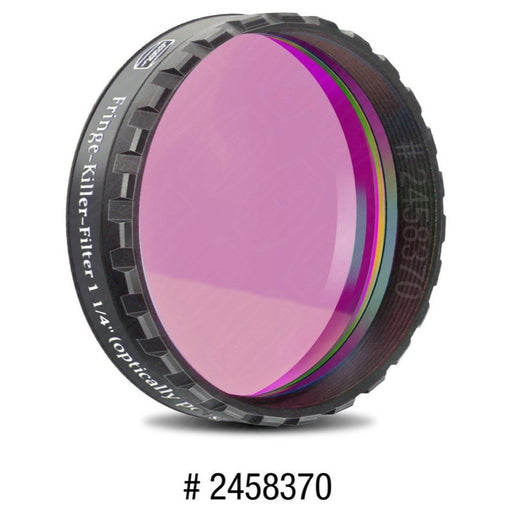
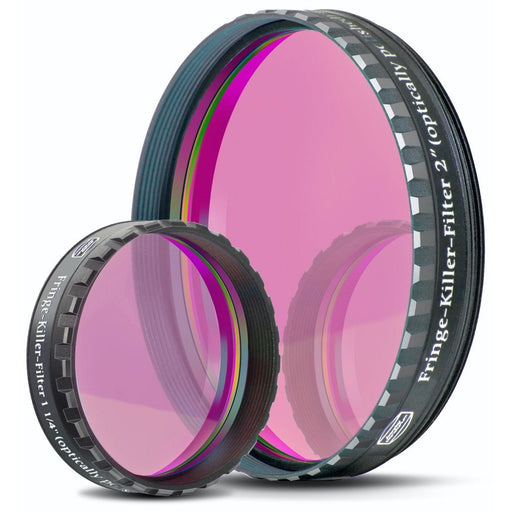
Baader Filtre Fringe-Killer
Options available
2 variants in stock
* Tel que revu dans le ciel et le télescope d'avril 2004 * Pourquoi les filtres de planétarium Baader ? Les propriétaires d'Achromat se réjouissen...
Afficher tous les détails
Prix d'origine
$108.00
-
Prix d'origine
$155.00
Prix d'origine
$108.00
-
$155.00
$108.00
-
$155.00
Prix actuel
$108.00

Prix d'origine
$109.00
-
Prix d'origine
$264.00
Prix d'origine
$109.00
-
$264.00
$109.00
-
$264.00
Prix actuel
$109.00
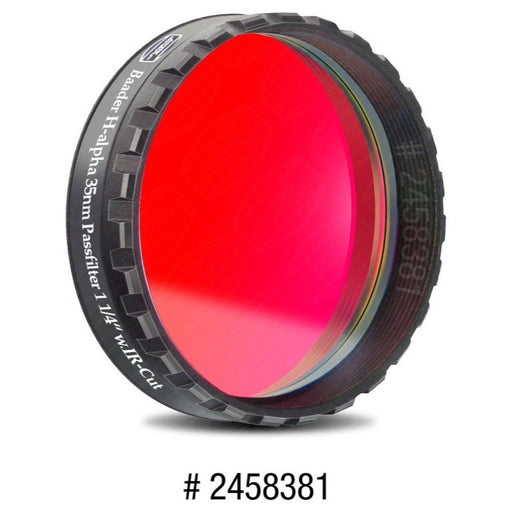
Baader Filtre H-Alpha CCD -35nm
Options available
Filtre CCD à puce interligne H-alpha de qualité supérieure pour les systèmes optiques rapides f/10 à f/2.8 IR-bloqué AUCUN halo, AUCUN reflet, ...
Afficher tous les détails
Prix d'origine
$109.00
-
Prix d'origine
$264.00
Prix d'origine
$109.00
-
$264.00
$109.00
-
$264.00
Prix actuel
$109.00
Prix d'origine
$60.00
-
Prix d'origine
$89.00
Prix d'origine
$60.00
-
$89.00
$60.00
-
$89.00
Prix actuel
$60.00
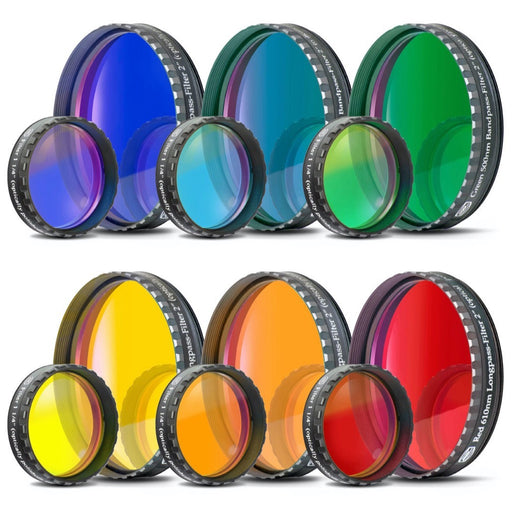
Baader Filtre de Couleur Individuel - Bleu Foncé, Bleu Vif, Vert, Jaune, Rouge, Orange
Options available
12 variants in stock
"Moins est plus!" Mieux vaut quelques filtres à hautes performances optiques produits pour les observations astronomiques que des montagnes entièr...
Afficher tous les détails
Prix d'origine
$60.00
-
Prix d'origine
$89.00
Prix d'origine
$60.00
-
$89.00
$60.00
-
$89.00
Prix actuel
$60.00
Prix d'origine
$110.00
-
Prix d'origine
$175.00
Prix d'origine
$110.00
-
$175.00
$110.00
-
$175.00
Prix actuel
$110.00
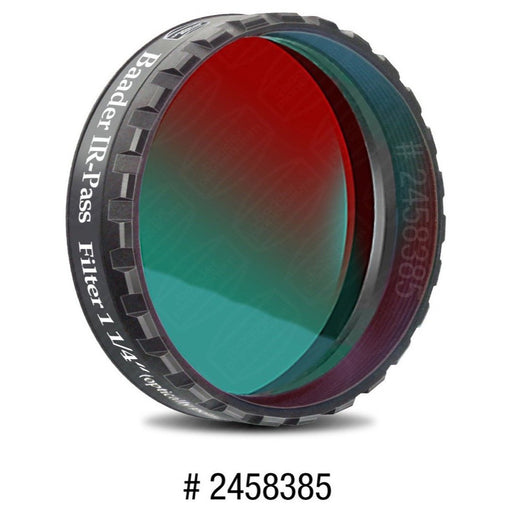
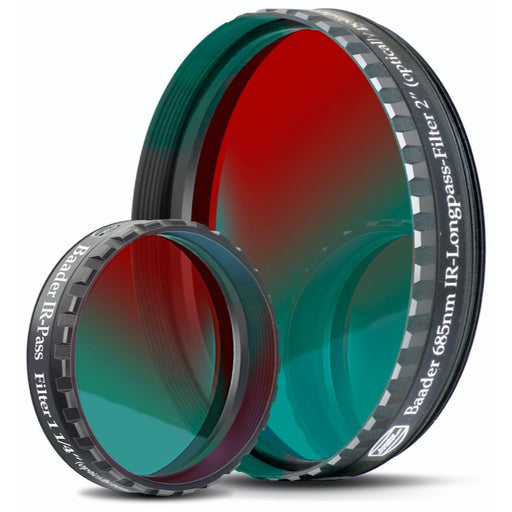
Baader Filtre Passe-Bande IR 685nm
Options available
3 variants in stock
Filtre passe-IR Baader HWB 685nm Réduit l'effet de vision résultant en une image beaucoup plus nette. Idéal pour l'imagerie et utilisé pour le ...
Afficher tous les détails
Prix d'origine
$110.00
-
Prix d'origine
$175.00
Prix d'origine
$110.00
-
$175.00
$110.00
-
$175.00
Prix actuel
$110.00
Prix d'origine
$391.00
-
Prix d'origine
$1,063.00
Prix d'origine
$391.00
-
$1,063.00
$391.00
-
$1,063.00
Prix actuel
$391.00
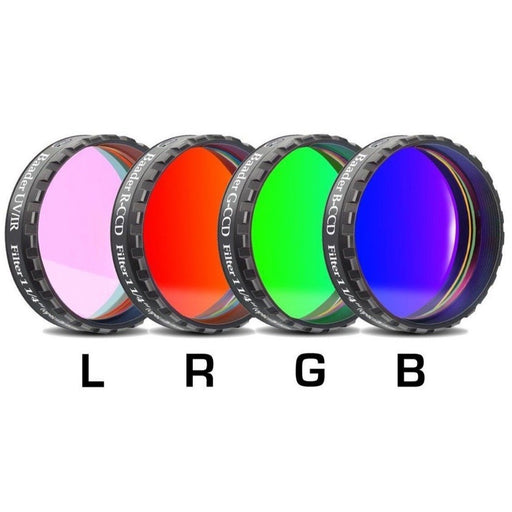
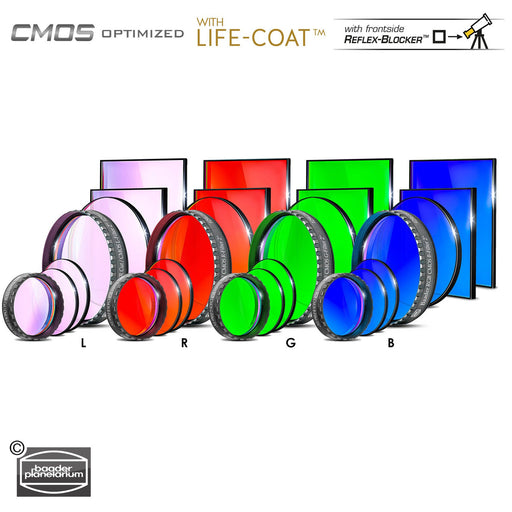
Ensemble de filtres Baader LRGB - Optimisé CMOS
Options available
Nouveaux filtres L-RGB optimisés CMOS de Baader Planetarium avec Reflex-Blocker™ et Life-Coat™. Filtre passe-bande RVB CMOS Baader RVB-R (595 –...
Afficher tous les détails
Prix d'origine
$391.00
-
Prix d'origine
$1,063.00
Prix d'origine
$391.00
-
$1,063.00
$391.00
-
$1,063.00
Prix actuel
$391.00
Prix d'origine
$300.00
-
Prix d'origine
$300.00
Prix d'origine
$300.00
$300.00
-
$300.00
Prix actuel
$300.00
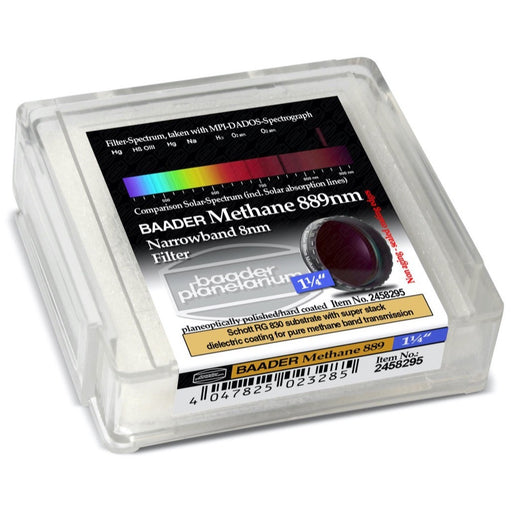
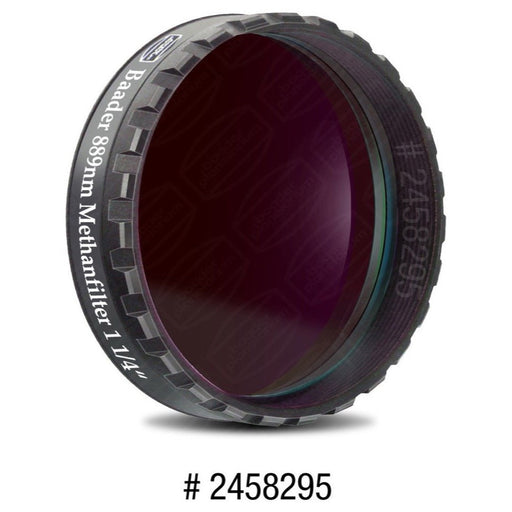
Baader Filtre Méthane 889nm - 8nm 1.25"
BAA-2458295
Substrat Schott RG 830 avec revêtement diélectrique super empilé Pour la transmission pure de la bande de méthane, l'imagerie planétaire Bords...
Afficher tous les détails
Prix d'origine
$300.00
-
Prix d'origine
$300.00
Prix d'origine
$300.00
$300.00
-
$300.00
Prix actuel
$300.00
Prix d'origine
$104.00
-
Prix d'origine
$171.00
Prix d'origine
$104.00
-
$171.00
$104.00
-
$171.00
Prix actuel
$104.00
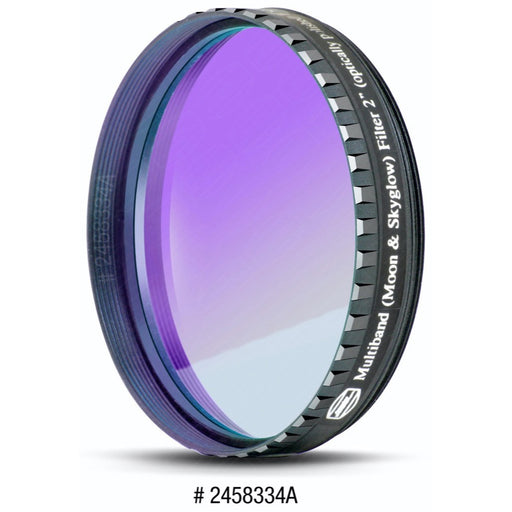
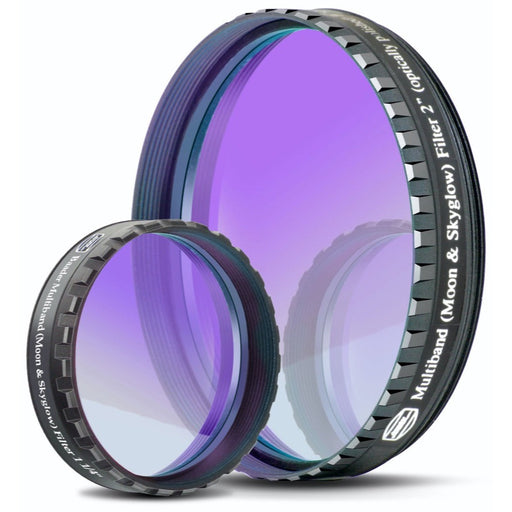
Filtre Baader Moon & Skyglow
Options available
5 variants in stock
Filtre de contraste sélectif, pour tous les télescopes réflecteurs et réfracteurs Filtre les longueurs d'onde spécifiques, en particulier celle...
Afficher tous les détails
Prix d'origine
$104.00
-
Prix d'origine
$171.00
Prix d'origine
$104.00
-
$171.00
$104.00
-
$171.00
Prix actuel
$104.00
Prix d'origine
$55.00
-
Prix d'origine
$95.00
Prix d'origine
$55.00
-
$95.00
$55.00
-
$95.00
Prix actuel
$55.00
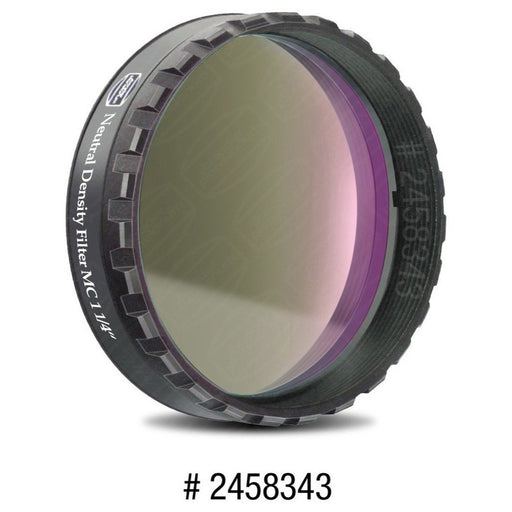
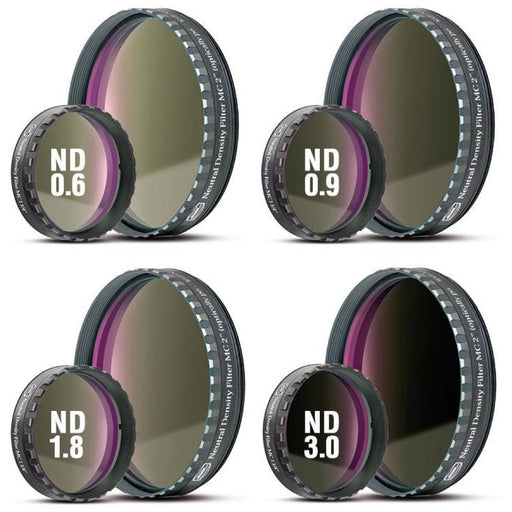
Baader Filtre de Densité Neutre - ND 0.6/0.9/1.8/3.0
Options available
6 variants in stock
Pour réduire la luminosité et pendant l'observation lunaire et solaire. Convient pour l'observation solaire uniquement en tant que post-filtre su...
Afficher tous les détails
Prix d'origine
$55.00
-
Prix d'origine
$95.00
Prix d'origine
$55.00
-
$95.00
$55.00
-
$95.00
Prix actuel
$55.00
Prix d'origine
$192.00
-
Prix d'origine
$883.00
Prix d'origine
$192.00
-
$883.00
$192.00
-
$883.00
Prix actuel
$192.00
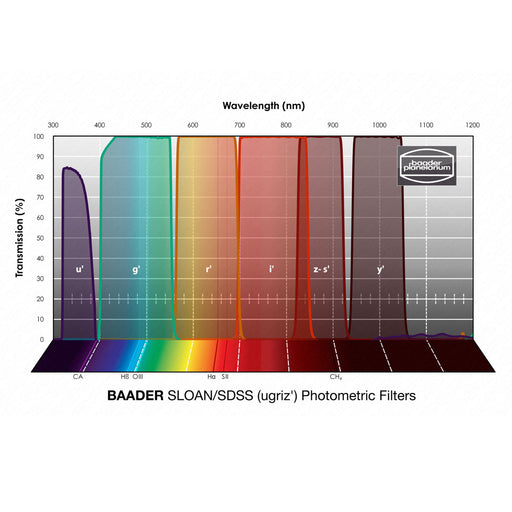
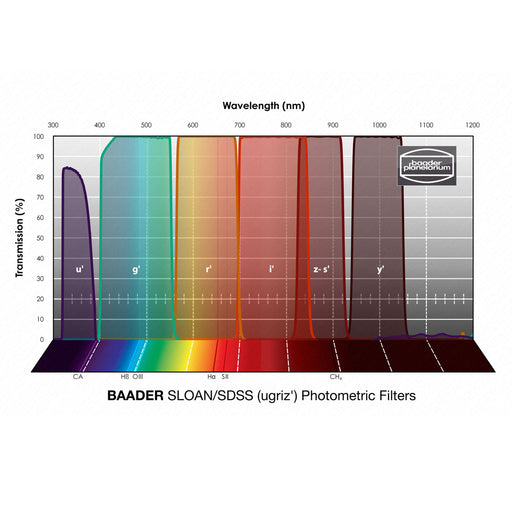
Baader Photometric SLOAN/SDSS g' Filtre Individuel
Options available
Filtre passe-bande Baader SLOAN-g' , adapté de f/15 à f/1.8 Filtre photométrique SLOAN/SDSS (ugriz') avec transmission selon la spécificat...
Afficher tous les détails
Prix d'origine
$192.00
-
Prix d'origine
$883.00
Prix d'origine
$192.00
-
$883.00
$192.00
-
$883.00
Prix actuel
$192.00
Prix d'origine
$192.00
-
Prix d'origine
$883.00
Prix d'origine
$192.00
-
$883.00
$192.00
-
$883.00
Prix actuel
$192.00
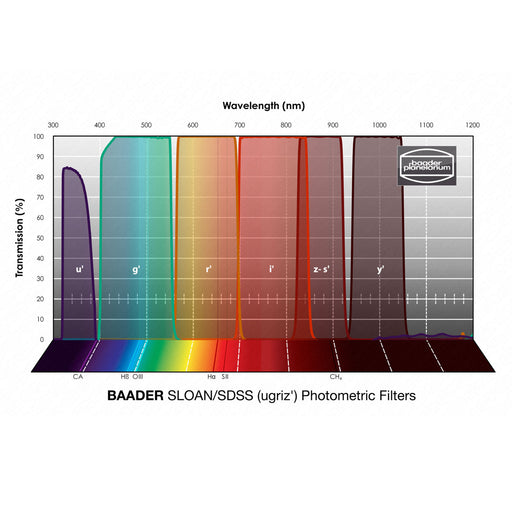
Baader Photometric SLOAN/SDSS i' Filtre individuel
Options available
Filtre passe-bande Baader SLOAN-i' , adapté de f/15 à f/1.8 Filtre photométrique SLOAN/SDSS (ugriz') avec transmission selon la spécifica...
Afficher tous les détails
Prix d'origine
$192.00
-
Prix d'origine
$883.00
Prix d'origine
$192.00
-
$883.00
$192.00
-
$883.00
Prix actuel
$192.00
Prix d'origine
$192.00
-
Prix d'origine
$883.00
Prix d'origine
$192.00
-
$883.00
$192.00
-
$883.00
Prix actuel
$192.00
Baader Photometric SLOAN/SDSS r' Filtre individuel
Options available
Filtre passe-bande Baader SLOAN-r' , adapté de f/15 à f/1.8 Filtre photométrique SLOAN/SDSS (ugriz') avec transmission selon la spécificat...
Afficher tous les détails
Prix d'origine
$192.00
-
Prix d'origine
$883.00
Prix d'origine
$192.00
-
$883.00
$192.00
-
$883.00
Prix actuel
$192.00
Prix d'origine
$199.00
-
Prix d'origine
$893.00
Prix d'origine
$199.00
-
$893.00
$199.00
-
$893.00
Prix actuel
$199.00
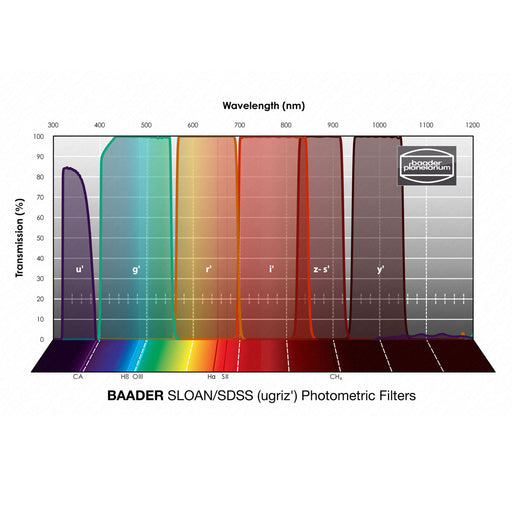
Baader Photometric SLOAN/SDSS u' Filtre Individuel
Options available
Filtre passe-bande Baader SLOAN-u' , adapté de f/15 à f/1.8 Filtre photométrique SLOAN/SDSS (ugriz') avec transmission selon la spécifica...
Afficher tous les détails
Prix d'origine
$199.00
-
Prix d'origine
$893.00
Prix d'origine
$199.00
-
$893.00
$199.00
-
$893.00
Prix actuel
$199.00
Prix d'origine
$960.00
-
Prix d'origine
$4,634.00
Prix d'origine
$960.00
-
$4,634.00
$960.00
-
$4,634.00
Prix actuel
$960.00
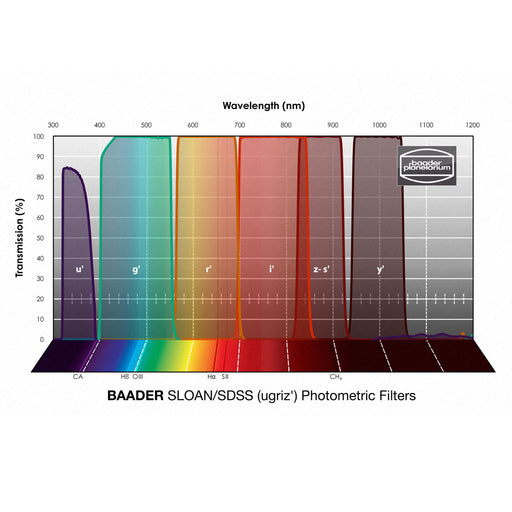
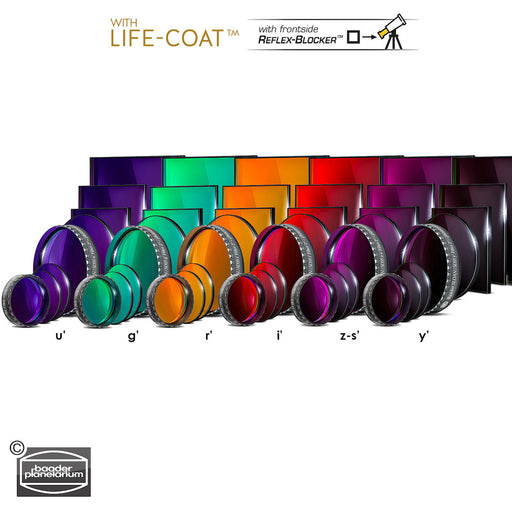
Baader Ensemble de filtres photométriques SLOAN/SDSS Ugriz'
Options available
Ensemble de filtres passe-bande Baader SLOAN , adapté de f/15 à f/1.8 Filtre photométrique SLOAN/SDSS (ugriz') avec transmission selon la ...
Afficher tous les détails
Prix d'origine
$960.00
-
Prix d'origine
$4,634.00
Prix d'origine
$960.00
-
$4,634.00
$960.00
-
$4,634.00
Prix actuel
$960.00
Prix d'origine
$182.00
-
Prix d'origine
$883.00
Prix d'origine
$182.00
-
$883.00
$182.00
-
$883.00
Prix actuel
$182.00
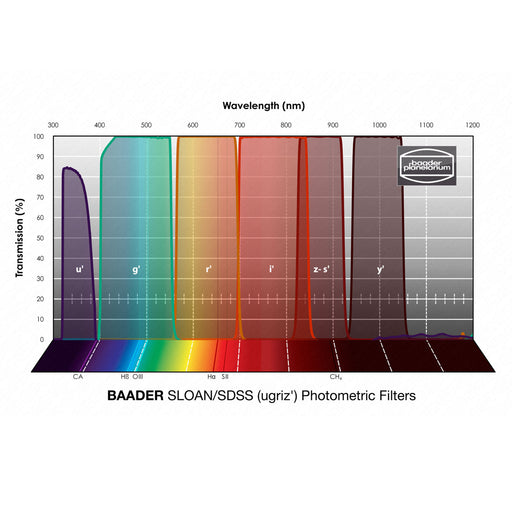
Baader Photometric SLOAN/SDSS y' Filtre individuel
Options available
Filtre passe-bande Baader SLOAN-y' , adapté de f/15 à f/1.8 Filtre photométrique SLOAN/SDSS (ugriz') avec transmission selon la spécificat...
Afficher tous les détails
Prix d'origine
$182.00
-
Prix d'origine
$883.00
Prix d'origine
$182.00
-
$883.00
$182.00
-
$883.00
Prix actuel
$182.00
Prix d'origine
$182.00
-
Prix d'origine
$883.00
Prix d'origine
$182.00
-
$883.00
$182.00
-
$883.00
Prix actuel
$182.00
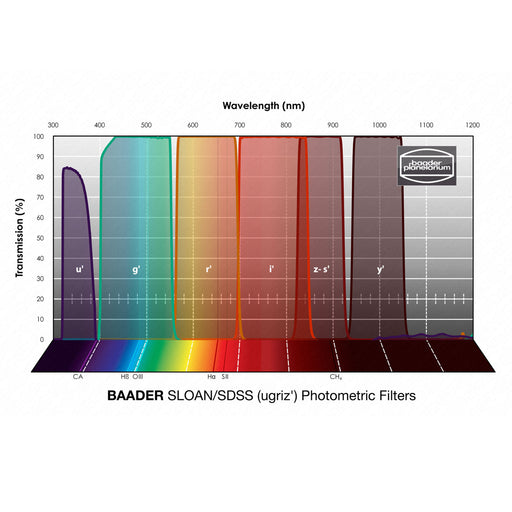
Filtre individuel photométrique SLOAN/SDSS zs de Baader
Options available
Filtre passe-bande Baader SLOAN-z-s , adapté de f/15 à f/1.8 Filtre photométrique SLOAN/SDSS (ugriz') avec transmission selon la spécifica...
Afficher tous les détails
Prix d'origine
$182.00
-
Prix d'origine
$883.00
Prix d'origine
$182.00
-
$883.00
$182.00
-
$883.00
Prix actuel
$182.00
Prix d'origine
$856.00
-
Prix d'origine
$3,863.00
Prix d'origine
$856.00
-
$3,863.00
$856.00
-
$3,863.00
Prix actuel
$856.00
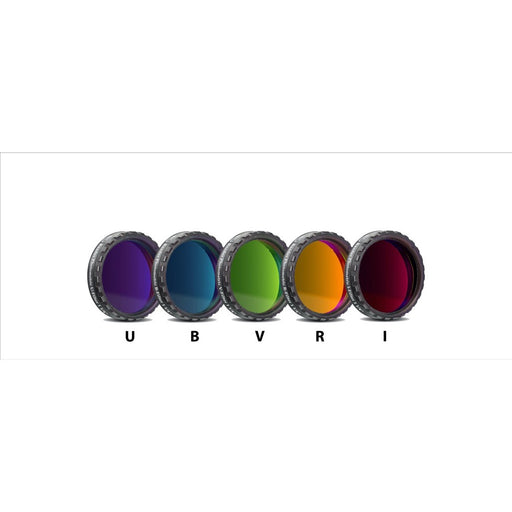
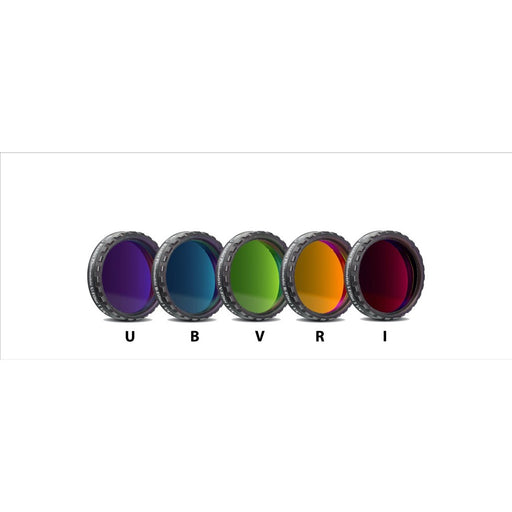
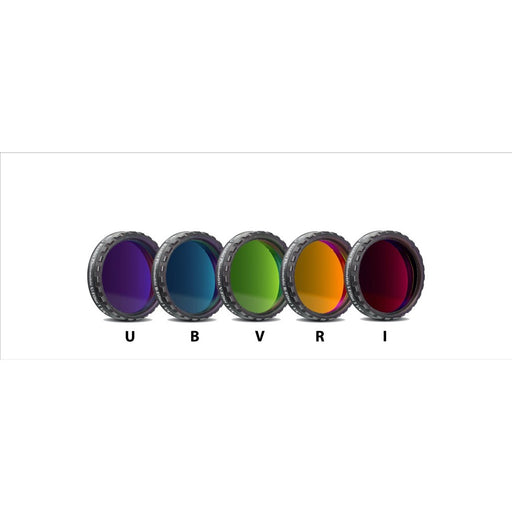
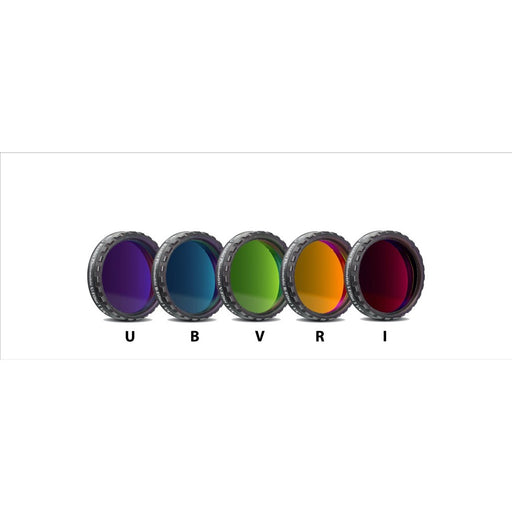
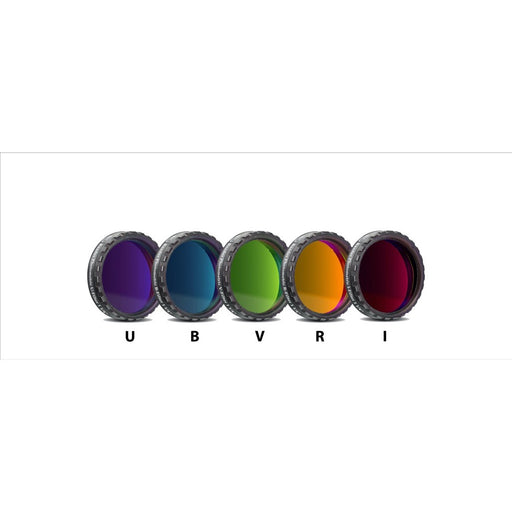
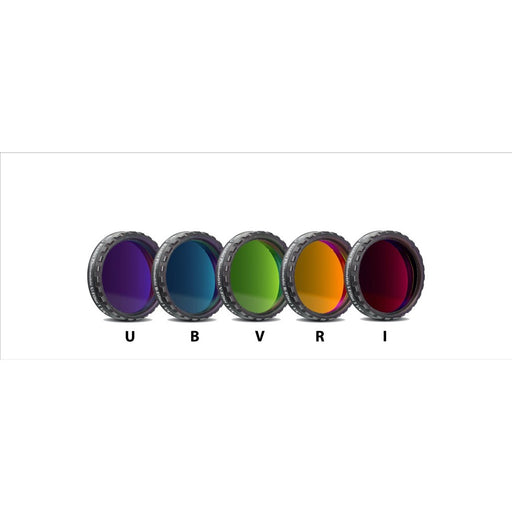
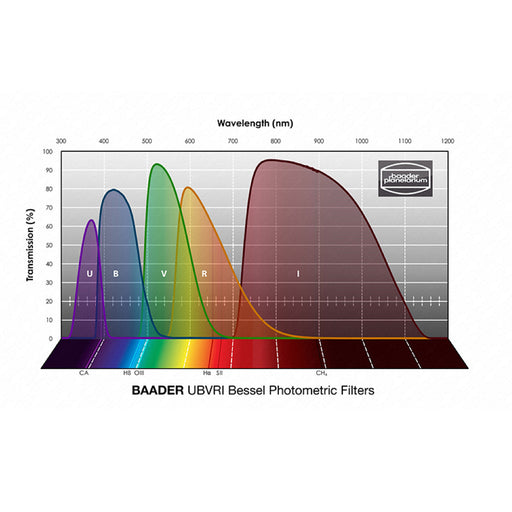
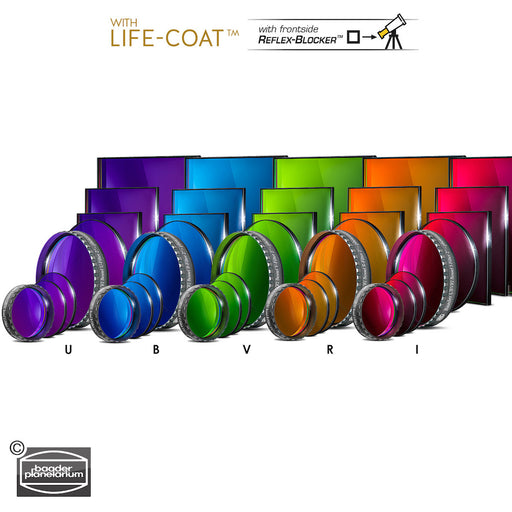
Ensemble de filtres photométriques UBVRI Baader
Options available
Ensemble de filtres passe-bande Baader UBVRI , adapté de f/15 à f/1.8 Filtre photométrique classique avec transmission selon Bessel – parf...
Afficher tous les détails
Prix d'origine
$856.00
-
Prix d'origine
$3,863.00
Prix d'origine
$856.00
-
$3,863.00
$856.00
-
$3,863.00
Prix actuel
$856.00
Prix d'origine
$183.00
-
Prix d'origine
$873.00
Prix d'origine
$183.00
-
$873.00
$183.00
-
$873.00
Prix actuel
$183.00
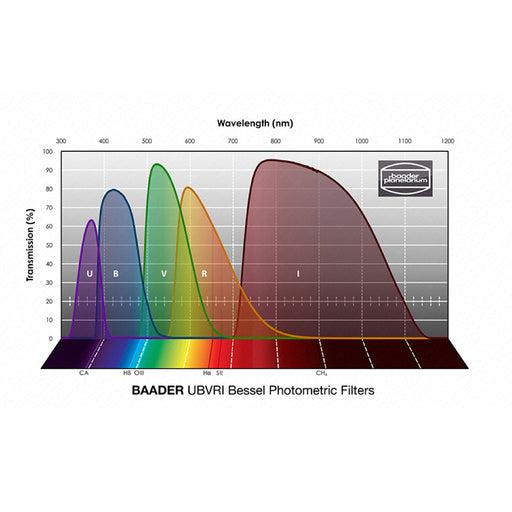
Filtre individuel photométrique UBVRI-B de Baader
Options available
Filtre passe-bande Baader UBVRI-B , adapté de f/15 à f/1.8 Filtre photométrique classique avec transmission selon Bessel – parfocal avec ...
Afficher tous les détails
Prix d'origine
$183.00
-
Prix d'origine
$873.00
Prix d'origine
$183.00
-
$873.00
$183.00
-
$873.00
Prix actuel
$183.00
Prix d'origine
$207.00
-
Prix d'origine
$940.00
Prix d'origine
$207.00
-
$940.00
$207.00
-
$940.00
Prix actuel
$207.00
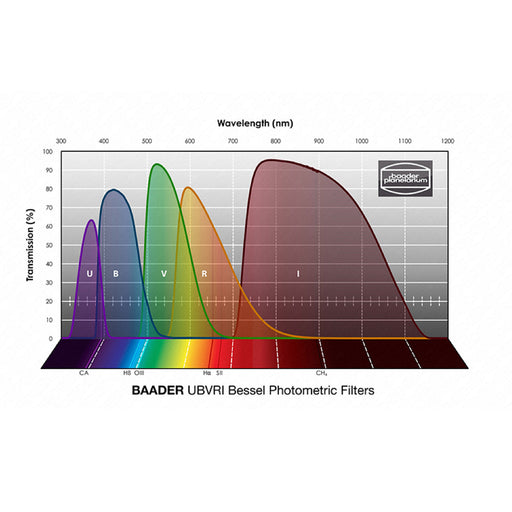
Filtre individuel photométrique UBVRI-I de Baader
Options available
Filtre passe-bande Baader UBVRI-I , adapté de f/15 à f/1.8 Filtre photométrique classique avec transmission selon Bessel – parfocal avec t...
Afficher tous les détails
Prix d'origine
$207.00
-
Prix d'origine
$940.00
Prix d'origine
$207.00
-
$940.00
$207.00
-
$940.00
Prix actuel
$207.00
Prix d'origine
$183.00
-
Prix d'origine
$873.00
Prix d'origine
$183.00
-
$873.00
$183.00
-
$873.00
Prix actuel
$183.00
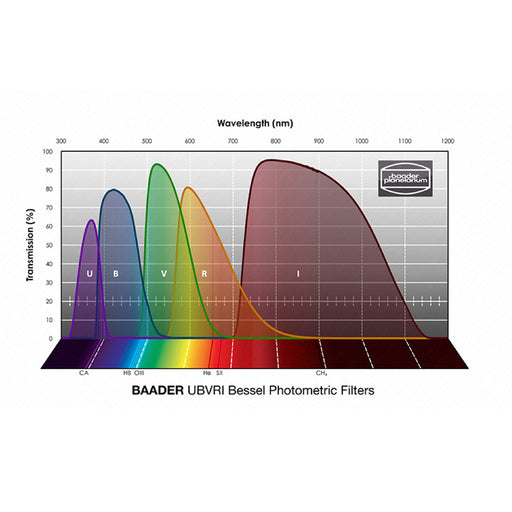
Filtre individuel photométrique UBVRI-R de Baader
Options available
Filtre passe-bande Baader UBVRI-R , adapté de f/15 à f/1.8 Filtre photométrique classique avec transmission selon Bessel – parfocal avec t...
Afficher tous les détails
Prix d'origine
$183.00
-
Prix d'origine
$873.00
Prix d'origine
$183.00
-
$873.00
$183.00
-
$873.00
Prix actuel
$183.00