
Filtres d'astrophotographie
Not every imaging filter is narrowband or LRGB. Ultraviolet and infrared cut filters, luminance filters, methane band filters for planetary work and dedicated infrared pass filters each solve a specific problem, and several of them are more useful than their obscurity suggests. David Astro carries imaging filters in Canada, in Canadian inventory and shipped domestically.
These filters address particular situations rather than general imaging. Tell us what problem you are seeing and we will say whether one of them fixes it.


Prix d'origine
$199.00
-
Prix d'origine
$199.00
Prix d'origine
$199.00
$199.00
-
$199.00
Prix actuel
$199.00
Optolong L-Quad Enhance Filter
OPT-14702
3 en stock
Quad-bandpass design for color cameras Suppresses light pollution with OD2-OD4 blocking depth Maintains sharpness with a λ/4 transmitted wavefront...
Afficher tous les détails
Prix d'origine
$199.00
-
Prix d'origine
$199.00
Prix d'origine
$199.00
$199.00
-
$199.00
Prix actuel
$199.00

Prix d'origine
$309.00
-
Prix d'origine
$309.00
Prix d'origine
$309.00
$309.00
-
$309.00
Prix actuel
$309.00
Optolong L-Synergy 7nm SII/OIII Dual Narrowband Filter
OPT-LSYNERGY
2 en stock
Captures Sulfur-II and Oxygen-III Emission Lines Simultaneously Engineered for Hubble Palette (SHO) Imaging with Color Cameras Strict 7nm Bandpass...
Afficher tous les détails
Prix d'origine
$309.00
-
Prix d'origine
$309.00
Prix d'origine
$309.00
$309.00
-
$309.00
Prix actuel
$309.00


Prix d'origine
$289.00
-
Prix d'origine
$389.00
Prix d'origine
$289.00
-
$389.00
$289.00
-
$389.00
Prix actuel
$289.00
Optolong Filtre L-Ultimate Ha/OIII 3nm
Options available
14 variants in stock
Réduction extrême de la pollution lumineuse Bandes passantes ultra étroites de 3 nm Isole les émissions clés H-alpha et OIII Offre un contraste su...
Afficher tous les détails
Prix d'origine
$289.00
-
Prix d'origine
$389.00
Prix d'origine
$289.00
-
$389.00
$289.00
-
$389.00
Prix actuel
$289.00

Prix d'origine
$369.00
-
Prix d'origine
$569.00
Prix d'origine
$369.00
-
$569.00
$369.00
-
$569.00
Prix actuel
$369.00
Optolong LRGB + H-Alpha 7nm Filter Set
Options available
Complete 5-Filter LRGB and H-Alpha Set 7nm H-Alpha Filter Centered at 656.3nm Blocks 589nm Sodium Light Pollution Line High Transmission for Natur...
Afficher tous les détails
Prix d'origine
$369.00
-
Prix d'origine
$569.00
Prix d'origine
$369.00
-
$569.00
$369.00
-
$569.00
Prix actuel
$369.00
Prix d'origine
$249.00
-
Prix d'origine
$359.00
Prix d'origine
$249.00
-
$359.00
$249.00
-
$359.00
Prix actuel
$249.00
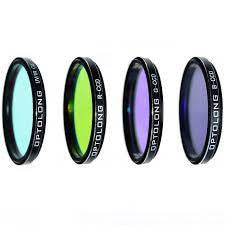
Ensemble de filtres Optolong LRGB
Options available
9 variants in stock
Le jeu de filtres Optolong LRGB est conçu pour un contraste maximal et avec des gradients extrêmement élevés pour une différenciation claire des c...
Afficher tous les détails
Prix d'origine
$249.00
-
Prix d'origine
$359.00
Prix d'origine
$249.00
-
$359.00
$249.00
-
$359.00
Prix actuel
$249.00
Prix d'origine
$665.00
-
Prix d'origine
$1,009.00
Prix d'origine
$665.00
-
$1,009.00
$665.00
-
$1,009.00
Prix actuel
$665.00
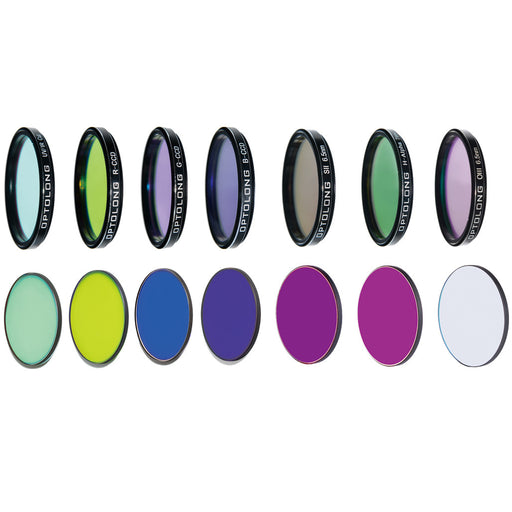
Ensemble de filtres Optolong LRGB, Ha, OIII et SII
Options available
3 variants in stock
Le jeu de filtres Optolong LRGB est conçu pour un contraste maximal et avec des gradients extrêmement élevés pour une différenciation claire des co...
Afficher tous les détails
Prix d'origine
$665.00
-
Prix d'origine
$1,009.00
Prix d'origine
$665.00
-
$1,009.00
$665.00
-
$1,009.00
Prix actuel
$665.00


Prix d'origine
$79.00
-
Prix d'origine
$119.00
Prix d'origine
$79.00
-
$119.00
$79.00
-
$119.00
Prix actuel
$79.00
Optolong Night Sky H-Alpha IR Pass Filter
Options available
Passes Infrared Light >650nm Blocks Visible Light from 300-570nm Average Transmission >90% 1.85mm Thick Optical Glass Substrate λ/4 Transmit...
Afficher tous les détails
Prix d'origine
$79.00
-
Prix d'origine
$119.00
Prix d'origine
$79.00
-
$119.00
$79.00
-
$119.00
Prix actuel
$79.00


Prix d'origine
$339.00
-
Prix d'origine
$419.00
Prix d'origine
$339.00
-
$419.00
$339.00
-
$419.00
Prix actuel
$339.00
Optolong OIII 3nm Narrowband Filter
Options available
1 variants in stock
3nm Spectral Bandpass 500nm Central Wavelength (OIII) Ion-Assisted Multi-Layer Coatings Optimized for Monochrome Cameras Available in 2" Mounted o...
Afficher tous les détails
Prix d'origine
$339.00
-
Prix d'origine
$419.00
Prix d'origine
$339.00
-
$419.00
$339.00
-
$419.00
Prix actuel
$339.00


Prix d'origine
$159.00
-
Prix d'origine
$229.00
Prix d'origine
$159.00
-
$229.00
$159.00
-
$229.00
Prix actuel
$159.00
Optolong OIII 6.5nm Narrowband Filter
Options available
3 variants in stock
6.5nm Narrowband OIII Filter Centered on 500nm Wavelength Captures both 495.9nm and 500.7nm Emission Lines Blocks Light Pollution and Skyglow Idea...
Afficher tous les détails
Prix d'origine
$159.00
-
Prix d'origine
$229.00
Prix d'origine
$159.00
-
$229.00
$159.00
-
$229.00
Prix actuel
$159.00


Prix d'origine
$339.00
-
Prix d'origine
$419.00
Prix d'origine
$339.00
-
$419.00
$339.00
-
$419.00
Prix actuel
$339.00
Optolong SII 3nm Narrowband Filter
Options available
1 variants in stock
Isolates the Sulfur-II (SII) emission line for astrophotography Extremely narrow 3nm bandpass for maximum contrast Drastically reduces skyglow and...
Afficher tous les détails
Prix d'origine
$339.00
-
Prix d'origine
$419.00
Prix d'origine
$339.00
-
$419.00
$339.00
-
$419.00
Prix actuel
$339.00


Prix d'origine
$159.00
-
Prix d'origine
$229.00
Prix d'origine
$159.00
-
$229.00
$159.00
-
$229.00
Prix actuel
$159.00
Optolong SII 6.5nm Narrowband Filter
Options available
3 variants in stock
Isolates the Sulfur-II (SII) emission line at 672nm Tight 6.5nm bandpass for maximum contrast Enables imaging in heavily light-polluted skies and ...
Afficher tous les détails
Prix d'origine
$159.00
-
Prix d'origine
$229.00
Prix d'origine
$159.00
-
$229.00
$159.00
-
$229.00
Prix actuel
$159.00
Prix d'origine
$44.00
-
Prix d'origine
$65.00
Prix d'origine
$44.00
-
$65.00
$44.00
-
$65.00
Prix actuel
$44.00
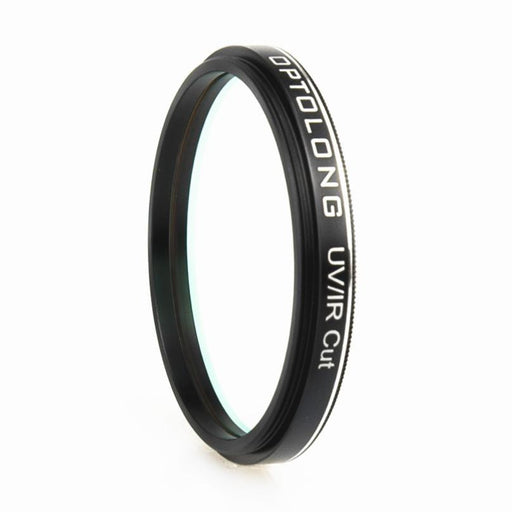
Filtre anti-UV/IR Optolong
Options available
13 variants in stock
Le filtre Optolong UV/IR Cut est conçu pour le blocage des longueurs d'onde ultraviolettes et infrarouges afin d'améliorer la netteté de l'image c...
Afficher tous les détails
Prix d'origine
$44.00
-
Prix d'origine
$65.00
Prix d'origine
$44.00
-
$65.00
$44.00
-
$65.00
Prix actuel
$44.00

Prix d'origine
$336.00
-
Prix d'origine
$336.00
Prix d'origine
$336.00
$336.00
-
$336.00
Prix actuel
$336.00
Pegasus Astro LRGB Filter Set - 2"
PEG-FLTR-2M-LRGB
Complete 4-filter LRGB set for broadband deep-sky imaging Standard 2-inch mounted format for wide compatibility Guaranteed 1/4 wavefront optical p...
Afficher tous les détails
Prix d'origine
$336.00
-
Prix d'origine
$336.00
Prix d'origine
$336.00
$336.00
-
$336.00
Prix actuel
$336.00

Prix d'origine
$499.00
-
Prix d'origine
$499.00
Prix d'origine
$499.00
$499.00
-
$499.00
Prix actuel
$499.00
Player One Anti-Halo PRO Dual-Band Ha/OIII Filter - 2"
POA-AHP-HO-2
Advanced Halo Suppression: Specifically engineered to eliminate halos around even the brightest stars. Dual-Band Ha+OIII Design: Captures hydrog...
Afficher tous les détails
Prix d'origine
$499.00
-
Prix d'origine
$499.00
Prix d'origine
$499.00
$499.00
-
$499.00
Prix actuel
$499.00


Prix d'origine
$129.00
-
Prix d'origine
$249.00
Prix d'origine
$129.00
-
$249.00
$129.00
-
$249.00
Prix actuel
$129.00
Player One Ha 7nm Narrowband Filter S-series
Options available
7nm Hydrogen-alpha (Ha) Narrowband Filter Available in 1.25" Threaded Cell and 2" Round Mounted Formats Optimized for Monochrome CMOS/CCD Cameras ...
Afficher tous les détails
Prix d'origine
$129.00
-
Prix d'origine
$249.00
Prix d'origine
$129.00
-
$249.00
$129.00
-
$249.00
Prix actuel
$129.00

Prix d'origine
$28.00
-
Prix d'origine
$28.00
Prix d'origine
$28.00
$28.00
-
$28.00
Prix actuel
$28.00
Player One IR685nm IR-Pass Filter S-series - 1.25"
POA-IR685
Passes infrared light with wavelengths greater than 685nm Standard 1.25" filter format for broad compatibility Significantly improves image stabil...
Afficher tous les détails
Prix d'origine
$28.00
-
Prix d'origine
$28.00
Prix d'origine
$28.00
$28.00
-
$28.00
Prix actuel
$28.00

Prix d'origine
$28.00
-
Prix d'origine
$28.00
Prix d'origine
$28.00
$28.00
-
$28.00
Prix actuel
$28.00
Player One IR850nm IR-Pass Filter S-series - 1.25"
POA-IR850
Passes Infrared Light at 850nm Standard 1.25" Filter Size Blocks Visible and Ultraviolet Light High-Quality Optical Glass Substrate Multi-Layer An...
Afficher tous les détails
Prix d'origine
$28.00
-
Prix d'origine
$28.00
Prix d'origine
$28.00
$28.00
-
$28.00
Prix actuel
$28.00


Prix d'origine
$148.00
-
Prix d'origine
$299.00
Prix d'origine
$148.00
-
$299.00
$148.00
-
$299.00
Prix actuel
$148.00
Player One LRGB Filter S-series
Options available
LRGB filter set for monochrome astrophotography Available in 1.25" and 2" sizes (2" round mounted for larger sensors) Constructed from high-qualit...
Afficher tous les détails
Prix d'origine
$148.00
-
Prix d'origine
$299.00
Prix d'origine
$148.00
-
$299.00
$148.00
-
$299.00
Prix actuel
$148.00


Prix d'origine
$129.00
-
Prix d'origine
$249.00
Prix d'origine
$129.00
-
$249.00
$129.00
-
$249.00
Prix actuel
$129.00
Player One OIII 7nm Narrowband Filter S-series
Options available
Oxygen-III (OIII) 7nm Narrowband Filter Available in 1.25" and 2" Sizes for Narrowband Astrophotography High-Transmission, Multi-Layer Coatings Hi...
Afficher tous les détails
Prix d'origine
$129.00
-
Prix d'origine
$249.00
Prix d'origine
$129.00
-
$249.00
$129.00
-
$249.00
Prix actuel
$129.00


Prix d'origine
$129.00
-
Prix d'origine
$249.00
Prix d'origine
$129.00
-
$249.00
$129.00
-
$249.00
Prix actuel
$129.00
Player One SII 7nm Narrowband Filter S-series
Options available
Sulfur-II (SII) Narrowband Filter 7nm Narrowband Passband Available in 1.25" and 2" Mounted Formats Optimized for High-Contrast Astrophotography A...
Afficher tous les détails
Prix d'origine
$129.00
-
Prix d'origine
$249.00
Prix d'origine
$129.00
-
$249.00
$129.00
-
$249.00
Prix actuel
$129.00

Prix d'origine
$59.00
-
Prix d'origine
$59.00
Prix d'origine
$59.00
$59.00
-
$59.00
Prix actuel
$59.00
Player One UV/IR-Cut Anti-Halo Filter - 2"
POA-AH-UV-IR-CUT-2
2 en stock
Blocks unwanted Ultraviolet (UV) and Infrared (IR) wavelengths Features advanced anti-halo coatings to minimize reflections Standard 2" filter cel...
Afficher tous les détails
Prix d'origine
$59.00
-
Prix d'origine
$59.00
Prix d'origine
$59.00
$59.00
-
$59.00
Prix actuel
$59.00

Prix d'origine
$22.00
-
Prix d'origine
$22.00
Prix d'origine
$22.00
$22.00
-
$22.00
Prix actuel
$22.00
Player One UV/IR-Cut S-Series Filter - 1.25"
POA-UV-IR-CUT-125
3 en stock
Corrects Color Balance for Color Cameras Blocks Unwanted Ultraviolet (UV) and Infrared (IR) Light Enhances Contrast for Lunar and Solar Imaging Hi...
Afficher tous les détails
Prix d'origine
$22.00
-
Prix d'origine
$22.00
Prix d'origine
$22.00
$22.00
-
$22.00
Prix actuel
$22.00
Prix d'origine
$149.00
-
Prix d'origine
$149.00
Prix d'origine
$149.00
$149.00
-
$149.00
Prix actuel
$149.00
Player One UVenus UV-Pass Filter E-series - 1.25"
POA-UV125E
Reveals Cloud Detail on Venus UV-Pass Band Optimized for Planetary Imaging E-Series High-Quality Optical Glass Substrate 1.25" Mounted Filter Form...
Afficher tous les détails
Prix d'origine
$149.00
-
Prix d'origine
$149.00
Prix d'origine
$149.00
$149.00
-
$149.00
Prix actuel
$149.00
Prix d'origine
$150.00
-
Prix d'origine
$150.00
Prix d'origine
$150.00
$150.00
-
$150.00
Prix actuel
$150.00
QHYCCD 1200-1800nm SWIR Filter
QHY-040028
1200-1800nm SWIR Bandpass Designed for QHYCCD InGaAs Cameras Compatible with QHY990 Series Description FAQ Specifications In the Box Warranty ...
Afficher tous les détails
Prix d'origine
$150.00
-
Prix d'origine
$150.00
Prix d'origine
$150.00
$150.00
-
$150.00
Prix actuel
$150.00