

Réfracteurs
Refractors earn their following through consistency. A sealed lens system holds collimation indefinitely, cools quickly, gives high-contrast views without a central obstruction, and — in modern apochromatic form — produces the clean, round stars that make wide-field astrophotography look effortless. David Astro carries refractors in Canada, from compact 50 mm travel astrographs to large apochromatic triplets, shipping from Canadian stock.
We image with refractors under Canadian skies and can speak to the practical differences between doublets and triplets, and between glass types, in terms of what actually shows in a finished image rather than what appears on a specification sheet.


Prix d'origine
$4,198.00
-
Prix d'origine
$4,198.00
Prix d'origine
$4,198.00
$4,198.00
-
$4,198.00
Prix actuel
$4,198.00
William Optics Pleiades 111 Astrographe F/4.8 7 éléments WIFD
WO-T-P-111BU
Conception du réfracteur APO à 7 éléments Rapport focale rapide F/4,8 Conception de champ d'image large (WIFD) Portable et polyvalent ...
Afficher tous les détails
Prix d'origine
$4,198.00
-
Prix d'origine
$4,198.00
Prix d'origine
$4,198.00
$4,198.00
-
$4,198.00
Prix actuel
$4,198.00


Prix d'origine
$19,998.00
-
Prix d'origine
$19,998.00
Prix d'origine
$19,998.00
$19,998.00
-
$19,998.00
Prix actuel
$19,998.00
William Optics Pleiades 181 Astrograph F/5.5 7 éléments avec 3 lunettes ED
WO-T-P-181RD
APO à 7 éléments avec conception de réfracteur à 3 lunettes ED Rapport focale rapide F/5,5 Portable et polyvalent Description Car...
Afficher tous les détails
Prix d'origine
$19,998.00
-
Prix d'origine
$19,998.00
Prix d'origine
$19,998.00
$19,998.00
-
$19,998.00
Prix actuel
$19,998.00


Prix d'origine
$2,198.00
-
Prix d'origine
$2,198.00
Prix d'origine
$2,198.00
$2,198.00
-
$2,198.00
Prix actuel
$2,198.00
William Optics Pleiades 68 Astrographe F/3.8 7 éléments WIFD
WO-T-P-68BU
Conception du réfracteur APO à 7 éléments Rapport focale rapide F/3,8 Conception du porte-oculaire interne WO (WIFD) Portable et polyvalent...
Afficher tous les détails
Prix d'origine
$2,198.00
-
Prix d'origine
$2,198.00
Prix d'origine
$2,198.00
$2,198.00
-
$2,198.00
Prix actuel
$2,198.00
Prix d'origine
$888.00
-
Prix d'origine
$888.00
Prix d'origine
$888.00
$888.00
-
$888.00
Prix actuel
$888.00
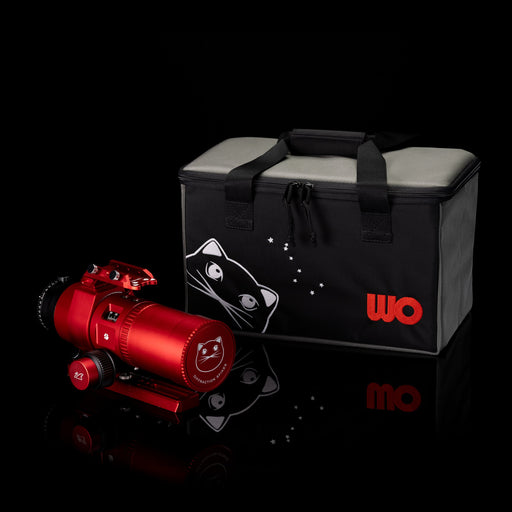
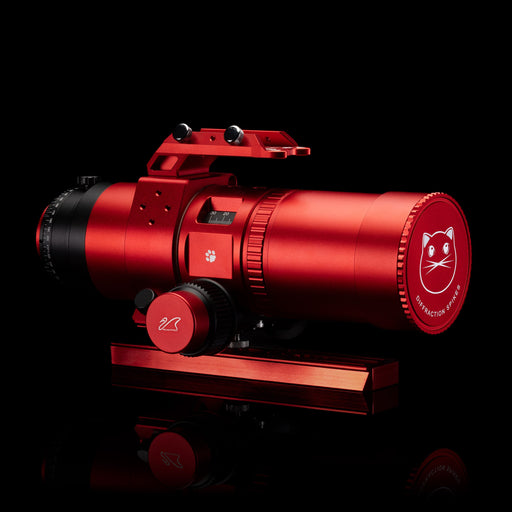
William Optics Redcat 51 WIFD
WO-L-RC51RDIII
2 en stock
Lunette Petzval 51 mm à 4 éléments Distance focale de 250 mm - rapport focal f/4,9 Cercle d'image de 48 mm - Aucun aplatisseur de champ requi...
Afficher tous les détails
Prix d'origine
$888.00
-
Prix d'origine
$888.00
Prix d'origine
$888.00
$888.00
-
$888.00
Prix actuel
$888.00


Prix d'origine
$1,098.00
-
Prix d'origine
$1,098.00
Prix d'origine
$1,098.00
$1,098.00
-
$1,098.00
Prix actuel
$1,098.00
William Optics RedCat 61 WIFD
WO-T-C-61RD
1 en stock
Lunette Petzval 51 mm à 4 éléments Focale de 300 mm - rapport focal f/4,9 Cercle d'image de 46 mm - Aucun aplatisseur de champ requis C...
Afficher tous les détails
Prix d'origine
$1,098.00
-
Prix d'origine
$1,098.00
Prix d'origine
$1,098.00
$1,098.00
-
$1,098.00
Prix actuel
$1,098.00


Prix d'origine
$1,398.00
-
Prix d'origine
$1,398.00
Prix d'origine
$1,398.00
$1,398.00
-
$1,398.00
Prix actuel
$1,398.00
William Optics Redcat 71 WIFD
WO-T-C-71RDII
APO de 71 mm Rapport focale rapide F/4.9 Portable et polyvalent Description Caractéristiques Dans la boite Libérez votr...
Afficher tous les détails
Prix d'origine
$1,398.00
-
Prix d'origine
$1,398.00
Prix d'origine
$1,398.00
$1,398.00
-
$1,398.00
Prix actuel
$1,398.00


Prix d'origine
$5,398.00
-
Prix d'origine
$5,398.00
Prix d'origine
$5,398.00
$5,398.00
-
$5,398.00
Prix actuel
$5,398.00
William Optics Ultra-Cat 131 f/4.9 Petzval Astrograph
WO-T-C-131BR
131mm Aperture 648mm Focal Length (f/4.9) 5-Element Advanced Petzval Optical Design 60mm Flat-Field Image Circle Patented WIFD Internal Focuser 13...
Afficher tous les détails
Prix d'origine
$5,398.00
-
Prix d'origine
$5,398.00
Prix d'origine
$5,398.00
$5,398.00
-
$5,398.00
Prix actuel
$5,398.00

Prix d'origine
$3,998.00
-
Prix d'origine
$3,998.00
Prix d'origine
$3,998.00
$3,998.00
-
$3,998.00
Prix actuel
$3,998.00
William Optics UltraCat 108 f/4.8 WIFD
WO-T-C-108BR
1 en stock
108mm Aperture, 5-Element Advanced Petzval Optical Design Fast f/4.8 Focal Ratio with 518mm Focal Length Massive 60mm Flat-Field Image Circle Pate...
Afficher tous les détails
Prix d'origine
$3,998.00
-
Prix d'origine
$3,998.00
Prix d'origine
$3,998.00
$3,998.00
-
$3,998.00
Prix actuel
$3,998.00

Prix d'origine
$1,398.00
-
Prix d'origine
$1,398.00
Prix d'origine
$1,398.00
$1,398.00
-
$1,398.00
Prix actuel
$1,398.00
William Optics UltraCat 56 f/4.8 WIFD
WO-T-C-56BR
6 en stock
56mm Aperture, 269mm Focal Length (f/4.8) 5-Element Advanced Petzval Optical Design 50mm Image Circle for Full-Frame Sensors William Optics Intern...
Afficher tous les détails
Prix d'origine
$1,398.00
-
Prix d'origine
$1,398.00
Prix d'origine
$1,398.00
$1,398.00
-
$1,398.00
Prix actuel
$1,398.00

Prix d'origine
$2,198.00
-
Prix d'origine
$2,198.00
Prix d'origine
$2,198.00
$2,198.00
-
$2,198.00
Prix actuel
$2,198.00
William Optics UltraCat 76 f/4.8 WIFD
WO-T-C-76BR
2 en stock
76 mm Aperture, 365 mm Focal Length (f/4.8) 5-Element Advanced Petzval Optical Design 50 mm Corrected Image Circle William Optics Internal Focusin...
Afficher tous les détails
Prix d'origine
$2,198.00
-
Prix d'origine
$2,198.00
Prix d'origine
$2,198.00
$2,198.00
-
$2,198.00
Prix actuel
$2,198.00


Prix d'origine
$682.34
-
Prix d'origine
$697.00
Prix d'origine
$682.34
-
$697.00
$682.34
-
$697.00
Prix actuel
$682.34
William Optics Zenithstar 61 II Doublet APO
Options available
APO de 61 mm utilisant du verre FPL-53 Rapport focale rapide F/5.9 Portable et polyvalent Description Caractéristiques Dans la b...
Afficher tous les détails
Prix d'origine
$682.34
-
Prix d'origine
$697.00
Prix d'origine
$682.34
-
$697.00
$682.34
-
$697.00
Prix actuel
$682.34


Prix d'origine
$999.00
-
Prix d'origine
$1,098.00
Prix d'origine
$999.00
-
$1,098.00
$999.00
-
$1,098.00
Prix actuel
$999.00
William Optics Zenithstar 81 WIFD Telescope
Options available
Patented William Optics Internal Focus Design (WIFD) Rigid M92 Rear Thread with M63 Adapter Included Vixen/Arca-Swiss Dual-Sided Mounting Plate In...
Afficher tous les détails
Prix d'origine
$999.00
-
Prix d'origine
$1,098.00
Prix d'origine
$999.00
-
$1,098.00
$999.00
-
$1,098.00
Prix actuel
$999.00


Prix d'origine
$1,499.00
-
Prix d'origine
$1,499.00
Prix d'origine
$1,499.00
$1,499.00
-
$1,499.00
Prix actuel
$1,499.00
ZWO Lunette quadruplet FF110-APO 110mm F/7.0
ZWO-FF110-APO
1 en stock
Ouverture de 110mm Focale de 766mm (f/7) Optique apochromatique à 4 éléments Aplanisseur de champ intégré Porte-oculaire 3" double vitesse Poids d...
Afficher tous les détails
Prix d'origine
$1,499.00
-
Prix d'origine
$1,499.00
Prix d'origine
$1,499.00
$1,499.00
-
$1,499.00
Prix actuel
$1,499.00


Prix d'origine
$1,999.00
-
Prix d'origine
$1,999.00
Prix d'origine
$1,999.00
$1,999.00
-
$1,999.00
Prix actuel
$1,999.00
ZWO Lunette quadruplet FF131-APO 131mm F/7.5
ZWO-FF131-APO
1 en stock
Ouverture de 131mm Focale de 983mm (f/7.5) Formule quadruplet à 4 éléments à lame d'air Porte-oculaire à crémaillère double vitesse de 3" Poids de...
Afficher tous les détails
Prix d'origine
$1,999.00
-
Prix d'origine
$1,999.00
Prix d'origine
$1,999.00
$1,999.00
-
$1,999.00
Prix actuel
$1,999.00


Prix d'origine
$599.00
-
Prix d'origine
$599.00
Prix d'origine
$599.00
$599.00
-
$599.00
Prix actuel
$599.00
ZWO Lunette quadruplet FF70-APO 70mm F/7.0
ZWO-FF70-APO
2 en stock
Ouverture de 70mm Focale de 490mm (f/7) Formule optique quadruplet à 4 lentilles Aplanisseur de champ intégré Porte-oculaire à crémaillère 2.4" do...
Afficher tous les détails
Prix d'origine
$599.00
-
Prix d'origine
$599.00
Prix d'origine
$599.00
$599.00
-
$599.00
Prix actuel
$599.00


Prix d'origine
$999.00
-
Prix d'origine
$999.00
Prix d'origine
$999.00
$999.00
-
$999.00
Prix actuel
$999.00
ZWO Lunette quadruplet FF90-APO 90mm F/6.8
ZWO-FF90-APO
Ouverture de 90mm Focale de 609mm (f/6.8) Formule optique quadruplet à 4 éléments Porte-oculaire à crémaillère 3" double vitesse Poids de 9.97 lb ...
Afficher tous les détails
Prix d'origine
$999.00
-
Prix d'origine
$999.00
Prix d'origine
$999.00
$999.00
-
$999.00
Prix actuel
$999.00