
Filtres d'observation
Visual filters are designed for the eye rather than a sensor, and the difference matters. Human night vision is most sensitive around 500 nm, so a visual nebula filter is tuned to pass what your dark-adapted eye can actually detect, while an imaging filter is tuned to what silicon records. David Astro carries visual filters in Canada, held in Canadian stock.
Aperture determines how much filtering you can afford to lose light to. Tell us your telescope and targets and we will recommend accordingly.


Prix d'origine
$179.99
-
Prix d'origine
$179.99
Prix d'origine
$179.99
$179.99
-
$179.99
Prix actuel
$179.99
Explore Scientific 2" Variable Polarizing Filter
ES-310250
2" Filter Barrel Size Continuously Variable Brightness Ideal for Lunar, Planetary, and Solar Observing Neutral Gray Color Rendition Stackable with...
Afficher tous les détails
Prix d'origine
$179.99
-
Prix d'origine
$179.99
Prix d'origine
$179.99
$179.99
-
$179.99
Prix actuel
$179.99
Prix d'origine
$179.99
-
Prix d'origine
$179.99
Prix d'origine
$179.99
$179.99
-
$179.99
Prix actuel
$179.99
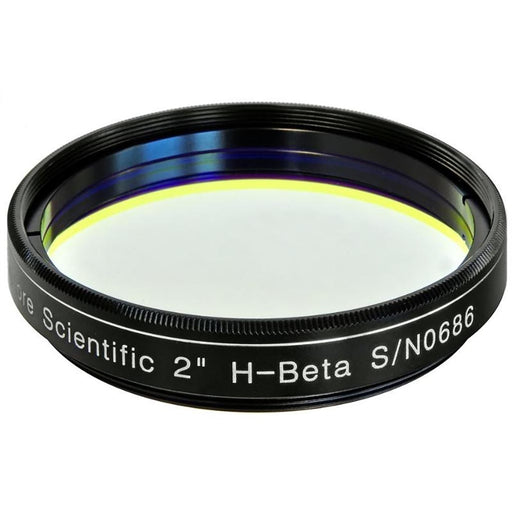
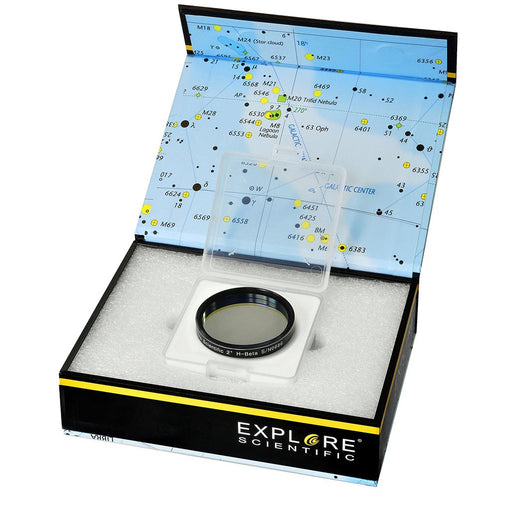
Explore Scientific Filtre pour Nébuleuses H-Beta - 2.0"
ES-310230
Filtre de nébuleuse Explore Scientific H-Beta - 2,0"
Prix d'origine
$179.99
-
Prix d'origine
$179.99
Prix d'origine
$179.99
$179.99
-
$179.99
Prix actuel
$179.99
Prix d'origine
$49.99
-
Prix d'origine
$49.99
Prix d'origine
$49.99
$49.99
-
$49.99
Prix actuel
$49.99
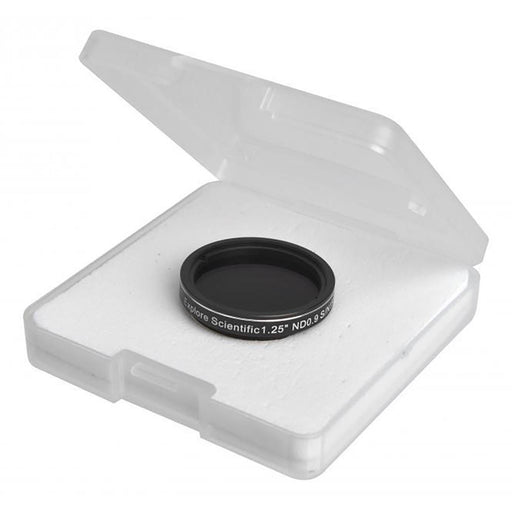
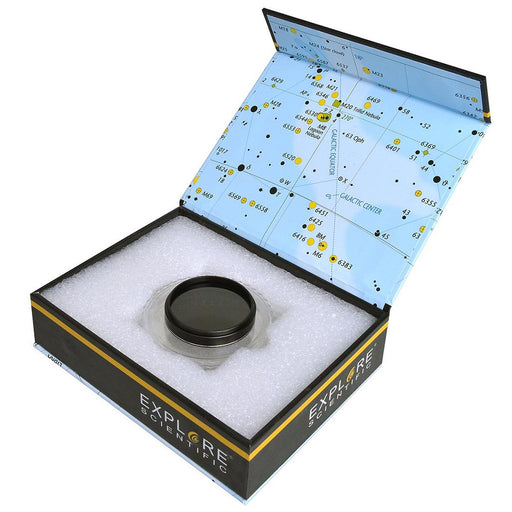
Explore Scientific Filtre à Densité Neutre ND 0.9 - 1.25"
ES-310245
1 en stock
Explore Scientific Filtre à densité neutre ND 0,9 - 1,25"
Prix d'origine
$49.99
-
Prix d'origine
$49.99
Prix d'origine
$49.99
$49.99
-
$49.99
Prix actuel
$49.99

Prix d'origine
$14.00
-
Prix d'origine
$14.00
Prix d'origine
$14.00
$14.00
-
$14.00
Prix actuel
$14.00
iOptron Green Moon Filter
IOP-TFE100
Enhances contrast on lunar and planetary features Reduces glare for more comfortable viewing Improves detail in Martian polar caps and dust storms...
Afficher tous les détails
Prix d'origine
$14.00
-
Prix d'origine
$14.00
Prix d'origine
$14.00
$14.00
-
$14.00
Prix actuel
$14.00
Prix d'origine
$58.30
-
Prix d'origine
$60.50
Prix d'origine
$58.30
-
$60.50
$58.30
-
$60.50
Prix actuel
$58.30
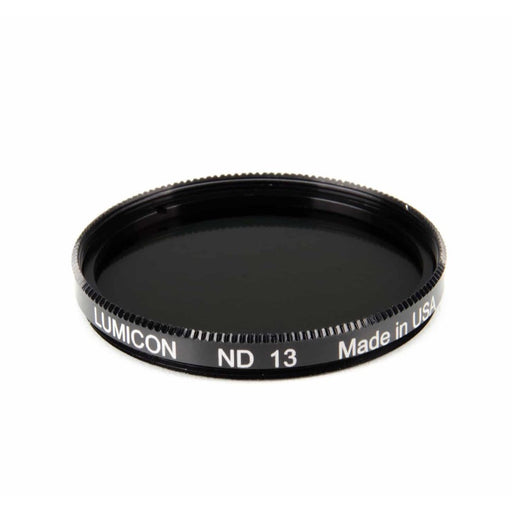
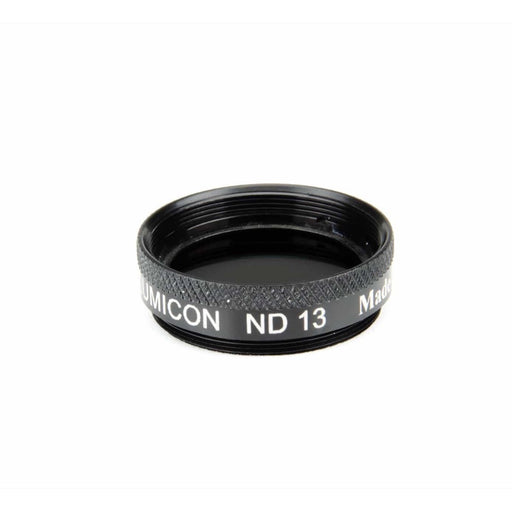
Lumicon Filtre de Densité Neutre
Options available
1 variants in stock
ND13 Le filtre Lumicon Neutral Density 13 atténuera l'éblouissement de la pleine lune et permettra plus de détails planétaires que jamais ! Le Lu...
Afficher tous les détails
Prix d'origine
$58.30
-
Prix d'origine
$60.50
Prix d'origine
$58.30
-
$60.50
$58.30
-
$60.50
Prix actuel
$58.30
Prix d'origine
$26.00
-
Prix d'origine
$32.00
Prix d'origine
$26.00
-
$32.00
$26.00
-
$32.00
Prix actuel
$26.00
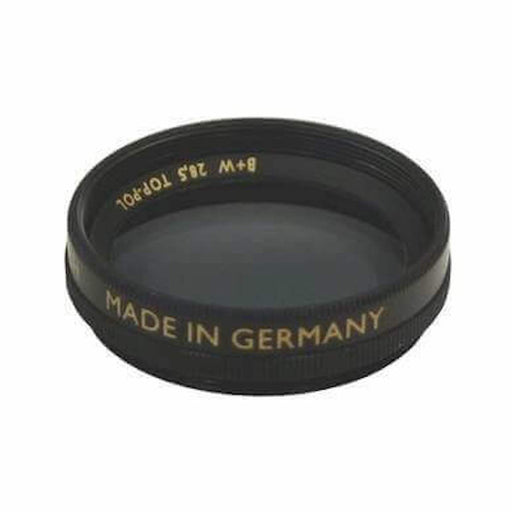
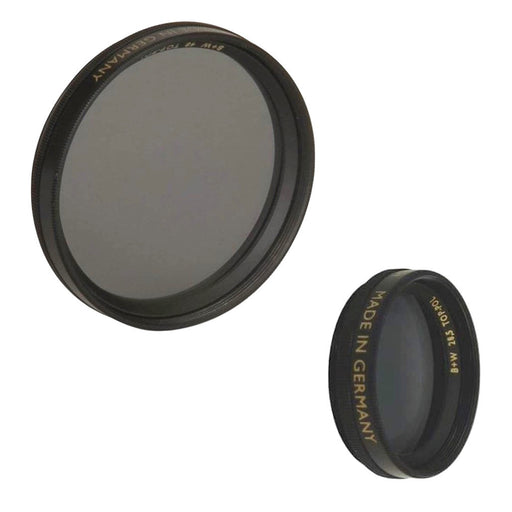
Lunt Filtre Polarisant
Options available
Un filtre polarisant aidera à contrôler la luminosité de l'image du soleil lors de l'utilisation visuelle d'un Lunt White Light Wedge. Choisisse...
Afficher tous les détails
Prix d'origine
$26.00
-
Prix d'origine
$32.00
Prix d'origine
$26.00
-
$32.00
$26.00
-
$32.00
Prix actuel
$26.00


Prix d'origine
$32.00
-
Prix d'origine
$48.00
Prix d'origine
$32.00
-
$48.00
$32.00
-
$48.00
Prix actuel
$32.00
Optolong Moon & Skyglow Filter
Options available
Blocks over 99% of common light pollution emission lines Maintains over 90% average transmission for bright, detailed views λ/4 transmitted wavefr...
Afficher tous les détails
Prix d'origine
$32.00
-
Prix d'origine
$48.00
Prix d'origine
$32.00
-
$48.00
$32.00
-
$48.00
Prix actuel
$32.00


Prix d'origine
$79.00
-
Prix d'origine
$108.00
Prix d'origine
$79.00
-
$108.00
$79.00
-
$108.00
Prix actuel
$79.00
Optolong OIII 18nm Nebula Filter
Options available
2 variants in stock
18nm Bandpass Centered on OIII Emission Lines (500nm) Greater than 80% Average Light Transmission (Tave) Blocks >99% of Major Light Pollution L...
Afficher tous les détails
Prix d'origine
$79.00
-
Prix d'origine
$108.00
Prix d'origine
$79.00
-
$108.00
$79.00
-
$108.00
Prix actuel
$79.00
Prix d'origine
$55.00
-
Prix d'origine
$115.00
Prix d'origine
$55.00
-
$115.00
$55.00
-
$115.00
Prix actuel
$55.00
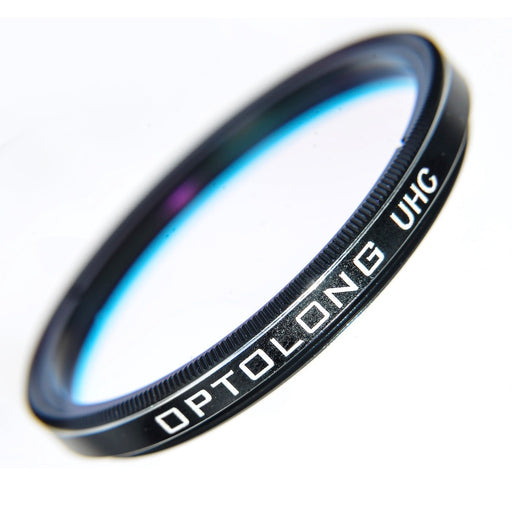
Filtre UHC Optolong
Options available
9 variants in stock
Optolong UHC avec une bande passante plus étroite offre un contraste plus élevé. Ainsi, il est plus adapté à l'environnement urbain où vous souffr...
Afficher tous les détails
Prix d'origine
$55.00
-
Prix d'origine
$115.00
Prix d'origine
$55.00
-
$115.00
$55.00
-
$115.00
Prix actuel
$55.00

Prix d'origine
$39.00
-
Prix d'origine
$48.00
Prix d'origine
$39.00
-
$48.00
$39.00
-
$48.00
Prix actuel
$39.00
Optolong Variable Polarizing Filter
Options available
3 variants in stock
Continuously Variable Light Transmission Available in 1.25" and 2" Barrel Sizes Ideal for Lunar, Planetary, and Terrestrial Viewing Reduces Glare ...
Afficher tous les détails
Prix d'origine
$39.00
-
Prix d'origine
$48.00
Prix d'origine
$39.00
-
$48.00
$39.00
-
$48.00
Prix actuel
$39.00
Prix d'origine
$129.00
-
Prix d'origine
$129.00
Prix d'origine
$129.00
$129.00
-
$129.00
Prix actuel
$129.00
Player One CH4 8nm Filter E-series - 1.25"
POA-CH4-125E
Isolates the 8nm methane (CH4) absorption band Standard 1.25″ filter cell format Optimized for modern CMOS and CCD planetary cameras E-series feat...
Afficher tous les détails
Prix d'origine
$129.00
-
Prix d'origine
$129.00
Prix d'origine
$129.00
$129.00
-
$129.00
Prix actuel
$129.00


Prix d'origine
$11.99
-
Prix d'origine
$15.99
Prix d'origine
$11.99
-
$15.99
$11.99
-
$15.99
Prix actuel
$11.99
SVBONY Linear Polarizer Filter
Options available
Reduces light transmission to a comfortable 13% for lunar viewing Standard 1.25-inch barrel size fits most eyepieces and accessories Threads into ...
Afficher tous les détails
Prix d'origine
$11.99
-
Prix d'origine
$15.99
Prix d'origine
$11.99
-
$15.99
$11.99
-
$15.99
Prix actuel
$11.99


Prix d'origine
$11.39
-
Prix d'origine
$14.39
Prix d'origine
$11.39
-
$14.39
$11.39
-
$14.39
Prix actuel
$11.39
SVBONY Moon Filter
Options available
Reduces glare for comfortable lunar and planetary observing Fits any standard 1.25" eyepiece or accessory Standard M28.5x0.6 filter threads Enhanc...
Afficher tous les détails
Prix d'origine
$11.39
-
Prix d'origine
$14.39
Prix d'origine
$11.39
-
$14.39
$11.39
-
$14.39
Prix actuel
$11.39


Prix d'origine
$45.99
-
Prix d'origine
$55.99
Prix d'origine
$45.99
-
$55.99
$45.99
-
$55.99
Prix actuel
$45.99
SVBONY SV115 18nm OIII Narrowband Filter
Options available
3 variants in stock
2-inch diameter filter for standard eyepieces and accessories 18nm bandpass isolates key Oxygen-III emission lines 90% peak transmittance at 495.9...
Afficher tous les détails
Prix d'origine
$45.99
-
Prix d'origine
$55.99
Prix d'origine
$45.99
-
$55.99
$45.99
-
$55.99
Prix actuel
$45.99


Prix d'origine
$17.99
-
Prix d'origine
$18.99
Prix d'origine
$17.99
-
$18.99
$17.99
-
$18.99
Prix actuel
$17.99
SVBONY SV128 Variable Polarizing Filter
Options available
7 variants in stock
Available in 1.25" and 2" barrel sizes Continuously variable light transmission Reduces glare for enhanced lunar and planetary contrast Constructe...
Afficher tous les détails
Prix d'origine
$17.99
-
Prix d'origine
$18.99
Prix d'origine
$17.99
-
$18.99
$17.99
-
$18.99
Prix actuel
$17.99


Prix d'origine
$47.19
-
Prix d'origine
$52.35
Prix d'origine
$47.19
-
$52.35
$47.19
-
$52.35
Prix actuel
$47.19
SVBONY SV132 25nm H-Beta Narrowband Filter
Options available
4 variants in stock
Targets the 486nm Hydrogen-Beta emission line 25nm bandpass for enhanced contrast 80% peak transmittance at the H-Beta wavelength Blocks Mercury (...
Afficher tous les détails
Prix d'origine
$47.19
-
Prix d'origine
$52.35
Prix d'origine
$47.19
-
$52.35
$47.19
-
$52.35
Prix actuel
$47.19


Prix d'origine
$9.51
-
Prix d'origine
$9.51
Prix d'origine
$9.51
$9.51
-
$9.51
Prix actuel
$9.51
SVBONY SV139 ND0.6 Neutral Density Moon Filter - 1.25"
SV-W9108A
Reduces lunar glare with a fixed ND0.6 optical density Transmits a neutral 25% of incoming light Standard 1.25-inch barrel fits most eyepieces Mul...
Afficher tous les détails
Prix d'origine
$9.51
-
Prix d'origine
$9.51
Prix d'origine
$9.51
$9.51
-
$9.51
Prix actuel
$9.51


Prix d'origine
$9.51
-
Prix d'origine
$9.51
Prix d'origine
$9.51
$9.51
-
$9.51
Prix actuel
$9.51
SVBONY SV139 ND0.9 Neutral Density Moon Filter - 1.25"
SV-W9108B
Reduces lunar brightness by ~87.5% (ND0.9) Fits any standard 1.25-inch eyepiece or accessory Neutral density filter preserves true color balance F...
Afficher tous les détails
Prix d'origine
$9.51
-
Prix d'origine
$9.51
Prix d'origine
$9.51
$9.51
-
$9.51
Prix actuel
$9.51


Prix d'origine
$8.79
-
Prix d'origine
$8.79
Prix d'origine
$8.79
$8.79
-
$8.79
Prix actuel
$8.79
SVBONY SV139 ND1.2 Neutral Density Moon Filter - 1.25"
SV-W9108C
Reduces Lunar Glare with ND1.2 Density Transmits 6.25% of Incoming Light Standard 1.25-inch Barrel Threads Fully Multi-Coated Optical Glass Neutra...
Afficher tous les détails
Prix d'origine
$8.79
-
Prix d'origine
$8.79
Prix d'origine
$8.79
$8.79
-
$8.79
Prix actuel
$8.79


Prix d'origine
$9.59
-
Prix d'origine
$9.59
Prix d'origine
$9.59
$9.59
-
$9.59
Prix actuel
$9.59
SVBONY SV139 ND3.0 Neutral Density Moon Filter - 1.25"
SV-W9108D
ND3.0 Neutral Density Filter Standard 1.25-inch Barrel Size Transmits 0.1% of Incoming Light (10-Stop / 1000× Reduction) Ideal for Herschel Solar ...
Afficher tous les détails
Prix d'origine
$9.59
-
Prix d'origine
$9.59
Prix d'origine
$9.59
$9.59
-
$9.59
Prix actuel
$9.59


Prix d'origine
$26.99
-
Prix d'origine
$26.99
Prix d'origine
$26.99
$26.99
-
$26.99
Prix actuel
$26.99
SVBONY SV155 7-Piece Telescope Filter Set - 1.25"
SV-F9135A
1 en stock
7-Piece Filter Set Includes Moon, CPL, and 5 Color Filters Standard 1.25-inch Barrel Size M28.5*0.6 Filter Threads 2mm Thick Optical Glass Desc...
Afficher tous les détails
Prix d'origine
$26.99
-
Prix d'origine
$26.99
Prix d'origine
$26.99
$26.99
-
$26.99
Prix actuel
$26.99


Prix d'origine
$143.00
-
Prix d'origine
$260.00
Prix d'origine
$143.00
-
$260.00
$143.00
-
$260.00
Prix actuel
$143.00
Tele Vue BandMate H-Beta Filter
Options available
Filter Type: Hydrogen-Beta (Hβ) Narrowband Available Sizes: 1.25" and 2" Mounted Primary Targets: Horsehead Nebula, California Nebula Manufacturin...
Afficher tous les détails
Prix d'origine
$143.00
-
Prix d'origine
$260.00
Prix d'origine
$143.00
-
$260.00
$143.00
-
$260.00
Prix actuel
$143.00


Prix d'origine
$146.00
-
Prix d'origine
$322.00
Prix d'origine
$146.00
-
$322.00
$146.00
-
$322.00
Prix actuel
$146.00
Tele Vue BandMate Nebustar Filter
Options available
1 variants in stock
Unique Narrowband Design: Transmits both Hβ and OIII emission lines in a single, targeted passband for maximum contrast. Blocks Red Wavelengths:...
Afficher tous les détails
Prix d'origine
$146.00
-
Prix d'origine
$322.00
Prix d'origine
$146.00
-
$322.00
$146.00
-
$322.00
Prix actuel
$146.00


Prix d'origine
$143.00
-
Prix d'origine
$260.00
Prix d'origine
$143.00
-
$260.00
$143.00
-
$260.00
Prix actuel
$143.00
Tele Vue BandMate OIII Filter
Options available
Isolates doubly ionized oxygen (OIII) emission lines Dramatically increases contrast on planetary nebulae and supernova remnants Manufactured by A...
Afficher tous les détails
Prix d'origine
$143.00
-
Prix d'origine
$260.00
Prix d'origine
$143.00
-
$260.00
$143.00
-
$260.00
Prix actuel
$143.00