
Tête binoculaires
Observers who try a binoviewer on the Moon rarely go back. Using both eyes recruits more of your visual processing, and the perceived improvement in detail and comfort on lunar and planetary targets is larger than the equipment alone would suggest. David Astro carries binoviewers in Canada, in stock here and shipped without customs delays for Canadian buyers.
The complication is optical path length, which many refractors cannot accommodate without help. Tell us your telescope and we will confirm whether it will reach focus.
Prix d'origine
CA$15.00
-
Prix d'origine
CA$15.00
Prix d'origine
CA$15.00
CA$15.00
-
CA$15.00
Prix actuel
CA$15.00
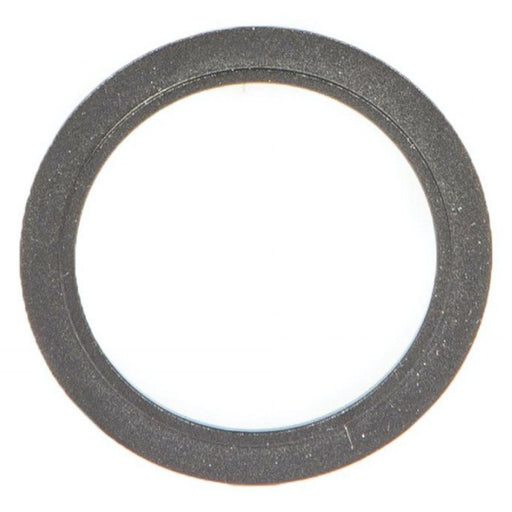
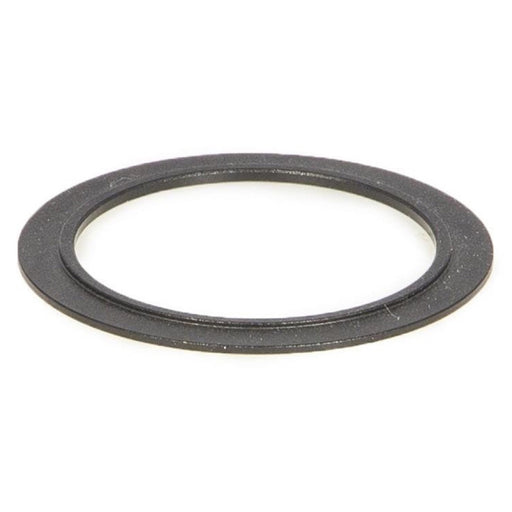
Baader Bague auxiliaire pour l'adaptation du MaxBright II
BAA-2458272
Crée la connexion la plus courte possible pour un binoviseur MaxBright II Conçue pour se fixer directement sur tout renvoi coudé Baader T-2 Empêch...
Afficher tous les détails
Prix d'origine
CA$15.00
-
Prix d'origine
CA$15.00
Prix d'origine
CA$15.00
CA$15.00
-
CA$15.00
Prix actuel
CA$15.00

Prix d'origine
CA$178.00
-
Prix d'origine
CA$193.00
Prix d'origine
CA$178.00
-
CA$193.00
CA$178.00
-
CA$193.00
Prix actuel
CA$178.00
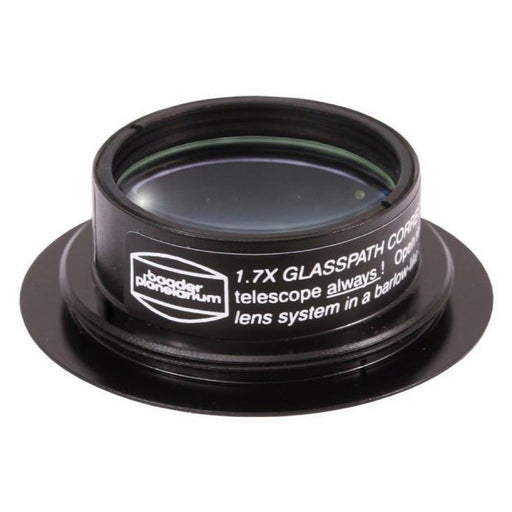
Baader Correcteur de trajet optique Glasspath pour binoviseurs Maxbright et Mark V
Options available
1 variants in stock
Corrige le manque de backfocus pour permettre l'usage d'un binoviseur Disponible en facteurs de grossissement 1.25x, 1.7x et 2.6x Supprime les abe...
Afficher tous les détails
Prix d'origine
CA$178.00
-
Prix d'origine
CA$193.00
Prix d'origine
CA$178.00
-
CA$193.00
CA$178.00
-
CA$193.00
Prix actuel
CA$178.00
Prix d'origine
CA$139.00
-
Prix d'origine
CA$139.00
Prix d'origine
CA$139.00
CA$139.00
-
CA$139.00
Prix actuel
CA$139.00
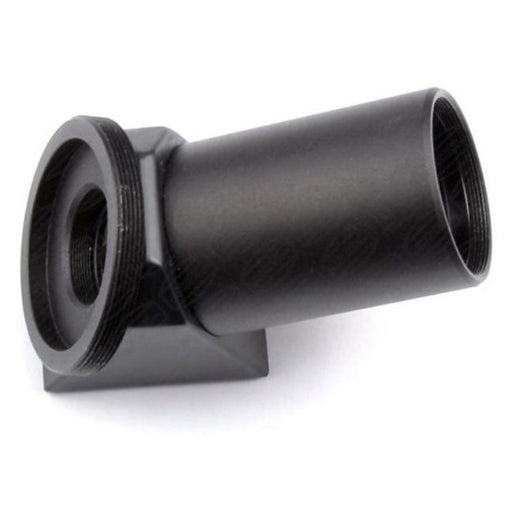
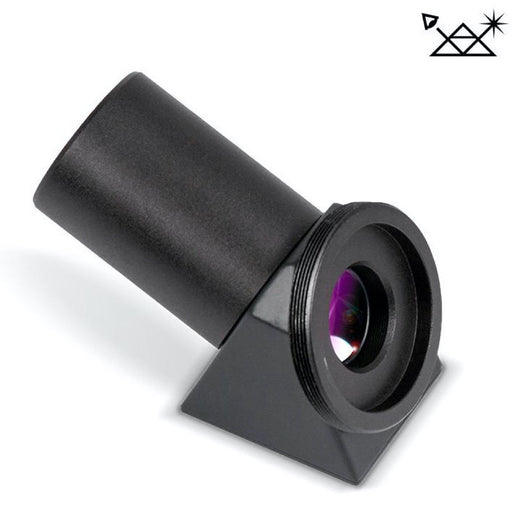
Baader Prisme Amici Maxbright 1.25" avec correcteur de trajet optique Glasspath 2X intégré
BAA-2956155
Offre une image redressée et entièrement corrigée pour l'observation terrestre Conçu pour le binoviseur Baader Maxbright Format de coulant standar...
Afficher tous les détails
Prix d'origine
CA$139.00
-
Prix d'origine
CA$139.00
Prix d'origine
CA$139.00
CA$139.00
-
CA$139.00
Prix actuel
CA$139.00


Prix d'origine
CA$698.00
-
Prix d'origine
CA$859.00
Prix d'origine
CA$698.00
-
CA$859.00
CA$698.00
-
CA$859.00
Prix actuel
CA$698.00
Baader Jeu de binoviseur MaxBright II
Options available
Conception modulaire basée sur le système de filetage Baader T-2 Les correcteurs de trajet optique Glasspath en option offrent des grossissements ...
Afficher tous les détails
Prix d'origine
CA$698.00
-
Prix d'origine
CA$859.00
Prix d'origine
CA$698.00
-
CA$859.00
CA$698.00
-
CA$859.00
Prix actuel
CA$698.00


Prix d'origine
CA$49.00
-
Prix d'origine
CA$49.00
Prix d'origine
CA$49.00
CA$49.00
-
CA$49.00
Prix actuel
CA$49.00
Baader Planetarium Tube allonge 1.25" pour oculaires à longue focale
BAA-2456325
Permet d'utiliser des oculaires de 30-42mm dans les binoviseurs Baader Maxbright Résout les échecs de fusion des images avec les oculaires à longu...
Afficher tous les détails
Prix d'origine
CA$49.00
-
Prix d'origine
CA$49.00
Prix d'origine
CA$49.00
CA$49.00
-
CA$49.00
Prix actuel
CA$49.00


Prix d'origine
CA$316.00
-
Prix d'origine
CA$316.00
Prix d'origine
CA$316.00
CA$316.00
-
CA$316.00
Prix actuel
CA$316.00
Baader Planetarium Correcteur de trajet optique Glasspath 2" / 1.7x pour Newton
BAA-2456300
Multiplicateur de focale de 1.7x Permet d'utiliser un binoviseur sur les télescopes de Newton Correcteur de coma intégré pour des étoiles nettes e...
Afficher tous les détails
Prix d'origine
CA$316.00
-
Prix d'origine
CA$316.00
Prix d'origine
CA$316.00
CA$316.00
-
CA$316.00
Prix actuel
CA$316.00


Prix d'origine
CA$178.00
-
Prix d'origine
CA$185.00
Prix d'origine
CA$178.00
-
CA$185.00
CA$178.00
-
CA$185.00
Prix actuel
CA$178.00
Baader Planetarium Correcteur de trajet optique Glasspath pour binoviseur Baader avec queue d'aronde annulaire Zeiss (MaxBright® II et Mark V)
Options available
Disponible en facteurs de grossissement 1.25x et 1.7x Corrige les aberrations chromatiques induites par les prismes sur les télescopes rapides All...
Afficher tous les détails
Prix d'origine
CA$178.00
-
Prix d'origine
CA$185.00
Prix d'origine
CA$178.00
-
CA$185.00
CA$178.00
-
CA$185.00
Prix actuel
CA$178.00
Prix d'origine
CA$53.00
-
Prix d'origine
CA$53.00
Prix d'origine
CA$53.00
CA$53.00
-
CA$53.00
Prix actuel
CA$53.00
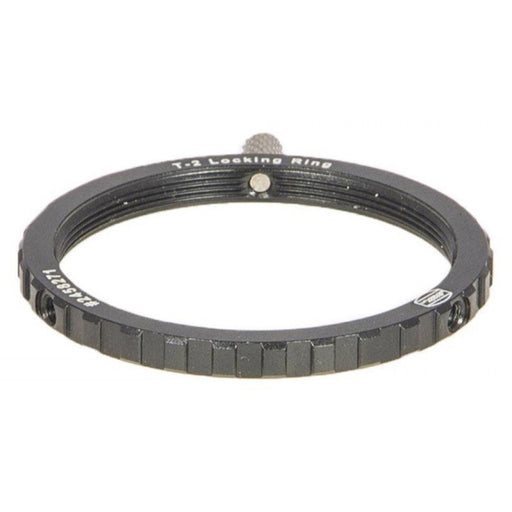
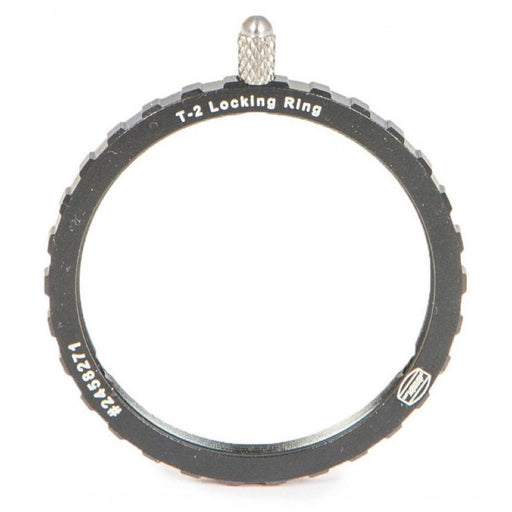
Baader Bague de blocage T-2 avec levier pour MaxBright II
BAA-2458271
Crée une connexion filetée directe et rigide pour les binoviseurs Permet un réglage précis de la rotation et son verrouillage Levier repositionnab...
Afficher tous les détails
Prix d'origine
CA$53.00
-
Prix d'origine
CA$53.00
Prix d'origine
CA$53.00
CA$53.00
-
CA$53.00
Prix actuel
CA$53.00
Prix d'origine
CA$361.00
-
Prix d'origine
CA$361.00
Prix d'origine
CA$361.00
CA$361.00
-
CA$361.00
Prix actuel
CA$361.00
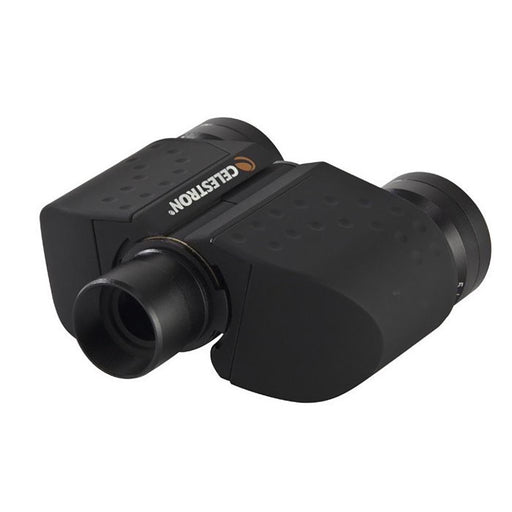
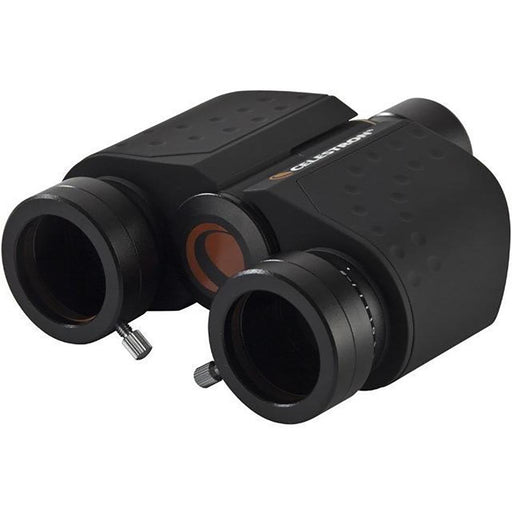
Celestron Binoviseur stéréo
CEL-93691
Sollicite les deux yeux pour des vues du ciel plus confortables, plus détaillées et plus contrastées Prismes BAK-4 de haute qualité avec une ouver...
Afficher tous les détails
Prix d'origine
CA$361.00
-
Prix d'origine
CA$361.00
Prix d'origine
CA$361.00
CA$361.00
-
CA$361.00
Prix actuel
CA$361.00


Prix d'origine
CA$549.00
-
Prix d'origine
CA$549.00
Prix d'origine
CA$549.00
CA$549.00
-
CA$549.00
Prix actuel
CA$549.00
David Astro Binoviseur linéaire Premium à image redressée
DAV-BINO
Aucun backfocus requis : utilisable avec tous les télescopes, Newton compris, sans lentille de Barlow ni extension. Colliers à verrouillage par ro...
Afficher tous les détails
Prix d'origine
CA$549.00
-
Prix d'origine
CA$549.00
Prix d'origine
CA$549.00
CA$549.00
-
CA$549.00
Prix actuel
CA$549.00
Épuisé


Prix d'origine
CA$700.00
-
Prix d'origine
CA$700.00
Prix d'origine
CA$700.00
CA$700.00
-
CA$700.00
Prix actuel
CA$700.00
Explore Scientific BinoViewer pour télescopes
ES-BINOV
Utilisez vos deux yeux pour une observation plus confortable et plus immersive Réglage coulissant de l'écart interpupillaire avec verrouillage par...
Afficher tous les détails
Prix d'origine
CA$700.00
-
Prix d'origine
CA$700.00
Prix d'origine
CA$700.00
CA$700.00
-
CA$700.00
Prix actuel
CA$700.00
Prix d'origine
CA$81.00
Prix d'origine
CA$81.00
-
Prix d'origine
CA$81.00
Prix d'origine
CA$81.00
Prix actuel
CA$77.00
CA$77.00
-
CA$77.00
Prix actuel
CA$77.00
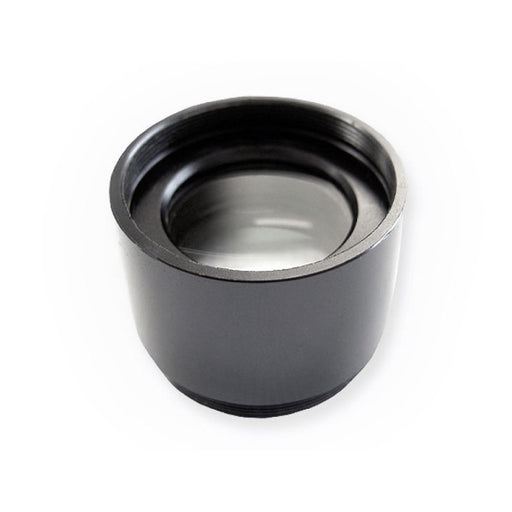
William Optics Coulant Barlow 2x pour binoviseur
WO-E-BINO-B2
6 en stock
Apporte un grossissement 2x Permet aux binoviseurs d'atteindre la mise au point sur la plupart des télescopes Format de coulant standard 1.25" Se ...
Afficher tous les détails
Prix d'origine
CA$81.00
Prix d'origine
CA$81.00
-
Prix d'origine
CA$81.00
Prix d'origine
CA$81.00
Prix actuel
CA$77.00
CA$77.00
-
CA$77.00
Prix actuel
CA$77.00
Économisez 5%
Prix d'origine
CA$509.00
Prix d'origine
CA$509.00
-
Prix d'origine
CA$509.00
Prix d'origine
CA$509.00
Prix actuel
CA$484.00
CA$484.00
-
CA$484.00
Prix actuel
CA$484.00
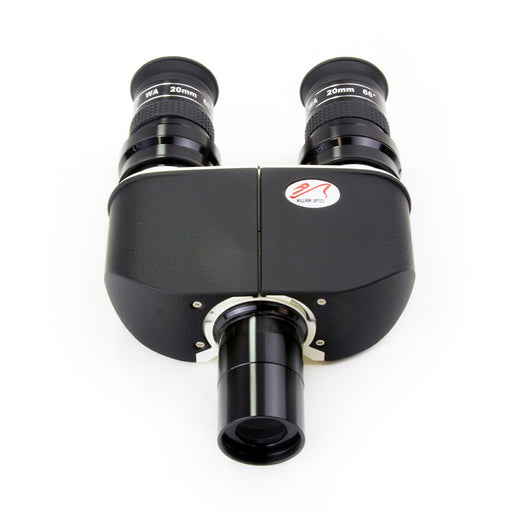
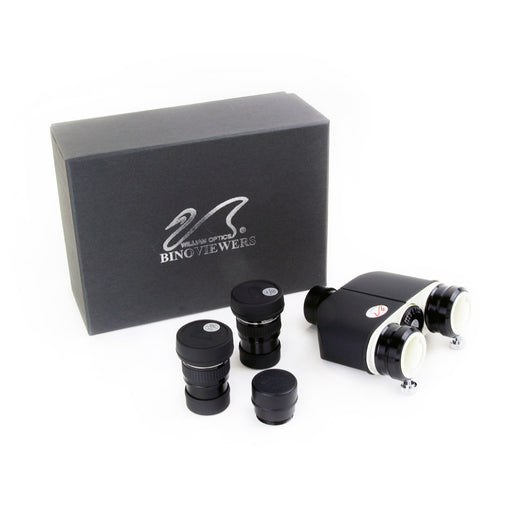
William Optics Binoviseur - Ensemble complet
WO-E-BINO-P
7 en stock
Inclut deux oculaires grand champ 20mm 66° Prismes BaK4 de haute qualité avec traitements multicouches complets Grande ouverture libre de prisme d...
Afficher tous les détails
Prix d'origine
CA$509.00
Prix d'origine
CA$509.00
-
Prix d'origine
CA$509.00
Prix d'origine
CA$509.00
Prix actuel
CA$484.00
CA$484.00
-
CA$484.00
Prix actuel
CA$484.00
Économisez 5%