
Filtres à bande étroite
Narrowband imaging is what makes deep-sky astrophotography possible from a Canadian city. By passing only a few nanometres around a specific emission line, these filters reject almost all artificial light and most moonlight, so a nebula that is invisible visually from a suburban driveway becomes a viable multi-hour imaging target. David Astro stocks narrowband filters in Canada, held in Canadian inventory.
Bandwidth choice interacts with your telescope's focal ratio in ways that catch people out. Tell us your optic and camera and we will recommend a bandwidth that will actually perform in your system.

Prix d'origine
CA$362.00
-
Prix d'origine
CA$696.00
Prix d'origine
CA$362.00
-
CA$696.00
CA$362.00
-
CA$696.00
Prix actuel
CA$362.00
Antlia Filtre à bande étroite H-alpha Pro de 3nm
Options available
8 variants in stock
Longueur d'onde centrale H-alpha de 656,3 nm Petit FHWM de 3 nm Transmission de crête élevée > 88 % Halos minimisés sur les étoiles b...
Afficher tous les détails
Prix d'origine
CA$362.00
-
Prix d'origine
CA$696.00
Prix d'origine
CA$362.00
-
CA$696.00
CA$362.00
-
CA$696.00
Prix actuel
CA$362.00
Prix d'origine
CA$375.00
-
Prix d'origine
CA$721.00
Prix d'origine
CA$375.00
-
CA$721.00
CA$375.00
-
CA$721.00
Prix actuel
CA$375.00
Antlia 3nm Narrowband H-alpha Pro Highspeed Filter - f/2.6 to f/3.6
Options available
1 variants in stock
Pre-shifted 656.3nm H-alpha Central Wavelength for High-Speed Systems Optimized 3nm FHWM for f/2.6–f/3.6 High >90% Peak Transmission Enhanced S...
Afficher tous les détails
Prix d'origine
CA$375.00
-
Prix d'origine
CA$721.00
Prix d'origine
CA$375.00
-
CA$721.00
CA$375.00
-
CA$721.00
Prix actuel
CA$375.00
Prix d'origine
CA$362.00
-
Prix d'origine
CA$696.00
Prix d'origine
CA$362.00
-
CA$696.00
CA$362.00
-
CA$696.00
Prix actuel
CA$362.00
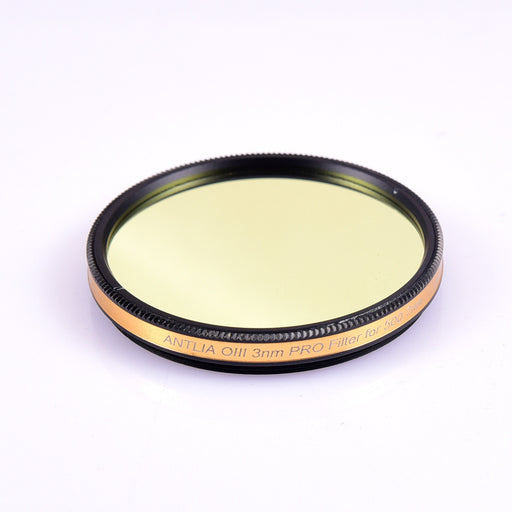
Antlia Filtre à bande étroite OIII Pro de 3nm
Options available
8 variants in stock
Le filtre à bande étroite Antlia OIII Pro optimise le FWHM (pleine largeur moitié maximum) à 3 nm passe-bande . Au fur et à mesure que la bande pa...
Afficher tous les détails
Prix d'origine
CA$362.00
-
Prix d'origine
CA$696.00
Prix d'origine
CA$362.00
-
CA$696.00
CA$362.00
-
CA$696.00
Prix actuel
CA$362.00

Prix d'origine
CA$375.00
-
Prix d'origine
CA$721.00
Prix d'origine
CA$375.00
-
CA$721.00
CA$375.00
-
CA$721.00
Prix actuel
CA$375.00
Antlia 3nm Narrowband OIII Pro Highspeed Filter - f/2.6 to f/3.6
Options available
1 variants in stock
Pre-shifted 500.7nm OIII Central Wavelength for High-Speed Systems Optimized 3nm FHWM for f/2.6–f/3.6 High >90% Peak Transmission Enhan...
Afficher tous les détails
Prix d'origine
CA$375.00
-
Prix d'origine
CA$721.00
Prix d'origine
CA$375.00
-
CA$721.00
CA$375.00
-
CA$721.00
Prix actuel
CA$375.00
Prix d'origine
CA$362.00
-
Prix d'origine
CA$696.00
Prix d'origine
CA$362.00
-
CA$696.00
CA$362.00
-
CA$696.00
Prix actuel
CA$362.00
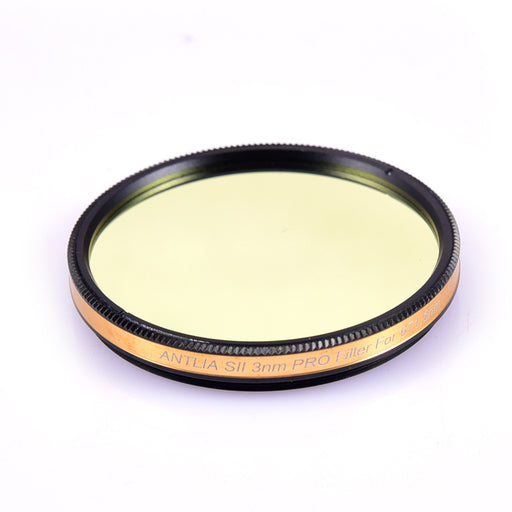
Antlia Filtre à bande étroite SII Pro de 3nm
Options available
7 variants in stock
Le filtre à bande étroite Antlia SII Pro optimise le FWHM (pleine largeur moitié maximum) à une bande passante de 3 nm. Au fur et à mesure que la ...
Afficher tous les détails
Prix d'origine
CA$362.00
-
Prix d'origine
CA$696.00
Prix d'origine
CA$362.00
-
CA$696.00
CA$362.00
-
CA$696.00
Prix actuel
CA$362.00
Prix d'origine
CA$375.00
-
Prix d'origine
CA$721.00
Prix d'origine
CA$375.00
-
CA$721.00
CA$375.00
-
CA$721.00
Prix actuel
CA$375.00
Antlia 3nm Narrowband SII Pro Highspeed Filter - f/2.6 to f/3.6
Options available
1 variants in stock
Pre-shifted 500.7nm OIII Central Wavelength for High-Speed Systems Optimized 3nm FHWM for f/2.6–f/3.6 High >90% Peak Transmission Enhan...
Afficher tous les détails
Prix d'origine
CA$375.00
-
Prix d'origine
CA$721.00
Prix d'origine
CA$375.00
-
CA$721.00
CA$375.00
-
CA$721.00
Prix actuel
CA$375.00
Prix d'origine
CA$263.00
-
Prix d'origine
CA$497.00
Prix d'origine
CA$263.00
-
CA$497.00
CA$263.00
-
CA$497.00
Prix actuel
CA$263.00
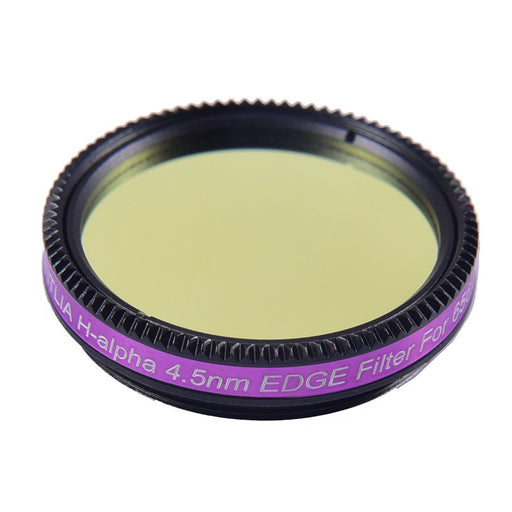
Antlia Filtre à bande étroite H-alpha Edge de 4.5nm
Options available
8 variants in stock
Le filtre à bande étroite Antlia H-alpha EDGE optimise le FWHM (pleine largeur demi-maximum) à une bande passante de 4,5 nm. La suppression de la...
Afficher tous les détails
Prix d'origine
CA$263.00
-
Prix d'origine
CA$497.00
Prix d'origine
CA$263.00
-
CA$497.00
CA$263.00
-
CA$497.00
Prix actuel
CA$263.00
Prix d'origine
CA$263.00
-
Prix d'origine
CA$497.00
Prix d'origine
CA$263.00
-
CA$497.00
CA$263.00
-
CA$497.00
Prix actuel
CA$263.00
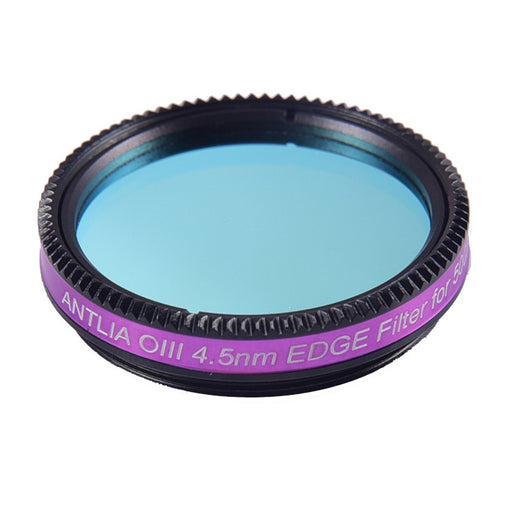
Antlia Filtre à bande étroite OIII Edge de 4.5nm
Options available
8 variants in stock
Le filtre à bande étroite Antlia OIII EDGE optimise le FWHM (pleine largeur demi-maximum) à une bande passante de 4,5 nm. La suppression de la de...
Afficher tous les détails
Prix d'origine
CA$263.00
-
Prix d'origine
CA$497.00
Prix d'origine
CA$263.00
-
CA$497.00
CA$263.00
-
CA$497.00
Prix actuel
CA$263.00
Prix d'origine
CA$263.00
-
Prix d'origine
CA$497.00
Prix d'origine
CA$263.00
-
CA$497.00
CA$263.00
-
CA$497.00
Prix actuel
CA$263.00
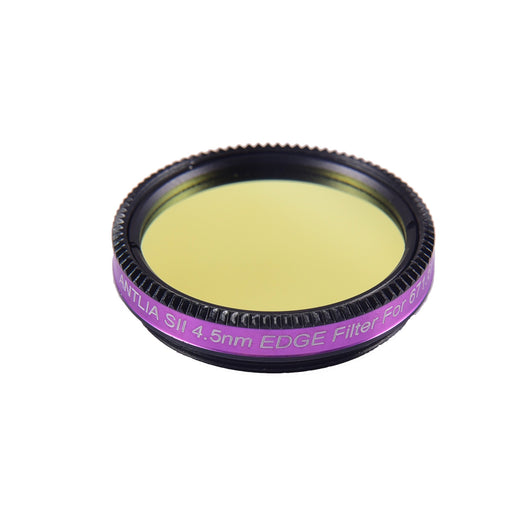
Antlia Filtre à bande étroite SII Edge de 4.5nm
Options available
7 variants in stock
Le filtre à bande étroite Antlia SII EDGE optimise le FWHM (pleine largeur demi-maximum) à une bande passante de 4,5 nm. La suppression de la den...
Afficher tous les détails
Prix d'origine
CA$263.00
-
Prix d'origine
CA$497.00
Prix d'origine
CA$263.00
-
CA$497.00
CA$263.00
-
CA$497.00
Prix actuel
CA$263.00
Prix d'origine
CA$554.00
-
Prix d'origine
CA$554.00
Prix d'origine
CA$554.00
CA$554.00
-
CA$554.00
Prix actuel
CA$554.00
Antlia ALP-T Dual Band Ha&OIII 3nm
ANT-ALP-T-3NM-HAOIII
5 en stock
Precise Narrowband Filtering for Exceptional Contrast Enhanced Transmission for Superior Signal-to-Noise Ratio ...
Afficher tous les détails
Prix d'origine
CA$554.00
-
Prix d'origine
CA$554.00
Prix d'origine
CA$554.00
CA$554.00
-
CA$554.00
Prix actuel
CA$554.00

Prix d'origine
CA$1,008.00
-
Prix d'origine
CA$1,008.00
Prix d'origine
CA$1,008.00
CA$1,008.00
-
CA$1,008.00
Prix actuel
CA$1,008.00
Antlia ALP-T Dual Band Ha&OIII 3nm + SII&Hb 3.5nm 2" Filter Set
ANT-ALP-T-3NM-KIT
Precise Narrowband Filtering for Exceptional Contrast Enhanced Transmission for Superior Signal-to-Noise Ratio ...
Afficher tous les détails
Prix d'origine
CA$1,008.00
-
Prix d'origine
CA$1,008.00
Prix d'origine
CA$1,008.00
CA$1,008.00
-
CA$1,008.00
Prix actuel
CA$1,008.00
Prix d'origine
CA$511.00
-
Prix d'origine
CA$511.00
Prix d'origine
CA$511.00
CA$511.00
-
CA$511.00
Prix actuel
CA$511.00
Antlia ALP-T Dual Band SII&Hβ 3.5nm
ANT-ALP-T-3NM-SIIHB
2 en stock
Precise Narrowband Filtering for Exceptional Contrast Enhanced Transmission for Superior Signal-to-Noise Ratio Anti-Reflection Coating to Reduce H...
Afficher tous les détails
Prix d'origine
CA$511.00
-
Prix d'origine
CA$511.00
Prix d'origine
CA$511.00
CA$511.00
-
CA$511.00
Prix actuel
CA$511.00
Prix d'origine
CA$980.00
-
Prix d'origine
CA$980.00
Prix d'origine
CA$980.00
CA$980.00
-
CA$980.00
Prix actuel
CA$980.00
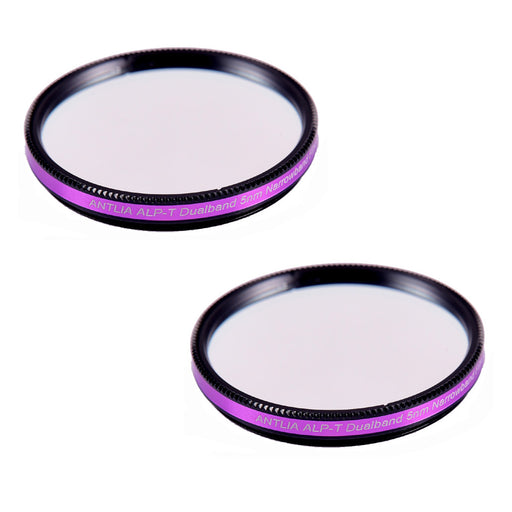
Antlia Kit de filtres duoband ALP-T 5nm Ha/OIII et SII/Hb - 2"
ANT-ALP-T-SET
Prix d'origine
CA$980.00
-
Prix d'origine
CA$980.00
Prix d'origine
CA$980.00
CA$980.00
-
CA$980.00
Prix actuel
CA$980.00
Prix d'origine
CA$540.00
-
Prix d'origine
CA$540.00
Prix d'origine
CA$540.00
CA$540.00
-
CA$540.00
Prix actuel
CA$540.00
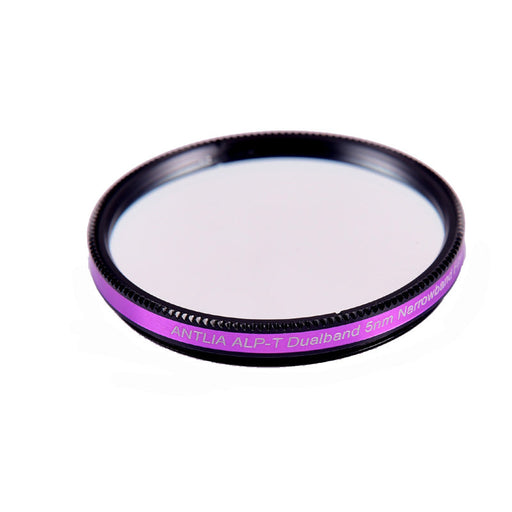
Antlia Filtre duoband ALP-T Ha/OIII de 5nm
ANT-ALP-T-2
L' Antlia ALP-T double bande 5 nm Le filtre Ha&OIII est un filtre passe-ligne double conçu pour être utilisé principalement avec les appareil...
Afficher tous les détails
Prix d'origine
CA$540.00
-
Prix d'origine
CA$540.00
Prix d'origine
CA$540.00
CA$540.00
-
CA$540.00
Prix actuel
CA$540.00
Prix d'origine
CA$540.00
-
Prix d'origine
CA$540.00
Prix d'origine
CA$540.00
CA$540.00
-
CA$540.00
Prix actuel
CA$540.00
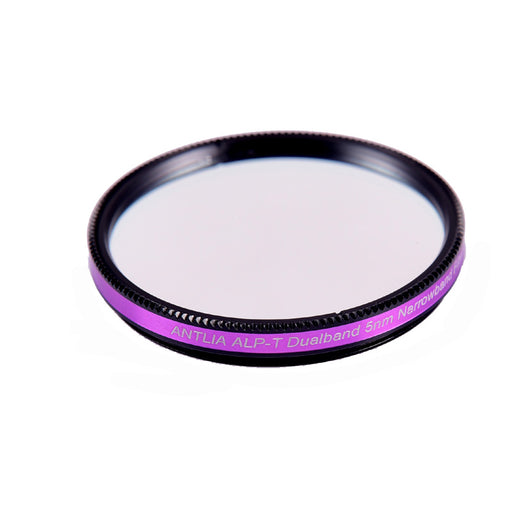
Antlia Filtre duoband ALP-T haute vitesse Ha/OIII de 5nm
ANT-ALP-T-HS-2
Les filtres haute vitesse ALP-T double bande 5 nm sont encore optimisés pour fonctionner avec des systèmes d'imagerie à haute vitesse en décalant...
Afficher tous les détails
Prix d'origine
CA$540.00
-
Prix d'origine
CA$540.00
Prix d'origine
CA$540.00
CA$540.00
-
CA$540.00
Prix actuel
CA$540.00
Prix d'origine
CA$497.00
-
Prix d'origine
CA$497.00
Prix d'origine
CA$497.00
CA$497.00
-
CA$497.00
Prix actuel
CA$497.00
Antlia Filtre duoband ALP-T SII/Hb de 5nm
ANT-ALP-T-SII-HB-2
Le filtre SII&Hb double bande 5 nm ALP-T est un filtre passe-ligne double, qui laisse passer la ligne rouge foncé Sulphur-II et la ligne bleu...
Afficher tous les détails
Prix d'origine
CA$497.00
-
Prix d'origine
CA$497.00
Prix d'origine
CA$497.00
CA$497.00
-
CA$497.00
Prix actuel
CA$497.00
Prix d'origine
CA$254.00
-
Prix d'origine
CA$254.00
Prix d'origine
CA$254.00
CA$254.00
-
CA$254.00
Prix actuel
CA$254.00
Antlia Filtre Triband RGB Ultra
ANT-TRIBAND-V2
4 en stock
Il est conçu pour la suppression de la pollution lumineuse pour les caméras OSC et Mono. La conception spectrale a sélectionné les informations le...
Afficher tous les détails
Prix d'origine
CA$254.00
-
Prix d'origine
CA$254.00
Prix d'origine
CA$254.00
CA$254.00
-
CA$254.00
Prix actuel
CA$254.00

Prix d'origine
CA$1,678.00
-
Prix d'origine
CA$1,678.00
Prix d'origine
CA$1,678.00
CA$1,678.00
-
CA$1,678.00
Prix actuel
CA$1,678.00
Askar 3nm Colour Magic Ha/OIII & SII/OIII (E1+E2) Filter Package
ASK-CM-E1E2
1 en stock
Enables SHO "Hubble Palette" imaging with a one-shot-color (OSC) camera Includes two 3nm dual-bandpass filters: E1 (Hα+OIII) and E2 (SII+OIII) Iso...
Afficher tous les détails
Prix d'origine
CA$1,678.00
-
Prix d'origine
CA$1,678.00
Prix d'origine
CA$1,678.00
CA$1,678.00
-
CA$1,678.00
Prix actuel
CA$1,678.00

Prix d'origine
CA$847.00
-
Prix d'origine
CA$847.00
Prix d'origine
CA$847.00
CA$847.00
-
CA$847.00
Prix actuel
CA$847.00
Askar 3nm Colour Magic Ultra Ha/OIII E1 Filter - 2"
ASK-ASKAR2DBE1
1 en stock
Dual-bandpass for Hydrogen-alpha (656.6nm) and Oxygen-III (500.7nm) Ultra-narrow 3.7nm (Ha) and 4.0nm (OIII) FWHM bandwidths 85% peak transmittanc...
Afficher tous les détails
Prix d'origine
CA$847.00
-
Prix d'origine
CA$847.00
Prix d'origine
CA$847.00
CA$847.00
-
CA$847.00
Prix actuel
CA$847.00

Prix d'origine
CA$847.00
-
Prix d'origine
CA$847.00
Prix d'origine
CA$847.00
CA$847.00
-
CA$847.00
Prix actuel
CA$847.00
Askar 3nm Colour Magic Ultra OIII/SII E2 Filter - 2"
ASK-ASKAR2DBE2
1 en stock
Dual-bandpass design captures OIII (500.7nm) and SII (672nm) simultaneously Narrow 3.7nm (OIII) and 4.0nm (SII) FWHM for high-contrast imaging Pea...
Afficher tous les détails
Prix d'origine
CA$847.00
-
Prix d'origine
CA$847.00
Prix d'origine
CA$847.00
CA$847.00
-
CA$847.00
Prix actuel
CA$847.00
Prix d'origine
CA$875.00
-
Prix d'origine
CA$875.00
Prix d'origine
CA$875.00
CA$875.00
-
CA$875.00
Prix actuel
CA$875.00
Ensemble de filtres Askar 6 nm Colour Magic Ha/OIII et SII/OIII (D1+D2)
ASK-CM-D1D2
3 en stock
Ensemble double filtre : 6 nm Ha/OIII (D1) et 6 nm SII/OIII (D2) Optimisé pour l'astrophotographie à contraste élevé et à bande étroite ...
Afficher tous les détails
Prix d'origine
CA$875.00
-
Prix d'origine
CA$875.00
Prix d'origine
CA$875.00
CA$875.00
-
CA$875.00
Prix actuel
CA$875.00
Prix d'origine
CA$447.00
-
Prix d'origine
CA$447.00
Prix d'origine
CA$447.00
CA$447.00
-
CA$447.00
Prix actuel
CA$447.00
Filtre Askar Color Magic Super Ha/OIII D1 6 nm - 2"
ASK-ASK2DNHOD1
4 en stock
Filtre à double bande étroite de 6 nm de largeur de bande pour les longueurs d'onde Ha et OIII Taille de 2 pouces pour une compatibilité avec d...
Afficher tous les détails
Prix d'origine
CA$447.00
-
Prix d'origine
CA$447.00
Prix d'origine
CA$447.00
CA$447.00
-
CA$447.00
Prix actuel
CA$447.00
Prix d'origine
CA$447.00
-
Prix d'origine
CA$447.00
Prix d'origine
CA$447.00
CA$447.00
-
CA$447.00
Prix actuel
CA$447.00
Filtre Askar Color Magic Super SII/OIII D2 6 nm - 2"
ASK-ASK2DNSOD2
3 en stock
Filtre à double bande étroite de 6 nm pour les longueurs d'onde SII et OIII Taille de 2 pouces pour la compatibilité avec diverses config...
Afficher tous les détails
Prix d'origine
CA$447.00
-
Prix d'origine
CA$447.00
Prix d'origine
CA$447.00
CA$447.00
-
CA$447.00
Prix actuel
CA$447.00

Prix d'origine
CA$315.00
-
Prix d'origine
CA$315.00
Prix d'origine
CA$315.00
CA$315.00
-
CA$315.00
Prix actuel
CA$315.00
Ensemble de filtres Askar Colour Magic Ha/OIII et SII/OIII (C1+C2)
ASK-CM-C1C2
2 en stock
Pack double filtre pour l'astrophotographie : Ha/OIII (C1) et SII/OIII (C2) Optimisé pour capturer de superbes images de nébuleuse avec u...
Afficher tous les détails
Prix d'origine
CA$315.00
-
Prix d'origine
CA$315.00
Prix d'origine
CA$315.00
CA$315.00
-
CA$315.00
Prix actuel
CA$315.00