
Réflecteurs
No design delivers more aperture for the money than a Newtonian reflector. A mirror is cheaper to make well than a lens, has no chromatic aberration whatsoever, and scales to sizes that would be impossible in glass — which is why almost every large amateur telescope is a reflector. David Astro carries reflectors in Canada, from fast imaging astrographs to large visual Newtonians, stocked in Canada and shipped worldwide.
The trade is collimation and a coma corrector. Both are manageable, and we will be straightforward about what each telescope actually needs.

Prix d'origine
CA$1,538.00
-
Prix d'origine
CA$1,538.00
Prix d'origine
CA$1,538.00
CA$1,538.00
-
CA$1,538.00
Prix actuel
CA$1,538.00
Askar N160 f/3.6 Newtonian
ASK-N160
1 en stock
160mm Aperture Parabolic Mirror f/3.4 Focal Ratio with Included 0.95x Corrector 544mm Corrected Focal Length Carbon Fiber Tube Construction 3.97kg...
Afficher tous les détails
Prix d'origine
CA$1,538.00
-
Prix d'origine
CA$1,538.00
Prix d'origine
CA$1,538.00
CA$1,538.00
-
CA$1,538.00
Prix actuel
CA$1,538.00
Prix d'origine
CA$1,806.00
-
Prix d'origine
CA$1,806.00
Prix d'origine
CA$1,806.00
CA$1,806.00
-
CA$1,806.00
Prix actuel
CA$1,806.00
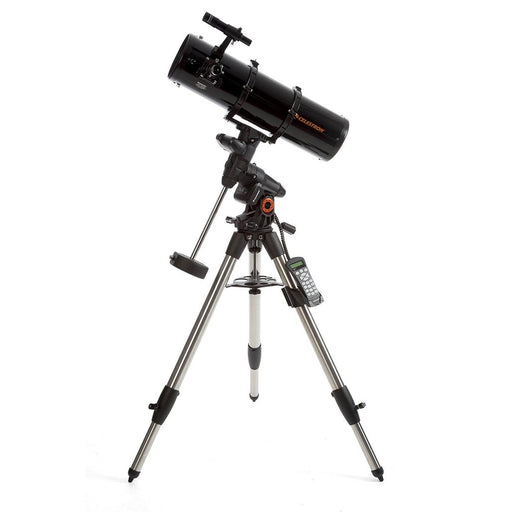
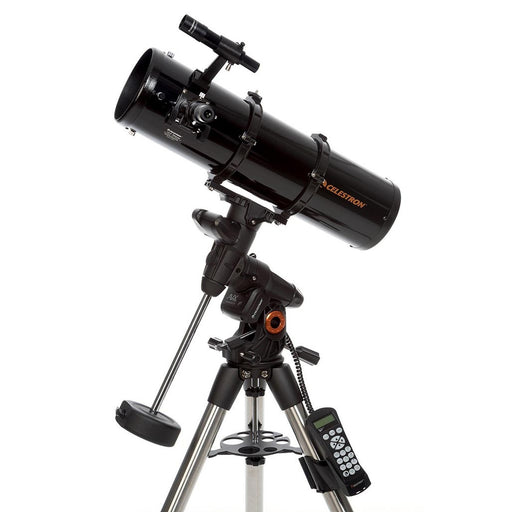
Celestron Advanced VX Newtonien 6"
CEL-32054
Caractéristiques La conception optique de 6" (150 mm) f/5 offre d'excellentes vues à large champ Le miroir primaire parabolique minimise l'aberr...
Afficher tous les détails
Prix d'origine
CA$1,806.00
-
Prix d'origine
CA$1,806.00
Prix d'origine
CA$1,806.00
CA$1,806.00
-
CA$1,806.00
Prix actuel
CA$1,806.00
Prix d'origine
CA$2,223.00
-
Prix d'origine
CA$2,223.00
Prix d'origine
CA$2,223.00
CA$2,223.00
-
CA$2,223.00
Prix actuel
CA$2,223.00
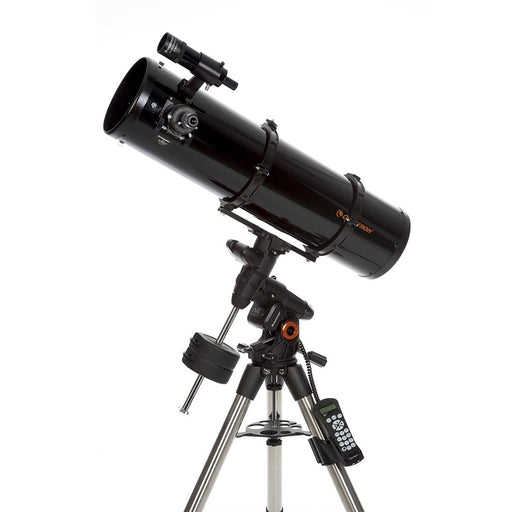
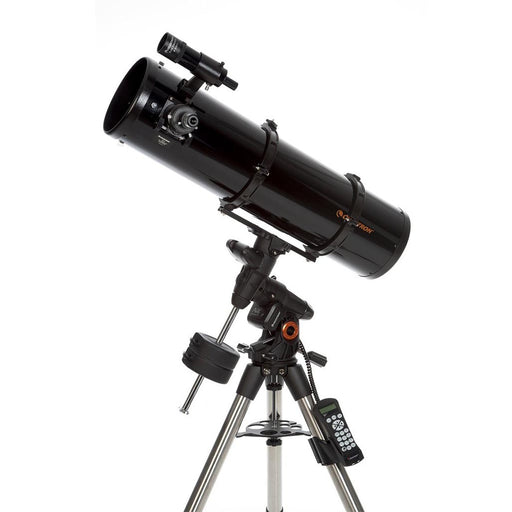
Celestron Advanced VX Newtonien 8"
CEL-32062
Caractéristiques La conception optique de 8" (200 mm) f/5 offre d'excellentes vues à large champ Le miroir primaire parabolique minimise l'aber...
Afficher tous les détails
Prix d'origine
CA$2,223.00
-
Prix d'origine
CA$2,223.00
Prix d'origine
CA$2,223.00
CA$2,223.00
-
CA$2,223.00
Prix actuel
CA$2,223.00
Prix d'origine
CA$834.00
-
Prix d'origine
CA$834.00
Prix d'origine
CA$834.00
CA$834.00
-
CA$834.00
Prix actuel
CA$834.00
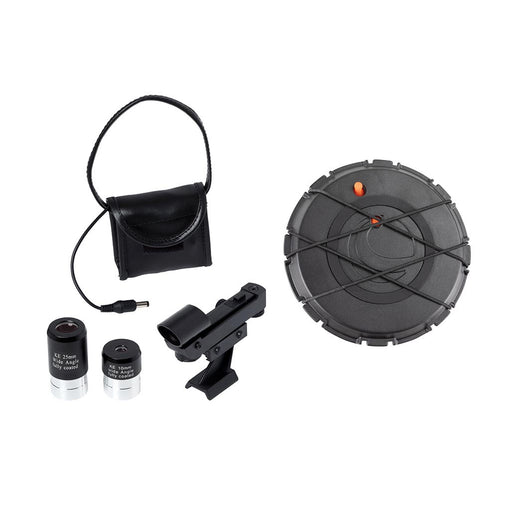
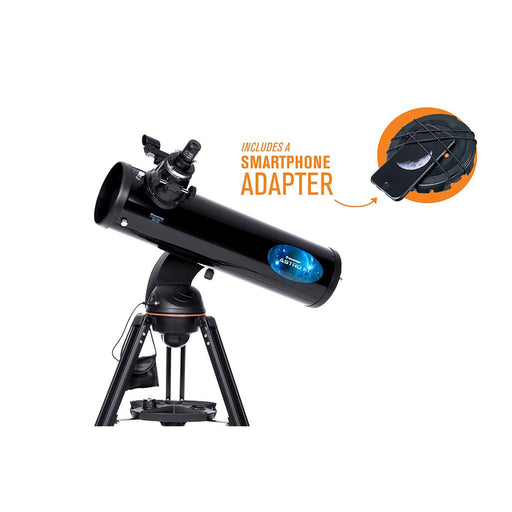
Celestron Astro Fi Newtonien 130mm - Wifi GoTo
CEL-22203
Caractéristiques Télescope newtonien de 130 mm avec optique en verre entièrement revêtue Contrôlez votre télescope via le Wi-Fi intégré à l'aid...
Afficher tous les détails
Prix d'origine
CA$834.00
-
Prix d'origine
CA$834.00
Prix d'origine
CA$834.00
CA$834.00
-
CA$834.00
Prix actuel
CA$834.00
Prix d'origine
CA$459.00
-
Prix d'origine
CA$459.00
Prix d'origine
CA$459.00
CA$459.00
-
CA$459.00
Prix actuel
CA$459.00
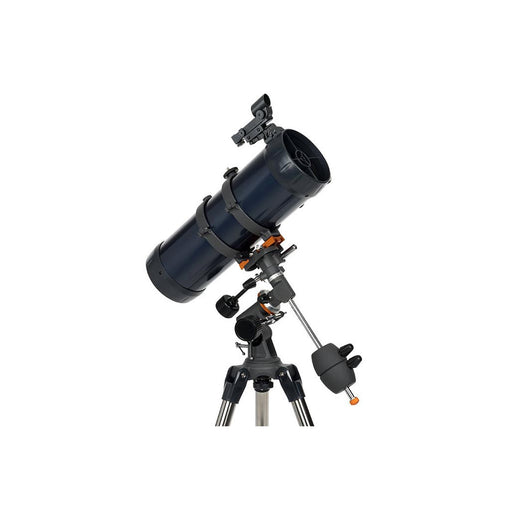
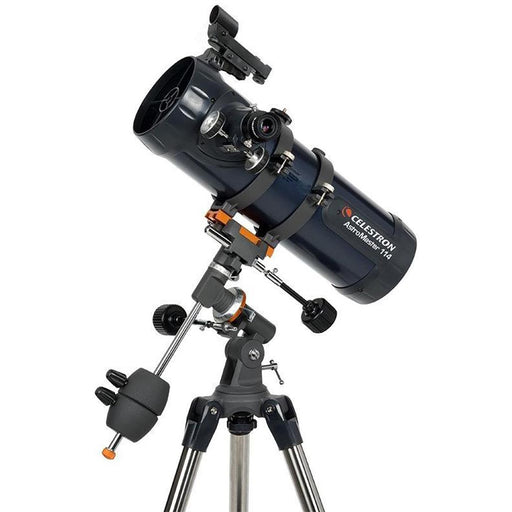
Celestron AstroMaster 114EQ
CEL-31042
Caractéristiques Monture équatoriale allemande manuelle avec cercles de réglage pour localiser et suivre avec précision les objets du ciel Trépi...
Afficher tous les détails
Prix d'origine
CA$459.00
-
Prix d'origine
CA$459.00
Prix d'origine
CA$459.00
CA$459.00
-
CA$459.00
Prix actuel
CA$459.00
Prix d'origine
CA$500.00
-
Prix d'origine
CA$500.00
Prix d'origine
CA$500.00
CA$500.00
-
CA$500.00
Prix actuel
CA$500.00
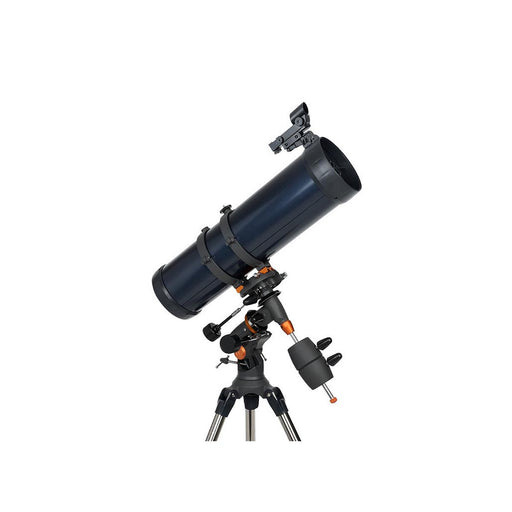
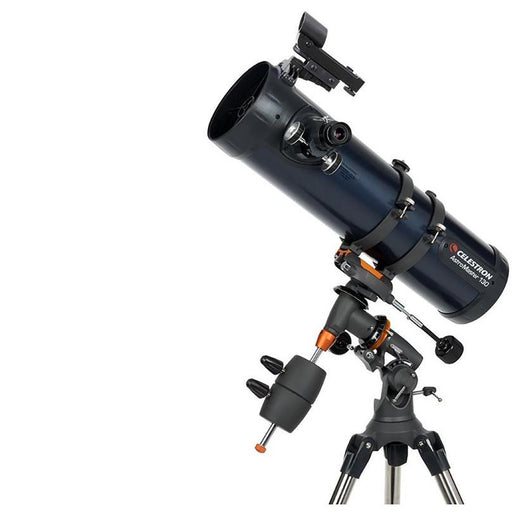
Celestron AstroMaster 130EQ
CEL-31045
1 en stock
Caractéristiques Monture équatoriale allemande manuelle avec cercles de réglage - pour localiser et suivre les objets du ciel Trépied en acier p...
Afficher tous les détails
Prix d'origine
CA$500.00
-
Prix d'origine
CA$500.00
Prix d'origine
CA$500.00
CA$500.00
-
CA$500.00
Prix actuel
CA$500.00
Prix d'origine
CA$542.00
-
Prix d'origine
CA$542.00
Prix d'origine
CA$542.00
CA$542.00
-
CA$542.00
Prix actuel
CA$542.00
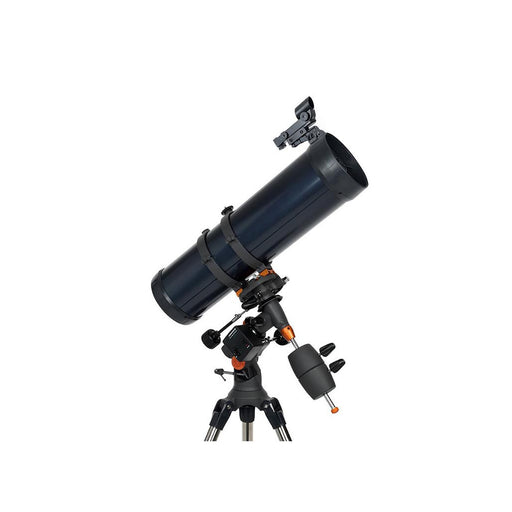
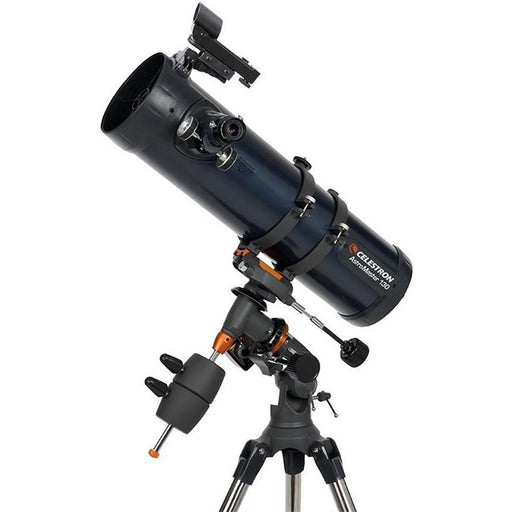
Celestron AstroMaster 130EQ-MD (Motorisé)
CEL-31051
Caractéristiques Monture équatoriale allemande manuelle avec cercles de réglage - pour localiser et suivre avec précision les objets du ciel Tré...
Afficher tous les détails
Prix d'origine
CA$542.00
-
Prix d'origine
CA$542.00
Prix d'origine
CA$542.00
CA$542.00
-
CA$542.00
Prix actuel
CA$542.00
Prix d'origine
CA$188.00
-
Prix d'origine
CA$188.00
Prix d'origine
CA$188.00
CA$188.00
-
CA$188.00
Prix actuel
CA$188.00
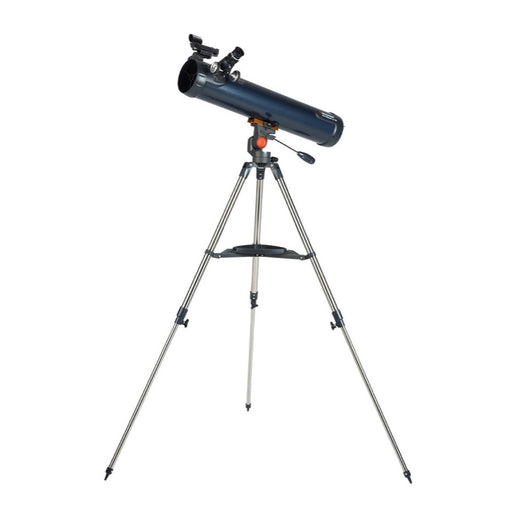
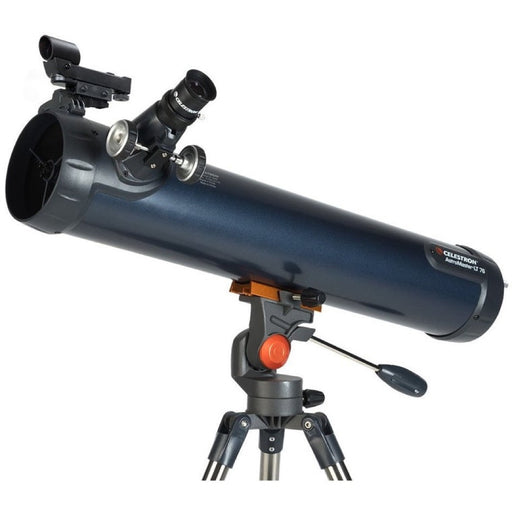
Celestron AstroMaster LT 76AZ
CEL-31036
Caractéristiques Installation rapide et facile sans outil StarPointer pour plus de commodité Fixation en queue d'aronde à dégagement rapide ...
Afficher tous les détails
Prix d'origine
CA$188.00
-
Prix d'origine
CA$188.00
Prix d'origine
CA$188.00
CA$188.00
-
CA$188.00
Prix actuel
CA$188.00
Prix d'origine
CA$292.00
-
Prix d'origine
CA$292.00
Prix d'origine
CA$292.00
CA$292.00
-
CA$292.00
Prix actuel
CA$292.00
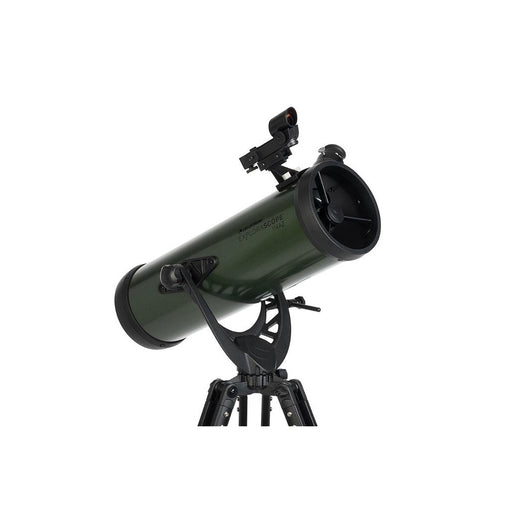
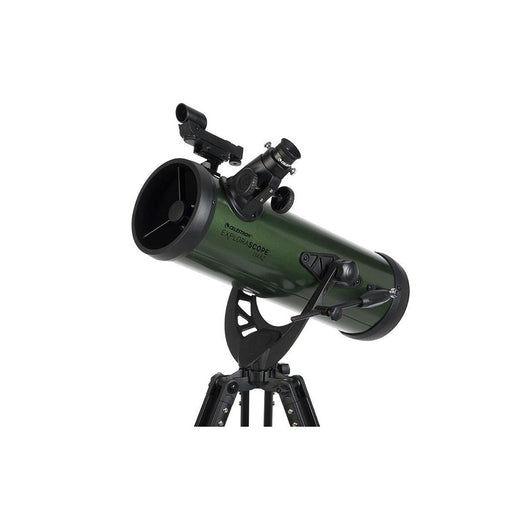
Celestron ExploreScope 114AZ
CEL-22103
Caractéristiques Télescope à réflecteur newtonien manuel de 114 mm avec optique en verre entièrement revêtu et cadre léger. Observez en un rien ...
Afficher tous les détails
Prix d'origine
CA$292.00
-
Prix d'origine
CA$292.00
Prix d'origine
CA$292.00
CA$292.00
-
CA$292.00
Prix actuel
CA$292.00
Prix d'origine
CA$973.00
-
Prix d'origine
CA$973.00
Prix d'origine
CA$973.00
CA$973.00
-
CA$973.00
Prix actuel
CA$973.00
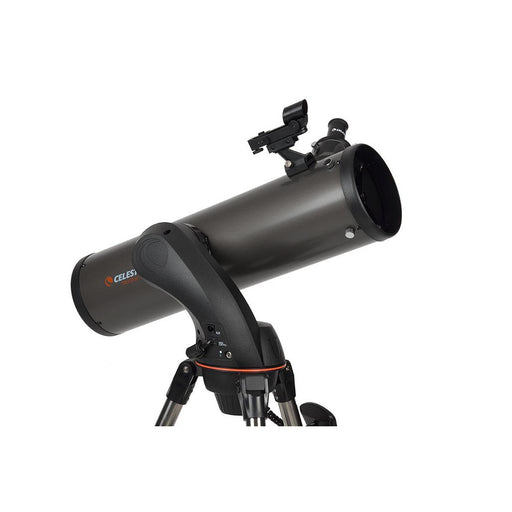
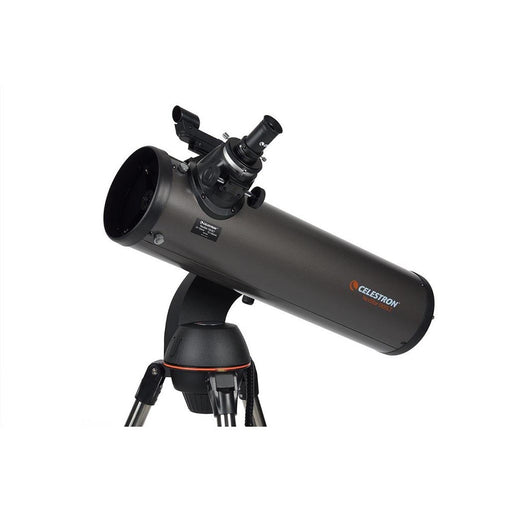
Celestron NexStar 130SLT GoTo
CEL-31145
Caractéristiques Réflecteur newtonien 130 mm de haute qualité Monture Altazimuth Altazimuth entièrement informatisée Chercheur à point rouge St...
Afficher tous les détails
Prix d'origine
CA$973.00
-
Prix d'origine
CA$973.00
Prix d'origine
CA$973.00
CA$973.00
-
CA$973.00
Prix actuel
CA$973.00
Prix d'origine
CA$1,029.00
-
Prix d'origine
CA$1,029.00
Prix d'origine
CA$1,029.00
CA$1,029.00
-
CA$1,029.00
Prix actuel
CA$1,029.00
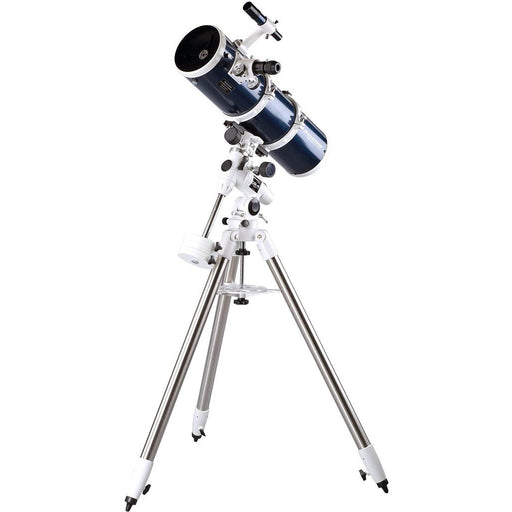
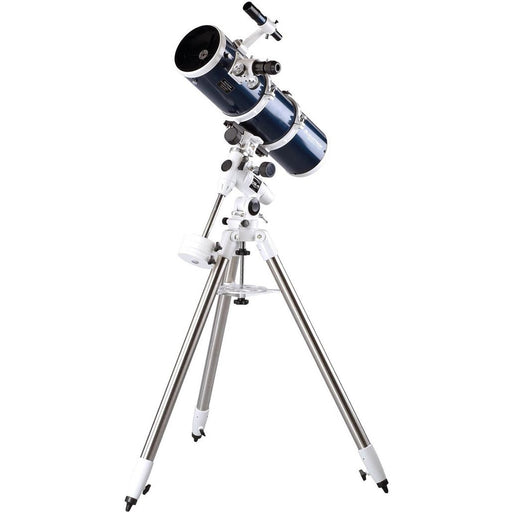
Celestron Omni XLT 150
CEL-31057
Caractéristiques Les optiques de haute qualité commencent par la sélection manuelle de chaque lentille et/ou miroir afin que seule la meilleure q...
Afficher tous les détails
Prix d'origine
CA$1,029.00
-
Prix d'origine
CA$1,029.00
Prix d'origine
CA$1,029.00
CA$1,029.00
-
CA$1,029.00
Prix actuel
CA$1,029.00


Prix d'origine
CA$5,976.00
-
Prix d'origine
CA$5,976.00
Prix d'origine
CA$5,976.00
CA$5,976.00
-
CA$5,976.00
Prix actuel
CA$5,976.00
Celestron Origin Mark II - Intelligent Home Observatory
CEL-12100
152mm (6") Rowe-Ackermann Schmidt Astrograph (RASA) Optics Ultra-Fast f/2.2 Focal Ratio for Short Exposures 8.3 Megapixel Sony IMX678 Color CMOS S...
Afficher tous les détails
Prix d'origine
CA$5,976.00
-
Prix d'origine
CA$5,976.00
Prix d'origine
CA$5,976.00
CA$5,976.00
-
CA$5,976.00
Prix actuel
CA$5,976.00
Prix d'origine
CA$278.00
-
Prix d'origine
CA$278.00
Prix d'origine
CA$278.00
CA$278.00
-
CA$278.00
Prix actuel
CA$278.00
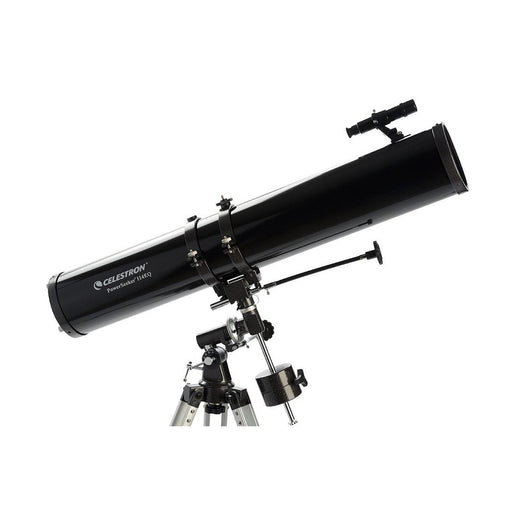
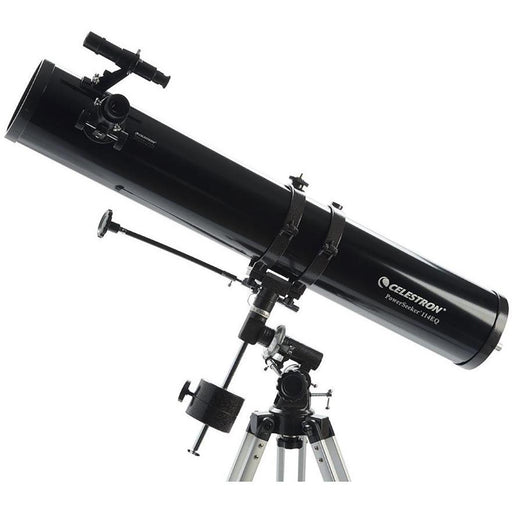
Celestron PowerSeeker 114EQ
CEL-21045
Caractéristiques Monture équatoriale allemande manuelle avec cercles de réglage pour localiser et suivre les objets du ciel Trépied en acier ple...
Afficher tous les détails
Prix d'origine
CA$278.00
-
Prix d'origine
CA$278.00
Prix d'origine
CA$278.00
CA$278.00
-
CA$278.00
Prix actuel
CA$278.00
Prix d'origine
CA$320.00
-
Prix d'origine
CA$320.00
Prix d'origine
CA$320.00
CA$320.00
-
CA$320.00
Prix actuel
CA$320.00
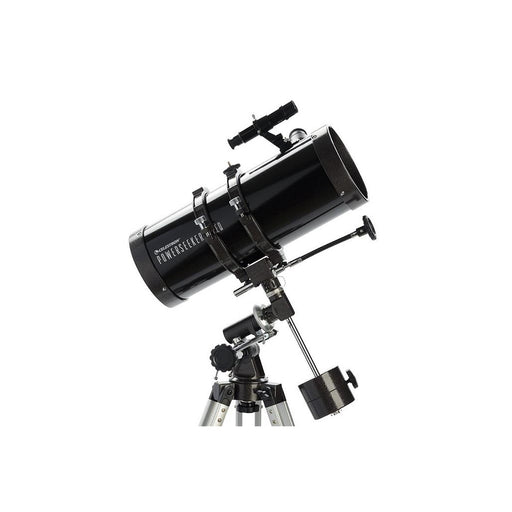
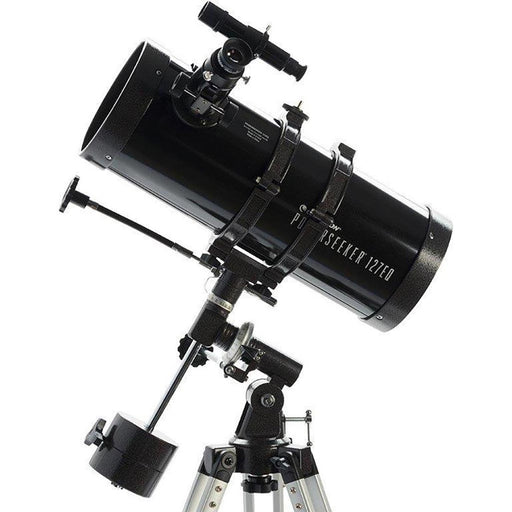
Celestron PowerSeeker 127EQ
CEL-21049
4 en stock
Caractéristiques Monture équatoriale allemande manuelle avec cercles de réglage pour localiser et suivre avec précision les objets du ciel Trép...
Afficher tous les détails
Prix d'origine
CA$320.00
-
Prix d'origine
CA$320.00
Prix d'origine
CA$320.00
CA$320.00
-
CA$320.00
Prix actuel
CA$320.00
Prix d'origine
CA$695.00
-
Prix d'origine
CA$695.00
Prix d'origine
CA$695.00
CA$695.00
-
CA$695.00
Prix actuel
CA$695.00
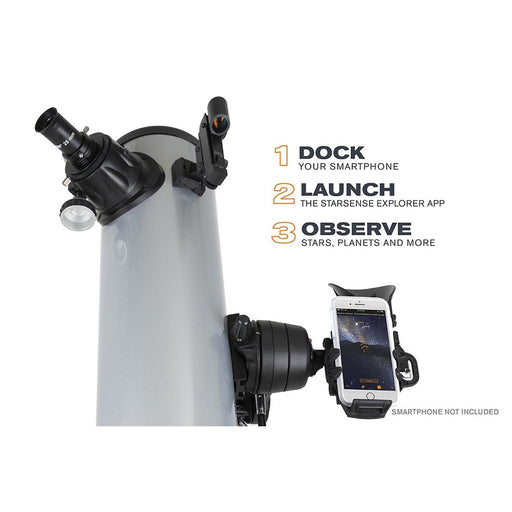
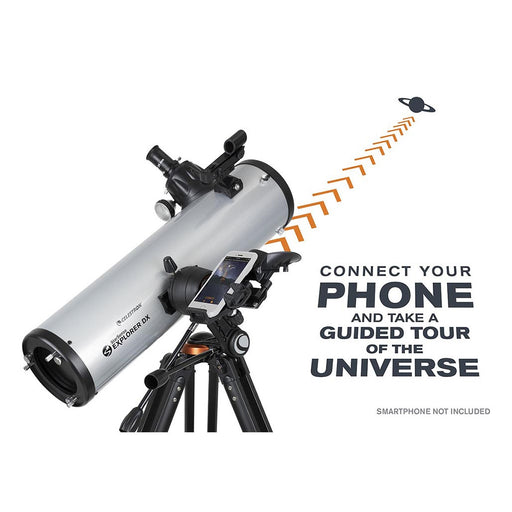
Celestron StarSense Explorer™ DX 130AZ Newtonien
CEL-22461
Caractéristiques Libérez la puissance de votre smartphone pour vous emmener dans une visite guidée du ciel nocturne - aucune expérience de télesc...
Afficher tous les détails
Prix d'origine
CA$695.00
-
Prix d'origine
CA$695.00
Prix d'origine
CA$695.00
CA$695.00
-
CA$695.00
Prix actuel
CA$695.00
Prix d'origine
CA$361.00
-
Prix d'origine
CA$361.00
Prix d'origine
CA$361.00
CA$361.00
-
CA$361.00
Prix actuel
CA$361.00
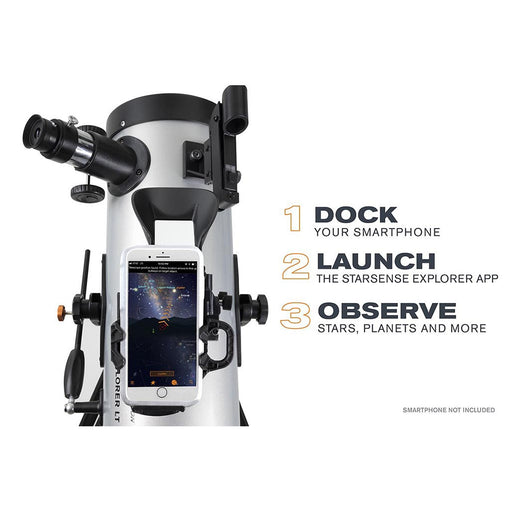
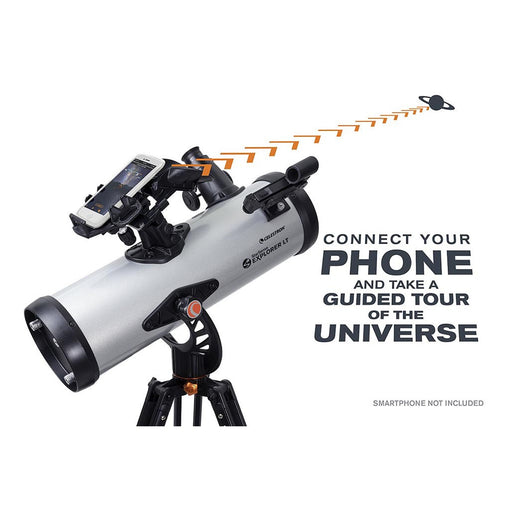
Celestron StarSense Explorer™ LT 114AZ Newtonien
CEL-22452
Caractéristiques Libérez la puissance de votre smartphone pour vous emmener dans une visite guidée du ciel nocturne - aucune expérience de télesc...
Afficher tous les détails
Prix d'origine
CA$361.00
-
Prix d'origine
CA$361.00
Prix d'origine
CA$361.00
CA$361.00
-
CA$361.00
Prix actuel
CA$361.00


Prix d'origine
CA$280.00
-
Prix d'origine
CA$280.00
Prix d'origine
CA$280.00
CA$280.00
-
CA$280.00
Prix actuel
CA$280.00
Explore Scientific 114mm Newtonian Reflector Telescope with Equatorial Mount
ES-ON11444EQ3
1 en stock
114mm (4.5") primary mirror gathers ample light for planets and bright deep-sky objects Fast f/4.4 focal ratio provides expansive, wide-field view...
Afficher tous les détails
Prix d'origine
CA$280.00
-
Prix d'origine
CA$280.00
Prix d'origine
CA$280.00
CA$280.00
-
CA$280.00
Prix actuel
CA$280.00


Prix d'origine
CA$700.00
-
Prix d'origine
CA$700.00
Prix d'origine
CA$700.00
CA$700.00
-
CA$700.00
Prix actuel
CA$700.00
Explore Scientific 6-inch Dobsonian Reflector Telescope
ES-ON15476
154mm (6-inch) Primary Mirror 1170mm Focal Length f/7.6 Focal Ratio 2-inch Crayford-style Focuser with 1.25-inch Adapter Dobsonian Mount with Spri...
Afficher tous les détails
Prix d'origine
CA$700.00
-
Prix d'origine
CA$700.00
Prix d'origine
CA$700.00
CA$700.00
-
CA$700.00
Prix actuel
CA$700.00
Prix d'origine
CA$419.99
-
Prix d'origine
CA$419.99
Prix d'origine
CA$419.99
CA$419.99
-
CA$419.99
Prix actuel
CA$419.99
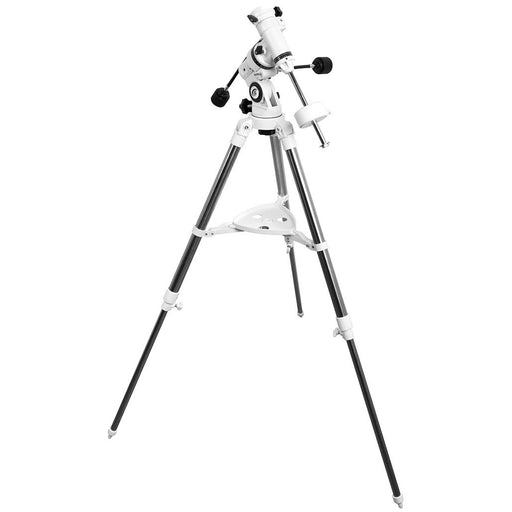
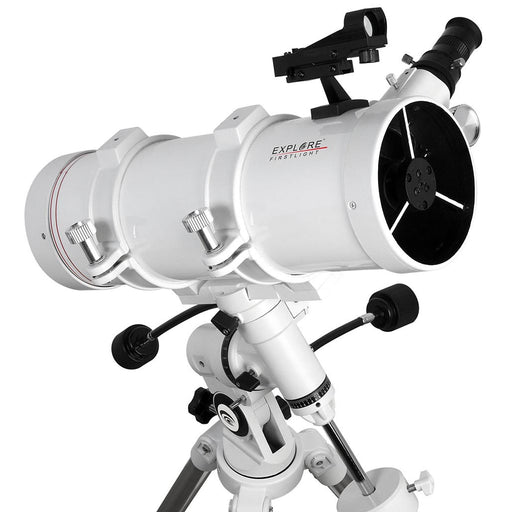
Explore Scientific FirstLight Newtonien 114mm avec Monture EQ3
ES-FL-N114500EQ3
2 en stock
Que vous cherchiez à vous plonger dans les détails de notre système solaire ou à explorer des trésors inspirants du ciel profond, la série polyval...
Afficher tous les détails
Prix d'origine
CA$419.99
-
Prix d'origine
CA$419.99
Prix d'origine
CA$419.99
CA$419.99
-
CA$419.99
Prix actuel
CA$419.99


Prix d'origine
CA$560.00
-
Prix d'origine
CA$560.00
Prix d'origine
CA$560.00
CA$560.00
-
CA$560.00
Prix actuel
CA$560.00
Explore Scientific Sidara Essential 130 Telescope
ES-N130650-MAZ01-ST10
130mm (5.1") Newtonian Reflector Optics 650mm Focal Length (f/5) Essential Alt-Azimuth Mount Dual-Axis Slow-Motion Controls Integrated SkyAssist N...
Afficher tous les détails
Prix d'origine
CA$560.00
-
Prix d'origine
CA$560.00
Prix d'origine
CA$560.00
CA$560.00
-
CA$560.00
Prix actuel
CA$560.00

Prix d'origine
CA$280.00
-
Prix d'origine
CA$280.00
Prix d'origine
CA$280.00
CA$280.00
-
CA$280.00
Prix actuel
CA$280.00
Explore Scientific Sidara Nano 114 Telescope
ES-N114500-MAZ-NANO
114mm Newtonian Reflector Optics Lightweight Nano Alt-Azimuth Mount Slow-Motion Controls for Precise Tracking Integrated SkyAssist Navigation Aid ...
Afficher tous les détails
Prix d'origine
CA$280.00
-
Prix d'origine
CA$280.00
Prix d'origine
CA$280.00
CA$280.00
-
CA$280.00
Prix actuel
CA$280.00

Prix d'origine
CA$980.00
-
Prix d'origine
CA$980.00
Prix d'origine
CA$980.00
CA$980.00
-
CA$980.00
Prix actuel
CA$980.00
Explore Scientific Sidara Plus 150 Reflector Telescope
ES-N150750-MAZ01
150mm Newtonian Reflector 750mm Focal Length (f/5) Nano Alt-Azimuth Mount Smooth Slow-Motion Controls SkyAssist Navigation Aid Description FAQ ...
Afficher tous les détails
Prix d'origine
CA$980.00
-
Prix d'origine
CA$980.00
Prix d'origine
CA$980.00
CA$980.00
-
CA$980.00
Prix actuel
CA$980.00
Prix d'origine
CA$641.00
-
Prix d'origine
CA$641.00
Prix d'origine
CA$641.00
CA$641.00
-
CA$641.00
Prix actuel
CA$641.00
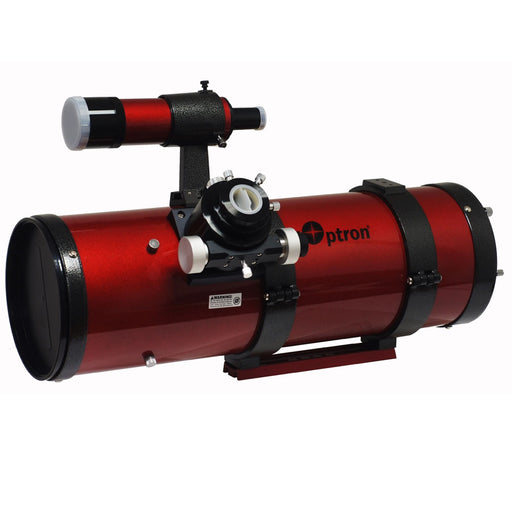
iOptron 150mm f/4 Imagerie Newtonienne
IOP-6311
L'ensemble de tube optique newtonien (OTA) de 150 mm (environ 6") f/4 d'iOptron avec un rapport focal rapide F/4 est parfait pour l'imagerie d'obj...
Afficher tous les détails
Prix d'origine
CA$641.00
-
Prix d'origine
CA$641.00
Prix d'origine
CA$641.00
CA$641.00
-
CA$641.00
Prix actuel
CA$641.00
Prix d'origine
CA$879.00
-
Prix d'origine
CA$879.00
Prix d'origine
CA$879.00
CA$879.00
-
CA$879.00
Prix actuel
CA$879.00
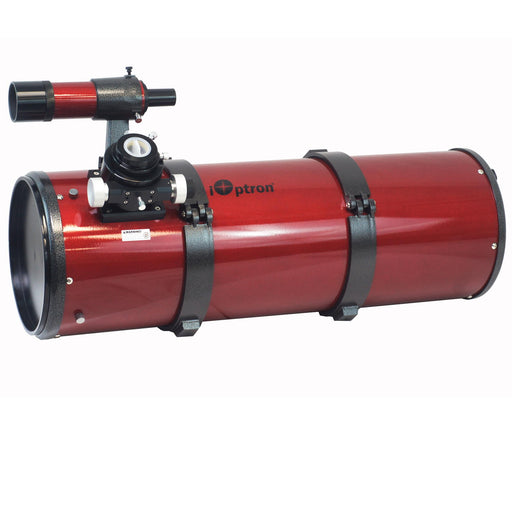
iOptron 200mm f/4 Imagerie Newtonienne
IOP-6312
L'ensemble de tube optique newtonien (OTA) de 200 mm (environ 7,9") f/4 d'iOptron avec un rapport focal rapide F/4 est parfait pour l'imagerie d'o...
Afficher tous les détails
Prix d'origine
CA$879.00
-
Prix d'origine
CA$879.00
Prix d'origine
CA$879.00
CA$879.00
-
CA$879.00
Prix actuel
CA$879.00