
Filtres scientifiques
Scientific filters are specified against published standards rather than against how pleasing the resulting image looks. A photometric filter's value lies entirely in how accurately its transmission curve matches the reference passband, because that is what makes your measurement comparable to everyone else's. David Astro carries scientific filters in Canada, in Canadian inventory and shipped domestically.
If you are contributing to variable star, exoplanet transit or supernova monitoring programmes, the filter standard your programme expects determines the purchase. Tell us the programme and we will match it.


Prix d'origine
CA$1,960.00
-
Prix d'origine
CA$1,960.00
Prix d'origine
CA$1,960.00
CA$1,960.00
-
CA$1,960.00
Prix actuel
CA$1,960.00
Antlia Jeu de filtres photométriques Sloan griz (4pcs)
ANT-PHOTOMETRICS-SLOAN-RD50
Comprend 4 filtres photométriques Sloan Digital Sky Survey (SDSS) : g', r', i', z' Transmission maximale de 98% pour les filtres r', i', z' et de ...
Afficher tous les détails
Prix d'origine
CA$1,960.00
-
Prix d'origine
CA$1,960.00
Prix d'origine
CA$1,960.00
CA$1,960.00
-
CA$1,960.00
Prix actuel
CA$1,960.00
Prix d'origine
CA$1,018.00
-
Prix d'origine
CA$4,776.00
Prix d'origine
CA$1,018.00
-
CA$4,776.00
CA$1,018.00
-
CA$4,776.00
Prix actuel
CA$1,018.00
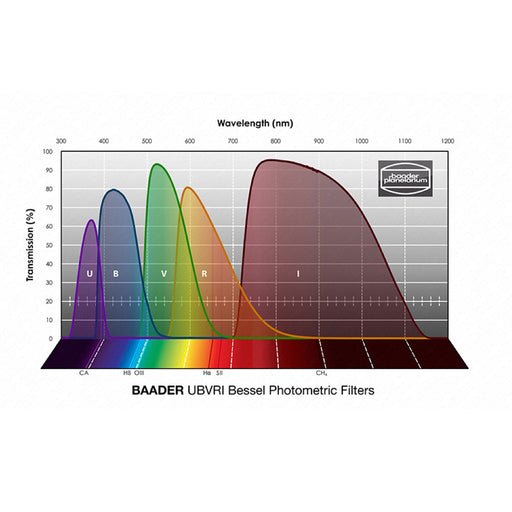
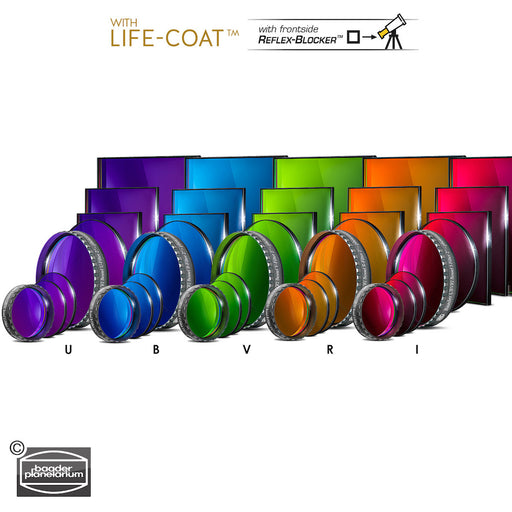
Baader Jeu de filtres photométriques UBVRI
Options available
Bandes passantes UBVRI Bessel normalisées pour la photométrie scientifique Permet de mesurer les étoiles variables, les astéroïdes et les transits...
Afficher tous les détails
Prix d'origine
CA$1,018.00
-
Prix d'origine
CA$4,776.00
Prix d'origine
CA$1,018.00
-
CA$4,776.00
CA$1,018.00
-
CA$4,776.00
Prix actuel
CA$1,018.00
Prix d'origine
CA$204.00
-
Prix d'origine
CA$982.00
Prix d'origine
CA$204.00
-
CA$982.00
CA$204.00
-
CA$982.00
Prix actuel
CA$204.00
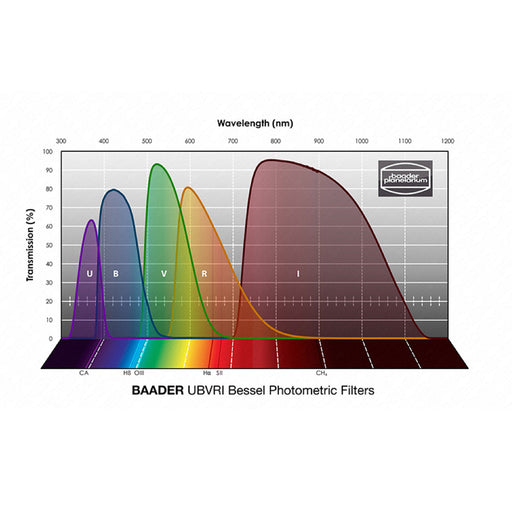
Baader Filtre individuel photométrique UBVRI-B
Options available
Conforme à la bande passante photométrique normalisée B de Johnson-Cousins/Bessel Conçu pour la photométrie scientifique de qualité recherche Trai...
Afficher tous les détails
Prix d'origine
CA$204.00
-
Prix d'origine
CA$982.00
Prix d'origine
CA$204.00
-
CA$982.00
CA$204.00
-
CA$982.00
Prix actuel
CA$204.00
Prix d'origine
CA$231.00
-
Prix d'origine
CA$1,041.00
Prix d'origine
CA$231.00
-
CA$1,041.00
CA$231.00
-
CA$1,041.00
Prix actuel
CA$231.00
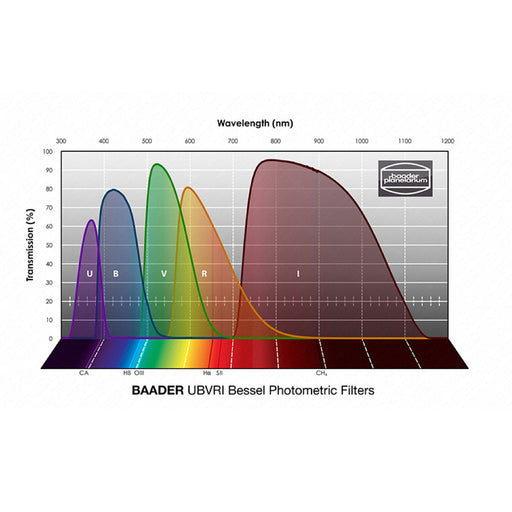
Baader Filtre individuel photométrique UBVRI-I
Options available
Conforme au système photométrique UBVRI de Johnson-Cousins Optimisé pour la bande I de Bessel (infrarouge) Conception homofocale pour un fonctionn...
Afficher tous les détails
Prix d'origine
CA$231.00
-
Prix d'origine
CA$1,041.00
Prix d'origine
CA$231.00
-
CA$1,041.00
CA$231.00
-
CA$1,041.00
Prix actuel
CA$231.00
Prix d'origine
CA$203.00
-
Prix d'origine
CA$983.00
Prix d'origine
CA$203.00
-
CA$983.00
CA$203.00
-
CA$983.00
Prix actuel
CA$203.00
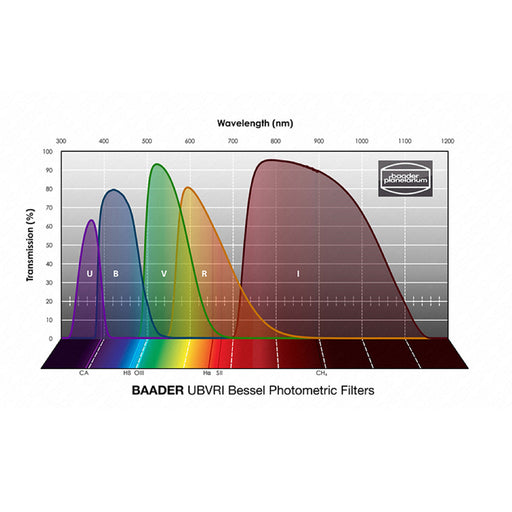
Baader Filtre individuel photométrique UBVRI-R
Options available
Conforme à la norme photométrique de la bande R de Johnson-Cousins-Bessel Conçu pour la photométrie scientifique et la collecte de données Substra...
Afficher tous les détails
Prix d'origine
CA$203.00
-
Prix d'origine
CA$983.00
Prix d'origine
CA$203.00
-
CA$983.00
CA$203.00
-
CA$983.00
Prix actuel
CA$203.00
Prix d'origine
CA$231.00
-
Prix d'origine
CA$1,056.00
Prix d'origine
CA$231.00
-
CA$1,056.00
CA$231.00
-
CA$1,056.00
Prix actuel
CA$231.00
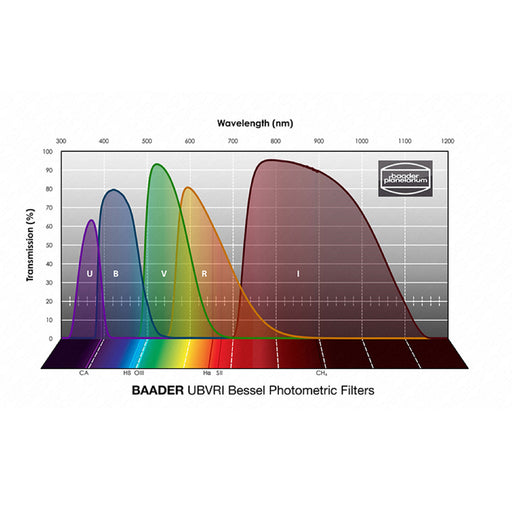
Baader Filtre individuel photométrique UBVRI-U
Options available
1 variants in stock
Conforme à la norme photométrique de la bande U de Johnson-Cousins/Bessel Conçu pour la photométrie scientifique des étoiles variables et la class...
Afficher tous les détails
Prix d'origine
CA$231.00
-
Prix d'origine
CA$1,056.00
Prix d'origine
CA$231.00
-
CA$1,056.00
CA$231.00
-
CA$1,056.00
Prix actuel
CA$231.00
Prix d'origine
CA$206.00
-
Prix d'origine
CA$979.00
Prix d'origine
CA$206.00
-
CA$979.00
CA$206.00
-
CA$979.00
Prix actuel
CA$206.00
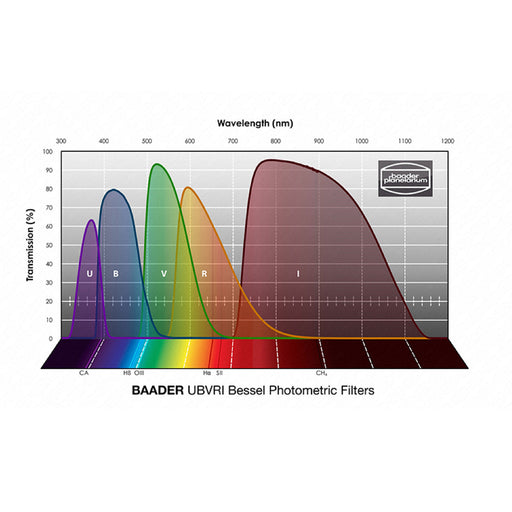
Baader Filtre individuel photométrique UBVRI-V
Options available
1 variants in stock
Norme Bessel de la bande V : respecte précisément la bande V de Johnson-Cousins-Bessel, reconnue internationalement, pour des mesures de magnitud...
Afficher tous les détails
Prix d'origine
CA$206.00
-
Prix d'origine
CA$979.00
Prix d'origine
CA$206.00
-
CA$979.00
CA$206.00
-
CA$979.00
Prix actuel
CA$206.00
Prix d'origine
CA$385.00
-
Prix d'origine
CA$1,015.00
Prix d'origine
CA$385.00
-
CA$1,015.00
CA$385.00
-
CA$1,015.00
Prix actuel
CA$385.00
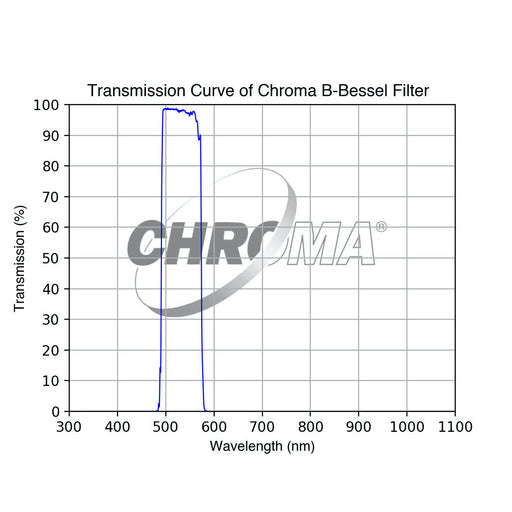
Chroma Filtre B-Bessell
Options available
Filtre photométrique standard B-Bessell pour les mesures UBVRI Substrat de 3.0 mm d'épaisseur, parfocal avec les autres filtres astronomiques Chro...
Afficher tous les détails
Prix d'origine
CA$385.00
-
Prix d'origine
CA$1,015.00
Prix d'origine
CA$385.00
-
CA$1,015.00
CA$385.00
-
CA$1,015.00
Prix actuel
CA$385.00
Prix d'origine
CA$385.00
-
Prix d'origine
CA$1,015.00
Prix d'origine
CA$385.00
-
CA$1,015.00
CA$385.00
-
CA$1,015.00
Prix actuel
CA$385.00
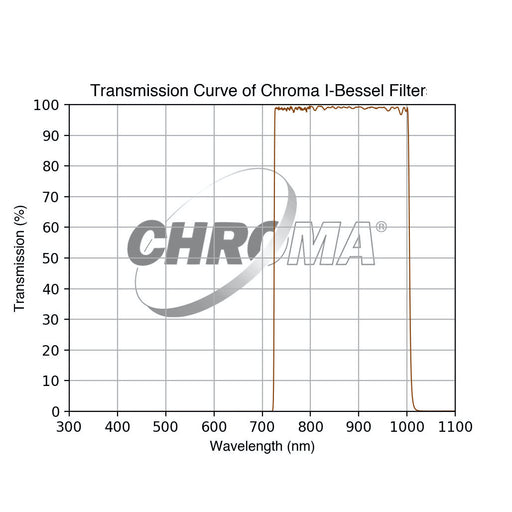
Chroma Filtre I-Bessell
Options available
Filtre I-Bessell standard pour la photométrie scientifique Traitements durs durables par pulvérisation cathodique sur un substrat unique Substrat ...
Afficher tous les détails
Prix d'origine
CA$385.00
-
Prix d'origine
CA$1,015.00
Prix d'origine
CA$385.00
-
CA$1,015.00
CA$385.00
-
CA$1,015.00
Prix actuel
CA$385.00

Prix d'origine
CA$385.00
-
Prix d'origine
CA$1,015.00
Prix d'origine
CA$385.00
-
CA$1,015.00
CA$385.00
-
CA$1,015.00
Prix actuel
CA$385.00
Chroma Filtre R-Bessell
Options available
Bande R-Bessell standardisée pour la photométrie scientifique Substrat de 3.0 mm d'épaisseur, parfocal avec les autres filtres astronomiques Chrom...
Afficher tous les détails
Prix d'origine
CA$385.00
-
Prix d'origine
CA$1,015.00
Prix d'origine
CA$385.00
-
CA$1,015.00
CA$385.00
-
CA$1,015.00
Prix actuel
CA$385.00
Prix d'origine
CA$385.00
-
Prix d'origine
CA$1,015.00
Prix d'origine
CA$385.00
-
CA$1,015.00
CA$385.00
-
CA$1,015.00
Prix actuel
CA$385.00
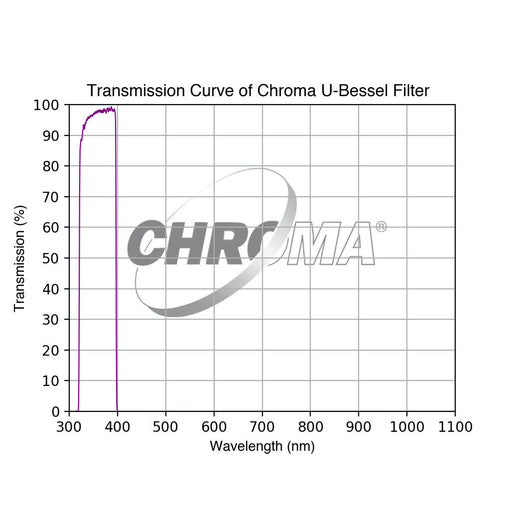
Chroma Filtre U-Bessell
Options available
Filtre photométrique Bessell bande U Substrat de 3.0 mm d'épaisseur Parfocal avec les autres filtres astronomiques Chroma (sauf le LoGlow) Front d...
Afficher tous les détails
Prix d'origine
CA$385.00
-
Prix d'origine
CA$1,015.00
Prix d'origine
CA$385.00
-
CA$1,015.00
CA$385.00
-
CA$1,015.00
Prix actuel
CA$385.00

Prix d'origine
CA$1,645.00
-
Prix d'origine
CA$4,795.00
Prix d'origine
CA$1,645.00
-
CA$4,795.00
CA$1,645.00
-
CA$4,795.00
Prix actuel
CA$1,645.00
Chroma Jeu de filtres UBVRI
Options available
Jeu photométrique complet de 5 filtres Bessell UBVRI (système Johnson-Cousins) Substrats de 3.0 mm d'épaisseur, parfocaux avec les autres filtres ...
Afficher tous les détails
Prix d'origine
CA$1,645.00
-
Prix d'origine
CA$4,795.00
Prix d'origine
CA$1,645.00
-
CA$4,795.00
CA$1,645.00
-
CA$4,795.00
Prix actuel
CA$1,645.00
Prix d'origine
CA$385.00
-
Prix d'origine
CA$1,015.00
Prix d'origine
CA$385.00
-
CA$1,015.00
CA$385.00
-
CA$1,015.00
Prix actuel
CA$385.00
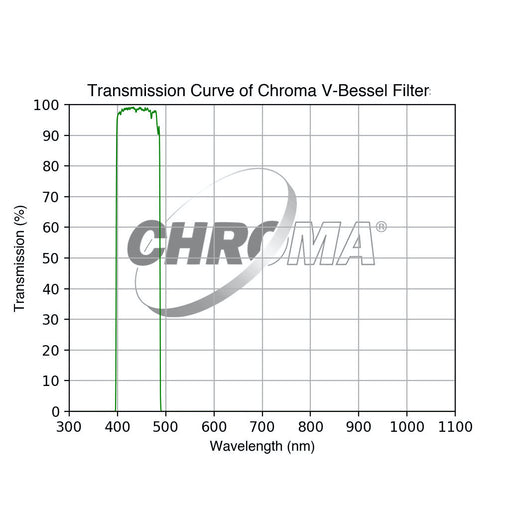
Chroma Filtre V-Bessell
Options available
Filtre photométrique V-Bessell standard pour la mesure scientifique Substrat de 3.0 mm d'épaisseur, parfocal avec les autres filtres Chroma Front ...
Afficher tous les détails
Prix d'origine
CA$385.00
-
Prix d'origine
CA$1,015.00
Prix d'origine
CA$385.00
-
CA$1,015.00
CA$385.00
-
CA$1,015.00
Prix actuel
CA$385.00
Prix d'origine
CA$210.00
-
Prix d'origine
CA$210.00
Prix d'origine
CA$210.00
CA$210.00
-
CA$210.00
Prix actuel
CA$210.00
QHYCCD Filtre SWIR 1200-1800nm
QHY-040028
Bande passante SWIR de 1200-1800nm Conçu pour les caméras InGaAs QHYCCD Compatible avec la série QHY990 Description FAQ Caractéristiques Dans l...
Afficher tous les détails
Prix d'origine
CA$210.00
-
Prix d'origine
CA$210.00
Prix d'origine
CA$210.00
CA$210.00
-
CA$210.00
Prix actuel
CA$210.00