
Tables équatoriales
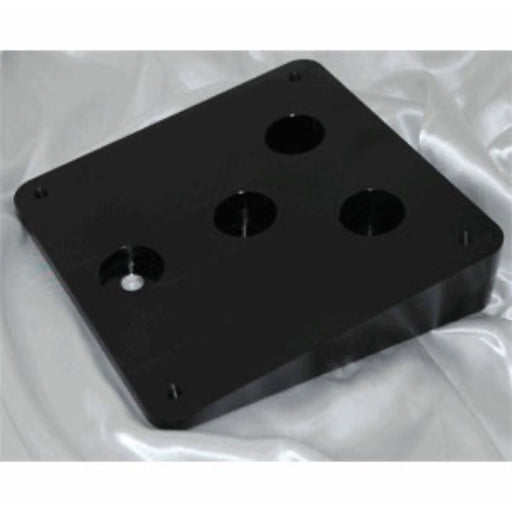
An equatorial wedge tilts an alt-azimuth mount so that its azimuth axis points at the celestial pole. That single geometric change eliminates field rotation entirely, converting a fork-mounted telescope from a visual instrument into one capable of long-exposure imaging. David Astro carries equatorial wedges in Canada, held in our Canadian warehouse.
Wedges are mount-specific and add height and weight where you least want them. Tell us your mount and payload and we will confirm the right one.

Prix d'origine
CA$751.00
-
Prix d'origine
CA$751.00
Prix d'origine
CA$751.00
CA$751.00
-
CA$751.00
Prix actuel
CA$751.00
Celestron Cale équatoriale HD Pro
CEL-93664
Permet l'astrophotographie en longue pose avec les télescopes à monture à fourche Supporte les télescopes Schmidt-Cassegrain jusqu'à 11" Construct...
Afficher tous les détails
Prix d'origine
CA$751.00
-
Prix d'origine
CA$751.00
Prix d'origine
CA$751.00
CA$751.00
-
CA$751.00
Prix actuel
CA$751.00


Prix d'origine
CA$570.00
-
Prix d'origine
CA$570.00
Prix d'origine
CA$570.00
CA$570.00
-
CA$570.00
Prix actuel
CA$570.00
Celestron Cale équatoriale pour NexStar Evolution et SE 6/8
CEL-93665
Permet l'astrophotographie en longue pose avec les montures NexStar SE et Evolution Supporte une charge totale allant jusqu'à 36 lbs (16.33 kg) La...
Afficher tous les détails
Prix d'origine
CA$570.00
-
Prix d'origine
CA$570.00
Prix d'origine
CA$570.00
CA$570.00
-
CA$570.00
Prix actuel
CA$570.00

Prix d'origine
CA$111.00
-
Prix d'origine
CA$111.00
Prix d'origine
CA$111.00
CA$111.00
-
CA$111.00
Prix actuel
CA$111.00
iOptron Base AZ/EQ réglable
IOP-3327
1 en stock
Plage de réglage en latitude : -30º à 65º Plage de réglage en azimut : ±5º Platine à queue d'aronde type Vixen Douille de trépied standard 3/8” Po...
Afficher tous les détails
Prix d'origine
CA$111.00
-
Prix d'origine
CA$111.00
Prix d'origine
CA$111.00
CA$111.00
-
CA$111.00
Prix actuel
CA$111.00

Prix d'origine
CA$109.00
-
Prix d'origine
CA$109.00
Prix d'origine
CA$109.00
CA$109.00
-
CA$109.00
Prix actuel
CA$109.00
iOptron Base EQ pour SkyHunter
IOP-3327-EQ
Permet le suivi équatorial de la monture iOptron SkyHunter Plage de réglage en latitude de 0º à 80º pour une utilisation partout Plage de réglage ...
Afficher tous les détails
Prix d'origine
CA$109.00
-
Prix d'origine
CA$109.00
Prix d'origine
CA$109.00
CA$109.00
-
CA$109.00
Prix actuel
CA$109.00
Prix d'origine
CA$363.00
-
Prix d'origine
CA$363.00
Prix d'origine
CA$363.00
CA$363.00
-
CA$363.00
Prix actuel
CA$363.00
iOptron Base AZ/EQ de précision
IOP-3328
1 en stock
Plage de réglage en latitude complète de 0º à 90º Réglage fin en azimut de ±5º pour une mise en station précise Platine à queue d'aronde de type V...
Afficher tous les détails
Prix d'origine
CA$363.00
-
Prix d'origine
CA$363.00
Prix d'origine
CA$363.00
CA$363.00
-
CA$363.00
Prix actuel
CA$363.00


Prix d'origine
CA$144.00
-
Prix d'origine
CA$144.00
Prix d'origine
CA$144.00
CA$144.00
-
CA$144.00
Prix actuel
CA$144.00
Seestar Tête de trépied TH10 pour le mode EQ
ZWO-SS-TH10
6 en stock
Active le mode équatorial (EQ) des modèles Seestar S30 & S50 Capacité de charge de 5 kg Construction légère en aluminium de 411 g Amortissemen...
Afficher tous les détails
Prix d'origine
CA$144.00
-
Prix d'origine
CA$144.00
Prix d'origine
CA$144.00
CA$144.00
-
CA$144.00
Prix actuel
CA$144.00

Prix d'origine
CA$130.00
-
Prix d'origine
CA$130.00
Prix d'origine
CA$130.00
CA$130.00
-
CA$130.00
Prix actuel
CA$130.00
Sky-Watcher Base de latitude (EQ) Star Adventurer
SW-S20530
Permet une mise en station précise Réglages fins en hauteur et en azimut Améliore le suivi pour les poses plus longues Plateforme robuste et stabl...
Afficher tous les détails
Prix d'origine
CA$130.00
-
Prix d'origine
CA$130.00
Prix d'origine
CA$130.00
CA$130.00
-
CA$130.00
Prix actuel
CA$130.00

Prix d'origine
CA$1,106.00
-
Prix d'origine
CA$1,106.00
Prix d'origine
CA$1,106.00
CA$1,106.00
-
CA$1,106.00
Prix actuel
CA$1,106.00
Software Bisque Coin de réglage en latitude Paramount ME/MEII
SB10104
Étend la plage de latitude de mise en station à 0-15° et 58-90° Conçu exclusivement pour les montures Software Bisque Paramount ME et ME II Permet...
Afficher tous les détails
Prix d'origine
CA$1,106.00
-
Prix d'origine
CA$1,106.00
Prix d'origine
CA$1,106.00
CA$1,106.00
-
CA$1,106.00
Prix actuel
CA$1,106.00
Épuisé
Prix d'origine
CA$314.00
-
Prix d'origine
CA$314.00
Prix d'origine
CA$314.00
CA$314.00
-
CA$314.00
Prix actuel
CA$314.00
Software Bisque Cale de réglage en latitude Paramount MX/MX+
SB10240
Étend la plage de mise en station : permet une mise en station précise aux latitudes polaires et équatoriales extrêmes. Compatibilité avec les mon...
Afficher tous les détails
Prix d'origine
CA$314.00
-
Prix d'origine
CA$314.00
Prix d'origine
CA$314.00
CA$314.00
-
CA$314.00
Prix actuel
CA$314.00
Épuisé


Prix d'origine
CA$381.00
-
Prix d'origine
CA$397.00
Prix d'origine
CA$381.00
-
Prix d'origine
CA$397.00
Prix d'origine
CA$381.00
CA$362.00
-
CA$377.00
CA$362.00
-
CA$377.00
Prix actuel
CA$362.00
William Optics Base de monture WO de style Vixen pour hautes latitudes
Options available
4 variants in stock
Conçue pour l'iOptron SkyGuider Pro et le Sky-Watcher Star Adventurer Permet une mise en station stable et précise aux hautes latitudes Base de st...
Afficher tous les détails
Prix d'origine
CA$381.00
-
Prix d'origine
CA$397.00
Prix d'origine
CA$381.00
-
Prix d'origine
CA$397.00
Prix d'origine
CA$381.00
CA$362.00
-
CA$377.00
CA$362.00
-
CA$377.00
Prix actuel
CA$362.00
Économisez jusqu'à 5%


Prix d'origine
CA$330.00
Prix d'origine
CA$330.00
-
Prix d'origine
CA$330.00
Prix d'origine
CA$330.00
Prix actuel
CA$314.00
CA$314.00
-
CA$314.00
Prix actuel
CA$314.00
William Optics Base de monture WO de style Vixen pour basses latitudes
WO-YG-IO-SG01L
Conçue pour les observateurs de basses latitudes Construction en alliage d'aluminium massif Molettes de réglage de précision en hauteur et en azim...
Afficher tous les détails
Prix d'origine
CA$330.00
Prix d'origine
CA$330.00
-
Prix d'origine
CA$330.00
Prix d'origine
CA$330.00
Prix actuel
CA$314.00
CA$314.00
-
CA$314.00
Prix actuel
CA$314.00
Économisez 5%