
Filtres
A filter decides what light reaches your sensor or your eye, and under Canadian suburban skies that decision often matters more than aperture. The right narrowband filter can make a nebula imageable from a driveway that visually shows almost nothing. David Astro carries filters in Canada — narrowband, LRGB, light pollution, planetary, solar and scientific — in 1.25", 2", 31 mm, 36 mm and unmounted formats, shipped from Canadian stock.
Filter selection is where our team spends a lot of time, because bandwidth, f-ratio and sensor size interact in ways that are not obvious from a product page. Tell us your telescope and camera and we will recommend a set that works together.


Prix d'origine
CA$235.00
-
Prix d'origine
CA$235.00
Prix d'origine
CA$235.00
CA$235.00
-
CA$235.00
Prix actuel
CA$235.00
SVBONY SV227 SHO 5nm H-Alpha OIII SII Narrowband Filter Set - 1.25"
SV-W9187A
Complete 1.25-inch SHO (SII, H-Alpha, OIII) filter set Tight 5nm bandpass for high-contrast imaging Peak transmission rate of ≥90% at key waveleng...
Afficher tous les détails
Prix d'origine
CA$235.00
-
Prix d'origine
CA$235.00
Prix d'origine
CA$235.00
CA$235.00
-
CA$235.00
Prix actuel
CA$235.00


Prix d'origine
CA$131.00
-
Prix d'origine
CA$131.00
Prix d'origine
CA$131.00
CA$131.00
-
CA$131.00
Prix actuel
CA$131.00
SVBONY SV227 SII 5nm Narrowband Filter - 2"
SV-W9187DA
Captures Sulfur-II (SII) emission at a 672nm center wavelength Extremely narrow 5nm bandpass for maximum contrast Peak light transmission of ≥90% ...
Afficher tous les détails
Prix d'origine
CA$131.00
-
Prix d'origine
CA$131.00
Prix d'origine
CA$131.00
CA$131.00
-
CA$131.00
Prix actuel
CA$131.00


Prix d'origine
CA$43.00
-
Prix d'origine
CA$56.00
Prix d'origine
CA$43.00
-
CA$56.00
CA$43.00
-
CA$56.00
Prix actuel
CA$43.00
SVBONY SV231 Fringe Killer Color Correction Filter
Options available
Reduces violet fringing (chromatic aberration) in achromatic refractors Standard 1.25" filter threads for universal compatibility Blocks IR wavele...
Afficher tous les détails
Prix d'origine
CA$43.00
-
Prix d'origine
CA$56.00
Prix d'origine
CA$43.00
-
CA$56.00
CA$43.00
-
CA$56.00
Prix actuel
CA$43.00


Prix d'origine
CA$126.00
-
Prix d'origine
CA$168.00
Prix d'origine
CA$126.00
-
CA$168.00
CA$126.00
-
CA$168.00
Prix actuel
CA$126.00
SVBONY SV240 Near-Infrared Multi-Narrowband Light Pollution Filter
Options available
Designed for urban astrophotography with one-shot color cameras Passes H-Alpha, OIII, H-Beta, and Near-Infrared (NIR) wavelengths Peak transmittan...
Afficher tous les détails
Prix d'origine
CA$126.00
-
Prix d'origine
CA$168.00
Prix d'origine
CA$126.00
-
CA$168.00
CA$126.00
-
CA$168.00
Prix actuel
CA$126.00


Prix d'origine
CA$175.00
-
Prix d'origine
CA$175.00
Prix d'origine
CA$175.00
CA$175.00
-
CA$175.00
Prix actuel
CA$175.00
SVBONY SV260 5-Bandpass Light Pollution Filter - 2"
SV-W9194A
5-Bandpass broadband light pollution filter 2-inch size with M48x0.75 thread Over 90% peak transmittance for high signal OD4 blocking of key light...
Afficher tous les détails
Prix d'origine
CA$175.00
-
Prix d'origine
CA$175.00
Prix d'origine
CA$175.00
CA$175.00
-
CA$175.00
Prix actuel
CA$175.00


Prix d'origine
CA$34.00
-
Prix d'origine
CA$70.00
Prix d'origine
CA$34.00
-
CA$70.00
CA$34.00
-
CA$70.00
Prix actuel
CA$34.00
SVBONY UHC Ultra High Contrast Light Pollution Filter
Options available
Reduces light pollution from artificial lighting Enhances contrast for emission nebulae Available in 1.25", 2", and Canon EOS-C formats Durable al...
Afficher tous les détails
Prix d'origine
CA$34.00
-
Prix d'origine
CA$70.00
Prix d'origine
CA$34.00
-
CA$70.00
CA$34.00
-
CA$70.00
Prix actuel
CA$34.00


Prix d'origine
CA$22.00
-
Prix d'origine
CA$25.00
Prix d'origine
CA$22.00
-
CA$25.00
CA$22.00
-
CA$25.00
Prix actuel
CA$22.00
SVBONY UV IR-Cut Filter
Options available
9 variants in stock
Blocks unwanted Ultraviolet (UV) and Infrared (IR) wavelengths Standard 2-inch filter threads for wide compatibility Improves image contrast and c...
Afficher tous les détails
Prix d'origine
CA$22.00
-
Prix d'origine
CA$25.00
Prix d'origine
CA$22.00
-
CA$25.00
CA$22.00
-
CA$25.00
Prix actuel
CA$22.00


Prix d'origine
CA$200.00
-
Prix d'origine
CA$364.00
Prix d'origine
CA$200.00
-
CA$364.00
CA$200.00
-
CA$364.00
Prix actuel
CA$200.00
Tele Vue BandMate H-Beta Filter
Options available
Filter Type: Hydrogen-Beta (Hβ) Narrowband Available Sizes: 1.25" and 2" Mounted Primary Targets: Horsehead Nebula, California Nebula Manufacturin...
Afficher tous les détails
Prix d'origine
CA$200.00
-
Prix d'origine
CA$364.00
Prix d'origine
CA$200.00
-
CA$364.00
CA$200.00
-
CA$364.00
Prix actuel
CA$200.00


Prix d'origine
CA$204.00
-
Prix d'origine
CA$450.00
Prix d'origine
CA$204.00
-
CA$450.00
CA$204.00
-
CA$450.00
Prix actuel
CA$204.00
Tele Vue BandMate Nebustar Filter
Options available
1 variants in stock
Unique Narrowband Design: Transmits both Hβ and OIII emission lines in a single, targeted passband for maximum contrast. Blocks Red Wavelengths:...
Afficher tous les détails
Prix d'origine
CA$204.00
-
Prix d'origine
CA$450.00
Prix d'origine
CA$204.00
-
CA$450.00
CA$204.00
-
CA$450.00
Prix actuel
CA$204.00


Prix d'origine
CA$200.00
-
Prix d'origine
CA$364.00
Prix d'origine
CA$200.00
-
CA$364.00
CA$200.00
-
CA$364.00
Prix actuel
CA$200.00
Tele Vue BandMate OIII Filter
Options available
Isolates doubly ionized oxygen (OIII) emission lines Dramatically increases contrast on planetary nebulae and supernova remnants Manufactured by A...
Afficher tous les détails
Prix d'origine
CA$200.00
-
Prix d'origine
CA$364.00
Prix d'origine
CA$200.00
-
CA$364.00
CA$200.00
-
CA$364.00
Prix actuel
CA$200.00

Prix d'origine
CA$7.00
-
Prix d'origine
CA$13.00
Prix d'origine
CA$7.00
-
CA$13.00
CA$7.00
-
CA$13.00
Prix actuel
CA$7.00
Wanderer Astro ND Filter for WandererCover
Options available
Available in 7 sizes from 80mm to 240mm Designed for WandererCover V4-EC and V4-EC IR Enables Calibrated Flat Frames with Sensitive Cameras Reduce...
Afficher tous les détails
Prix d'origine
CA$7.00
-
Prix d'origine
CA$13.00
Prix d'origine
CA$7.00
-
CA$13.00
CA$7.00
-
CA$13.00
Prix actuel
CA$7.00


Prix d'origine
CA$660.00
-
Prix d'origine
CA$660.00
Prix d'origine
CA$660.00
CA$660.00
-
CA$660.00
Prix actuel
CA$660.00
William Optics Filtre Bande Étroite STC Astro Duo
WO-YF-STC-ADN
Filtre passe-bande double pour l'astrophotographie Optimisé pour les raies d'émission H-alpha et OIII Description ...
Afficher tous les détails
Prix d'origine
CA$660.00
-
Prix d'origine
CA$660.00
Prix d'origine
CA$660.00
CA$660.00
-
CA$660.00
Prix actuel
CA$660.00


Prix d'origine
CA$328.00
-
Prix d'origine
CA$328.00
Prix d'origine
CA$328.00
CA$328.00
-
CA$328.00
Prix actuel
CA$328.00
William Optics Filtre Multispectre STC Ultra Layer Astro - 48mm
WO-YF-STC-M48
Filtre passe-bande multi pour l'astrophotographie Conception filetée de 48 mm pour une fixation facile Description ...
Afficher tous les détails
Prix d'origine
CA$328.00
-
Prix d'origine
CA$328.00
Prix d'origine
CA$328.00
CA$328.00
-
CA$328.00
Prix actuel
CA$328.00
Prix d'origine
CA$26.00
-
Prix d'origine
CA$69.00
Prix d'origine
CA$26.00
-
CA$69.00
CA$26.00
-
CA$69.00
Prix actuel
CA$26.00
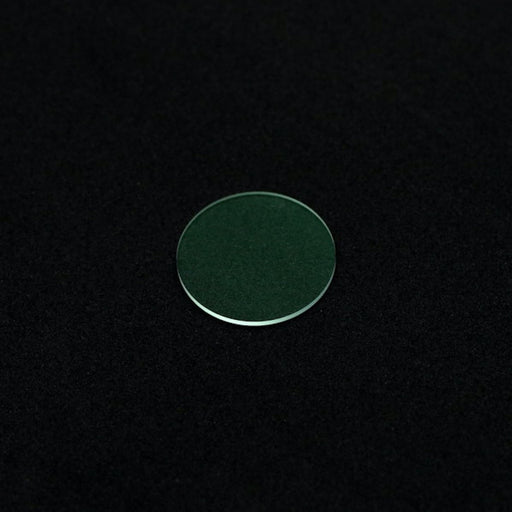
ZWO Fenêtre de Protection AR
Options available
5 variants in stock
Fenêtre de protection AR Fenêtre de protection ZWO D21 AR Paramètre technique: Diamètre : 21 mm Type : fenêtre AR Épaisseur : 1,1 mm Plan...
Afficher tous les détails
Prix d'origine
CA$26.00
-
Prix d'origine
CA$69.00
Prix d'origine
CA$26.00
-
CA$69.00
CA$26.00
-
CA$69.00
Prix actuel
CA$26.00
Prix d'origine
CA$139.00
-
Prix d'origine
CA$139.00
Prix d'origine
CA$139.00
CA$139.00
-
CA$139.00
Prix actuel
CA$139.00
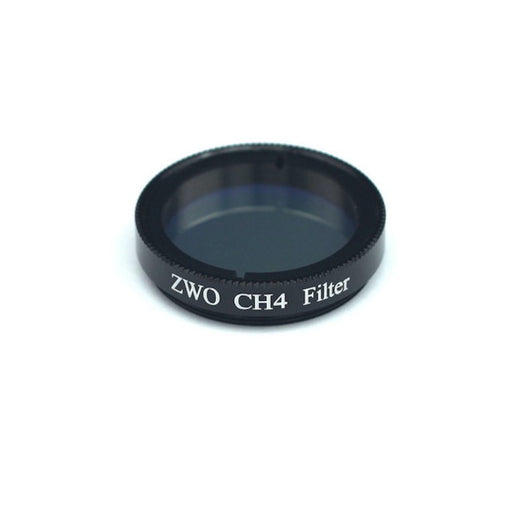
ZWO Filtre Méthane CH4 - 20nm 1.25"
ZWO-CH4
3 en stock
Le filtre à bande ZWO Methane (CH4) est un filtre spécial pour une utilisation photographique. Son FWHM est de 20 nm, ce qui convient à la plupa...
Afficher tous les détails
Prix d'origine
CA$139.00
-
Prix d'origine
CA$139.00
Prix d'origine
CA$139.00
CA$139.00
-
CA$139.00
Prix actuel
CA$139.00
Prix d'origine
CA$139.00
-
Prix d'origine
CA$239.00
Prix d'origine
CA$139.00
-
CA$239.00
CA$139.00
-
CA$239.00
Prix actuel
CA$139.00
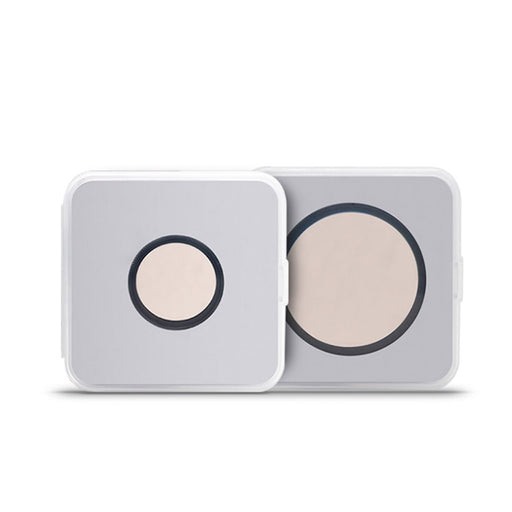
ZWO Filtre Duo-Band
Options available
7 variants in stock
Le filtre ZWO Duo-Band est un filtre double bande étroite principalement destiné à compléter notre gamme de caméras ASI couleur. Le filtre Duo-Ban...
Afficher tous les détails
Prix d'origine
CA$139.00
-
Prix d'origine
CA$239.00
Prix d'origine
CA$139.00
-
CA$239.00
CA$139.00
-
CA$239.00
Prix actuel
CA$139.00
Prix d'origine
CA$40.00
-
Prix d'origine
CA$40.00
Prix d'origine
CA$40.00
CA$40.00
-
CA$40.00
Prix actuel
CA$40.00
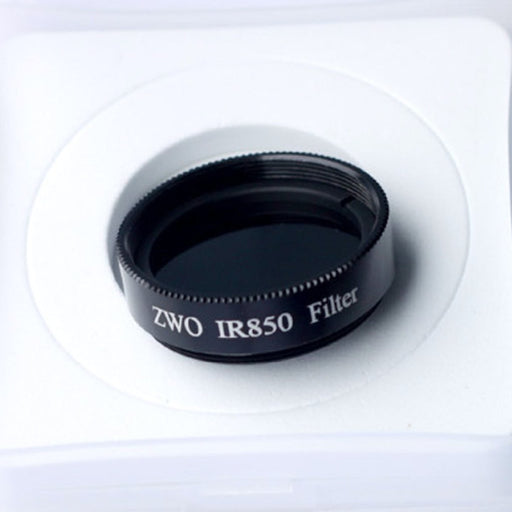
ZWO Filtre Passe-Bande IR 850nm - 1.25"
ZWO-850IR1-25
2 en stock
Filtre de passage ZWO 1.25″ IR 850nm adapté aux caméras sensibles aux infrarouges. Vous n'avez pas besoin de débayer et d'obtenir la pleine résolut...
Afficher tous les détails
Prix d'origine
CA$40.00
-
Prix d'origine
CA$40.00
Prix d'origine
CA$40.00
CA$40.00
-
CA$40.00
Prix actuel
CA$40.00
Prix d'origine
CA$26.00
-
Prix d'origine
CA$26.00
Prix d'origine
CA$26.00
CA$26.00
-
CA$26.00
Prix actuel
CA$26.00
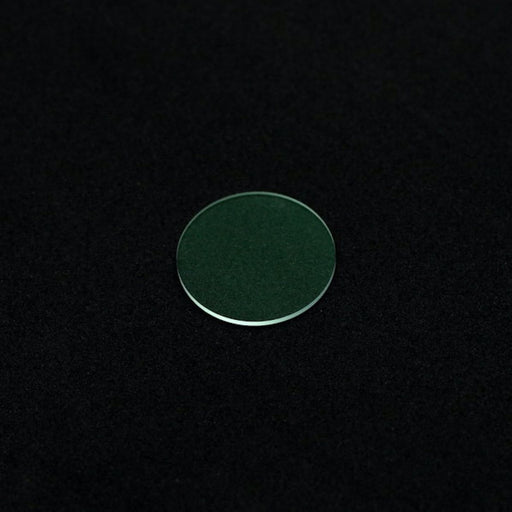
ZWO Fenêtre de Protection IR-Cut
Options available
1 variants in stock
Fenêtre de protection UV IR-CUT Fenêtre de protection ZWO D21 UV IR-CUT Paramètre technique: Diamètre : 21 mm Type: fenêtre UV IR-cut Épai...
Afficher tous les détails
Prix d'origine
CA$26.00
-
Prix d'origine
CA$26.00
Prix d'origine
CA$26.00
CA$26.00
-
CA$26.00
Prix actuel
CA$26.00
Prix d'origine
CA$207.00
-
Prix d'origine
CA$419.00
Prix d'origine
CA$207.00
-
CA$419.00
CA$207.00
-
CA$419.00
Prix actuel
CA$207.00
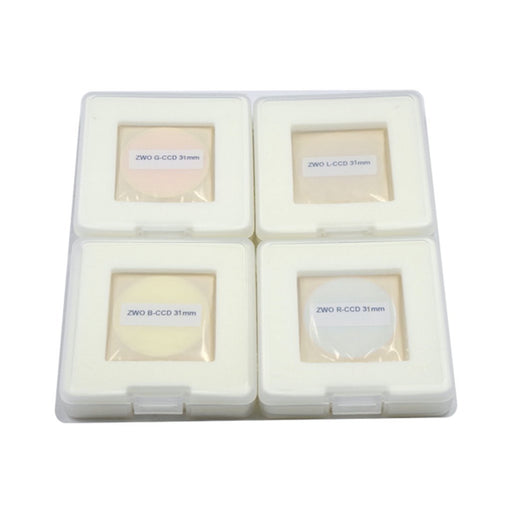
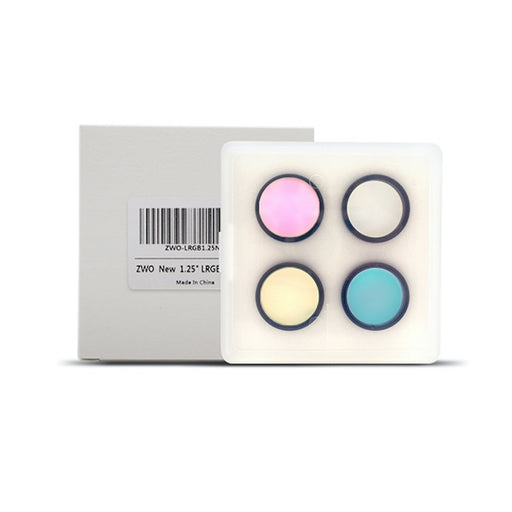
Filtres optimisés ZWO LRGB
Options available
3 variants in stock
Les nouveaux filtres ZWO LRGB sont conçus pour égaliser approximativement le flux du capteur mono ASI1600 Meilleure transmission, meilleur revête...
Afficher tous les détails
Prix d'origine
CA$207.00
-
Prix d'origine
CA$419.00
Prix d'origine
CA$207.00
-
CA$419.00
CA$207.00
-
CA$419.00
Prix actuel
CA$207.00
Prix d'origine
CA$517.00
-
Prix d'origine
CA$979.00
Prix d'origine
CA$517.00
-
CA$979.00
CA$517.00
-
CA$979.00
Prix actuel
CA$517.00
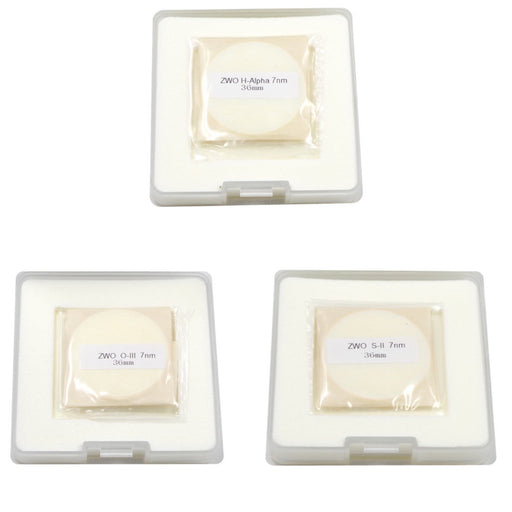
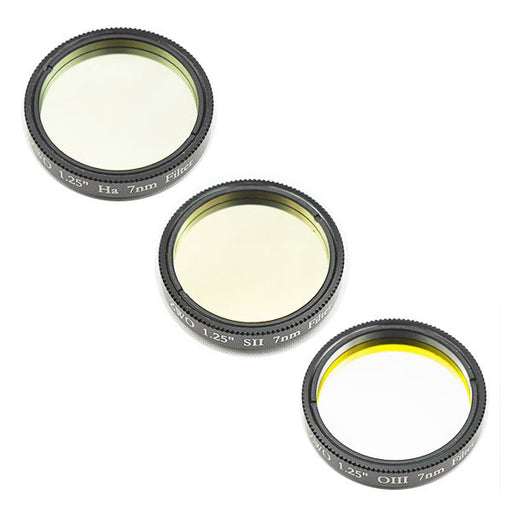
ZWO Ensemble de Filtres à Bande Étroite - 7nm H-alpha, OIII et SII
Options available
1 variants in stock
Le filtre à bande étroite n'élimine pas les effets de la pollution lumineuse et n'augmente pas la luminosité de l'objet. Dans de nombreux cas, ils ...
Afficher tous les détails
Prix d'origine
CA$517.00
-
Prix d'origine
CA$979.00
Prix d'origine
CA$517.00
-
CA$979.00
CA$517.00
-
CA$979.00
Prix actuel
CA$517.00
Prix d'origine
CA$181.00
-
Prix d'origine
CA$349.00
Prix d'origine
CA$181.00
-
CA$349.00
CA$181.00
-
CA$349.00
Prix actuel
CA$181.00
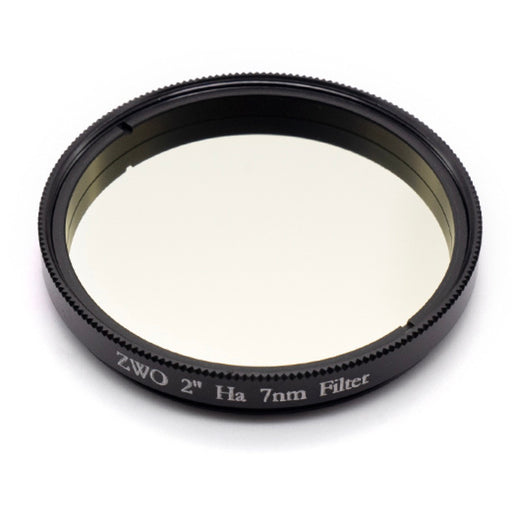
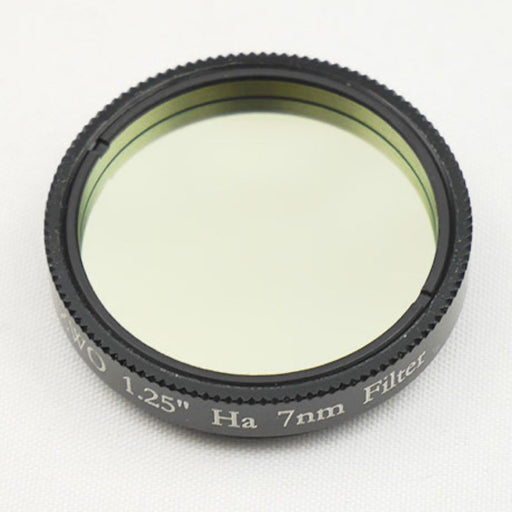
ZWO Filtre H-alpha - 7nm
Options available
Le filtre à bande étroite n'élimine pas les effets de la pollution lumineuse et n'augmente pas la luminosité de l'objet. Dans de nombreux cas, ils ...
Afficher tous les détails
Prix d'origine
CA$181.00
-
Prix d'origine
CA$349.00
Prix d'origine
CA$181.00
-
CA$349.00
CA$181.00
-
CA$349.00
Prix actuel
CA$181.00
Prix d'origine
CA$181.00
-
Prix d'origine
CA$349.00
Prix d'origine
CA$181.00
-
CA$349.00
CA$181.00
-
CA$349.00
Prix actuel
CA$181.00
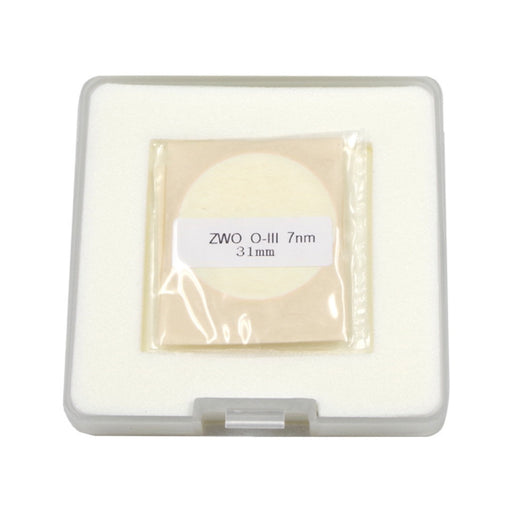
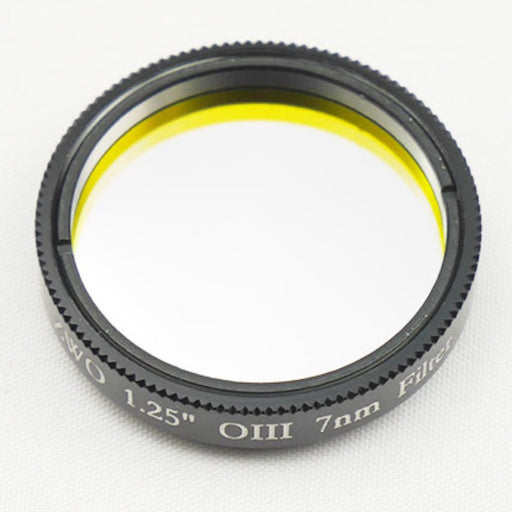
ZWO Filtre OIII - 7nm
Options available
2 variants in stock
Le filtre à bande étroite n'élimine pas les effets de la pollution lumineuse et n'augmente pas la luminosité de l'objet. Dans de nombreux cas, ils...
Afficher tous les détails
Prix d'origine
CA$181.00
-
Prix d'origine
CA$349.00
Prix d'origine
CA$181.00
-
CA$349.00
CA$181.00
-
CA$349.00
Prix actuel
CA$181.00
Prix d'origine
CA$181.00
-
Prix d'origine
CA$349.00
Prix d'origine
CA$181.00
-
CA$349.00
CA$181.00
-
CA$349.00
Prix actuel
CA$181.00
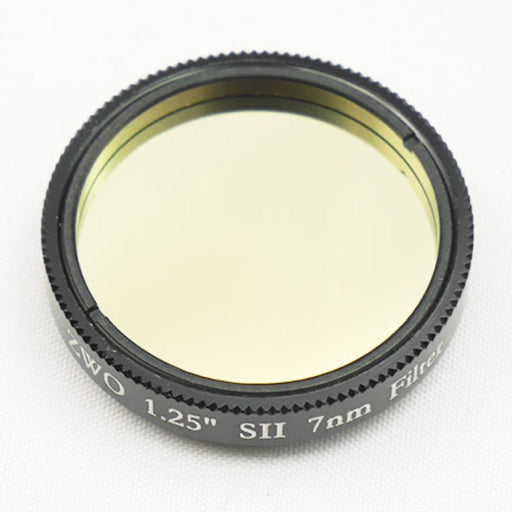
ZWO Filtre SII - 7nm
Options available
2 variants in stock
Le filtre à bande étroite n'élimine pas les effets de la pollution lumineuse et n'augmente pas la luminosité de l'objet. Dans de nombreux cas, ils...
Afficher tous les détails
Prix d'origine
CA$181.00
-
Prix d'origine
CA$349.00
Prix d'origine
CA$181.00
-
CA$349.00
CA$181.00
-
CA$349.00
Prix actuel
CA$181.00
Prix d'origine
CA$40.00
-
Prix d'origine
CA$69.00
Prix d'origine
CA$40.00
-
CA$69.00
CA$40.00
-
CA$69.00
Prix actuel
CA$40.00
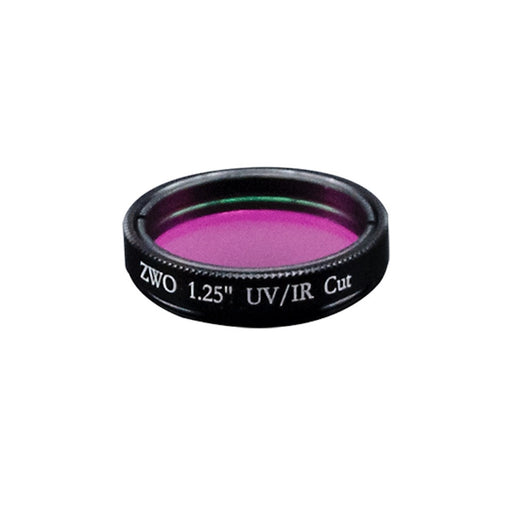
ZWO Filtre UV/IR CUT
Options available
40 variants in stock
Le filtre ZWO IR UV CUT convient aux caméras couleur avec fenêtre de protection AR. Le filtre ZWO IR-Cut empêche la lumière infrarouge d'atteindr...
Afficher tous les détails
Prix d'origine
CA$40.00
-
Prix d'origine
CA$69.00
Prix d'origine
CA$40.00
-
CA$69.00
CA$40.00
-
CA$69.00
Prix actuel
CA$40.00