

Réfracteurs
Refractors earn their following through consistency. A sealed lens system holds collimation indefinitely, cools quickly, gives high-contrast views without a central obstruction, and — in modern apochromatic form — produces the clean, round stars that make wide-field astrophotography look effortless. David Astro carries refractors in Canada, from compact 50 mm travel astrographs to large apochromatic triplets, shipping from Canadian stock.
We image with refractors under Canadian skies and can speak to the practical differences between doublets and triplets, and between glass types, in terms of what actually shows in a finished image rather than what appears on a specification sheet.
Prix d'origine
CA$1,679.00
-
Prix d'origine
CA$1,679.00
Prix d'origine
CA$1,679.00
CA$1,679.00
-
CA$1,679.00
Prix actuel
CA$1,679.00
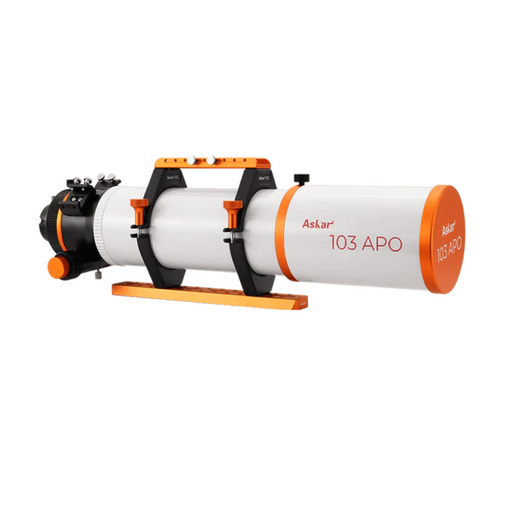
Askar 103APO f/6.8 Triplet
ASK-ASKAPO103
Caractéristique de conception du tube d'objectif amovible Ouverture de 103 mm, distance focale de 700 mm et rapports focaux natifs de 6,8 A...
Afficher tous les détails
Prix d'origine
CA$1,679.00
-
Prix d'origine
CA$1,679.00
Prix d'origine
CA$1,679.00
CA$1,679.00
-
CA$1,679.00
Prix actuel
CA$1,679.00
Prix d'origine
CA$3,219.00
-
Prix d'origine
CA$3,219.00
Prix d'origine
CA$3,219.00
CA$3,219.00
-
CA$3,219.00
Prix actuel
CA$3,219.00
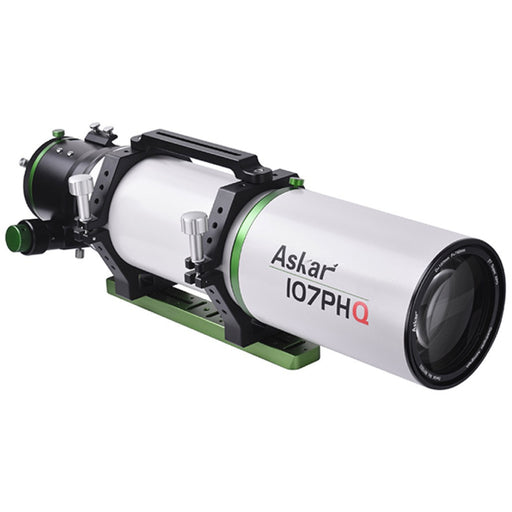
Askar 107PHQ f/7 Quadruplet APO
ASK-107PHQ
1 en stock
En tant que premier astrographe Flatfield à rapport focal long d'Askar, 107PHQ est né avec une mission spéciale : que vous débutiez en astrophotogr...
Afficher tous les détails
Prix d'origine
CA$3,219.00
-
Prix d'origine
CA$3,219.00
Prix d'origine
CA$3,219.00
CA$3,219.00
-
CA$3,219.00
Prix actuel
CA$3,219.00

Prix d'origine
CA$2,379.00
-
Prix d'origine
CA$2,379.00
Prix d'origine
CA$2,379.00
CA$2,379.00
-
CA$2,379.00
Prix actuel
CA$2,379.00
Askar 120APO f/7 Triplet
ASK-ASKAPO120
120mm Aperture Triplet Air-Spaced APO Objective Includes one ED Glass Element for Superb Color Correction 840mm Focal Length at a Native f/7 Focal...
Afficher tous les détails
Prix d'origine
CA$2,379.00
-
Prix d'origine
CA$2,379.00
Prix d'origine
CA$2,379.00
CA$2,379.00
-
CA$2,379.00
Prix actuel
CA$2,379.00
Prix d'origine
CA$4,899.00
-
Prix d'origine
CA$4,899.00
Prix d'origine
CA$4,899.00
CA$4,899.00
-
CA$4,899.00
Prix actuel
CA$4,899.00
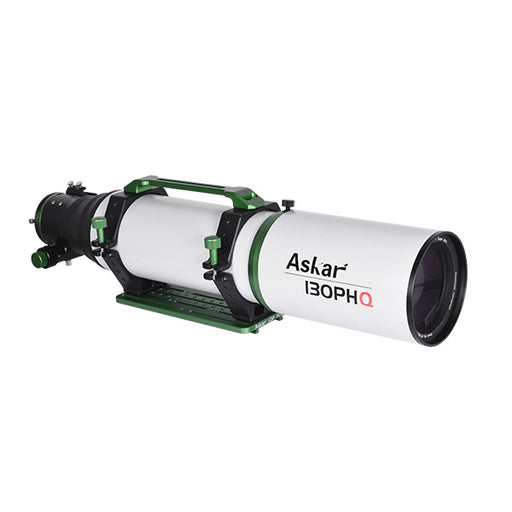
Askar 130PHQ f/7 Quadruplet APO
ASK-130PHQ
130PHQ est un astrographe à champ plat à longue focale nouvellement lancé après 107PHQ. Au lieu d'acheter des aplatisseurs supplémentaires, de calc...
Afficher tous les détails
Prix d'origine
CA$4,899.00
-
Prix d'origine
CA$4,899.00
Prix d'origine
CA$4,899.00
CA$4,899.00
-
CA$4,899.00
Prix actuel
CA$4,899.00


Prix d'origine
CA$2,799.00
-
Prix d'origine
CA$2,799.00
Prix d'origine
CA$2,799.00
CA$2,799.00
-
CA$2,799.00
Prix actuel
CA$2,799.00
Askar 131F Flat-Field APO Refractor
ASK-ASAPO131F
131mm Aperture f/7.5 Focal Ratio Quadruplet Air-Spaced APO Optical Design Includes one ED Glass Element 44mm Full-Frame Image Circle Integrated Fi...
Afficher tous les détails
Prix d'origine
CA$2,799.00
-
Prix d'origine
CA$2,799.00
Prix d'origine
CA$2,799.00
CA$2,799.00
-
CA$2,799.00
Prix actuel
CA$2,799.00
Prix d'origine
CA$3,499.00
-
Prix d'origine
CA$3,499.00
Prix d'origine
CA$3,499.00
CA$3,499.00
-
CA$3,499.00
Prix actuel
CA$3,499.00
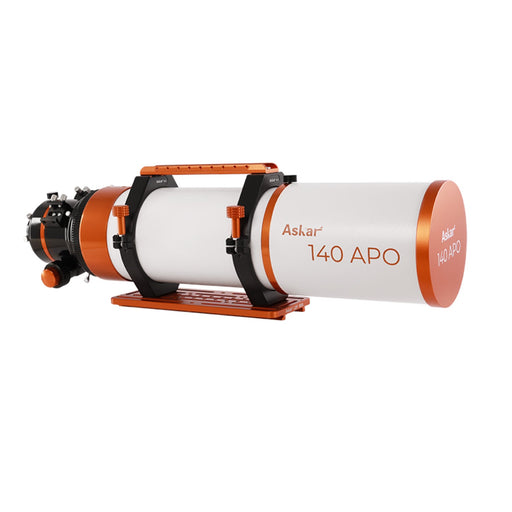
Askar 140APO f/7 Triplet
ASK-ASKAPO140
2 en stock
Que vous soyez astronome amateur ou astrophotographe professionnel, l'Askar 140APO vous offrira une expérience utilisateur de haute qualité et vou...
Afficher tous les détails
Prix d'origine
CA$3,499.00
-
Prix d'origine
CA$3,499.00
Prix d'origine
CA$3,499.00
CA$3,499.00
-
CA$3,499.00
Prix actuel
CA$3,499.00

Prix d'origine
CA$6,299.00
-
Prix d'origine
CA$6,299.00
Prix d'origine
CA$6,299.00
CA$6,299.00
-
CA$6,299.00
Prix actuel
CA$6,299.00
Askar 151PHQ f/7 Quadruplet Astrograph
ASK-151PHQ
151mm Aperture Quadruplet APO Optics 1057mm Focal Length at f/7 Integrated Flattener for a 60mm Image Circle Includes Two ED Glass Elements for Co...
Afficher tous les détails
Prix d'origine
CA$6,299.00
-
Prix d'origine
CA$6,299.00
Prix d'origine
CA$6,299.00
CA$6,299.00
-
CA$6,299.00
Prix actuel
CA$6,299.00
Prix d'origine
CA$5,383.00
-
Prix d'origine
CA$5,383.00
Prix d'origine
CA$5,383.00
CA$5,383.00
-
CA$5,383.00
Prix actuel
CA$5,383.00
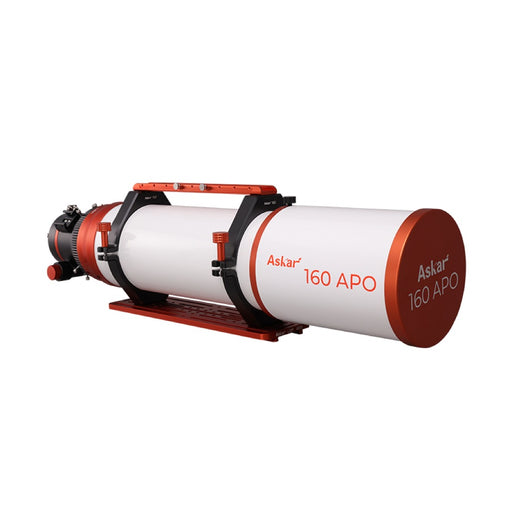
Askar 160APO f/7 Triplet
ASK-ASKAPO160
160mm Aperture Triplet Air-Spaced APO Objective 1120mm Focal Length at f/7 Includes One ED Glass Element for Color Correction Retractable Dew Shie...
Afficher tous les détails
Prix d'origine
CA$5,383.00
-
Prix d'origine
CA$5,383.00
Prix d'origine
CA$5,383.00
CA$5,383.00
-
CA$5,383.00
Prix actuel
CA$5,383.00
Prix d'origine
CA$7,391.00
-
Prix d'origine
CA$7,391.00
Prix d'origine
CA$7,391.00
CA$7,391.00
-
CA$7,391.00
Prix actuel
CA$7,391.00
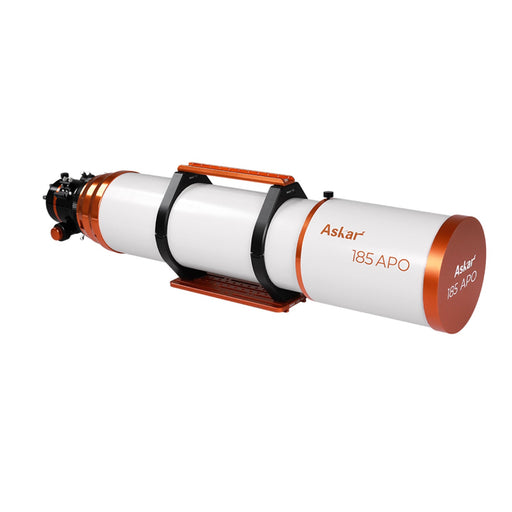
Askar 185APO f/7 Triplet
ASK-185APO
1 en stock
En tant que réfracteur à grande ouverture, Askar 185APO comble le poste vacant sur le marché, perpétue la haute qualité et la rentabilité des téle...
Afficher tous les détails
Prix d'origine
CA$7,391.00
-
Prix d'origine
CA$7,391.00
Prix d'origine
CA$7,391.00
CA$7,391.00
-
CA$7,391.00
Prix actuel
CA$7,391.00


Prix d'origine
CA$12,011.00
-
Prix d'origine
CA$12,011.00
Prix d'origine
CA$12,011.00
CA$12,011.00
-
CA$12,011.00
Prix actuel
CA$12,011.00
Askar 203APO f/7 Triplet APO Refractor
ASK-203APO
203mm Aperture Triplet Air-Spaced APO Objective 1421mm Focal Length at f/7 Includes one ED (Extra-Low Dispersion) Glass Element Retractable Tube D...
Afficher tous les détails
Prix d'origine
CA$12,011.00
-
Prix d'origine
CA$12,011.00
Prix d'origine
CA$12,011.00
CA$12,011.00
-
CA$12,011.00
Prix actuel
CA$12,011.00


Prix d'origine
CA$419.00
-
Prix d'origine
CA$419.00
Prix d'origine
CA$419.00
CA$419.00
-
CA$419.00
Prix actuel
CA$419.00
Askar 50P f/3.8 Quadruplet APO Telescope
ASK-50P
5 en stock
50mm Aperture Quadruplet APO Optics Ultra-Fast f/3.8 Focal Ratio 190mm Focal Length Natively Flat Field for APS-C Sensors Standard 55mm Back Focus...
Afficher tous les détails
Prix d'origine
CA$419.00
-
Prix d'origine
CA$419.00
Prix d'origine
CA$419.00
CA$419.00
-
CA$419.00
Prix actuel
CA$419.00


Prix d'origine
CA$699.00
-
Prix d'origine
CA$699.00
Prix d'origine
CA$699.00
CA$699.00
-
CA$699.00
Prix actuel
CA$699.00
Askar 60F Flat-Field Astrograph
ASK-ASAPO60F
1 en stock
60mm Aperture Quadruplet APO Optics 408mm Focal Length f/6.8 Native Focal Ratio 44mm Full-Frame Image Circle Integrated Field Flattener 2.86kg Gro...
Afficher tous les détails
Prix d'origine
CA$699.00
-
Prix d'origine
CA$699.00
Prix d'origine
CA$699.00
CA$699.00
-
CA$699.00
Prix actuel
CA$699.00

Prix d'origine
CA$1,259.00
-
Prix d'origine
CA$1,259.00
Prix d'origine
CA$1,259.00
CA$1,259.00
-
CA$1,259.00
Prix actuel
CA$1,259.00
Askar 65PHQ f/6.4 Quintuplet Flat-Field Astrograph
ASK-65PHQ
65mm Aperture Quintuplet APO Optical Design 416mm Focal Length at f/6.4 Built-in Field Flattener with 44mm Image Circle 2.8kg Total Weight Includi...
Afficher tous les détails
Prix d'origine
CA$1,259.00
-
Prix d'origine
CA$1,259.00
Prix d'origine
CA$1,259.00
CA$1,259.00
-
CA$1,259.00
Prix actuel
CA$1,259.00
Prix d'origine
CA$923.00
-
Prix d'origine
CA$923.00
Prix d'origine
CA$923.00
CA$923.00
-
CA$923.00
Prix actuel
CA$923.00
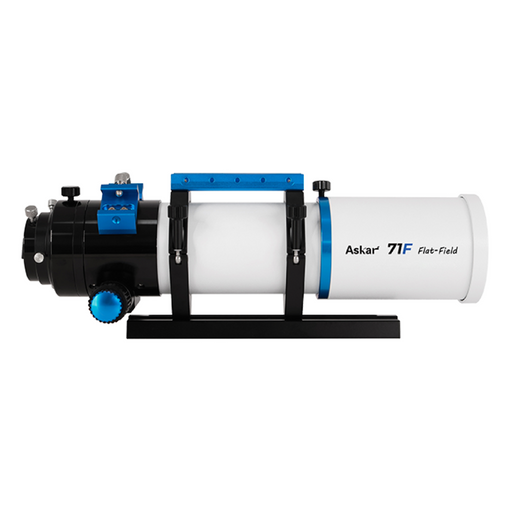
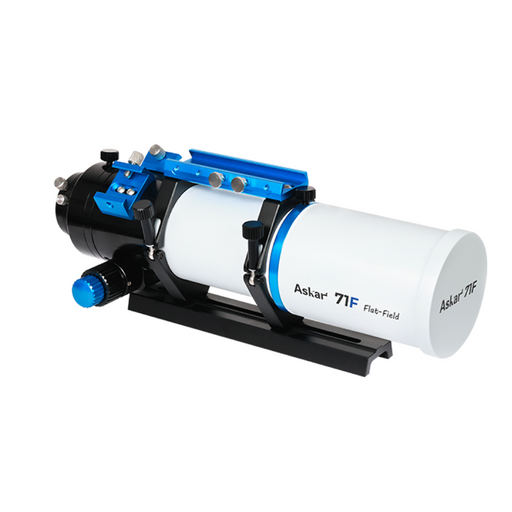
Askar 71F Quadruplet champ plat APO f/6.9
ASK-ASAPO71F
Ouverture de 71 mm, réfracteur apochromatique quadruplet à rapport focal f/6,9 Conception à champ plat optimisée pour l'astrophotographi...
Afficher tous les détails
Prix d'origine
CA$923.00
-
Prix d'origine
CA$923.00
Prix d'origine
CA$923.00
CA$923.00
-
CA$923.00
Prix actuel
CA$923.00
Prix d'origine
CA$559.00
-
Prix d'origine
CA$559.00
Prix d'origine
CA$559.00
CA$559.00
-
CA$559.00
Prix actuel
CA$559.00
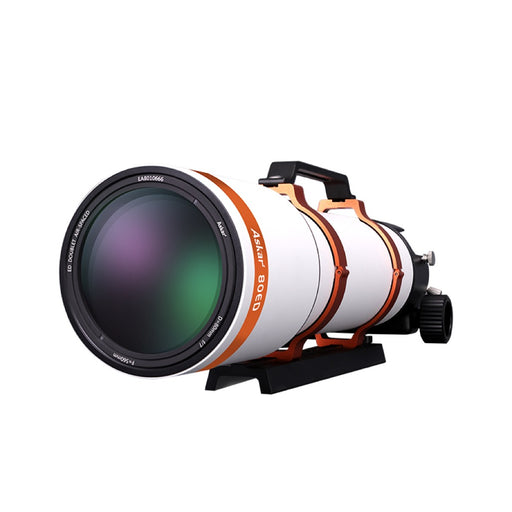
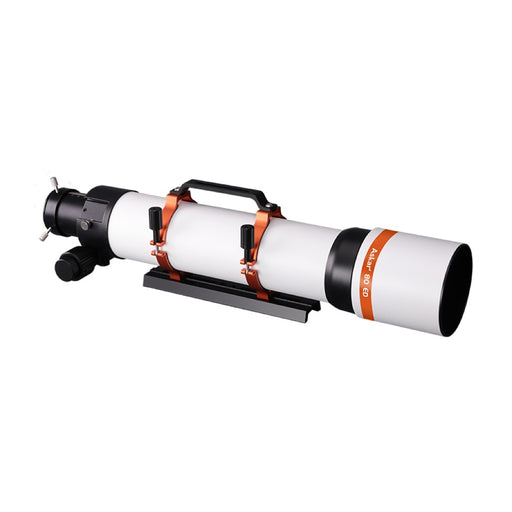
Askar 80ED f/7 Doublet
ASK-ASF80ED
1 en stock
560mm Focal Length f/7 Focal Ratio Triplet Objective with ED Glass APS-C Corrected Image Circle 55mm Back Focus 0.42kg Weight Description FAQ S...
Afficher tous les détails
Prix d'origine
CA$559.00
-
Prix d'origine
CA$559.00
Prix d'origine
CA$559.00
CA$559.00
-
CA$559.00
Prix actuel
CA$559.00
Prix d'origine
CA$2,099.00
-
Prix d'origine
CA$2,099.00
Prix d'origine
CA$2,099.00
CA$2,099.00
-
CA$2,099.00
Prix actuel
CA$2,099.00
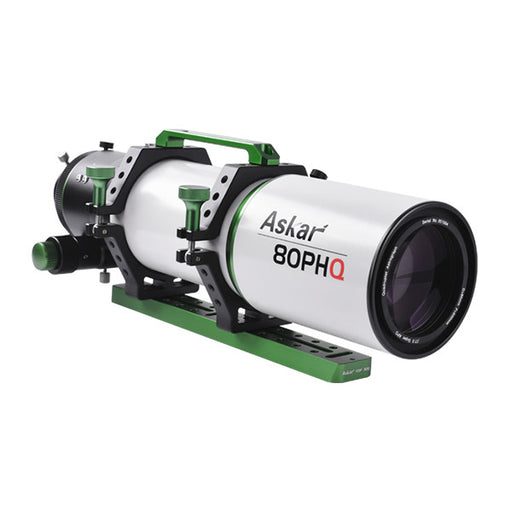
Askar 80PHQ f/7 Quadruplet APO
ASK-80PHQ
Ouverture de 80 mm, réfracteur apochromatique quadruplet à rapport focal f/7 Conçu pour l'astrophotographie et l'observation visuelle de ...
Afficher tous les détails
Prix d'origine
CA$2,099.00
-
Prix d'origine
CA$2,099.00
Prix d'origine
CA$2,099.00
CA$2,099.00
-
CA$2,099.00
Prix actuel
CA$2,099.00


Prix d'origine
CA$1,399.00
-
Prix d'origine
CA$1,399.00
Prix d'origine
CA$1,399.00
CA$1,399.00
-
CA$1,399.00
Prix actuel
CA$1,399.00
Askar 91F Flat-Field Astrograph
ASK-ASAPO91F
91mm Aperture Quadruplet APO Optics 609mm Focal Length at f/6.7 44mm Full-Frame Corrected Image Circle Integrated Field Flattener Design 3.92kg Ne...
Afficher tous les détails
Prix d'origine
CA$1,399.00
-
Prix d'origine
CA$1,399.00
Prix d'origine
CA$1,399.00
CA$1,399.00
-
CA$1,399.00
Prix actuel
CA$1,399.00
Prix d'origine
CA$461.00
-
Prix d'origine
CA$461.00
Prix d'origine
CA$461.00
CA$461.00
-
CA$461.00
Prix actuel
CA$461.00
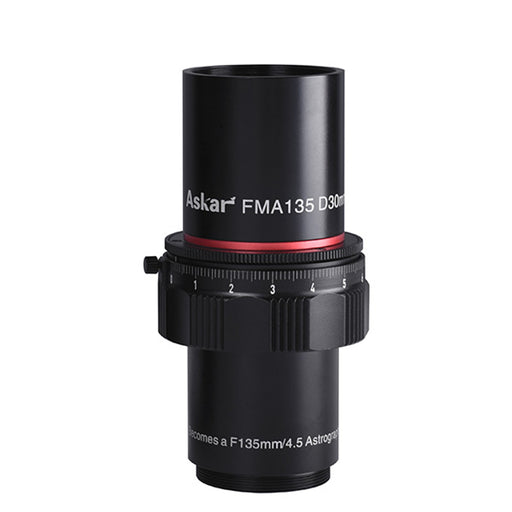
Objectif Askar FMA135 135mm f/4.5 APO
ASK-FMA135
1 en stock
Le tout nouveau début d'année 2021 voit l'avènement de notre astrographe FMA135 qui a hérité de la qualité constante, de la compacité et de la poly...
Afficher tous les détails
Prix d'origine
CA$461.00
-
Prix d'origine
CA$461.00
Prix d'origine
CA$461.00
CA$461.00
-
CA$461.00
Prix actuel
CA$461.00
Prix d'origine
CA$615.00
-
Prix d'origine
CA$615.00
Prix d'origine
CA$615.00
CA$615.00
-
CA$615.00
Prix actuel
CA$615.00
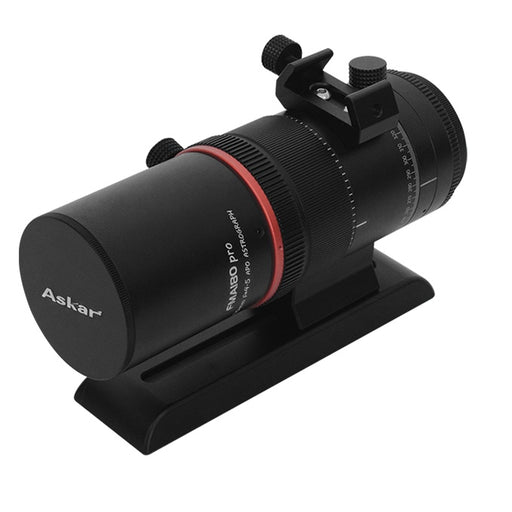
Askar FMA180 Pro 180mm f/4.5 APO Full Frame Lens
ASK-FMA180
Pour offrir aux clients plus d'options, Askar a lancé le nouveau FMA180 pro. Le FMA180 pro est similaire au FMA180 en termes de conception opt...
Afficher tous les détails
Prix d'origine
CA$615.00
-
Prix d'origine
CA$615.00
Prix d'origine
CA$615.00
CA$615.00
-
CA$615.00
Prix actuel
CA$615.00
Prix d'origine
CA$1,329.00
-
Prix d'origine
CA$1,329.00
Prix d'origine
CA$1,329.00
CA$1,329.00
-
CA$1,329.00
Prix actuel
CA$1,329.00
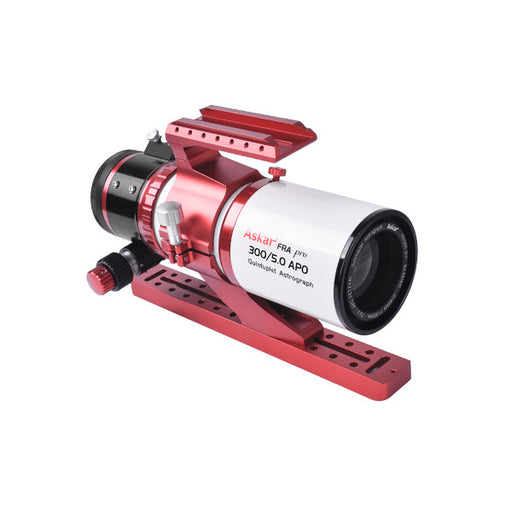
Askar FRA300 Pro 60 mm f/5 Quintuplet APO
ASK-FRA300
60 mm f/5 Quintuplet APO Cercle d'image à champ plat de 44 mm Distance focale de 300 mm Porte-oculaire à crémaillère et pigno...
Afficher tous les détails
Prix d'origine
CA$1,329.00
-
Prix d'origine
CA$1,329.00
Prix d'origine
CA$1,329.00
CA$1,329.00
-
CA$1,329.00
Prix actuel
CA$1,329.00
Prix d'origine
CA$1,679.00
-
Prix d'origine
CA$1,679.00
Prix d'origine
CA$1,679.00
CA$1,679.00
-
CA$1,679.00
Prix actuel
CA$1,679.00
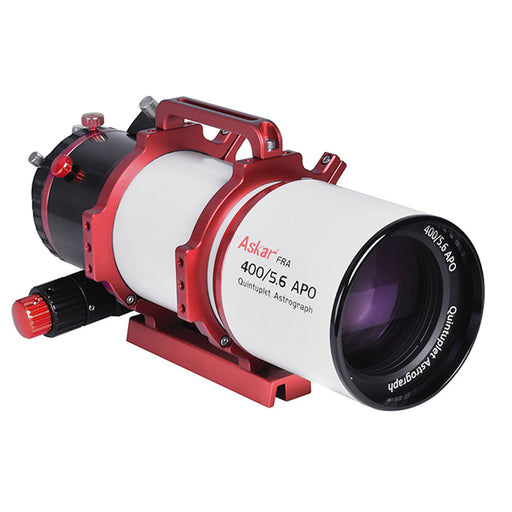
Askar FRA400 72mm f/5.6 Quintuplet APO
ASK-FRA400
72 mm f/5,6 Quintuplet APO Cercle d'image à champ plat de 44 mm Distance focale de 400 mm Porte-oculaire à crémaillère et pignon 3" avec ro...
Afficher tous les détails
Prix d'origine
CA$1,679.00
-
Prix d'origine
CA$1,679.00
Prix d'origine
CA$1,679.00
CA$1,679.00
-
CA$1,679.00
Prix actuel
CA$1,679.00


Prix d'origine
CA$1,253.00
-
Prix d'origine
CA$1,253.00
Prix d'origine
CA$1,253.00
CA$1,253.00
-
CA$1,253.00
Prix actuel
CA$1,253.00
Askar FRA400C 72mm f/5.6 Quintuplet APO
ASK-FRA400C
72mm Aperture Quintuplet APO Optics 400mm Focal Length at f/5.6 Covers a 44mm Full-Frame Image Circle Integrated 17-Blade Aperture (f/5.6-f/22) 2....
Afficher tous les détails
Prix d'origine
CA$1,253.00
-
Prix d'origine
CA$1,253.00
Prix d'origine
CA$1,253.00
CA$1,253.00
-
CA$1,253.00
Prix actuel
CA$1,253.00
Prix d'origine
CA$2,799.00
-
Prix d'origine
CA$2,799.00
Prix d'origine
CA$2,799.00
CA$2,799.00
-
CA$2,799.00
Prix actuel
CA$2,799.00
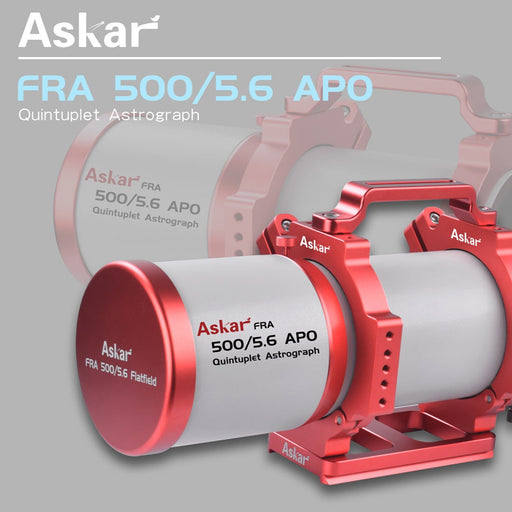
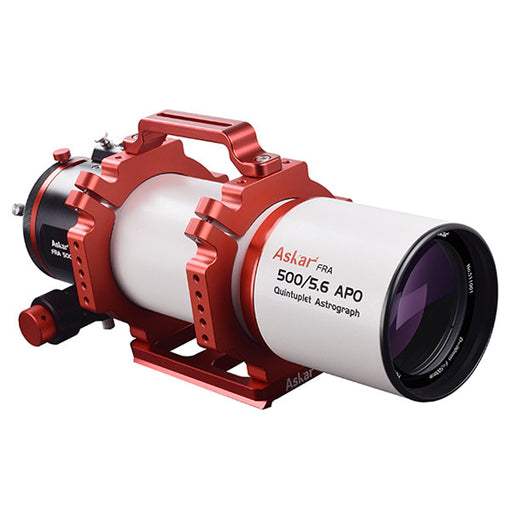
Askar FRA500 90mm f/5.6 Quintuplet APO
ASK-FRA500
Compact et portable Imagerie de haute qualité Mise au point de précision Conception élégante Description Caractéristiques ...
Afficher tous les détails
Prix d'origine
CA$2,799.00
-
Prix d'origine
CA$2,799.00
Prix d'origine
CA$2,799.00
CA$2,799.00
-
CA$2,799.00
Prix actuel
CA$2,799.00
Prix d'origine
CA$3,639.00
-
Prix d'origine
CA$3,639.00
Prix d'origine
CA$3,639.00
CA$3,639.00
-
CA$3,639.00
Prix actuel
CA$3,639.00
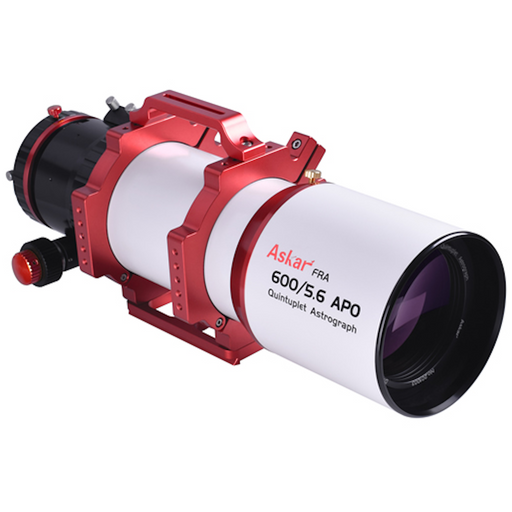
Askar FRA600 108mm f/5.6 Quintuplet APO
ASK-FRA600
Aujourd'hui, Sharpstar annonce le plus récent ajout à sa série Askar FRA, l'Askar FRA600/5.6. Après les excellentes performances optiques de son...
Afficher tous les détails
Prix d'origine
CA$3,639.00
-
Prix d'origine
CA$3,639.00
Prix d'origine
CA$3,639.00
CA$3,639.00
-
CA$3,639.00
Prix actuel
CA$3,639.00