
Filtres d'astrophotographie
Not every imaging filter is narrowband or LRGB. Ultraviolet and infrared cut filters, luminance filters, methane band filters for planetary work and dedicated infrared pass filters each solve a specific problem, and several of them are more useful than their obscurity suggests. David Astro carries imaging filters in Canada, in Canadian inventory and shipped domestically.
These filters address particular situations rather than general imaging. Tell us what problem you are seeing and we will say whether one of them fixes it.


Prix d'origine
CA$0.00
-
Prix d'origine
CA$634.00
Prix d'origine
CA$0.00
-
CA$634.00
CA$0.00
-
CA$634.00
Prix actuel
CA$0.00
Baader Planetarium Filtre à bande étroite H-Beta (5.5nm) – optimisé CMOS
Options available
Isole la raie d'émission de l'hydrogène bêta (H-Beta) Bande étroite de 5.5nm (FWHM) Disponible en 1.25" & 2" montés, 31/36/50.4mm ronds non mo...
Afficher tous les détails
Prix d'origine
CA$0.00
-
Prix d'origine
CA$634.00
Prix d'origine
CA$0.00
-
CA$634.00
CA$0.00
-
CA$634.00
Prix actuel
CA$0.00


Prix d'origine
CA$232.00
-
Prix d'origine
CA$565.00
Prix d'origine
CA$232.00
-
CA$565.00
CA$232.00
-
CA$565.00
Prix actuel
CA$232.00
Baader Planetarium Filtre O-III f/2 Highspeed (6.5nm) – optimisé CMOS
Options available
Bande passante de 6.5nm (FWHM) pour l'O-III Optimisé pour les systèmes optiques rapides à f/3.4 et plus ouverts Disponible en 1.25" et 2" monté, e...
Afficher tous les détails
Prix d'origine
CA$232.00
-
Prix d'origine
CA$565.00
Prix d'origine
CA$232.00
-
CA$565.00
CA$232.00
-
CA$565.00
Prix actuel
CA$232.00


Prix d'origine
CA$395.00
-
Prix d'origine
CA$829.00
Prix d'origine
CA$395.00
-
CA$829.00
CA$395.00
-
CA$829.00
Prix actuel
CA$395.00
Baader Planetarium Filtre O-III f/2 Ultra-Highspeed (4nm) – optimisé CMOS
Options available
Bande passante de 4nm (FWHM) Optimisé pour les systèmes f/2 Ultra-Highspeed Disponible en 1.25" et 2" monté, en rond non monté de 31mm, 36mm, 47.4...
Afficher tous les détails
Prix d'origine
CA$395.00
-
Prix d'origine
CA$829.00
Prix d'origine
CA$395.00
-
CA$829.00
CA$395.00
-
CA$829.00
Prix actuel
CA$395.00


Prix d'origine
CA$383.00
-
Prix d'origine
CA$823.00
Prix d'origine
CA$383.00
-
CA$823.00
CA$383.00
-
CA$823.00
Prix actuel
CA$383.00
Baader Planetarium Filtre O-III f/3 Ultra-Highspeed (4nm) – optimisé CMOS
Options available
Bande passante ultra-étroite de 4nm (FWHM) Optimisé pour les systèmes optiques de f/3.4 à f/2.3 Disponible en 1.25" et 2" monté, en rond non monté...
Afficher tous les détails
Prix d'origine
CA$383.00
-
Prix d'origine
CA$823.00
Prix d'origine
CA$383.00
-
CA$823.00
CA$383.00
-
CA$823.00
Prix actuel
CA$383.00


Prix d'origine
CA$130.00
-
Prix d'origine
CA$241.00
Prix d'origine
CA$130.00
-
CA$241.00
CA$130.00
-
CA$241.00
Prix actuel
CA$130.00
Baader Planetarium Filtre O-III Super-G (9nm) – optimisé CMOS
Options available
2 variants in stock
Bande passante O-III de 9nm (bande étroite) Remplace un filtre vert « Super-G » Traitements optimisés CMOS pour un contraste élevé Réduit l'impact...
Afficher tous les détails
Prix d'origine
CA$130.00
-
Prix d'origine
CA$241.00
Prix d'origine
CA$130.00
-
CA$241.00
CA$130.00
-
CA$241.00
Prix actuel
CA$130.00


Prix d'origine
CA$136.00
-
Prix d'origine
CA$398.00
Prix d'origine
CA$136.00
-
CA$398.00
CA$136.00
-
CA$398.00
Prix actuel
CA$136.00
Baader Planetarium Filtre RGB B – optimisé CMOS
Options available
Disponible en 1.25" et 2" monté, en rond non monté et en carré Canal bleu (B) pour l'imagerie LRGB Optimisé pour les capteurs CMOS modernes Conçu ...
Afficher tous les détails
Prix d'origine
CA$136.00
-
Prix d'origine
CA$398.00
Prix d'origine
CA$136.00
-
CA$398.00
CA$136.00
-
CA$398.00
Prix actuel
CA$136.00


Prix d'origine
CA$370.00
-
Prix d'origine
CA$1,041.00
Prix d'origine
CA$370.00
-
CA$1,041.00
CA$370.00
-
CA$1,041.00
Prix actuel
CA$370.00
Baader Planetarium Jeu de filtres RGB – optimisé CMOS
Options available
Jeu de trois filtres rouge, vert et bleu (RGB) Optimisé pour les capteurs CMOS modernes afin d'éliminer les reflets Disponible en 1.25" et 2" mont...
Afficher tous les détails
Prix d'origine
CA$370.00
-
Prix d'origine
CA$1,041.00
Prix d'origine
CA$370.00
-
CA$1,041.00
CA$370.00
-
CA$1,041.00
Prix actuel
CA$370.00


Prix d'origine
CA$139.00
-
Prix d'origine
CA$401.00
Prix d'origine
CA$139.00
-
CA$401.00
CA$139.00
-
CA$401.00
Prix actuel
CA$139.00
Baader Planetarium Filtre RGB G – optimisé CMOS
Options available
Composante verte (G) pour l'imagerie couleur LRGB Disponible en 1.25" et 2" monté, en rond non monté et en carré Optimisé pour les capteurs CMOS m...
Afficher tous les détails
Prix d'origine
CA$139.00
-
Prix d'origine
CA$401.00
Prix d'origine
CA$139.00
-
CA$401.00
CA$139.00
-
CA$401.00
Prix actuel
CA$139.00


Prix d'origine
CA$137.00
-
Prix d'origine
CA$399.00
Prix d'origine
CA$137.00
-
CA$399.00
CA$137.00
-
CA$399.00
Prix actuel
CA$137.00
Baader Planetarium Filtre RGB R – optimisé CMOS
Options available
Filtre rouge (R) pour l'astrophotographie LRGB Disponible en 1.25" et 2" monté, en rond non monté et en carré Optimisé pour les capteurs CMOS mode...
Afficher tous les détails
Prix d'origine
CA$137.00
-
Prix d'origine
CA$399.00
Prix d'origine
CA$137.00
-
CA$399.00
CA$137.00
-
CA$399.00
Prix actuel
CA$137.00


Prix d'origine
CA$231.00
-
Prix d'origine
CA$567.00
Prix d'origine
CA$231.00
-
CA$567.00
CA$231.00
-
CA$567.00
Prix actuel
CA$231.00
Baader Planetarium Filtre S-II f/2 Highspeed (6.5nm) – optimisé CMOS
Options available
Filtre à bande étroite soufre II de 6.5nm Optimisé pour les systèmes optiques rapides à f/2 Disponible en 1.25" et 2" monté, en rond non monté de ...
Afficher tous les détails
Prix d'origine
CA$231.00
-
Prix d'origine
CA$567.00
Prix d'origine
CA$231.00
-
CA$567.00
CA$231.00
-
CA$567.00
Prix actuel
CA$231.00


Prix d'origine
CA$391.00
-
Prix d'origine
CA$838.00
Prix d'origine
CA$391.00
-
CA$838.00
CA$391.00
-
CA$838.00
Prix actuel
CA$391.00
Baader Planetarium Filtre S-II f/2 Ultra-Highspeed (4nm) – optimisé CMOS
Options available
Bande passante de 4nm (FWHM) pour le soufre II (S-II) Conçu pour les systèmes optiques f/2 Ultra-Highspeed Disponible en 1.25" et 2" monté, en ron...
Afficher tous les détails
Prix d'origine
CA$391.00
-
Prix d'origine
CA$838.00
Prix d'origine
CA$391.00
-
CA$838.00
CA$391.00
-
CA$838.00
Prix actuel
CA$391.00


Prix d'origine
CA$392.00
-
Prix d'origine
CA$829.00
Prix d'origine
CA$392.00
-
CA$829.00
CA$392.00
-
CA$829.00
Prix actuel
CA$392.00
Baader Planetarium Filtre S-II f/3 Ultra-Highspeed (4nm) – optimisé CMOS
Options available
Bande passante de 4nm (FWHM) Pré-décalé pour les systèmes optiques rapides à f/3 Disponible en 1.25" et 2" monté, en rond non monté de 31mm, 36mm ...
Afficher tous les détails
Prix d'origine
CA$392.00
-
Prix d'origine
CA$829.00
Prix d'origine
CA$392.00
-
CA$829.00
CA$392.00
-
CA$829.00
Prix actuel
CA$392.00


Prix d'origine
CA$389.00
-
Prix d'origine
CA$827.00
Prix d'origine
CA$389.00
-
CA$827.00
CA$389.00
-
CA$827.00
Prix actuel
CA$389.00
Baader Planetarium Filtre S-II ultra-bande étroite (4nm) – optimisé CMOS
Options available
Bande passante de 4nm à mi-hauteur (FWHM) Optimisé pour les capteurs CMOS modernes Disponible en 1.25" (M28.5 x 0.6) et 2" monté, en rond non mont...
Afficher tous les détails
Prix d'origine
CA$389.00
-
Prix d'origine
CA$827.00
Prix d'origine
CA$389.00
-
CA$827.00
CA$389.00
-
CA$827.00
Prix actuel
CA$389.00


Prix d'origine
CA$561.00
-
Prix d'origine
CA$561.00
Prix d'origine
CA$561.00
CA$561.00
-
CA$561.00
Prix actuel
CA$561.00
Baader Planetarium Filtre UHC-L / Ultra-L-Booster 65x65mm
BAA-2961566
Format carré non monté de 65x65mm Optimisé pour le rejet de la pollution lumineuse des LED Vues très contrastées des nébuleuses à émission Complém...
Afficher tous les détails
Prix d'origine
CA$561.00
-
Prix d'origine
CA$561.00
Prix d'origine
CA$561.00
CA$561.00
-
CA$561.00
Prix actuel
CA$561.00


Prix d'origine
CA$101.00
-
Prix d'origine
CA$357.00
Prix d'origine
CA$101.00
-
CA$357.00
CA$101.00
-
CA$357.00
Prix actuel
CA$101.00
Baader Planetarium Filtre UV/IR-Cut / L – optimisé CMOS
Options available
Sert de filtre de luminance (L) à haute transmission Bloque entièrement les ultraviolets (UV) et les infrarouges (IR) Traitements antireflets opti...
Afficher tous les détails
Prix d'origine
CA$101.00
-
Prix d'origine
CA$357.00
Prix d'origine
CA$101.00
-
CA$357.00
CA$101.00
-
CA$357.00
Prix actuel
CA$101.00
Prix d'origine
CA$132.00
-
Prix d'origine
CA$238.00
Prix d'origine
CA$132.00
-
CA$238.00
CA$132.00
-
CA$238.00
Prix actuel
CA$132.00
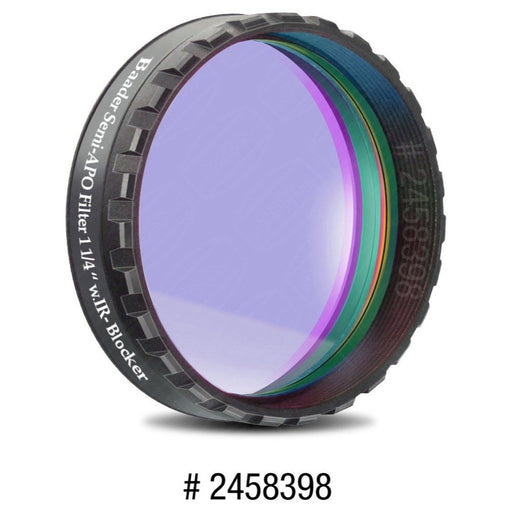
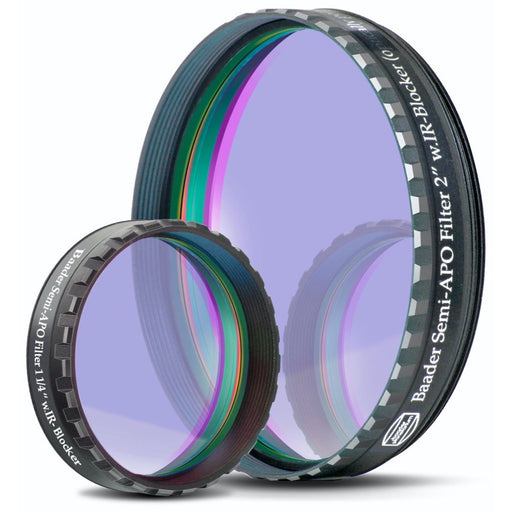
Baader Filtre Semi-APO
Options available
Réduit l'aberration chromatique des lunettes achromatiques Améliore le contraste sur la Lune, les planètes et les étoiles brillantes Affine les ét...
Afficher tous les détails
Prix d'origine
CA$132.00
-
Prix d'origine
CA$238.00
Prix d'origine
CA$132.00
-
CA$238.00
CA$132.00
-
CA$238.00
Prix actuel
CA$132.00

Prix d'origine
CA$143.00
-
Prix d'origine
CA$401.00
Prix d'origine
CA$143.00
-
CA$401.00
CA$143.00
-
CA$401.00
Prix actuel
CA$143.00
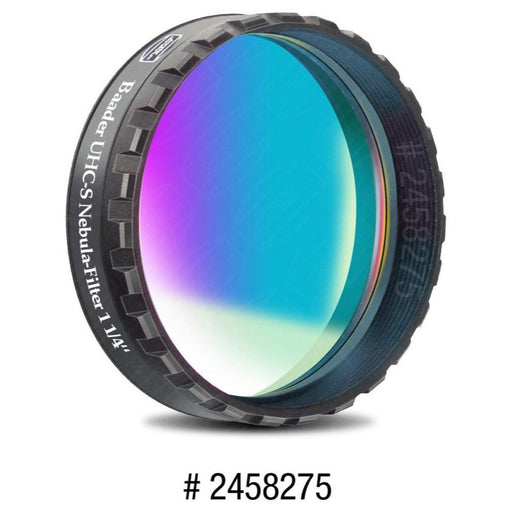
Baader Filtre UHC-L/Ultra L-Booster - Optimisé CMOS
Options available
6 variants in stock
Cible la pollution lumineuse moderne des LED et à large bande Transmission du bleu optimisée pour rejeter la lueur artificielle du ciel Sert de « ...
Afficher tous les détails
Prix d'origine
CA$143.00
-
Prix d'origine
CA$401.00
Prix d'origine
CA$143.00
-
CA$401.00
CA$143.00
-
CA$401.00
Prix actuel
CA$143.00
Prix d'origine
CA$95.00
-
Prix d'origine
CA$158.00
Prix d'origine
CA$95.00
-
CA$158.00
CA$95.00
-
CA$158.00
Prix actuel
CA$95.00
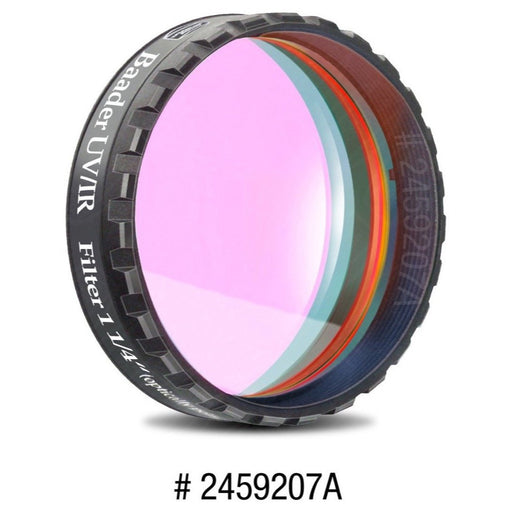
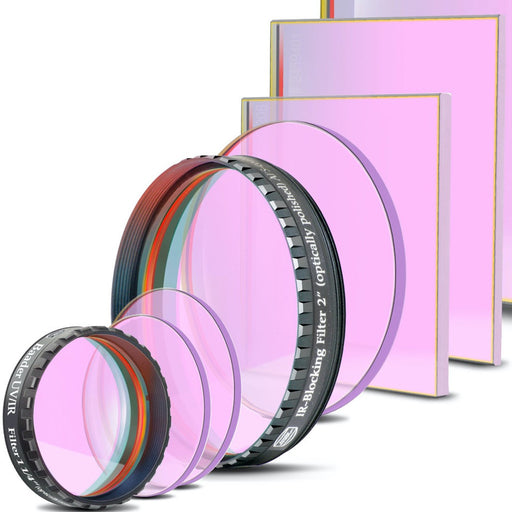
Baader Filtre UV/IR-CUT / L optimisé CMOS
Options available
4 variants in stock
Bloque les longueurs d'onde UV et IR indésirables pour des étoiles plus nettes Optimisé pour les capteurs CMOS modernes afin d'éviter le gonflemen...
Afficher tous les détails
Prix d'origine
CA$95.00
-
Prix d'origine
CA$158.00
Prix d'origine
CA$95.00
-
CA$158.00
CA$95.00
-
CA$158.00
Prix actuel
CA$95.00
Prix d'origine
CA$132.00
-
Prix d'origine
CA$132.00
Prix d'origine
CA$132.00
CA$132.00
-
CA$132.00
Prix actuel
CA$132.00
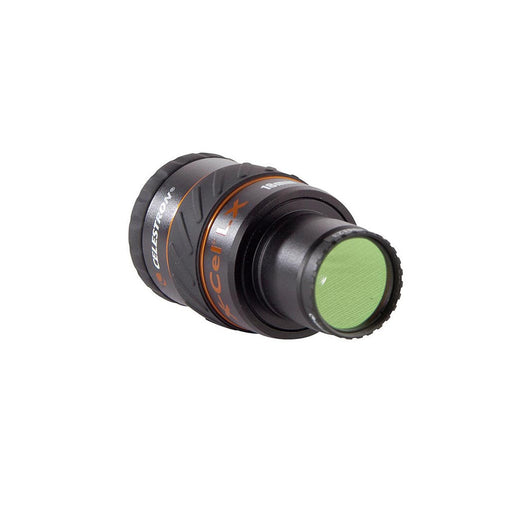
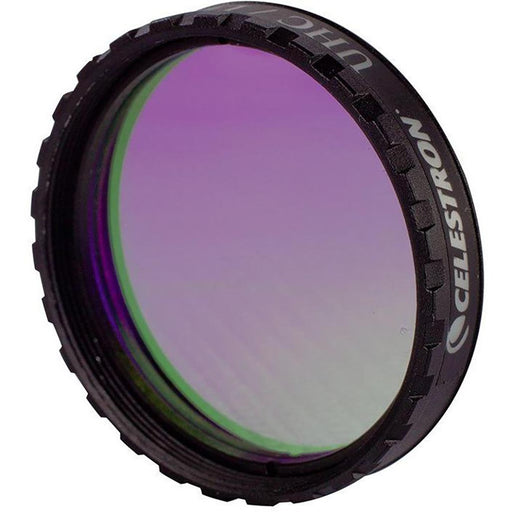
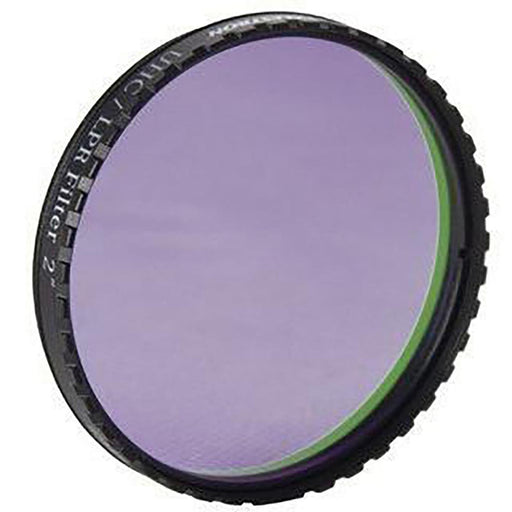
Celestron Filtre UHC/LPR - 1.25"
CEL-94123
Bloque sélectivement les vapeurs de mercure, de sodium et la luminescence naturelle du ciel Atteint plus de 97% de transmission des raies d'émissi...
Afficher tous les détails
Prix d'origine
CA$132.00
-
Prix d'origine
CA$132.00
Prix d'origine
CA$132.00
CA$132.00
-
CA$132.00
Prix actuel
CA$132.00
Prix d'origine
CA$174.00
-
Prix d'origine
CA$174.00
Prix d'origine
CA$174.00
CA$174.00
-
CA$174.00
Prix actuel
CA$174.00
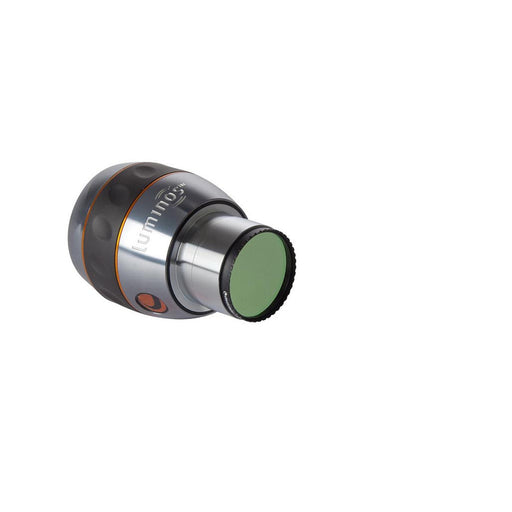
Celestron Filtre UHC/LPR - 2"
CEL-94124
Bloque sélectivement la pollution lumineuse des lampes à vapeur de mercure et de sodium Atteint plus de 97% de transmission lumineuse pour une lum...
Afficher tous les détails
Prix d'origine
CA$174.00
-
Prix d'origine
CA$174.00
Prix d'origine
CA$174.00
CA$174.00
-
CA$174.00
Prix actuel
CA$174.00
Prix d'origine
CA$385.00
-
Prix d'origine
CA$1,015.00
Prix d'origine
CA$385.00
-
CA$1,015.00
CA$385.00
-
CA$1,015.00
Prix actuel
CA$385.00
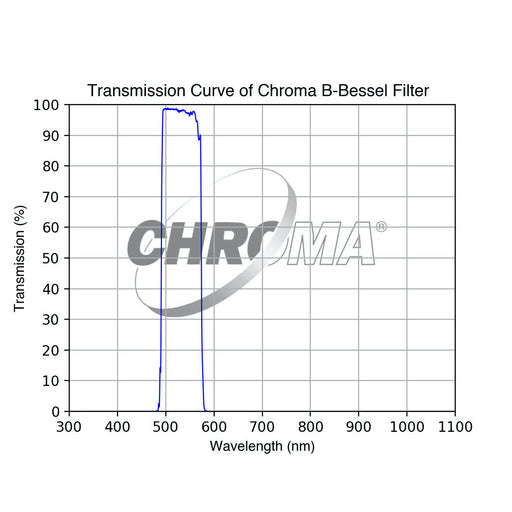
Chroma Filtre B-Bessell
Options available
Filtre photométrique standard B-Bessell pour les mesures UBVRI Substrat de 3.0 mm d'épaisseur, parfocal avec les autres filtres astronomiques Chro...
Afficher tous les détails
Prix d'origine
CA$385.00
-
Prix d'origine
CA$1,015.00
Prix d'origine
CA$385.00
-
CA$1,015.00
CA$385.00
-
CA$1,015.00
Prix actuel
CA$385.00
Prix d'origine
CA$210.00
-
Prix d'origine
CA$700.00
Prix d'origine
CA$210.00
-
CA$700.00
CA$210.00
-
CA$700.00
Prix actuel
CA$210.00
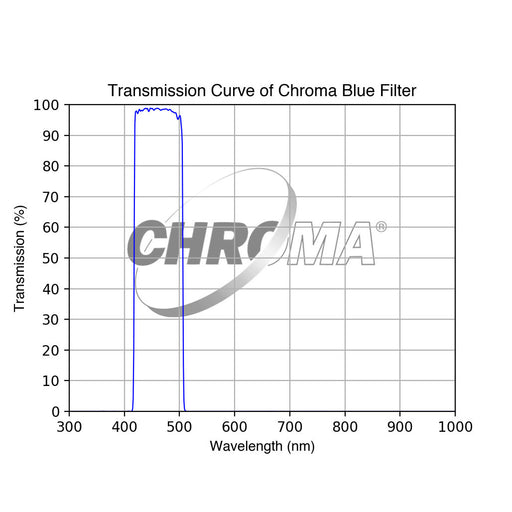
Chroma Filtre bleu
Options available
Filtre bleu à large bande pour l'imagerie couleur LRGB Substrat de 3.0 mm d'épaisseur, parfocal avec les autres filtres astronomiques Chroma Front...
Afficher tous les détails
Prix d'origine
CA$210.00
-
Prix d'origine
CA$700.00
Prix d'origine
CA$210.00
-
CA$700.00
CA$210.00
-
CA$700.00
Prix actuel
CA$210.00
Prix d'origine
CA$182.00
-
Prix d'origine
CA$525.00
Prix d'origine
CA$182.00
-
CA$525.00
CA$182.00
-
CA$525.00
Prix actuel
CA$182.00
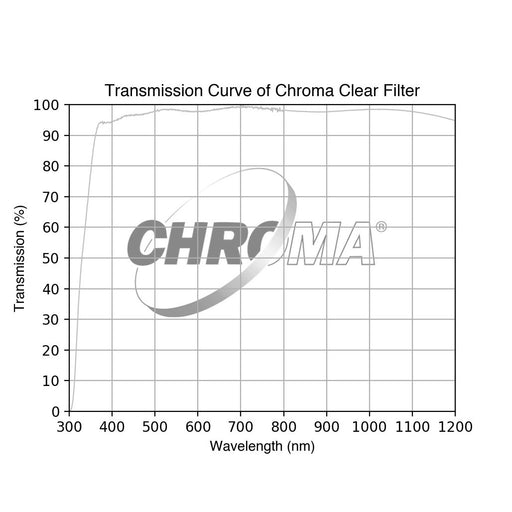
Chroma Filtre clair
Options available
Conserve la mise au point parfocale avec les autres filtres Chroma de 3.0mm Épaisseur de substrat en verre de précision de 3.0 mm Front d'onde tra...
Afficher tous les détails
Prix d'origine
CA$182.00
-
Prix d'origine
CA$525.00
Prix d'origine
CA$182.00
-
CA$525.00
CA$182.00
-
CA$525.00
Prix actuel
CA$182.00
Prix d'origine
CA$210.00
-
Prix d'origine
CA$700.00
Prix d'origine
CA$210.00
-
CA$700.00
CA$210.00
-
CA$700.00
Prix actuel
CA$210.00
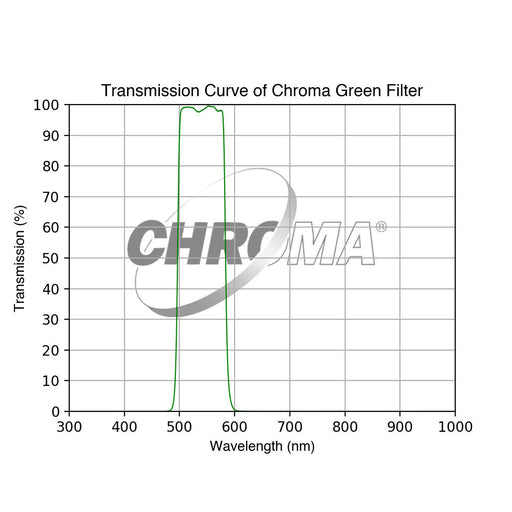
Chroma Filtre vert
Options available
Capte la partie verte du spectre visible pour l'imagerie LRGB Substrat en verre de 3.0 mm d'épaisseur pour des performances parfocales avec les au...
Afficher tous les détails
Prix d'origine
CA$210.00
-
Prix d'origine
CA$700.00
Prix d'origine
CA$210.00
-
CA$700.00
CA$210.00
-
CA$700.00
Prix actuel
CA$210.00