
Astrophotography
Astrophotography is a system, not a single purchase. The telescope gathers light, the corrector flattens the field, the camera records it, the guiding and focusing keep it sharp for hours, and a handful of adapters hold everything at exactly the right distance. When one link is wrong, the whole image suffers. This collection brings together every part of the imaging chain we carry, from more than twenty brands including ZWO, QHYCCD, Player One, Baader, PrimaLuceLab, Pegasus Astro, William Optics and Askar.
We have helped many Canadian imagers through their first season, and through the upgrade that finally fixed their stars. If you are not sure where to start, or what is holding your images back, ask us.


Original price
$15.00 USD
Original price
$15.00 USD
-
Original price
$15.00 USD
Original price
$15.00 USD
Current price
$14.25 USD
$14.25 USD
-
$14.25 USD
Current price
$14.25 USD
William Optics M48 Female to M42 Male Adapter
Connects M48 Female Threads to M42 Male Threads Adds Only 5.3mm of Optical Path Length Standard 2" Filter Thread (M48x0.75) to T-Thread (M42x0.75)...
View full details
Original price
$15.00 USD
Original price
$15.00 USD
-
Original price
$15.00 USD
Original price
$15.00 USD
Current price
$14.25 USD
$14.25 USD
-
$14.25 USD
Current price
$14.25 USD
Save 5%


Original price
$39.00 USD
Original price
$39.00 USD
-
Original price
$39.00 USD
Original price
$39.00 USD
Current price
$37.05 USD
$37.05 USD
-
$37.05 USD
Current price
$37.05 USD
William Optics M48 Push-in Nosepiece for WO 2" Diagonals & UniGuide Scope
Connects M48 Threaded Accessories to 2" Push-in Focusers Female M48 Threads for 2" Filter Attachment Adds a Fixed 36 mm of Optical Length Male M48...
View full details
Original price
$39.00 USD
Original price
$39.00 USD
-
Original price
$39.00 USD
Original price
$39.00 USD
Current price
$37.05 USD
$37.05 USD
-
$37.05 USD
Current price
$37.05 USD
Save 5%


Original price
$119.00 USD
Original price
$119.00 USD
-
Original price
$119.00 USD
Original price
$119.00 USD
Current price
$113.05 USD
$113.05 USD
-
$113.05 USD
Current price
$113.05 USD
William Optics M54 Camera Angle Rotator (CAA)
360° of precise framing rotation Standard M54 male and female threads Adds a minimal 30.2 mm to the optical path Securely locks orientation for lo...
View full details
Original price
$119.00 USD
Original price
$119.00 USD
-
Original price
$119.00 USD
Original price
$119.00 USD
Current price
$113.05 USD
$113.05 USD
-
$113.05 USD
Current price
$113.05 USD
Save 5%


Original price
$48.00 USD
Original price
$48.00 USD
-
Original price
$48.00 USD
Original price
$48.00 USD
Current price
$45.60 USD
$45.60 USD
-
$45.60 USD
Current price
$45.60 USD
William Optics M63 Female to 2" Push-in Adapter for P-FLAT6AIII
Connects P-FLAT6AIII Flattener to 2" Focuser Female M63 Threads for Flattener Connection Male 2" Push-in Barrel for Focuser Internal M48 Female Th...
View full details
Original price
$48.00 USD
Original price
$48.00 USD
-
Original price
$48.00 USD
Original price
$48.00 USD
Current price
$45.60 USD
$45.60 USD
-
$45.60 USD
Current price
$45.60 USD
Save 5%


Original price
$64.00 USD
Original price
$64.00 USD
-
Original price
$64.00 USD
Original price
$64.00 USD
Current price
$60.80 USD
$60.80 USD
-
$60.80 USD
Current price
$60.80 USD
William Optics M63(F) to M48(M) Photo Adapter
Adds 80mm of Optical Length Connects to M63 Female Threads Outputs to M48 Male T-Threads Enables Focus Without a Field Flattener Designed for Will...
View full details
Original price
$64.00 USD
Original price
$64.00 USD
-
Original price
$64.00 USD
Original price
$64.00 USD
Current price
$60.80 USD
$60.80 USD
-
$60.80 USD
Current price
$60.80 USD
Save 5%

Original price
$88.00 USD
Original price
$88.00 USD
-
Original price
$88.00 USD
Original price
$88.00 USD
Current price
$83.60 USD
$83.60 USD
-
$83.60 USD
Current price
$83.60 USD
William Optics M92 to M63 Adapter for William Optics FLT91
Connects William Optics FLT91 Telescope to Flat6AIII Flattener Input Thread: M92 Male Output Thread: M63 Female Optical Path Length: 10.5 mm De...
View full details
Original price
$88.00 USD
Original price
$88.00 USD
-
Original price
$88.00 USD
Original price
$88.00 USD
Current price
$83.60 USD
$83.60 USD
-
$83.60 USD
Current price
$83.60 USD
Save 5%

Original price
$45.00 USD
Original price
$45.00 USD
-
Original price
$45.00 USD
Original price
$45.00 USD
Current price
$42.75 USD
$42.75 USD
-
$42.75 USD
Current price
$42.75 USD
William Optics Micro 4/3 48mm T-Mount for Olympus - Black
Connects M48 Correctors to Olympus Micro 4/3 Cameras Fixed 35.6 mm Optical Length for Precise Back Focus Light-In Connection: M48 (Female) Thread ...
View full details
Original price
$45.00 USD
Original price
$45.00 USD
-
Original price
$45.00 USD
Original price
$45.00 USD
Current price
$42.75 USD
$42.75 USD
-
$42.75 USD
Current price
$42.75 USD
Save 5%


Original price
$76.00 USD
Original price
$76.00 USD
-
Original price
$76.00 USD
Original price
$76.00 USD
Current price
$72.20 USD
$72.20 USD
-
$72.20 USD
Current price
$72.20 USD
William Optics Slide-Base 50mm Guiding Rings
Securely holds 50mm-class guidescopes and finders with tubes from 33 to 58 mm Slide-base design allows for fore-and-aft adjustment for precise bal...
View full details
Original price
$76.00 USD
Original price
$76.00 USD
-
Original price
$76.00 USD
Original price
$76.00 USD
Current price
$72.20 USD
$72.20 USD
-
$72.20 USD
Current price
$72.20 USD
Save 5%


Original price
$64.00 USD
Original price
$64.00 USD
-
Original price
$64.00 USD
Original price
$64.00 USD
Current price
$60.80 USD
$60.80 USD
-
$60.80 USD
Current price
$60.80 USD
William Optics Slide-Base 50mm Guiding Rings - No Adjustments Screws
Seamlessly integrate with your existing astrophotography gear. Ensures stable attachment of your telescope to your mount. Description In th...
View full details
Original price
$64.00 USD
Original price
$64.00 USD
-
Original price
$64.00 USD
Original price
$64.00 USD
Current price
$60.80 USD
$60.80 USD
-
$60.80 USD
Current price
$60.80 USD
Save 5%


Original price
$137.00 USD
Original price
$137.00 USD
-
Original price
$137.00 USD
Original price
$137.00 USD
Current price
$130.15 USD
$130.15 USD
-
$130.15 USD
Current price
$130.15 USD
William Optics Slide-Base UniGuide 32mm Scope
32mm Doublet Objective Lens Fast f/3.75 Focal Ratio 120mm Focal Length Integrated Vixen/Synta-Style Slide-Base Ultra-Lightweight at 0.23 kg (0.51 ...
View full details
Original price
$137.00 USD
Original price
$137.00 USD
-
Original price
$137.00 USD
Original price
$137.00 USD
Current price
$130.15 USD
$130.15 USD
-
$130.15 USD
Current price
$130.15 USD
Save 5%


Original price
$199.00 USD
Original price
$199.00 USD
-
Original price
$199.00 USD
Original price
$199.00 USD
Current price
$189.05 USD
$189.05 USD
-
$189.05 USD
Current price
$189.05 USD
William Optics Slide-Base UniGuide 50mm Scope
50mm Aperture Doublet Lens 200mm Focal Length (f/4.0) Integrated 1.25" RotoLock Adapter Slide-Base for William Optics Handles Total Weight: 0.5 kg...
View full details
Original price
$199.00 USD
Original price
$199.00 USD
-
Original price
$199.00 USD
Original price
$199.00 USD
Current price
$189.05 USD
$189.05 USD
-
$189.05 USD
Current price
$189.05 USD
Save 5%

Original price
$138.00 USD
Original price
$138.00 USD
-
Original price
$138.00 USD
Original price
$138.00 USD
Current price
$131.10 USD
$131.10 USD
-
$131.10 USD
Current price
$131.10 USD
William Optics STL Adapter for FLT Flattener
Connects SBIG STL-11000 Series CCD Cameras Attaches to P-FLAT68 Field Flatteners via M80 Female Thread Provides a Precise 69 mm Optical Path Lengt...
View full details
Original price
$138.00 USD
Original price
$138.00 USD
-
Original price
$138.00 USD
Original price
$138.00 USD
Current price
$131.10 USD
$131.10 USD
-
$131.10 USD
Current price
$131.10 USD
Save 5%


Original price
$108.00 USD
Original price
$108.00 USD
-
Original price
$108.00 USD
Original price
$108.00 USD
Current price
$102.60 USD
$102.60 USD
-
$102.60 USD
Current price
$102.60 USD
William Optics Super High Precision COPPER T-Mount for Canon EOS Full Frame
Solid Copper Construction for Maximum Rigidity M48 (2") Female Thread for Wide-Field Correctors Connects to Canon EOS Camera Bodies Precise 10.6 m...
View full details
Original price
$108.00 USD
Original price
$108.00 USD
-
Original price
$108.00 USD
Original price
$108.00 USD
Current price
$102.60 USD
$102.60 USD
-
$102.60 USD
Current price
$102.60 USD
Save 5%


Original price
$108.00 USD
Original price
$108.00 USD
-
Original price
$108.00 USD
Original price
$108.00 USD
Current price
$102.60 USD
$102.60 USD
-
$102.60 USD
Current price
$102.60 USD
William Optics Super High Precision COPPER T-Mount for Nikon Full Frame
Solid Copper Construction for Maximum Rigidity M48 x 0.75 Female Thread for Wide-Field Correctors Designed for Nikon F-Mount Full-Frame Cameras Pr...
View full details
Original price
$108.00 USD
Original price
$108.00 USD
-
Original price
$108.00 USD
Original price
$108.00 USD
Current price
$102.60 USD
$102.60 USD
-
$102.60 USD
Current price
$102.60 USD
Save 5%


Original price
$1,068.00 USD
Original price
$1,068.00 USD
-
Original price
$1,068.00 USD
Original price
$1,068.00 USD
Current price
$1,014.60 USD
$1,014.60 USD
-
$1,014.60 USD
Current price
$1,014.60 USD
William Optics Ultra Flat 132 (0.79x Reducer)
Reduces focal ratio by a factor of 0.79x Provides a flat field for Full Frame, APS-C, and M4/3 sensors 3-element, 3-group optical design Connects ...
View full details
Original price
$1,068.00 USD
Original price
$1,068.00 USD
-
Original price
$1,068.00 USD
Original price
$1,068.00 USD
Current price
$1,014.60 USD
$1,014.60 USD
-
$1,014.60 USD
Current price
$1,014.60 USD
Save 5%


Original price
$1,068.00 USD
Original price
$1,068.00 USD
-
Original price
$1,068.00 USD
Original price
$1,068.00 USD
Current price
$1,014.60 USD
$1,014.60 USD
-
$1,014.60 USD
Current price
$1,014.60 USD
William Optics Ultra Flat 156 (0.79x Reducer)
Reduces focal ratio by a factor of 0.79x Designed for Medium Format, Full Frame, and APS-C sensors 3-element, 3-group optical design 75.5mm optica...
View full details
Original price
$1,068.00 USD
Original price
$1,068.00 USD
-
Original price
$1,068.00 USD
Original price
$1,068.00 USD
Current price
$1,014.60 USD
$1,014.60 USD
-
$1,014.60 USD
Current price
$1,014.60 USD
Save 5%


Original price
$806.00 USD
Original price
$806.00 USD
-
Original price
$806.00 USD
Original price
$806.00 USD
Current price
$765.70 USD
$765.70 USD
-
$765.70 USD
Current price
$765.70 USD
William Optics WO x0.72 Reducer Flattener 8
Reduces focal ratio by a factor of 0.72x Corrects field curvature for full-frame sensors 3-element, 3-group optical design Connects to telescope v...
View full details
Original price
$806.00 USD
Original price
$806.00 USD
-
Original price
$806.00 USD
Original price
$806.00 USD
Current price
$765.70 USD
$765.70 USD
-
$765.70 USD
Current price
$765.70 USD
Save 5%


Original price
$788.00 USD
Original price
$788.00 USD
-
Original price
$788.00 USD
Original price
$788.00 USD
Current price
$748.60 USD
$748.60 USD
-
$748.60 USD
Current price
$748.60 USD
William Optics x0.8 Reducer Flattener 7A
Reduces focal ratio by a factor of 0.8x Triplet lens design with 3 elements in 3 groups Corrects field curvature for full-frame sensors Designed f...
View full details
Original price
$788.00 USD
Original price
$788.00 USD
-
Original price
$788.00 USD
Original price
$788.00 USD
Current price
$748.60 USD
$748.60 USD
-
$748.60 USD
Current price
$748.60 USD
Save 5%
Original price
$22.00 USD
Original price
$22.00 USD
-
Original price
$22.00 USD
Original price
$22.00 USD
Current price
$20.00 USD
$20.00 USD
-
$20.00 USD
Current price
$20.00 USD
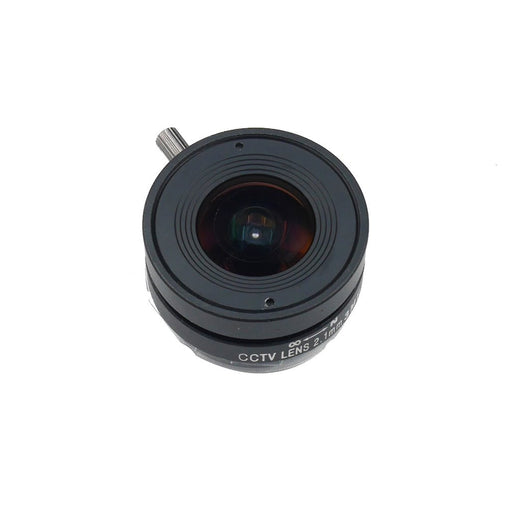
ZWO 2.1mm 150° All-Sky Lens - For 1/3" Sensors
2.1mm Focal Length 150° Field of View Optimized for 1/3" Format Sensors Functions as an All-Sky Camera Lens Standard CS-Mount Thread Descriptio...
View full details
Original price
$22.00 USD
Original price
$22.00 USD
-
Original price
$22.00 USD
Original price
$22.00 USD
Current price
$20.00 USD
$20.00 USD
-
$20.00 USD
Current price
$20.00 USD
Save 9%
Original price
$22.00 USD
Original price
$22.00 USD
-
Original price
$22.00 USD
Original price
$22.00 USD
Current price
$20.00 USD
$20.00 USD
-
$20.00 USD
Current price
$20.00 USD
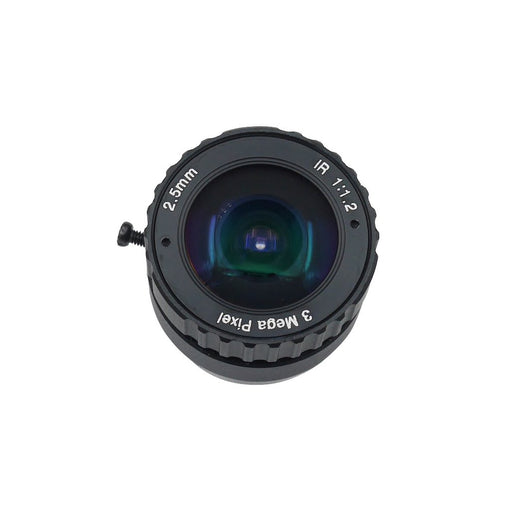
ZWO 2.5mm 170° All-Sky Lens - For 1/2" Sensors
2.5mm Focal Length 170° All-Sky Field of View Designed for 1/2" Format Sensors CS-Mount Thread Description FAQ Specifications I...
View full details
Original price
$22.00 USD
Original price
$22.00 USD
-
Original price
$22.00 USD
Original price
$22.00 USD
Current price
$20.00 USD
$20.00 USD
-
$20.00 USD
Current price
$20.00 USD
Save 9%


Original price
$149.00 USD
Original price
$149.00 USD
-
Original price
$149.00 USD
Original price
$149.00 USD
Current price
$134.00 USD
$134.00 USD
-
$134.00 USD
Current price
$134.00 USD
ZWO 30mm f/5 APO Guide Scope
30mm Aperture 150mm Focal Length (f/5.0) Triplet Apochromatic (APO) Lens Design Precise Helical Focuser Lightweight at 0.77 lb. Description FAQ...
View full details
Original price
$149.00 USD
Original price
$149.00 USD
-
Original price
$149.00 USD
Original price
$149.00 USD
Current price
$134.00 USD
$134.00 USD
-
$134.00 USD
Current price
$134.00 USD
Save 10%

Original price
$12.00 USD
Original price
$12.00 USD
-
Original price
$12.00 USD
Original price
$12.00 USD
Current price
$11.00 USD
$11.00 USD
-
$11.00 USD
Current price
$11.00 USD
ZWO Adapter - 2mm M54(M)/M48(F)
Connects M54 Filter Wheels to M48 Accessories Adds Only 2 mm to Optical Path Maintains 55 mm Back Focus Standard Knurled Edge for Secure Grip Desi...
View full details
Original price
$12.00 USD
Original price
$12.00 USD
-
Original price
$12.00 USD
Original price
$12.00 USD
Current price
$11.00 USD
$11.00 USD
-
$11.00 USD
Current price
$11.00 USD
Save 8%
Original price
$199.00 USD
Original price
$199.00 USD
-
Original price
$199.00 USD
Original price
$199.00 USD
Current price
$179.00 USD
$179.00 USD
-
$179.00 USD
Current price
$179.00 USD
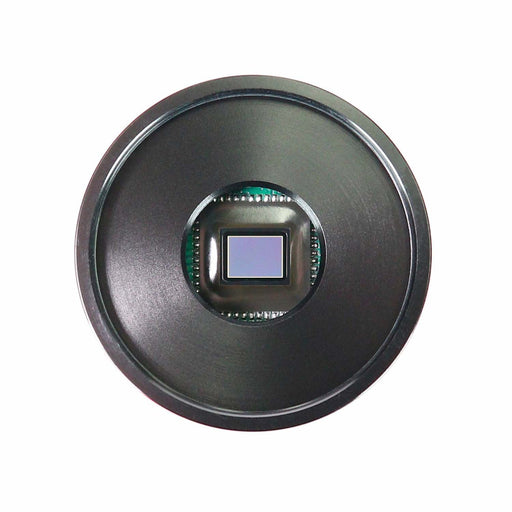
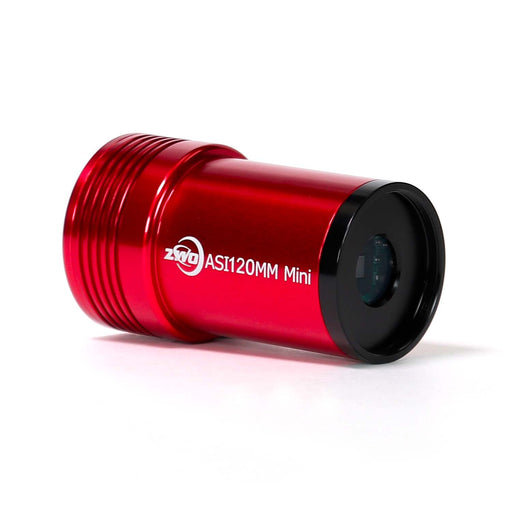
ZWO ASI120MM Mini Mono Guide Camera
1.2 Megapixel monochrome CMOS sensor (1280 x 960) 3.75µm pixel size for precise guiding and planetary detail Peak Quantum Efficiency of 80% for hi...
View full details
Original price
$199.00 USD
Original price
$199.00 USD
-
Original price
$199.00 USD
Original price
$199.00 USD
Current price
$179.00 USD
$179.00 USD
-
$179.00 USD
Current price
$179.00 USD
Save 10%

Original price
$399.00 USD
Original price
$399.00 USD
-
Original price
$399.00 USD
Original price
$399.00 USD
Current price
$359.00 USD
$359.00 USD
-
$359.00 USD
Current price
$359.00 USD
ZWO ASI174MM Mini Mono Guide Camera
Large 1/1.2" Sony CMOS Sensor 2.4 MP Resolution (1936 x 1216) 5.86µm Pixel Size 77% Peak Quantum Efficiency Standard 1.25" Body with ST-4 and USB ...
View full details
Original price
$399.00 USD
Original price
$399.00 USD
-
Original price
$399.00 USD
Original price
$399.00 USD
Current price
$359.00 USD
$359.00 USD
-
$359.00 USD
Current price
$359.00 USD
Save 10%