
Nebula Filters
A visual nebula filter darkens the sky background while passing the light of emission and planetary nebulae, so faint objects stand out from the glow. The difference can be dramatic: the Veil Nebula, which is barely there without a filter, becomes a detailed lacework with an OIII filter in an 8-inch telescope.
We carry UHC, OIII and H-beta filters from Tele Vue BandMate, Antlia, Optolong, Celestron, Explore Scientific and SVBONY, plus the Baader C2 Swan-band comet filter, in 1.25-inch and 2-inch sizes.


Original price
$119.00 USD
-
Original price
$119.00 USD
Original price
$119.00 USD
$119.00 USD
-
$119.00 USD
Current price
$119.00 USD
Antlia 8-EL UHC Pro Visual Enhanced Filter - 2"
Enhances 8 key nebular emission lines for visual use Peak transmission of 95% at H-beta, OIII, NII, H-alpha, and SII wavelengths Recommended for l...
View full details
Original price
$119.00 USD
-
Original price
$119.00 USD
Original price
$119.00 USD
$119.00 USD
-
$119.00 USD
Current price
$119.00 USD
Original price
$99.00 USD
-
Original price
$99.00 USD
Original price
$99.00 USD
$99.00 USD
-
$99.00 USD
Current price
$99.00 USD
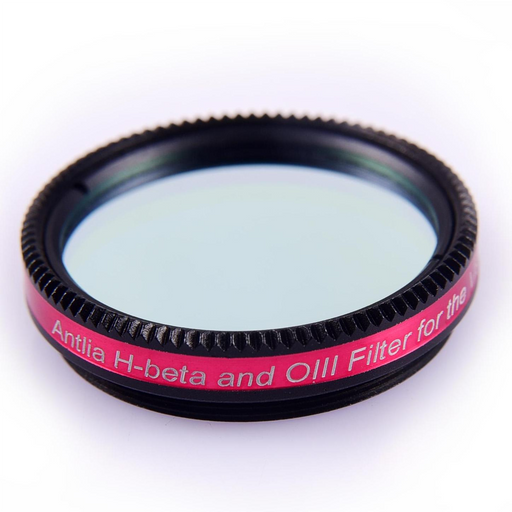
Antlia H-beta and OIII Visual Filter - 1.25"
Passes the H-beta (486.1nm) and both OIII (495.9nm, 500.7nm) emission lines Peak transmission greater than 90% at 486.1nm, 495.9nm, and 500.7nm OD...
View full details
Original price
$99.00 USD
-
Original price
$99.00 USD
Original price
$99.00 USD
$99.00 USD
-
$99.00 USD
Current price
$99.00 USD


Original price
$93.00 USD
-
Original price
$188.00 USD
Original price
$93.00 USD
-
$188.00 USD
$93.00 USD
-
$188.00 USD
Current price
$93.00 USD
Baader C2 Swan-Band Comet Filter (15nm)
Targets C2 Swan Bands in comet gas tails 15nm bandpass for high-contrast views Blocks the adjacent O-III line, which is not strong in comet tails ...
View full details
Original price
$93.00 USD
-
Original price
$188.00 USD
Original price
$93.00 USD
-
$188.00 USD
$93.00 USD
-
$188.00 USD
Current price
$93.00 USD
Original price
$94.95 USD
-
Original price
$94.95 USD
Original price
$94.95 USD
$94.95 USD
-
$94.95 USD
Current price
$94.95 USD
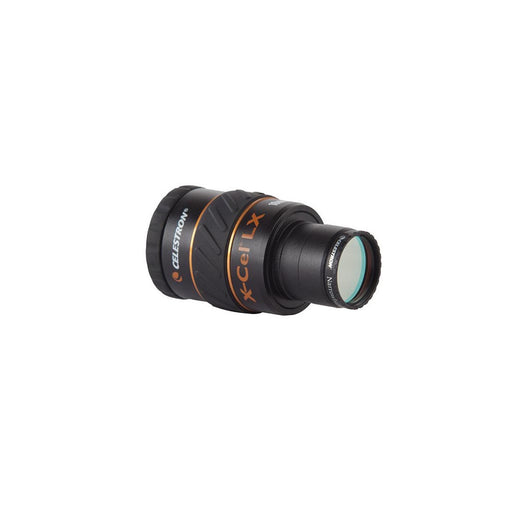
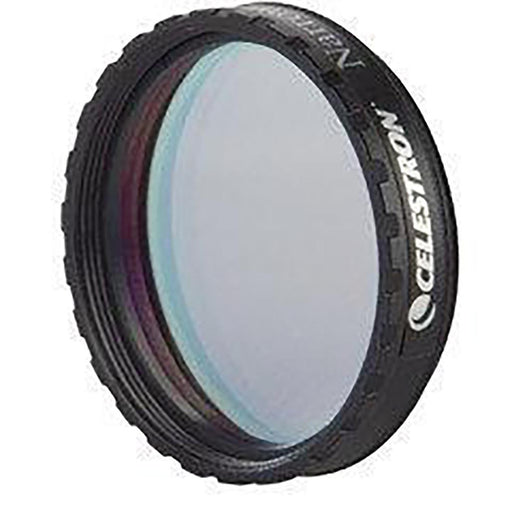
Celestron Oxygen III Narrowband Filter - 1.25 in
Isolates doubly-ionized oxygen lines (496nm and 501nm) Provides extreme contrast for planetary and emission nebulae Blocks the entire visual spect...
View full details
Original price
$94.95 USD
-
Original price
$94.95 USD
Original price
$94.95 USD
$94.95 USD
-
$94.95 USD
Current price
$94.95 USD
Original price
$124.95 USD
-
Original price
$124.95 USD
Original price
$124.95 USD
$124.95 USD
-
$124.95 USD
Current price
$124.95 USD
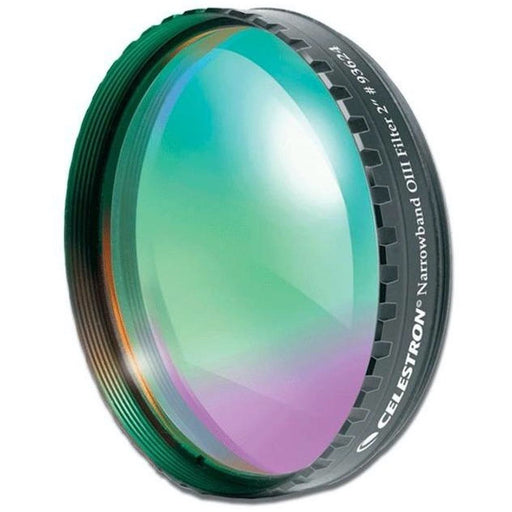
Celestron Oxygen III Narrowband Filter - 2 in
Isolates the 496nm and 501nm Oxygen III wavelengths Blocks the entire visual spectrum from 400nm to 700nm Ultra-hard, vacuum-deposited coatings pr...
View full details
Original price
$124.95 USD
-
Original price
$124.95 USD
Original price
$124.95 USD
$124.95 USD
-
$124.95 USD
Current price
$124.95 USD
Original price
$179.99 USD
-
Original price
$179.99 USD
Original price
$179.99 USD
$179.99 USD
-
$179.99 USD
Current price
$179.99 USD
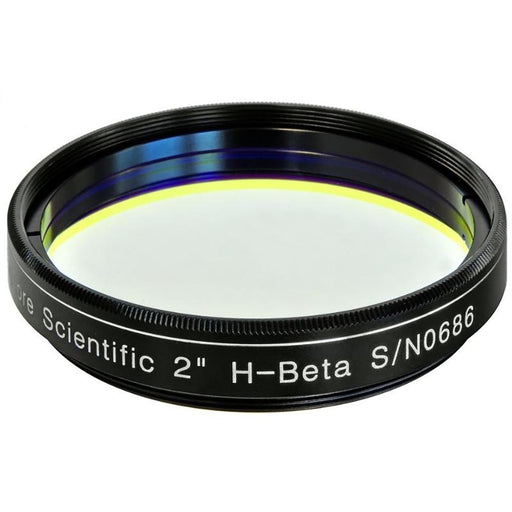
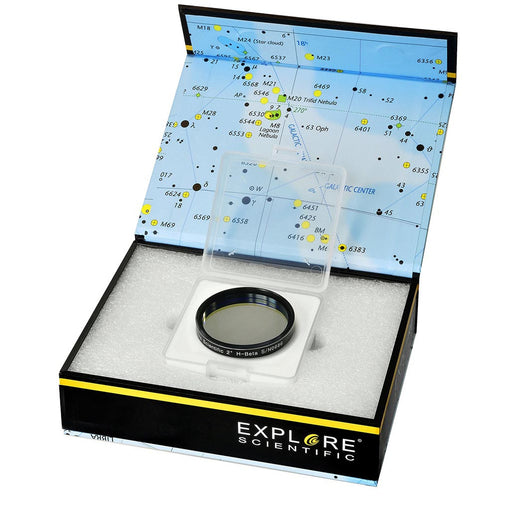
Explore Scientific Nebula Filter H-Beta - 2.0"
2.0-inch Barrel Size Isolates Hydrogen-Beta (H-Beta) Emission Line Dramatically Increases Contrast on Specific Nebulae Blocks Artificial Light Pol...
View full details
Original price
$179.99 USD
-
Original price
$179.99 USD
Original price
$179.99 USD
$179.99 USD
-
$179.99 USD
Current price
$179.99 USD


Original price
$79.00 USD
-
Original price
$108.00 USD
Original price
$79.00 USD
-
$108.00 USD
$79.00 USD
-
$108.00 USD
Current price
$79.00 USD
Optolong OIII 18nm Nebula Filter
18nm Bandpass Centered on OIII Emission Lines (500nm) Greater than 80% Average Light Transmission (Tave) Blocks >99% of Major Light Pollution L...
View full details
Original price
$79.00 USD
-
Original price
$108.00 USD
Original price
$79.00 USD
-
$108.00 USD
$79.00 USD
-
$108.00 USD
Current price
$79.00 USD
Original price
$55.00 USD
-
Original price
$115.00 USD
Original price
$55.00 USD
-
$115.00 USD
$55.00 USD
-
$115.00 USD
Current price
$55.00 USD
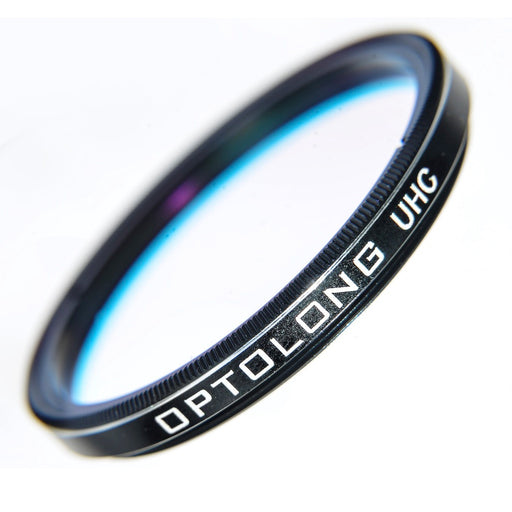
Optolong UHC Filter
Reduces skyglow from artificial and natural light pollution Blocks >99% of mercury vapor and sodium vapor light Passes key nebula emission line...
View full details
Original price
$55.00 USD
-
Original price
$115.00 USD
Original price
$55.00 USD
-
$115.00 USD
$55.00 USD
-
$115.00 USD
Current price
$55.00 USD


Original price
$45.99 USD
-
Original price
$55.99 USD
Original price
$45.99 USD
-
$55.99 USD
$45.99 USD
-
$55.99 USD
Current price
$45.99 USD
SVBONY SV115 18nm OIII Narrowband Filter
1.25" and 2" sizes for standard eyepieces and accessories 18nm bandpass isolates key Oxygen-III emission lines 90% peak transmittance at 495.9nm a...
View full details
Original price
$45.99 USD
-
Original price
$55.99 USD
Original price
$45.99 USD
-
$55.99 USD
$45.99 USD
-
$55.99 USD
Current price
$45.99 USD


Original price
$47.19 USD
-
Original price
$52.35 USD
Original price
$47.19 USD
-
$52.35 USD
$47.19 USD
-
$52.35 USD
Current price
$47.19 USD
SVBONY SV132 25nm H-Beta Narrowband Filter
Targets the 486nm Hydrogen-Beta emission line 25nm bandpass for enhanced contrast 80% peak transmittance at the H-Beta wavelength Blocks Mercury (...
View full details
Original price
$47.19 USD
-
Original price
$52.35 USD
Original price
$47.19 USD
-
$52.35 USD
$47.19 USD
-
$52.35 USD
Current price
$47.19 USD


Original price
$143.00 USD
-
Original price
$260.00 USD
Original price
$143.00 USD
-
$260.00 USD
$143.00 USD
-
$260.00 USD
Current price
$143.00 USD
Tele Vue BandMate H-Beta Filter
Filter Type: Hydrogen-Beta (Hβ) Narrowband Available Sizes: 1.25" and 2" Mounted Primary Targets: Horsehead Nebula, California Nebula Manufacturin...
View full details
Original price
$143.00 USD
-
Original price
$260.00 USD
Original price
$143.00 USD
-
$260.00 USD
$143.00 USD
-
$260.00 USD
Current price
$143.00 USD


Original price
$146.00 USD
-
Original price
$322.00 USD
Original price
$146.00 USD
-
$322.00 USD
$146.00 USD
-
$322.00 USD
Current price
$146.00 USD
Tele Vue BandMate Nebustar Filter
Unique Narrowband Design: Transmits both Hβ and OIII emission lines in a single, targeted passband for maximum contrast. Blocks Red Wavelengths:...
View full details
Original price
$146.00 USD
-
Original price
$322.00 USD
Original price
$146.00 USD
-
$322.00 USD
$146.00 USD
-
$322.00 USD
Current price
$146.00 USD


Original price
$143.00 USD
-
Original price
$260.00 USD
Original price
$143.00 USD
-
$260.00 USD
$143.00 USD
-
$260.00 USD
Current price
$143.00 USD
Tele Vue BandMate OIII Filter
Isolates doubly ionized oxygen (OIII) emission lines Dramatically increases contrast on planetary nebulae and supernova remnants Manufactured by A...
View full details
Original price
$143.00 USD
-
Original price
$260.00 USD
Original price
$143.00 USD
-
$260.00 USD
$143.00 USD
-
$260.00 USD
Current price
$143.00 USD