
Imaging Filters
Not every imaging filter is narrowband or LRGB. Ultraviolet and infrared cut filters, luminance filters, methane band filters for planetary work and dedicated infrared pass filters each solve a specific problem, and several of them are more useful than their obscurity suggests. David Astro carries imaging filters in Canada, in Canadian inventory and shipped domestically.
These filters address particular situations rather than general imaging. Tell us what problem you are seeing and we will say whether one of them fixes it.

Original price
$255.00
-
Original price
$490.00
Original price
$255.00
-
$490.00
$255.00
-
$490.00
Current price
$255.00
Antlia 3nm Narrowband H-alpha Pro Filter
Options available
8 variants in stock
656.3nm H-alpha Central Wavelength Small 3nm FHWM High >88% Peak Transmission Minimized halos on bright stars Description Specificat...
View full details
Original price
$255.00
-
Original price
$490.00
Original price
$255.00
-
$490.00
$255.00
-
$490.00
Current price
$255.00
Original price
$268.00
-
Original price
$515.00
Original price
$268.00
-
$515.00
$268.00
-
$515.00
Current price
$268.00
Antlia 3nm Narrowband H-alpha Pro Highspeed Filter - f/2.6 to f/3.6
Options available
1 variants in stock
Pre-shifted 656.3nm H-alpha Central Wavelength for High-Speed Systems Optimized 3nm FHWM for f/2.6–f/3.6 High >90% Peak Transmission Enhanced S...
View full details
Original price
$268.00
-
Original price
$515.00
Original price
$268.00
-
$515.00
$268.00
-
$515.00
Current price
$268.00
Original price
$255.00
-
Original price
$490.00
Original price
$255.00
-
$490.00
$255.00
-
$490.00
Current price
$255.00
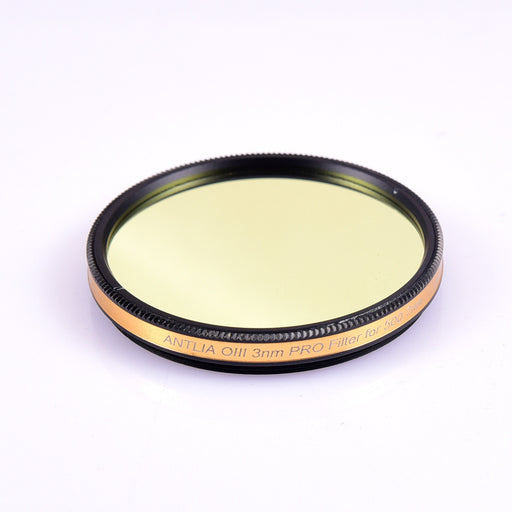
Antlia 3nm Narrowband OIII Pro Filter
Options available
8 variants in stock
Antlia OIII Pro narrowband filter optimizes the FWHM (full width half maximum) to 3nmbandpass. As the bandwidth becomes narrower, the 3nm Pro narro...
View full details
Original price
$255.00
-
Original price
$490.00
Original price
$255.00
-
$490.00
$255.00
-
$490.00
Current price
$255.00

Original price
$268.00
-
Original price
$515.00
Original price
$268.00
-
$515.00
$268.00
-
$515.00
Current price
$268.00
Antlia 3nm Narrowband OIII Pro Highspeed Filter - f/2.6 to f/3.6
Options available
1 variants in stock
Pre-shifted 500.7nm OIII Central Wavelength for High-Speed Systems Optimized 3nm FHWM for f/2.6–f/3.6 High >90% Peak Transmission Enhan...
View full details
Original price
$268.00
-
Original price
$515.00
Original price
$268.00
-
$515.00
$268.00
-
$515.00
Current price
$268.00
Original price
$255.00
-
Original price
$490.00
Original price
$255.00
-
$490.00
$255.00
-
$490.00
Current price
$255.00
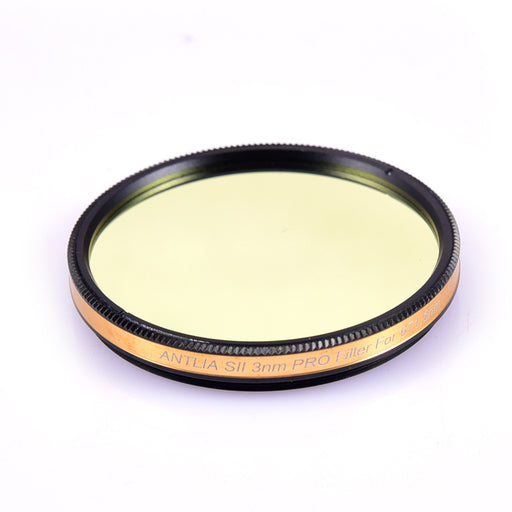
Antlia 3nm Narrowband SII Pro Filter
Options available
7 variants in stock
Antlia SII Pro narrowband filter optimizes the FWHM (full width half maximum) to 3nm bandpass. As the bandwidth becomes narrower, the 3nm Pro narro...
View full details
Original price
$255.00
-
Original price
$490.00
Original price
$255.00
-
$490.00
$255.00
-
$490.00
Current price
$255.00
Original price
$263.38
-
Original price
$506.40
Original price
$263.38
-
$506.40
$263.38
-
$506.40
Current price
$263.38
Antlia 3nm Narrowband SII Pro Highspeed Filter - f/2.6 to f/3.6
Options available
1 variants in stock
Pre-shifted 673.6nm SII Central Wavelength for High-Speed Systems Optimized 3nm FWHM for f/2.6–f/3.6 High >90% Peak Transmission Enhanc...
View full details
Original price
$263.38
-
Original price
$506.40
Original price
$263.38
-
$506.40
$263.38
-
$506.40
Current price
$263.38
Original price
$185.00
-
Original price
$350.00
Original price
$185.00
-
$350.00
$185.00
-
$350.00
Current price
$185.00
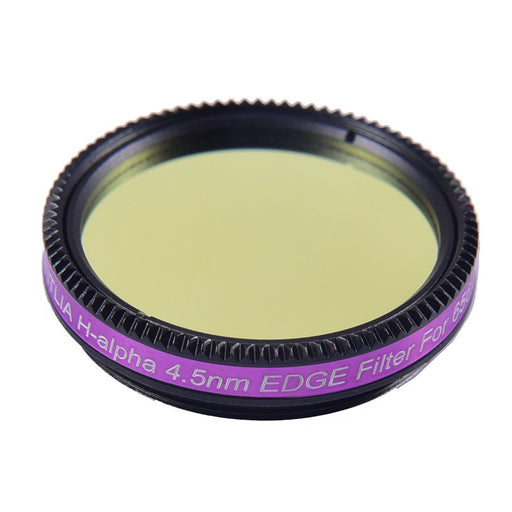
Antlia 4.5nm Narrowband H-alpha Edge Filter
Options available
8 variants in stock
Antlia H-alpha EDGE narrowband filter optimizes the FWHM (full width half maximum) to 4.5nm bandpass. The suppression of optical density (OD)5 on ...
View full details
Original price
$185.00
-
Original price
$350.00
Original price
$185.00
-
$350.00
$185.00
-
$350.00
Current price
$185.00
Original price
$185.00
-
Original price
$350.00
Original price
$185.00
-
$350.00
$185.00
-
$350.00
Current price
$185.00
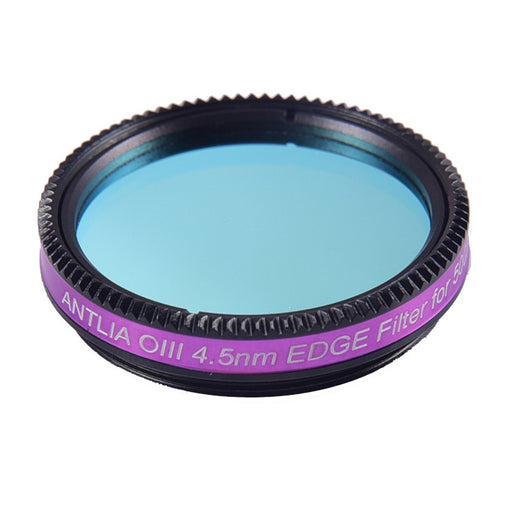
Antlia 4.5nm Narrowband OIII Edge Filter
Options available
8 variants in stock
Antlia OIII EDGE narrowband filter optimizes the FWHM (full width half maximum) to 4.5nm bandpass. The suppression of optical density (OD)5 on unw...
View full details
Original price
$185.00
-
Original price
$350.00
Original price
$185.00
-
$350.00
$185.00
-
$350.00
Current price
$185.00
Original price
$185.00
-
Original price
$350.00
Original price
$185.00
-
$350.00
$185.00
-
$350.00
Current price
$185.00
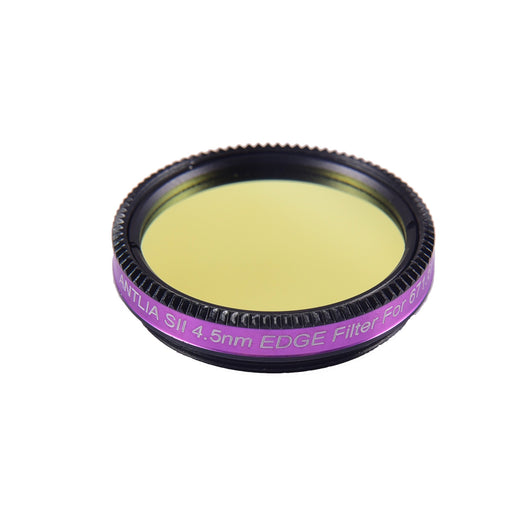
Antlia 4.5nm Narrowband SII Edge Filter
Options available
7 variants in stock
Antlia SII EDGE narrowband filter optimizes the FWHM (full width half maximum) to 4.5nm bandpass. The suppression of optical density (OD)5 on unwa...
View full details
Original price
$185.00
-
Original price
$350.00
Original price
$185.00
-
$350.00
$185.00
-
$350.00
Current price
$185.00
Original price
$390.00
-
Original price
$390.00
Original price
$390.00
$390.00
-
$390.00
Current price
$390.00
Antlia ALP-T Dual Band Ha&OIII 3nm
ANT-ALP-T-3NM-HAOIII
4 in stock
Precise Narrowband Filtering for Exceptional Contrast Enhanced Transmission for Superior Signal-to-Noise Ratio ...
View full details
Original price
$390.00
-
Original price
$390.00
Original price
$390.00
$390.00
-
$390.00
Current price
$390.00

Original price
$710.00
-
Original price
$710.00
Original price
$710.00
$710.00
-
$710.00
Current price
$710.00
Antlia ALP-T Dual Band Ha&OIII 3nm + SII&Hb 3.5nm 2" Filter Set
ANT-ALP-T-3NM-KIT
Precise Narrowband Filtering for Exceptional Contrast Enhanced Transmission for Superior Signal-to-Noise Ratio ...
View full details
Original price
$710.00
-
Original price
$710.00
Original price
$710.00
$710.00
-
$710.00
Current price
$710.00
Original price
$360.00
-
Original price
$360.00
Original price
$360.00
$360.00
-
$360.00
Current price
$360.00
Antlia ALP-T Dual Band SII&Hβ 3.5nm
ANT-ALP-T-3NM-SIIHB
2 in stock
Precise Narrowband Filtering for Exceptional Contrast Enhanced Transmission for Superior Signal-to-Noise Ratio Anti-Reflection Coating to Reduce H...
View full details
Original price
$360.00
-
Original price
$360.00
Original price
$360.00
$360.00
-
$360.00
Current price
$360.00
Original price
$690.00
-
Original price
$690.00
Original price
$690.00
$690.00
-
$690.00
Current price
$690.00
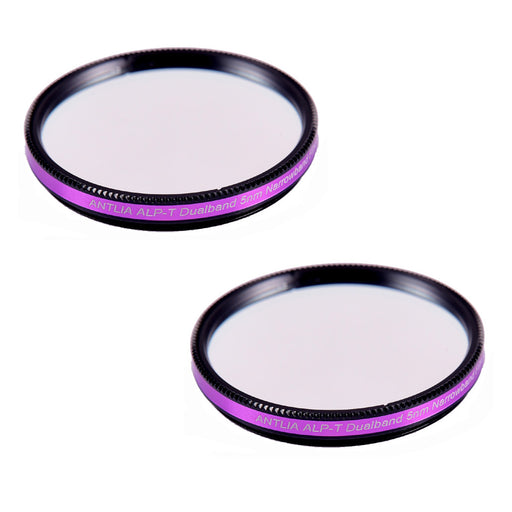
Antlia ALP-T Dualband 5nm Ha/OIII and SII/Hb Filter Set - 2"
ANT-ALP-T-SET
Original price
$690.00
-
Original price
$690.00
Original price
$690.00
$690.00
-
$690.00
Current price
$690.00
Original price
$380.00
-
Original price
$380.00
Original price
$380.00
$380.00
-
$380.00
Current price
$380.00
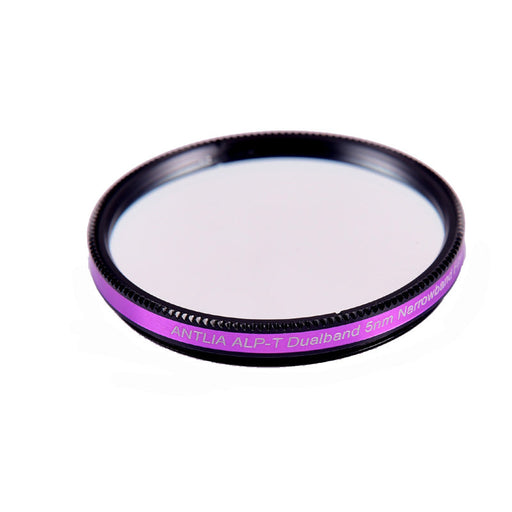
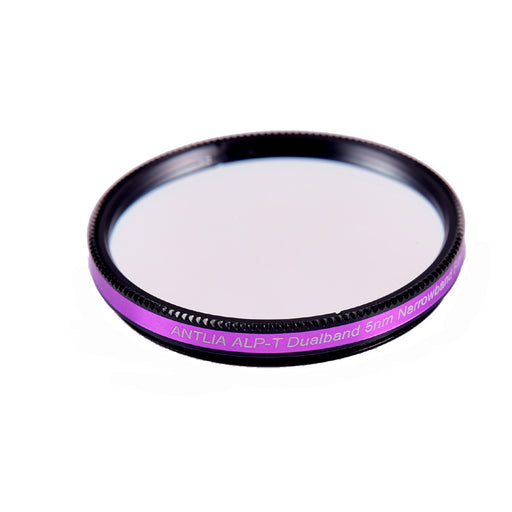
Antlia ALP-T Dualband 5nm Ha/OIII Filter
ANT-ALP-T-2
The Antlia ALP-T dual band 5nm Ha&OIII filter is a dual line-pass filter which was designed to be used primarily with one-shot color (OSC) cam...
View full details
Original price
$380.00
-
Original price
$380.00
Original price
$380.00
$380.00
-
$380.00
Current price
$380.00
Original price
$380.00
-
Original price
$380.00
Original price
$380.00
$380.00
-
$380.00
Current price
$380.00
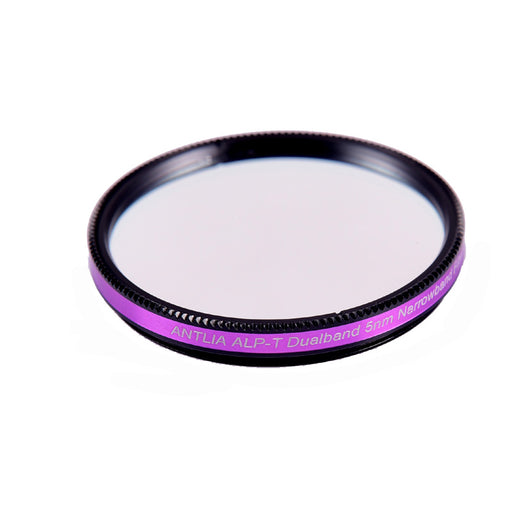
Antlia ALP-T Dualband 5nm Ha/OIII Highspeed Filter
ANT-ALP-T-HS-2
ALP-T Dual Band 5nm Highspeed Filters are further optimized to work with high-speed imaging systems by shifting slightly the passband and center w...
View full details
Original price
$380.00
-
Original price
$380.00
Original price
$380.00
$380.00
-
$380.00
Current price
$380.00
Original price
$350.00
-
Original price
$350.00
Original price
$350.00
$350.00
-
$350.00
Current price
$350.00
Antlia ALP-T Dualband 5nm SII/Hb Filter
ANT-ALP-T-SII-HB-2
The ALP-T dual band 5nm SII&Hb filter is a dual line-pass filter, which lets the deep red Sulfur-II line and the blue Hydrogen-Beta line throu...
View full details
Original price
$350.00
-
Original price
$350.00
Original price
$350.00
$350.00
-
$350.00
Current price
$350.00
Original price
$39.00
-
Original price
$39.00
Original price
$39.00
$39.00
-
$39.00
Current price
$39.00
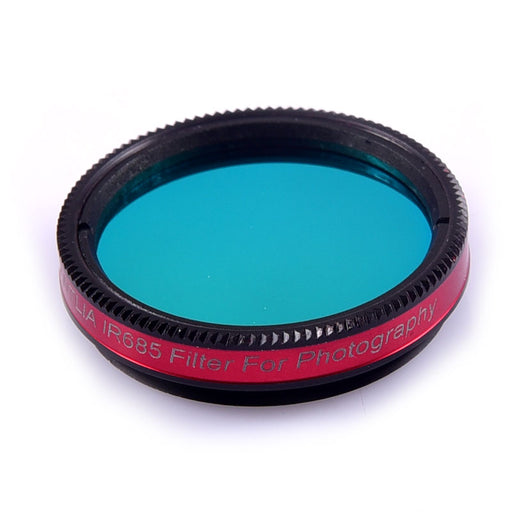
Antlia IR Pass 685nm Filter - 1.25"
ANT-IR685
3 in stock
The Antlia IR Pass 685nm filter is an absorptive filter that allows infrared light with wavelengths of more than 685nm to pass through. At these l...
View full details
Original price
$39.00
-
Original price
$39.00
Original price
$39.00
$39.00
-
$39.00
Current price
$39.00
Original price
$39.00
-
Original price
$39.00
Original price
$39.00
$39.00
-
$39.00
Current price
$39.00
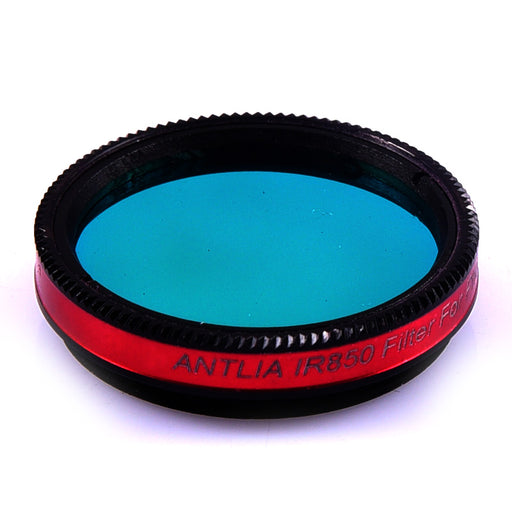
Antlia IR Pass 850nm Filter - 1.25"
ANT-IR850
3 in stock
The Antlia IR Pass 850nm filter is an absorptive filter that allows infrared light with wavelengths of more than 850nm to pass through. It is a su...
View full details
Original price
$39.00
-
Original price
$39.00
Original price
$39.00
$39.00
-
$39.00
Current price
$39.00

Original price
$300.00
-
Original price
$600.00
Original price
$300.00
-
$600.00
$300.00
-
$600.00
Current price
$300.00
Antlia LRGB-V Pro Filter Set
Options available
8 variants in stock
Four-Filter LRGB Complement Engineered for Monochrome CMOS/CCD Cameras Anti-Reflection Coated Optics Available in 5 Mounted and Unmounted Sizes ...
View full details
Original price
$300.00
-
Original price
$600.00
Original price
$300.00
-
$600.00
$300.00
-
$600.00
Current price
$300.00
Original price
$198.00
-
Original price
$198.00
Original price
$198.00
$198.00
-
$198.00
Current price
$198.00
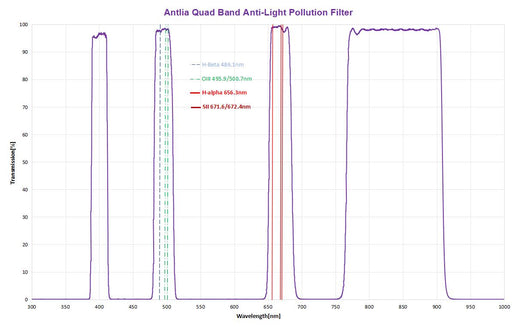
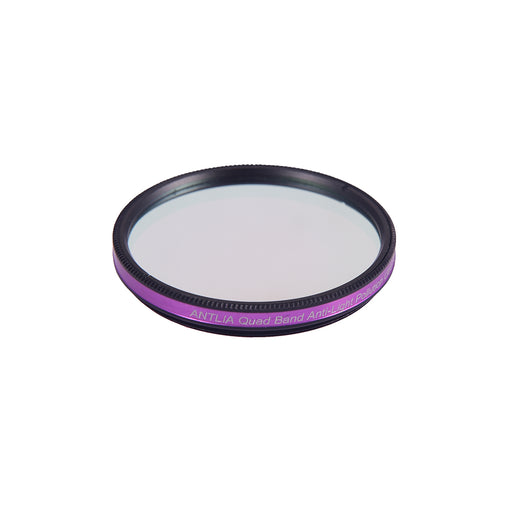
Antlia Quad Band Light Pollution Filter - 2"
ANT-QUAD-2
5 in stock
The Antlia Quad Band Anti-Light Pollution Filter is a light suppression filter for color and monochrome cameras. It is able to shoot most deep sky...
View full details
Original price
$198.00
-
Original price
$198.00
Original price
$198.00
$198.00
-
$198.00
Current price
$198.00
Original price
$179.00
-
Original price
$179.00
Original price
$179.00
$179.00
-
$179.00
Current price
$179.00
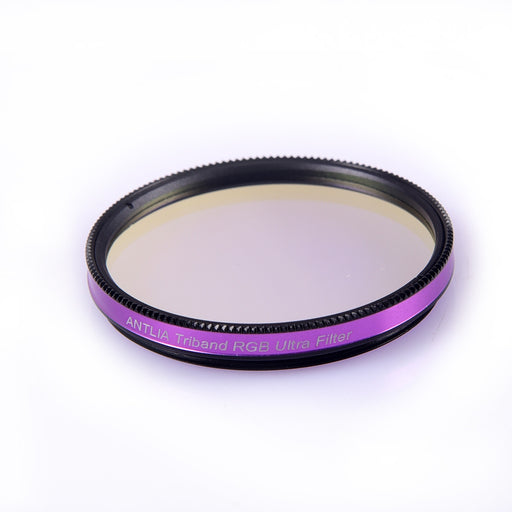
Antlia Triband RGB Ultra Filter V2
ANT-TRIBAND-V2
4 in stock
Enhanced Transmission for Superior Signal-to-Noise Ratio Anti-Reflection Coating to Reduce Halo Effect Optimized for Fast Optics up to f/2 Desc...
View full details
Original price
$179.00
-
Original price
$179.00
Original price
$179.00
$179.00
-
$179.00
Current price
$179.00

Original price
$1,178.54
-
Original price
$1,178.54
Original price
$1,178.54
$1,178.54
-
$1,178.54
Current price
$1,178.54
Askar 3nm Colour Magic Ha/OIII & SII/OIII (E1+E2) Filter Package
ASK-CM-E1E2
1 in stock
Enables SHO "Hubble Palette" imaging with a one-shot-color (OSC) camera Includes two 3nm dual-bandpass filters: E1 (Hα+OIII) and E2 (SII+OIII) Iso...
View full details
Original price
$1,178.54
-
Original price
$1,178.54
Original price
$1,178.54
$1,178.54
-
$1,178.54
Current price
$1,178.54

Original price
$605.00
-
Original price
$605.00
Original price
$605.00
$605.00
-
$605.00
Current price
$605.00
Askar 3nm Colour Magic Ultra Ha/OIII E1 Filter - 2"
ASK-ASKAR2DBE1
1 in stock
Dual-bandpass for Hydrogen-alpha (656.6nm) and Oxygen-III (500.7nm) Ultra-narrow 3.7nm (Ha) and 4.0nm (OIII) FWHM bandwidths 85% peak transmittanc...
View full details
Original price
$605.00
-
Original price
$605.00
Original price
$605.00
$605.00
-
$605.00
Current price
$605.00

Original price
$594.89
-
Original price
$594.89
Original price
$594.89
$594.89
-
$594.89
Current price
$594.89
Askar 3nm Colour Magic Ultra OIII/SII E2 Filter - 2"
ASK-ASKAR2DBE2
1 in stock
Dual-bandpass design captures OIII (500.7nm) and SII (672nm) simultaneously Narrow 3.7nm (OIII) and 4.0nm (SII) FWHM for high-contrast imaging Pea...
View full details
Original price
$594.89
-
Original price
$594.89
Original price
$594.89
$594.89
-
$594.89
Current price
$594.89