
Star Trackers
A star tracker is the cheapest way to find out whether you actually enjoy astrophotography. A camera, a lens you already own and a small tracking head produce Milky Way images and wide-field nebulae that would be impossible on a fixed tripod, and the whole setup fits in a backpack. David Astro carries star trackers in Canada, held in Canadian stock.
Payload limits are real and easily exceeded once a longer lens is involved. Tell us your camera and the lenses you intend to use and we will confirm what a given tracker will hold.


Original price
$441.88
-
Original price
$441.88
Original price
$441.88
$441.88
-
$441.88
Current price
$441.88
iOptron HST MiniTracker
IOP-3650
2 in stock
Payload Capacity: 4kg (8.8 lbs) without counterweights Mount Weight: 790 gm (1.75 lbs) with battery Gear System: Strain Wave Gear (SWG) Tracking S...
View full details
Original price
$441.88
-
Original price
$441.88
Original price
$441.88
$441.88
-
$441.88
Current price
$441.88

Original price
$229.00
-
Original price
$229.00
Original price
$229.00
$229.00
-
$229.00
Current price
$229.00
iOptron PST Micro Tracker
IOP-3680
Payload Capacity: 3 kg (6.6 lbs) Mount Weight: 390 gm (0.86 lbs) with battery Tracking Speeds: Solar, Lunar, 1X Celestial, 1/2X Celestial Battery ...
View full details
Original price
$229.00
-
Original price
$229.00
Original price
$229.00
$229.00
-
$229.00
Current price
$229.00

Original price
$359.00
-
Original price
$539.00
Original price
$359.00
-
$539.00
$359.00
-
$539.00
Current price
$359.00
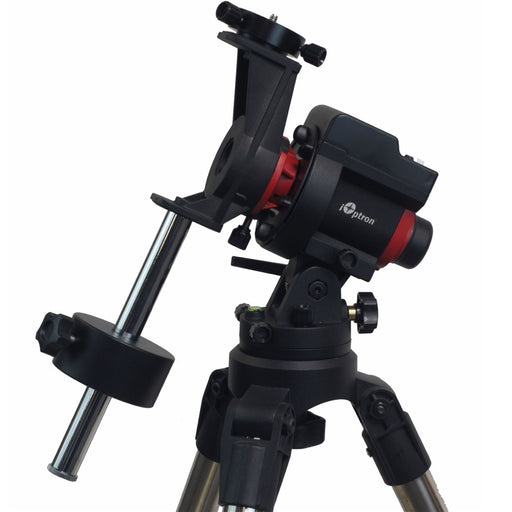
iOptron SkyGuider Pro Star Tracker
Options available
1 variants in stock
Supports a maximum payload of 11 lbs (5kg), balanced, on a 2.2 lb (1kg) mount head Φ88mm, 144-tooth aluminum alloy worm wheel with DC servo motor ...
View full details
Original price
$359.00
-
Original price
$539.00
Original price
$359.00
-
$539.00
$359.00
-
$539.00
Current price
$359.00

Original price
$225.00
-
Original price
$369.00
Original price
$225.00
-
$369.00
$225.00
-
$369.00
Current price
$225.00
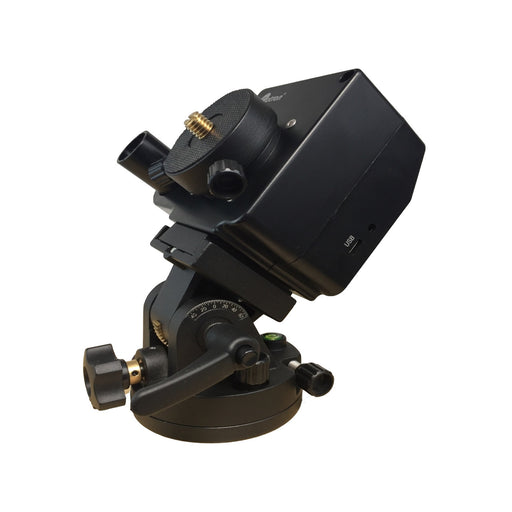
iOptron SkyTracker Pro Camera Mount
Options available
2 variants in stock
Supports camera and lens combinations up to 6.6 lbs (3kg) Ultra-portable body weighs only 2.53 lbs (1150 gm) with base and battery Internal 2000mA...
View full details
Original price
$225.00
-
Original price
$369.00
Original price
$225.00
-
$369.00
$225.00
-
$369.00
Current price
$225.00
Original price
$395.00
-
Original price
$395.00
Original price
$395.00
$395.00
-
$395.00
Current price
$395.00
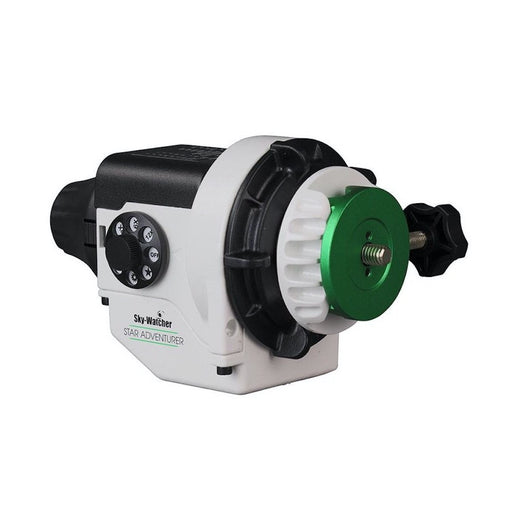
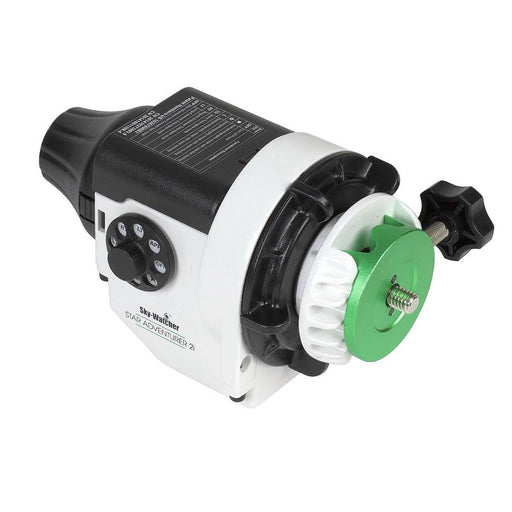
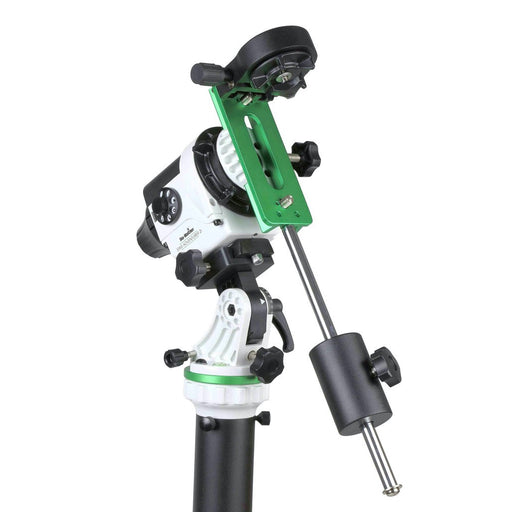
Sky-Watcher Star Adventurer 2i Photo Package
SW-S20520
10 lbs Payload Capacity Built-in WiFi for App Control Sidereal, Solar, and Lunar Tracking Rates Integrated DSLR Shutter Control Built-in Polar Sco...
View full details
Original price
$395.00
-
Original price
$395.00
Original price
$395.00
$395.00
-
$395.00
Current price
$395.00
Original price
$585.00
-
Original price
$585.00
Original price
$585.00
$585.00
-
$585.00
Current price
$585.00
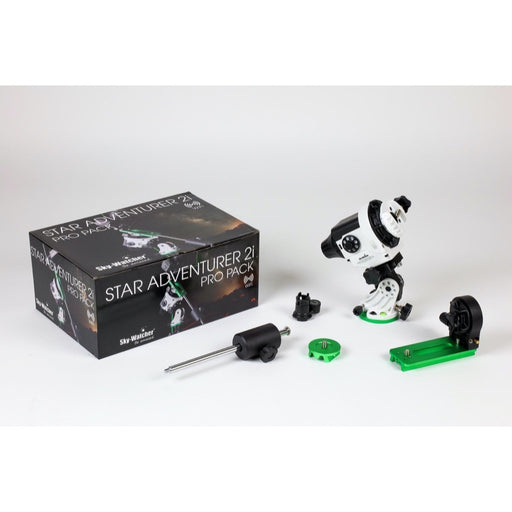
Sky-Watcher Star Adventurer 2i Pro Pack
SW-S20512
11 lb payload capacity Built-in WiFi for full smartphone control Sidereal, Solar, and Lunar tracking rates Built-in polar scope (no illuminator) A...
View full details
Original price
$585.00
-
Original price
$585.00
Original price
$585.00
$585.00
-
$585.00
Current price
$585.00
Original price
$720.00
-
Original price
$830.00
Original price
$720.00
-
$830.00
$720.00
-
$830.00
Current price
$720.00
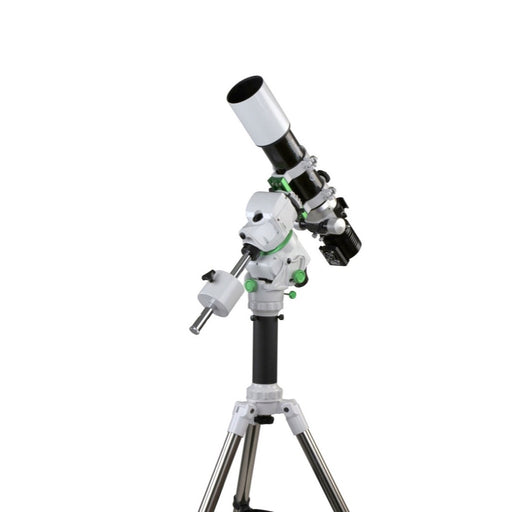
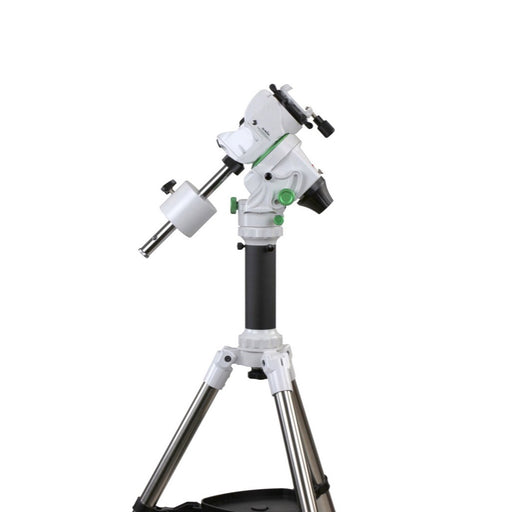
Sky-Watcher Star Adventurer GTi
Options available
Full GoTo tracking in a portable equatorial platform 11 lbs. instrument capacity for cameras and small telescopes Built-in WiFi for full smartphon...
View full details
Original price
$720.00
-
Original price
$830.00
Original price
$720.00
-
$830.00
$720.00
-
$830.00
Current price
$720.00