
Astrophotography
Astrophotography is a system, not a single purchase. The telescope gathers light, the corrector flattens the field, the camera records it, the guiding and focusing keep it sharp for hours, and a handful of adapters hold everything at exactly the right distance. When one link is wrong, the whole image suffers. This collection brings together every part of the imaging chain we carry, from more than twenty brands including ZWO, QHYCCD, Player One, Baader, PrimaLuceLab, Pegasus Astro, William Optics and Askar.
We have helped many Canadian imagers through their first season, and through the upgrade that finally fixed their stars. If you are not sure where to start, or what is holding your images back, ask us.

Original price
$29.00 USD
Original price
$29.00 USD
-
Original price
$29.00 USD
Original price
$29.00 USD
Current price
$26.00 USD
$26.00 USD
-
$26.00 USD
Current price
$26.00 USD
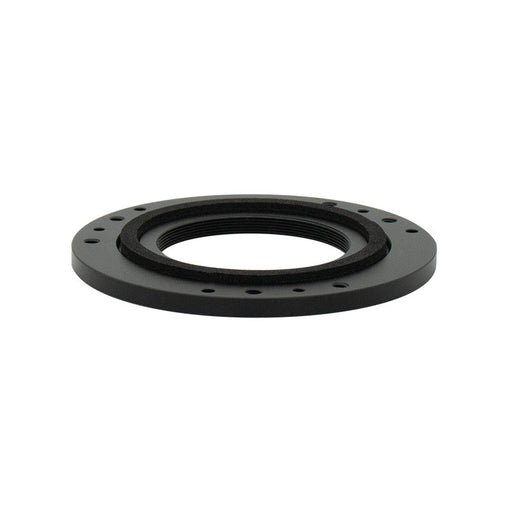
ZWO Sensor Tilt Plate - M48
Corrects Sensor Tilt: Ensures sharp stars across the entire image field by squaring the camera sensor to the optical axis. 5 mm Optical Path Lengt...
View full details
Original price
$29.00 USD
Original price
$29.00 USD
-
Original price
$29.00 USD
Original price
$29.00 USD
Current price
$26.00 USD
$26.00 USD
-
$26.00 USD
Current price
$26.00 USD
Save 10%

Original price
$29.00 USD
Original price
$29.00 USD
-
Original price
$29.00 USD
Original price
$29.00 USD
Current price
$26.00 USD
$26.00 USD
-
$26.00 USD
Current price
$26.00 USD
ZWO Sensor Tilt Plate - M54
Corrects sensor tilt for ZWO ASI6200, 2600, and 2400 cameras Connects compatible cameras and the M68 OAG to a 2" EFW Adds a minimal 5mm of optical...
View full details
Original price
$29.00 USD
Original price
$29.00 USD
-
Original price
$29.00 USD
Original price
$29.00 USD
Current price
$26.00 USD
$26.00 USD
-
$26.00 USD
Current price
$26.00 USD
Save 10%

Original price
$35.00 USD
Original price
$35.00 USD
-
Original price
$35.00 USD
Original price
$35.00 USD
Current price
$32.00 USD
$32.00 USD
-
$32.00 USD
Current price
$32.00 USD
ZWO Sony E Adapter for ASI Cameras
Connects Sony NEX (E-mount) lenses to ZWO ASI cameras Standard M42x0.75 female thread for direct camera attachment Enables wide-field astrophotogr...
View full details
Original price
$35.00 USD
Original price
$35.00 USD
-
Original price
$35.00 USD
Original price
$35.00 USD
Current price
$32.00 USD
$32.00 USD
-
$32.00 USD
Current price
$32.00 USD
Save 9%

Original price
$18.00 USD
Original price
$18.00 USD
-
Original price
$18.00 USD
Original price
$18.00 USD
Current price
$16.00 USD
$16.00 USD
-
$16.00 USD
Current price
$16.00 USD
ZWO T-Mount Adapter - 1.25"
Connects T-threaded cameras to 1.25" focusers Standard M42x0.75 male T-threads Internally threaded for 1.25" astronomy filters Dur...
View full details
Original price
$18.00 USD
Original price
$18.00 USD
-
Original price
$18.00 USD
Original price
$18.00 USD
Current price
$16.00 USD
$16.00 USD
-
$16.00 USD
Current price
$16.00 USD
Save 11%

Original price
$18.00 USD
Original price
$18.00 USD
-
Original price
$18.00 USD
Original price
$18.00 USD
Current price
$16.00 USD
$16.00 USD
-
$16.00 USD
Current price
$16.00 USD
ZWO T2 Female to Female Adapter - 11mm
Adds exactly 11 mm of spacing to your imaging train Female M42x0.75 T2 threads on both sides Connects two male T-threaded components Black anodize...
View full details
Original price
$18.00 USD
Original price
$18.00 USD
-
Original price
$18.00 USD
Original price
$18.00 USD
Current price
$16.00 USD
$16.00 USD
-
$16.00 USD
Current price
$16.00 USD
Save 11%

Original price
$12.00 USD
Original price
$12.00 USD
-
Original price
$12.00 USD
Original price
$12.00 USD
Current price
$11.00 USD
$11.00 USD
-
$11.00 USD
Current price
$11.00 USD
ZWO T2 Male to T2 Male Adapter
Connects two female M42 T-threaded components Adds a fixed 2mm of optical path length Male-to-male M42x0.75 thread on both sides Durable black ano...
View full details
Original price
$12.00 USD
Original price
$12.00 USD
-
Original price
$12.00 USD
Original price
$12.00 USD
Current price
$11.00 USD
$11.00 USD
-
$11.00 USD
Current price
$11.00 USD
Save 8%

Original price
$48.00 USD
Original price
$48.00 USD
-
Original price
$48.00 USD
Original price
$48.00 USD
Current price
$43.00 USD
$43.00 USD
-
$43.00 USD
Current price
$43.00 USD
ZWO T2 Tilter II
Corrects sensor tilt for sharp stars edge-to-edge Eliminates Newton's rings in H-alpha solar imaging Adds only 11 mm of back focus to the imaging ...
View full details
Original price
$48.00 USD
Original price
$48.00 USD
-
Original price
$48.00 USD
Original price
$48.00 USD
Current price
$43.00 USD
$43.00 USD
-
$43.00 USD
Current price
$43.00 USD
Save 10%

Original price
$12.00 USD
Original price
$12.00 USD
-
Original price
$12.00 USD
Original price
$12.00 USD
Current price
$11.00 USD
$11.00 USD
-
$11.00 USD
Current price
$11.00 USD
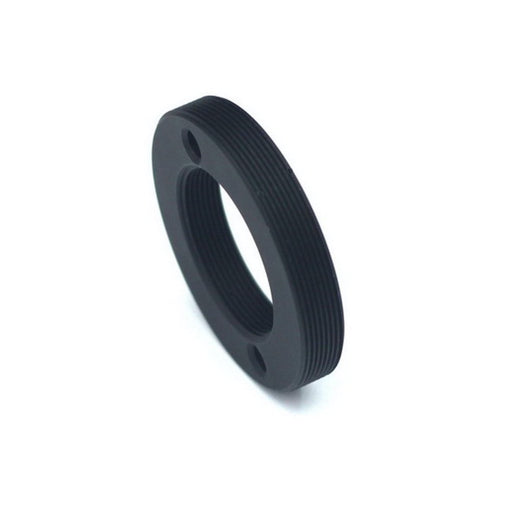
ZWO T2 To C/CS Adapter
Connects C-mount and CS-mount lenses to T2-threaded cameras Adds a precise 7mm to the optical path length Standard M42x0.75 male threads for unive...
View full details
Original price
$12.00 USD
Original price
$12.00 USD
-
Original price
$12.00 USD
Original price
$12.00 USD
Current price
$11.00 USD
$11.00 USD
-
$11.00 USD
Current price
$11.00 USD
Save 8%

Original price
$59.00 USD
Original price
$59.00 USD
-
Original price
$59.00 USD
Original price
$59.00 USD
Current price
$53.00 USD
$53.00 USD
-
$53.00 USD
Current price
$53.00 USD
ZWO T2 to Canon EOS EF-Mount Lens Adapter
Connects Canon EF lenses to any ZWO camera with M42 T2-threads Two-part design supports cameras with 12.5mm or 17.5mm back focus Includes a 5mm T2...
View full details
Original price
$59.00 USD
Original price
$59.00 USD
-
Original price
$59.00 USD
Original price
$59.00 USD
Current price
$53.00 USD
$53.00 USD
-
$53.00 USD
Current price
$53.00 USD
Save 10%


Original price
$35.00 USD
Original price
$35.00 USD
-
Original price
$35.00 USD
Original price
$35.00 USD
Current price
$32.00 USD
$32.00 USD
-
$32.00 USD
Current price
$32.00 USD
ZWO T2 to Micro 4/3 Lens Adapter
Adapts M42x0.75 (T2) Threads to Micro 4/3 (M43) Lens Mount Enables Use of Photographic Lenses on ZWO Astronomy Cameras All-Metal, Black Anodized C...
View full details
Original price
$35.00 USD
Original price
$35.00 USD
-
Original price
$35.00 USD
Original price
$35.00 USD
Current price
$32.00 USD
$32.00 USD
-
$32.00 USD
Current price
$32.00 USD
Save 9%

Original price
$25.00 USD
Original price
$25.00 USD
-
Original price
$25.00 USD
Original price
$25.00 USD
Current price
$23.00 USD
$23.00 USD
-
$23.00 USD
Current price
$23.00 USD
ZWO T2-1.25" Holder
Connects T2 (M42x0.75) Male Threads to 1.25" Barrels Non-Marring Brass Compression Ring Secure Two-Thumbscrew Locking Durable, Low-Profile Aluminu...
View full details
Original price
$25.00 USD
Original price
$25.00 USD
-
Original price
$25.00 USD
Original price
$25.00 USD
Current price
$23.00 USD
$23.00 USD
-
$23.00 USD
Current price
$23.00 USD
Save 8%


Original price
$39.00 USD
-
Original price
$39.00 USD
Original price
$39.00 USD
$39.00 USD
-
$39.00 USD
Current price
$39.00 USD
ZWO V-Series Dovetail Groove for ASIAIR Pro
Mounts ASIAIR Plus, Mini or Pro to V-Series Dovetail Bars Replaces Stock Mounting Plate Using Original Hardware Red Anodized Finish Matches ASIAIR...
View full details
Original price
$39.00 USD
-
Original price
$39.00 USD
Original price
$39.00 USD
$39.00 USD
-
$39.00 USD
Current price
$39.00 USD