
Equatorial Mounts
An equatorial mount aligns one axis with the Earth's rotation, so a single motor at sidereal rate holds a target still indefinitely and the field does not rotate. That single geometric fact is why every long-exposure deep-sky image is made on one. David Astro stocks equatorial mounts in Canada, from portable German equatorials to observatory-class heads, shipped domestically.
Polar alignment accuracy, payload margin and periodic error are the three variables that decide your results. Tell us your optic and focal length and we will size the mount against all three.


Original price
$2,473.30 USD
Original price
$2,473.30 USD
-
Original price
$2,473.30 USD
Original price
$2,473.30 USD
Current price
$2,028.00 USD
$2,028.00 USD
-
$2,028.00 USD
Current price
$2,028.00 USD
Pegasus Astro NYX-88 Mount Bundle with Carbon Fiber Tripod and Hand Controller
Mount Type: German Equatorial or Alt-Azimuth Payload Capacity: 14 kg (no counterweights), 20 kg (with counterweights) Mount Head Weight: 5.0 kg...
View full details
Original price
$2,473.30 USD
Original price
$2,473.30 USD
-
Original price
$2,473.30 USD
Original price
$2,473.30 USD
Current price
$2,028.00 USD
$2,028.00 USD
-
$2,028.00 USD
Current price
$2,028.00 USD
Save 18%

Original price
$2,960.00 USD
-
Original price
$2,960.00 USD
Original price
$2,960.00 USD
$2,960.00 USD
-
$2,960.00 USD
Current price
$2,960.00 USD
Pegasus NYX-101 Harmonic Gear Mount
Payload Capacity: 20 kg without counterweights, 30 kg with Mount Weight: 6.5 kg Mount Drive: Strain Wave (Harmonic) Gear with 500:1 (RA) and 30...
View full details
Original price
$2,960.00 USD
-
Original price
$2,960.00 USD
Original price
$2,960.00 USD
$2,960.00 USD
-
$2,960.00 USD
Current price
$2,960.00 USD
Original price
$1,950.00 USD
-
Original price
$1,980.00 USD
Original price
$1,950.00 USD
-
$1,980.00 USD
$1,950.00 USD
-
$1,980.00 USD
Current price
$1,950.00 USD
Pegasus NYX-88 Harmonic Gear Mount
Strain wave (harmonic) gear system on both axes 14 kg payload capacity without counterweights 20 kg payload capacity with optional counterweights ...
View full details
Original price
$1,950.00 USD
-
Original price
$1,980.00 USD
Original price
$1,950.00 USD
-
$1,980.00 USD
$1,950.00 USD
-
$1,980.00 USD
Current price
$1,950.00 USD


Original price
$2,095.00 USD
Original price
$2,095.00 USD
-
Original price
$2,095.00 USD
Original price
$2,095.00 USD
Current price
$1,699.00 USD
$1,699.00 USD
-
$1,699.00 USD
Current price
$1,699.00 USD
Sky-Watcher AZ-EQ5 GoTo Mount
German equatorial / alt-azimuth dual mode mount 15 kg (33 lb) payload capacity for astrophotography 135:1 worm drive plus 72:12 timing belt transm...
View full details
Original price
$2,095.00 USD
Original price
$2,095.00 USD
-
Original price
$2,095.00 USD
Original price
$2,095.00 USD
Current price
$1,699.00 USD
$1,699.00 USD
-
$1,699.00 USD
Current price
$1,699.00 USD
Save 19%


Original price
$2,850.00 USD
Original price
$2,850.00 USD
-
Original price
$2,850.00 USD
Original price
$2,850.00 USD
Current price
$2,299.00 USD
$2,299.00 USD
-
$2,299.00 USD
Current price
$2,299.00 USD
Sky-Watcher AZ-EQ6 GoTo Mount
German equatorial and alt-azimuth dual-mode functionality 20 kg (44 lb) instrument payload capacity, counterweights excluded 180:1 worm driv...
View full details
Original price
$2,850.00 USD
Original price
$2,850.00 USD
-
Original price
$2,850.00 USD
Original price
$2,850.00 USD
Current price
$2,299.00 USD
$2,299.00 USD
-
$2,299.00 USD
Current price
$2,299.00 USD
Save 19%


Original price
$525.00 USD
Original price
$525.00 USD
-
Original price
$525.00 USD
Original price
$525.00 USD
Current price
$439.00 USD
$439.00 USD
-
$439.00 USD
Current price
$439.00 USD
Sky-Watcher AZ-GTi Mount
Alt-azimuth GoTo mount with a 5 kg (11 lb) payload capacity Mount head weighs just 1.3 kg (2.9 lb); fully assembled system is about 4 kg (8.6 lb) ...
View full details
Original price
$525.00 USD
Original price
$525.00 USD
-
Original price
$525.00 USD
Original price
$525.00 USD
Current price
$439.00 USD
$439.00 USD
-
$439.00 USD
Current price
$439.00 USD
Save 16%


Original price
$3,895.00 USD
-
Original price
$4,695.00 USD
Original price
$3,895.00 USD
$3,299.00 USD
-
$3,999.00 USD
$3,299.00 USD
-
$3,999.00 USD
Current price
$3,299.00 USD
Sky-Watcher CQ350 Pro Mount Head Only with Counterweights
35 kg (77 lb) astrophotography payload capacity German equatorial mount with 1.8° hybrid stepper motors 155 mm R.A. gear with 308:1 worm drive Syn...
View full details
Original price
$3,895.00 USD
-
Original price
$4,695.00 USD
Original price
$3,895.00 USD
$3,299.00 USD
-
$3,999.00 USD
$3,299.00 USD
-
$3,999.00 USD
Current price
$3,299.00 USD
Save up to 15%

Original price
$845.00 USD
Original price
$845.00 USD
-
Original price
$845.00 USD
Original price
$845.00 USD
Current price
$719.00 USD
$719.00 USD
-
$719.00 USD
Current price
$719.00 USD
Sky-Watcher EQ-AL55i Pro Mount
10 kg (22 lb) Payload Capacity 3.7 kg (8.2 lb) Mount Head Weight Built-in Wi-Fi for App-Based GoTo Control Illuminated Polar Scope with about 8.5°...
View full details
Original price
$845.00 USD
Original price
$845.00 USD
-
Original price
$845.00 USD
Original price
$845.00 USD
Current price
$719.00 USD
$719.00 USD
-
$719.00 USD
Current price
$719.00 USD
Save 15%


Original price
$2,250.00 USD
Original price
$2,250.00 USD
-
Original price
$2,250.00 USD
Original price
$2,250.00 USD
Current price
$1,899.00 USD
$1,899.00 USD
-
$1,899.00 USD
Current price
$1,899.00 USD
Sky-Watcher EQ6-R Pro
20 kg (44 lb) Astrophotography Payload Capacity Belt-driven Stepper Motor System with 0.14 Arc-Second Resolution SynScan GoTo Controller with 42,0...
View full details
Original price
$2,250.00 USD
Original price
$2,250.00 USD
-
Original price
$2,250.00 USD
Original price
$2,250.00 USD
Current price
$1,899.00 USD
$1,899.00 USD
-
$1,899.00 USD
Current price
$1,899.00 USD
Save 16%


Original price
$5,895.00 USD
Original price
$5,895.00 USD
-
Original price
$5,895.00 USD
Original price
$5,895.00 USD
Current price
$4,999.00 USD
$4,999.00 USD
-
$4,999.00 USD
Current price
$4,999.00 USD
Sky-Watcher EQ8-R Mount Head Only with Counterweights
Payload: 50 kg (110 lb), rated for astrophotography Mount Head Weight: 25.8 kg (56.9 lb) Drive System: 435:1 worm drive with 0.9° hybrid stepper m...
View full details
Original price
$5,895.00 USD
Original price
$5,895.00 USD
-
Original price
$5,895.00 USD
Original price
$5,895.00 USD
Current price
$4,999.00 USD
$4,999.00 USD
-
$4,999.00 USD
Current price
$4,999.00 USD
Save 15%


Original price
$6,995.00 USD
Original price
$6,995.00 USD
-
Original price
$6,995.00 USD
Original price
$6,995.00 USD
Current price
$5,999.00 USD
$5,999.00 USD
-
$5,999.00 USD
Current price
$5,999.00 USD
Sky-Watcher EQ8-R Mount with Pier Tripod
50 kg (110 lb) astrophotography payload capacity 435:1 worm drive with 0.9° hybrid stepper motors SynScan V5 hand controller with 42,000+ object d...
View full details
Original price
$6,995.00 USD
Original price
$6,995.00 USD
-
Original price
$6,995.00 USD
Original price
$6,995.00 USD
Current price
$5,999.00 USD
$5,999.00 USD
-
$5,999.00 USD
Current price
$5,999.00 USD
Save 14%


Original price
$10,450.00 USD
Original price
$10,450.00 USD
-
Original price
$10,450.00 USD
Original price
$10,450.00 USD
Current price
$8,499.00 USD
$8,499.00 USD
-
$8,499.00 USD
Current price
$8,499.00 USD
Sky-Watcher EQ8-Rh Mount Head Only with Counterweights
50 kg (110 lb) instrument payload capacity for astrophotography High-resolution Renishaw R.A. axis encoder with 0.11 arc-second resolution 0.9° hy...
View full details
Original price
$10,450.00 USD
Original price
$10,450.00 USD
-
Original price
$10,450.00 USD
Original price
$10,450.00 USD
Current price
$8,499.00 USD
$8,499.00 USD
-
$8,499.00 USD
Current price
$8,499.00 USD
Save 19%


Original price
$11,500.00 USD
Original price
$11,500.00 USD
-
Original price
$11,500.00 USD
Original price
$11,500.00 USD
Current price
$9,399.00 USD
$9,399.00 USD
-
$9,399.00 USD
Current price
$9,399.00 USD
Sky-Watcher EQ8-Rh Mount with Pier Tripod
50 kg (110 lb) astrophotography payload capacity High-resolution Renishaw incremental R.A. axis encoder with ~0.11 arc-second resolution 0.03 arc-...
View full details
Original price
$11,500.00 USD
Original price
$11,500.00 USD
-
Original price
$11,500.00 USD
Original price
$11,500.00 USD
Current price
$9,399.00 USD
$9,399.00 USD
-
$9,399.00 USD
Current price
$9,399.00 USD
Save 18%


Original price
$1,625.00 USD
-
Original price
$1,625.00 USD
Original price
$1,625.00 USD
$1,625.00 USD
-
$1,625.00 USD
Current price
$1,625.00 USD
Sky-Watcher HEQ5 Mount
German equatorial GoTo mount 13.7 kg (30 lb) instrument payload capacity SynScan hand controller with a 42,900+ object database 1.8° stepper motor...
View full details
Original price
$1,625.00 USD
-
Original price
$1,625.00 USD
Original price
$1,625.00 USD
$1,625.00 USD
-
$1,625.00 USD
Current price
$1,625.00 USD

Original price
$1,695.00 USD
Original price
$1,695.00 USD
-
Original price
$1,695.00 USD
Original price
$1,695.00 USD
Current price
$1,399.00 USD
$1,399.00 USD
-
$1,399.00 USD
Current price
$1,399.00 USD
Sky-Watcher HEQ5-R Mount
15 kg (33 lb) instrument payload capacity Synchronous belt drive with 1.8° hybrid stepper motors Built-in Wi-Fi for wireless control via the SynSc...
View full details
Original price
$1,695.00 USD
Original price
$1,695.00 USD
-
Original price
$1,695.00 USD
Original price
$1,695.00 USD
Current price
$1,399.00 USD
$1,399.00 USD
-
$1,399.00 USD
Current price
$1,399.00 USD
Save 17%

Original price
$2,295.00 USD
Original price
$2,295.00 USD
-
Original price
$2,295.00 USD
Original price
$2,295.00 USD
Current price
$1,899.00 USD
$1,899.00 USD
-
$1,899.00 USD
Current price
$1,899.00 USD
Sky-Watcher Wave 100i Pro Mount with Carbon Fiber Tripod & Pier Extension
Carries 10 kg (22 lb) payload without counterweights 4.2 kg (9.3 lb) mount head Equatorial and Alt-Az dual-mode operation Includes 2.4 kg (5.3 lb)...
View full details
Original price
$2,295.00 USD
Original price
$2,295.00 USD
-
Original price
$2,295.00 USD
Original price
$2,295.00 USD
Current price
$1,899.00 USD
$1,899.00 USD
-
$1,899.00 USD
Current price
$1,899.00 USD
Save 17%

Original price
$2,195.00 USD
Original price
$2,195.00 USD
-
Original price
$2,195.00 USD
Original price
$2,195.00 USD
Current price
$1,799.00 USD
$1,799.00 USD
-
$1,799.00 USD
Current price
$1,799.00 USD
Sky-Watcher Wave 100i Pro Mount with Steel Tripod & Pier Extension
Supports a 10 kg (22 lb) payload without counterweights Included EQ6 steel tripod with 2-inch steel legs 180 mm (7 in) Wave to EQ6 adapter / pier ...
View full details
Original price
$2,195.00 USD
Original price
$2,195.00 USD
-
Original price
$2,195.00 USD
Original price
$2,195.00 USD
Current price
$1,799.00 USD
$1,799.00 USD
-
$1,799.00 USD
Current price
$1,799.00 USD
Save 18%


Original price
$1,895.00 USD
Original price
$1,895.00 USD
-
Original price
$1,895.00 USD
Original price
$1,895.00 USD
Current price
$1,699.00 USD
$1,699.00 USD
-
$1,699.00 USD
Current price
$1,699.00 USD
Sky-Watcher Wave 100i Strainwave Mount
Supports a 10 kg (22 lb) payload without counterweights Lightweight 4.2 kg (9.3 lb) mount head Dual Equatorial / Alt-Az modes for imaging and visu...
View full details
Original price
$1,895.00 USD
Original price
$1,895.00 USD
-
Original price
$1,895.00 USD
Original price
$1,895.00 USD
Current price
$1,699.00 USD
$1,699.00 USD
-
$1,699.00 USD
Current price
$1,699.00 USD
Save 10%

Original price
$2,895.00 USD
Original price
$2,895.00 USD
-
Original price
$2,895.00 USD
Original price
$2,895.00 USD
Current price
$2,499.00 USD
$2,499.00 USD
-
$2,499.00 USD
Current price
$2,499.00 USD
Sky-Watcher Wave 150i Pro Mount Kit w/ Carbon Fiber Tripod and Pier Extension Tube
Wave 150i GoTo strainwave head EQ and AZ modes Built-in cable management Weighs 12.8 pounds (5.8kg) 33-pound (15kg) payload capacity without optio...
View full details
Original price
$2,895.00 USD
Original price
$2,895.00 USD
-
Original price
$2,895.00 USD
Original price
$2,895.00 USD
Current price
$2,499.00 USD
$2,499.00 USD
-
$2,499.00 USD
Current price
$2,499.00 USD
Save 14%

Original price
$2,795.00 USD
Original price
$2,795.00 USD
-
Original price
$2,795.00 USD
Original price
$2,795.00 USD
Current price
$2,399.00 USD
$2,399.00 USD
-
$2,399.00 USD
Current price
$2,399.00 USD
Sky-Watcher Wave 150i Pro Mount Kit w/ Steel Tripod and Pier Extension Tube
Supports 15 kg (33 lb) payload without counterweights, expandable to 25 kg (55 lb) 5.8 kg (12.8 lb) mount head Dual Equatorial / Alt-Az tracking m...
View full details
Original price
$2,795.00 USD
Original price
$2,795.00 USD
-
Original price
$2,795.00 USD
Original price
$2,795.00 USD
Current price
$2,399.00 USD
$2,399.00 USD
-
$2,399.00 USD
Current price
$2,399.00 USD
Save 14%


Original price
$2,495.00 USD
Original price
$2,495.00 USD
-
Original price
$2,495.00 USD
Original price
$2,495.00 USD
Current price
$2,299.00 USD
$2,299.00 USD
-
$2,299.00 USD
Current price
$2,299.00 USD
Sky-Watcher Wave 150i Strainwave Mount
Supports imaging payloads up to 15 kg (33 lb) without counterweights Increases capacity to 25 kg (55 lb) with optional 5 kg counterweight Lightwei...
View full details
Original price
$2,495.00 USD
Original price
$2,495.00 USD
-
Original price
$2,495.00 USD
Original price
$2,495.00 USD
Current price
$2,299.00 USD
$2,299.00 USD
-
$2,299.00 USD
Current price
$2,299.00 USD
Save 8%


Original price
$19,295.00 USD
-
Original price
$25,295.00 USD
Original price
$19,295.00 USD
-
$25,295.00 USD
$19,295.00 USD
-
$25,295.00 USD
Current price
$19,295.00 USD
Software Bisque Paramount ME Robotic Telescope System
240 lb. (109 kg) instrument capacity German Equatorial Mount for permanent observatories 7 arcseconds peak-to-peak periodic error before correctio...
View full details
Original price
$19,295.00 USD
-
Original price
$25,295.00 USD
Original price
$19,295.00 USD
-
$25,295.00 USD
$19,295.00 USD
-
$25,295.00 USD
Current price
$19,295.00 USD
Original price
$11,795.00 USD
-
Original price
$17,795.00 USD
Original price
$11,795.00 USD
-
$17,795.00 USD
$11,795.00 USD
-
$17,795.00 USD
Current price
$11,795.00 USD
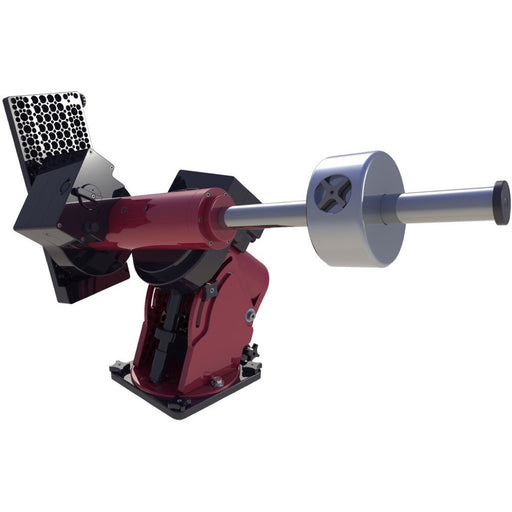
Software Bisque Paramount MX Robotic Telescope System
125 lb. (57 kg) instrument capacity Transportable 54 lb. (24 kg) mount head weight 7 arcseconds or less peak-to-peak periodic error before PEC Inc...
View full details
Original price
$11,795.00 USD
-
Original price
$17,795.00 USD
Original price
$11,795.00 USD
-
$17,795.00 USD
$11,795.00 USD
-
$17,795.00 USD
Current price
$11,795.00 USD
Original price
$8,595.00 USD
-
Original price
$14,595.00 USD
Original price
$8,595.00 USD
-
$14,595.00 USD
$8,595.00 USD
-
$14,595.00 USD
Current price
$8,595.00 USD
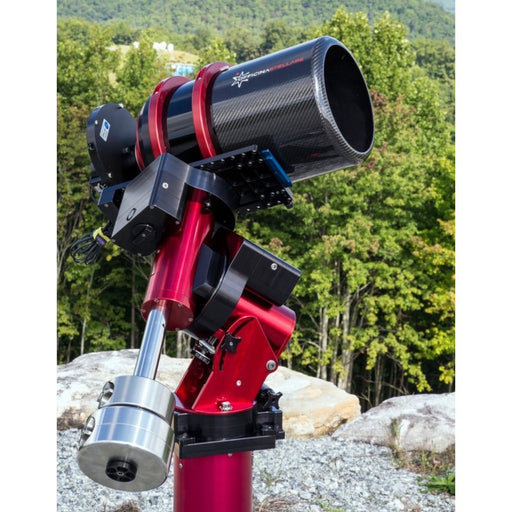
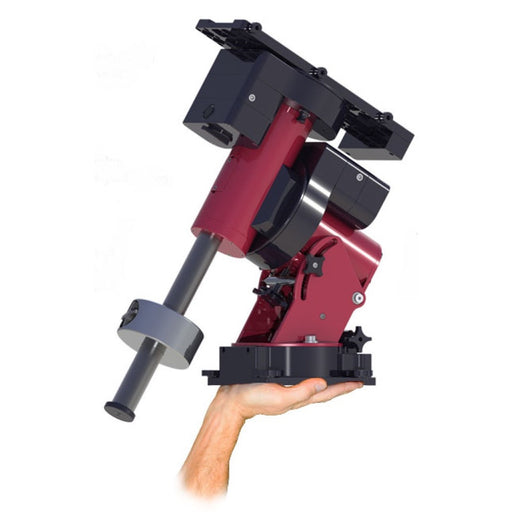
Software Bisque Paramount MYT Robotic Telescope System
70 lb. (32 kg) instrument capacity on a 35 lb. (16 kg) mount head Achieves 30 arcsecond RMS all-sky pointing accuracy with TPoint modeling 7 arcse...
View full details
Original price
$8,595.00 USD
-
Original price
$14,595.00 USD
Original price
$8,595.00 USD
-
$14,595.00 USD
$8,595.00 USD
-
$14,595.00 USD
Current price
$8,595.00 USD