
Imaging Filters
Not every imaging filter is narrowband or LRGB. Ultraviolet and infrared cut filters, luminance filters, methane band filters for planetary work and dedicated infrared pass filters each solve a specific problem, and several of them are more useful than their obscurity suggests. David Astro carries imaging filters in Canada, in Canadian inventory and shipped domestically.
These filters address particular situations rather than general imaging. Tell us what problem you are seeing and we will say whether one of them fixes it.
Original price
$625.00
-
Original price
$625.00
Original price
$625.00
$625.00
-
$625.00
Current price
$625.00
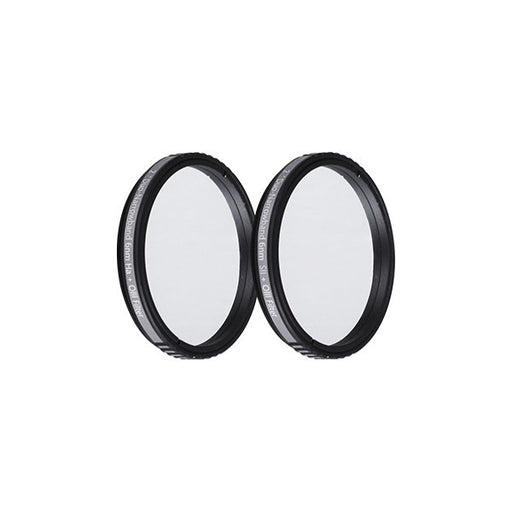
Askar 6nm Colour Magic Ha/OIII & SII/OIII (D1+D2) Filter Package
ASK-CM-D1D2
1 in stock
6nm Dual-Bandpass Filter Set Includes D1 (Hα+OIII) and D2 (SII+OIII) Filters Enables SHO-like imaging with color cameras High contrast for light-p...
View full details
Original price
$625.00
-
Original price
$625.00
Original price
$625.00
$625.00
-
$625.00
Current price
$625.00
Original price
$319.00
-
Original price
$319.00
Original price
$319.00
$319.00
-
$319.00
Current price
$319.00
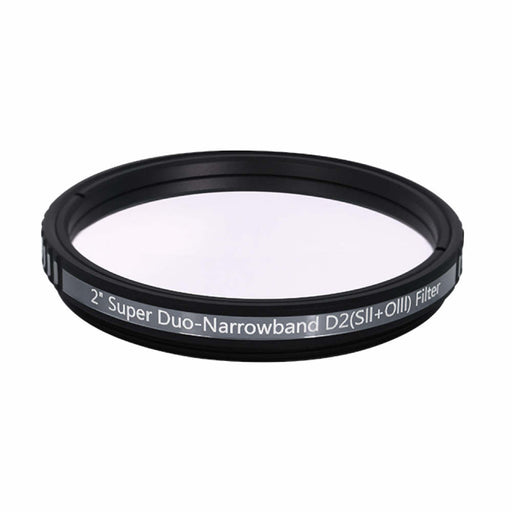
Askar 6nm Colour Magic Super Ha/OIII D1 Filter - 2"
ASK-ASK2DNHOD1
1 in stock
Dual-Bandpass: 8.5nm H-alpha & 6.5nm OIII Peak Transmittance: >85% at 500.7nm and 656.6nm Light Pollution Suppression: ≥OD5 blocking from 2...
View full details
Original price
$319.00
-
Original price
$319.00
Original price
$319.00
$319.00
-
$319.00
Current price
$319.00
Original price
$319.00
-
Original price
$319.00
Original price
$319.00
$319.00
-
$319.00
Current price
$319.00
Askar 6nm Colour Magic Super SII/OIII D2 Filter - 2"
ASK-ASK2DNSOD2
1 in stock
Dual-band filter passing OIII (6.5nm) and SII (8.5nm) wavelengths Peak transmittance of 85% for maximum signal capture Designed for color cameras ...
View full details
Original price
$319.00
-
Original price
$319.00
Original price
$319.00
$319.00
-
$319.00
Current price
$319.00

Original price
$225.00
-
Original price
$225.00
Original price
$225.00
$225.00
-
$225.00
Current price
$225.00
Askar Colour Magic Ha/OIII & SII/OIII (C1+C2) Filter Package
ASK-CM-C1C2
2 in stock
Complete 2-Filter Narrowband Solution for Color Cameras Captures H-alpha, Oxygen-III, and Sulfur-II Wavelengths Filter 1 (C1): Hα + OIII Duo-Band ...
View full details
Original price
$225.00
-
Original price
$225.00
Original price
$225.00
$225.00
-
$225.00
Current price
$225.00
Original price
$119.00
-
Original price
$119.00
Original price
$119.00
$119.00
-
$119.00
Current price
$119.00
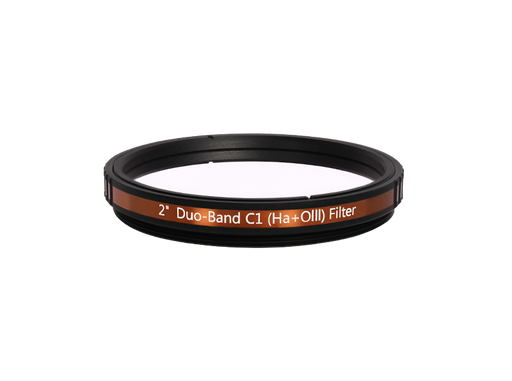
Askar Colour Magic Ha/OIII C1 Filter - 2"
ASK-ASKAR2DBC1
2 in stock
Dual-bandpass filter for H-alpha (656.6nm) and Oxygen-III (500.7nm) Asymmetrical bandwidths: 15nm for H-alpha, 35nm for OIII Greater than 90% peak...
View full details
Original price
$119.00
-
Original price
$119.00
Original price
$119.00
$119.00
-
$119.00
Current price
$119.00
Original price
$119.00
-
Original price
$119.00
Original price
$119.00
$119.00
-
$119.00
Current price
$119.00
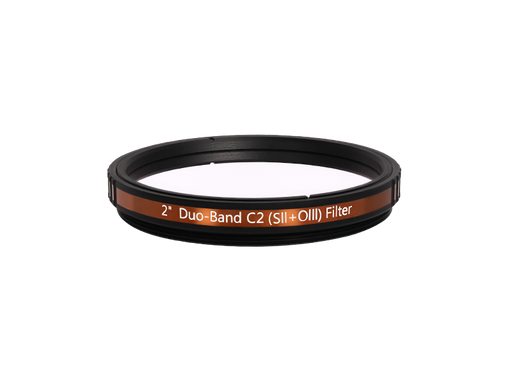
Askar Colour Magic SII/OIII C2 Filter - 2"
ASK-ASKAR2DBC2
3 in stock
Dual-band filter passing SⅡ (672nm) and OIII (500.7nm) emission lines Designed for one-shot-color cameras to capture data often missed by Hα/OIII ...
View full details
Original price
$119.00
-
Original price
$119.00
Original price
$119.00
$119.00
-
$119.00
Current price
$119.00
Original price
$484.00
Original price
$484.00
-
Original price
$484.00
Original price
$484.00
Current price
$363.00
$363.00
-
$363.00
Current price
$363.00
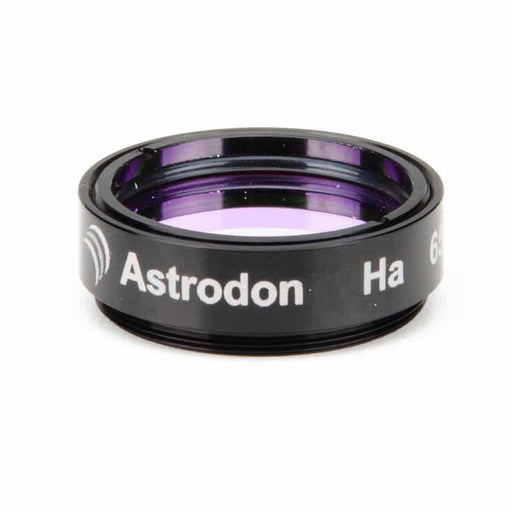
Astrodon H-alpha Filter - 5nm
DON-HA5_31R
Only 1 left!
H-α (hydrogen-alpha) at 656 nm (nanometers) is deep red in color and the most popular narrowband filter. Hydrogen is ubiquitous in the cosmos and i...
View full details
Original price
$484.00
Original price
$484.00
-
Original price
$484.00
Original price
$484.00
Current price
$363.00
$363.00
-
$363.00
Current price
$363.00
Save 25%
Original price
$484.00
Original price
$484.00
-
Original price
$484.00
Original price
$484.00
Current price
$363.00
$363.00
-
$363.00
Current price
$363.00
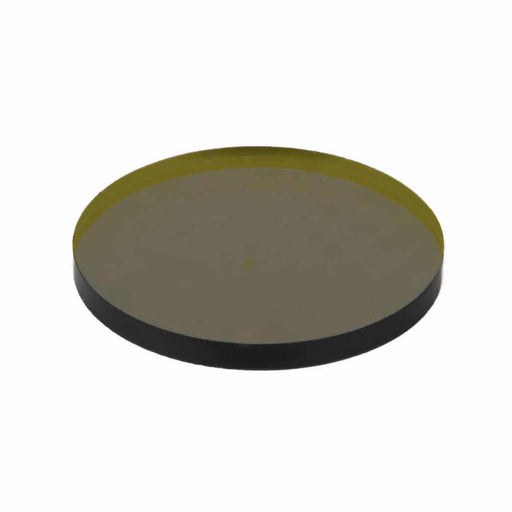
Astrodon SII Filter - 5nm
DON-SII5_31R
If you want the look of Hubble Space Telescope (HST) images, such as the famous “Pillars of Creation” (the Eagle Nebula, Messier 16), then the next...
View full details
Original price
$484.00
Original price
$484.00
-
Original price
$484.00
Original price
$484.00
Current price
$363.00
$363.00
-
$363.00
Current price
$363.00
Sold out


Original price
$946.00
-
Original price
$2,105.00
Original price
$946.00
-
$2,105.00
$946.00
-
$2,105.00
Current price
$946.00
Baader 3.5/4nm f/2 Ultra-Highspeed Filter Set - CMOS-Optimized H-alpha/O-III/S-II
Options available
3.5nm (H-alpha, S-II) and 4nm (O-III) Bandpasses Optimized for f/2 Ultra-Highspeed Optical Systems CMOS-Optimized with Reflex-Blocker™ Coatings Pr...
View full details
Original price
$946.00
-
Original price
$2,105.00
Original price
$946.00
-
$2,105.00
$946.00
-
$2,105.00
Current price
$946.00

Original price
$929.00
-
Original price
$1,982.00
Original price
$929.00
-
$1,982.00
$929.00
-
$1,982.00
Current price
$929.00
Baader 3.5nm / 4nm Narrowband Filter Set - CMOS-Optimized H-alpha/O-III/S-II
Options available
1 variants in stock
3-Filter Set: H-alpha (3.5nm), O-III (4nm), S-II (3.5nm) Ultra-Narrow Bandpasses for Maximum Image Contrast CMOS-Optimized to Eliminate Halos and ...
View full details
Original price
$929.00
-
Original price
$1,982.00
Original price
$929.00
-
$1,982.00
$929.00
-
$1,982.00
Current price
$929.00

Original price
$320.00
-
Original price
$692.00
Original price
$320.00
-
$692.00
$320.00
-
$692.00
Current price
$320.00
Baader 4nm Ultra-Narrowband OIII Filter - CMOS-Optimized
Options available
1 variants in stock
4nm Ultra-Narrowband OIII Bandpass Optimized for Modern CMOS Sensors Reflex-Blocker™ Hard Coatings to Prevent Halos Life-Coat™ Technology for Extr...
View full details
Original price
$320.00
-
Original price
$692.00
Original price
$320.00
-
$692.00
$320.00
-
$692.00
Current price
$320.00


Original price
$548.00
-
Original price
$1,310.00
Original price
$548.00
-
$1,310.00
$548.00
-
$1,310.00
Current price
$548.00
Baader 6.5nm f/2 Highspeed Filter Set - CMOS-Optimized H-alpha/O-III/S-II
Options available
1 variants in stock
Set of 3 Narrowband Filters: H-alpha, O-III, and S-II 6.5nm Bandpass for high-contrast imaging Optimized for f/2 to f/3.5 High-Speed Optical Syste...
View full details
Original price
$548.00
-
Original price
$1,310.00
Original price
$548.00
-
$1,310.00
$548.00
-
$1,310.00
Current price
$548.00
Original price
$188.00
-
Original price
$481.00
Original price
$188.00
-
$481.00
$188.00
-
$481.00
Current price
$188.00
Baader 6.5nm H-alpha Filter - CMOS-Optimized
Options available
6.5nm FWHM Bandpass CMOS-Optimized Anti-Reflection Coatings Reflex-Blocker™ coatings to prevent halos Life-Coat™ scratch-resistant hard coatings A...
View full details
Original price
$188.00
-
Original price
$481.00
Original price
$188.00
-
$481.00
$188.00
-
$481.00
Current price
$188.00

Original price
$512.00
-
Original price
$1,287.00
Original price
$512.00
-
$1,287.00
$512.00
-
$1,287.00
Current price
$512.00
Baader 6.5nm Narrowband Filter Set - CMOS-Optimized H-alpha/O-III/S-II
Options available
6.5nm Narrowband Filter Set for H-alpha, O-III, and S-II Optimized specifically for modern CMOS astronomy cameras Reflex-Blocker™ coatings prevent...
View full details
Original price
$512.00
-
Original price
$1,287.00
Original price
$512.00
-
$1,287.00
$512.00
-
$1,287.00
Current price
$512.00

Original price
$179.00
-
Original price
$470.00
Original price
$179.00
-
$470.00
$179.00
-
$470.00
Current price
$179.00
Baader 6.5nm OIII Filter - CMOS-Optimized
Options available
6.5nm FWHM Bandpass Optimized for Modern CMOS Sensors Reflex-Blocker™ Hard Coatings Available in 7 Formats (Mounted and Unmounted) Plane-Parallel ...
View full details
Original price
$179.00
-
Original price
$470.00
Original price
$179.00
-
$470.00
$179.00
-
$470.00
Current price
$179.00

Original price
$176.00
-
Original price
$468.00
Original price
$176.00
-
$468.00
$176.00
-
$468.00
Current price
$176.00
Baader 6.5nm SII Filter - CMOS-Optimized
Options available
6.5nm FWHM Bandpass Optimized for Modern CMOS Sensors Suppresses Halos and Internal Reflections High-Contrast for Sulfur-II Emission Nebulae Avail...
View full details
Original price
$176.00
-
Original price
$468.00
Original price
$176.00
-
$468.00
$176.00
-
$468.00
Current price
$176.00
Original price
$111.00
-
Original price
$111.00
Original price
$111.00
$111.00
-
$111.00
Current price
$111.00
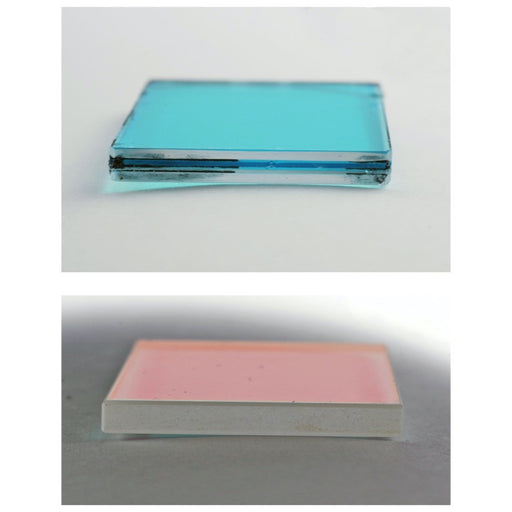
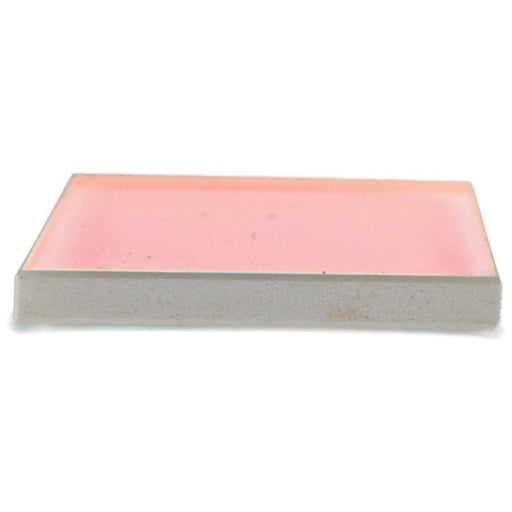
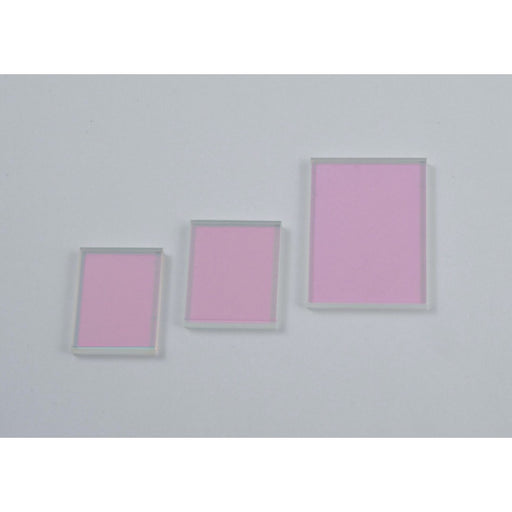
Baader ACF DSLR Astro Conversion Filter - for Canon EOS 300
BAA-2459211
Designed for Canon EOS 300 DSLR Astro-Conversion Dramatically Improved Spectral Transmission for Astrophotography Unlocks Critical Hydrogen-Alpha ...
View full details
Original price
$111.00
-
Original price
$111.00
Original price
$111.00
$111.00
-
$111.00
Current price
$111.00
Original price
$128.00
-
Original price
$128.00
Original price
$128.00
$128.00
-
$128.00
Current price
$128.00
Baader ACF DSLR Astro Conversion Filter - for Canon EOS 350D/10D/20D/30D
BAA-2459212
Designed for Canon EOS 350D, 10D, 20D, and 30D DSLRs Improves Spectral Transmission for Astrophotography Unlocks Sensitivity to Hydrogen-Alpha (Hα...
View full details
Original price
$128.00
-
Original price
$128.00
Original price
$128.00
$128.00
-
$128.00
Current price
$128.00
Original price
$108.00
-
Original price
$108.00
Original price
$108.00
$108.00
-
$108.00
Current price
$108.00
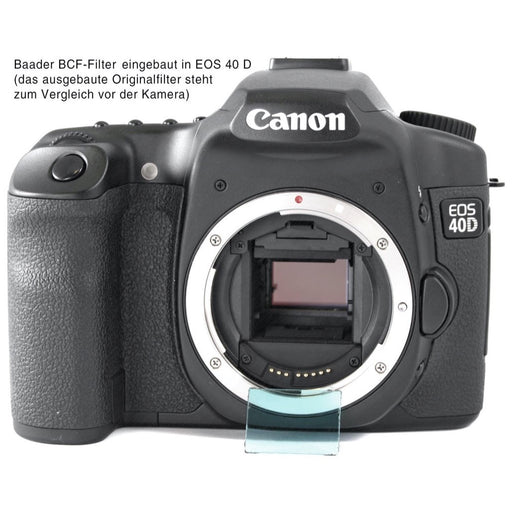
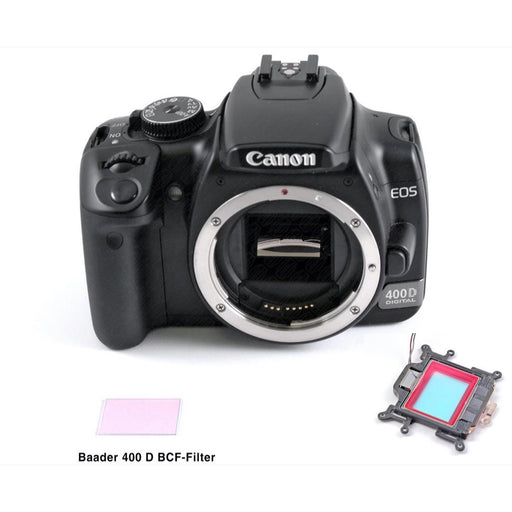
Baader BCF DSLR Astro Conversion Filter - for Canon EOS
BAA-2459213
1 in stock
Replaces stock DSLR filter to dramatically increase H-alpha sensitivity Enables detailed imaging of emission nebulae Designed for a wide range of ...
View full details
Original price
$108.00
-
Original price
$108.00
Original price
$108.00
$108.00
-
$108.00
Current price
$108.00
Original price
$55.00
-
Original price
$155.00
Original price
$55.00
-
$155.00
$55.00
-
$155.00
Current price
$55.00
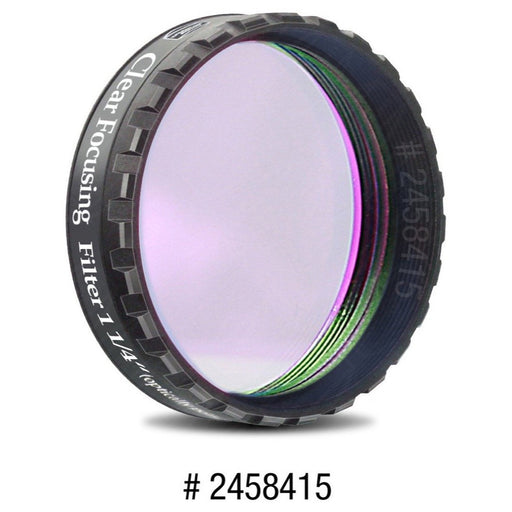
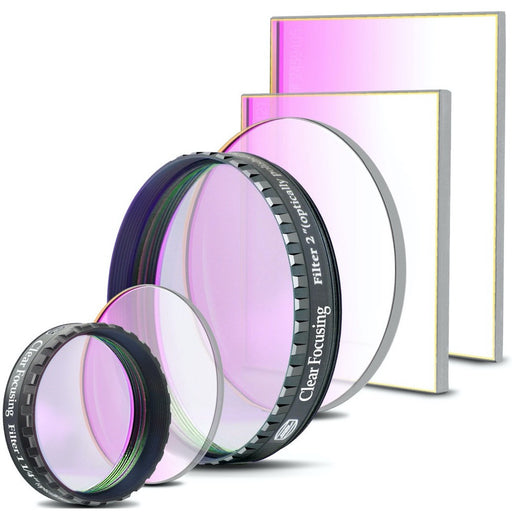
Baader Clear Focusing Filter
Options available
1 variants in stock
Enables precise focusing for dim narrowband filters Perfectly parfocal with other Baader Planetarium filters Optically polished to ensure no image...
View full details
Original price
$55.00
-
Original price
$155.00
Original price
$55.00
-
$155.00
$55.00
-
$155.00
Current price
$55.00
Original price
$108.00
-
Original price
$155.00
Original price
$108.00
-
$155.00
$108.00
-
$155.00
Current price
$108.00
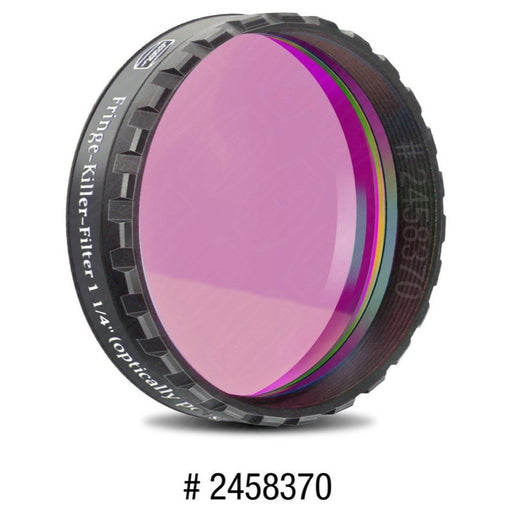
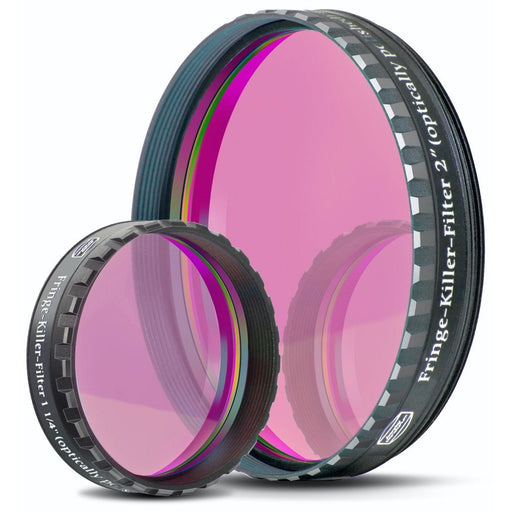
Baader Fringe-Killer Filter
Options available
2 variants in stock
Reduces violet/blue color fringing in achromatic refractors Blocks unfocused near-infrared (NIR) light for sharper digital images Maintains a natu...
View full details
Original price
$108.00
-
Original price
$155.00
Original price
$108.00
-
$155.00
$108.00
-
$155.00
Current price
$108.00

Original price
$109.00
-
Original price
$264.00
Original price
$109.00
-
$264.00
$109.00
-
$264.00
Current price
$109.00
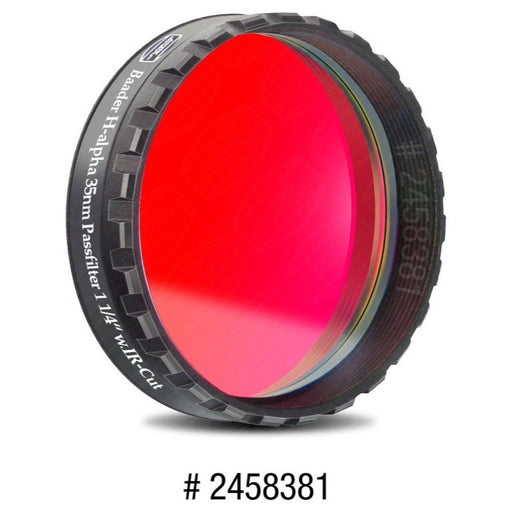
Baader H-Alpha CCD Filter -35nm
Options available
Premium grade H-alpha interline chip CCD-filter for fast optical systems f/10 to f/2.8 IR-blocked NO halos, NO reflections, NO ghosting Non-aging ...
View full details
Original price
$109.00
-
Original price
$264.00
Original price
$109.00
-
$264.00
$109.00
-
$264.00
Current price
$109.00
Original price
$110.00
-
Original price
$175.00
Original price
$110.00
-
$175.00
$110.00
-
$175.00
Current price
$110.00
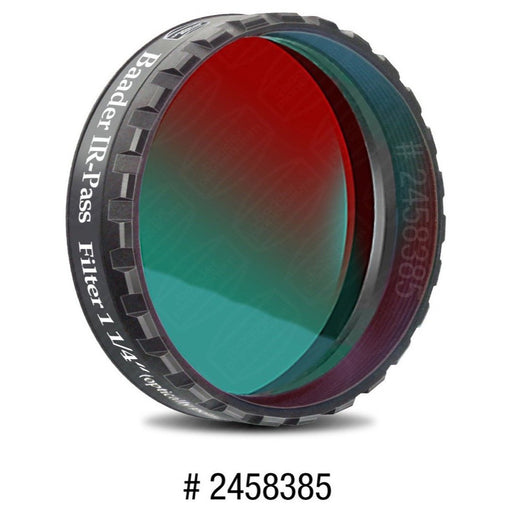
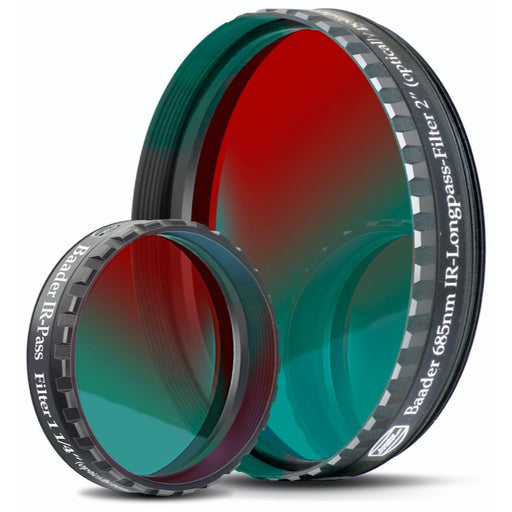
Baader IR-Pass Filter 685nm
Options available
3 variants in stock
685nm Infrared (IR) Pass Filter Transmits deep-red light starting from 670nm Dramatically reduces the image-blurring effects of atmospheric seeing...
View full details
Original price
$110.00
-
Original price
$175.00
Original price
$110.00
-
$175.00
$110.00
-
$175.00
Current price
$110.00
Original price
$391.00
-
Original price
$1,063.00
Original price
$391.00
-
$1,063.00
$391.00
-
$1,063.00
Current price
$391.00
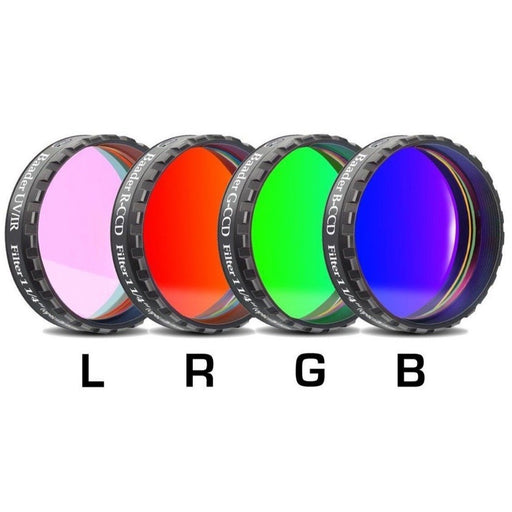
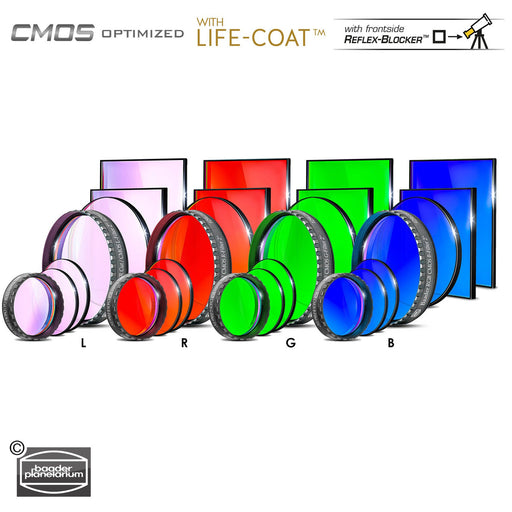
Baader LRGB Filter Set - CMOS-Optimized
Options available
Designed specifically to eliminate reflections and halos with modern CMOS sensors Balanced RGB transmission enables simplified 1:1:1 exposure rati...
View full details
Original price
$391.00
-
Original price
$1,063.00
Original price
$391.00
-
$1,063.00
$391.00
-
$1,063.00
Current price
$391.00