
Imaging Filters
Not every imaging filter is narrowband or LRGB. Ultraviolet and infrared cut filters, luminance filters, methane band filters for planetary work and dedicated infrared pass filters each solve a specific problem, and several of them are more useful than their obscurity suggests. David Astro carries imaging filters in Canada, in Canadian inventory and shipped domestically.
These filters address particular situations rather than general imaging. Tell us what problem you are seeing and we will say whether one of them fixes it.


Original price
$108.00
-
Original price
$200.00
Original price
$108.00
-
$200.00
$108.00
-
$200.00
Current price
$108.00
Baader Planetarium O-III Super-G Filter (9nm) – CMOS-optimized
Options available
2 variants in stock
9nm O-III Narrowband Passband Functions as a "Super-G" Green Filter Replacement CMOS-Optimized Coatings for High Contrast Reduces Impact of Atmosp...
View full details
Original price
$108.00
-
Original price
$200.00
Original price
$108.00
-
$200.00
$108.00
-
$200.00
Current price
$108.00


Original price
$123.00
-
Original price
$360.00
Original price
$123.00
-
$360.00
$123.00
-
$360.00
Current price
$123.00
Baader Planetarium RGB B-Filter – CMOS-optimized
Options available
Available in 1.25" & 2" Mounted, Round Unmounted and Square Sizes Blue (B) Channel for LRGB Imaging Optimized for Modern CMOS Sensors Designed...
View full details
Original price
$123.00
-
Original price
$360.00
Original price
$123.00
-
$360.00
$123.00
-
$360.00
Current price
$123.00


Original price
$333.00
-
Original price
$907.00
Original price
$333.00
-
$907.00
$333.00
-
$907.00
Current price
$333.00
Baader Planetarium RGB Filter Set – CMOS-optimized
Options available
Set of three Red, Green, and Blue (RGB) filters Optimized for modern CMOS sensors to eliminate reflections Available in 1.25" & 2" mounted, 31...
View full details
Original price
$333.00
-
Original price
$907.00
Original price
$333.00
-
$907.00
$333.00
-
$907.00
Current price
$333.00


Original price
$123.00
-
Original price
$360.00
Original price
$123.00
-
$360.00
$123.00
-
$360.00
Current price
$123.00
Baader Planetarium RGB G-Filter – CMOS-optimized
Options available
Green (G) Component for LRGB Color Imaging Available in 1.25" & 2" Mounted, Round Unmounted and Square Sizes Optimized for Modern CMOS Sensors...
View full details
Original price
$123.00
-
Original price
$360.00
Original price
$123.00
-
$360.00
$123.00
-
$360.00
Current price
$123.00


Original price
$123.00
-
Original price
$360.00
Original price
$123.00
-
$360.00
$123.00
-
$360.00
Current price
$123.00
Baader Planetarium RGB R-Filter – CMOS-optimized
Options available
Red (R) filter for LRGB astrophotography Available in 1.25" & 2" mounted, round unmounted and square sizes Optimized for modern CMOS sensors H...
View full details
Original price
$123.00
-
Original price
$360.00
Original price
$123.00
-
$360.00
$123.00
-
$360.00
Current price
$123.00


Original price
$195.00
-
Original price
$475.00
Original price
$195.00
-
$475.00
$195.00
-
$475.00
Current price
$195.00
Baader Planetarium S-II f/2 Highspeed-Filter (6.5nm) – CMOS-optimized
Options available
6.5nm Sulfur-II Narrowband Filter Optimized for f/2 High-Speed Optical Systems Available in 1.25" & 2" Mounted, 31mm, 36mm, 50.4mm & 2" FC...
View full details
Original price
$195.00
-
Original price
$475.00
Original price
$195.00
-
$475.00
$195.00
-
$475.00
Current price
$195.00


Original price
$324.00
-
Original price
$671.00
Original price
$324.00
-
$671.00
$324.00
-
$671.00
Current price
$324.00
Baader Planetarium S-II f/2 Ultra-Highspeed-Filter (4nm) – CMOS-optimized
Options available
4nm FWHM Bandpass for Sulfur-II (S-II) Engineered for f/2 Ultra-Highspeed Optical Systems Available in 1.25" & 2" Mounted, 31mm, 36mm, 50.4mm ...
View full details
Original price
$324.00
-
Original price
$671.00
Original price
$324.00
-
$671.00
$324.00
-
$671.00
Current price
$324.00


Original price
$324.00
-
Original price
$660.00
Original price
$324.00
-
$660.00
$324.00
-
$660.00
Current price
$324.00
Baader Planetarium S-II f/3 Ultra-Highspeed-Filter (4nm) – CMOS-optimized
Options available
4nm Bandwidth (FWHM) Pre-Shifted for Fast f/3 Optical Systems Available in 1.25" & 2" Mounted, 31mm, 36mm & 50.4mm Unmounted Round, and 50...
View full details
Original price
$324.00
-
Original price
$660.00
Original price
$324.00
-
$660.00
$324.00
-
$660.00
Current price
$324.00


Original price
$324.00
-
Original price
$694.00
Original price
$324.00
-
$694.00
$324.00
-
$694.00
Current price
$324.00
Baader Planetarium S-II Ultra-Narrowband-Filter (4nm) – CMOS-optimized
Options available
4nm Full-Width Half-Maximum (FWHM) Bandpass Optimized for Modern CMOS Sensors Available in 1.25" (M28.5 x 0.6) & 2" Mounted, 31mm, 36mm & ...
View full details
Original price
$324.00
-
Original price
$694.00
Original price
$324.00
-
$694.00
$324.00
-
$694.00
Current price
$324.00


Original price
$447.00
-
Original price
$447.00
Original price
$447.00
$447.00
-
$447.00
Current price
$447.00
Baader Planetarium UHC-L / Ultra-L-Booster Filter 65x65mm
BAA-2961566
65x65mm Unmounted Square Format Optimized for LED Light Pollution Rejection High-Contrast Views of Emission Nebulae Ideal Complement to Narrowband...
View full details
Original price
$447.00
-
Original price
$447.00
Original price
$447.00
$447.00
-
$447.00
Current price
$447.00


Original price
$91.00
-
Original price
$324.00
Original price
$91.00
-
$324.00
$91.00
-
$324.00
Current price
$91.00
Baader Planetarium UV/IR-Cut / L-Filter – CMOS-optimized
Options available
Serves as a high-transmission Luminance (L) filter Provides complete Ultraviolet (UV) and Infrared (IR) blocking Engineered with CMOS-optimized an...
View full details
Original price
$91.00
-
Original price
$324.00
Original price
$91.00
-
$324.00
$91.00
-
$324.00
Current price
$91.00
Original price
$106.00
-
Original price
$190.00
Original price
$106.00
-
$190.00
$106.00
-
$190.00
Current price
$106.00
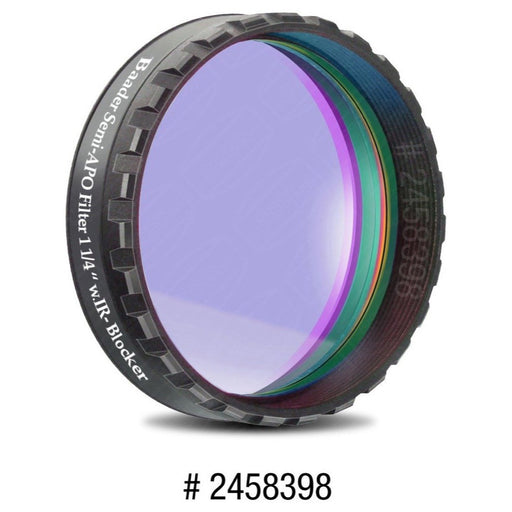
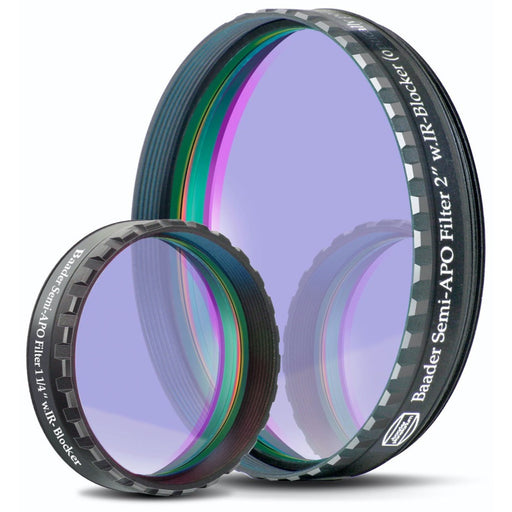
Baader Semi-APO Filter
Options available
Reduces chromatic aberration in achromatic refractors Enhances contrast on the Moon, planets, and bright stars Improves star sharpness by tighteni...
View full details
Original price
$106.00
-
Original price
$190.00
Original price
$106.00
-
$190.00
$106.00
-
$190.00
Current price
$106.00

Original price
$119.00
-
Original price
$320.00
Original price
$119.00
-
$320.00
$119.00
-
$320.00
Current price
$119.00
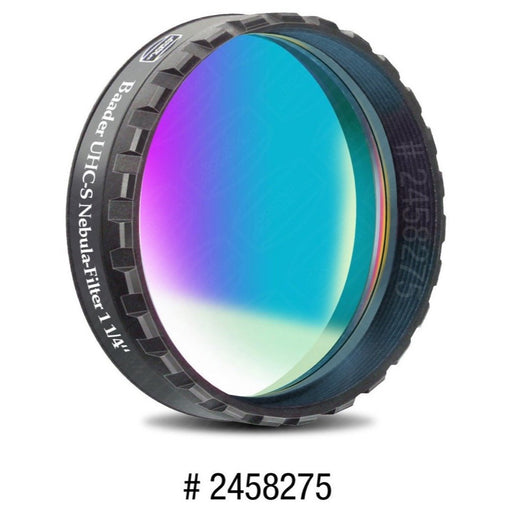
Baader UHC-S/L-Booster Filter - CMOS-Optimized
Options available
6 variants in stock
Targets modern LED and broadband light pollution Optimized blue transmission to reject artificial skyglow Serves as a "pre-filter" for finding obj...
View full details
Original price
$119.00
-
Original price
$320.00
Original price
$119.00
-
$320.00
$119.00
-
$320.00
Current price
$119.00
Original price
$87.00
-
Original price
$143.00
Original price
$87.00
-
$143.00
$87.00
-
$143.00
Current price
$87.00
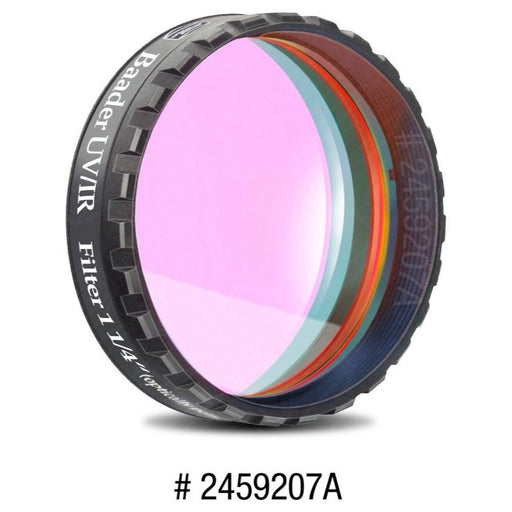
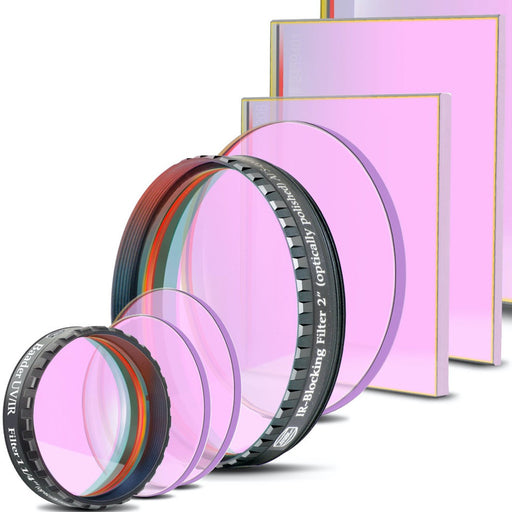
Baader UV/IR-CUT / L-Filter CMOS Optimized
Options available
4 variants in stock
Blocks unwanted UV and IR wavelengths for sharper stars Optimized for modern CMOS sensors to prevent star bloat Serves as a high-transmission Lumi...
View full details
Original price
$87.00
-
Original price
$143.00
Original price
$87.00
-
$143.00
$87.00
-
$143.00
Current price
$87.00
Original price
$94.95
-
Original price
$94.95
Original price
$94.95
$94.95
-
$94.95
Current price
$94.95
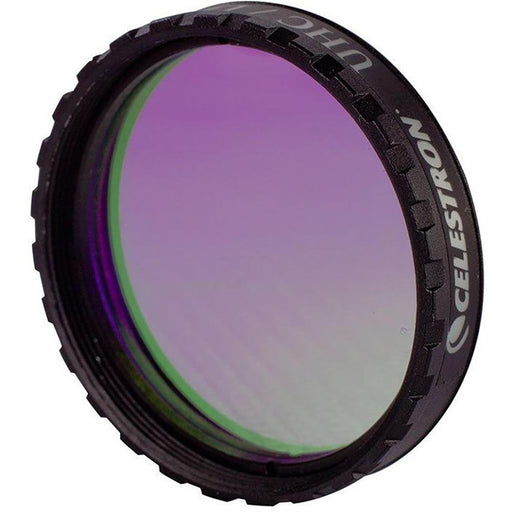
Celestron UHC/LPR Filter - 1.25"
CEL-94123
Selectively blocks mercury vapor, sodium vapor, and natural sky glow Achieves over 97% transmission of critical nebula emission lines Features a m...
View full details
Original price
$94.95
-
Original price
$94.95
Original price
$94.95
$94.95
-
$94.95
Current price
$94.95
Original price
$124.95
-
Original price
$124.95
Original price
$124.95
$124.95
-
$124.95
Current price
$124.95
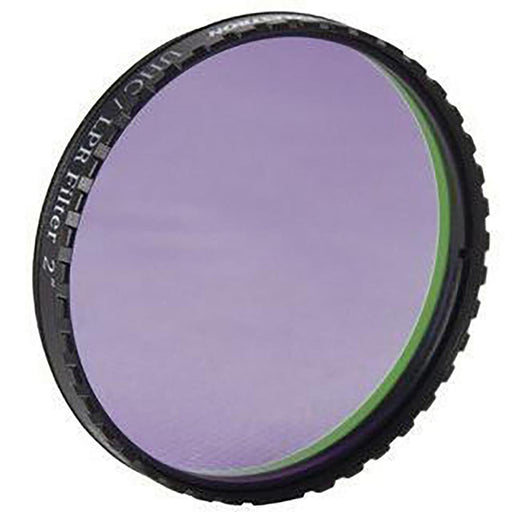
Celestron UHC/LPR Filter - 2"
CEL-94124
Selectively blocks light pollution from mercury and sodium vapor lights Achieves over 97% light transmission for maximum brightness 60nm bandpass ...
View full details
Original price
$124.95
-
Original price
$124.95
Original price
$124.95
$124.95
-
$124.95
Current price
$124.95
Original price
$275.00
-
Original price
$725.00
Original price
$275.00
-
$725.00
$275.00
-
$725.00
Current price
$275.00
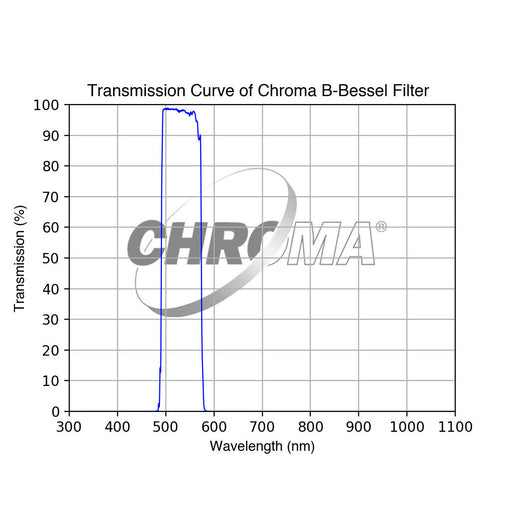
Chroma B-Bessel Filter
Options available
Blue photometric filter in UVBRI series Filters designed for use with CCD and for f/4.0 or slower No reflections leading to image distortions or ""...
View full details
Original price
$275.00
-
Original price
$725.00
Original price
$275.00
-
$725.00
$275.00
-
$725.00
Current price
$275.00
Original price
$150.00
-
Original price
$500.00
Original price
$150.00
-
$500.00
$150.00
-
$500.00
Current price
$150.00
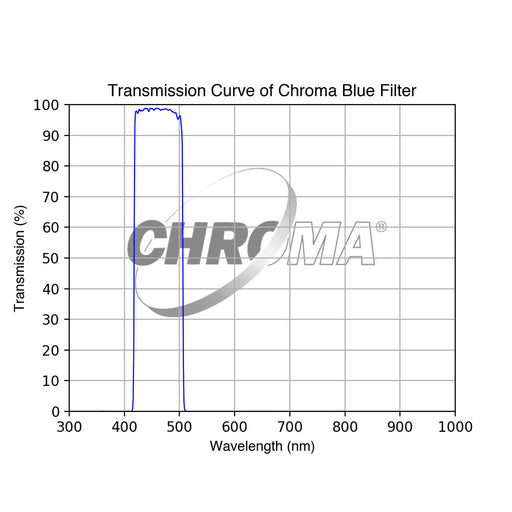
Chroma Blue Filter
Options available
Blue filter for color rendering with RGB set Filters designed for use with CCD and for f/4.0 or slower No reflections leading to image distortions ...
View full details
Original price
$150.00
-
Original price
$500.00
Original price
$150.00
-
$500.00
$150.00
-
$500.00
Current price
$150.00
Original price
$130.00
-
Original price
$375.00
Original price
$130.00
-
$375.00
$130.00
-
$375.00
Current price
$130.00
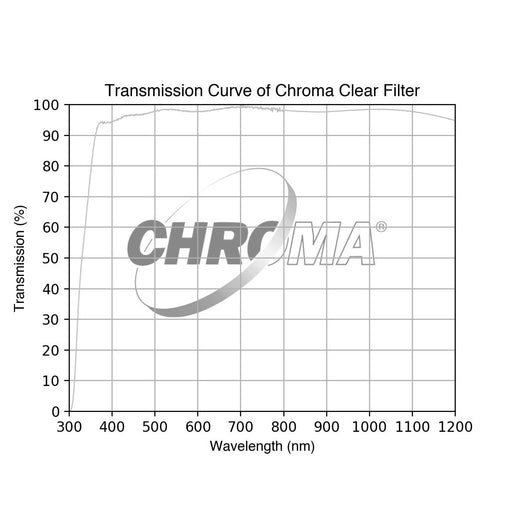
Chroma Clear Filter
Options available
Filters designed for use with CCD and for f/4.0 or slower No reflections leading to image distortions or "back reflections" Transmitted wavefront ...
View full details
Original price
$130.00
-
Original price
$375.00
Original price
$130.00
-
$375.00
$130.00
-
$375.00
Current price
$130.00
Original price
$150.00
-
Original price
$500.00
Original price
$150.00
-
$500.00
$150.00
-
$500.00
Current price
$150.00
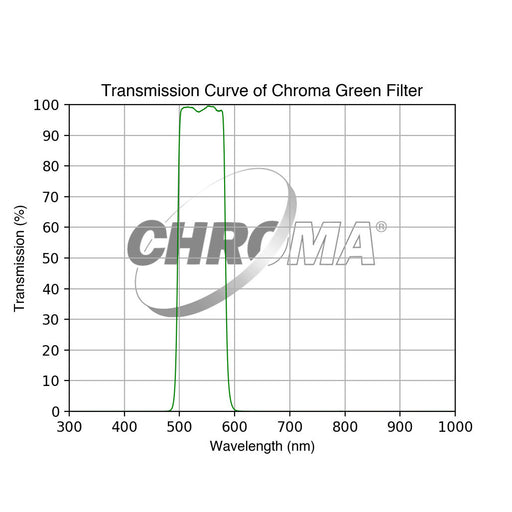
Chroma Green Filter
Options available
Green filter for color rendering with RGB set Filters designed for use with CCD and for f/4.0 or slower No reflections leading to image distortions...
View full details
Original price
$150.00
-
Original price
$500.00
Original price
$150.00
-
$500.00
$150.00
-
$500.00
Current price
$150.00
Original price
$575.00
-
Original price
$1,550.00
Original price
$575.00
-
$1,550.00
$575.00
-
$1,550.00
Current price
$575.00
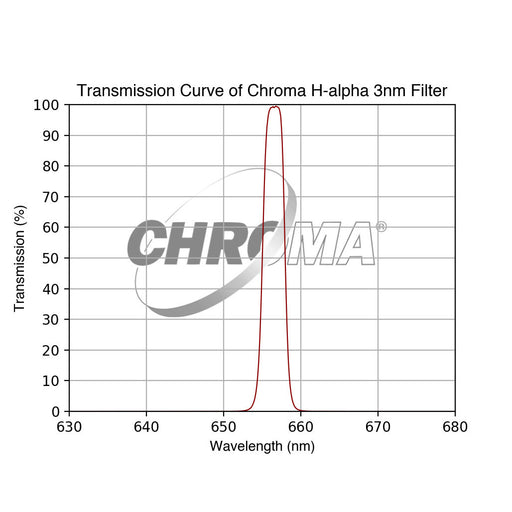
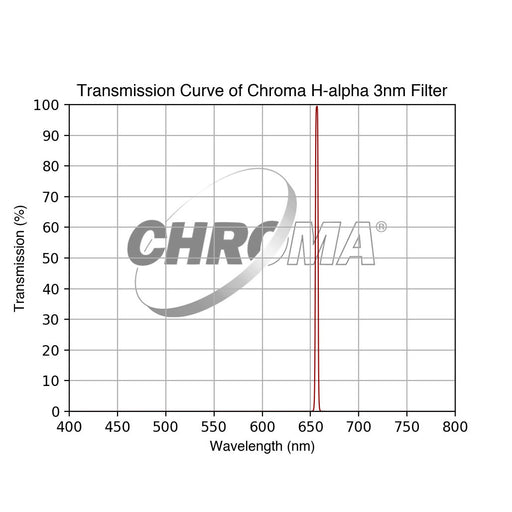
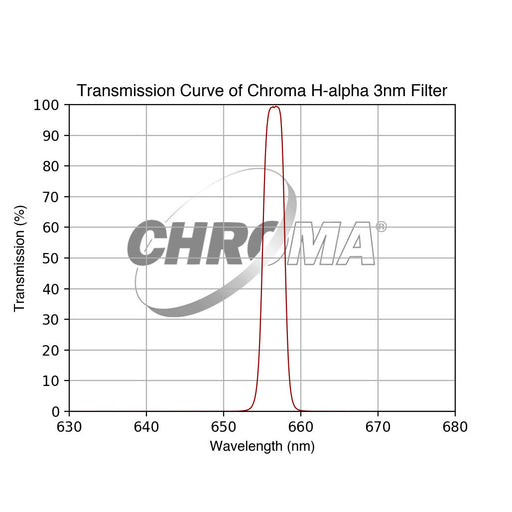
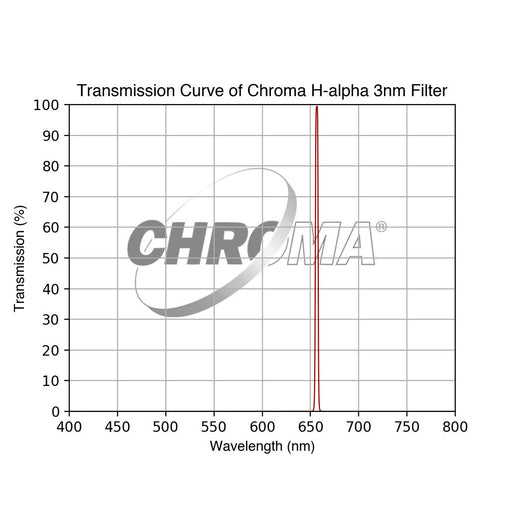
Chroma H-alpha Filter - 3nm
Options available
H-alpha filters are essential for imaging nebulae and other objects which are rich in ionized hydrogen. At 656.3nm, a narrow-band emission filter i...
View full details
Original price
$575.00
-
Original price
$1,550.00
Original price
$575.00
-
$1,550.00
$575.00
-
$1,550.00
Current price
$575.00
Original price
$460.00
-
Original price
$1,380.00
Original price
$460.00
-
$1,380.00
$460.00
-
$1,380.00
Current price
$460.00
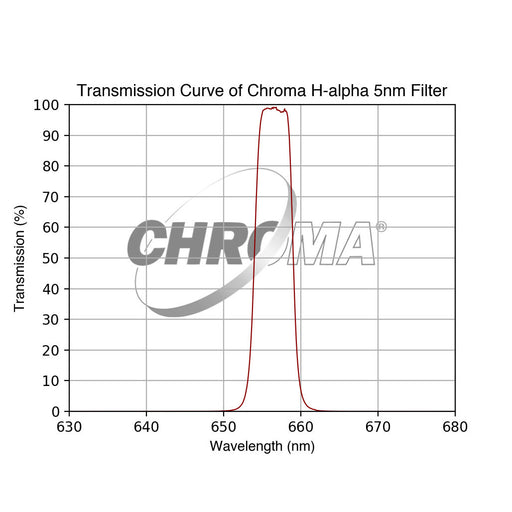
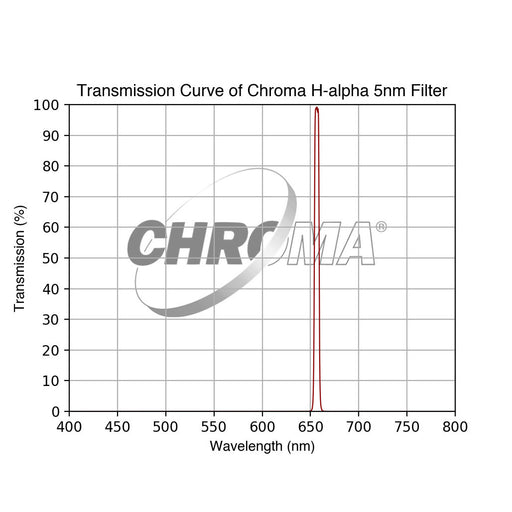
Chroma H-alpha Filter - 5nm
Options available
H-alpha filters are essential for imaging nebulae and other objects which are rich in ionized hydrogen. At 656.3nm, a narrow-band emission filter i...
View full details
Original price
$460.00
-
Original price
$1,380.00
Original price
$460.00
-
$1,380.00
$460.00
-
$1,380.00
Current price
$460.00
Original price
$275.00
-
Original price
$830.00
Original price
$275.00
-
$830.00
$275.00
-
$830.00
Current price
$275.00
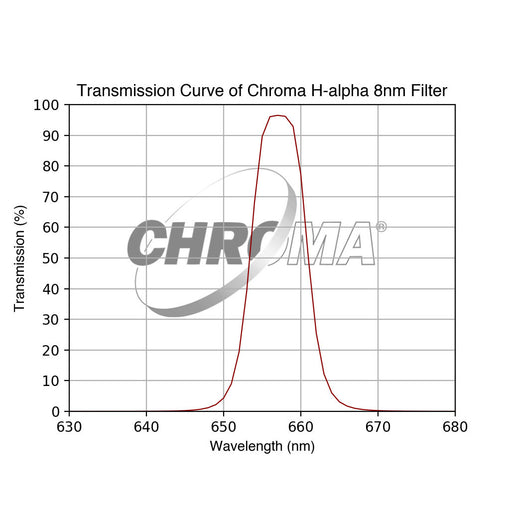
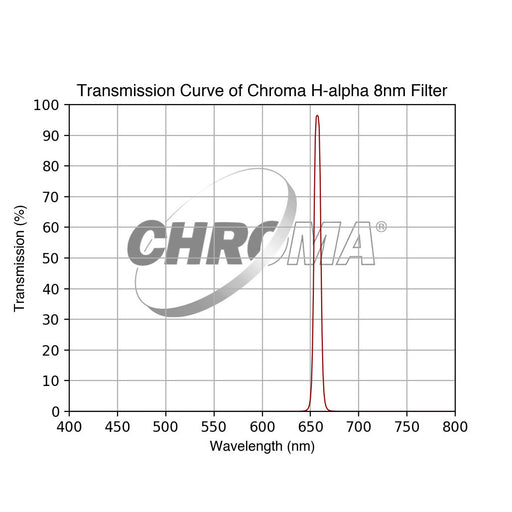
Chroma H-alpha Filter - 8nm
Options available
H-alpha filters are essential for imaging nebulae and other objects which are rich in ionized hydrogen. At 656.3nm, a narrow-band emission filter i...
View full details
Original price
$275.00
-
Original price
$830.00
Original price
$275.00
-
$830.00
$275.00
-
$830.00
Current price
$275.00
Original price
$575.00
-
Original price
$1,550.00
Original price
$575.00
-
$1,550.00
$575.00
-
$1,550.00
Current price
$575.00
Chroma H-alpha Filter Optimized for f/3 - 3nm
Options available
H-alpha filters are essential for imaging nebulae and other objects which are rich in ionized hydrogen. At 656.3nm, a narrow-band emission filter i...
View full details
Original price
$575.00
-
Original price
$1,550.00
Original price
$575.00
-
$1,550.00
$575.00
-
$1,550.00
Current price
$575.00