
Imaging Train
The imaging train is the stack of parts between the telescope's corrector and the camera sensor: adapters, spacers, a filter wheel or drawer, an off-axis guider, sometimes a rotator or tilt plate. Each part has a thickness and a thread, and together they must place the sensor at the exact distance the corrector was designed for, often within half a millimetre, and perfectly square to the optical axis.
When stars are elongated in the corners, or sharp on one side and soft on the other, the imaging train is usually the cause. This collection gathers the parts that solve it, from Baader, PrimaLuceLab, William Optics, ZWO, Player One, SVBONY, Wanderer Astro, Pegasus Astro, QHYCCD, Tele Vue and many more.


Original price
$23.00 USD
Original price
$23.00 USD
-
Original price
$23.00 USD
Original price
$23.00 USD
Current price
$21.00 USD
$21.00 USD
-
$21.00 USD
Current price
$21.00 USD
ZWO M48 Extension - 16.5mm
Adds exactly 16.5 mm of spacing to an M48 imaging train M48x0.75 male and female threads Wide 43.2 mm clear aperture prevents vignetting with full...
View full details
Original price
$23.00 USD
Original price
$23.00 USD
-
Original price
$23.00 USD
Original price
$23.00 USD
Current price
$21.00 USD
$21.00 USD
-
$21.00 USD
Current price
$21.00 USD
Save 9%

Original price
$12.00 USD
Original price
$12.00 USD
-
Original price
$12.00 USD
Original price
$12.00 USD
Current price
$11.00 USD
$11.00 USD
-
$11.00 USD
Current price
$11.00 USD
ZWO M48-M42 Adapter
Converts female M48x0.75 threads to female M42x0.75 T-threads Adds 0mm of optical path length to the imaging train Durable black anodized aluminum...
View full details
Original price
$12.00 USD
Original price
$12.00 USD
-
Original price
$12.00 USD
Original price
$12.00 USD
Current price
$11.00 USD
$11.00 USD
-
$11.00 USD
Current price
$11.00 USD
Save 8%

Original price
$29.00 USD
Original price
$29.00 USD
-
Original price
$29.00 USD
Original price
$29.00 USD
Current price
$26.00 USD
$26.00 USD
-
$26.00 USD
Current price
$26.00 USD
ZWO M54 Adapter replacing EFW
Replaces the ZWO EFW to achieve 55mm back focus with the OAG-L Adds only 15 mm of optical length to the imaging train Holds a single 2-inch mounte...
View full details
Original price
$29.00 USD
Original price
$29.00 USD
-
Original price
$29.00 USD
Original price
$29.00 USD
Current price
$26.00 USD
$26.00 USD
-
$26.00 USD
Current price
$26.00 USD
Save 10%

Original price
$18.00 USD
Original price
$18.00 USD
-
Original price
$18.00 USD
Original price
$18.00 USD
Current price
$16.00 USD
$16.00 USD
-
$16.00 USD
Current price
$16.00 USD
ZWO M54 Extension - 16.5mm
Optical Length: 16.5mm Connection Side 1: M54x0.75 Male Thread Connection Side 2: M54x0.75 Female Thread Material: Anodized Aluminum Descriptio...
View full details
Original price
$18.00 USD
Original price
$18.00 USD
-
Original price
$18.00 USD
Original price
$18.00 USD
Current price
$16.00 USD
$16.00 USD
-
$16.00 USD
Current price
$16.00 USD
Save 11%

Original price
$18.00 USD
Original price
$18.00 USD
-
Original price
$18.00 USD
Original price
$18.00 USD
Current price
$16.00 USD
$16.00 USD
-
$16.00 USD
Current price
$16.00 USD
ZWO M54 Extension - 21mm
Adds precisely 21mm of optical path length M54x0.75 male and female threads for secure connections Prevents vignetting with full-frame sensors Mac...
View full details
Original price
$18.00 USD
Original price
$18.00 USD
-
Original price
$18.00 USD
Original price
$18.00 USD
Current price
$16.00 USD
$16.00 USD
-
$16.00 USD
Current price
$16.00 USD
Save 11%

Original price
$16.00 USD
-
Original price
$16.00 USD
Original price
$16.00 USD
$16.00 USD
-
$16.00 USD
Current price
$16.00 USD
ZWO M54 Male to M42 Female Adapter
Thread Compatibility Durable Construction Precision Engineering Lightweight Des...
View full details
Original price
$16.00 USD
-
Original price
$16.00 USD
Original price
$16.00 USD
$16.00 USD
-
$16.00 USD
Current price
$16.00 USD

Original price
$25.00 USD
Original price
$25.00 USD
-
Original price
$25.00 USD
Original price
$25.00 USD
Current price
$23.00 USD
$23.00 USD
-
$23.00 USD
Current price
$23.00 USD
ZWO M54(M)-M48(F) Adapter - 21mm
Adds exactly 21mm of optical path length Connects M54 male threads to M48 female threads Standard 2-inch filter threading on the M48 side Black an...
View full details
Original price
$25.00 USD
Original price
$25.00 USD
-
Original price
$25.00 USD
Original price
$25.00 USD
Current price
$23.00 USD
$23.00 USD
-
$23.00 USD
Current price
$23.00 USD
Save 8%


Original price
$12.00 USD
Original price
$12.00 USD
-
Original price
$12.00 USD
Original price
$12.00 USD
Current price
$11.00 USD
$11.00 USD
-
$11.00 USD
Current price
$11.00 USD
ZWO M54-M48 Adapter
M54 male threads on one side, M48 female threads on the other Zero-profile design preserves critical back focus Converts larger M54 ports to the c...
View full details
Original price
$12.00 USD
Original price
$12.00 USD
-
Original price
$12.00 USD
Original price
$12.00 USD
Current price
$11.00 USD
$11.00 USD
-
$11.00 USD
Current price
$11.00 USD
Save 8%

Original price
$29.00 USD
Original price
$29.00 USD
-
Original price
$29.00 USD
Original price
$29.00 USD
Current price
$26.00 USD
$26.00 USD
-
$26.00 USD
Current price
$26.00 USD
ZWO M68 Sensor Tilt Plate
Corrects sensor tilt for sharp, round stars across the entire frame Adds a minimal 5 mm of optical path length to the imaging train Connects the Z...
View full details
Original price
$29.00 USD
Original price
$29.00 USD
-
Original price
$29.00 USD
Original price
$29.00 USD
Current price
$26.00 USD
$26.00 USD
-
$26.00 USD
Current price
$26.00 USD
Save 10%
Original price
$128.00 USD
Original price
$128.00 USD
-
Original price
$128.00 USD
Original price
$128.00 USD
Current price
$115.00 USD
$115.00 USD
-
$115.00 USD
Current price
$115.00 USD
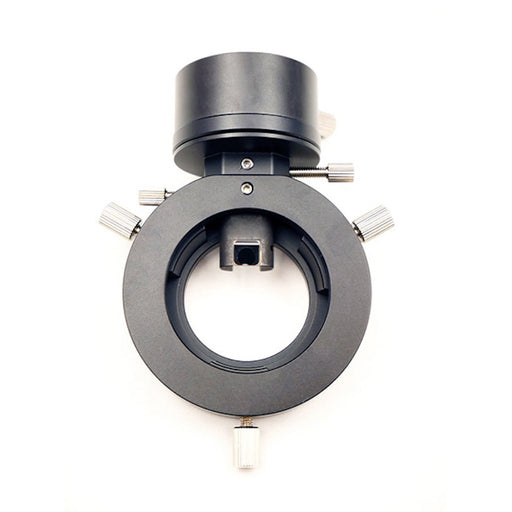
ZWO OAG
Eliminates Differential Flexure Reduces Overall System Weight Includes 1.25" Guide Camera Holder M48 and M48 to M42 Adapters Included Spacer and H...
View full details
Original price
$128.00 USD
Original price
$128.00 USD
-
Original price
$128.00 USD
Original price
$128.00 USD
Current price
$115.00 USD
$115.00 USD
-
$115.00 USD
Current price
$115.00 USD
Save 10%
Original price
$199.00 USD
Original price
$199.00 USD
-
Original price
$199.00 USD
Original price
$199.00 USD
Current price
$179.00 USD
$179.00 USD
-
$179.00 USD
Current price
$179.00 USD
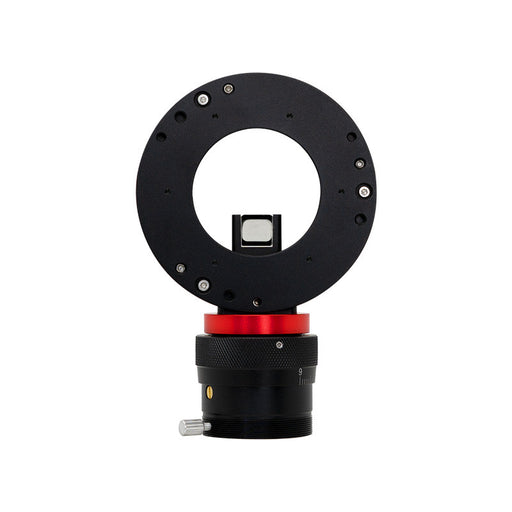
ZWO OAG-L
Large 12mm x 12mm prism for brighter guide stars M68, M54, and M48 connection options 17.5mm thickness preserves 55mm backfocus Designed for ZWO A...
View full details
Original price
$199.00 USD
Original price
$199.00 USD
-
Original price
$199.00 USD
Original price
$199.00 USD
Current price
$179.00 USD
$179.00 USD
-
$179.00 USD
Current price
$179.00 USD
Save 10%

Original price
$29.00 USD
Original price
$29.00 USD
-
Original price
$29.00 USD
Original price
$29.00 USD
Current price
$26.00 USD
$26.00 USD
-
$26.00 USD
Current price
$26.00 USD
ZWO Sensor Tilt Plate - M42
Corrects sensor tilt for flat fields and sharp stars edge-to-edge Adds only 5mm of thickness to the optical path Suitable for APS-C cameras like t...
View full details
Original price
$29.00 USD
Original price
$29.00 USD
-
Original price
$29.00 USD
Original price
$29.00 USD
Current price
$26.00 USD
$26.00 USD
-
$26.00 USD
Current price
$26.00 USD
Save 10%


Original price
$29.00 USD
Original price
$29.00 USD
-
Original price
$29.00 USD
Original price
$29.00 USD
Current price
$26.00 USD
$26.00 USD
-
$26.00 USD
Current price
$26.00 USD
ZWO Sensor Tilt Plate - M48
Corrects Sensor Tilt: Ensures sharp stars across the entire image field by squaring the camera sensor to the optical axis. 5 mm Optical Path Lengt...
View full details
Original price
$29.00 USD
Original price
$29.00 USD
-
Original price
$29.00 USD
Original price
$29.00 USD
Current price
$26.00 USD
$26.00 USD
-
$26.00 USD
Current price
$26.00 USD
Save 10%

Original price
$29.00 USD
Original price
$29.00 USD
-
Original price
$29.00 USD
Original price
$29.00 USD
Current price
$26.00 USD
$26.00 USD
-
$26.00 USD
Current price
$26.00 USD
ZWO Sensor Tilt Plate - M54
Corrects sensor tilt for ZWO ASI6200, 2600, and 2400 cameras Connects compatible cameras and the M68 OAG to a 2" EFW Adds a minimal 5mm of optical...
View full details
Original price
$29.00 USD
Original price
$29.00 USD
-
Original price
$29.00 USD
Original price
$29.00 USD
Current price
$26.00 USD
$26.00 USD
-
$26.00 USD
Current price
$26.00 USD
Save 10%

Original price
$35.00 USD
Original price
$35.00 USD
-
Original price
$35.00 USD
Original price
$35.00 USD
Current price
$32.00 USD
$32.00 USD
-
$32.00 USD
Current price
$32.00 USD
ZWO Sony E Adapter for ASI Cameras
Connects Sony NEX (E-mount) lenses to ZWO ASI cameras Standard M42x0.75 female thread for direct camera attachment Enables wide-field astrophotogr...
View full details
Original price
$35.00 USD
Original price
$35.00 USD
-
Original price
$35.00 USD
Original price
$35.00 USD
Current price
$32.00 USD
$32.00 USD
-
$32.00 USD
Current price
$32.00 USD
Save 9%

Original price
$18.00 USD
Original price
$18.00 USD
-
Original price
$18.00 USD
Original price
$18.00 USD
Current price
$16.00 USD
$16.00 USD
-
$16.00 USD
Current price
$16.00 USD
ZWO T-Mount Adapter - 1.25"
Connects T-threaded cameras to 1.25" focusers Standard M42x0.75 male T-threads Internally threaded for 1.25" astronomy filters Dur...
View full details
Original price
$18.00 USD
Original price
$18.00 USD
-
Original price
$18.00 USD
Original price
$18.00 USD
Current price
$16.00 USD
$16.00 USD
-
$16.00 USD
Current price
$16.00 USD
Save 11%

Original price
$18.00 USD
Original price
$18.00 USD
-
Original price
$18.00 USD
Original price
$18.00 USD
Current price
$16.00 USD
$16.00 USD
-
$16.00 USD
Current price
$16.00 USD
ZWO T2 Female to Female Adapter - 11mm
Adds exactly 11 mm of spacing to your imaging train Female M42x0.75 T2 threads on both sides Connects two male T-threaded components Black anodize...
View full details
Original price
$18.00 USD
Original price
$18.00 USD
-
Original price
$18.00 USD
Original price
$18.00 USD
Current price
$16.00 USD
$16.00 USD
-
$16.00 USD
Current price
$16.00 USD
Save 11%

Original price
$12.00 USD
Original price
$12.00 USD
-
Original price
$12.00 USD
Original price
$12.00 USD
Current price
$11.00 USD
$11.00 USD
-
$11.00 USD
Current price
$11.00 USD
ZWO T2 Male to T2 Male Adapter
Connects two female M42 T-threaded components Adds a fixed 2mm of optical path length Male-to-male M42x0.75 thread on both sides Durable black ano...
View full details
Original price
$12.00 USD
Original price
$12.00 USD
-
Original price
$12.00 USD
Original price
$12.00 USD
Current price
$11.00 USD
$11.00 USD
-
$11.00 USD
Current price
$11.00 USD
Save 8%

Original price
$48.00 USD
Original price
$48.00 USD
-
Original price
$48.00 USD
Original price
$48.00 USD
Current price
$43.00 USD
$43.00 USD
-
$43.00 USD
Current price
$43.00 USD
ZWO T2 Tilter II
Corrects sensor tilt for sharp stars edge-to-edge Eliminates Newton's rings in H-alpha solar imaging Adds only 11 mm of back focus to the imaging ...
View full details
Original price
$48.00 USD
Original price
$48.00 USD
-
Original price
$48.00 USD
Original price
$48.00 USD
Current price
$43.00 USD
$43.00 USD
-
$43.00 USD
Current price
$43.00 USD
Save 10%

Original price
$25.00 USD
Original price
$25.00 USD
-
Original price
$25.00 USD
Original price
$25.00 USD
Current price
$23.00 USD
$23.00 USD
-
$23.00 USD
Current price
$23.00 USD
ZWO T2-1.25" Holder
Connects T2 (M42x0.75) Male Threads to 1.25" Barrels Non-Marring Brass Compression Ring Secure Two-Thumbscrew Locking Durable, Low-Profile Aluminu...
View full details
Original price
$25.00 USD
Original price
$25.00 USD
-
Original price
$25.00 USD
Original price
$25.00 USD
Current price
$23.00 USD
$23.00 USD
-
$23.00 USD
Current price
$23.00 USD
Save 8%