
Refractors
Refractors earn their following through consistency. A sealed lens system holds collimation indefinitely, cools quickly, gives high-contrast views without a central obstruction, and, in modern apochromatic form, produces the clean, round stars that make wide-field astrophotography look effortless. David Astro carries refractors in Canada, from compact 50 mm travel astrographs to large apochromatic triplets, shipping from Canadian stock.
We image with refractors under Canadian skies and can speak to the practical differences between doublets and triplets, and between glass types, in terms of what actually shows in a finished image rather than what appears on a specification sheet.

Original price
$79.99 USD
-
Original price
$79.99 USD
Original price
$79.99 USD
$79.99 USD
-
$79.99 USD
Current price
$79.99 USD
SVBONY SV501P 70/400 Portable Refractor Telescope
70mm Aperture Refractor 400mm Focal Length (f/5.7) 2-Element, 2-Group Objective Lens Includes 20mm Kellner Eyepiece (20x) 45° Correct-Image Prism ...
View full details
Original price
$79.99 USD
-
Original price
$79.99 USD
Original price
$79.99 USD
$79.99 USD
-
$79.99 USD
Current price
$79.99 USD


Original price
$44.71 USD
-
Original price
$44.71 USD
Original price
$44.71 USD
$44.71 USD
-
$44.71 USD
Current price
$44.71 USD
SVBONY SV502 Astronomy Telescope for Kids
50mm Refractor Telescope 360mm Focal Length (f/7.2) Includes K20mm Eyepiece (1.25") 45-Degree Correct-Image Prism for Upright Views 5x20 Optical V...
View full details
Original price
$44.71 USD
-
Original price
$44.71 USD
Original price
$44.71 USD
$44.71 USD
-
$44.71 USD
Current price
$44.71 USD


Original price
$525.00 USD
-
Original price
$525.00 USD
Original price
$525.00 USD
$525.00 USD
-
$525.00 USD
Current price
$525.00 USD
SVBONY SV503 102mm f/7 ED Doublet Refractor Telescope OTA
102mm Aperture ED Doublet Refractor 714mm Focal Length (f/7) S-FPL51 Extra-Low Dispersion Glass 2-inch Rack & Pinion Focuser with 1:10 Dual Sp...
View full details
Original price
$525.00 USD
-
Original price
$525.00 USD
Original price
$525.00 USD
$525.00 USD
-
$525.00 USD
Current price
$525.00 USD


Original price
$359.00 USD
-
Original price
$359.00 USD
Original price
$359.00 USD
$359.00 USD
-
$359.00 USD
Current price
$359.00 USD
SVBONY SV503 70mm f/6.78 Quadruplet ED Flatfield Refractor Telescope OTA
70mm Aperture Quadruplet Astrograph 474mm Focal Length (f/6.78) 32mm Corrected Flat-Field Image Circle 2.5" Rack-and-Pinion Focuser 127.5mm Workin...
View full details
Original price
$359.00 USD
-
Original price
$359.00 USD
Original price
$359.00 USD
$359.00 USD
-
$359.00 USD
Current price
$359.00 USD

Original price
$399.00 USD
-
Original price
$399.00 USD
Original price
$399.00 USD
$399.00 USD
-
$399.00 USD
Current price
$399.00 USD
SVBONY SV503 ED 80mm F7 Doublet
80mm Aperture 560mm Focal Length (f/7) S-FPL51 ED Glass Doublet Lens 2-inch Dual-Speed (1:10) Rack & Pinion Focuser 2.9kg OTA Weight Descri...
View full details
Original price
$399.00 USD
-
Original price
$399.00 USD
Original price
$399.00 USD
$399.00 USD
-
$399.00 USD
Current price
$399.00 USD


Original price
$199.99 USD
-
Original price
$199.99 USD
Original price
$199.99 USD
$199.99 USD
-
$199.99 USD
Current price
$199.99 USD
SVBONY SV520 Astronomy Telescope Complete Kit for Beginners
90mm Objective Aperture f/8.9 Focal Ratio Alt-Azimuth Mount with Worm Gear Slow-Motion Controls Includes 3X Barlow Lens 5x24 Optical Finder Scope ...
View full details
Original price
$199.99 USD
-
Original price
$199.99 USD
Original price
$199.99 USD
$199.99 USD
-
$199.99 USD
Current price
$199.99 USD


Original price
$442.00 USD
-
Original price
$442.00 USD
Original price
$442.00 USD
$442.00 USD
-
$442.00 USD
Current price
$442.00 USD
SVBONY SV545 45mm f/4.5 203mm Petzval Refractor Astrograph Lens
45mm Aperture 203mm Focal Length (f/4.5) 5-Element Petzval Optical Design Native Flat-Field Astrograph Helical Focuser with 360º Rotator M48x0.75 ...
View full details
Original price
$442.00 USD
-
Original price
$442.00 USD
Original price
$442.00 USD
$442.00 USD
-
$442.00 USD
Current price
$442.00 USD
Original price
$1,359.00 USD
-
Original price
$1,359.00 USD
Original price
$1,359.00 USD
$1,359.00 USD
-
$1,359.00 USD
Current price
$1,359.00 USD
SVBONY SV550 122mm APO Refractor Telescope OTA
122mm Aperture 854mm Focal Length (f/7) Apochromatic Triplet with FPL-51 ED Glass 2.5" Dual-Speed Rack-and-Pinion Focuser 6450g Net Weight 300mm V...
View full details
Original price
$1,359.00 USD
-
Original price
$1,359.00 USD
Original price
$1,359.00 USD
$1,359.00 USD
-
$1,359.00 USD
Current price
$1,359.00 USD


Original price
$559.00 USD
-
Original price
$559.00 USD
Original price
$559.00 USD
$559.00 USD
-
$559.00 USD
Current price
$559.00 USD
SVBONY SV550 80mm f/6 APO Triplet Refractor Telescope OTA
80mm Aperture Apochromatic Triplet Refractor 480mm Focal Length Fast f/6 Focal Ratio FPL51 ED Glass Element for Color Correction Resolving Power o...
View full details
Original price
$559.00 USD
-
Original price
$559.00 USD
Original price
$559.00 USD
$559.00 USD
-
$559.00 USD
Current price
$559.00 USD


Original price
$556.00 USD
-
Original price
$556.00 USD
Original price
$556.00 USD
$556.00 USD
-
$556.00 USD
Current price
$556.00 USD
SVBONY SV555 54mm f/4.5 Petzval APO Astrograph Lens
54mm Aperture / 243mm Focal Length (f/4.5) 5-Element Petzval APO Optical Design 44mm Full-Frame Image Circle Variable f/4.5 to f/22 Aperture Ring ...
View full details
Original price
$556.00 USD
-
Original price
$556.00 USD
Original price
$556.00 USD
$556.00 USD
-
$556.00 USD
Current price
$556.00 USD


Original price
$867.00 USD
-
Original price
$867.00 USD
Original price
$867.00 USD
$867.00 USD
-
$867.00 USD
Current price
$867.00 USD
Tele Vue TV-60 OTA
60mm Aperture APO Doublet Refractor 360mm Focal Length f/6 Focal Ratio 10" Optical Tube Length, 3 lbs Weight 4.3° Maximum Visual Field of View 1.2...
View full details
Original price
$867.00 USD
-
Original price
$867.00 USD
Original price
$867.00 USD
$867.00 USD
-
$867.00 USD
Current price
$867.00 USD

Original price
$1,734.00 USD
-
Original price
$1,734.00 USD
Original price
$1,734.00 USD
$1,734.00 USD
-
$1,734.00 USD
Current price
$1,734.00 USD
Tele Vue TV-76 OTA - Green
76mm Aperture APO (Doublet) Refractor 480mm Focal Length f/6.3 Focal Ratio Maximum 5.5° True Field of View 2-inch Focusmate 10:1 Dual-Speed Focuse...
View full details
Original price
$1,734.00 USD
-
Original price
$1,734.00 USD
Original price
$1,734.00 USD
$1,734.00 USD
-
$1,734.00 USD
Current price
$1,734.00 USD

Original price
$1,734.00 USD
-
Original price
$1,734.00 USD
Original price
$1,734.00 USD
$1,734.00 USD
-
$1,734.00 USD
Current price
$1,734.00 USD
Tele Vue TV-76 OTA - White
76mm Aperture APO (Doublet) Refractor 480mm Focal Length f/6.3 Focal Ratio Maximum 5.5° True Field of View 2-inch Focusmate 10:1 Dual-Speed Focuse...
View full details
Original price
$1,734.00 USD
-
Original price
$1,734.00 USD
Original price
$1,734.00 USD
$1,734.00 USD
-
$1,734.00 USD
Current price
$1,734.00 USD

Original price
$2,167.00 USD
-
Original price
$2,167.00 USD
Original price
$2,167.00 USD
$2,167.00 USD
-
$2,167.00 USD
Current price
$2,167.00 USD
Tele Vue TV-85 OTA - Green
85mm Aperture APO (Doublet) Refractor 600mm Focal Length f/7 Focal Ratio 2-inch Focusmate 10:1 Dual-Speed Focuser 5.95 lbs Optical Tube Assembly W...
View full details
Original price
$2,167.00 USD
-
Original price
$2,167.00 USD
Original price
$2,167.00 USD
$2,167.00 USD
-
$2,167.00 USD
Current price
$2,167.00 USD

Original price
$2,167.00 USD
-
Original price
$2,167.00 USD
Original price
$2,167.00 USD
$2,167.00 USD
-
$2,167.00 USD
Current price
$2,167.00 USD
Tele Vue TV-85 OTA - White
85mm Aperture APO (Doublet) Refractor 600mm Focal Length f/7 Focal Ratio 2-inch Focusmate 10:1 Dual-Speed Focuser 5.95 lbs Optical Tube Assembly W...
View full details
Original price
$2,167.00 USD
-
Original price
$2,167.00 USD
Original price
$2,167.00 USD
$2,167.00 USD
-
$2,167.00 USD
Current price
$2,167.00 USD

Original price
$4,267.00 USD
-
Original price
$4,267.00 USD
Original price
$4,267.00 USD
$4,267.00 USD
-
$4,267.00 USD
Current price
$4,267.00 USD
Tele Vue TV-NP101is OTA
101mm Aperture 540mm Focal Length, f/5.4 Focal Ratio 4-Element Nagler-Petzval APO Optical Design 2.4" Dual-Speed (10:1) Rack & Pinion Focuser ...
View full details
Original price
$4,267.00 USD
-
Original price
$4,267.00 USD
Original price
$4,267.00 USD
$4,267.00 USD
-
$4,267.00 USD
Current price
$4,267.00 USD

Original price
$7,373.00 USD
-
Original price
$7,373.00 USD
Original price
$7,373.00 USD
$7,373.00 USD
-
$7,373.00 USD
Current price
$7,373.00 USD
Tele Vue TV-NP127is OTA
127mm (5") Aperture 660mm Focal Length f/5.2 Focal Ratio 4-Element Nagler-Petzval APO Optics 14.5 lb Optical Tube Weight Description FAQ Specif...
View full details
Original price
$7,373.00 USD
-
Original price
$7,373.00 USD
Original price
$7,373.00 USD
$7,373.00 USD
-
$7,373.00 USD
Current price
$7,373.00 USD
Original price
$2,598.00 USD
-
Original price
$2,998.00 USD
Original price
$2,598.00 USD
$2,468.10 USD
-
$2,848.10 USD
$2,468.10 USD
-
$2,848.10 USD
Current price
$2,468.10 USD
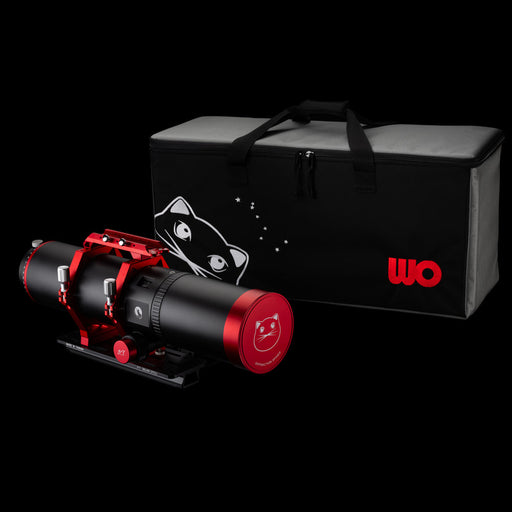
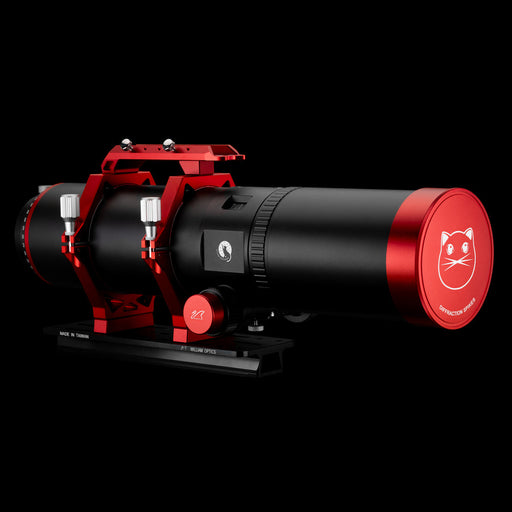
William Optics Cat 91 WIFD
91mm Aperture 448mm Focal Length f/4.9 Focal Ratio 5-Element Advanced Petzval Design 55mm Corrected Image Circle WIFD Rack & Pinion Internal F...
View full details
Original price
$2,598.00 USD
-
Original price
$2,998.00 USD
Original price
$2,598.00 USD
$2,468.10 USD
-
$2,848.10 USD
$2,468.10 USD
-
$2,848.10 USD
Current price
$2,468.10 USD
Save up to 5%


Original price
$758.00 USD
-
Original price
$758.00 USD
Original price
$758.00 USD
$758.00 USD
-
$758.00 USD
Current price
$758.00 USD
William Optics Cat A-51 WIFD f/4.9 Petzval Refractor
51 mm Aperture 250 mm Focal Length f/4.9 Petzval Optical Design 48 mm Full-Frame Image Circle 1.53 kg Optical Tube Weight WIFD Internal Rack &...
View full details
Original price
$758.00 USD
-
Original price
$758.00 USD
Original price
$758.00 USD
$758.00 USD
-
$758.00 USD
Current price
$758.00 USD


Original price
$3,598.00 USD
Original price
$3,598.00 USD
-
Original price
$3,598.00 USD
Original price
$3,598.00 USD
Current price
$3,418.10 USD
$3,418.10 USD
-
$3,418.10 USD
Current price
$3,418.10 USD
William Optics Fluorostar 120
120mm Aperture f/6.5 Focal Ratio FPL-53 Apochromatic Triplet Optics 3.3-inch Dual-Speed Rack & Pinion Focuser Image Circle >43mm Integrated...
View full details
Original price
$3,598.00 USD
Original price
$3,598.00 USD
-
Original price
$3,598.00 USD
Original price
$3,598.00 USD
Current price
$3,418.10 USD
$3,418.10 USD
-
$3,418.10 USD
Current price
$3,418.10 USD
Save 5%


Original price
$4,378.00 USD
-
Original price
$5,668.00 USD
Original price
$4,378.00 USD
$4,159.10 USD
-
$5,384.60 USD
$4,159.10 USD
-
$5,384.60 USD
Current price
$4,159.10 USD
William Optics Fluorostar 132
132mm Aperture 910mm Focal Length f/6.9 Focal Ratio FPL-53 Air-Spaced Apochromatic Triplet Objective 3.7" Rack & Pinion Focuser with...
View full details
Original price
$4,378.00 USD
-
Original price
$5,668.00 USD
Original price
$4,378.00 USD
$4,159.10 USD
-
$5,384.60 USD
$4,159.10 USD
-
$5,384.60 USD
Current price
$4,159.10 USD
Save up to 5%


Original price
$7,398.00 USD
-
Original price
$8,998.00 USD
Original price
$7,398.00 USD
$7,028.10 USD
-
$8,548.10 USD
$7,028.10 USD
-
$8,548.10 USD
Current price
$7,028.10 USD
William Optics Fluorostar 156
156mm Aperture Air-Spaced Triplet Apochromat 1217mm Focal Length (f/7.8) FPL-53 & Lanthanum Glass Elements 3.7" Rack & Pinion Focuser Stee...
View full details
Original price
$7,398.00 USD
-
Original price
$8,998.00 USD
Original price
$7,398.00 USD
$7,028.10 USD
-
$8,548.10 USD
$7,028.10 USD
-
$8,548.10 USD
Current price
$7,028.10 USD
Save up to 5%


Original price
$1,998.00 USD
-
Original price
$2,198.00 USD
Original price
$1,998.00 USD
$1,898.10 USD
-
$2,088.10 USD
$1,898.10 USD
-
$2,088.10 USD
Current price
$1,898.10 USD
William Optics Fluorostar 91
91mm Aperture Apochromatic Triplet FPL-53 Glass Focal Length: 540mm Focal Ratio: f/5.9 Strehl Ratio: > 0.95 3.3" Dual-Speed Rack & Pinion F...
View full details
Original price
$1,998.00 USD
-
Original price
$2,198.00 USD
Original price
$1,998.00 USD
$1,898.10 USD
-
$2,088.10 USD
$1,898.10 USD
-
$2,088.10 USD
Current price
$1,898.10 USD
Save up to 5%


Original price
$1,098.00 USD
Original price
$1,098.00 USD
-
Original price
$1,098.00 USD
Original price
$1,098.00 USD
Current price
$1,043.10 USD
$1,043.10 USD
-
$1,043.10 USD
Current price
$1,043.10 USD
William Optics Gran Turismo 71 APO Triplet
71mm Triplet Apochromatic Lens 419mm Focal Length (f/5.9) 44mm Image Circle 3-Element Objective with FPL-53 Glass 2.5" Rack & Pinion Focuser O...
View full details
Original price
$1,098.00 USD
Original price
$1,098.00 USD
-
Original price
$1,098.00 USD
Original price
$1,098.00 USD
Current price
$1,043.10 USD
$1,043.10 USD
-
$1,043.10 USD
Current price
$1,043.10 USD
Save 5%