
Tripods and Piers
Everything a mount does well can be undone by what it stands on. A tripod that flexes converts every gust and every focuser touch into vibration that takes seconds to settle, and at long focal length those seconds are exposures. David Astro carries tripods and piers in Canada, field tripods, heavy-duty steel legs and permanent piers, held in Canadian stock.
Height, rigidity and portability trade against each other, and the right balance depends on your tube length and whether the setup is permanent. Tell us both and we will recommend accordingly.


Original price
$81.00 USD
-
Original price
$81.00 USD
Original price
$81.00 USD
$81.00 USD
-
$81.00 USD
Current price
$81.00 USD
SVBONY SV225T Extendable Aluminum Tripod
Supports up to 3kg of equipment Maximum extended height of 900mm Folds to a compact 500mm for transport Robust 32mm maximum leg tube diameter Stan...
View full details
Original price
$81.00 USD
-
Original price
$81.00 USD
Original price
$81.00 USD
$81.00 USD
-
$81.00 USD
Current price
$81.00 USD

Original price
$245.00 USD
-
Original price
$245.00 USD
Original price
$245.00 USD
$245.00 USD
-
$245.00 USD
Current price
$245.00 USD
Tele Vue Tele-Pod Advanced - Tripod Only
Black-anodized aluminum legs 3/8"-16 hardware for Tele-Pod heads Rubber-tipped and spiked feet Bubble level Glove-friendly locking clamps Descr...
View full details
Original price
$245.00 USD
-
Original price
$245.00 USD
Original price
$245.00 USD
$245.00 USD
-
$245.00 USD
Current price
$245.00 USD
Original price
$25.00 USD
-
Original price
$25.00 USD
Original price
$25.00 USD
$25.00 USD
-
$25.00 USD
Current price
$25.00 USD
Vanguard QS-56P Arca-Compatible Quick Shoe Plate
Quick release plate for the Vanguard VEO PV-12 video head Fits Vesta GO 264CV12 and 264AV12 tripods Arca-compatible design For cameras, sp...
View full details
Original price
$25.00 USD
-
Original price
$25.00 USD
Original price
$25.00 USD
$25.00 USD
-
$25.00 USD
Current price
$25.00 USD


Original price
$25.00 USD
-
Original price
$25.00 USD
Original price
$25.00 USD
$25.00 USD
-
$25.00 USD
Current price
$25.00 USD
Vanguard QS-71P Long Arca-Compatible Quick Shoe Plate for Spotting Scopes
Long platform designed for spotting scopes and telephoto lenses Arca-compatible for broad tripod head support Adjustable 1/4" mounting screw moves...
View full details
Original price
$25.00 USD
-
Original price
$25.00 USD
Original price
$25.00 USD
$25.00 USD
-
$25.00 USD
Current price
$25.00 USD


Original price
$349.00 USD
-
Original price
$349.00 USD
Original price
$349.00 USD
$349.00 USD
-
$349.00 USD
Current price
$349.00 USD
Vanguard VEO 5 264CV14 Carbon Fiber Tripod with Video Head
Supports up to 17.6 pounds of equipment Carbon fiber legs, approximately 4 lbs VEO PV-14 2-way fluid video head with counterbalance Short column f...
View full details
Original price
$349.00 USD
-
Original price
$349.00 USD
Original price
$349.00 USD
$349.00 USD
-
$349.00 USD
Current price
$349.00 USD


Original price
$299.00 USD
-
Original price
$299.00 USD
Original price
$299.00 USD
$299.00 USD
-
$299.00 USD
Current price
$299.00 USD
Vanguard VESTA GO 264CV12 Carbon Fiber Tripod with Video Head
Lightweight Carbon Fiber Construction Counterbalanced CV12 Video Head Arca-Standard Quick-Release Plate Folds for Compact Travel Adjustable Height...
View full details
Original price
$299.00 USD
-
Original price
$299.00 USD
Original price
$299.00 USD
$299.00 USD
-
$299.00 USD
Current price
$299.00 USD


Original price
$249.00 USD
-
Original price
$249.00 USD
Original price
$249.00 USD
$249.00 USD
-
$249.00 USD
Current price
$249.00 USD
Vaonis Carbon Fiber Tripod for Vespera
Maximum Height: 91 cm Weight: 0.9 kg Safety Payload: 14 kg Closed Length: 43 cm Minimum Height: 10.5 cm Description FAQ Specifications In ...
View full details
Original price
$249.00 USD
-
Original price
$249.00 USD
Original price
$249.00 USD
$249.00 USD
-
$249.00 USD
Current price
$249.00 USD


Original price
$79.00 USD
-
Original price
$79.00 USD
Original price
$79.00 USD
$79.00 USD
-
$79.00 USD
Current price
$79.00 USD
Vaonis Hemispherical Ball Head
Corrects for up to 12 degrees of tilt in any direction Supports payloads up to 10 kg Standard 3/8 inch female tripod connection Adds only 41 mm of...
View full details
Original price
$79.00 USD
-
Original price
$79.00 USD
Original price
$79.00 USD
$79.00 USD
-
$79.00 USD
Current price
$79.00 USD


Original price
$100.00 USD
-
Original price
$100.00 USD
Original price
$100.00 USD
$100.00 USD
-
$100.00 USD
Current price
$100.00 USD
Vaonis Standard Tripod for Vespera
Designed for the Vaonis Vespera Smart Telescope Independently Adjustable Legs for Uneven Terrain Legs Unscrew for Compact Storage Integrates with ...
View full details
Original price
$100.00 USD
-
Original price
$100.00 USD
Original price
$100.00 USD
$100.00 USD
-
$100.00 USD
Current price
$100.00 USD

Original price
$1,078.00 USD
Original price
$1,078.00 USD
-
Original price
$1,078.00 USD
Original price
$1,078.00 USD
Current price
$1,024.10 USD
$1,024.10 USD
-
$1,024.10 USD
Current price
$1,024.10 USD
William Optics Pier Mount 90
90 kg (198 lbs) Loading Capacity Lightweight 7 kg Aluminum Alloy Construction 100 mm (4") Diameter Pillar for Maximum Rigidity Includes 3/8" Adapt...
View full details
Original price
$1,078.00 USD
Original price
$1,078.00 USD
-
Original price
$1,078.00 USD
Original price
$1,078.00 USD
Current price
$1,024.10 USD
$1,024.10 USD
-
$1,024.10 USD
Current price
$1,024.10 USD
Save 5%
Original price
$299.00 USD
Original price
$299.00 USD
-
Original price
$299.00 USD
Original price
$299.00 USD
Current price
$269.00 USD
$269.00 USD
-
$269.00 USD
Current price
$269.00 USD
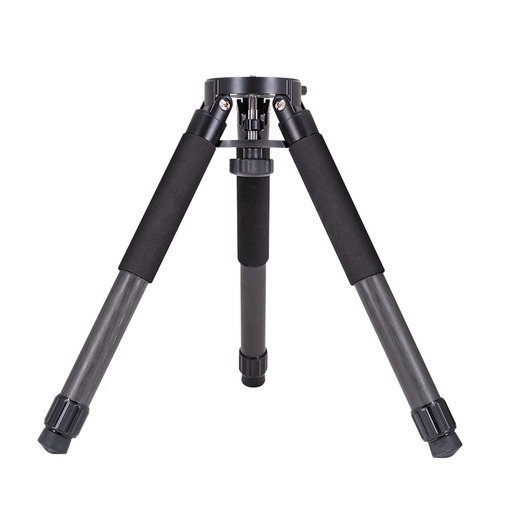
ZWO TC40 Carbon Fiber Tripod
Supports an exceptional 110.23 lb. payload Weighs only 5.07 lb. for extreme portability Carbon fiber legs with 1.5" max diameter for rigidity Adju...
View full details
Original price
$299.00 USD
Original price
$299.00 USD
-
Original price
$299.00 USD
Original price
$299.00 USD
Current price
$269.00 USD
$269.00 USD
-
$269.00 USD
Current price
$269.00 USD
Save 10%