
Caméras
Camera choice in astrophotography is less about megapixels than about matching pixel size to your telescope and your sky. A camera that resolves beautifully at 400 mm focal length will oversample badly at 2000 mm, and a sensor that suits pristine mountain seeing will simply record blur under an average Canadian night. David Astro stocks astronomy cameras in Canada — cooled and uncooled CMOS, monochrome and colour, deep-sky, planetary and guiding — in stock and shipped from our Canadian warehouse.
We match cameras to telescopes for customers constantly. Send us your focal length, your typical seeing and what you want to photograph, and we will calculate the pixel scale before recommending anything.

Prix d'origine
CA$390.00
-
Prix d'origine
CA$390.00
Prix d'origine
CA$390.00
CA$390.00
-
CA$390.00
Prix actuel
CA$390.00
Player One Caméra planétaire couleur Neptune 664C
POA-Neptune-664C
1 en stock
Capteur CMOS couleur Sony IMX664 de 4.2MP Capture à haute vitesse : 93 FPS en pleine résolution 2704x1540 Bruit de lecture jusqu'à environ 0.67e a...
Afficher tous les détails
Prix d'origine
CA$390.00
-
Prix d'origine
CA$390.00
Prix d'origine
CA$390.00
CA$390.00
-
CA$390.00
Prix actuel
CA$390.00

Prix d'origine
CA$278.00
-
Prix d'origine
CA$278.00
Prix d'origine
CA$278.00
CA$278.00
-
CA$278.00
Prix actuel
CA$278.00
Player One Caméra planétaire couleur Neptune-C II IMX464
POA-Neptune-C-II
Capteur couleur Sony IMX464 de 4.2 mégapixels Diagonale de capteur de 9mm (format 1/1.8") Pixels de 2.9µm 93 FPS en pleine résolution 2712x1538 Br...
Afficher tous les détails
Prix d'origine
CA$278.00
-
Prix d'origine
CA$278.00
Prix d'origine
CA$278.00
CA$278.00
-
CA$278.00
Prix actuel
CA$278.00

Prix d'origine
CA$250.00
-
Prix d'origine
CA$250.00
Prix d'origine
CA$250.00
CA$250.00
-
CA$250.00
Prix actuel
CA$250.00
Player One Caméra planétaire couleur Neptune-C IMX178
POA-Neptune-C
Capteur : Sony IMX178 1/1.8" CMOS couleur Résolution : 6.4 MP (3096x2078) Taille des pixels : 2.4µm Cadence d'images max. : 60 FPS (en pleine réso...
Afficher tous les détails
Prix d'origine
CA$250.00
-
Prix d'origine
CA$250.00
Prix d'origine
CA$250.00
CA$250.00
-
CA$250.00
Prix actuel
CA$250.00

Prix d'origine
CA$376.00
-
Prix d'origine
CA$376.00
Prix d'origine
CA$376.00
CA$376.00
-
CA$376.00
Prix actuel
CA$376.00
Player One Caméra planétaire monochrome Neptune-M IMX178
POA-Neptune-M
1 en stock
Résolution de 6.4 mégapixels (3096 x 2078) Pixels de 2.4µm 60 FPS en pleine résolution (10 bits) Capacité de puits de 15,000e- Bruit de lecture mi...
Afficher tous les détails
Prix d'origine
CA$376.00
-
Prix d'origine
CA$376.00
Prix d'origine
CA$376.00
CA$376.00
-
CA$376.00
Prix actuel
CA$376.00

Prix d'origine
CA$1,959.00
-
Prix d'origine
CA$1,959.00
Prix d'origine
CA$1,959.00
CA$1,959.00
-
CA$1,959.00
Prix actuel
CA$1,959.00
Player One Caméra d'astrophotographie refroidie couleur Poseidon-C Pro
POA-Poseidon-C-Pro
2 en stock
Capteur couleur APS-C Sony IMX571 de 26 mégapixels Capacité de puits de 71.7k e- Convertisseur analogique-numérique (ADC) natif 16 bits Refroidiss...
Afficher tous les détails
Prix d'origine
CA$1,959.00
-
Prix d'origine
CA$1,959.00
Prix d'origine
CA$1,959.00
CA$1,959.00
-
CA$1,959.00
Prix actuel
CA$1,959.00

Prix d'origine
CA$2,658.00
-
Prix d'origine
CA$2,658.00
Prix d'origine
CA$2,658.00
CA$2,658.00
-
CA$2,658.00
Prix actuel
CA$2,658.00
Player One Caméra d'astrophotographie refroidie Poseidon-M Pro Mono IMX571
POA-Poseidon-M-Pro
1 en stock
Capteur monochrome Sony IMX571 APS-C Résolution de 26 mégapixels (6252×4176) Pixels de 3.76µm Capacité de puits de 71.7k e- Convertisseur A/N 16 b...
Afficher tous les détails
Prix d'origine
CA$2,658.00
-
Prix d'origine
CA$2,658.00
Prix d'origine
CA$2,658.00
CA$2,658.00
-
CA$2,658.00
Prix actuel
CA$2,658.00

Prix d'origine
CA$796.00
-
Prix d'origine
CA$796.00
Prix d'origine
CA$796.00
CA$796.00
-
CA$796.00
Prix actuel
CA$796.00
Player One Caméra planétaire couleur Saturn-C SQR IMX533
POA-Saturn-C-SQR
1 en stock
Capteur couleur carré de 1 pouce et 9 mégapixels (Sony IMX533) Pixels de 3.76µm ; capacité de puits étendue à 73k e- 43 FPS en pleine résolution 3...
Afficher tous les détails
Prix d'origine
CA$796.00
-
Prix d'origine
CA$796.00
Prix d'origine
CA$796.00
CA$796.00
-
CA$796.00
Prix actuel
CA$796.00

Prix d'origine
CA$1,048.00
-
Prix d'origine
CA$1,048.00
Prix d'origine
CA$1,048.00
CA$1,048.00
-
CA$1,048.00
Prix actuel
CA$1,048.00
Player One Caméra planétaire monochrome Saturn-M SQR IMX533
POA-Saturn-M-SQR
2 en stock
Capteur monochrome Sony IMX533 de 9 mégapixels Format carré de 1 pouce (11.31mm x 11.31mm) Pixels de 3.76μm Capacité de puits étendue à 73k e- Jus...
Afficher tous les détails
Prix d'origine
CA$1,048.00
-
Prix d'origine
CA$1,048.00
Prix d'origine
CA$1,048.00
CA$1,048.00
-
CA$1,048.00
Prix actuel
CA$1,048.00

Prix d'origine
CA$348.00
-
Prix d'origine
CA$348.00
Prix d'origine
CA$348.00
CA$348.00
-
CA$348.00
Prix actuel
CA$348.00
Player One Caméra de guidage monochrome Sedna-M IMX178
POA-Sedna-M
Capteur monochrome Sony IMX178 de 6.4 mégapixels Pixels de 2.4μm pour un guidage haute résolution Jusqu'à 60 FPS en pleine résolution 3096x2078 Br...
Afficher tous les détails
Prix d'origine
CA$348.00
-
Prix d'origine
CA$348.00
Prix d'origine
CA$348.00
CA$348.00
-
CA$348.00
Prix actuel
CA$348.00

Prix d'origine
CA$516.00
-
Prix d'origine
CA$516.00
Prix d'origine
CA$516.00
CA$516.00
-
CA$516.00
Prix actuel
CA$516.00
Player One Caméra planétaire couleur Uranus-C IMX585
POA-Uranus-C
Capteur CMOS couleur Sony IMX585 de 8.3 mégapixels Format 1/1.2" avec diagonale de 12.85mm Pixels de 2.9μm 46 FPS en pleine résolution 3856x2180 (...
Afficher tous les détails
Prix d'origine
CA$516.00
-
Prix d'origine
CA$516.00
Prix d'origine
CA$516.00
CA$516.00
-
CA$516.00
Prix actuel
CA$516.00

Prix d'origine
CA$796.00
-
Prix d'origine
CA$796.00
Prix d'origine
CA$796.00
CA$796.00
-
CA$796.00
Prix actuel
CA$796.00
Player One Caméra d'astrophotographie refroidie couleur Uranus-C Pro IMX585
POA-Uranus-C-Pro
3 en stock
Capteur CMOS couleur Sony IMX585 au format 1/1.2" Résolution de 8.3 mégapixels (3856x2180) avec pixels de 2.9μm Capacité de puits de 47k e-, presq...
Afficher tous les détails
Prix d'origine
CA$796.00
-
Prix d'origine
CA$796.00
Prix d'origine
CA$796.00
CA$796.00
-
CA$796.00
Prix actuel
CA$796.00

Prix d'origine
CA$614.00
-
Prix d'origine
CA$614.00
Prix d'origine
CA$614.00
CA$614.00
-
CA$614.00
Prix actuel
CA$614.00
Player One Caméra planétaire monochrome Uranus-M IMX585
POA-Uranus-M
Capteur monochrome Sony IMX585 de 8.3 MP Résolution de 3856 x 2180 Format de capteur 1/1.2" (diagonale de 12.85mm) 46 FPS en pleine résolution (RA...
Afficher tous les détails
Prix d'origine
CA$614.00
-
Prix d'origine
CA$614.00
Prix d'origine
CA$614.00
CA$614.00
-
CA$614.00
Prix actuel
CA$614.00

Prix d'origine
CA$908.00
-
Prix d'origine
CA$908.00
Prix d'origine
CA$908.00
CA$908.00
-
CA$908.00
Prix actuel
CA$908.00
Player One Caméra d'astrophotographie refroidie monochrome Uranus-M Pro IMX585
POA-Uranus-M-Pro
1 en stock
Capteur CMOS monochrome Sony IMX585 Résolution de 8.3 mégapixels (3856 x 2180) Capture à haute vitesse jusqu'à 46 FPS en pleine résolution Convert...
Afficher tous les détails
Prix d'origine
CA$908.00
-
Prix d'origine
CA$908.00
Prix d'origine
CA$908.00
CA$908.00
-
CA$908.00
Prix actuel
CA$908.00

Prix d'origine
CA$502.00
-
Prix d'origine
CA$502.00
Prix d'origine
CA$502.00
CA$502.00
-
CA$502.00
Prix actuel
CA$502.00
Player One Caméra de guidage monochrome Xena 585M
POA-Xena-585M
1 en stock
Capteur monochrome Sony IMX585 de 8.3 mégapixels Format 1/1.2" avec diagonale de 12.85mm Pixels de 2.9μm Efficacité quantique (QE) maximale de ≈91...
Afficher tous les détails
Prix d'origine
CA$502.00
-
Prix d'origine
CA$502.00
Prix d'origine
CA$502.00
CA$502.00
-
CA$502.00
Prix actuel
CA$502.00

Prix d'origine
CA$5,038.00
-
Prix d'origine
CA$5,038.00
Prix d'origine
CA$5,038.00
CA$5,038.00
-
CA$5,038.00
Prix actuel
CA$5,038.00
Player One Caméra d'astrophotographie refroidie couleur ZEUS 455C Pro
POA-ZEUS-455C-Pro
Capteur CMOS couleur plein format (36mm x 24mm) de 61 mégapixels Pixels de 3.76μm pour l'imagerie du ciel profond en haute résolution Convertisseu...
Afficher tous les détails
Prix d'origine
CA$5,038.00
-
Prix d'origine
CA$5,038.00
Prix d'origine
CA$5,038.00
CA$5,038.00
-
CA$5,038.00
Prix actuel
CA$5,038.00

Prix d'origine
CA$5,178.00
-
Prix d'origine
CA$5,178.00
Prix d'origine
CA$5,178.00
CA$5,178.00
-
CA$5,178.00
Prix actuel
CA$5,178.00
Player One Caméra d'astrophotographie refroidie monochrome ZEUS 455M Pro
POA-ZEUS-455M-Pro
Capteur monochrome plein format Sony IMX455 de 61 mégapixels Pixels de 3.76µm et capacité de puits de 71.6k e- Convertisseur A/N natif 16 bits (65...
Afficher tous les détails
Prix d'origine
CA$5,178.00
-
Prix d'origine
CA$5,178.00
Prix d'origine
CA$5,178.00
CA$5,178.00
-
CA$5,178.00
Prix actuel
CA$5,178.00

Prix d'origine
CA$999.00
-
Prix d'origine
CA$999.00
Prix d'origine
CA$999.00
CA$999.00
-
CA$999.00
Prix actuel
CA$999.00
QHYCCD Caméra couleur miniCAM8
QHY-110197
1 en stock
Capteur CMOS couleur Sony IMX585 Résolution de 3856 x 2180 Pixels de 2.9 µm Refroidissement TEC à deux étages jusqu'à 45°C sous la température amb...
Afficher tous les détails
Prix d'origine
CA$999.00
-
Prix d'origine
CA$999.00
Prix d'origine
CA$999.00
CA$999.00
-
CA$999.00
Prix actuel
CA$999.00
Prix d'origine
CA$859.00
-
Prix d'origine
CA$1,258.00
Prix d'origine
CA$859.00
-
CA$1,258.00
CA$859.00
-
CA$1,258.00
Prix actuel
CA$859.00
QHYCCD Caméra monochrome miniCAM8
Options available
Capteur monochrome Sony IMX585 Résolution de 3856 x 2180 (8 MP) Pixels de 2.9 µm Roue à filtres à 8 positions intégrée Refroidissement thermoélect...
Afficher tous les détails
Prix d'origine
CA$859.00
-
Prix d'origine
CA$1,258.00
Prix d'origine
CA$859.00
-
CA$1,258.00
CA$859.00
-
CA$1,258.00
Prix actuel
CA$859.00

Prix d'origine
CA$10,920.00
-
Prix d'origine
CA$10,920.00
Prix d'origine
CA$10,920.00
CA$10,920.00
-
CA$10,920.00
Prix actuel
CA$10,920.00
QHYCCD Caméra polarisée QHY1253P
QHY-110094
Capteur polarisé Sony IMX253 de 12 mégapixels Pixels de 3.45μm Obturateur global électronique Refroidissement TEC à deux étages de -35°C sous la t...
Afficher tous les détails
Prix d'origine
CA$10,920.00
-
Prix d'origine
CA$10,920.00
Prix d'origine
CA$10,920.00
CA$10,920.00
-
CA$10,920.00
Prix actuel
CA$10,920.00
Prix d'origine
CA$3,773.00
-
Prix d'origine
CA$3,773.00
Prix d'origine
CA$3,773.00
CA$3,773.00
-
CA$3,773.00
Prix actuel
CA$3,773.00
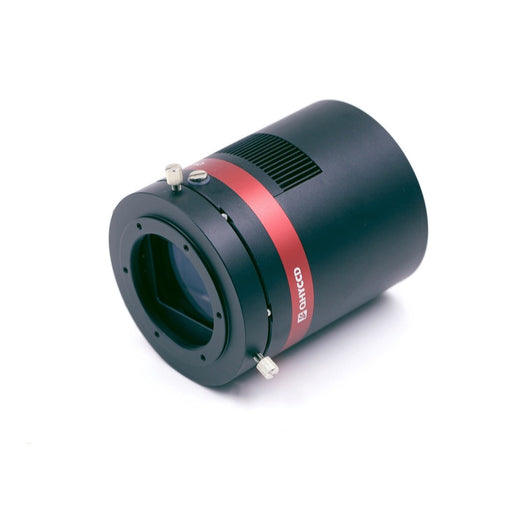
QHYCCD QHY128PRO-C Couleur
QHY-QHY128PRO-C
QHYCCD est fier d'annoncer la sortie de deux nouvelles caméras couleur très attendues au format 35mm.Le QHY128C utilise un capteur de 24 mégapixels...
Afficher tous les détails
Prix d'origine
CA$3,773.00
-
Prix d'origine
CA$3,773.00
Prix d'origine
CA$3,773.00
CA$3,773.00
-
CA$3,773.00
Prix actuel
CA$3,773.00
Prix d'origine
CA$6,159.00
-
Prix d'origine
CA$6,775.00
Prix d'origine
CA$6,159.00
-
CA$6,775.00
CA$6,159.00
-
CA$6,775.00
Prix actuel
CA$6,159.00
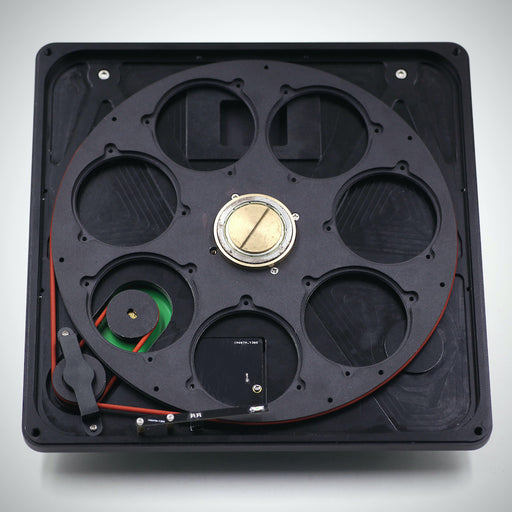
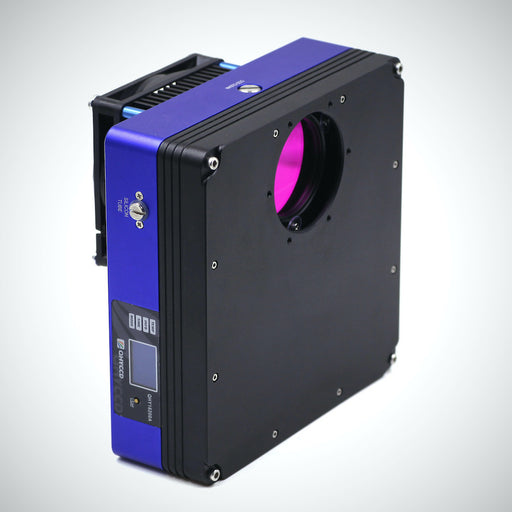
QHYCCD QHY16200A Mono
Options available
Le QHY16200A utilise un capteur CCD unique au format APS-H, fruit d'une étroite collaboration entre QHYCCD et le fabricant du capteur.Ce capteur es...
Afficher tous les détails
Prix d'origine
CA$6,159.00
-
Prix d'origine
CA$6,775.00
Prix d'origine
CA$6,159.00
-
CA$6,775.00
CA$6,159.00
-
CA$6,775.00
Prix actuel
CA$6,159.00
Prix d'origine
CA$1,679.00
-
Prix d'origine
CA$1,679.00
Prix d'origine
CA$1,679.00
CA$1,679.00
-
CA$1,679.00
Prix actuel
CA$1,679.00
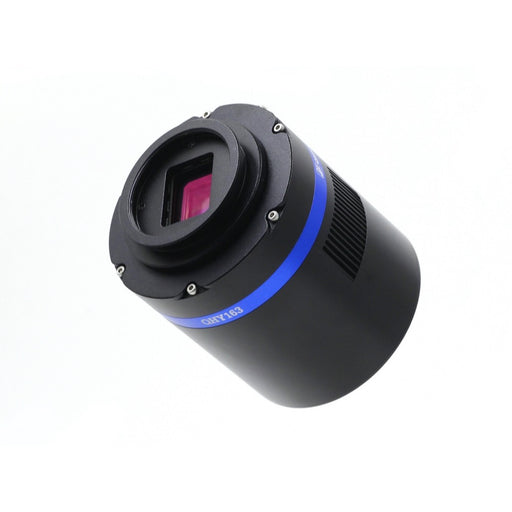
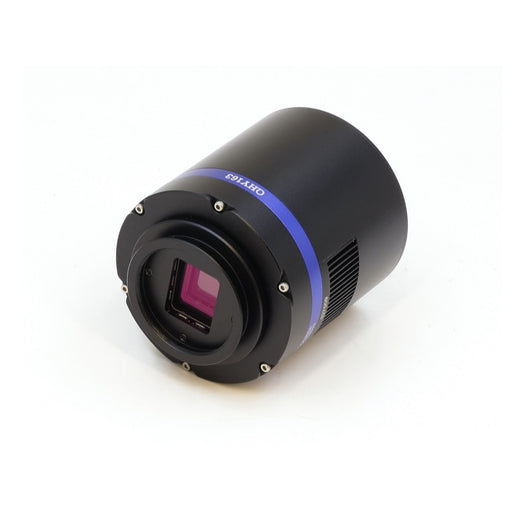
QHYCCD QHY163M Mono
QHY-QHY163M
La gamme de caméras COLDMOS de taille moyenne QHYCCD regroupe toutes nos caméras refroidies à capteur CMOS de 1 pouce jusqu'au plein format (format...
Afficher tous les détails
Prix d'origine
CA$1,679.00
-
Prix d'origine
CA$1,679.00
Prix d'origine
CA$1,679.00
CA$1,679.00
-
CA$1,679.00
Prix actuel
CA$1,679.00
Prix d'origine
CA$15,246.00
-
Prix d'origine
CA$15,246.00
Prix d'origine
CA$15,246.00
CA$15,246.00
-
CA$15,246.00
Prix actuel
CA$15,246.00
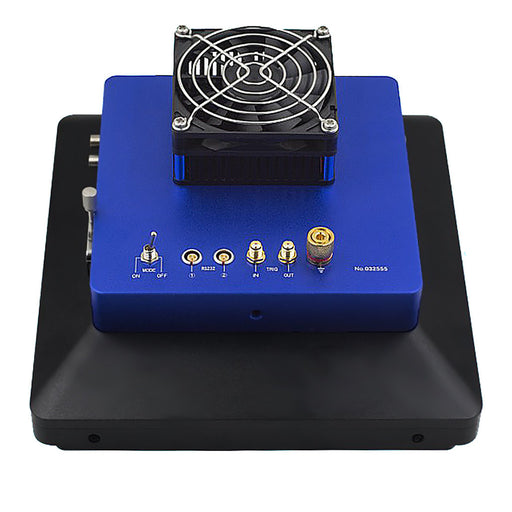
QHYCCD QHY16803A Mono
QHY-QHY16803A
La QHY16803A est une caméra CCD astronomique grand format qui utilise le célèbre CCD KAF-16803 de 16 mégapixels, très apprécié des astronomes amate...
Afficher tous les détails
Prix d'origine
CA$15,246.00
-
Prix d'origine
CA$15,246.00
Prix d'origine
CA$15,246.00
CA$15,246.00
-
CA$15,246.00
Prix actuel
CA$15,246.00

Prix d'origine
CA$1,735.00
-
Prix d'origine
CA$1,735.00
Prix d'origine
CA$1,735.00
CA$1,735.00
-
CA$1,735.00
Prix actuel
CA$1,735.00
QHYCCD Caméra CMOS scientifique QHY174GPS
QHY-100118
Module GPS intégré avec horodatage UTC d'une précision de 1 microseconde Capteur monochrome Sony IMX174 de 2 mégapixels L'obturateur global électr...
Afficher tous les détails
Prix d'origine
CA$1,735.00
-
Prix d'origine
CA$1,735.00
Prix d'origine
CA$1,735.00
CA$1,735.00
-
CA$1,735.00
Prix actuel
CA$1,735.00