
Collimation Tools
A Newtonian at f/4 has a collimation tolerance of well under a millimetre of primary mirror movement before stars visibly degrade. At f/8 you have several times that margin. This is why collimation tool selection is not a matter of preference but of matching accuracy to your telescope. David Astro carries collimation tools in Canada, in stock here and shipped without customs delays for Canadian buyers.
Tell us your focal ratio and telescope type and we will recommend a tool that reaches the accuracy you actually need, without paying for accuracy you do not.


Original price
$220.00
-
Original price
$220.00
Original price
$220.00
$220.00
-
$220.00
Current price
$220.00
Howie Glatter Single 635nm Red Beam Laser Collimator - 1.25"
SI-LC125-635
Single deep red beam operates at 635nm. The Howie Glatter Holographic Laser Collimator incorporates a solid state laser diode that does not fade o...
View full details
Original price
$220.00
-
Original price
$220.00
Original price
$220.00
$220.00
-
$220.00
Current price
$220.00


Original price
$320.00
-
Original price
$320.00
Original price
$320.00
$320.00
-
$320.00
Current price
$320.00
Howie Glatter Single 635nm Red Beam Laser Collimator - 1.25"/2"
SI-LC2125-635
Single red beam operates at 635nm. The Howie Glatter Laser Collimator incorporates a solid state laser diode that does not fade or change with tim...
View full details
Original price
$320.00
-
Original price
$320.00
Original price
$320.00
$320.00
-
$320.00
Current price
$320.00

Original price
$300.00
-
Original price
$300.00
Original price
$300.00
$300.00
-
$300.00
Current price
$300.00
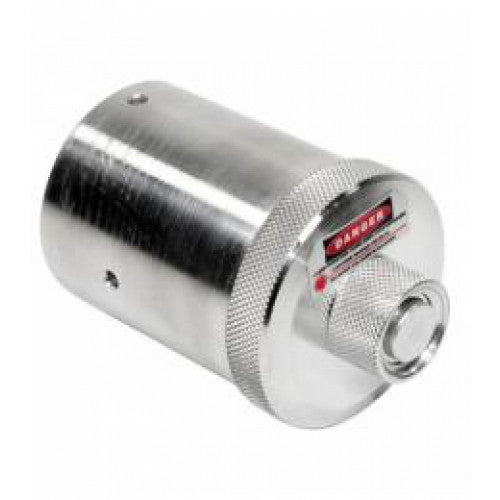
Howie Glatter Single 635nm Red Beam Laser Collimator - 2"
SI-LC2-635
Single red beam operates at 635nm.The Howie Glatter Laser Collimator incorporates a solid state laser diode that does not fade or change with time ...
View full details
Original price
$300.00
-
Original price
$300.00
Original price
$300.00
$300.00
-
$300.00
Current price
$300.00


Original price
$210.00
-
Original price
$210.00
Original price
$210.00
$210.00
-
$210.00
Current price
$210.00
Howie Glatter Single 650nm Red Beam Laser Collimator - 1.25"
SI-LC125-650
2 in stock
Single deep red beam operates at 650nm. The Howie Glatter Holographic Laser Collimator incorporates a solid state laser diode that does not fade o...
View full details
Original price
$210.00
-
Original price
$210.00
Original price
$210.00
$210.00
-
$210.00
Current price
$210.00


Original price
$310.00
-
Original price
$310.00
Original price
$310.00
$310.00
-
$310.00
Current price
$310.00
Howie Glatter Single 650nm Red Beam Laser Collimator - 1.25"/2"
SI-LC2125-650
Single red beam operates at 650nm. The Howie Glatter Laser Collimator incorporates a solid state laser diode that does not fade or change with tim...
View full details
Original price
$310.00
-
Original price
$310.00
Original price
$310.00
$310.00
-
$310.00
Current price
$310.00


Original price
$280.00
-
Original price
$280.00
Original price
$280.00
$280.00
-
$280.00
Current price
$280.00
Howie Glatter Single 650nm Red Beam Laser Collimator - 2"
SI-LC2-650
Single red beam operates at 650nm.The Howie Glatter Laser Collimator incorporates a solid state laser diode that does not fade or change with time ...
View full details
Original price
$280.00
-
Original price
$280.00
Original price
$280.00
$280.00
-
$280.00
Current price
$280.00

Original price
$160.00
-
Original price
$160.00
Original price
$160.00
$160.00
-
$160.00
Current price
$160.00
Howie Glatter TuBLUG-1.25" Newtonian Collimator
SI-TUBLUG1.25
User Instructions·Use with a regular laser collimator in single beam mode to perform barlowed laser Newtonian primary mirror alignment on closed tu...
View full details
Original price
$160.00
-
Original price
$160.00
Original price
$160.00
$160.00
-
$160.00
Current price
$160.00


Original price
$240.00
-
Original price
$240.00
Original price
$240.00
$240.00
-
$240.00
Current price
$240.00
Howie Glatter TuBLUG-2" Newtonian Collimator
SI-TUBLUG2
User Instructions·Use with a regular laser collimator in single beam mode to perform barlowed laser Newtonian primary mirror alignment on closed tu...
View full details
Original price
$240.00
-
Original price
$240.00
Original price
$240.00
$240.00
-
$240.00
Current price
$240.00

Original price
$60.00
-
Original price
$60.00
Original price
$60.00
$60.00
-
$60.00
Current price
$60.00
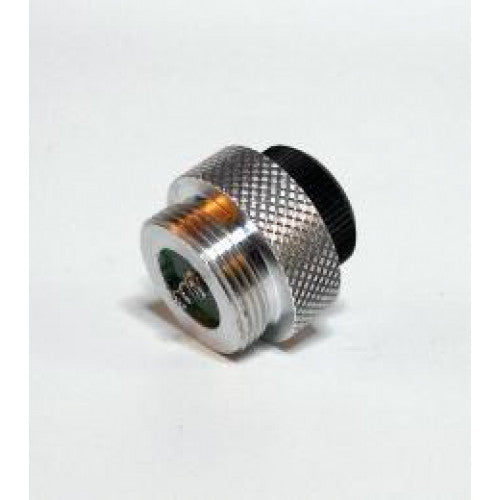
Howie Glatter Variable Laser Brightness Battery Cap/Switch Upgrade for Laser Collimators
SI-VLB
Variable Laser Brightness battery cap/switch upgrade for Howie Glatter laser collimators. As of Autumn 2020, the thread design on Howie Glatter ...
View full details
Original price
$60.00
-
Original price
$60.00
Original price
$60.00
$60.00
-
$60.00
Current price
$60.00

Original price
$242.00
-
Original price
$242.00
Original price
$242.00
$242.00
-
$242.00
Current price
$242.00
OCAL 4.0 Electronic Collimator
OCAL-4
7 in stock
Precision Electronic Collimator for Newtonians, Ritchey-Chrétien telescopes (and SCT's, with limitations) High-Resolution CMOS Sensor Real-Time So...
View full details
Original price
$242.00
-
Original price
$242.00
Original price
$242.00
$242.00
-
$242.00
Current price
$242.00
Original price
$55.00
-
Original price
$55.00
Original price
$55.00
$55.00
-
$55.00
Current price
$55.00
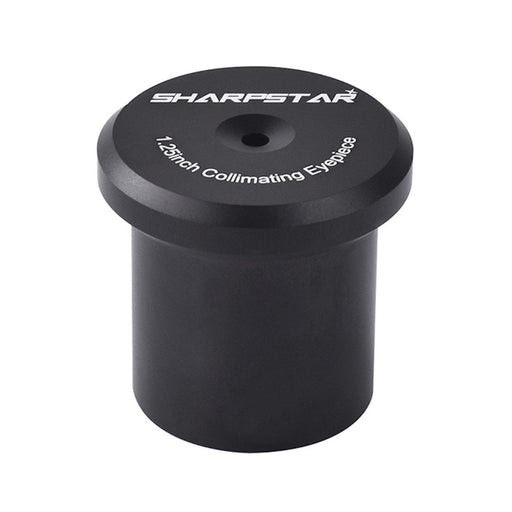
SharpStar Collimating Eyepiece - 1.25"
SSO-COLL
For Newtonian & Cassegrain Telescopes Fits Standard 1.25" Focusers Enables Precise Optical Alignment Visual Crosshair for Centering Improves I...
View full details
Original price
$55.00
-
Original price
$55.00
Original price
$55.00
$55.00
-
$55.00
Current price
$55.00


Original price
$20.99
-
Original price
$20.99
Original price
$20.99
$20.99
-
$20.99
Current price
$20.99
SVBONY Red Laser Collimator with Triple Cemented Lens and 2" Adapter
SV-F9123A
6 in stock
Precise 635-655nm red laser for accurate optical alignment 7 adjustable brightness levels for visibility in any condition Triple-cemented lens ens...
View full details
Original price
$20.99
-
Original price
$20.99
Original price
$20.99
$20.99
-
$20.99
Current price
$20.99


Original price
$27.99
-
Original price
$27.99
Original price
$27.99
$27.99
-
$27.99
Current price
$27.99
SVBONY SV121 Red Laser Collimator - 1.25"
SV-F9192A
Tri-Screw Laser Locking System 1.25" Standard Barrel with Optional 2" Adapter Compatibility Angled Viewing Plate for Easy Adjustments Adjustable B...
View full details
Original price
$27.99
-
Original price
$27.99
Original price
$27.99
$27.99
-
$27.99
Current price
$27.99


Original price
$23.97
-
Original price
$23.97
Original price
$23.97
$23.97
-
$23.97
Current price
$23.97
SVBONY SV197 Cheshire Collimating Eyepiece - 1.25"
SV-W9154A
Precise Collimation Tool for Newtonian Telescopes Fits Standard 1.25" Focusers Durable Steel Crosshairs CNC-Machined Aluminum Body Net Weight: 156...
View full details
Original price
$23.97
-
Original price
$23.97
Original price
$23.97
$23.97
-
$23.97
Current price
$23.97

Original price
$104.99
-
Original price
$104.99
Original price
$104.99
$104.99
-
$104.99
Current price
$104.99
TS-Optics Artificial Star for Collimation
TS-TSStar1
Only 1 left!
Brightness is continously dimmable, thus the contrast can be set optimally Precise pinhole with 22 µm diameter for exact results yet sufficient li...
View full details
Original price
$104.99
-
Original price
$104.99
Original price
$104.99
$104.99
-
$104.99
Current price
$104.99

Original price
$89.00
-
Original price
$89.00
Original price
$89.00
$89.00
-
$89.00
Current price
$89.00
TS-Optics Concenter 2" Collimation Eyepiece for Newtonian Telescopes
TS-Concenter-2z
7 in stock
TS 2" CONCENTER - you cannot adjust a Newtonian more easilyThe alternative to all collimation tools on the market! Now the center of the secondary ...
View full details
Original price
$89.00
-
Original price
$89.00
Original price
$89.00
$89.00
-
$89.00
Current price
$89.00