
Lentilles
A camera lens on a tracker is still the most efficient wide-field astrophotography instrument available. Fast apertures, wide fields that no telescope covers, and optics you may already own — the Milky Way, large nebula complexes and constellation-scale fields are all lens territory rather than telescope territory. David Astro carries lenses in Canada, in stock, with fast shipping across Canada and worldwide.
Lens performance wide open at the corners is what matters for astrophotography, and it differs from daytime performance. Tell us your camera and targets and we will advise.

Prix d'origine
CA$31.00
-
Prix d'origine
CA$31.00
Prix d'origine
CA$31.00
CA$31.00
-
CA$31.00
Prix actuel
CA$31.00
Player One 2.1mm CS lens
POA-21LENS
2.1mm Focal Length CS-Mount Interface 190° Field of View on 1/2" Sensors 150° Field of View on 1/3" Sensors All-Sky and Wide-Field Monitoring D...
Afficher tous les détails
Prix d'origine
CA$31.00
-
Prix d'origine
CA$31.00
Prix d'origine
CA$31.00
CA$31.00
-
CA$31.00
Prix actuel
CA$31.00

Prix d'origine
CA$31.00
-
Prix d'origine
CA$31.00
Prix d'origine
CA$31.00
CA$31.00
-
CA$31.00
Prix actuel
CA$31.00
Player One 2.5mm CS lens
POA-25LENS
2.5mm Focal Length CS-Mount Standard Ultra-Wide Field of View Ideal for All-Sky Cameras Description FAQ Specifications In the Box Downloads War...
Afficher tous les détails
Prix d'origine
CA$31.00
-
Prix d'origine
CA$31.00
Prix d'origine
CA$31.00
CA$31.00
-
CA$31.00
Prix actuel
CA$31.00

Prix d'origine
CA$553.00
-
Prix d'origine
CA$553.00
Prix d'origine
CA$553.00
CA$553.00
-
CA$553.00
Prix actuel
CA$553.00
QHYCCD SWIR Lens for QHY990/991
QHY-070005
Engineered for Short-Wave Infrared (SWIR) wavelengths Optimized for QHY990 and QHY991 SWIR cameras High-transmission coatings for the SWIR band De...
Afficher tous les détails
Prix d'origine
CA$553.00
-
Prix d'origine
CA$553.00
Prix d'origine
CA$553.00
CA$553.00
-
CA$553.00
Prix actuel
CA$553.00
Prix d'origine
CA$31.00
-
Prix d'origine
CA$31.00
Prix d'origine
CA$31.00
CA$31.00
-
CA$31.00
Prix actuel
CA$31.00
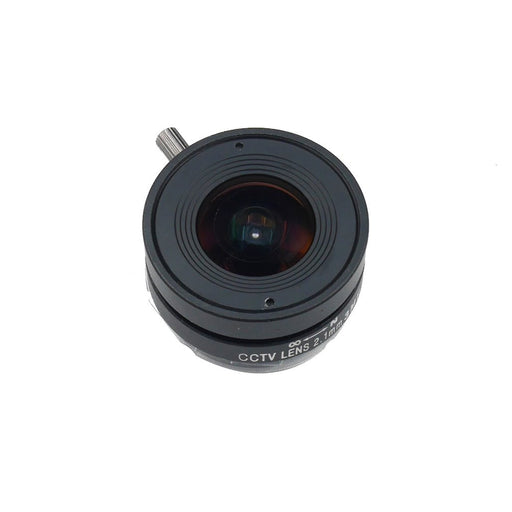
ZWO Objectif 1/3"2.1mm 150°
ZWO-LENS-2.1
4 en stock
Objectif ZWO 1/3″ 2.1mm 150 degrés Paramètre technique: Prise en charge des formats : capteur 1/3″ Focale : 2,1 mm Ange large : 150 degrés Mo...
Afficher tous les détails
Prix d'origine
CA$31.00
-
Prix d'origine
CA$31.00
Prix d'origine
CA$31.00
CA$31.00
-
CA$31.00
Prix actuel
CA$31.00
Prix d'origine
CA$31.00
-
Prix d'origine
CA$31.00
Prix d'origine
CA$31.00
CA$31.00
-
CA$31.00
Prix actuel
CA$31.00
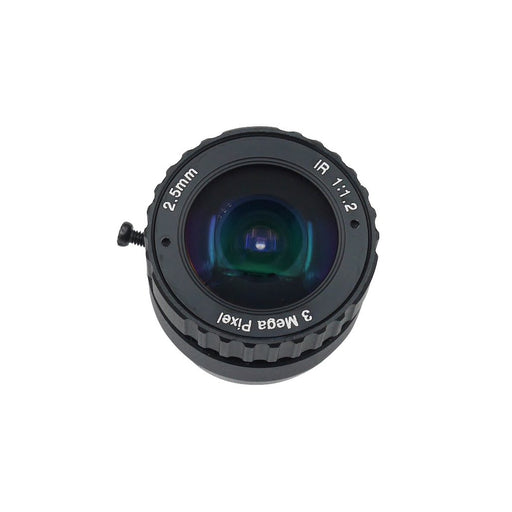
ZWO Lentille 2.5mm 170°
ZWO-LENS-2-5
5 en stock
Objectif ZWO 2,5 mm à 170 degrés Paramètre technique: Prise en charge des formats : capteur 1/2″ Focale : 2,5 mm Grand ange : 170 degrés Modèl...
Afficher tous les détails
Prix d'origine
CA$31.00
-
Prix d'origine
CA$31.00
Prix d'origine
CA$31.00
CA$31.00
-
CA$31.00
Prix actuel
CA$31.00
Prix d'origine
CA$53.00
-
Prix d'origine
CA$53.00
Prix d'origine
CA$53.00
CA$53.00
-
CA$53.00
Prix actuel
CA$53.00
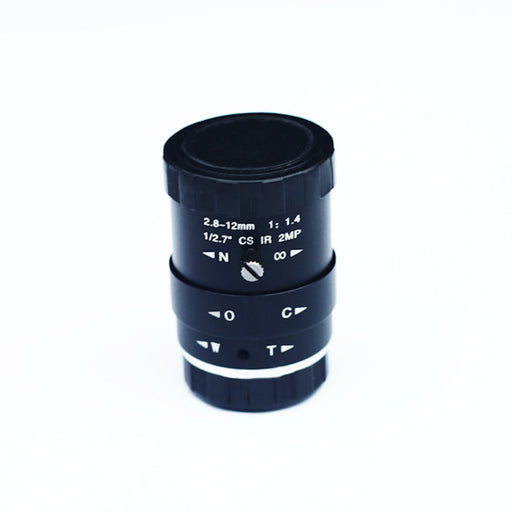
ZWO Objectif CS 2.8mm-12mm F1.4
ZWO-LENS-2.8-12
5 en stock
L'objectif 2.8mm-12mm F1.4 convient aux modèles ASI120MM/MC, ASI290MM/MC et ASI224MC Cet objectif a un diamètre plus grand que l'objectif de 2,1 ...
Afficher tous les détails
Prix d'origine
CA$53.00
-
Prix d'origine
CA$53.00
Prix d'origine
CA$53.00
CA$53.00
-
CA$53.00
Prix actuel
CA$53.00