
Accessoires optiques
Optical accessories are what turn one telescope into several. The same optical tube can be a wide-field imaging refractor, a high-power planetary instrument or a comfortable binocular-view visual scope depending on what you put behind it. David Astro carries a deep selection of eyepieces, diagonals, Barlows, reducers, flatteners, binoviewers and correctors in Canada, held in Canadian stock.
Our team uses this equipment on our own telescopes, so the advice you get is based on what actually works at a given focal ratio and under a given sky, not on a spec sheet. If you are deciding between two focal lengths or wondering whether a corrector will help your optic, ask us before you order.

Prix d'origine
CA$362.00
-
Prix d'origine
CA$696.00
Prix d'origine
CA$362.00
-
CA$696.00
CA$362.00
-
CA$696.00
Prix actuel
CA$362.00
Antlia Filtre à bande étroite H-alpha Pro de 3nm
Options available
8 variants in stock
Longueur d'onde centrale H-alpha de 656,3 nm Petit FHWM de 3 nm Transmission de crête élevée > 88 % Halos minimisés sur les étoiles b...
Afficher tous les détails
Prix d'origine
CA$362.00
-
Prix d'origine
CA$696.00
Prix d'origine
CA$362.00
-
CA$696.00
CA$362.00
-
CA$696.00
Prix actuel
CA$362.00
Prix d'origine
CA$375.00
-
Prix d'origine
CA$721.00
Prix d'origine
CA$375.00
-
CA$721.00
CA$375.00
-
CA$721.00
Prix actuel
CA$375.00
Antlia 3nm Narrowband H-alpha Pro Highspeed Filter - f/2.6 to f/3.6
Options available
1 variants in stock
Pre-shifted 656.3nm H-alpha Central Wavelength for High-Speed Systems Optimized 3nm FHWM for f/2.6–f/3.6 High >90% Peak Transmission Enhanced S...
Afficher tous les détails
Prix d'origine
CA$375.00
-
Prix d'origine
CA$721.00
Prix d'origine
CA$375.00
-
CA$721.00
CA$375.00
-
CA$721.00
Prix actuel
CA$375.00
Prix d'origine
CA$362.00
-
Prix d'origine
CA$696.00
Prix d'origine
CA$362.00
-
CA$696.00
CA$362.00
-
CA$696.00
Prix actuel
CA$362.00
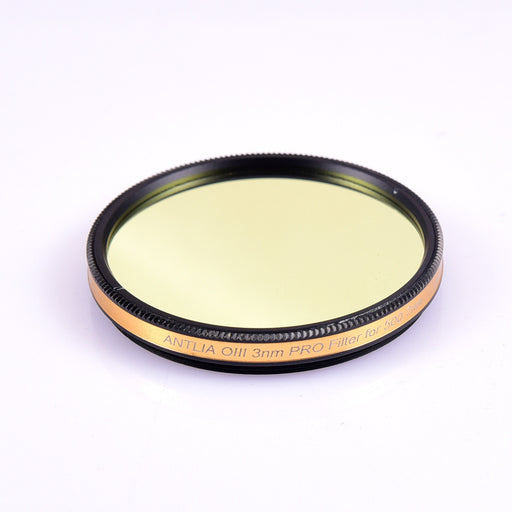
Antlia Filtre à bande étroite OIII Pro de 3nm
Options available
8 variants in stock
Le filtre à bande étroite Antlia OIII Pro optimise le FWHM (pleine largeur moitié maximum) à 3 nm passe-bande . Au fur et à mesure que la bande pa...
Afficher tous les détails
Prix d'origine
CA$362.00
-
Prix d'origine
CA$696.00
Prix d'origine
CA$362.00
-
CA$696.00
CA$362.00
-
CA$696.00
Prix actuel
CA$362.00

Prix d'origine
CA$375.00
-
Prix d'origine
CA$721.00
Prix d'origine
CA$375.00
-
CA$721.00
CA$375.00
-
CA$721.00
Prix actuel
CA$375.00
Antlia 3nm Narrowband OIII Pro Highspeed Filter - f/2.6 to f/3.6
Options available
1 variants in stock
Pre-shifted 500.7nm OIII Central Wavelength for High-Speed Systems Optimized 3nm FHWM for f/2.6–f/3.6 High >90% Peak Transmission Enhan...
Afficher tous les détails
Prix d'origine
CA$375.00
-
Prix d'origine
CA$721.00
Prix d'origine
CA$375.00
-
CA$721.00
CA$375.00
-
CA$721.00
Prix actuel
CA$375.00
Prix d'origine
CA$362.00
-
Prix d'origine
CA$696.00
Prix d'origine
CA$362.00
-
CA$696.00
CA$362.00
-
CA$696.00
Prix actuel
CA$362.00
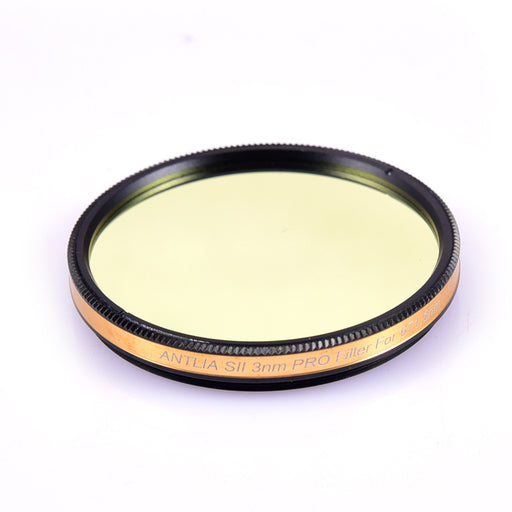
Antlia Filtre à bande étroite SII Pro de 3nm
Options available
7 variants in stock
Le filtre à bande étroite Antlia SII Pro optimise le FWHM (pleine largeur moitié maximum) à une bande passante de 3 nm. Au fur et à mesure que la ...
Afficher tous les détails
Prix d'origine
CA$362.00
-
Prix d'origine
CA$696.00
Prix d'origine
CA$362.00
-
CA$696.00
CA$362.00
-
CA$696.00
Prix actuel
CA$362.00
Prix d'origine
CA$375.00
-
Prix d'origine
CA$721.00
Prix d'origine
CA$375.00
-
CA$721.00
CA$375.00
-
CA$721.00
Prix actuel
CA$375.00
Antlia 3nm Narrowband SII Pro Highspeed Filter - f/2.6 to f/3.6
Options available
1 variants in stock
Pre-shifted 500.7nm OIII Central Wavelength for High-Speed Systems Optimized 3nm FHWM for f/2.6–f/3.6 High >90% Peak Transmission Enhan...
Afficher tous les détails
Prix d'origine
CA$375.00
-
Prix d'origine
CA$721.00
Prix d'origine
CA$375.00
-
CA$721.00
CA$375.00
-
CA$721.00
Prix actuel
CA$375.00
Prix d'origine
CA$263.00
-
Prix d'origine
CA$497.00
Prix d'origine
CA$263.00
-
CA$497.00
CA$263.00
-
CA$497.00
Prix actuel
CA$263.00
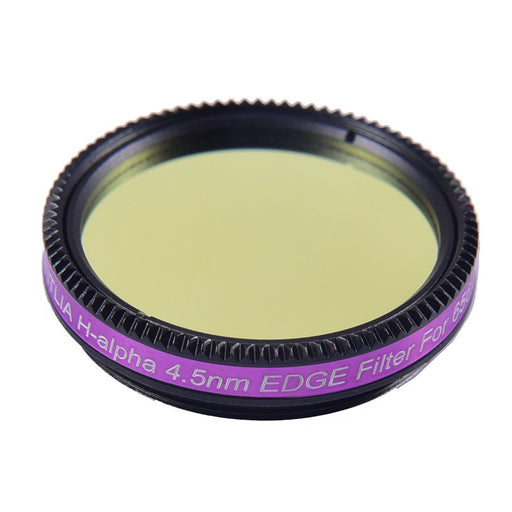
Antlia Filtre à bande étroite H-alpha Edge de 4.5nm
Options available
8 variants in stock
Le filtre à bande étroite Antlia H-alpha EDGE optimise le FWHM (pleine largeur demi-maximum) à une bande passante de 4,5 nm. La suppression de la...
Afficher tous les détails
Prix d'origine
CA$263.00
-
Prix d'origine
CA$497.00
Prix d'origine
CA$263.00
-
CA$497.00
CA$263.00
-
CA$497.00
Prix actuel
CA$263.00
Prix d'origine
CA$263.00
-
Prix d'origine
CA$497.00
Prix d'origine
CA$263.00
-
CA$497.00
CA$263.00
-
CA$497.00
Prix actuel
CA$263.00
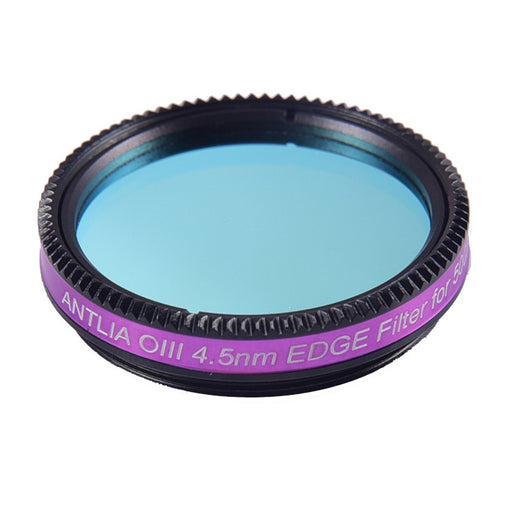
Antlia Filtre à bande étroite OIII Edge de 4.5nm
Options available
8 variants in stock
Le filtre à bande étroite Antlia OIII EDGE optimise le FWHM (pleine largeur demi-maximum) à une bande passante de 4,5 nm. La suppression de la de...
Afficher tous les détails
Prix d'origine
CA$263.00
-
Prix d'origine
CA$497.00
Prix d'origine
CA$263.00
-
CA$497.00
CA$263.00
-
CA$497.00
Prix actuel
CA$263.00
Prix d'origine
CA$263.00
-
Prix d'origine
CA$497.00
Prix d'origine
CA$263.00
-
CA$497.00
CA$263.00
-
CA$497.00
Prix actuel
CA$263.00
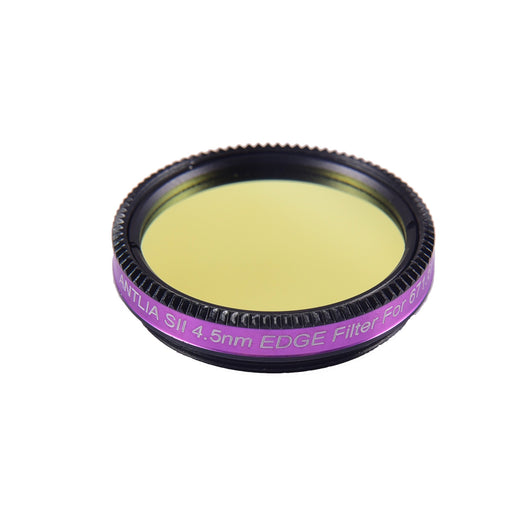
Antlia Filtre à bande étroite SII Edge de 4.5nm
Options available
7 variants in stock
Le filtre à bande étroite Antlia SII EDGE optimise le FWHM (pleine largeur demi-maximum) à une bande passante de 4,5 nm. La suppression de la den...
Afficher tous les détails
Prix d'origine
CA$263.00
-
Prix d'origine
CA$497.00
Prix d'origine
CA$263.00
-
CA$497.00
CA$263.00
-
CA$497.00
Prix actuel
CA$263.00
Prix d'origine
CA$554.00
-
Prix d'origine
CA$554.00
Prix d'origine
CA$554.00
CA$554.00
-
CA$554.00
Prix actuel
CA$554.00
Antlia ALP-T Dual Band Ha&OIII 3nm
ANT-ALP-T-3NM-HAOIII
5 en stock
Precise Narrowband Filtering for Exceptional Contrast Enhanced Transmission for Superior Signal-to-Noise Ratio ...
Afficher tous les détails
Prix d'origine
CA$554.00
-
Prix d'origine
CA$554.00
Prix d'origine
CA$554.00
CA$554.00
-
CA$554.00
Prix actuel
CA$554.00

Prix d'origine
CA$1,008.00
-
Prix d'origine
CA$1,008.00
Prix d'origine
CA$1,008.00
CA$1,008.00
-
CA$1,008.00
Prix actuel
CA$1,008.00
Antlia ALP-T Dual Band Ha&OIII 3nm + SII&Hb 3.5nm 2" Filter Set
ANT-ALP-T-3NM-KIT
Precise Narrowband Filtering for Exceptional Contrast Enhanced Transmission for Superior Signal-to-Noise Ratio ...
Afficher tous les détails
Prix d'origine
CA$1,008.00
-
Prix d'origine
CA$1,008.00
Prix d'origine
CA$1,008.00
CA$1,008.00
-
CA$1,008.00
Prix actuel
CA$1,008.00
Prix d'origine
CA$511.00
-
Prix d'origine
CA$511.00
Prix d'origine
CA$511.00
CA$511.00
-
CA$511.00
Prix actuel
CA$511.00
Antlia ALP-T Dual Band SII&Hβ 3.5nm
ANT-ALP-T-3NM-SIIHB
2 en stock
Precise Narrowband Filtering for Exceptional Contrast Enhanced Transmission for Superior Signal-to-Noise Ratio Anti-Reflection Coating to Reduce H...
Afficher tous les détails
Prix d'origine
CA$511.00
-
Prix d'origine
CA$511.00
Prix d'origine
CA$511.00
CA$511.00
-
CA$511.00
Prix actuel
CA$511.00
Prix d'origine
CA$980.00
-
Prix d'origine
CA$980.00
Prix d'origine
CA$980.00
CA$980.00
-
CA$980.00
Prix actuel
CA$980.00
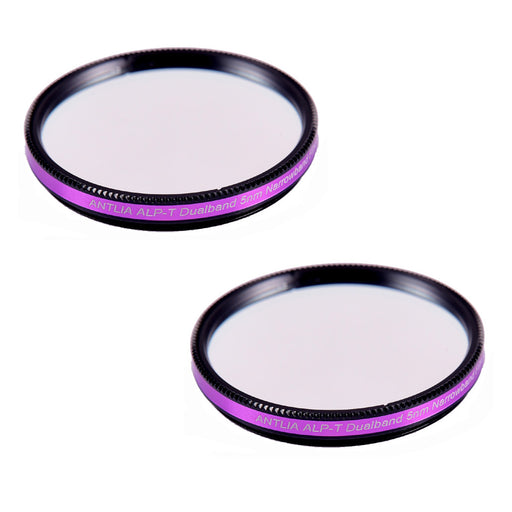
Antlia Kit de filtres duoband ALP-T 5nm Ha/OIII et SII/Hb - 2"
ANT-ALP-T-SET
Prix d'origine
CA$980.00
-
Prix d'origine
CA$980.00
Prix d'origine
CA$980.00
CA$980.00
-
CA$980.00
Prix actuel
CA$980.00
Prix d'origine
CA$540.00
-
Prix d'origine
CA$540.00
Prix d'origine
CA$540.00
CA$540.00
-
CA$540.00
Prix actuel
CA$540.00
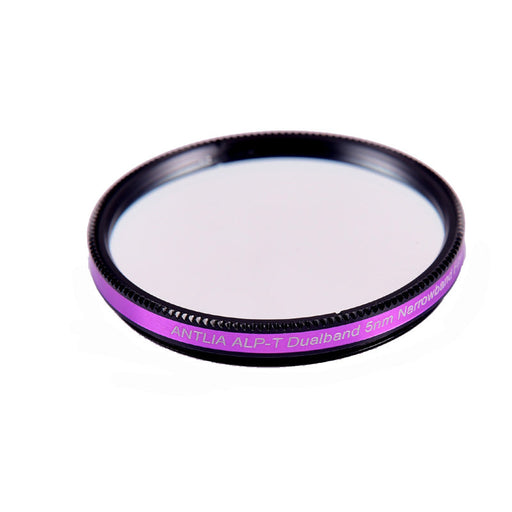
Antlia Filtre duoband ALP-T Ha/OIII de 5nm
ANT-ALP-T-2
L' Antlia ALP-T double bande 5 nm Le filtre Ha&OIII est un filtre passe-ligne double conçu pour être utilisé principalement avec les appareil...
Afficher tous les détails
Prix d'origine
CA$540.00
-
Prix d'origine
CA$540.00
Prix d'origine
CA$540.00
CA$540.00
-
CA$540.00
Prix actuel
CA$540.00
Prix d'origine
CA$540.00
-
Prix d'origine
CA$540.00
Prix d'origine
CA$540.00
CA$540.00
-
CA$540.00
Prix actuel
CA$540.00
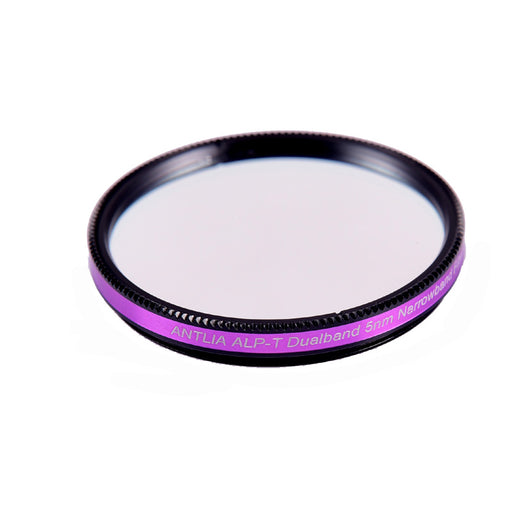
Antlia Filtre duoband ALP-T haute vitesse Ha/OIII de 5nm
ANT-ALP-T-HS-2
Les filtres haute vitesse ALP-T double bande 5 nm sont encore optimisés pour fonctionner avec des systèmes d'imagerie à haute vitesse en décalant...
Afficher tous les détails
Prix d'origine
CA$540.00
-
Prix d'origine
CA$540.00
Prix d'origine
CA$540.00
CA$540.00
-
CA$540.00
Prix actuel
CA$540.00
Prix d'origine
CA$497.00
-
Prix d'origine
CA$497.00
Prix d'origine
CA$497.00
CA$497.00
-
CA$497.00
Prix actuel
CA$497.00
Antlia Filtre duoband ALP-T SII/Hb de 5nm
ANT-ALP-T-SII-HB-2
Le filtre SII&Hb double bande 5 nm ALP-T est un filtre passe-ligne double, qui laisse passer la ligne rouge foncé Sulphur-II et la ligne bleu...
Afficher tous les détails
Prix d'origine
CA$497.00
-
Prix d'origine
CA$497.00
Prix d'origine
CA$497.00
CA$497.00
-
CA$497.00
Prix actuel
CA$497.00

Prix d'origine
CA$236.00
-
Prix d'origine
CA$236.00
Prix d'origine
CA$236.00
CA$236.00
-
CA$236.00
Prix actuel
CA$236.00
Antlia CH4 Methane Filter - 1.25"
ANT-CH4
1 en stock
Antlia methane (CH4) filter is a specialized filter that allows light in the near infrared portion of the spectrum centered at 889nm to pass throug...
Afficher tous les détails
Prix d'origine
CA$236.00
-
Prix d'origine
CA$236.00
Prix d'origine
CA$236.00
CA$236.00
-
CA$236.00
Prix actuel
CA$236.00
Prix d'origine
CA$141.00
-
Prix d'origine
CA$141.00
Prix d'origine
CA$141.00
CA$141.00
-
CA$141.00
Prix actuel
CA$141.00
Antlia Filtre visuel H-beta et OIII - 1.25"
ANT-HB-OIII-1.25
3 en stock
Le filtre Antlia HB-OIII est conçu spécifiquement pour l'observation visuelle nocturne des nébuleuses à contraste élevé et l'astrophotographie du...
Afficher tous les détails
Prix d'origine
CA$141.00
-
Prix d'origine
CA$141.00
Prix d'origine
CA$141.00
CA$141.00
-
CA$141.00
Prix actuel
CA$141.00
Prix d'origine
CA$55.00
-
Prix d'origine
CA$55.00
Prix d'origine
CA$55.00
CA$55.00
-
CA$55.00
Prix actuel
CA$55.00
Antlia Filtre IR-Pass 685nm - 1.25"
ANT-IR685
3 en stock
Le filtre Antlia IR Pass 685 nm est un filtre absorbant qui laisse passer la lumière infrarouge avec des longueurs d'onde supérieures à 685 nm. À...
Afficher tous les détails
Prix d'origine
CA$55.00
-
Prix d'origine
CA$55.00
Prix d'origine
CA$55.00
CA$55.00
-
CA$55.00
Prix actuel
CA$55.00
Prix d'origine
CA$55.00
-
Prix d'origine
CA$55.00
Prix d'origine
CA$55.00
CA$55.00
-
CA$55.00
Prix actuel
CA$55.00
Antlia Filtre IR-Pass 850nm - 1.25"
ANT-IR850
3 en stock
Le filtre Antlia IR Pass 850 nm est un filtre absorbant qui laisse passer la lumière infrarouge avec des longueurs d'onde supérieures à 850 nm. I...
Afficher tous les détails
Prix d'origine
CA$55.00
-
Prix d'origine
CA$55.00
Prix d'origine
CA$55.00
CA$55.00
-
CA$55.00
Prix actuel
CA$55.00

Prix d'origine
CA$426.00
-
Prix d'origine
CA$852.00
Prix d'origine
CA$426.00
-
CA$852.00
CA$426.00
-
CA$852.00
Prix actuel
CA$426.00
Antlia Kit de filtres LRGB-V Pro
Options available
8 variants in stock
Les filtres de la série Antlia LRGB-V Pro sont conçus pour les caméras monochromes qui utilisent à la fois des capteurs CCD et CMOS. Les capteurs ...
Afficher tous les détails
Prix d'origine
CA$426.00
-
Prix d'origine
CA$852.00
Prix d'origine
CA$426.00
-
CA$852.00
CA$426.00
-
CA$852.00
Prix actuel
CA$426.00
Prix d'origine
CA$281.00
-
Prix d'origine
CA$281.00
Prix d'origine
CA$281.00
CA$281.00
-
CA$281.00
Prix actuel
CA$281.00
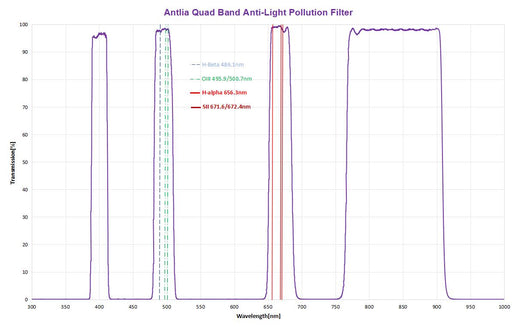
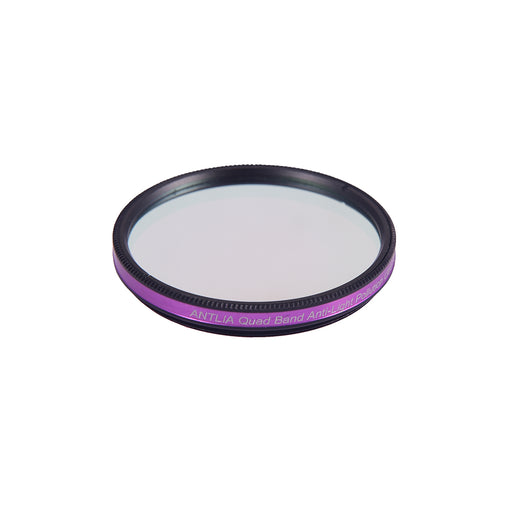
Antlia Filtre Quad Band anti-pollution lumineuse - 2"
ANT-QUAD-2
5 en stock
Le filtre anti-pollution lumineuse Antlia Quad Band est un filtre de suppression de lumière pour les caméras couleur et monochromes. Il est capabl...
Afficher tous les détails
Prix d'origine
CA$281.00
-
Prix d'origine
CA$281.00
Prix d'origine
CA$281.00
CA$281.00
-
CA$281.00
Prix actuel
CA$281.00
Prix d'origine
CA$254.00
-
Prix d'origine
CA$254.00
Prix d'origine
CA$254.00
CA$254.00
-
CA$254.00
Prix actuel
CA$254.00
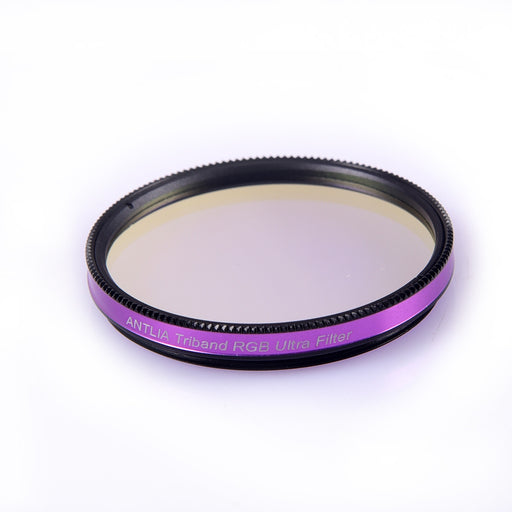
Antlia Filtre Triband RGB Ultra
ANT-TRIBAND-V2
4 en stock
Il est conçu pour la suppression de la pollution lumineuse pour les caméras OSC et Mono. La conception spectrale a sélectionné les informations le...
Afficher tous les détails
Prix d'origine
CA$254.00
-
Prix d'origine
CA$254.00
Prix d'origine
CA$254.00
CA$254.00
-
CA$254.00
Prix actuel
CA$254.00
Prix d'origine
CA$283.00
-
Prix d'origine
CA$283.00
Prix d'origine
CA$283.00
CA$283.00
-
CA$283.00
Prix actuel
CA$283.00
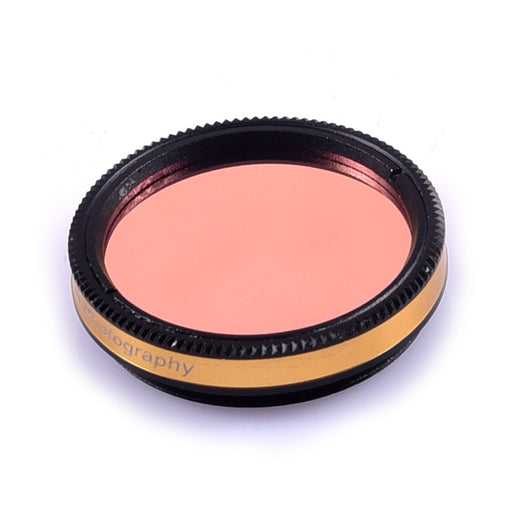
Antlia Filtre U-Venus - 1.25"
ANT-UVENUS
2 en stock
Le filtre Antlia Venus-U est conçu pour imager la structure nuageuse de Vénus et Jupiter avec des caméras CCD sur un télescope. Les détails des n...
Afficher tous les détails
Prix d'origine
CA$283.00
-
Prix d'origine
CA$283.00
Prix d'origine
CA$283.00
CA$283.00
-
CA$283.00
Prix actuel
CA$283.00