
Optolong
Optolong's dual and multi-band filters changed what is possible with a one-shot colour camera under city skies. By passing hydrogen-alpha and oxygen III together and rejecting nearly everything between, they let a colour sensor capture narrowband-like contrast in a single session — no filter wheel, no monochrome workflow, no three-times-longer imaging. David Astro carries Optolong products in Canada, stocked domestically and ready to ship.
Which filter suits you depends on your camera type, focal ratio and target. Tell us all three and we will recommend.


Prix d'origine
CA$111.00
-
Prix d'origine
CA$151.00
Prix d'origine
CA$111.00
-
CA$151.00
CA$111.00
-
CA$151.00
Prix actuel
CA$111.00
Optolong OIII 18nm Nebula Filter
Options available
2 variants in stock
18nm Bandpass Centered on OIII Emission Lines (500nm) Greater than 80% Average Light Transmission (Tave) Blocks >99% of Major Light Pollution L...
Afficher tous les détails
Prix d'origine
CA$111.00
-
Prix d'origine
CA$151.00
Prix d'origine
CA$111.00
-
CA$151.00
CA$111.00
-
CA$151.00
Prix actuel
CA$111.00


Prix d'origine
CA$475.00
-
Prix d'origine
CA$587.00
Prix d'origine
CA$475.00
-
CA$587.00
CA$475.00
-
CA$587.00
Prix actuel
CA$475.00
Optolong OIII 3nm Narrowband Filter
Options available
1 variants in stock
3nm Spectral Bandpass 500nm Central Wavelength (OIII) Ion-Assisted Multi-Layer Coatings Optimized for Monochrome Cameras Available in 2" Mounted o...
Afficher tous les détails
Prix d'origine
CA$475.00
-
Prix d'origine
CA$587.00
Prix d'origine
CA$475.00
-
CA$587.00
CA$475.00
-
CA$587.00
Prix actuel
CA$475.00


Prix d'origine
CA$223.00
-
Prix d'origine
CA$321.00
Prix d'origine
CA$223.00
-
CA$321.00
CA$223.00
-
CA$321.00
Prix actuel
CA$223.00
Optolong OIII 6.5nm Narrowband Filter
Options available
3 variants in stock
6.5nm Narrowband OIII Filter Centered on 500nm Wavelength Captures both 495.9nm and 500.7nm Emission Lines Blocks Light Pollution and Skyglow Idea...
Afficher tous les détails
Prix d'origine
CA$223.00
-
Prix d'origine
CA$321.00
Prix d'origine
CA$223.00
-
CA$321.00
CA$223.00
-
CA$321.00
Prix actuel
CA$223.00


Prix d'origine
CA$475.00
-
Prix d'origine
CA$587.00
Prix d'origine
CA$475.00
-
CA$587.00
CA$475.00
-
CA$587.00
Prix actuel
CA$475.00
Optolong SII 3nm Narrowband Filter
Options available
1 variants in stock
Isolates the Sulfur-II (SII) emission line for astrophotography Extremely narrow 3nm bandpass for maximum contrast Drastically reduces skyglow and...
Afficher tous les détails
Prix d'origine
CA$475.00
-
Prix d'origine
CA$587.00
Prix d'origine
CA$475.00
-
CA$587.00
CA$475.00
-
CA$587.00
Prix actuel
CA$475.00


Prix d'origine
CA$223.00
-
Prix d'origine
CA$321.00
Prix d'origine
CA$223.00
-
CA$321.00
CA$223.00
-
CA$321.00
Prix actuel
CA$223.00
Optolong SII 6.5nm Narrowband Filter
Options available
3 variants in stock
Isolates the Sulfur-II (SII) emission line at 672nm Tight 6.5nm bandpass for maximum contrast Enables imaging in heavily light-polluted skies and ...
Afficher tous les détails
Prix d'origine
CA$223.00
-
Prix d'origine
CA$321.00
Prix d'origine
CA$223.00
-
CA$321.00
CA$223.00
-
CA$321.00
Prix actuel
CA$223.00
Prix d'origine
CA$77.00
-
Prix d'origine
CA$161.00
Prix d'origine
CA$77.00
-
CA$161.00
CA$77.00
-
CA$161.00
Prix actuel
CA$77.00
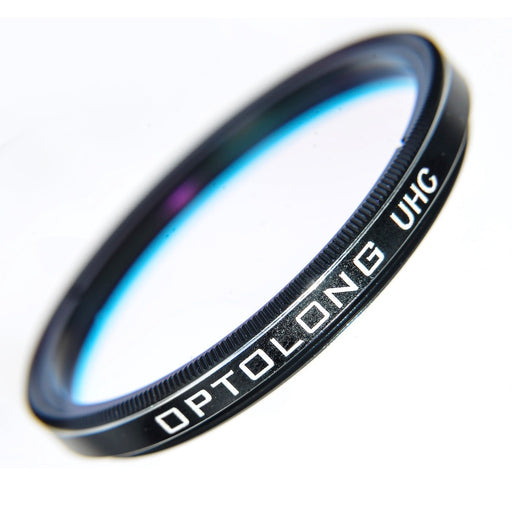
Filtre UHC Optolong
Options available
9 variants in stock
Optolong UHC avec une bande passante plus étroite offre un contraste plus élevé. Ainsi, il est plus adapté à l'environnement urbain où vous souffr...
Afficher tous les détails
Prix d'origine
CA$77.00
-
Prix d'origine
CA$161.00
Prix d'origine
CA$77.00
-
CA$161.00
CA$77.00
-
CA$161.00
Prix actuel
CA$77.00
Prix d'origine
CA$62.00
-
Prix d'origine
CA$91.00
Prix d'origine
CA$62.00
-
CA$91.00
CA$62.00
-
CA$91.00
Prix actuel
CA$62.00
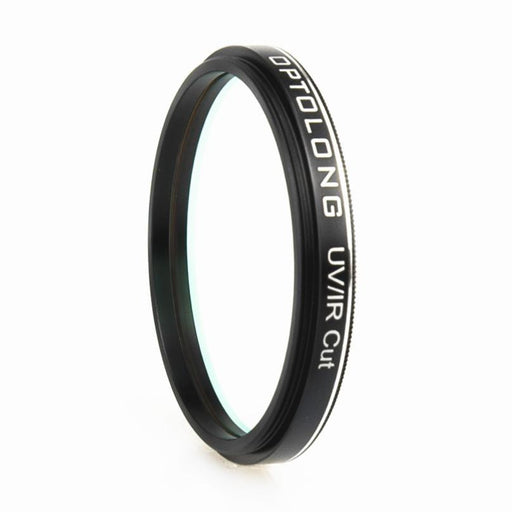
Filtre anti-UV/IR Optolong
Options available
14 variants in stock
Le filtre Optolong UV/IR Cut est conçu pour le blocage des longueurs d'onde ultraviolettes et infrarouges afin d'améliorer la netteté de l'image c...
Afficher tous les détails
Prix d'origine
CA$62.00
-
Prix d'origine
CA$91.00
Prix d'origine
CA$62.00
-
CA$91.00
CA$62.00
-
CA$91.00
Prix actuel
CA$62.00

Prix d'origine
CA$52.00
-
Prix d'origine
CA$64.00
Prix d'origine
CA$52.00
-
CA$64.00
CA$52.00
-
CA$64.00
Prix actuel
CA$52.00
Optolong Variable Polarizing Filter
Options available
3 variants in stock
Continuously Variable Light Transmission Available in 1.25" and 2" Barrel Sizes Ideal for Lunar, Planetary, and Terrestrial Viewing Reduces Glare ...
Afficher tous les détails
Prix d'origine
CA$52.00
-
Prix d'origine
CA$64.00
Prix d'origine
CA$52.00
-
CA$64.00
CA$52.00
-
CA$64.00
Prix actuel
CA$52.00