
Passer au contenu

Langue

Pays

SBIG

SBIG

SBIG cameras have been on serious amateur and institutional telescopes for decades, and the design priorities show it: self-guiding architectures that eliminate a separate guide path, adaptive optics units that correct at rates guiding cannot reach, and mechanical shutters that make dark and flat calibration straightforward. David Astro carries SBIG products in Canada, held in our Canadian warehouse.

These are systems rather than standalone cameras, and specifying them well means planning the filter wheel, guiding and back-focus together. We are happy to work through that with you.
Filtres

Prix d'origine CA$65.00 - Prix d'origine CA$65.00
Prix d'origine
CA$65.00
CA$65.00 - CA$65.00
Prix actuel CA$65.00
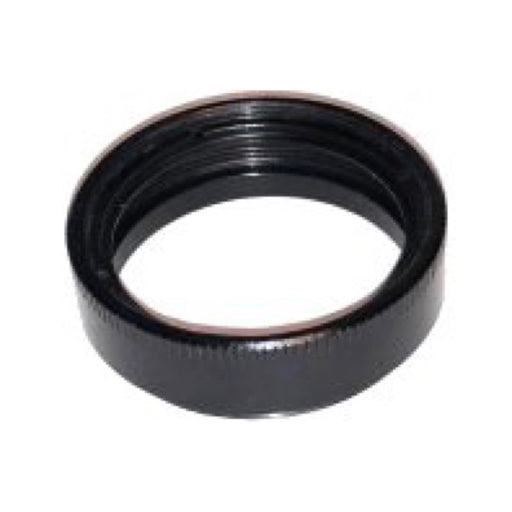
SBIG Cellule de Filtre 1.25" avec Dispositif de Retenue pour Filtres Non Montés de 1.1"

DL-50045

Il s'agit d'une cellule filtrante à visser de 1,25″ pour les filtres en verre standard non montés de 1,1″. La cellule comprend une bague de retenu...

Afficher tous les détails
Prix d'origine CA$65.00 - Prix d'origine CA$65.00
Prix d'origine
CA$65.00
CA$65.00 - CA$65.00
Prix actuel CA$65.00
Prix d'origine CA$55.00 - Prix d'origine CA$55.00
Prix d'origine
CA$55.00
CA$55.00 - CA$55.00
Prix actuel CA$55.00
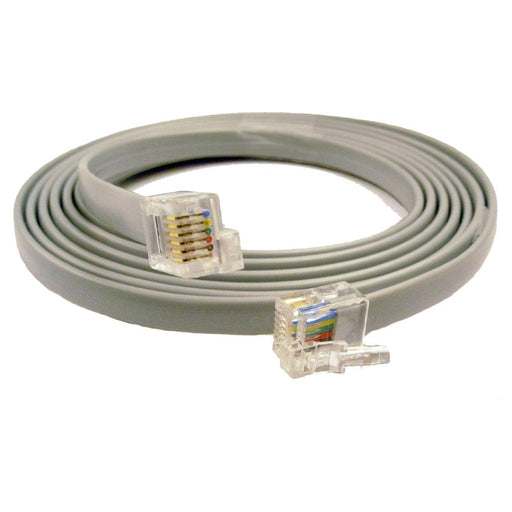
SBIG Câble de Suivi

DL-50711

Câble de suivi standard de 14 pieds (4,2 m) utilisé avec les caméras SBIG.

Prix d'origine CA$55.00 - Prix d'origine CA$55.00
Prix d'origine
CA$55.00
CA$55.00 - CA$55.00
Prix actuel CA$55.00
Prix d'origine CA$267.00 - Prix d'origine CA$267.00
Prix d'origine
CA$267.00
CA$267.00 - CA$267.00
Prix actuel CA$267.00

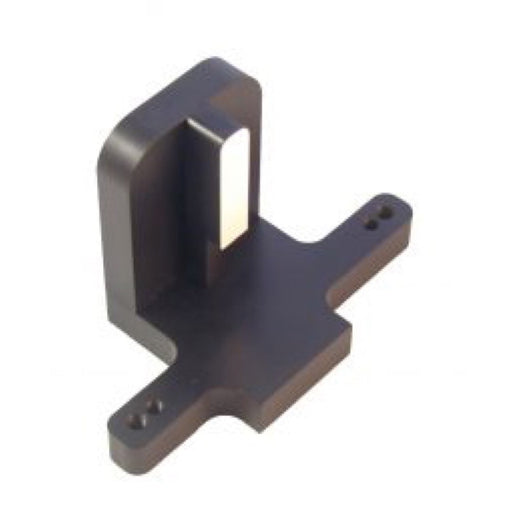
SBIG Support de Caméra pour Trépied - STT, STX et STXL

DL-TRIPOD-MOUNT

Support de trépied pour caméras des séries STT, STX et STXL. Se fixe à l'arrière du boîtier de l'appareil photo à la place d'une poignée de rack. ...

Afficher tous les détails
Prix d'origine CA$267.00 - Prix d'origine CA$267.00
Prix d'origine
CA$267.00
CA$267.00 - CA$267.00
Prix actuel CA$267.00

SBIG Cameras and Integrated Guiding

The distinguishing idea across the range is integration — putting guiding, filter selection and shutter control inside one assembly rather than assembling them from parts.

  • Self-guiding camera bodies: A guide sensor built into the camera head, picking up a star from the same optical path and removing differential flexure entirely.
  • Integrated filter wheels: Wheels designed as part of the camera assembly, giving a known fixed back-focus and a much shorter optical train.
  • Mechanical shutters: Allow automated dark frame capture without covering the telescope, which matters for unattended and remote operation.
  • Adaptive optics units: A tip-tilt element correcting at rates far above what mount guiding can achieve, tightening stars appreciably in good seeing.
  • CCD and CMOS options: Both sensor families across the range, with CCD retaining advantages for certain photometric and scientific applications.
  • Research-grade cooling: Deep, regulated cooling with stable set points suited to long calibrated imaging programmes.

Why Choose David Astro for SBIG

These are long-service instruments, often used in institutional and remote settings, where support access is a real consideration.

  • System specified as a whole: Camera, wheel, guiding and adaptive optics are planned together, including the total back-focus the assembly consumes.
  • Adaptive optics assessed honestly: An AO unit needs a sufficiently bright guide star and good seeing to earn its cost, and we will say when your setup will not benefit.
  • Authorized dealer: Full manufacturer warranty with service and diagnostics handled domestically in Canada.
  • Canadian stock: Ships from Canada without duties or brokerage fees for Canadian orders.
  • Support for research use: Assistance with calibration workflow and integration into automation software for programme observing.

SBIG in Canada — Frequently Asked Questions

What is the advantage of a self-guiding camera?
The guide sensor shares the main optical path, so there is no differential flexure between guide and imaging paths. At long focal lengths this eliminates the most common source of unexplained star elongation.
Is CCD still worth choosing over CMOS?
For most aesthetic imaging, modern CMOS has the advantage in read noise and speed. CCD retains a place in some photometric and scientific applications where linearity and well-characterized response matter.
Do I need adaptive optics?
Only if you have a bright enough guide star, reasonable seeing and a long enough focal length for the correction to matter. Under average Canadian seeing at short focal lengths, the benefit is limited.
Is service available in Canada?
Yes. As an authorized dealer we handle warranty and diagnostics domestically, which matters for equipment often installed remotely and difficult to ship.

Planning an SBIG system?

Tell us your telescope, seeing and imaging goals and we will specify the assembly. Canadian stock and support.