
Modules solaires
A solar filter module turns a telescope you already own into a hydrogen-alpha instrument. An etalon at the front, a blocking filter at the back, and a suitable refractor between them gives you prominences and surface detail without buying a second dedicated telescope. David Astro carries solar modules in Canada, held in Canadian stock.
Not every telescope is suitable, and aperture and focal ratio limits are safety-relevant as well as performance-relevant. Tell us your telescope and we will confirm compatibility before anything ships.
Prix d'origine
CA$1,799.00
-
Prix d'origine
CA$1,799.00
Prix d'origine
CA$1,799.00
CA$1,799.00
-
CA$1,799.00
Prix actuel
CA$1,799.00
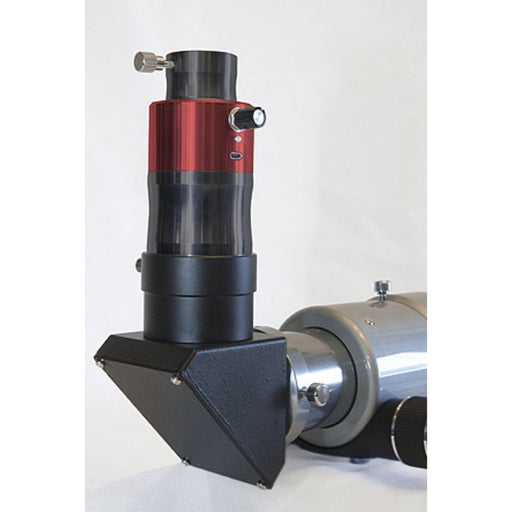
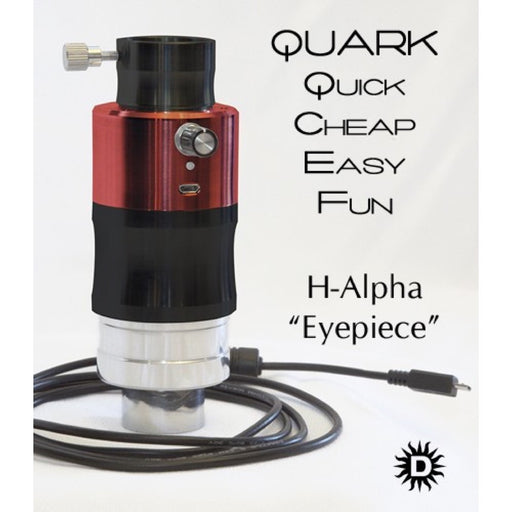
Daystar Filtre Solaire Quark Prominence
DAY-DSZ4P
Cette nouvelle conception tout-en-un associe des composants de haute qualité d'un barlow télécentrique, des adaptateurs, des embouts et un filtre a...
Afficher tous les détails
Prix d'origine
CA$1,799.00
-
Prix d'origine
CA$1,799.00
Prix d'origine
CA$1,799.00
CA$1,799.00
-
CA$1,799.00
Prix actuel
CA$1,799.00
Prix d'origine
CA$1,813.00
-
Prix d'origine
CA$1,813.00
Prix d'origine
CA$1,813.00
CA$1,813.00
-
CA$1,813.00
Prix actuel
CA$1,813.00
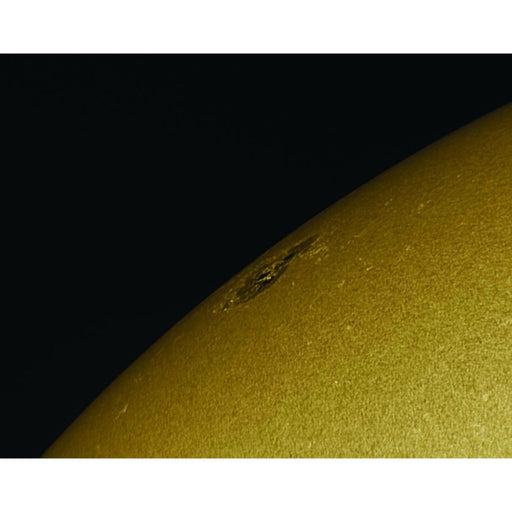
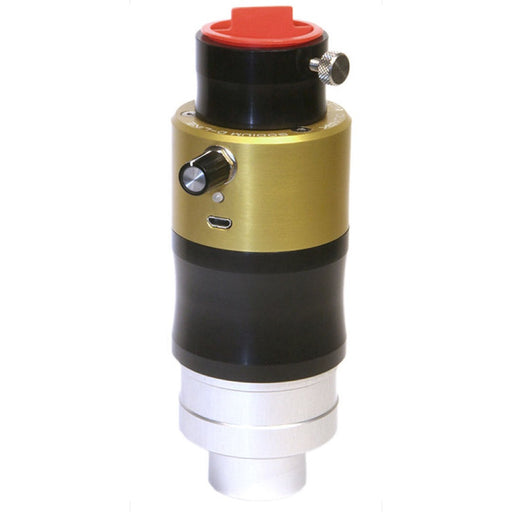
Daystar Filtre Solaire Sodium Quark
DAY-DSZSD
Daystar Instruments QUARK Sodium D line "Oculaire" À la demande générale, nous introduisons une version de la ligne Sodium D du Quark, pour une ...
Afficher tous les détails
Prix d'origine
CA$1,813.00
-
Prix d'origine
CA$1,813.00
Prix d'origine
CA$1,813.00
CA$1,813.00
-
CA$1,813.00
Prix actuel
CA$1,813.00

Prix d'origine
CA$973.00
-
Prix d'origine
CA$973.00
Prix d'origine
CA$973.00
CA$973.00
-
CA$973.00
Prix actuel
CA$973.00
Lunt 40mm Double Stack Solar Filter for LS40THa
LSS-LS40FHa
1 en stock
Double-stack upgrade for Lunt LS40THa telescopes Reduces system bandpass to <0.29Å 40mm clear aperture Front-mounted, tilt-tuned etalon Reveals...
Afficher tous les détails
Prix d'origine
CA$973.00
-
Prix d'origine
CA$973.00
Prix d'origine
CA$973.00
CA$973.00
-
CA$973.00
Prix actuel
CA$973.00

Prix d'origine
CA$1,393.00
-
Prix d'origine
CA$1,393.00
Prix d'origine
CA$1,393.00
CA$1,393.00
-
CA$1,393.00
Prix actuel
CA$1,393.00
Lunt Module Double Stack 50mm - LS50THa
LSS-LS50CP
1 en stock
Le Lunt LS50C est un filtre compact à double empilement pour le télescope LS50THa Il abaisse la bande passante à <0,5 Angströms Se visse faci...
Afficher tous les détails
Prix d'origine
CA$1,393.00
-
Prix d'origine
CA$1,393.00
Prix d'origine
CA$1,393.00
CA$1,393.00
-
CA$1,393.00
Prix actuel
CA$1,393.00
Prix d'origine
CA$1,603.00
-
Prix d'origine
CA$1,603.00
Prix d'origine
CA$1,603.00
CA$1,603.00
-
CA$1,603.00
Prix actuel
CA$1,603.00
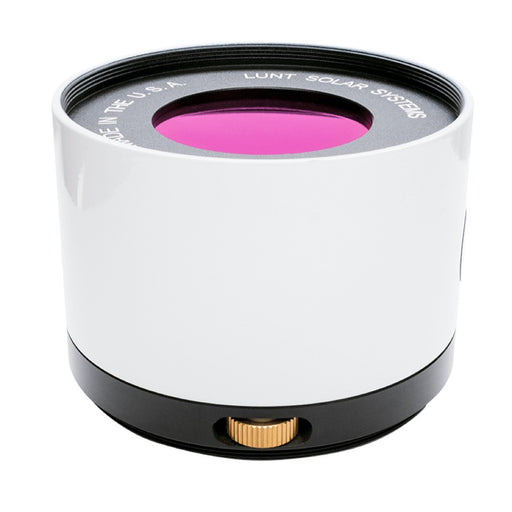
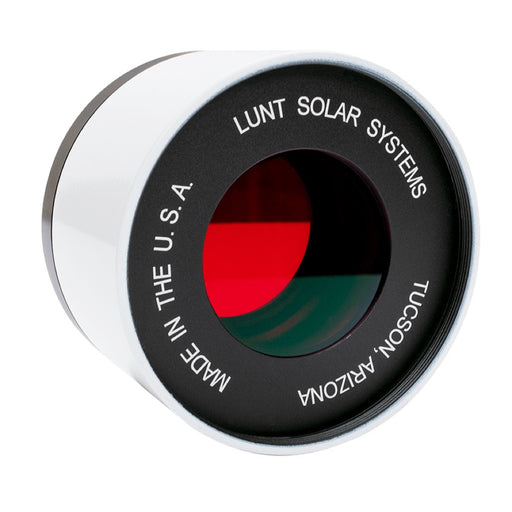
Lunt Étalon Filtrant Ha 50mm
LSS-LS50FHaP
Filtre solaire LS50FHa filtre hydrogène-alpha non obstrué monté à l'avant pour une utilisation sur les télescopes Lunt ED ou le double empilemen...
Afficher tous les détails
Prix d'origine
CA$1,603.00
-
Prix d'origine
CA$1,603.00
Prix d'origine
CA$1,603.00
CA$1,603.00
-
CA$1,603.00
Prix actuel
CA$1,603.00
Prix d'origine
CA$2,093.00
-
Prix d'origine
CA$2,093.00
Prix d'origine
CA$2,093.00
CA$2,093.00
-
CA$2,093.00
Prix actuel
CA$2,093.00
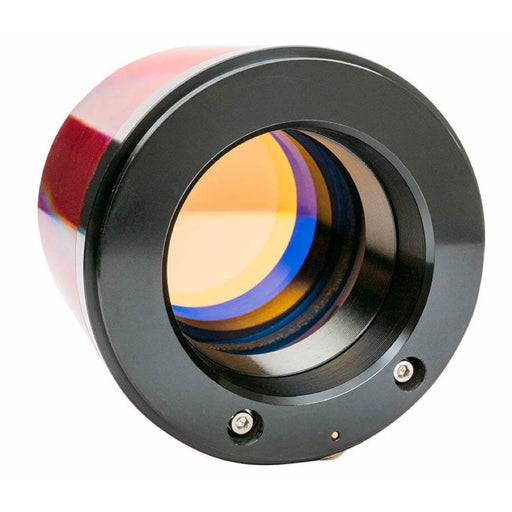
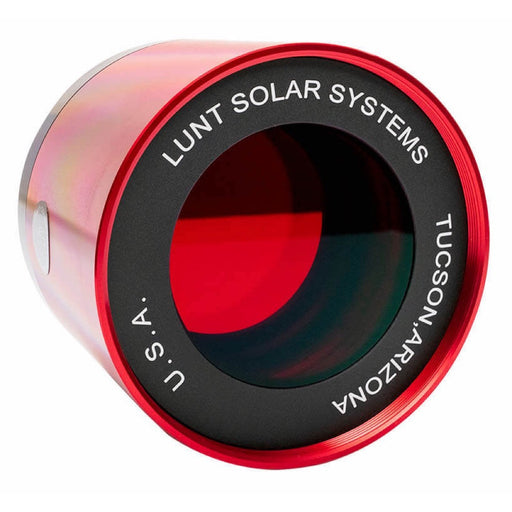
Lunt Étalon Filtrant Ha60mm
LSS-LS60FHa
Filtre H-Alpha LS60FHa, filtre hydrogène-alpha non obstrué monté à l'avant de 60 mm pour une utilisation sur une large gamme de télescopes ! Con...
Afficher tous les détails
Prix d'origine
CA$2,093.00
-
Prix d'origine
CA$2,093.00
Prix d'origine
CA$2,093.00
CA$2,093.00
-
CA$2,093.00
Prix actuel
CA$2,093.00
Prix d'origine
CA$693.00
-
Prix d'origine
CA$693.00
Prix d'origine
CA$693.00
CA$693.00
-
CA$693.00
Prix actuel
CA$693.00
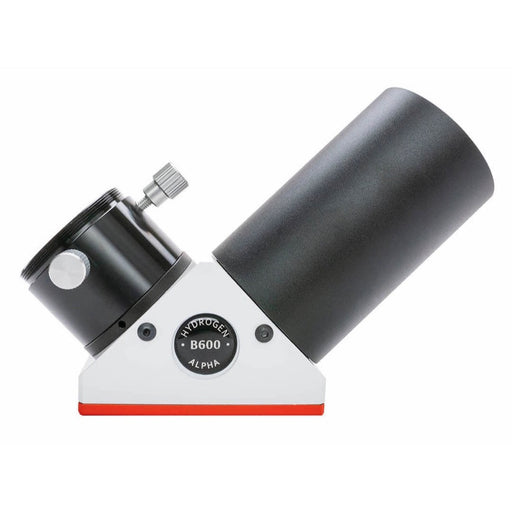
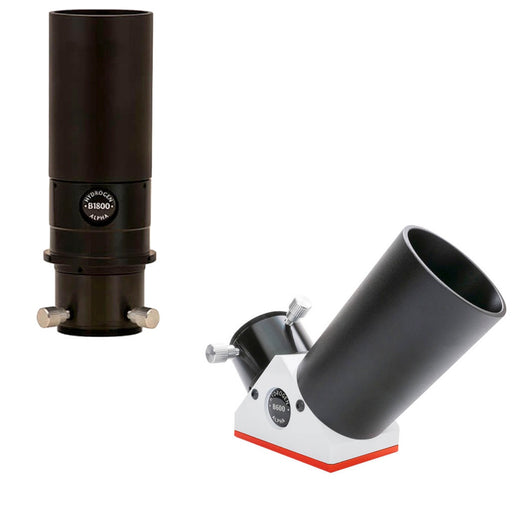
Lunt Filtre Bloquant B1200
Options available
Un filtre de blocage est un composant requis lors de l'utilisation de tout filtre solaire ou télescope solaire Lunt. Le boîtier contient des fi...
Afficher tous les détails
Prix d'origine
CA$693.00
-
Prix d'origine
CA$693.00
Prix d'origine
CA$693.00
CA$693.00
-
CA$693.00
Prix actuel
CA$693.00
Prix d'origine
CA$2,093.00
-
Prix d'origine
CA$2,093.00
Prix d'origine
CA$2,093.00
CA$2,093.00
-
CA$2,093.00
Prix actuel
CA$2,093.00
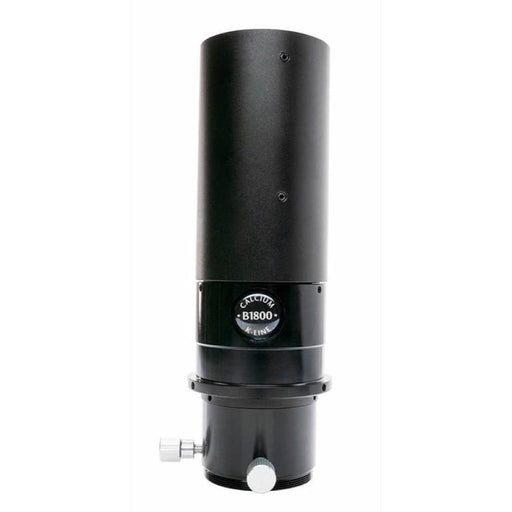
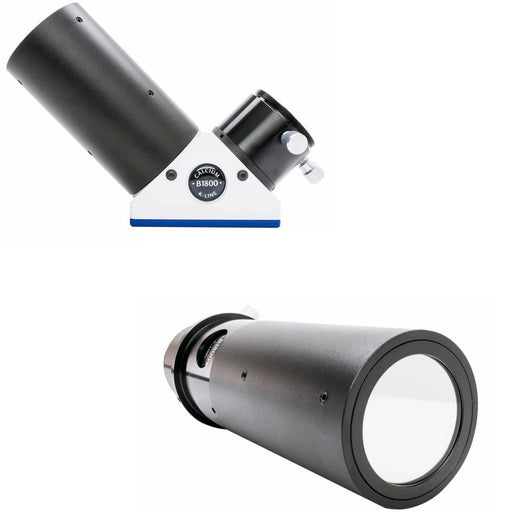
Lunt Filtre Bloquant B1200 CaK
Options available
Des télescopes et des filtres à calcium K (Ca-K) sont utilisés pour étudier la longueur d'onde de 393,4 nm. Avoir la capacité d'étudier le Calc...
Afficher tous les détails
Prix d'origine
CA$2,093.00
-
Prix d'origine
CA$2,093.00
Prix d'origine
CA$2,093.00
CA$2,093.00
-
CA$2,093.00
Prix actuel
CA$2,093.00
Prix d'origine
CA$1,113.00
-
Prix d'origine
CA$1,113.00
Prix d'origine
CA$1,113.00
CA$1,113.00
-
CA$1,113.00
Prix actuel
CA$1,113.00
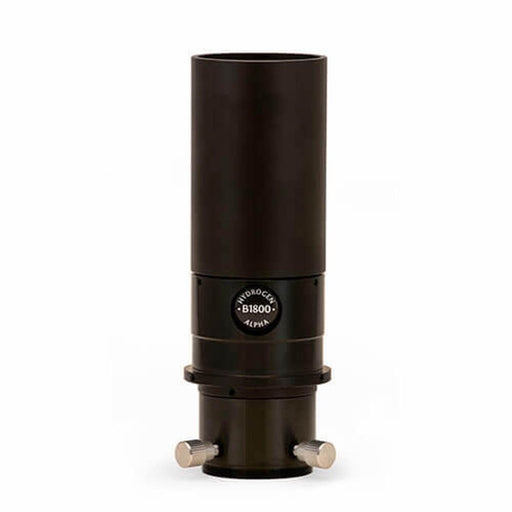
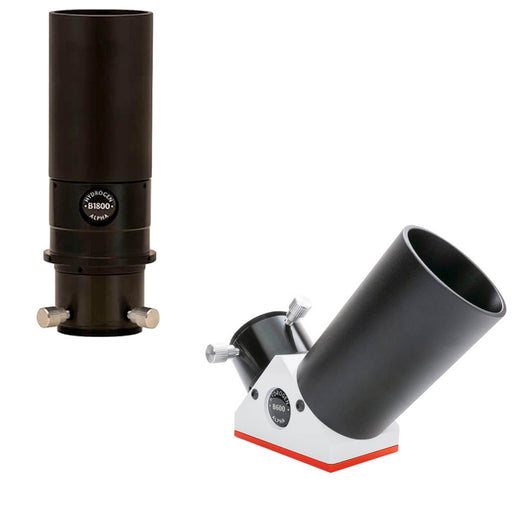
Lunt Filtre Bloquant B1800
Options available
Un filtre de blocage est un composant requis lors de l'utilisation de tout filtre solaire ou télescope solaire Lunt. Le boîtier contient des fil...
Afficher tous les détails
Prix d'origine
CA$1,113.00
-
Prix d'origine
CA$1,113.00
Prix d'origine
CA$1,113.00
CA$1,113.00
-
CA$1,113.00
Prix actuel
CA$1,113.00
Prix d'origine
CA$2,373.00
-
Prix d'origine
CA$2,373.00
Prix d'origine
CA$2,373.00
CA$2,373.00
-
CA$2,373.00
Prix actuel
CA$2,373.00
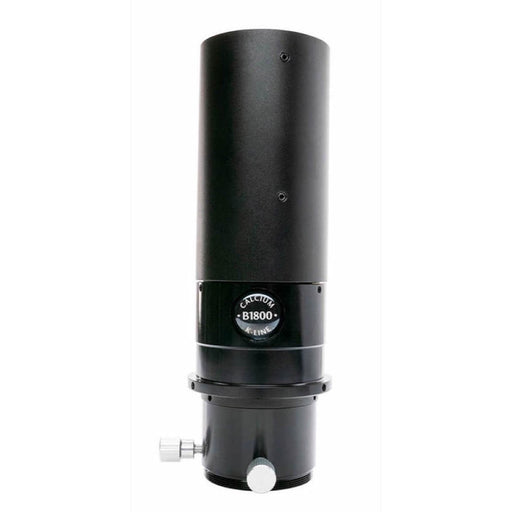
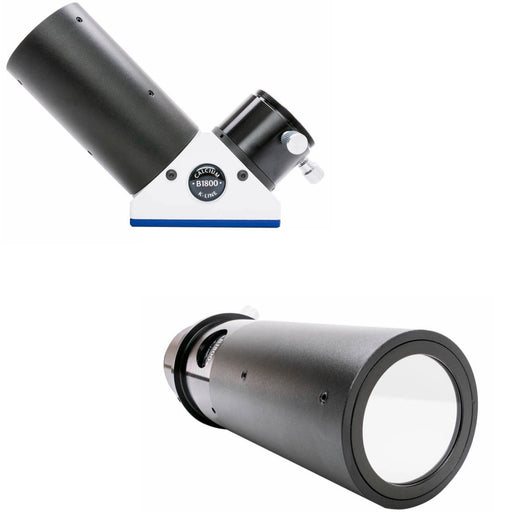
Lunt Filtre Bloquant B1800 Calcium K
Options available
Des télescopes et des filtres à calcium K (Ca-K) sont utilisés pour étudier la longueur d'onde de 393,4 nm. Avoir la capacité d'étudier le Calc...
Afficher tous les détails
Prix d'origine
CA$2,373.00
-
Prix d'origine
CA$2,373.00
Prix d'origine
CA$2,373.00
CA$2,373.00
-
CA$2,373.00
Prix actuel
CA$2,373.00
Prix d'origine
CA$3,493.00
-
Prix d'origine
CA$3,493.00
Prix d'origine
CA$3,493.00
CA$3,493.00
-
CA$3,493.00
Prix actuel
CA$3,493.00
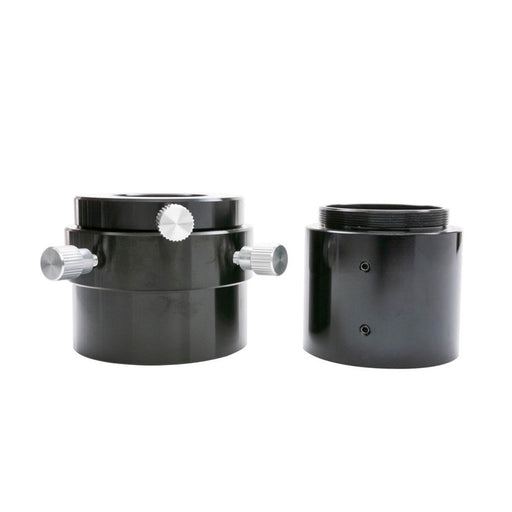
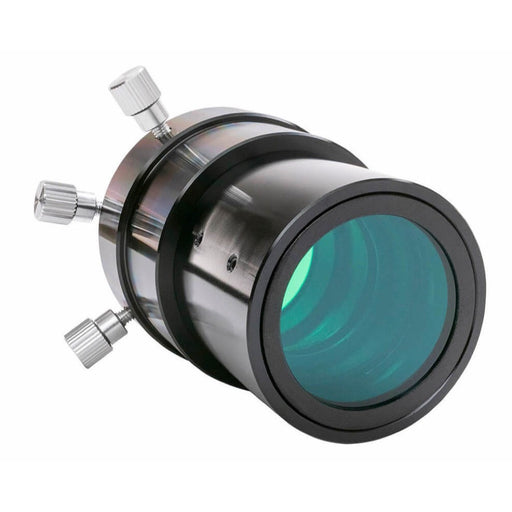
Lunt Filtre Bloquant B3400
LSS-B3400s2
Un filtre de blocage est un composant requis lors de l'utilisation de tout filtre solaire ou télescope solaire Lunt. Le boîtier contient des fi...
Afficher tous les détails
Prix d'origine
CA$3,493.00
-
Prix d'origine
CA$3,493.00
Prix d'origine
CA$3,493.00
CA$3,493.00
-
CA$3,493.00
Prix actuel
CA$3,493.00
Prix d'origine
CA$553.00
-
Prix d'origine
CA$553.00
Prix d'origine
CA$553.00
CA$553.00
-
CA$553.00
Prix actuel
CA$553.00
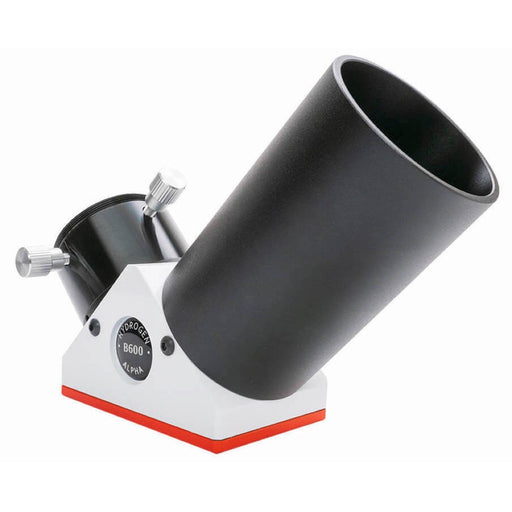
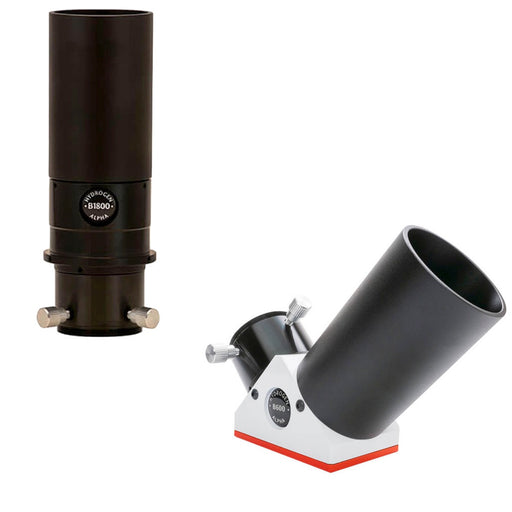
Lunt Filtre Bloquant B600
Options available
3 variants in stock
Un filtre de blocage est un composant requis lors de l'utilisation de tout filtre solaire ou télescope solaire Lunt. Le boîtier contient des fil...
Afficher tous les détails
Prix d'origine
CA$553.00
-
Prix d'origine
CA$553.00
Prix d'origine
CA$553.00
CA$553.00
-
CA$553.00
Prix actuel
CA$553.00
Prix d'origine
CA$1,253.00
-
Prix d'origine
CA$1,253.00
Prix d'origine
CA$1,253.00
CA$1,253.00
-
CA$1,253.00
Prix actuel
CA$1,253.00
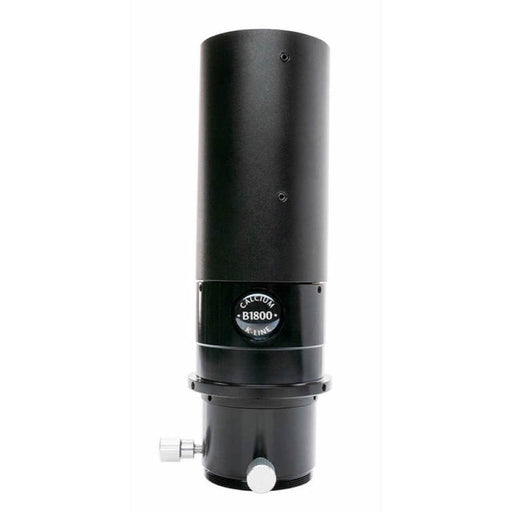
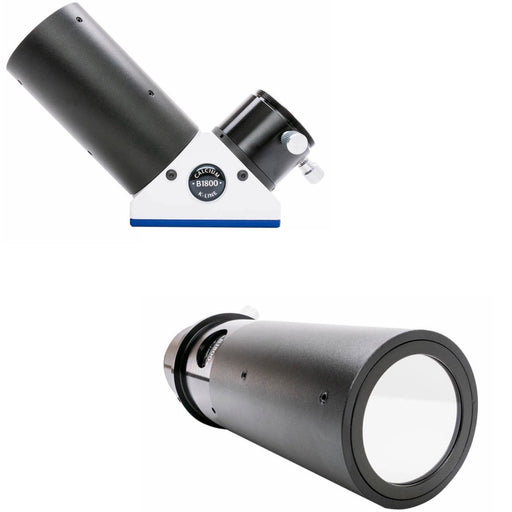
Lunt Filtre Bloquant B600 Calcium K
Options available
Des télescopes et des filtres à calcium K (Ca-K) sont utilisés pour étudier la longueur d'onde de 393,4 nm. Avoir la capacité d'étudier le Calc...
Afficher tous les détails
Prix d'origine
CA$1,253.00
-
Prix d'origine
CA$1,253.00
Prix d'origine
CA$1,253.00
CA$1,253.00
-
CA$1,253.00
Prix actuel
CA$1,253.00
Prix d'origine
CA$349.00
-
Prix d'origine
CA$377.00
Prix d'origine
CA$349.00
-
CA$377.00
CA$349.00
-
CA$377.00
Prix actuel
CA$349.00
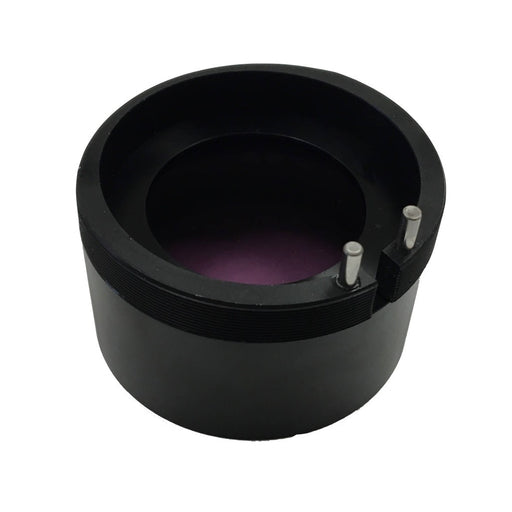
Lunt Filtre H-alpha Haute Résolution pour Modules DS
Options available
Le filtre haute résolution Lunt est un complément idéal à un système interne à double pile. Le filtre réduit la faible lueur d'arrière-plan inhére...
Afficher tous les détails
Prix d'origine
CA$349.00
-
Prix d'origine
CA$377.00
Prix d'origine
CA$349.00
-
CA$377.00
CA$349.00
-
CA$377.00
Prix actuel
CA$349.00
Prix d'origine
CA$4,193.00
-
Prix d'origine
CA$4,193.00
Prix d'origine
CA$4,193.00
CA$4,193.00
-
CA$4,193.00
Prix actuel
CA$4,193.00
Lunt Module Double Stack Interne pour LS152THa
LSS-DSII/LS152TP
Ajoutez un module interne à double empilement à un télescope solaire Lunt LS152THa pour une bande passante abaissée de <0,5 Angströms ! Le LS1...
Afficher tous les détails
Prix d'origine
CA$4,193.00
-
Prix d'origine
CA$4,193.00
Prix d'origine
CA$4,193.00
CA$4,193.00
-
CA$4,193.00
Prix actuel
CA$4,193.00


Prix d'origine
CA$2,093.00
-
Prix d'origine
CA$2,093.00
Prix d'origine
CA$2,093.00
CA$2,093.00
-
CA$2,093.00
Prix actuel
CA$2,093.00
Lunt Double Stack Interne Petit Format - LS80MT, LS80THaPT & LS100MT
LSS-DSII/SFPTP
Lunt Interne Double Stack Petit Format - LS80MT, LS80THaPT & LS100MT
Prix d'origine
CA$2,093.00
-
Prix d'origine
CA$2,093.00
Prix d'origine
CA$2,093.00
CA$2,093.00
-
CA$2,093.00
Prix actuel
CA$2,093.00


Prix d'origine
CA$69.00
-
Prix d'origine
CA$125.00
Prix d'origine
CA$69.00
-
CA$125.00
CA$69.00
-
CA$125.00
Prix actuel
CA$69.00
Player One ERF Filter S-series for Quark Chromosphere
Options available
Available in 1.25" and 2" filter sizes Energy Rejection Filter (ERF) for Quark Chromosphere Designed for refractors up to 5" (1.25" version) or 6"...
Afficher tous les détails
Prix d'origine
CA$69.00
-
Prix d'origine
CA$125.00
Prix d'origine
CA$69.00
-
CA$125.00
CA$69.00
-
CA$125.00
Prix actuel
CA$69.00