
Adaptative Optics
Mount guiding corrects at roughly one-second intervals, which is fine for tracking error and useless against atmospheric turbulence that changes many times per second. An adaptive optics unit corrects at those higher rates by tilting a small optical element, tightening star images beyond what any mount can achieve alone. David Astro carries adaptive optics products in Canada, held in Canadian stock.
The benefit depends heavily on guide star brightness, seeing and focal length. Tell us all three and we will give you an honest assessment before you spend.
Original price
$1,019.00
-
Original price
$1,019.00
Original price
$1,019.00
$1,019.00
-
$1,019.00
Current price
$1,019.00
SBIG AO-8 Adaptative Optics
Options available
Adaptive Optics unit for Aluma and STF camerasThe AO-8A works with the STF and Aluma series cameras. The AO-8A requires an off-axis guide camera be...
View full details
Original price
$1,019.00
-
Original price
$1,019.00
Original price
$1,019.00
$1,019.00
-
$1,019.00
Current price
$1,019.00
Original price
$189.00
-
Original price
$189.00
Original price
$189.00
$189.00
-
$189.00
Current price
$189.00
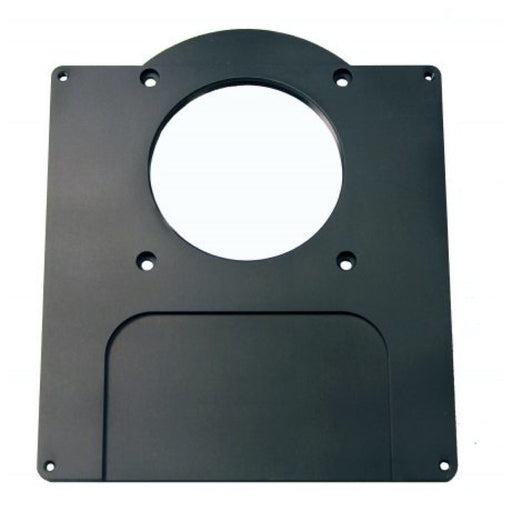
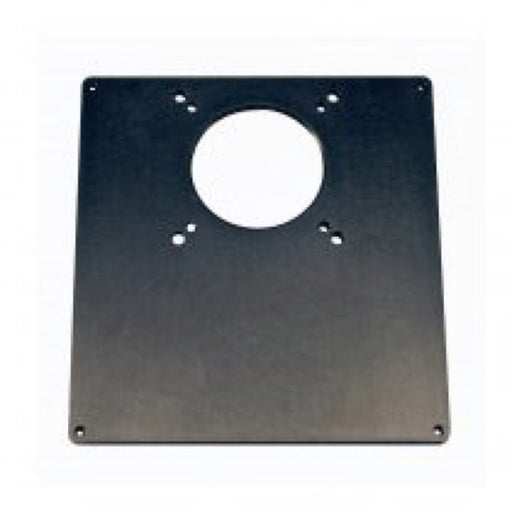
SBIG AO-8 Conversion Plate
Options available
Conversion plates can be used to adapt AO-8 / AO-8T / AO-8A adaptive optics units to different camera models.
Original price
$189.00
-
Original price
$189.00
Original price
$189.00
$189.00
-
$189.00
Current price
$189.00
Original price
$2,319.00
-
Original price
$2,319.00
Original price
$2,319.00
$2,319.00
-
$2,319.00
Current price
$2,319.00
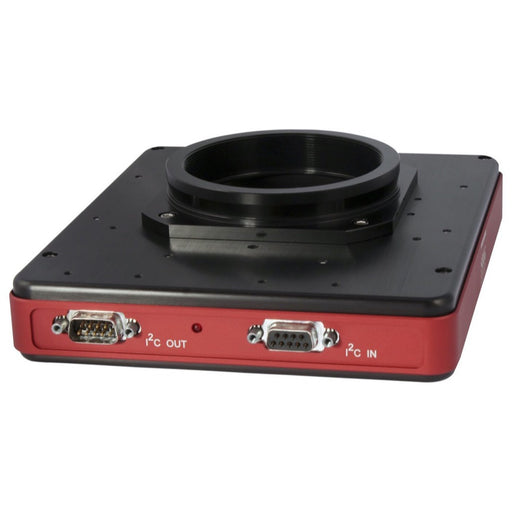
SBIG AO-X Adaptive Optics
DL-AO-X
The next-generation of adaptive optics for our SBIG large-format cameras.The SBIG AO-X is a large aperture AO designed to be compatible with all la...
View full details
Original price
$2,319.00
-
Original price
$2,319.00
Original price
$2,319.00
$2,319.00
-
$2,319.00
Current price
$2,319.00
Original price
$2,418.00
-
Original price
$2,418.00
Original price
$2,418.00
$2,418.00
-
$2,418.00
Current price
$2,418.00
SBIG StarChaser SC-2 / AO-8A Bundle
DL-SC2-AO8-PACK
#N/A
Original price
$2,418.00
-
Original price
$2,418.00
Original price
$2,418.00
$2,418.00
-
$2,418.00
Current price
$2,418.00
Original price
$3,718.00
-
Original price
$3,718.00
Original price
$3,718.00
$3,718.00
-
$3,718.00
Current price
$3,718.00
SBIG StarChaser SC-3 / AO-X Bundle
DL-SC3-AOX-PACK
#N/A
Original price
$3,718.00
-
Original price
$3,718.00
Original price
$3,718.00
$3,718.00
-
$3,718.00
Current price
$3,718.00
Original price
$3,383.00
-
Original price
$3,383.00
Original price
$3,383.00
$3,383.00
-
$3,383.00
Current price
$3,383.00
SBIG StarChaser SC-4/ AO-X Bundle
DL-SC4-AOX-PACK
#N/A
Original price
$3,383.00
-
Original price
$3,383.00
Original price
$3,383.00
$3,383.00
-
$3,383.00
Current price
$3,383.00