
Guiding Equipment
No mount tracks perfectly. Autoguiding measures the drift against a real star many times a minute and sends corrections, turning a mount that holds thirty seconds into one that holds ten minutes. It is the single change that most often takes an imager from discarding half their subs to keeping nearly all of them. David Astro carries autoguiding products in Canada — guide cameras, guide scopes and off-axis guiders — stocked in Canada and shipped worldwide.
Whether you should guide through a separate scope or off the main optic depends almost entirely on focal length. Tell us yours and we will give you a direct answer.
Original price
CA$206.00
-
Original price
CA$206.00
Original price
CA$206.00
CA$206.00
-
CA$206.00
Current price
CA$206.00
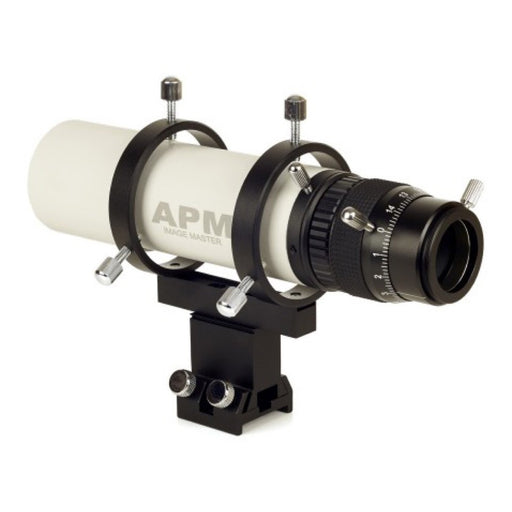
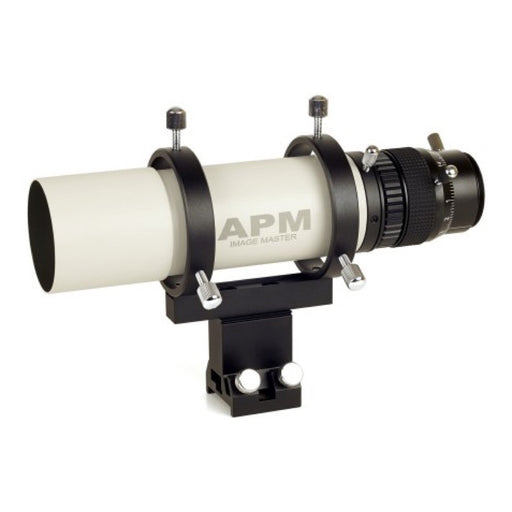
APM 50mm Image Master Guide Scope
APM-50-GUIDE
Only 2 left!
APM Image Master Mini Guiding Scope 50 mm - Deluxe Finder ScopeThe compact lightweight mini Telescope - perfect for guiding, searching or spottingT...
View full details
Original price
CA$206.00
-
Original price
CA$206.00
Original price
CA$206.00
CA$206.00
-
CA$206.00
Current price
CA$206.00
Original price
CA$150.00
-
Original price
CA$150.00
Original price
CA$150.00
CA$150.00
-
CA$150.00
Current price
CA$150.00
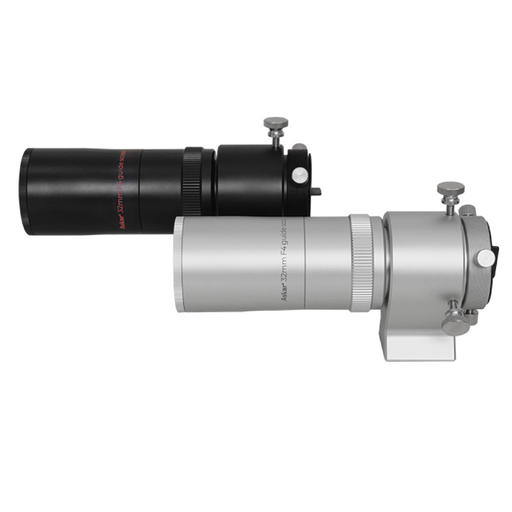
Askar 32mm F4 Guide Scope
Options available
7 variants in stock
32mm Aperture 128mm Focal Length (f/4) Contains One ED Glass Element Precision Helical Focuser Weighs only 303g Description FAQ Specifications ...
View full details
Original price
CA$150.00
-
Original price
CA$150.00
Original price
CA$150.00
CA$150.00
-
CA$150.00
Current price
CA$150.00


Original price
CA$276.00
-
Original price
CA$276.00
Original price
CA$276.00
CA$276.00
-
CA$276.00
Current price
CA$276.00
Askar 52mm F4 Guide Scope
Options available
8 variants in stock
Aperture: 52mm Focal Length: 208mm Focal Ratio: f/4 Focuser: Helical with 25mm travel Weight: 631g Description FAQ Specifications In the Box Do...
View full details
Original price
CA$276.00
-
Original price
CA$276.00
Original price
CA$276.00
CA$276.00
-
CA$276.00
Current price
CA$276.00

Original price
CA$399.00
-
Original price
CA$399.00
Original price
CA$399.00
CA$399.00
-
CA$399.00
Current price
CA$399.00
Askar 52mm Super ED Guide Scope
ASK-ASKAR52SGS
52mm Aperture 249.6mm Focal Length (f/4.8) Air-Spaced Doublet Objective Lightweight 0.74kg Design Includes M42x0.75 and 1.25" Adapters Descript...
View full details
Original price
CA$399.00
-
Original price
CA$399.00
Original price
CA$399.00
CA$399.00
-
CA$399.00
Current price
CA$399.00

Original price
CA$276.00
-
Original price
CA$276.00
Original price
CA$276.00
CA$276.00
-
CA$276.00
Current price
CA$276.00
Askar M54 Off-Axis Guider (OAG)
ASK-ASKAROAG
1 in stock
Large 10mm x 10mm guide prism M54, M48, and M42 adapters provide broad compatibility Optimized for full-frame cameras Rigid CNC-machined construct...
View full details
Original price
CA$276.00
-
Original price
CA$276.00
Original price
CA$276.00
CA$276.00
-
CA$276.00
Current price
CA$276.00


Original price
CA$209.00
-
Original price
CA$209.00
Original price
CA$209.00
CA$209.00
-
CA$209.00
Current price
CA$209.00
Baader Guide Scope Rings BP I - 60-120mm
BAA-1500201
Accommodates Tube Diameters: 60mm to 120mm Ring Width: 28mm Adjustment Screws: Three M10 with Non-Rotating Ball-Bearing Tips Material: Solid Turne...
View full details
Original price
CA$209.00
-
Original price
CA$209.00
Original price
CA$209.00
CA$209.00
-
CA$209.00
Current price
CA$209.00


Original price
CA$271.00
-
Original price
CA$271.00
Original price
CA$271.00
CA$271.00
-
CA$271.00
Current price
CA$271.00
Baader Guide Scope Rings BP II - 110-160mm
BAA-1500202
Accommodates Tube Diameters from 110mm to 160mm Massive 28mm Ring Width for High Rigidity Three M10 Adjustment Screws Per Ring 10mm Non-Rotating, ...
View full details
Original price
CA$271.00
-
Original price
CA$271.00
Original price
CA$271.00
CA$271.00
-
CA$271.00
Current price
CA$271.00
Original price
CA$178.00
-
Original price
CA$178.00
Original price
CA$178.00
CA$178.00
-
CA$178.00
Current price
CA$178.00
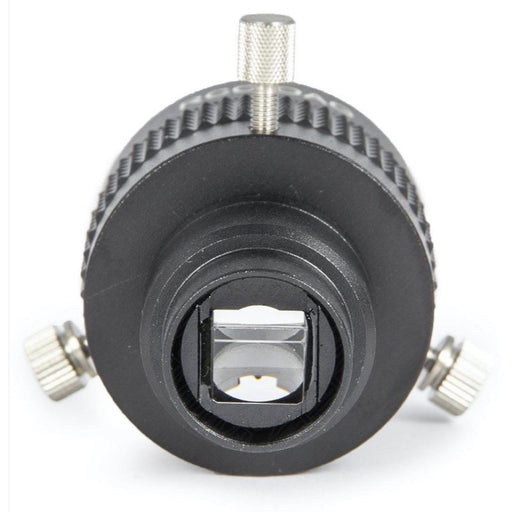
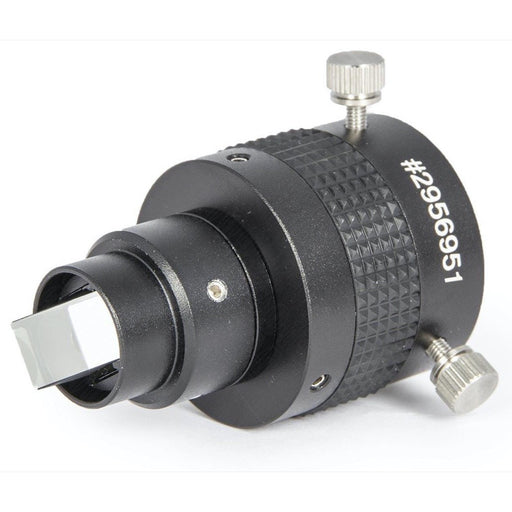
Baader Off Axis Guider for Baader FlipMirror II
BAA-2956951
1 in stock
Designed exclusively for the Baader FlipMirror II (BFM II) Attaches directly to the 19 mm bottom port Tunable prism allows for precise guide star ...
View full details
Original price
CA$178.00
-
Original price
CA$178.00
Original price
CA$178.00
CA$178.00
-
CA$178.00
Current price
CA$178.00
Original price
CA$244.00
-
Original price
CA$244.00
Original price
CA$244.00
CA$244.00
-
CA$244.00
Current price
CA$244.00
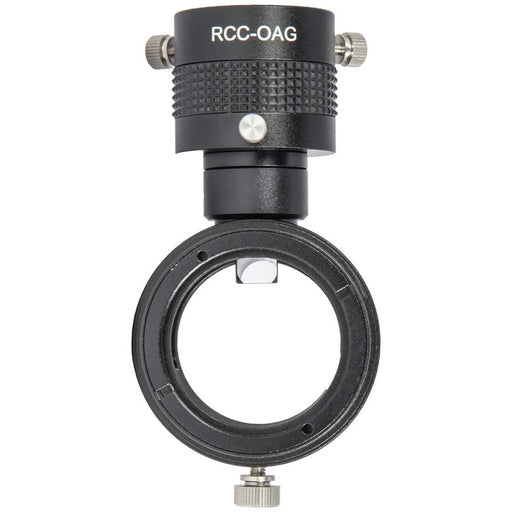
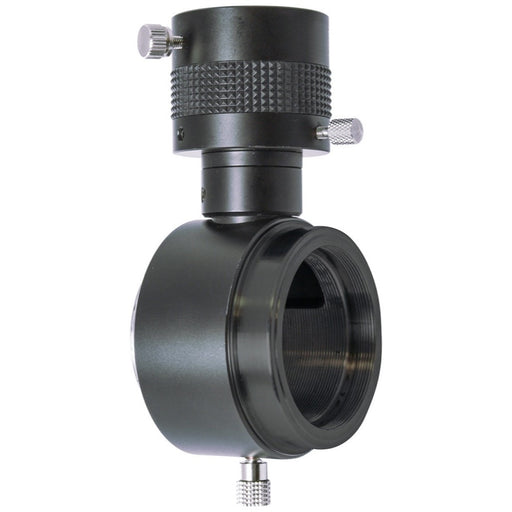
Baader Off-Axis Guider for RCC Coma Corrector
BAA-2956950
Tunable pick-off prism for guide star centering Designed for the Baader RCC Newtonian Coma Corrector Accepts standard 1 1/4" guide cameras and eye...
View full details
Original price
CA$244.00
-
Original price
CA$244.00
Original price
CA$244.00
CA$244.00
-
CA$244.00
Current price
CA$244.00


Original price
CA$392.00
-
Original price
CA$392.00
Original price
CA$392.00
CA$392.00
-
CA$392.00
Current price
CA$392.00
Baader Planetarium Guidescope Rings (1 pair) – Size III, 140-185mm
BAA-1500203
Designed for Tube Diameters from 140-185mm Solid, Turned Aluminum Construction Non-Rotating, Non-Marring V2A Steel Tips Ball-Bearing Adjustment Me...
View full details
Original price
CA$392.00
-
Original price
CA$392.00
Original price
CA$392.00
CA$392.00
-
CA$392.00
Current price
CA$392.00


Original price
CA$947.00
-
Original price
CA$947.00
Original price
CA$947.00
CA$947.00
-
CA$947.00
Current price
CA$947.00
Baader Planetarium Guidescope Rings (1 pair) – Size IV, 175-265mm
BAA-1500204
Size IV Guidescope Rings (Pair) Non-Rotating, Non-Marring Adjustment Screws Ball-Bearing V2A Steel Screw Tips Integrated Accessory Mounting Points...
View full details
Original price
CA$947.00
-
Original price
CA$947.00
Original price
CA$947.00
CA$947.00
-
CA$947.00
Current price
CA$947.00
Original price
CA$58.00
-
Original price
CA$58.00
Original price
CA$58.00
CA$58.00
-
CA$58.00
Current price
CA$58.00
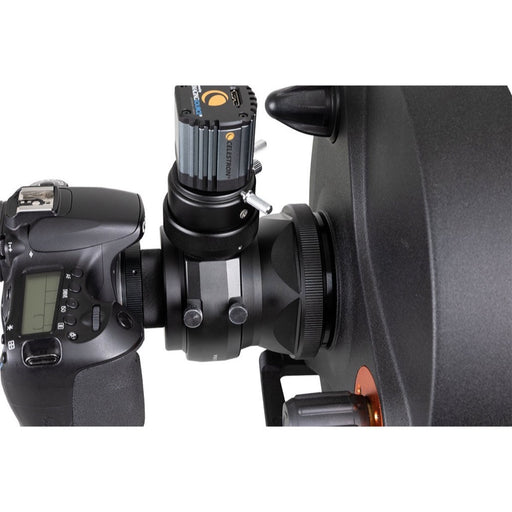
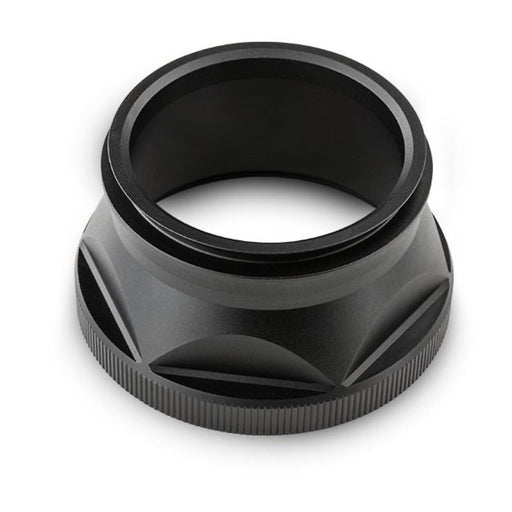
Celestron Large SCT & EdgeHD Adapter V2 for Off-Axis Guider
CEL-93666
1 in stock
Connects Celestron Off-Axis Guider to 9.25", 11", and 14" SCT & EdgeHD telescopes Provides a 63mm clear aperture to fully illuminate full-fram...
View full details
Original price
CA$58.00
-
Original price
CA$58.00
Original price
CA$58.00
CA$58.00
-
CA$58.00
Current price
CA$58.00
Original price
CA$486.00
-
Original price
CA$486.00
Original price
CA$486.00
CA$486.00
-
CA$486.00
Current price
CA$486.00
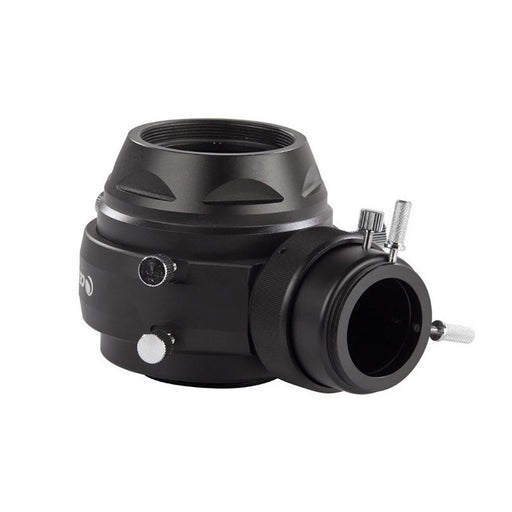
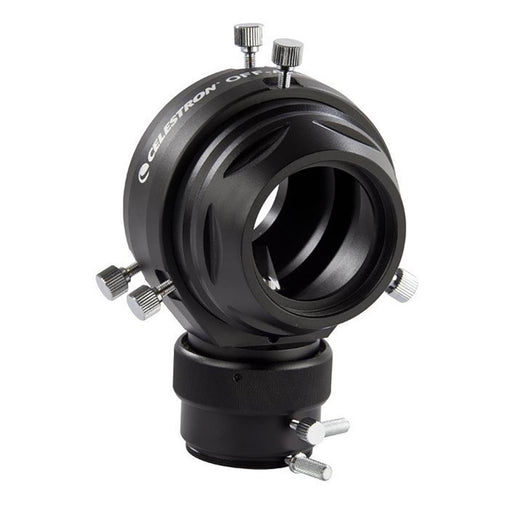
Celestron Off-Axis Guider
CEL-93648
1 in stock
Uses a 12.5 mm prism to intercept light from the telescope's optical path Large 48mm clear aperture minimizes vignetting 8 mm of travel on the hel...
View full details
Original price
CA$486.00
-
Original price
CA$486.00
Original price
CA$486.00
CA$486.00
-
CA$486.00
Current price
CA$486.00

Original price
CA$110.00
-
Original price
CA$110.00
Original price
CA$110.00
CA$110.00
-
CA$110.00
Current price
CA$110.00
David Astro 50mm Guide Scope
DAV-GUIDE-50
Only 5 left!
The 50mm Guide Scope with a 190mm focal length is designed for precise tracking during astrophotography and deep-sky observation. Its compact and...
View full details
Original price
CA$110.00
-
Original price
CA$110.00
Original price
CA$110.00
CA$110.00
-
CA$110.00
Current price
CA$110.00

Original price
CA$130.00
-
Original price
CA$130.00
Original price
CA$130.00
CA$130.00
-
CA$130.00
Current price
CA$130.00
David Astro 60mm Guide Scope
DAV-GUIDE-60
The 60mm Guide Scope with a 240mm focal length is designed for precise tracking during astrophotography and deep-sky observation. Its compact and...
View full details
Original price
CA$130.00
-
Original price
CA$130.00
Original price
CA$130.00
CA$130.00
-
CA$130.00
Current price
CA$130.00
Sold out


Original price
CA$130.00
-
Original price
CA$130.00
Original price
CA$130.00
CA$130.00
-
CA$130.00
Current price
CA$130.00
iOptron iGuiderTM mini Guiding Scope
IOP-3361
Compact and Lightweight Design Essential for Long-Exposure Astrophotography Enables High-Precision Autoguiding Ideal for Portable Telescope Setups...
View full details
Original price
CA$130.00
-
Original price
CA$130.00
Original price
CA$130.00
CA$130.00
-
CA$130.00
Current price
CA$130.00

Original price
CA$218.00
-
Original price
CA$218.00
Original price
CA$218.00
CA$218.00
-
CA$218.00
Current price
CA$218.00
Orion Optics UK OMC200 Guidescope plate bar for OMC140
OOUK-OMC200-GUIDESCOPE-PLATE-BAR-OMC140
Mounts a guide scope alongside the OTA Fits OMC140 and OMC200 CNC machined in the UK Description Specifications In the Box Warranty OMC G...
View full details
Original price
CA$218.00
-
Original price
CA$218.00
Original price
CA$218.00
CA$218.00
-
CA$218.00
Current price
CA$218.00


Original price
CA$148.00
-
Original price
CA$148.00
Original price
CA$148.00
CA$148.00
-
CA$148.00
Current price
CA$148.00
Orion Optics UK Rolled tube rings/cradles guide scope plate (PGP)
OOUK-ROLLED-TUBE-RINGS-CRADLES-GUIDESCOPE
Wide platform designed for stable guide scope mounting Slotted design for compatibility with various tube ring spacings Pre-tapped threaded holes ...
View full details
Original price
CA$148.00
-
Original price
CA$148.00
Original price
CA$148.00
CA$148.00
-
CA$148.00
Current price
CA$148.00
Original price
CA$266.00
-
Original price
CA$266.00
Original price
CA$266.00
CA$266.00
-
CA$266.00
Current price
CA$266.00
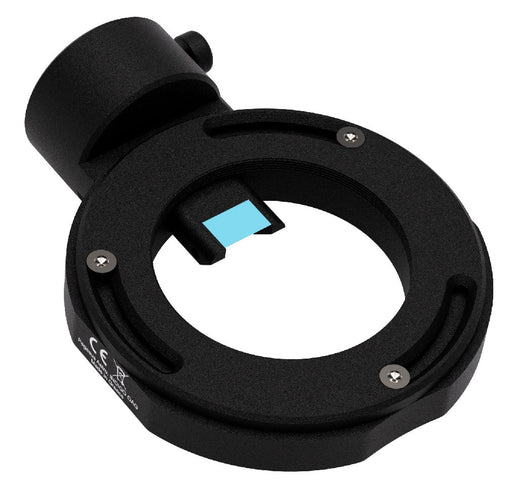
Pegasus Indigo OAG
PEG-INDIGOOAG
1 in stock
Pegasus Indigo OAG
Original price
CA$266.00
-
Original price
CA$266.00
Original price
CA$266.00
CA$266.00
-
CA$266.00
Current price
CA$266.00

Original price
CA$139.00
-
Original price
CA$139.00
Original price
CA$139.00
CA$139.00
-
CA$139.00
Current price
CA$139.00
Player One 100mm Mini Guiding Set
POA-MINIGS
1 in stock
Compact and lightweight guidescope solution Designed for use with dedicated astronomy guide cameras Enables precise autoguiding for sharper, longe...
View full details
Original price
CA$139.00
-
Original price
CA$139.00
Original price
CA$139.00
CA$139.00
-
CA$139.00
Current price
CA$139.00

Original price
CA$278.00
-
Original price
CA$278.00
Original price
CA$278.00
CA$278.00
-
CA$278.00
Current price
CA$278.00
Player One FHD-OAG MAX
POA-OAG-MAX
2 in stock
Large 8mm x 14mm Pick-off Prism Wide 16:9 Format Matches Modern Guide Sensors Designed for Player One MAX Filter Drawer Supports Poseidon, Zeus, a...
View full details
Original price
CA$278.00
-
Original price
CA$278.00
Original price
CA$278.00
CA$278.00
-
CA$278.00
Current price
CA$278.00

Original price
CA$264.00
-
Original price
CA$264.00
Original price
CA$264.00
CA$264.00
-
CA$264.00
Current price
CA$264.00
Player One FHD-OAG MINI
POA-OAG-MINI
1 in stock
8x14mm Pick-off Prism 16:9 Aspect Ratio for FHD Sensors Optimized for Ares and Xena Series Cameras Designed for Player One Filter Drawer MINI Comp...
View full details
Original price
CA$264.00
-
Original price
CA$264.00
Original price
CA$264.00
CA$264.00
-
CA$264.00
Current price
CA$264.00
Original price
CA$259.00
-
Original price
CA$259.00
Original price
CA$259.00
CA$259.00
-
CA$259.00
Current price
CA$259.00
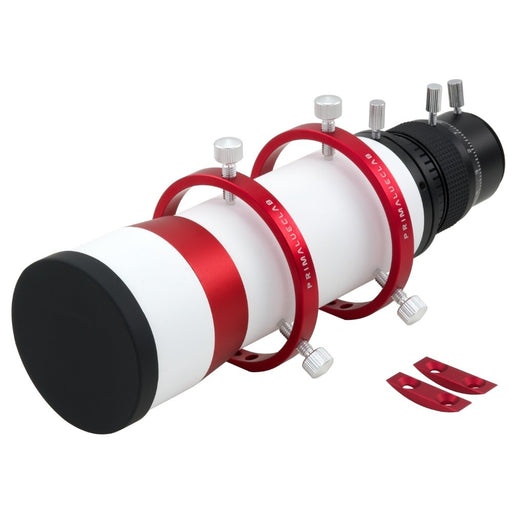
PrimaLuceLab 60mm CompactGuide Scope with PLUS 80mm Guide Rings
PLL-PLLCG60
1 in stock
Dual-purpose guide scope and optical finder Achromatic lens for sharp guide stars Non-rotating helical focuser maintains camera orientation Includ...
View full details
Original price
CA$259.00
-
Original price
CA$259.00
Original price
CA$259.00
CA$259.00
-
CA$259.00
Current price
CA$259.00

Original price
CA$147.00
-
Original price
CA$147.00
Original price
CA$147.00
CA$147.00
-
CA$147.00
Current price
CA$147.00
PrimaLuceLab Guide Rings PLUS 115mm
PLL-PLLANGU115P
115mm Internal Diameter CNC-Machined Aluminum Construction Hard Anodized Red Finish Part of the PrimaLuceLab PLUS System Designed for Parallel Gui...
View full details
Original price
CA$147.00
-
Original price
CA$147.00
Original price
CA$147.00
CA$147.00
-
CA$147.00
Current price
CA$147.00