
Planetary Filters
Planetary detail is a contrast problem, not a brightness problem. Jupiter is bright enough; what it lacks is separation between the belts and the zones. Planetary filters supply exactly that: a blue filter darkens the Great Red Spot's surroundings, an orange sharpens Martian surface markings, a yellow tames the glare on Venus. David Astro carries planetary filters in Canada, in stock, with fast shipping across Canada and worldwide.
These filters are inexpensive and their effect depends heavily on aperture. Tell us your telescope and which planets you follow and we will suggest a small set that earns its place.

Original price
CA$236.00
-
Original price
CA$236.00
Original price
CA$236.00
CA$236.00
-
CA$236.00
Current price
CA$236.00
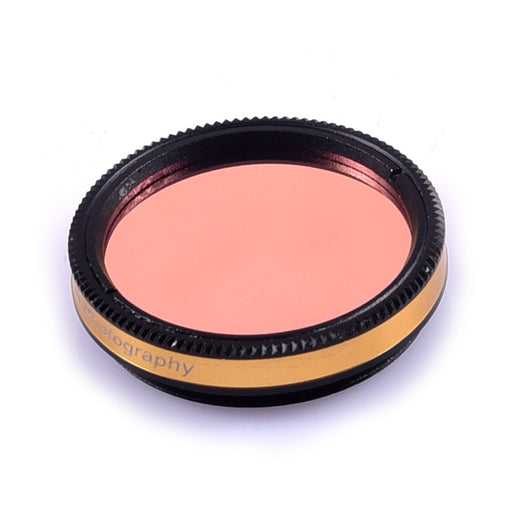
Antlia CH4 Methane Filter - 1.25"
ANT-CH4
1 in stock
Antlia methane (CH4) filter is a specialized filter that allows light in the near infrared portion of the spectrum centered at 889nm to pass throug...
View full details
Original price
CA$236.00
-
Original price
CA$236.00
Original price
CA$236.00
CA$236.00
-
CA$236.00
Current price
CA$236.00
Original price
CA$283.00
-
Original price
CA$283.00
Original price
CA$283.00
CA$283.00
-
CA$283.00
Current price
CA$283.00
Antlia U-Venus Filter - 1.25"
ANT-UVENUS
2 in stock
Antlia Venus-U filter is designed for imaging the cloud structure of Venus and Jupiter with CCD cameras on a telescope. Cloud details primarily re...
View full details
Original price
CA$283.00
-
Original price
CA$283.00
Original price
CA$283.00
CA$283.00
-
CA$283.00
Current price
CA$283.00
Original price
CA$401.00
-
Original price
CA$605.00
Original price
CA$401.00
-
CA$605.00
CA$401.00
-
CA$605.00
Current price
CA$401.00
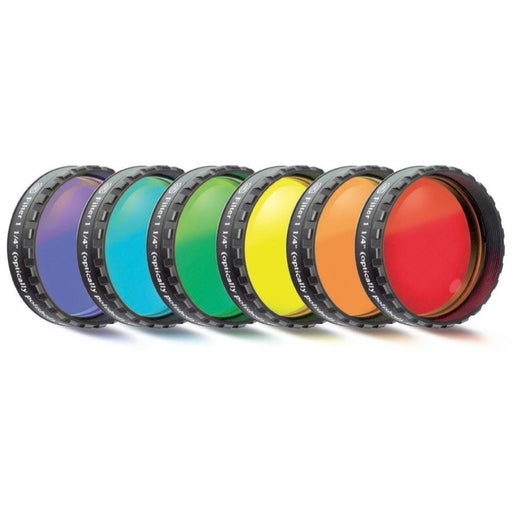
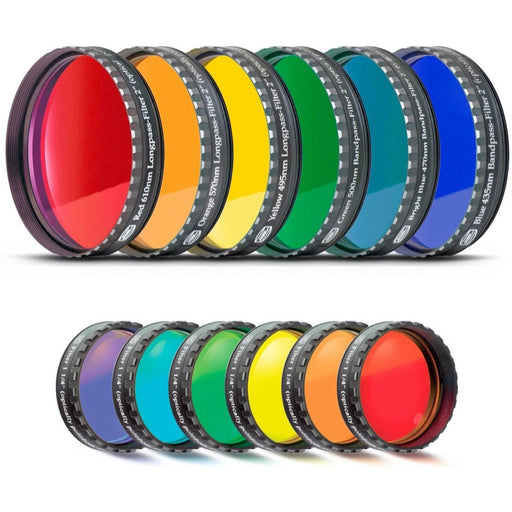
Baader Color Filter Set - 6 Colors
Options available
2 variants in stock
Set of 6 essential color filters for lunar and planetary observing Planeoptically polished to maintain image sharpness at high magnification Doubl...
View full details
Original price
CA$401.00
-
Original price
CA$605.00
Original price
CA$401.00
-
CA$605.00
CA$401.00
-
CA$605.00
Current price
CA$401.00
Original price
CA$130.00
-
Original price
CA$209.00
Original price
CA$130.00
-
CA$209.00
CA$130.00
-
CA$209.00
Current price
CA$130.00
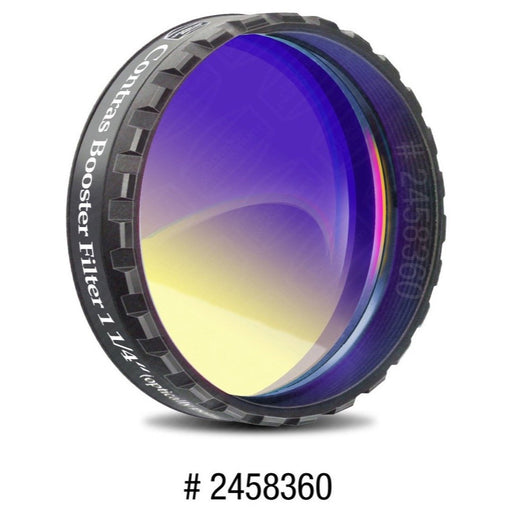
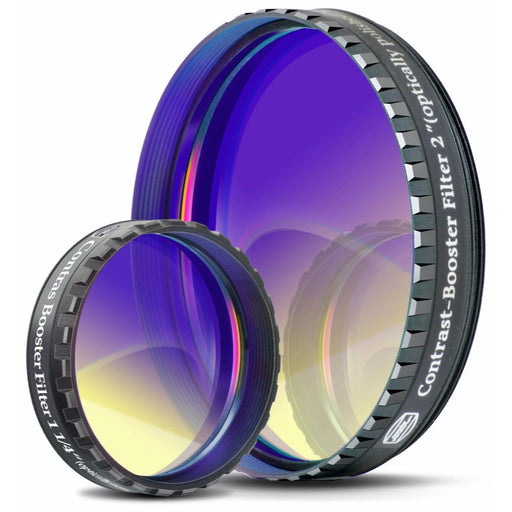
Baader Contrast-Booster Filter
Options available
6 variants in stock
Enhances contrast for lunar and planetary observing Significantly darkens skyglow background Reveals subtle details in Jupiter's cloud belts and M...
View full details
Original price
CA$130.00
-
Original price
CA$209.00
Original price
CA$130.00
-
CA$209.00
CA$130.00
-
CA$209.00
Current price
CA$130.00
Original price
CA$75.00
-
Original price
CA$110.00
Original price
CA$75.00
-
CA$110.00
CA$75.00
-
CA$110.00
Current price
CA$75.00
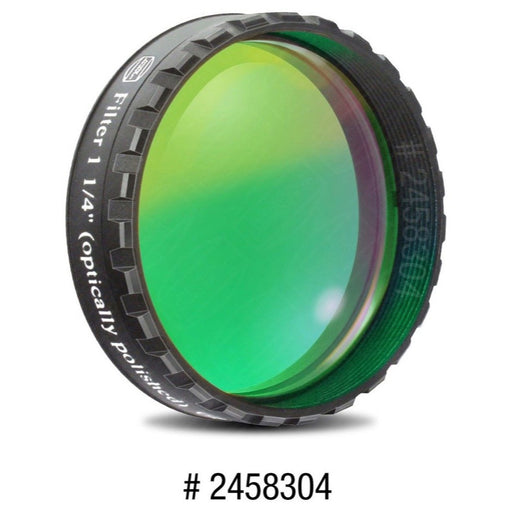
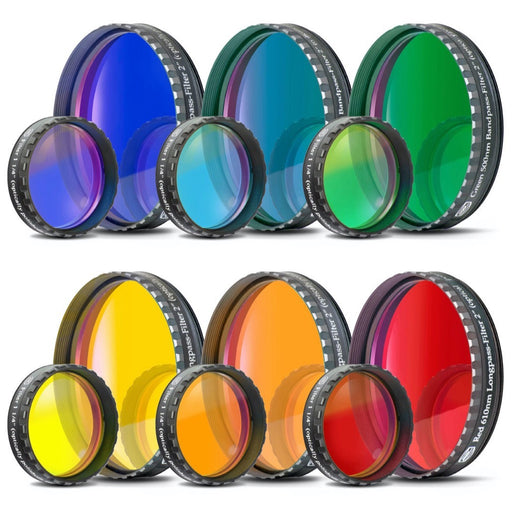
Baader Individual Color Filter - Dark Blue, Bright Blue, Green, Yellow, Red, Orange
Options available
12 variants in stock
Available in 6 distinct colors for targeted planetary observation Planeoptically polished to 30 arcseconds for zero image degradation 7-layer anti...
View full details
Original price
CA$75.00
-
Original price
CA$110.00
Original price
CA$75.00
-
CA$110.00
CA$75.00
-
CA$110.00
Current price
CA$75.00
Original price
CA$348.00
-
Original price
CA$348.00
Original price
CA$348.00
CA$348.00
-
CA$348.00
Current price
CA$348.00
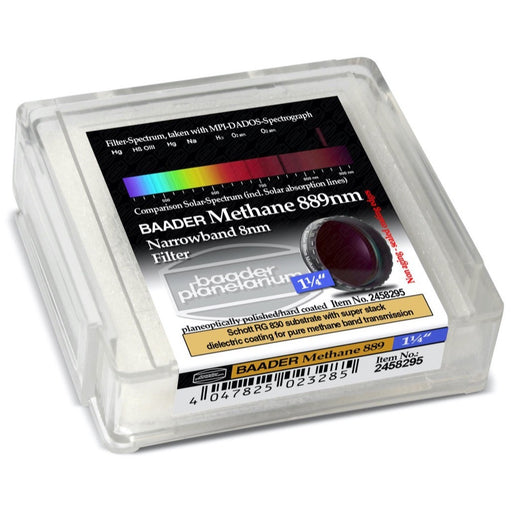
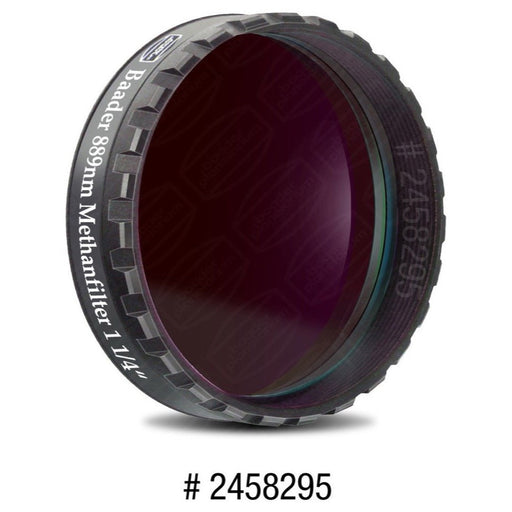
Baader Methane Filter 889nm - 8nm 1.25"
BAA-2458295
889nm Center Wavelength 8nm Bandwidth (FWHM) Targets Methane Absorption Band High-Contrast Planetary Imaging 1.25" Filter Format Description FA...
View full details
Original price
CA$348.00
-
Original price
CA$348.00
Original price
CA$348.00
CA$348.00
-
CA$348.00
Current price
CA$348.00
Original price
CA$130.00
-
Original price
CA$213.00
Original price
CA$130.00
-
CA$213.00
CA$130.00
-
CA$213.00
Current price
CA$130.00
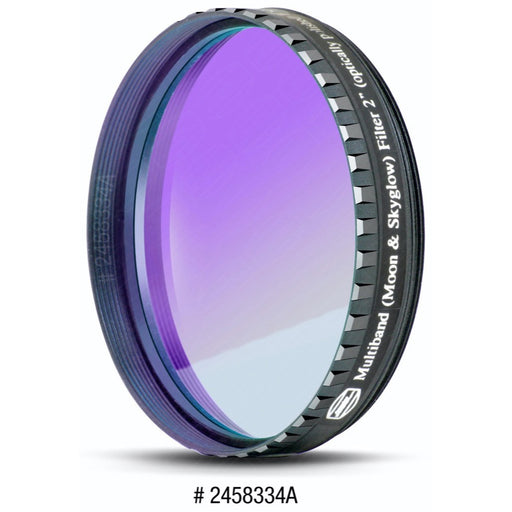
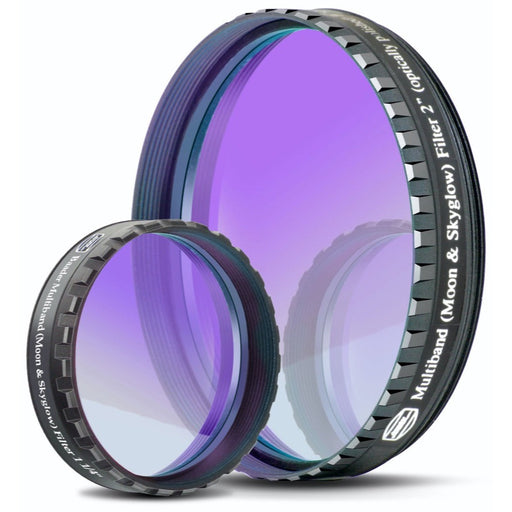
Baader Moon & Skyglow Filter
Options available
5 variants in stock
Enhances lunar and planetary contrast with a Neodymium glass substrate Suppresses skyglow from artificial lighting without aggressive color shifti...
View full details
Original price
CA$130.00
-
Original price
CA$213.00
Original price
CA$130.00
-
CA$213.00
CA$130.00
-
CA$213.00
Current price
CA$130.00
Original price
CA$348.00
-
Original price
CA$487.00
Original price
CA$348.00
-
CA$487.00
CA$348.00
-
CA$487.00
Current price
CA$348.00
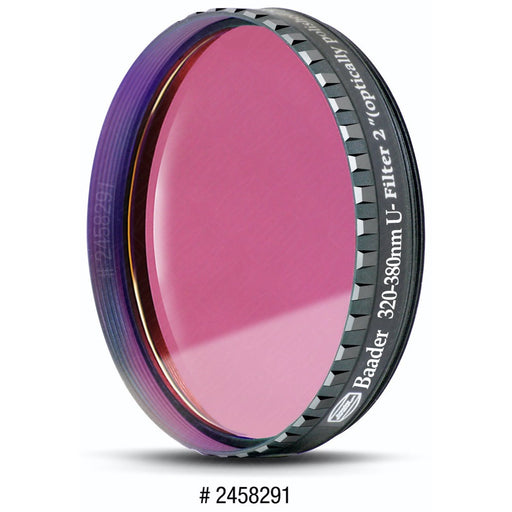
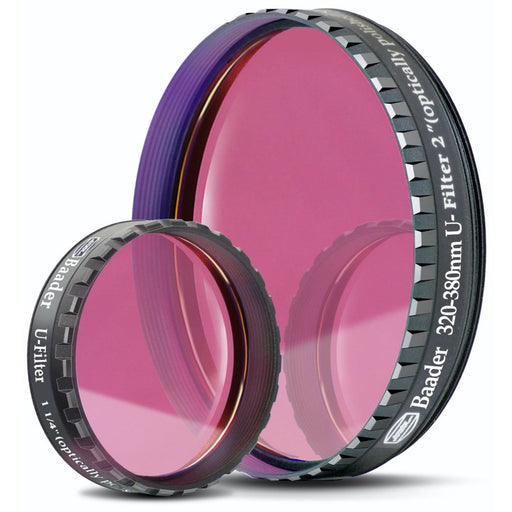
Baader U-Venus Filter - 350nm
Options available
1 variants in stock
350nm Central Wavelength 60nm Bandwidth (320-380nm) ~80% Peak Transmission Blocks Visible and IR light from 200nm to 1120nm Dielectric Multi-Coate...
View full details
Original price
CA$348.00
-
Original price
CA$487.00
Original price
CA$348.00
-
CA$487.00
CA$348.00
-
CA$487.00
Current price
CA$348.00
Original price
CA$76.00
-
Original price
CA$76.00
Original price
CA$76.00
CA$76.00
-
CA$76.00
Current price
CA$76.00
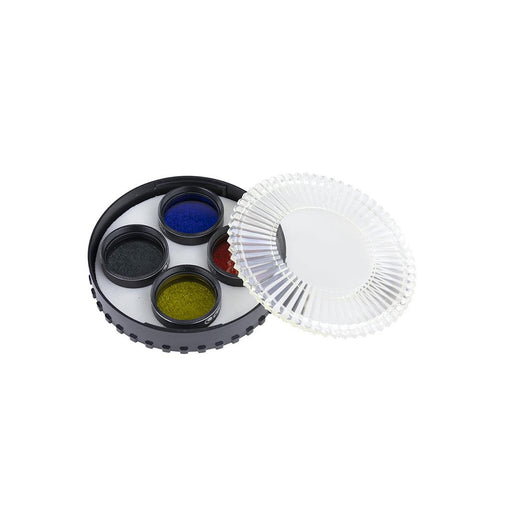
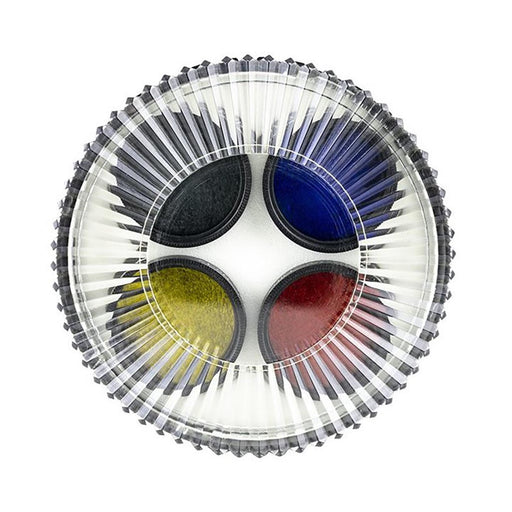
Celestron Lunar and Planetary Filter Set - 1.25"
CEL-94119-10
Four essential 1.25" planetary filters: #12 Deep Yellow, #21 Orange, #80A Blue, and ND-96-0.3 Enhances specific details on the Moon, Mars, Jupiter...
View full details
Original price
CA$76.00
-
Original price
CA$76.00
Original price
CA$76.00
CA$76.00
-
CA$76.00
Current price
CA$76.00
Original price
CA$18.00
-
Original price
CA$18.00
Original price
CA$18.00
CA$18.00
-
CA$18.00
Current price
CA$18.00
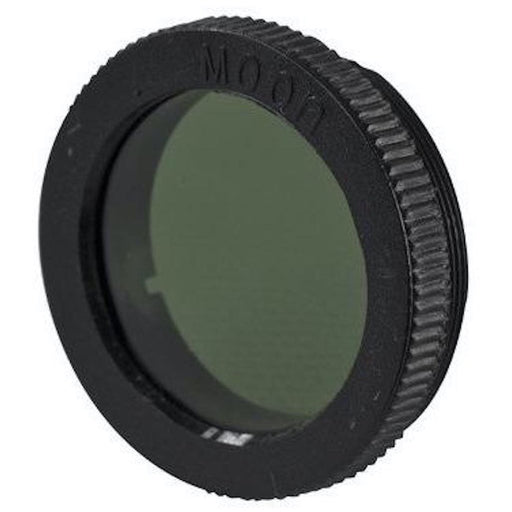
Celestron Moon Filter - 1.25"
CEL-94119-A
Reduces overwhelming brightness and glare from the Moon Enhances contrast to reveal finer surface details Threads directly onto most standard 1.25...
View full details
Original price
CA$18.00
-
Original price
CA$18.00
Original price
CA$18.00
CA$18.00
-
CA$18.00
Current price
CA$18.00
Original price
CA$83.00
-
Original price
CA$83.00
Original price
CA$83.00
CA$83.00
-
CA$83.00
Current price
CA$83.00
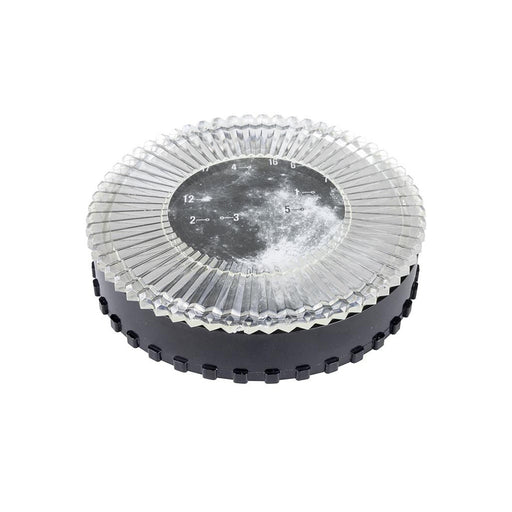
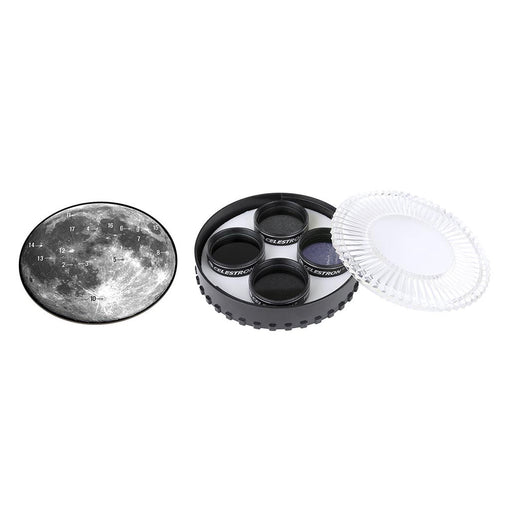
Celestron Moon Filter Set - 1.25”
CEL-94315
Four essential 1.25” lunar filters in one kit Three Neutral Density (ND) filters reduce brightness with 13%, 25%, and 50% transmission Moon & ...
View full details
Original price
CA$83.00
-
Original price
CA$83.00
Original price
CA$83.00
CA$83.00
-
CA$83.00
Current price
CA$83.00
Original price
CA$28.00
-
Original price
CA$28.00
Original price
CA$28.00
CA$28.00
-
CA$28.00
Current price
CA$28.00
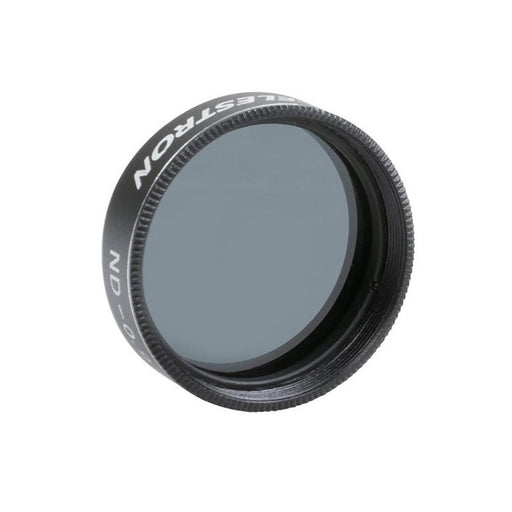
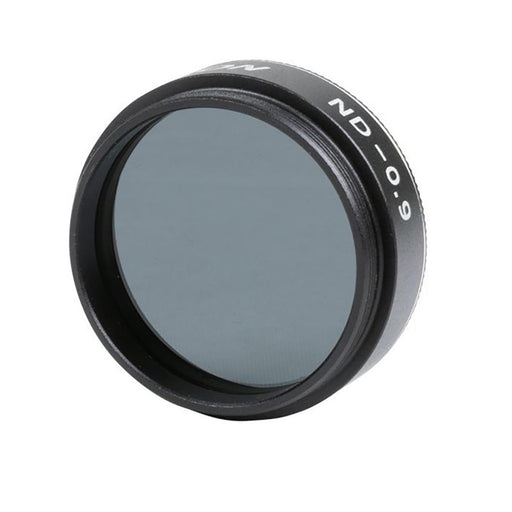
Celestron Neutral Density Moon Filter - 1.25"
CEL-94105
Reduces overwhelming brightness from the Moon and bright planets Transmits only 13% of incoming light for comfortable viewing Fits all standard 1....
View full details
Original price
CA$28.00
-
Original price
CA$28.00
Original price
CA$28.00
CA$28.00
-
CA$28.00
Current price
CA$28.00
Original price
CA$385.00
-
Original price
CA$1,106.00
Original price
CA$385.00
-
CA$1,106.00
CA$385.00
-
CA$1,106.00
Current price
CA$385.00
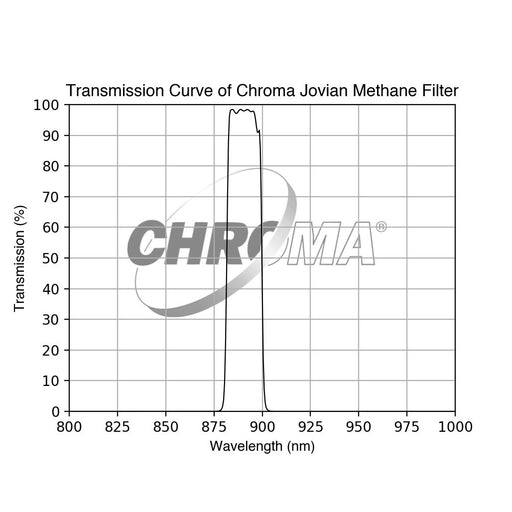
Chroma Jovian Methane Filter
Options available
Methane absorption band filter. This filter enhances contrast when imaging objects containing significant levels of methane. Methane-rich component...
View full details
Original price
CA$385.00
-
Original price
CA$1,106.00
Original price
CA$385.00
-
CA$1,106.00
CA$385.00
-
CA$1,106.00
Current price
CA$385.00

Original price
CA$48.00
-
Original price
CA$48.00
Original price
CA$48.00
CA$48.00
-
CA$48.00
Current price
CA$48.00
David Astro Planetary Color Filter Kit with Case - 1.25"
DAV-CF-1.25
Filter No.12 Filter No.21 Filter No.23A Filter No.56 Filter No.82 Moon & Sky filter
Original price
CA$48.00
-
Original price
CA$48.00
Original price
CA$48.00
CA$48.00
-
CA$48.00
Current price
CA$48.00
Sold out

Original price
CA$20.00
-
Original price
CA$20.00
Original price
CA$20.00
CA$20.00
-
CA$20.00
Current price
CA$20.00
iOptron Green Moon Filter
IOP-TFE100
Enhances contrast on lunar and planetary features Reduces glare for more comfortable viewing Improves detail in Martian polar caps and dust storms...
View full details
Original price
CA$20.00
-
Original price
CA$20.00
Original price
CA$20.00
CA$20.00
-
CA$20.00
Current price
CA$20.00


Original price
CA$45.00
-
Original price
CA$67.00
Original price
CA$45.00
-
CA$67.00
CA$45.00
-
CA$67.00
Current price
CA$45.00
Optolong Moon & Skyglow Filter
Options available
Blocks over 99% of common light pollution emission lines Maintains over 90% average transmission for bright, detailed views λ/4 transmitted wavefr...
View full details
Original price
CA$45.00
-
Original price
CA$67.00
Original price
CA$45.00
-
CA$67.00
CA$45.00
-
CA$67.00
Current price
CA$45.00
Original price
CA$181.00
-
Original price
CA$181.00
Original price
CA$181.00
CA$181.00
-
CA$181.00
Current price
CA$181.00
Player One CH4 8nm Filter E-series - 1.25"
POA-CH4-125E
Isolates the 8nm methane (CH4) absorption band Standard 1.25″ filter cell format Optimized for modern CMOS and CCD planetary cameras E-series feat...
View full details
Original price
CA$181.00
-
Original price
CA$181.00
Original price
CA$181.00
CA$181.00
-
CA$181.00
Current price
CA$181.00


Original price
CA$16.00
-
Original price
CA$20.00
Original price
CA$16.00
-
CA$20.00
CA$16.00
-
CA$20.00
Current price
CA$16.00
SVBONY Moon Filter
Options available
Reduces glare for comfortable lunar and planetary observing Fits any standard 1.25" eyepiece or accessory Standard M28.5x0.6 filter threads Enhanc...
View full details
Original price
CA$16.00
-
Original price
CA$20.00
Original price
CA$16.00
-
CA$20.00
CA$16.00
-
CA$20.00
Current price
CA$16.00


Original price
CA$38.00
-
Original price
CA$38.00
Original price
CA$38.00
CA$38.00
-
CA$38.00
Current price
CA$38.00
SVBONY SV155 7-Piece Telescope Filter Set - 1.25"
SV-F9135A
4 in stock
7-Piece Filter Set Includes Moon, CPL, and 5 Color Filters Standard 1.25-inch Barrel Size M28.5*0.6 Filter Threads 2mm Thick Optical Glass Desc...
View full details
Original price
CA$38.00
-
Original price
CA$38.00
Original price
CA$38.00
CA$38.00
-
CA$38.00
Current price
CA$38.00
Original price
CA$139.00
-
Original price
CA$139.00
Original price
CA$139.00
CA$139.00
-
CA$139.00
Current price
CA$139.00
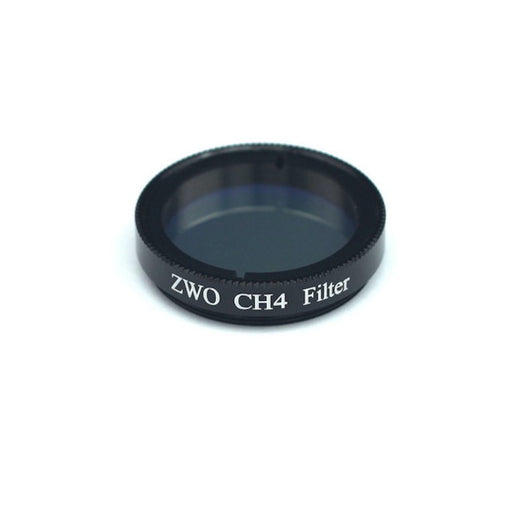
ZWO CH4 Methane Filter - 20nm 1.25"
ZWO-CH4
3 in stock
Reveals high-altitude detail on Jupiter and Saturn 20nm bandpass centered on the methane absorption line Standard 1.25" (31.75mm) threaded cell Re...
View full details
Original price
CA$139.00
-
Original price
CA$139.00
Original price
CA$139.00
CA$139.00
-
CA$139.00
Current price
CA$139.00