
H-Alpha & CaK Filters
A solar filter module turns a telescope you already own into a hydrogen-alpha instrument. An etalon at the front, a blocking filter at the back, and a suitable refractor between them gives you prominences and surface detail without buying a second dedicated telescope. David Astro carries solar modules in Canada, held in Canadian stock.
Not every telescope is suitable, and aperture and focal ratio limits are safety-relevant as well as performance-relevant. Tell us your telescope and we will confirm compatibility before anything ships.

Original price
CA$377.00
-
Original price
CA$377.00
Original price
CA$377.00
CA$377.00
-
CA$377.00
Current price
CA$377.00
Antlia CaK 3nm 393.3nm Solar Filter - 1.25"
ANT-CAK-3NM-1.25
Isolates the Calcium K-line (CaK) at a central wavelength of 393.3nm Narrow 3nm bandpass designed to maximize contrast for high-resolution solar i...
View full details
Original price
CA$377.00
-
Original price
CA$377.00
Original price
CA$377.00
CA$377.00
-
CA$377.00
Current price
CA$377.00


Original price
CA$503.00
-
Original price
CA$503.00
Original price
CA$503.00
CA$503.00
-
CA$503.00
Current price
CA$503.00
Antlia Solar Discover 3nm CaK Filter Assembly
ANT-SD-CAK3NM
Isolates the 393.3nm Calcium-K emission line for high-contrast solar imaging Ultra-narrow 3nm bandpass designed to maximize imaging contrast of su...
View full details
Original price
CA$503.00
-
Original price
CA$503.00
Original price
CA$503.00
CA$503.00
-
CA$503.00
Current price
CA$503.00


Original price
CA$1,232.00
-
Original price
CA$1,316.00
Original price
CA$1,232.00
-
CA$1,316.00
CA$1,232.00
-
CA$1,316.00
Current price
CA$1,232.00
Antlia Solar Discover 5Å CaK Filter Assembly
Options available
5Å (0.5nm) Ultra-Narrow Bandpass Filter Centered on the 393.3nm Calcium II K-Line 12mm Clear Aperture Refractors up to 100mm Aperture Without Extr...
View full details
Original price
CA$1,232.00
-
Original price
CA$1,316.00
Original price
CA$1,232.00
-
CA$1,316.00
CA$1,232.00
-
CA$1,316.00
Current price
CA$1,232.00


Original price
CA$139.00
-
Original price
CA$3,188.00
Original price
CA$139.00
-
CA$3,188.00
CA$139.00
-
CA$3,188.00
Current price
CA$139.00
Antlia Solar Discover Dualband ERF
Options available
2 variants in stock
Dualband design passes both H-alpha (656.3nm) and CaK/CaH (393nm) wavelengths Wide 25nm FWHM bandpass with over 90% peak transmission in both band...
View full details
Original price
CA$139.00
-
Original price
CA$3,188.00
Original price
CA$139.00
-
CA$3,188.00
CA$139.00
-
CA$3,188.00
Current price
CA$139.00


Original price
CA$139.00
-
Original price
CA$139.00
Original price
CA$139.00
CA$139.00
-
CA$139.00
Current price
CA$139.00
Antlia Solar Discover Dualband Ha CaK and CaH Filter Assembly - Mini
ANT-SD-MINI
2 in stock
Passes Ha (656.3nm), CaK (393.3nm), and CaH (396.8nm) wavelengths Without extra light reduction, for refractors up to 100mm aperture only Comes wi...
View full details
Original price
CA$139.00
-
Original price
CA$139.00
Original price
CA$139.00
CA$139.00
-
CA$139.00
Current price
CA$139.00


Original price
CA$209.00
-
Original price
CA$209.00
Original price
CA$209.00
CA$209.00
-
CA$209.00
Current price
CA$209.00
Antlia Solar Discover Dualband Ha CaK and CaH Filter Assembly - Standard
ANT-SD-STANDARD
3 in stock
Passes Ha (656.3nm), CaK (393.3nm), and CaH (396.8nm) wavelengths Without extra light reduction, for refractors up to 100mm aperture only Comes wi...
View full details
Original price
CA$209.00
-
Original price
CA$209.00
Original price
CA$209.00
CA$209.00
-
CA$209.00
Current price
CA$209.00

Original price
CA$415.00
-
Original price
CA$415.00
Original price
CA$415.00
CA$415.00
-
CA$415.00
Current price
CA$415.00
Baader Calcium GEN-II Filter - 1.25"
BAA-2961590
Calcium GEN-II Solar Filter 1.25" Barrel Size Reveals Chromospheric Detail Camera-Use Only (Not for Visual) Requires Full-Aperture Pre-Filter D...
View full details
Original price
CA$415.00
-
Original price
CA$415.00
Original price
CA$415.00
CA$415.00
-
CA$415.00
Current price
CA$415.00
Original price
CA$459.00
-
Original price
CA$2,416.00
Original price
CA$459.00
-
CA$2,416.00
CA$459.00
-
CA$2,416.00
Current price
CA$459.00
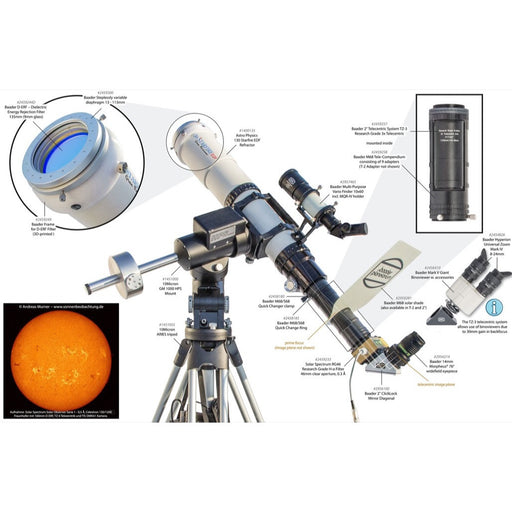
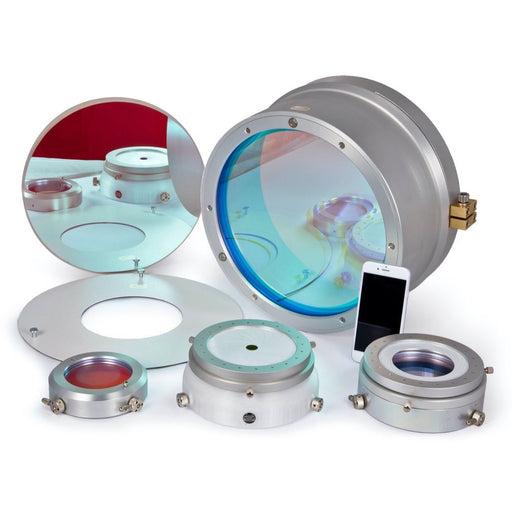
Baader D-ERF Energy Rejection Filter - 75-180mm
Options available
Full-aperture solar energy rejection filter Required for use with rear-mounted H-alpha etalon systems Advanced, hard dielectric IR-cut coatings Pr...
View full details
Original price
CA$459.00
-
Original price
CA$2,416.00
Original price
CA$459.00
-
CA$2,416.00
CA$459.00
-
CA$2,416.00
Current price
CA$459.00


Original price
CA$8,008.00
-
Original price
CA$8,008.00
Original price
CA$8,008.00
CA$8,008.00
-
CA$8,008.00
Current price
CA$8,008.00
Baader Planetarium D-ERF Energy Rejection Filter - 290mm Aperture, 20mm Thickness
BAA-2965000D
290mm Clear Aperture 20mm Thick Glass Substrate IR-Cut Dielectric Coating Pre-Filter for H-Alpha Solar Systems Description FAQ Specifications I...
View full details
Original price
CA$8,008.00
-
Original price
CA$8,008.00
Original price
CA$8,008.00
CA$8,008.00
-
CA$8,008.00
Current price
CA$8,008.00
Original price
CA$1,813.00
-
Original price
CA$1,813.00
Original price
CA$1,813.00
CA$1,813.00
-
CA$1,813.00
Current price
CA$1,813.00
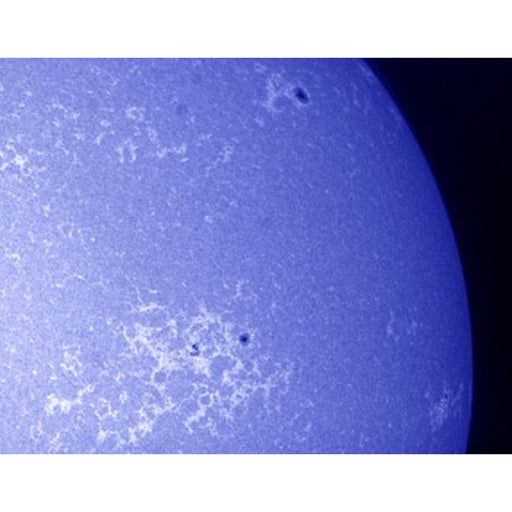
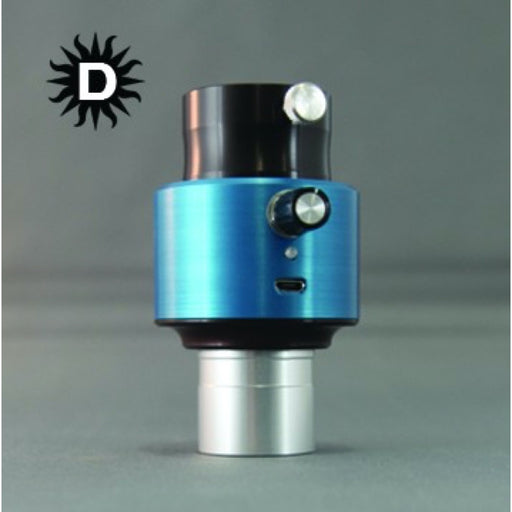
Daystar Calcium Quark Solar Filter
DAY-DSZCH
Targets the 3968.5Å Calcium H-line Wavelength All-in-One Eyepiece-Style Solar Filter Optimized for F/7 to F/30 Refractor Telescopes Integrated 25m...
View full details
Original price
CA$1,813.00
-
Original price
CA$1,813.00
Original price
CA$1,813.00
CA$1,813.00
-
CA$1,813.00
Current price
CA$1,813.00
Original price
CA$2,093.00
-
Original price
CA$2,093.00
Original price
CA$2,093.00
CA$2,093.00
-
CA$2,093.00
Current price
CA$2,093.00
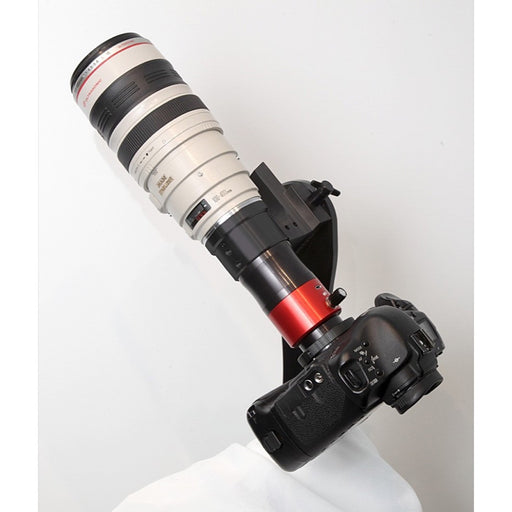
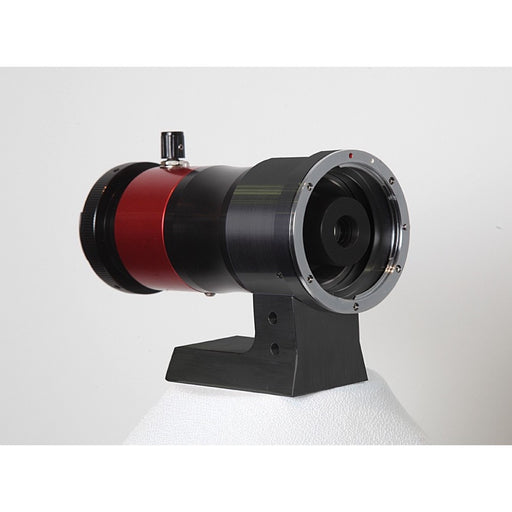
Daystar Camera Quark Chromosphere Solar Filter
Options available
Transforms Canon or Nikon SLR lenses into a Hydrogen-Alpha solar telescope Integrated, H-Alpha optimized telecentric Barlow lens USB-powered, heat...
View full details
Original price
CA$2,093.00
-
Original price
CA$2,093.00
Original price
CA$2,093.00
CA$2,093.00
-
CA$2,093.00
Current price
CA$2,093.00
Original price
CA$2,093.00
-
Original price
CA$2,093.00
Original price
CA$2,093.00
CA$2,093.00
-
CA$2,093.00
Current price
CA$2,093.00
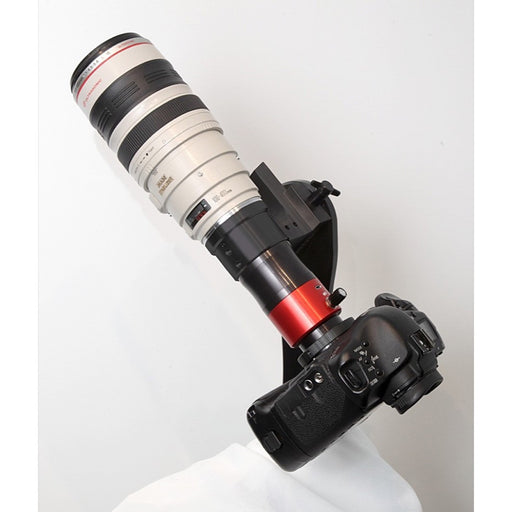
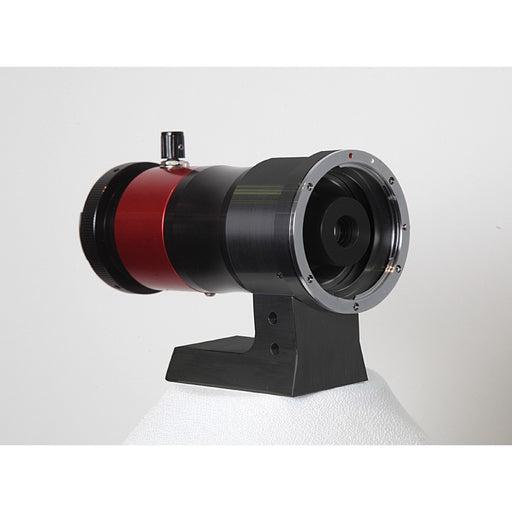
Daystar Camera Quark Prominence Solar Filter
Options available
Transforms Canon or Nikon SLR lenses into a Hydrogen-Alpha solar telescope Optimized for high-contrast views of solar prominences Internal Fabry-P...
View full details
Original price
CA$2,093.00
-
Original price
CA$2,093.00
Original price
CA$2,093.00
CA$2,093.00
-
CA$2,093.00
Current price
CA$2,093.00
Original price
CA$1,813.00
-
Original price
CA$1,813.00
Original price
CA$1,813.00
CA$1,813.00
-
CA$1,813.00
Current price
CA$1,813.00
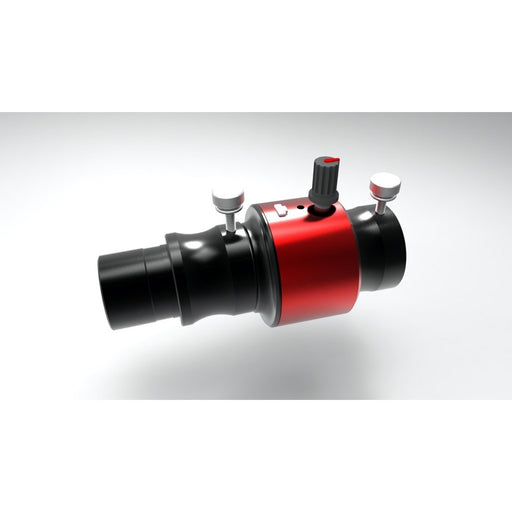
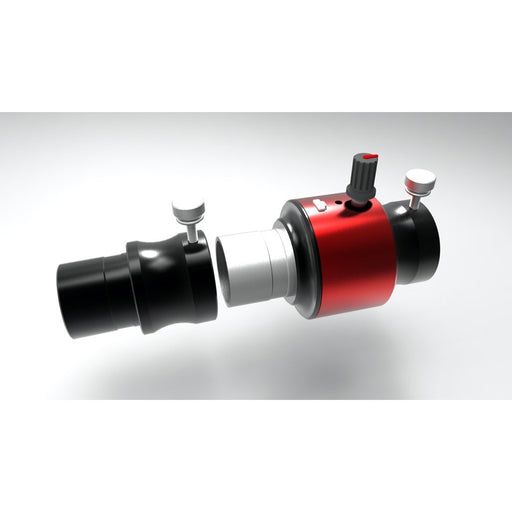
Daystar Combo Quark Chromosphere Solar Filter
DAY-DSZCC
1 in stock
Hydrogen-Alpha Solar Filter for Chromosphere Viewing Optimized for Long Focal Ratio Telescopes (f/15+) All-in-One, Eyepiece-Sized Design Low-Power...
View full details
Original price
CA$1,813.00
-
Original price
CA$1,813.00
Original price
CA$1,813.00
CA$1,813.00
-
CA$1,813.00
Current price
CA$1,813.00
Original price
CA$1,813.00
-
Original price
CA$1,813.00
Original price
CA$1,813.00
CA$1,813.00
-
CA$1,813.00
Current price
CA$1,813.00
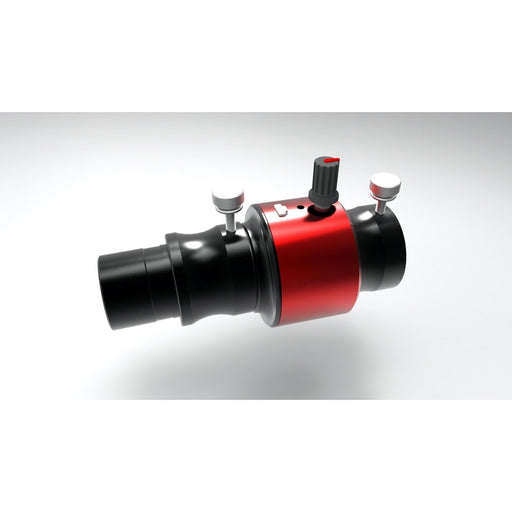
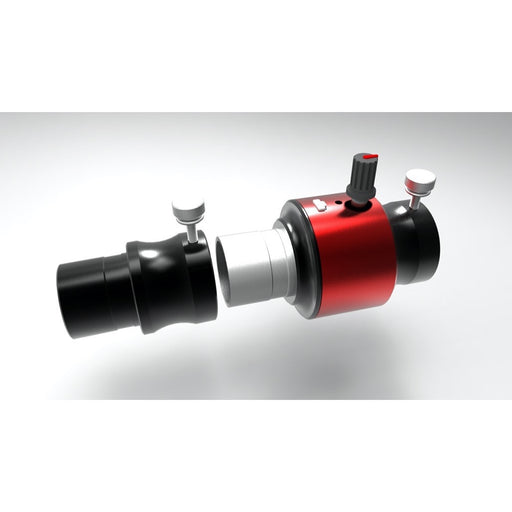
Daystar Combo Quark Prominence Solar Filter
DAY-DSZCP
Optimized for Solar Prominences Designed for Telescopes from f/15 to f/30 All-In-One, Eyepiece-Style Design Powered by Standard 5V USB Requires Of...
View full details
Original price
CA$1,813.00
-
Original price
CA$1,813.00
Original price
CA$1,813.00
CA$1,813.00
-
CA$1,813.00
Current price
CA$1,813.00
Original price
CA$770.00
-
Original price
CA$2,303.00
Original price
CA$770.00
-
CA$2,303.00
CA$770.00
-
CA$2,303.00
Current price
CA$770.00
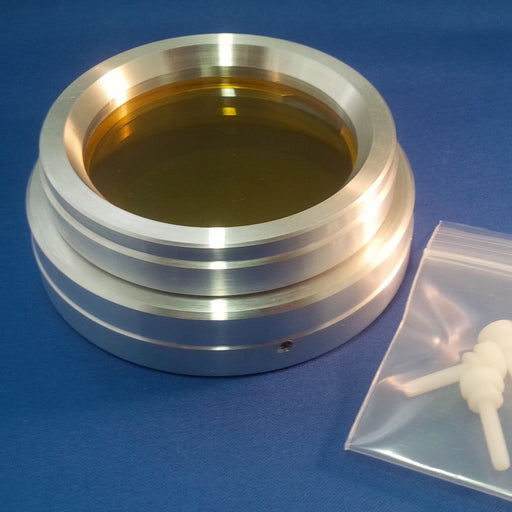
Daystar Energy Rejection Filter for Refractor - 80-150mm ERF Glass
Options available
Full-aperture solar energy rejection filter for refractors Available in 80mm, 100mm, 130mm, and 150mm clear apertures Rejects harmful UV and IR ra...
View full details
Original price
CA$770.00
-
Original price
CA$2,303.00
Original price
CA$770.00
-
CA$2,303.00
CA$770.00
-
CA$2,303.00
Current price
CA$770.00
Original price
CA$770.00
-
Original price
CA$1,673.00
Original price
CA$770.00
-
CA$1,673.00
CA$770.00
-
CA$1,673.00
Current price
CA$770.00
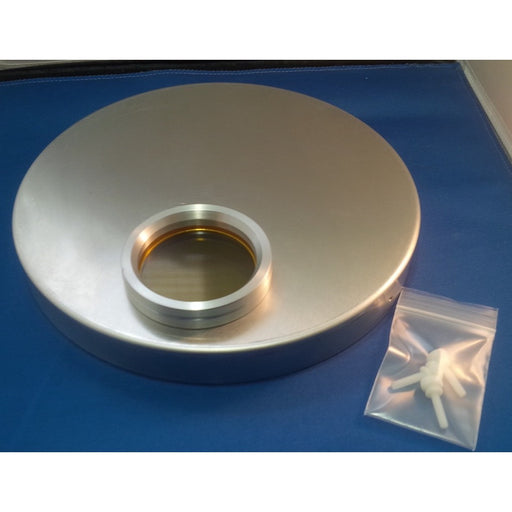
Daystar Energy Rejection Filter for SCT - 63-125mm Off-Axis ERF Glass
Options available
Off-axis energy rejection filter (ERF) for Schmidt-Cassegrain Telescopes Safely isolates a smaller aperture for high-contrast solar viewing Availa...
View full details
Original price
CA$770.00
-
Original price
CA$1,673.00
Original price
CA$770.00
-
CA$1,673.00
CA$770.00
-
CA$1,673.00
Current price
CA$770.00
Original price
CA$2,093.00
-
Original price
CA$2,093.00
Original price
CA$2,093.00
CA$2,093.00
-
CA$2,093.00
Current price
CA$2,093.00
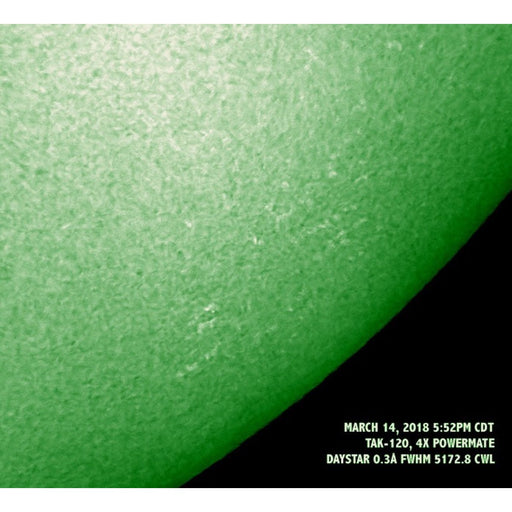
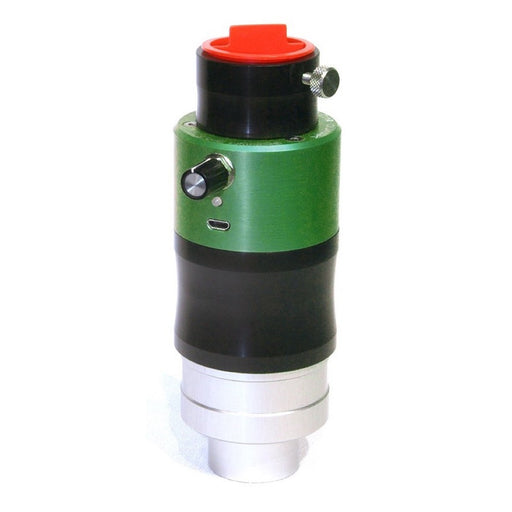
Daystar Magnesium Quark Solar Filter
DAY-DSZMG
Observe the unique Magnesium I (Mg I) solar spectral line All-in-one design fits standard 1.25" diagonals Integrated 4.2X telecentric Barlow lens ...
View full details
Original price
CA$2,093.00
-
Original price
CA$2,093.00
Original price
CA$2,093.00
CA$2,093.00
-
CA$2,093.00
Current price
CA$2,093.00
Original price
CA$19,586.00
-
Original price
CA$19,586.00
Original price
CA$19,586.00
CA$19,586.00
-
CA$19,586.00
Current price
CA$19,586.00
Daystar Quantum Calcium II H-Line Solar Filter - 5Å PE Grade
DAY-CH5AUNI
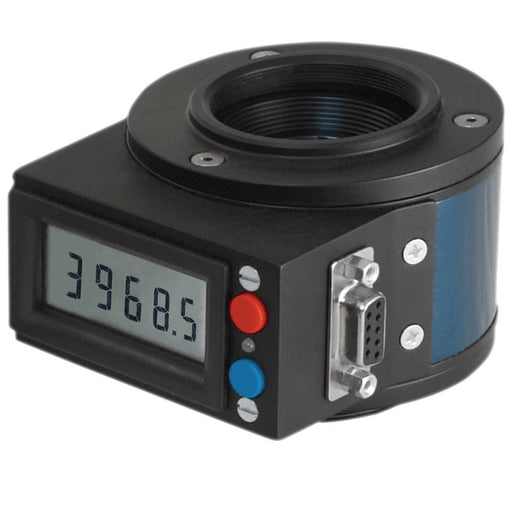
Targets the Calcium II H-Line Emission Optimized for Visual and Imaging Use Reveals Lower Chromospheric Detail Produces a High-Contrast Violet Ima...
View full details
Original price
CA$19,586.00
-
Original price
CA$19,586.00
Original price
CA$19,586.00
CA$19,586.00
-
CA$19,586.00
Current price
CA$19,586.00
Original price
CA$25,186.00
-
Original price
CA$25,186.00
Original price
CA$25,186.00
CA$25,186.00
-
CA$25,186.00
Current price
CA$25,186.00
Daystar Quantum Calcium II K Solar Filter - 2Å PE Grade
DAY-CK2AUNI
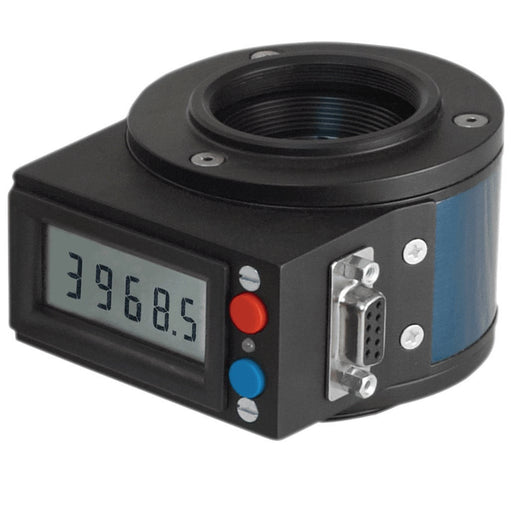
Targets the Calcium II K-line at 393.3nm 2Å Bandpass for high-contrast chromospheric detail PE (Professional Edition) Grade for research applicati...
View full details
Original price
CA$25,186.00
-
Original price
CA$25,186.00
Original price
CA$25,186.00
CA$25,186.00
-
CA$25,186.00
Current price
CA$25,186.00
Original price
CA$16,786.00
-
Original price
CA$50,386.00
Original price
CA$16,786.00
-
CA$50,386.00
CA$16,786.00
-
CA$50,386.00
Current price
CA$16,786.00
Daystar Quantum H-alpha Solar Filter
Options available
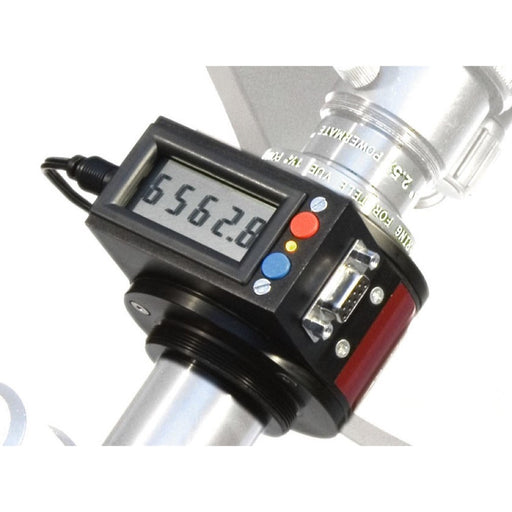
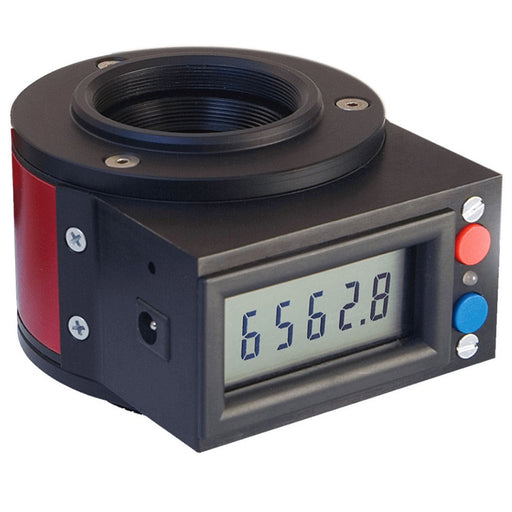
Bandpass options from 0.8Å down to 0.3Å for specific solar targets Live LCD readout of the precise wavelength output, accurate to 0.1Å Red/blue pu...
View full details
Original price
CA$16,786.00
-
Original price
CA$50,386.00
Original price
CA$16,786.00
-
CA$50,386.00
CA$16,786.00
-
CA$50,386.00
Current price
CA$16,786.00


Original price
CA$7,273.00
-
Original price
CA$12,593.00
Original price
CA$7,273.00
-
CA$12,593.00
CA$7,273.00
-
CA$12,593.00
Current price
CA$7,273.00
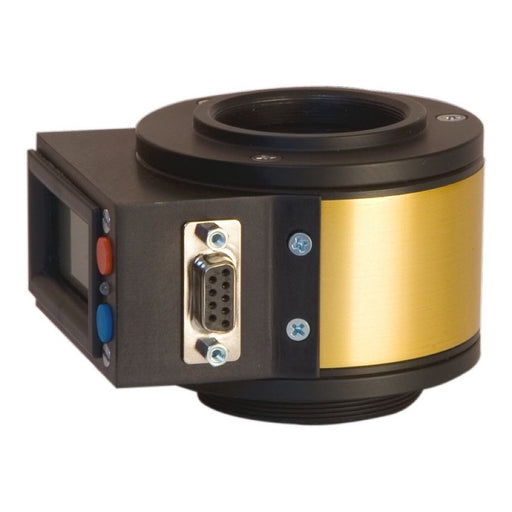
Daystar Quantum H-alpha Solar Filter - SE Grade
Options available
Choice of 0.7-0.9Å or 0.3-0.5Å Tunable Hydrogen-Alpha Bandpass SE (Standard Edition) Grade for Amateur and Academic Use Live LCD Wavelength Readou...
View full details
Original price
CA$7,273.00
-
Original price
CA$12,593.00
Original price
CA$7,273.00
-
CA$12,593.00
CA$7,273.00
-
CA$12,593.00
Current price
CA$7,273.00
Original price
CA$25,193.00
-
Original price
CA$25,193.00
Original price
CA$25,193.00
CA$25,193.00
-
CA$25,193.00
Current price
CA$25,193.00
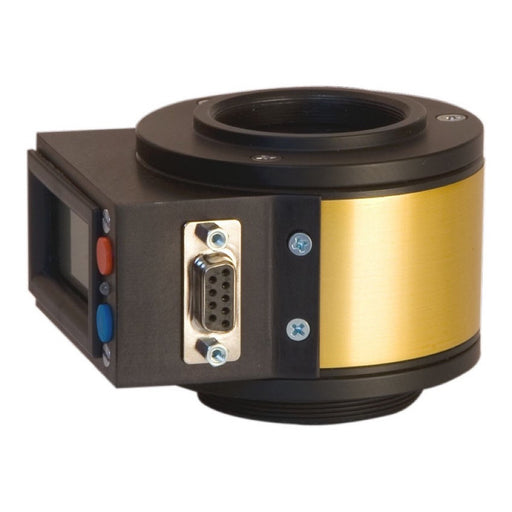
Daystar Quantum Helium D3 Solar Filter - 0.3Å PE Grade
DAY-HeD.3PE
Observes in the rare Helium D3 line at 5875.61Å Ultra-narrow 0.3Å bandpass for maximizing contrast Professional Edition (PE) grade for research-le...
View full details
Original price
CA$25,193.00
-
Original price
CA$25,193.00
Original price
CA$25,193.00
CA$25,193.00
-
CA$25,193.00
Current price
CA$25,193.00
Original price
CA$25,186.00
-
Original price
CA$25,186.00
Original price
CA$25,186.00
CA$25,186.00
-
CA$25,186.00
Current price
CA$25,186.00
Daystar Quantum Sodium D Solar Filter - 0.4Å PE Grade
DAY-NAD.4UNI
Targets the Sodium D emission line at 5895.9Å Ultra-narrow 0.4Å bandpass for high-contrast views Professional Edition (PE) grade for research appl...
View full details
Original price
CA$25,186.00
-
Original price
CA$25,186.00
Original price
CA$25,186.00
CA$25,186.00
-
CA$25,186.00
Current price
CA$25,186.00
Original price
CA$1,799.00
-
Original price
CA$1,799.00
Original price
CA$1,799.00
CA$1,799.00
-
CA$1,799.00
Current price
CA$1,799.00
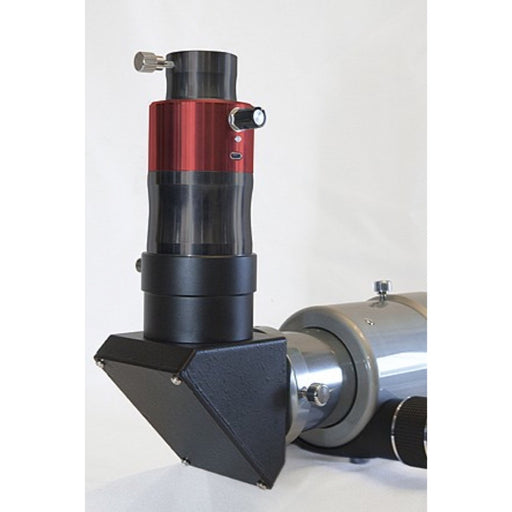
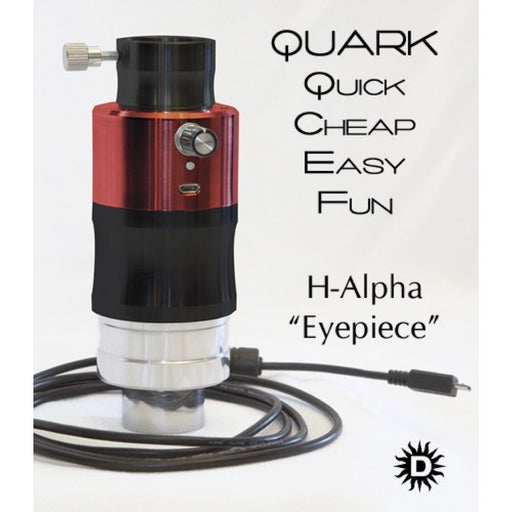
Daystar Quark Chromosphere Solar Filter
DAY-DSZ4C
5 in stock
All-In-One Hydrogen-Alpha Solar Filter System Designed for Chromosphere (Solar Surface) Detail Integrated, H-Alpha Optimized Telecentric Barlow St...
View full details
Original price
CA$1,799.00
-
Original price
CA$1,799.00
Original price
CA$1,799.00
CA$1,799.00
-
CA$1,799.00
Current price
CA$1,799.00